Things to Do in Zadar: Old Town Sights, Museums and Islands
Plan Zadar around the Roman Forum, St Donatus, the Sea Organ and a harbour boat trip, with honest notes on walking order, timings and summer crowds.
On this page
One full day is enough to see Zadar's headline sights on foot, because the Old Town packs the Roman Forum, St Donatus' Church, St Anastasia's Cathedral, Narodni Trg and the Sea Organ into a compact peninsula. A second day is what you add for the Museum of Ancient Glass, the quieter churches and a boat trip towards the islands. This guide orders the sights by walking route rather than as a tick-list, follows the Zadar Walking Tour order through the peninsula, explains how long each stop takes and sets out when a single day is genuinely sufficient.
What to see in Zadar in a day, and what a second day adds
Start at the Roman Forum and St Donatus' Church, move north through Narodni Trg, follow the walls to the Riva and finish on Obala Kralja Petra Krešimira IV for the Sea Organ and the sunset. That sequence keeps you moving in one direction around the peninsula instead of doubling back through the same lanes. In practice it fills a comfortable day without rushing, and the Forum, St Donatus and the Sea Organ sit within a few minutes of each other.
A second day earns its place for the Museum of Ancient Glass and for the smaller churches that most visitors pass by. It also gives you room for a half-day boat trip or a longer crossing towards the Kornati archipelago, which cannot be squeezed into an already full walking day. Travellers who only want the big set pieces can leave after the first day without missing anything essential. The Old Town repays slow wandering as much as sightseeing, with sun-bleached squares and side lanes between the main stops.
How Zadar's Old Town is laid out on its peninsula
The Old Town occupies a rectangular peninsula wrapped by the harbour on three sides, so wherever you walk you are never far from water. That shape makes navigation simple: pick a side of the peninsula, follow the quay and cut inland when a lane looks interesting. The marble limestone paving is elegant and polished, which means it turns slippery in rain or with wet shoes. Arriving by sea, the Jadrolinija car ferries entering and leaving the harbour are what stir the water that drives the Sea Organ's sound.
Zadar splits into the historic Old Town and the newer town beyond it, and nearly everything a short visitor wants is on the peninsula. The main quayside facing the water is Obala Kralja Petra Krešimira IV, where the Sea Organ steps down into the harbour. Treat that promenade as the spine of your route and the Forum as its inland anchor.
The Roman Forum and St Donatus' Church
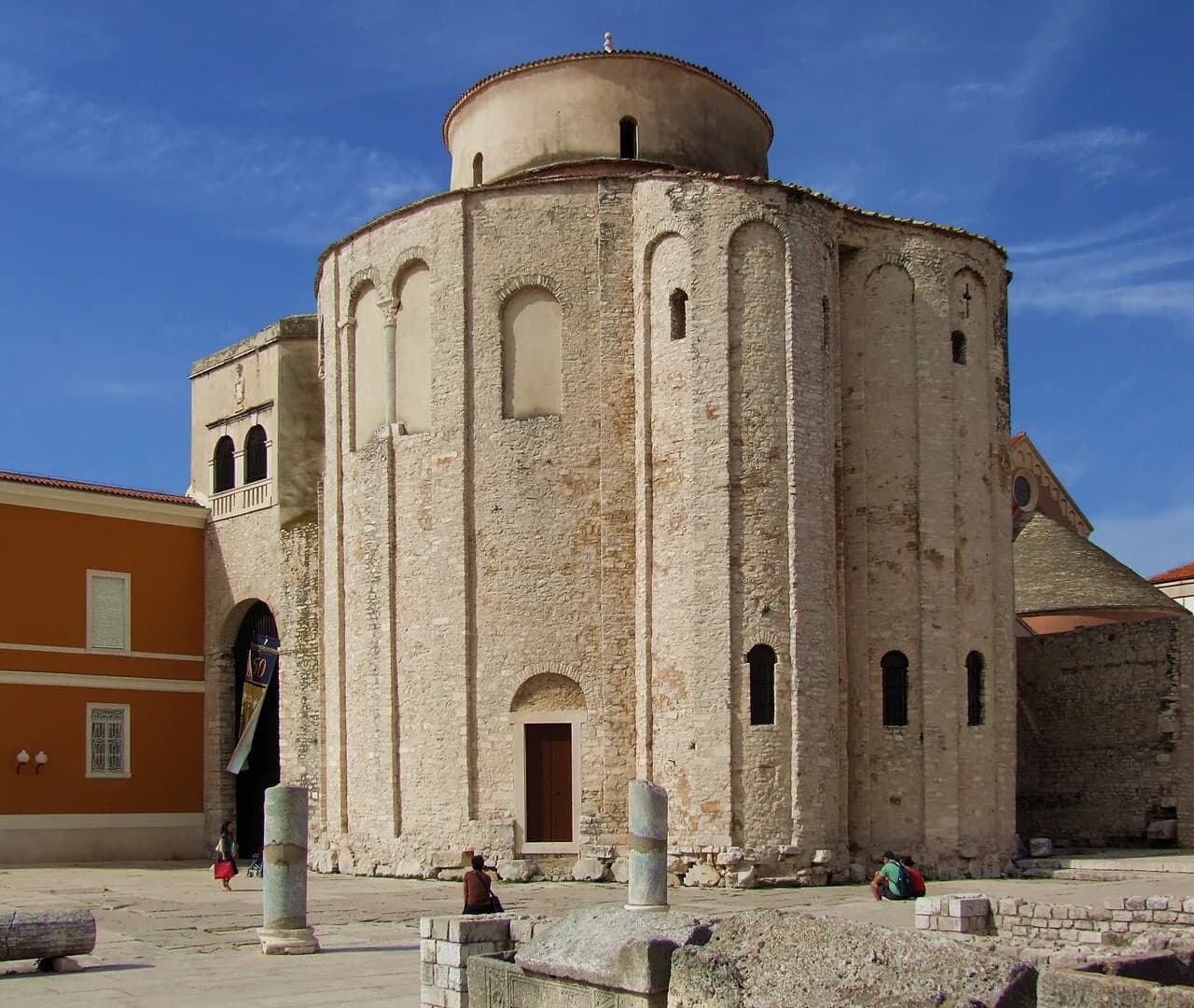
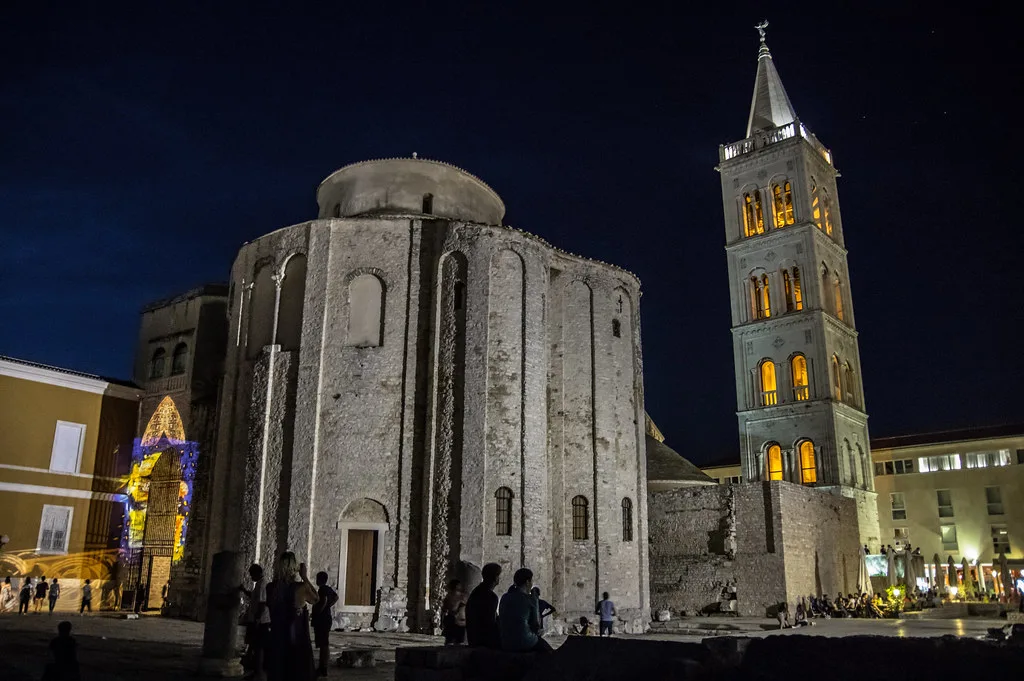
The Roman Forum is the old city's civic heart, a paved square of standing columns and fragmentary paving that still anchors the street plan. St Donatus' Church stands immediately beside it and is the best known of Zadar's churches, a compact pre-Romanesque building whose round form makes it the most distinctive of the group. St Anastasia's Cathedral, St Mary's Church and the Forum remains all cluster in the same small area, so you can see them in one stop rather than three. Give the square and church proper time rather than a glance; how long you linger is your choice.
West of this cluster sits St Elia's Church, and beside it a column known as the Pillar of Shame. It is a two-minute detour rather than a destination, useful if you are already circling the Forum. The Venetian and Roman layers sit side by side here without much signage, so a short look at the architecture repays more than rushing between photo stops.
St Anastasia's Cathedral and the other Old Town churches
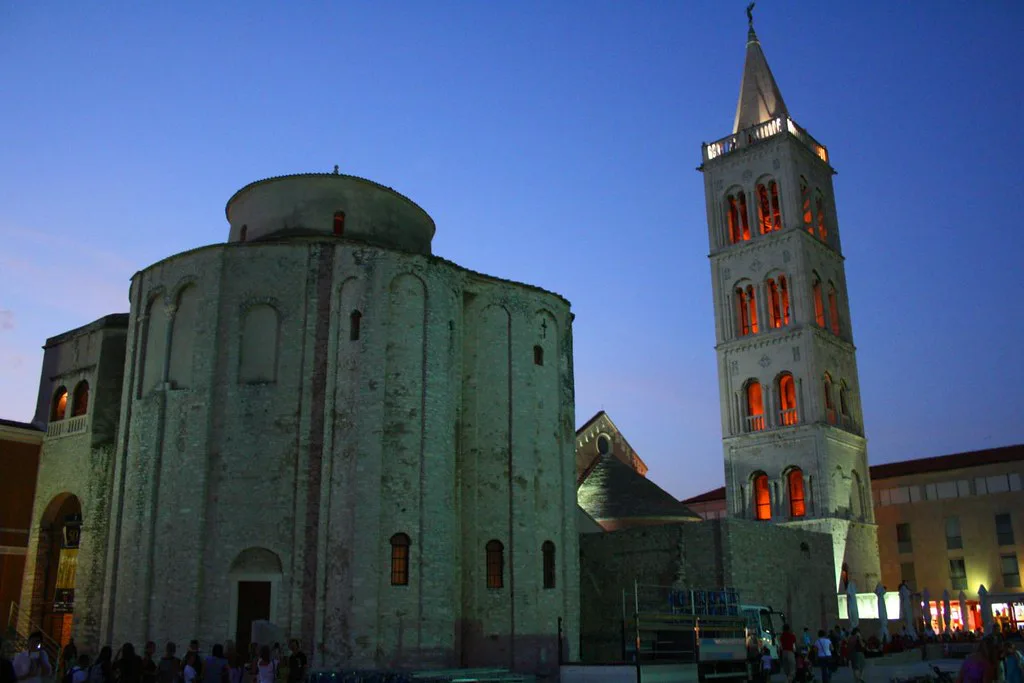
St Anastasia's Cathedral is the one to prioritise after St Donatus, sitting directly beside it and sharing the same knot of lanes. The Old Town holds numerous churches beyond these two, and wandering between them is how you stumble on the quieter corners that most day-trippers miss. Zadar's Italianate character shows in the architecture, a legacy of its Roman and Venetian past, and the churches are where it reads most clearly.
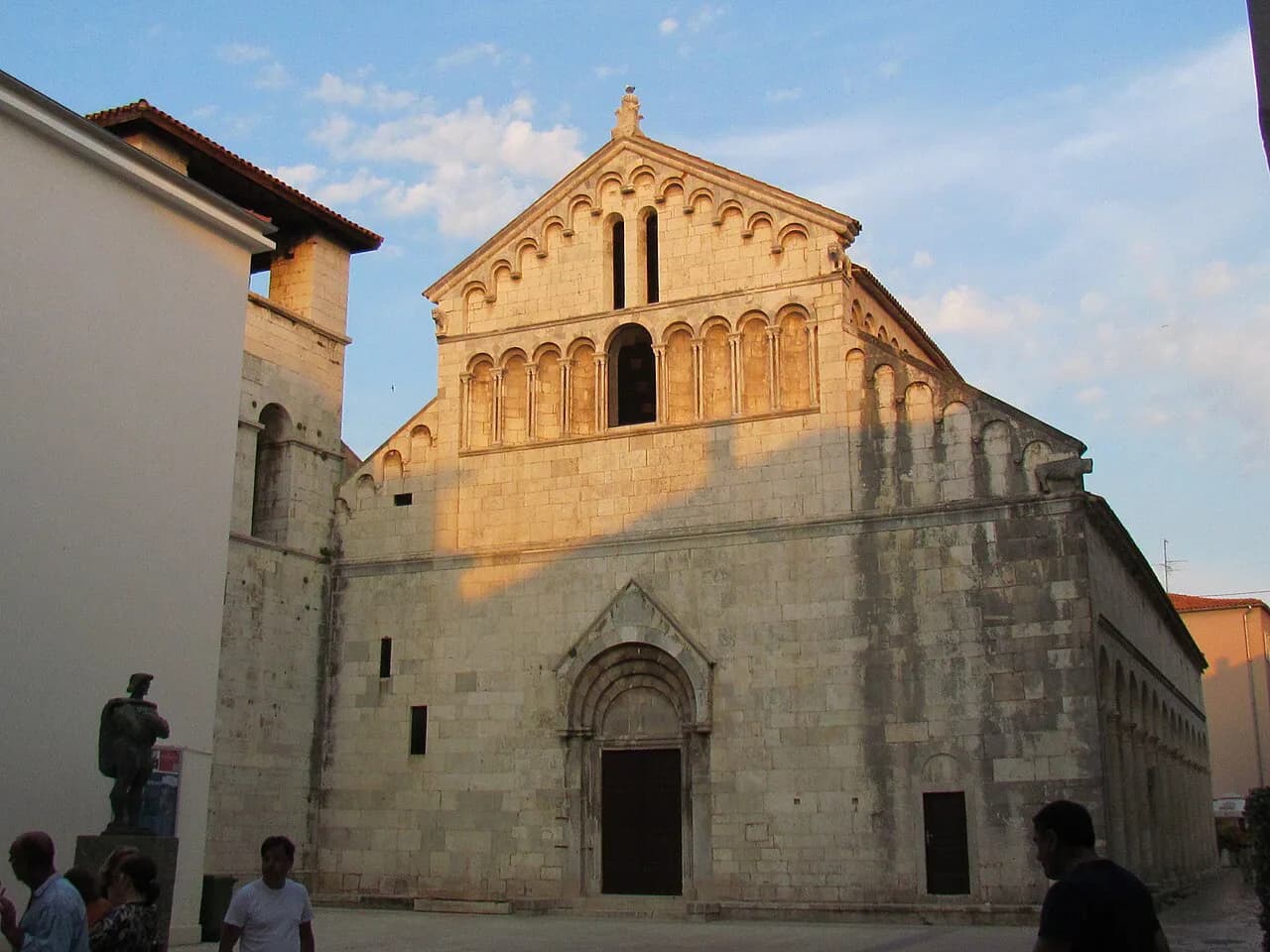
These smaller churches suit slower travellers rather than box-tickers, and they are the honest reason a second day makes sense. If you have one day only, see the cathedral and St Donatus and accept that the rest will wait. Walking the lanes between them takes minutes, so the constraint is your appetite, not distance.
Narodni Trg and the streets around it
Narodni Trg is Zadar's main square and the natural place to pause for coffee between the Forum and the waterfront. Cafés line the square, and the streets feeding into it lead to boutiques and artisan shops rather than major monuments. Stop here, sit down properly and treat it as the midpoint of your route rather than a sight to tick off.
The lanes around Narodni Trg are where the Old Town feels least like a museum, mixing everyday shops with grand architecture from successive empires. Give yourself twenty minutes to loop through them without a map. It is also the easiest place to adjust plans if rain arrives, since the shelter is continuous.
The Sea Organ and Greeting to the Sun on Obala Kralja Petra Krešimira IV
The Sea Organ runs along the stepped concrete quay of Obala Kralja Petra Krešimira IV, where water pushed through perforations in the stone produces continuous horn-like notes. The rougher the water, the louder and more melodic the result, so the passage of a large Jadrolinija ferry is worth waiting for. It is part of the waterfront, and it comes into its own in the late afternoon, when the light softens and the quay fills for sunset.
Not far along the same quay, the Greeting to the Sun is a circle of solar-powered photovoltaic cells set into the pavement beneath glass panels. By day it is a flat disc to walk over; after dark it releases stored energy as shifting coloured light. Treat the pair as one harbour-side stop rather than two separate attractions, and time your arrival so both daylight and dusk fall within the same visit.
Zadar's city walls and the Riva
Zadar's fortifications are Venetian in origin, and substantial stretches of wall still stand around the peninsula. Walking them gives you the layout of the whole Old Town in one sweep and a sense of how the city defended a site wrapped in water on three sides. Combine the walls with the Riva, the waterfront promenade, rather than treating them as separate outings.
The southern quayside, between the university and the harbour, has been renovated and makes the most pleasant stretch for an evening walk. Linger there after the Sea Organ rather than heading straight inland. Access to sections of the city walls can be restricted, so confirm any changes with the city before you set out.
The Museum of Ancient Glass and the fortress-era sights
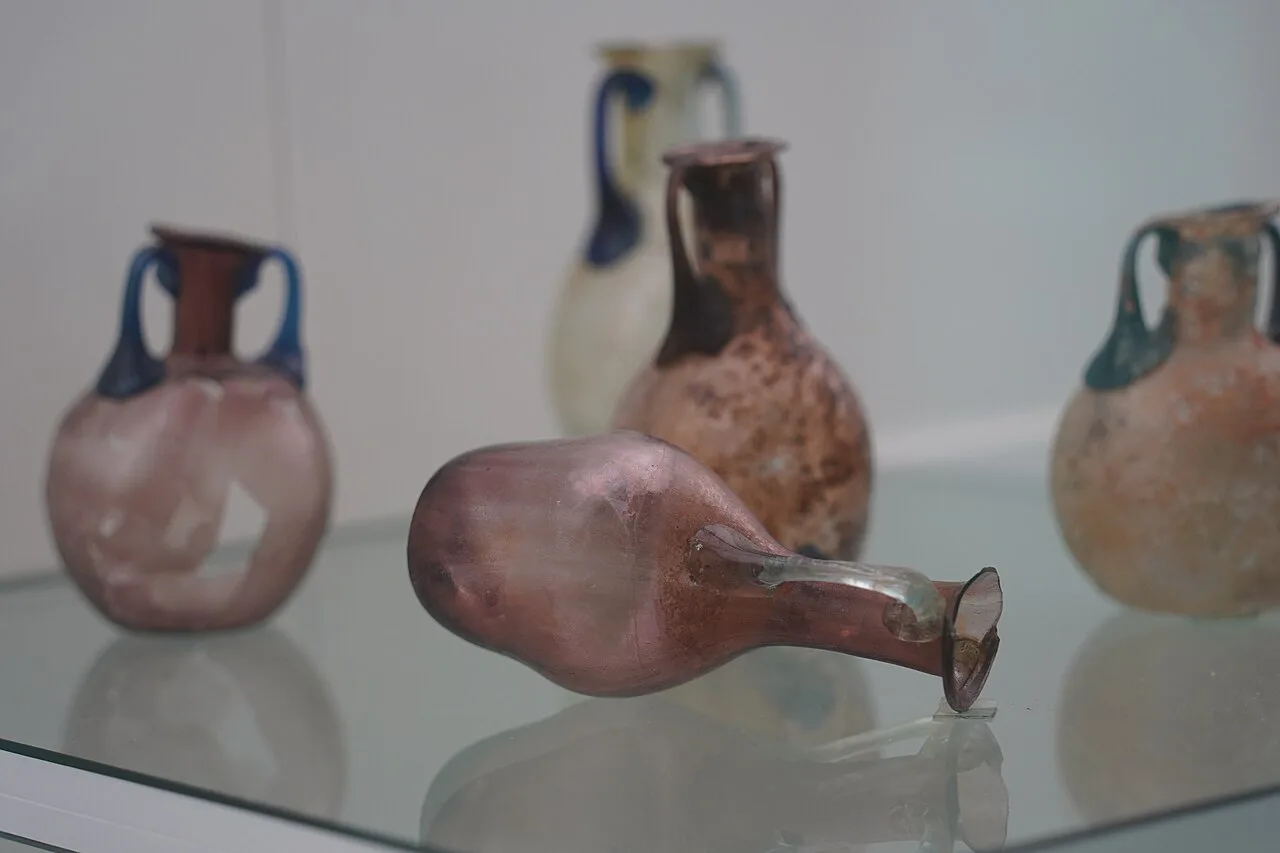
The Museum of Ancient Glass is the standout indoor sight and the best reason to keep a wet-weather option in reserve. Its collection covers Roman-era glass from the region, and it is the place to head when rain settles in over the Old Town. It sits in the same compact centre as the Forum and St Donatus, so it slots easily into an inland loop.
Beyond the museum, the fortress-era remains are scattered through the Old Town rather than gathered in one place, so they work best woven into a walk rather than as a separate excursion. Pair the museum with the Forum and St Donatus on a single inland loop. If museums are not your priority, the outdoor sights will fill a day on their own.
The Park of Vladimir Nazor and viewpoints over the harbour
The Park of Vladimir Nazor gives you shade, benches and a green pause between the Old Town and the newer town. It is a good place to eat a picnic lunch bought in the centre, and it puts you within easy reach of the quayside for a return walk. Treat it as a break in the walking route rather than a sight in its own right.
For harbour views, the water's edge along Obala Kralja Petra Krešimira IV does the job with no climbing at all: you get the mouth of the harbour, the islands beyond and the ferries coming in. Walk the quay from the Sea Organ towards the north end in the evening for the widest outlook. Sunsets over the water are the reason most visitors end their day here.
Boat trips and the islands offshore: Kornati, Ugljan and the ferries
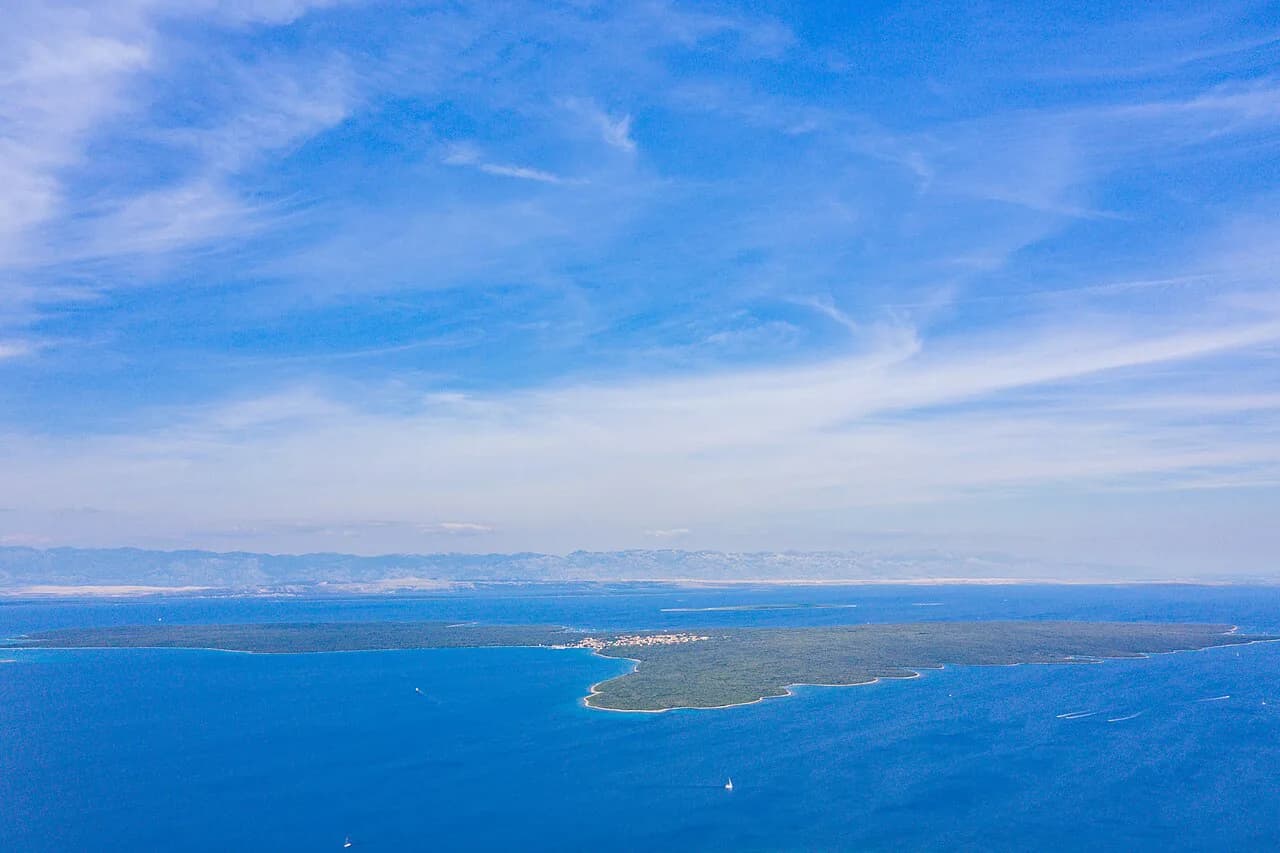
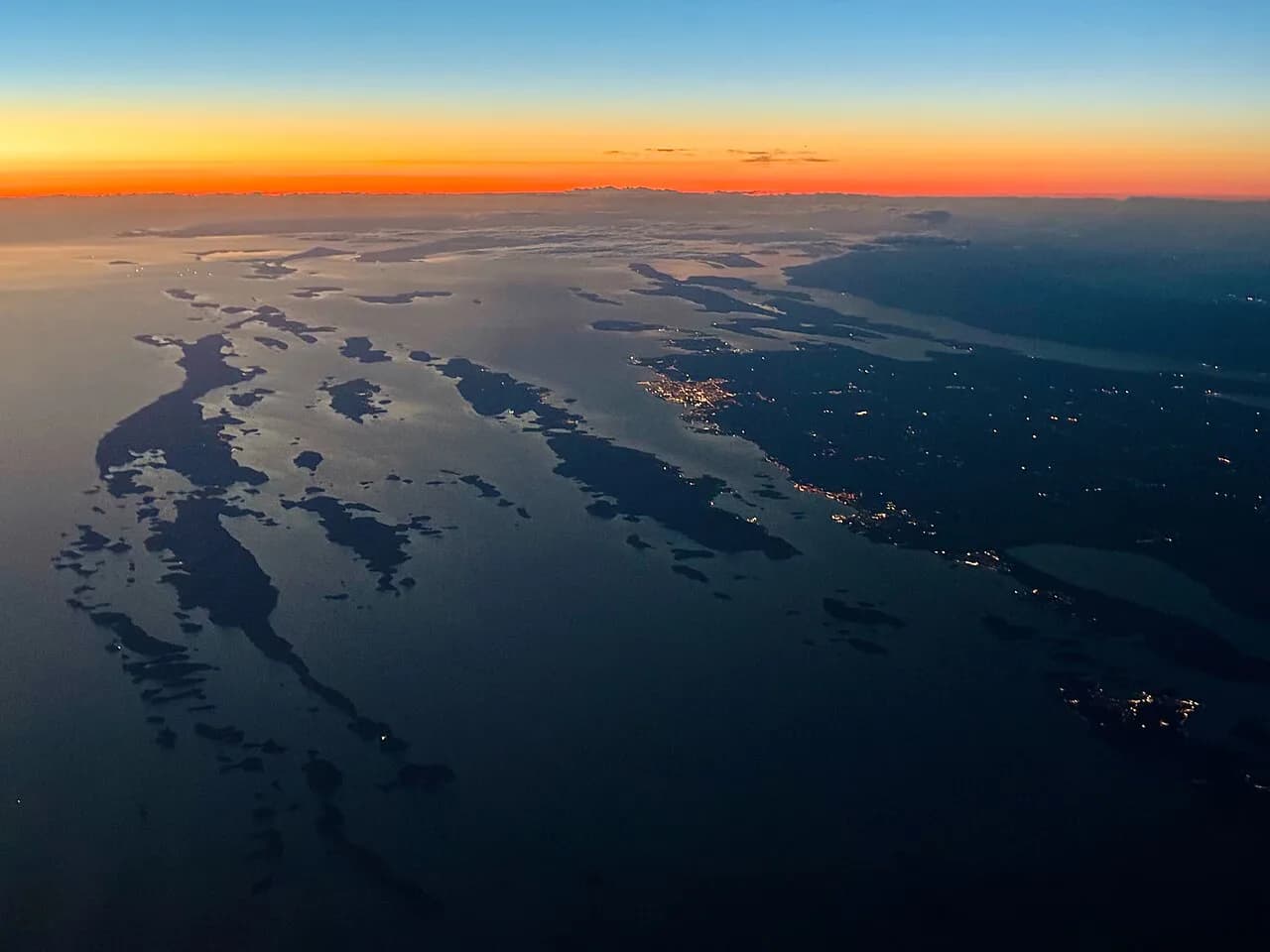
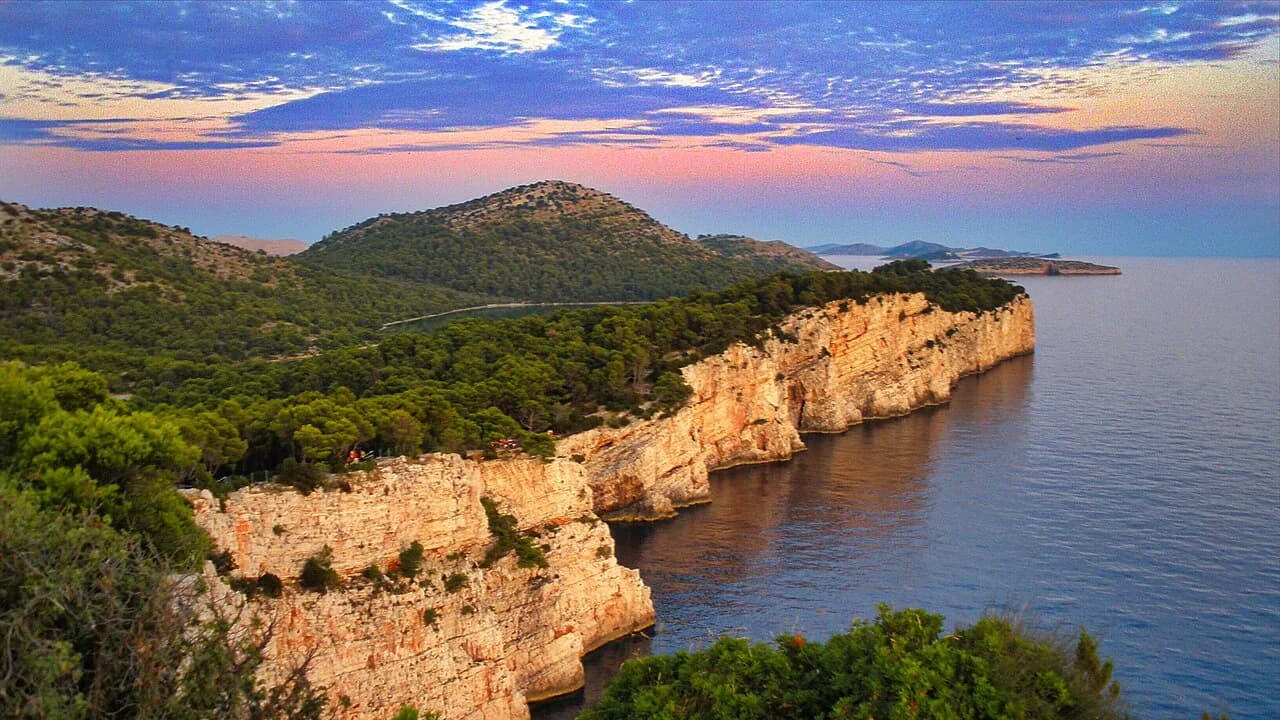
Zadar sits across the Adriatic from Italy's Ancona and is the departure point for offshore options, including the Kornati Islands National Park and the neighbouring islands. Jadrolinija, the state-run ferry company, operates the car ferries that serve the harbour and publishes crossing times and fares on its own site. Kornati needs a full day and a longer boat trip, while shorter island crossings suit a half-day. Zadar also works as a base for mainland national parks, with Plitvice Lakes and Krka within reach by road, and our Croatia guide covers the wider National Park picture.
Decide before you arrive whether you are sightseeing in the city or heading out on the water, because doing both in one day leaves no time for either. Boat trips and island excursions fill a whole day, and the ferry timetable, not your enthusiasm, sets the pace. If your time is tight, keep the city and save the islands for another trip.
Do you need a car? Getting to Zadar by air, bus and ferry
You do not need a car for the Old Town: everything above is walkable, and parking near the walls is limited. Zadar Airport sits about a 15-minute drive from the centre, with direct seasonal flights from London, Berlin and Vienna on carriers such as Ryanair and easyJet. Buses from Split take roughly two and a half hours, while the drive from Split along the A1 takes about one and a half to two hours, and the journey from Dubrovnik runs around four hours by road.
Coming by sea, ferries reach Zadar from Ancona and Split as well as from the local islands. Travellers planning a longer Croatian route often link Zadar with Split or with Plitvice Lakes, since it sits neatly between them. Hire a car only if you intend to reach the national parks or the outlying coast; for the city itself it is a liability.
How many days in Zadar is enough
One day covers the Old Town properly: the Forum, St Donatus, the cathedral, Narodni Trg, the walls and the Sea Organ at sunset. Two days add the Museum of Ancient Glass, the smaller churches and a relaxed evening on the Riva, and a weekend gives you room for a boat trip or an island crossing as well. Beyond that, Zadar becomes a base rather than a destination, useful for Plitvice Lakes, Krka and the Kornati archipelago.
Many travellers find the city cheaper than Dubrovnik or Split, which makes it a comfortable place to slow down rather than rush through. The honest trade-off is that Zadar has fewer headline monuments than either, so a museum-heavy traveller may want the extra day while a sunset-chaser may not.
When to go: summer crowds, cruise-ship days and the bura wind
Summer brings the crowds and the most flights, but also the fullest squares and the highest demand for ferries and boat trips. Zadar is generally quieter than Dubrovnik, which makes walking the Old Town pleasanter in high season than you might expect. Spring and early autumn are the sweet spot for sightseeing on foot, and the water off the Old Town quayside stays clear enough for a dip outside the busiest weeks.
The bura, the cold north-easterly wind, can arrive at any time of year and makes the exposed quays and walls bracing. On windy days the Sea Organ is at its loudest, which is a small compensation for the discomfort. Cruise-ship days swell the Forum and Narodni Trg around midday, so see the headline sights early and leave the waterfront for the afternoon.
One day or two?
Book Zadar as a one-day city if you want the Forum, St Donatus, the cathedral, Narodni Trg, the city walls and the Sea Organ at sunset. Add a second day only if the Museum of Ancient Glass, the smaller churches or a boat trip towards Kornati and the neighbouring islands matter to you. Check ferry times with Jadrolinija and the museum's current hours before you fix your dates, then build the walking day around the light.
Explore more Zadar guides
Sources
Notes from the Croatian coast
Optional updates when our guides change.
You might also like
Continue reading
More guides you'll find useful