
Museum of Ancient Glass, Zadar: a Visitor's Guide

The Museum of Ancient Glass (Muzej antičkog stakla) is worth roughly an hour of a Zadar day: a small, well-organised collection of Roman glass with a glassblowing workshop attached. It suits travellers who want one focused indoor stop between the old town's squares and the waterfront, and it works especially well in rain or midday heat. This guide covers the address, the ticket tiers in euros, the two seasonal opening schedules and what is inside. See also our Zadar Attractions: 13 Visitor Guides for the rest of the city.
Why the Museum of Ancient Glass is worth an hour of your time
This is not a general history museum but a specialist one, built around archaeological glass from the Roman period and the craft that produced it. Because the collection is narrow, you can read the labels and look properly rather than skim a hall of unrelated objects.
The trade-off is scale: this is a single-topic museum, so travellers wanting a broad sweep of Croatian history or fine art may prefer to put their hour elsewhere. Families with young children often respond well to the handmade glass in the shop, and the museum publishes a page for a creative workshop for children. It rewards curiosity about how things are made more than a checklist approach.

Where the museum is: Poljana Zemaljskog odbora 1
The museum stands at Poljana Zemaljskog odbora 1, a small square within Zadar old town on the peninsula, not out in the modern city. That matters for planning: you can walk in from Kalelarga, the main old-town street, in a few minutes, and carry on to the waterfront Riva afterwards without any transport. The old town centre is compact and easily covered on foot.
Because the address is inside the pedestrian core, arriving by car means parking outside the old town and walking in. If you are coming from the bus station or the ferry port, the walk across the peninsula is straightforward and flat.
Tickets in euros: adult, group, schoolchild and preschooler rates
Adults pay 7,00 €, groups of five or more pay 5,00 € per person, and schoolchildren pay 4,00 €, with preschoolers admitted free, according to the museum's price list. The group rate is worth knowing if you are travelling as a family party or a small friends' group, since five people is a low threshold and the saving per head is real.
The figures on the museum's own price list are in euros, so there is no kuna conversion to do. For a family of four with two school-age children, the total is simple arithmetic at the published tiers.
Opening hours by season
The museum publishes two separate schedules in the colder half of the year. From 1 to 31 October it opens Monday to Sunday, 9 am to 7 pm. From 2 November to 30 April it opens Monday to Saturday, 9 am to 4 pm, and the shorter day catches people out who assume a daily schedule.
Time your visit accordingly: in October the museum opens every day until 7 pm, while from 2 November to 30 April its published hours run Monday to Saturday, closing at 4 pm.
What is inside: Roman glass and archaeological display
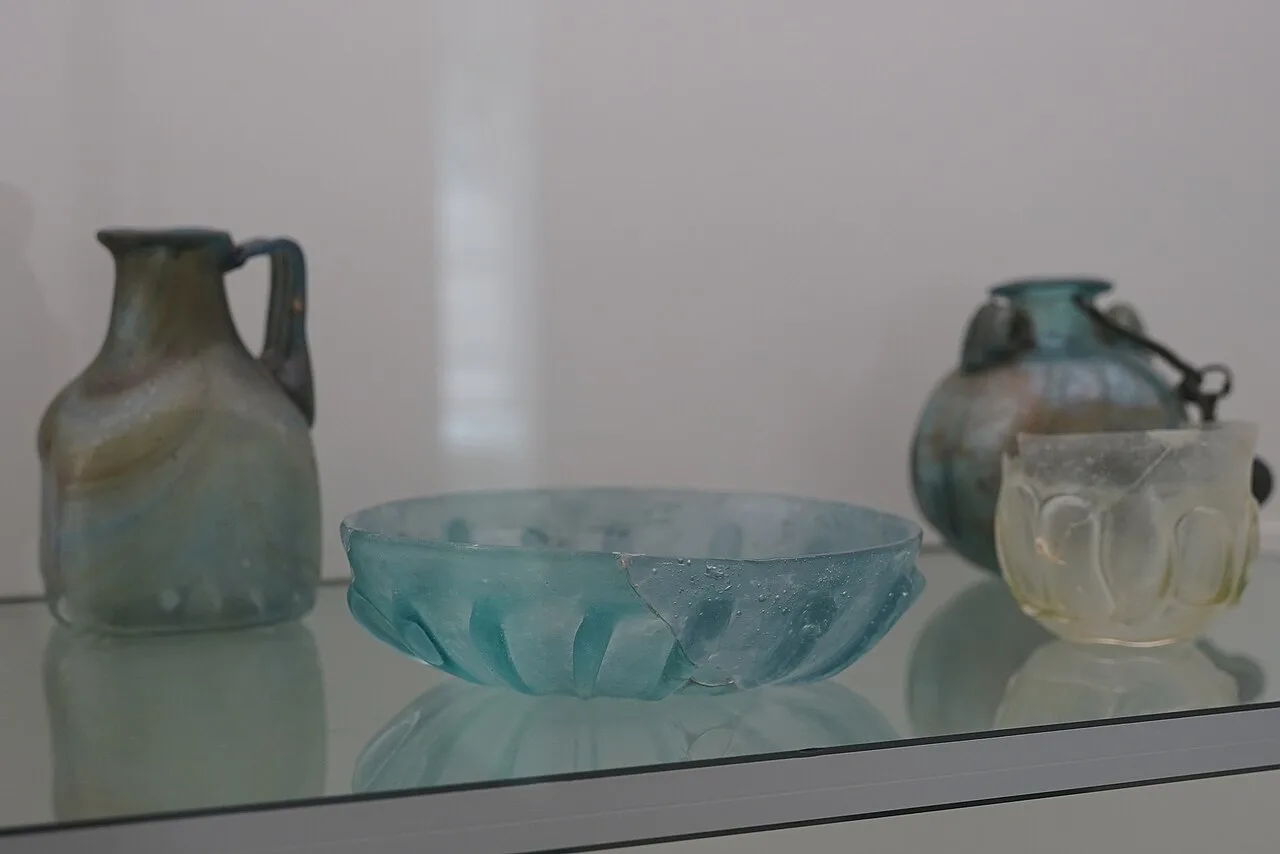
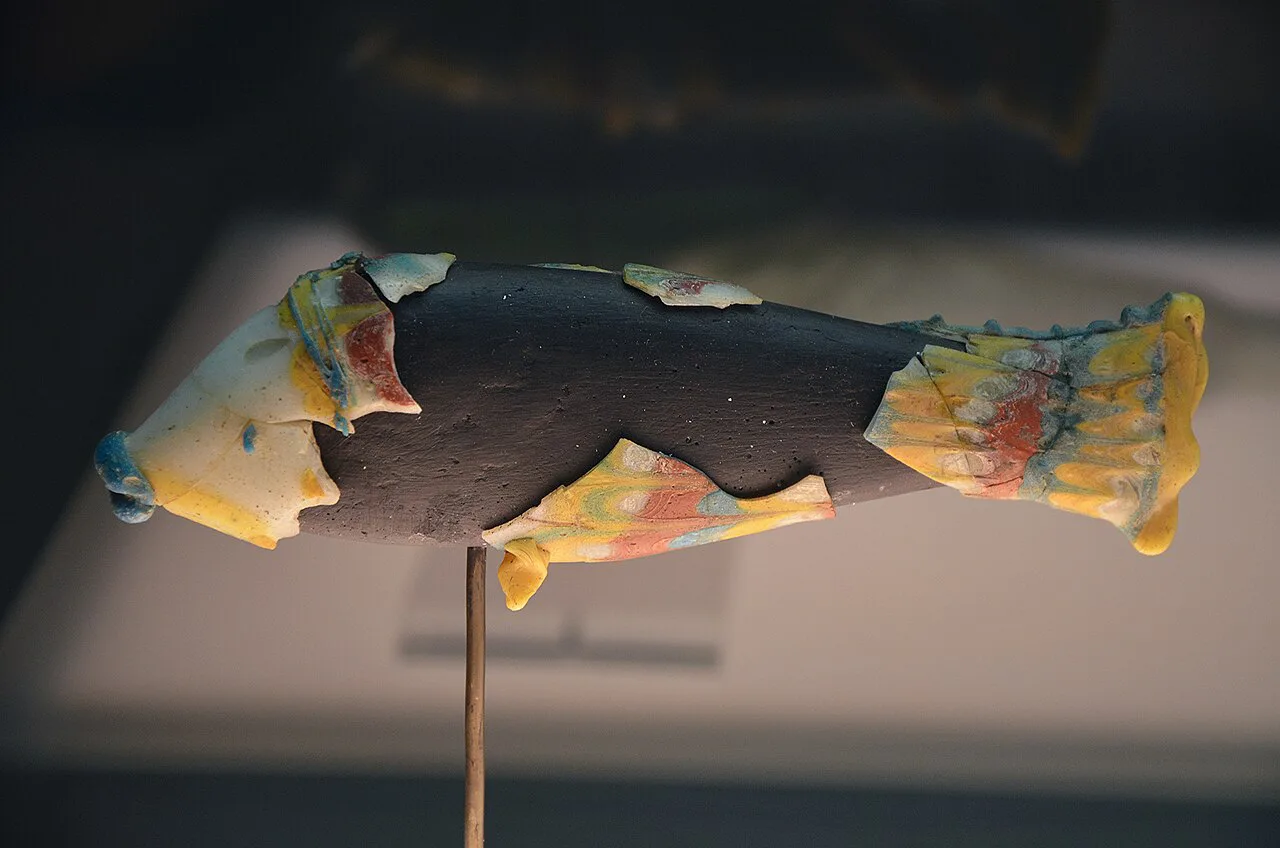
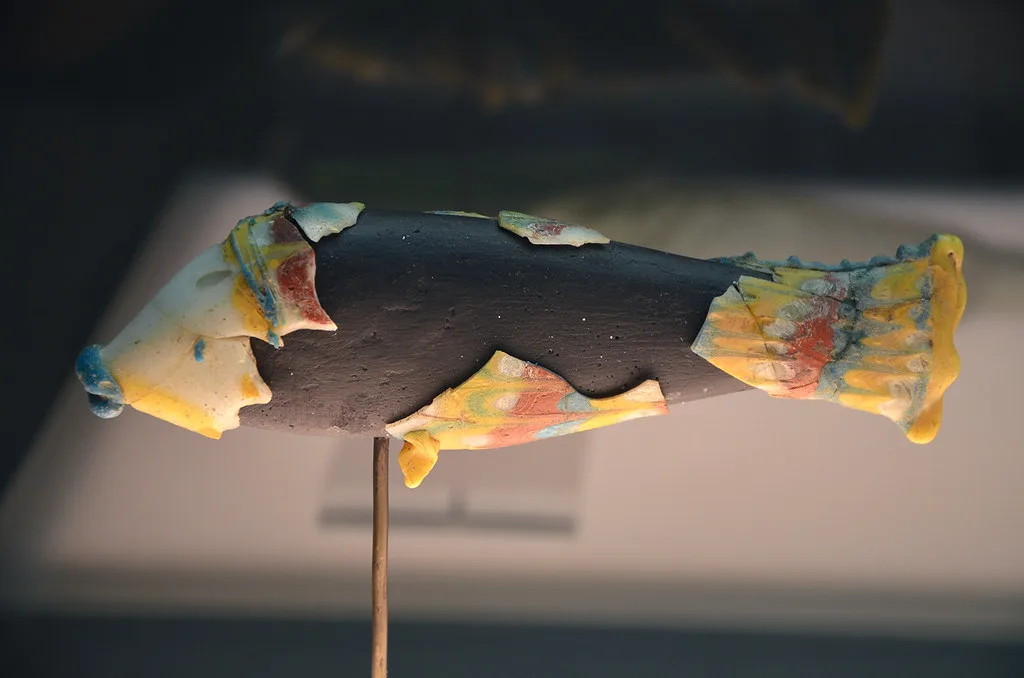
The displays centre on archaeological glass from antiquity, with vessels, bottles and small containers that show the range of shapes Roman glassmakers produced.
The museum's own departments cover archaeology, ancient glass, historical glass, restoration and documentation, and it keeps a library; the visitor displays centre on glass from antiquity.
Glassblowing demonstrations and workshops
The shop's stock is made by the museum's own glassblowers, using various methods and techniques of working glass, with pieces close in form to those used in the Roman world. Ask at the desk about how the glass is made if you want the background on the objects in the cases.
The museum also publishes details of a creative workshop for children, which adds a hands-on layer to a visit. Ask about timing and participation when you buy your ticket.
The souvenir shop: handmade glass and publications
The shop inside the museum building sells handmade glass souvenirs and jewellery, largely replicas and reproductions of archaeological glass made by the museum's own glassblowers. Expect Roman-style jugs, bottles, beakers, small urns and balsamaria alongside pieces made with fusing techniques, plus catalogues, monographs and professional journals. Prices are not published online, so look at the pieces in person and ask about specific items at the counter.
The important practical point is that the museum has no web shop, so souvenirs can only be bought in person at the museum shop. If a particular replica catches your eye, buy it then, because there is no online fallback after you leave Zadar.
How long to allow, and when it suits a rainy day
Allow about an hour for the collection, and add time if you want to browse the shop properly. It is a compact museum, so it fits neatly between larger stops rather than consuming a whole morning.
Rainy days and the hottest hours are when an indoor stop earns its place. On busy cruise-ship days the old town streets clog, so heading indoors early and coming out when the crowds thin is a sensible rhythm. Note that from 2 November to 30 April the museum's published hours are Monday to Saturday only, closing at 4 pm.
Getting there on foot, and nearby sights
Walk from Kalelarga into the old-town lanes and you reach Poljana Zemaljskog odbora without needing a map for long; from the Riva waterfront the walk is only a few minutes uphill into the peninsula. Pair the museum with the nearby Roman forum and the rest of Zadar's compact old-town core, both a short walk from the museum doors.
Towards the tip of the peninsula, the Sea Organ Zadar and the Greeting to the Sun sit on the waterfront and make a natural end to the same walk. Also within the old town are the archaeological museum Zadar, the Church of St Donatus, Zadar and a cluster of squares, so a single day can hold two or three indoor and church stops without any transport.
If you are building a broader Zadar plan, pair the museum with the Museum of Illusions, which sits in the same old-town cluster and suits a second indoor stop.
Practical points before you go
If you want a souvenir, budget for it on the day, because the museum has no web shop and nothing can be ordered later. Ask at the ticket desk about any workshop options when you arrive.
Check the museum's own working hours and price list page for the current schedule before you set out, particularly if you are visiting in November or later when the shorter winter timetable applies.
Is the glass museum worth an hour in Zadar?
Yes, if you want one specialist, well-presented indoor stop that adds something different to churches and squares. The 7,00 € adult ticket covers a focused collection of Roman glass and access to a shop selling pieces made on site by the museum's own glassblowers, which is a distinctive combination.
Skip it, or keep it brief, if you are short of time and prioritising the waterfront and the Roman forum. Either way, check the seasonal hours before you go, since from 2 November to 30 April the published schedule runs Monday to Saturday and closes the doors at 4 pm.