
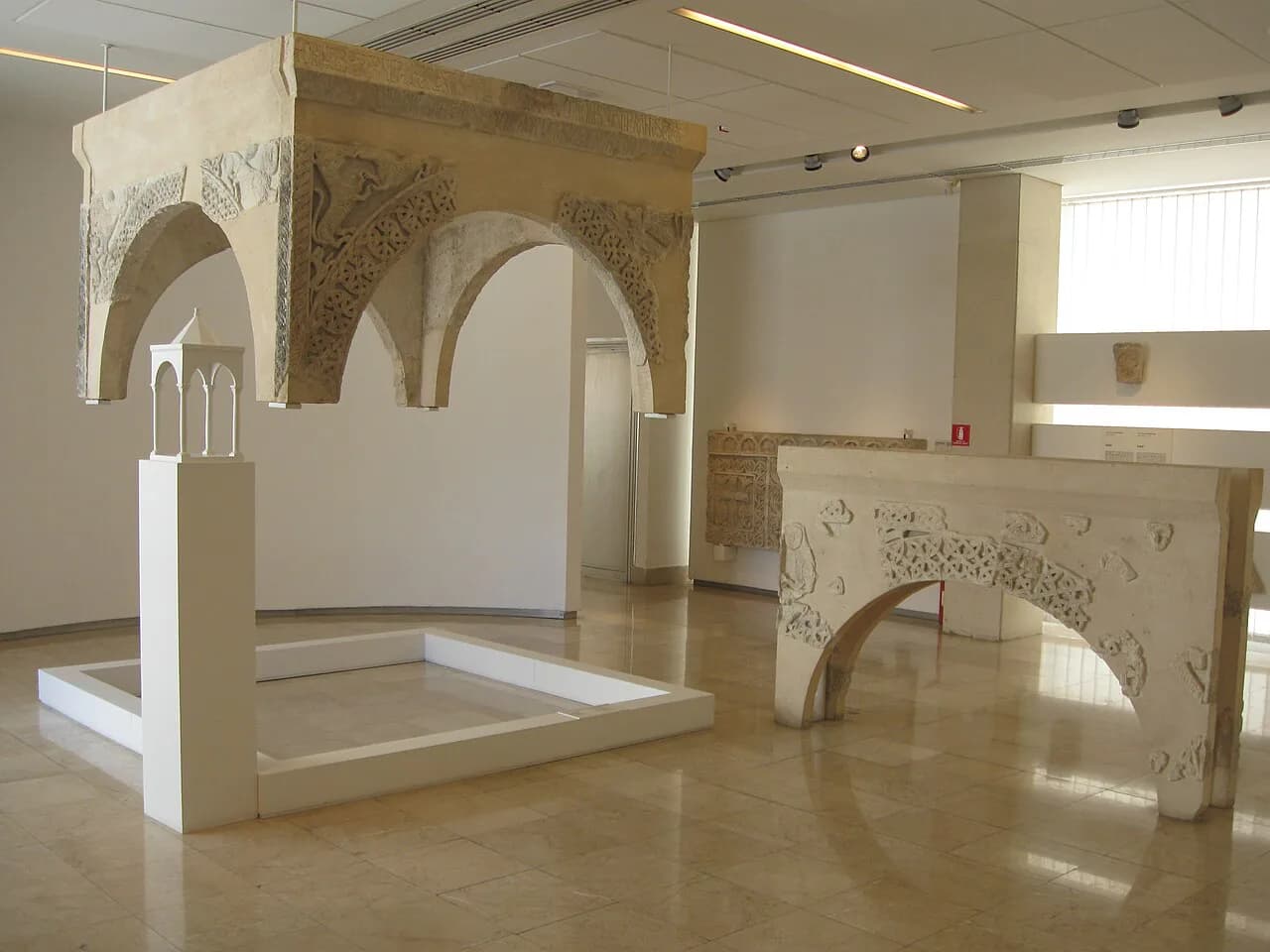
Archaeological Museum Zadar: A Visitor's Guide

The Archaeological Museum Zadar is worth about an hour of a day in the old town, and it earns that hour on wet or crowded afternoons when the waterfront is uncomfortable. It sits at Trg opatice Čike 1, a short walk from Kalelarga and the Forum, and it holds three permanent collections plus two attached sites that are part of the same institution. This guide covers where it is, how to reach it on foot, what is displayed, how long to allow and what to confirm before setting out.
What the Archaeological Museum Zadar is and why it is worth an hour
The museum describes itself as the second oldest museum institution in Croatia, founded in 1832 as part of a wider national or provincial museum. Its permanent displays run from prehistory through antiquity to the Middle Ages, so you get a long regional timeline in one building rather than a single period.
Choose it over another church interior if you want the deeper timeline behind the Roman street plan you have already walked across. It also suits a cruise-ship stop, because the whole visit fits inside a short window and does not depend on the weather. Skip it if your time in the old town is down to two hours and you have not yet seen the waterfront.

Where the museum is: Trg opatice Čike 1, off Kalelarga
The address is Trg opatice Čike 1, in the heart of the old town and close to both Kalelarga and the Forum. Look for the square named after the abbess Čika rather than a grand entrance on the main thoroughfare.
You can telephone the museum on +385 23 250 542 or write to info@amzd.hr if you need to confirm the entrance or arrange a group visit. The museum's site includes a page for announcing group visits in advance, which is worth using if you are travelling with a school or society.

How to walk there through the old town
From the Roman forum, the museum is a couple of minutes away to the north-east, up through the lanes toward Trg opatice Čike; the old town is compact enough that no bus or taxi is needed once you are inside it. Kalelarga, the long straight street through the centre, is the simplest spine to navigate by. Use the tower of St Donatus as your landmark when you come back out.
Coming from the Land Gate at the north-western end of the peninsula, cross the old town on foot and allow around ten minutes at an easy pace. If you arrive by ferry at the western tip, the walk is a little longer but still flat, and the Five Wells Square is a short detour to the north rather than on the direct line to the museum.
The old town rewards slow walking, so pair the museum with a loop of the peninsula rather than treating it as a standalone stop. Our guide to Zadar sets out how the sights fit together across the peninsula.
The permanent collections: prehistory, antiquity and the medieval period
Three permanent displays run in sequence: prehistory, antiquity and the Middle Ages. Start with prehistory and work upwards, because the later material explains the town you are about to walk through. The Roman period is the strongest link to the forum outside, where the civic buildings the collection came from once stood.
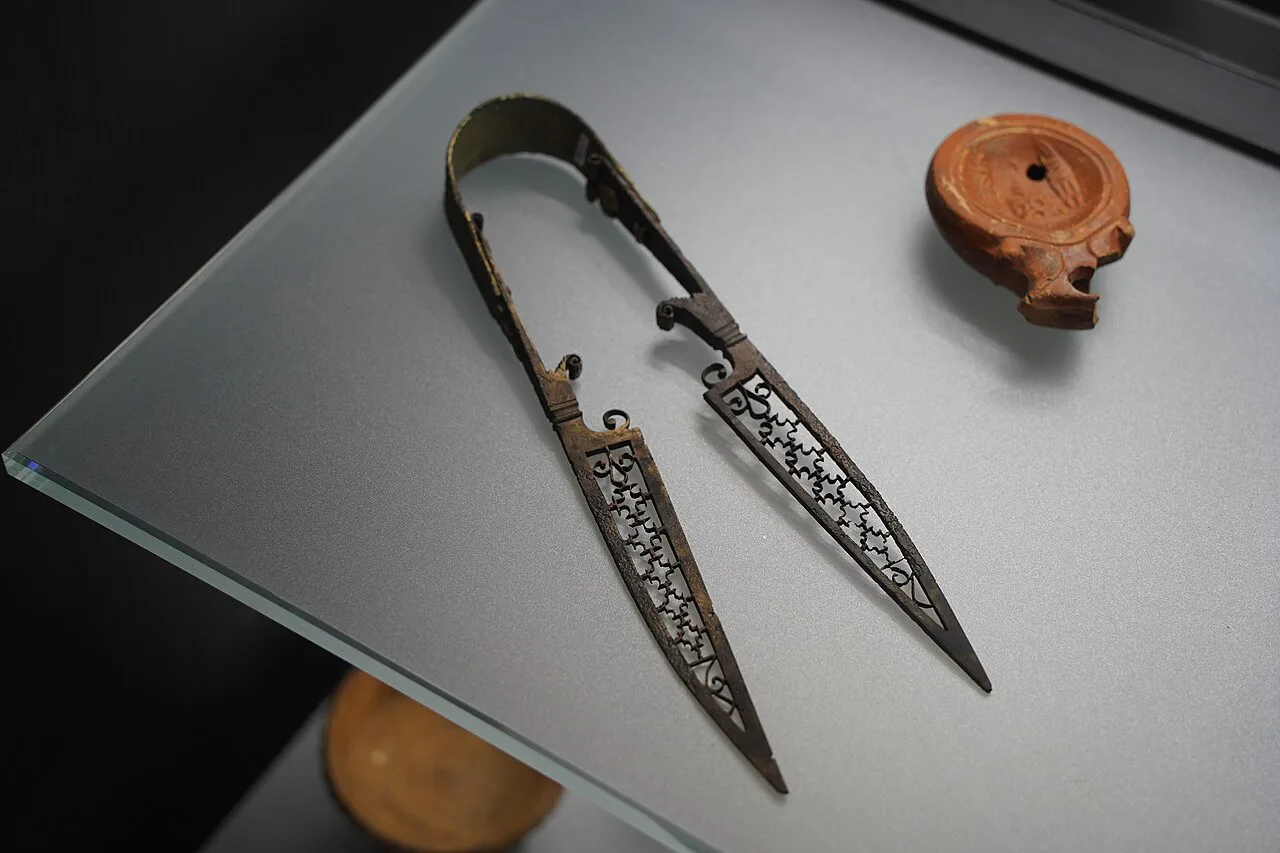
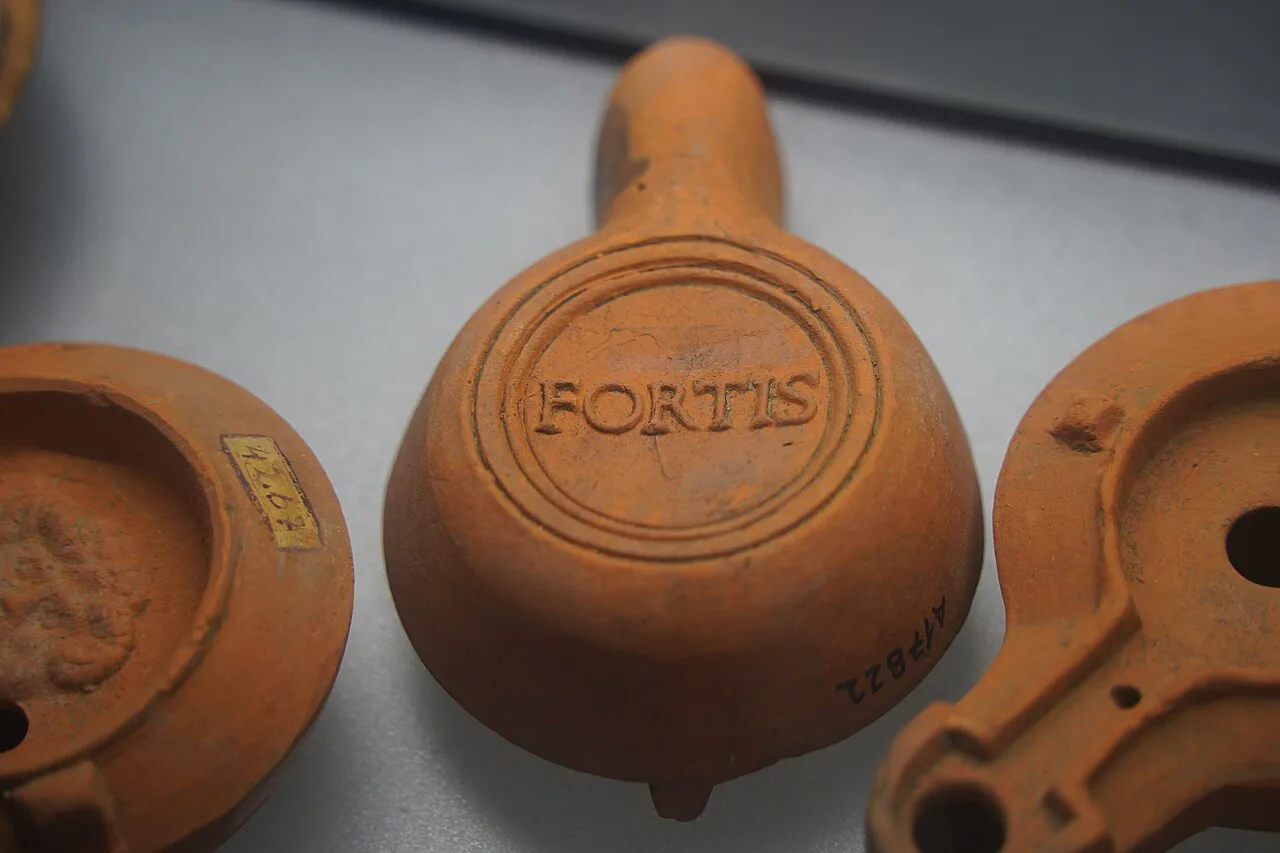
Expect ceramics, metalwork, inscriptions and grave goods rather than reconstructed rooms, so read the labels rather than rushing past the cases. Budget most of your time in the antiquity section, which connects most directly to the Roman street plan. The medieval rooms are quieter and make a good finish.
Visitors who have posted about the museum describe exhibits spread over three floors, which matches the way the collections are staged. That is a reason to take the stairs steadily and not try to see everything in one push.
Nin Antiquities and Sv. Donat: what else the museum runs
The Museum of Nin Antiquities is a separate department of the same institution, based in Nin rather than in Zadar, with its own permanent display of finds from that town. The Archaeological Museum Zadar lists separate opening arrangements for it, so check those before you travel rather than assuming the city site's times apply.
The Church of St Donatus is listed among the museum's constituent units, which surprises many visitors who know the building mainly as a landmark on the forum. Seeing it as part of the museum's structure helps you understand why Zadar's early medieval material is so well represented. Our guide to the Church of St Donatus, Zadar covers the building itself.
The museum also publishes Diadora, its scholarly journal, and runs a children's club called Pinel i Kukica for visitors under fifteen. Neither changes a short visit, but the club is useful if you are travelling with children who need a reason to look at cases.
How long to allow and how to pace the visit
Allow sixty to ninety minutes. That is enough to read the main labels in all three collections without fatigue, and it leaves the rest of the day for the waterfront and the walls. If you only have half an hour, concentrate on the antiquity section.
Pace it as a slow climb: prehistory first, antiquity second, medieval last, then a break before going back out into the crowds. Sitting down midway matters in summer, when the old town streets hold the heat. Finish with the museum shop if you want a small, portable reminder rather than another piece of coastal souvenir stock.
Tickets and opening hours: what to confirm before you go
The museum publishes separate working hours for the Archaeological Museum Zadar, the Museum of Nin Antiquities and Sv. Donat, and these are the figures to rely on rather than any review or booking page. Check that page for the day you plan to visit, since the pattern is not the same across the year.
Ticket prices are not published in a form that can be quoted here, so confirm the current euro charge at the desk or by phone on +385 23 250 542 before you commit. Croatia uses the euro, and any kuna figure you find on older accommodation or directory pages is out of date.
What is nearby when you leave
Step out and the Roman forum and the Church of St Donatus are within a couple of minutes, so the museum chains naturally into the city's best-known square. Go at opening time if you want photographs of the columns without a crowd.
Walk west to the tip of the peninsula for the Sea Organ Zadar, where the steps cut into the shoreline play as the Adriatic moves through them. The Greeting to the Sun installation sits alongside and is at its best after dark.
If the weather turns, the Museum of Ancient Glass and the Museum of Illusions Zadar are both close by and give you a second indoor option without crossing the old town. Walking the Zadar city walls afterwards gives you the view back over the roofs.
Is the museum worth an hour of your Zadar day?
Yes, if you want the archaeology behind the Roman streets and you have at least half a day in the old town. It is the wrong choice if your visit is a quick dash between the sea organ and a ferry, because the collections deserve unhurried reading.
Build it into a loop: forum and St Donatus first, museum in the middle of the day when the streets are busiest, then the waterfront in the evening. Confirm the working hours and the current ticket price on the museum's own pages before you go, and the rest of the day falls into place.
Explore more Zadar guides
Frequently Asked Questions
How much does the Archaeological Museum Zadar cost?
The museum sets the euro ticket price, and it is best confirmed with the museum directly, by phone on +385 23 250 542 or at the desk. Croatia uses the euro, so ignore any kuna figure you see on older directory pages.
Do I need to book ahead for a group visit?
The museum's website includes a page for announcing group visits in advance, so it is worth contacting the museum before you travel with a school, society or large party. Confirm details with the museum if your plans depend on a specific time.