Things to Do in Rovinj: Old Town, Bell Tower and Boat Trips
Plan things to do in Rovinj: walk Grisia Street to St Euphemia, climb the bell tower, browse the markets and take a boat around the Rovinj islands.
On this page
The best things to do in Rovinj are concentrated on a single hill that was once an island, so a half-day covers the old town, the church and the harbour without a bus or ferry. The classic route runs from Balbi's Arch up Grisia Street to the Church of St Euphemia, then down to the waterfront Riva, the market and a boat around the Rovinj islands. This guide describes how the peninsula is laid out, which sights are free and which charge, how the boat trips differ, and how to pace the uphill walking.
How the old town is laid out: a former island on a hill
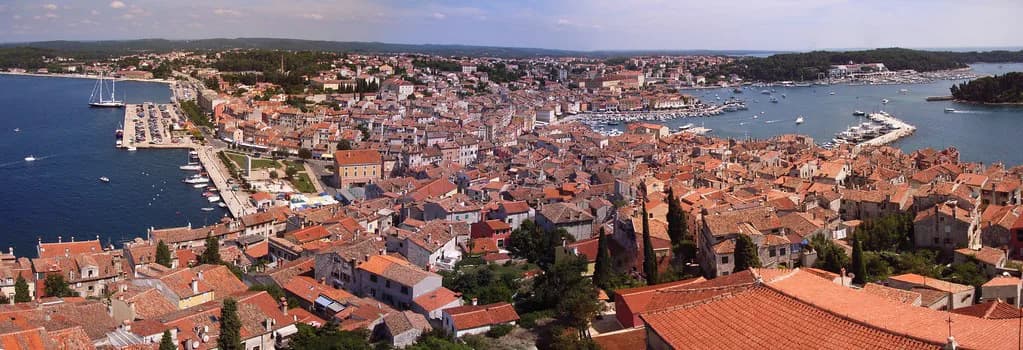
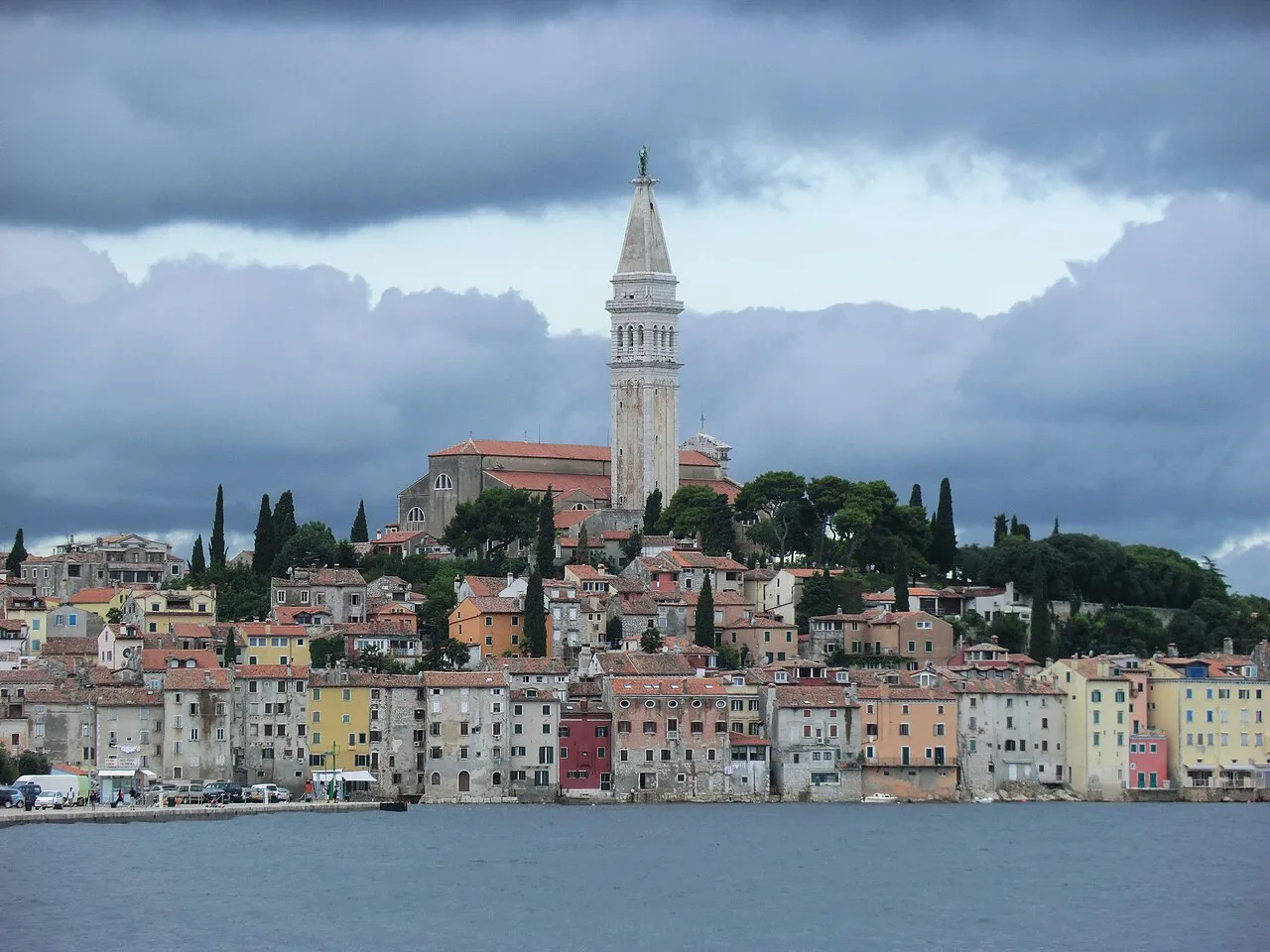
Rovinj's old town sits on a steep hill that was separated from the mainland until it was joined in 1763, so the historic core is effectively an island of lanes and staircases. That shape explains the trip's logic: the tourist area looks small on a map but climbs far more than it spreads, and every route to the church gains height. Plan the uphill walk for the cooler part of the day and leave the descent and harbour browsing for later.
The tourist board groups the town's sights under art and culture, with separate pages for the cultural and historical sights, museums and galleries, and organised city tours led by local guides. Reading those pages before arrival helps you decide which paid interiors matter to you and which lanes you can simply wander. The town also publishes a calendar of events and a guide to reaching Rovinj, useful for fitting a visit around transport.
Walk Balbi's Arch to St Euphemia via Grisia Street
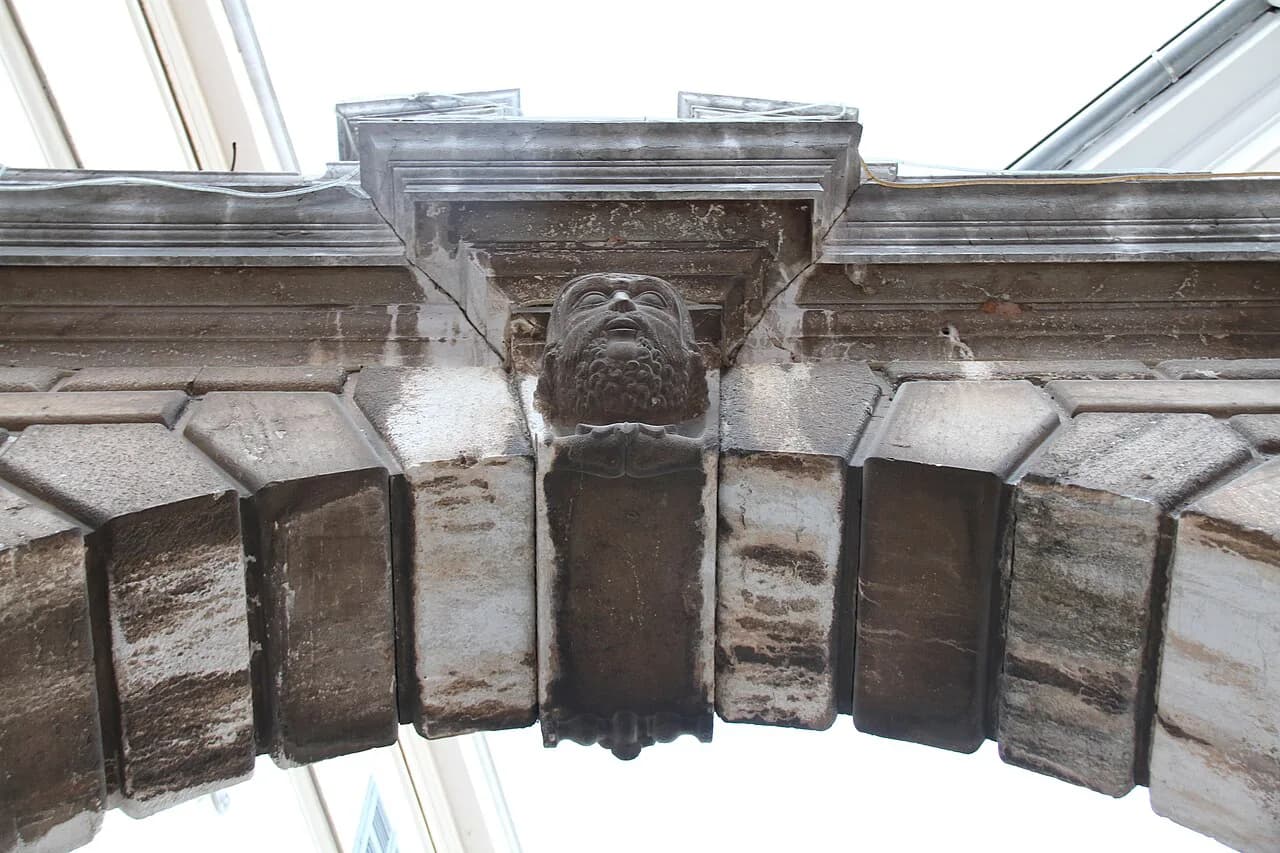
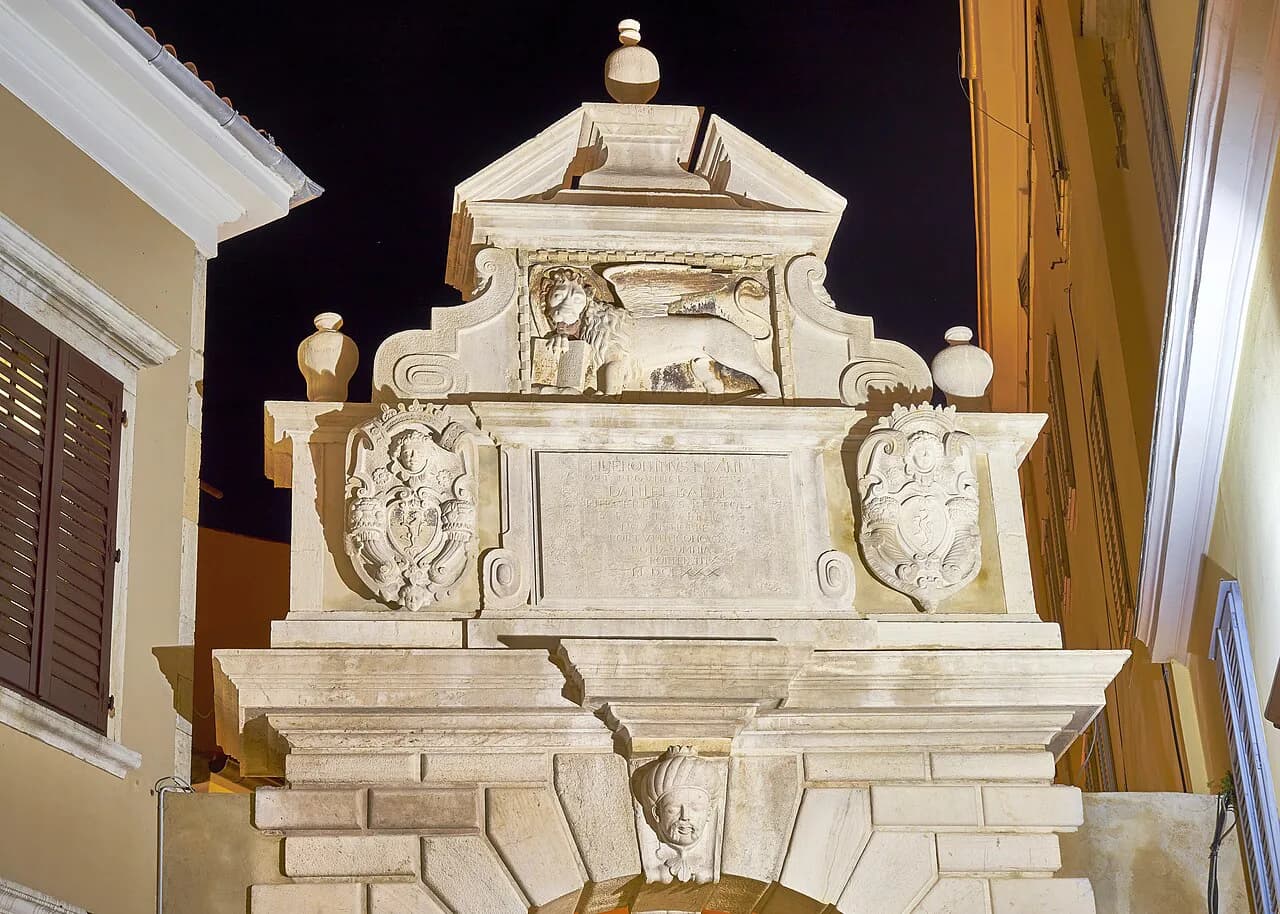
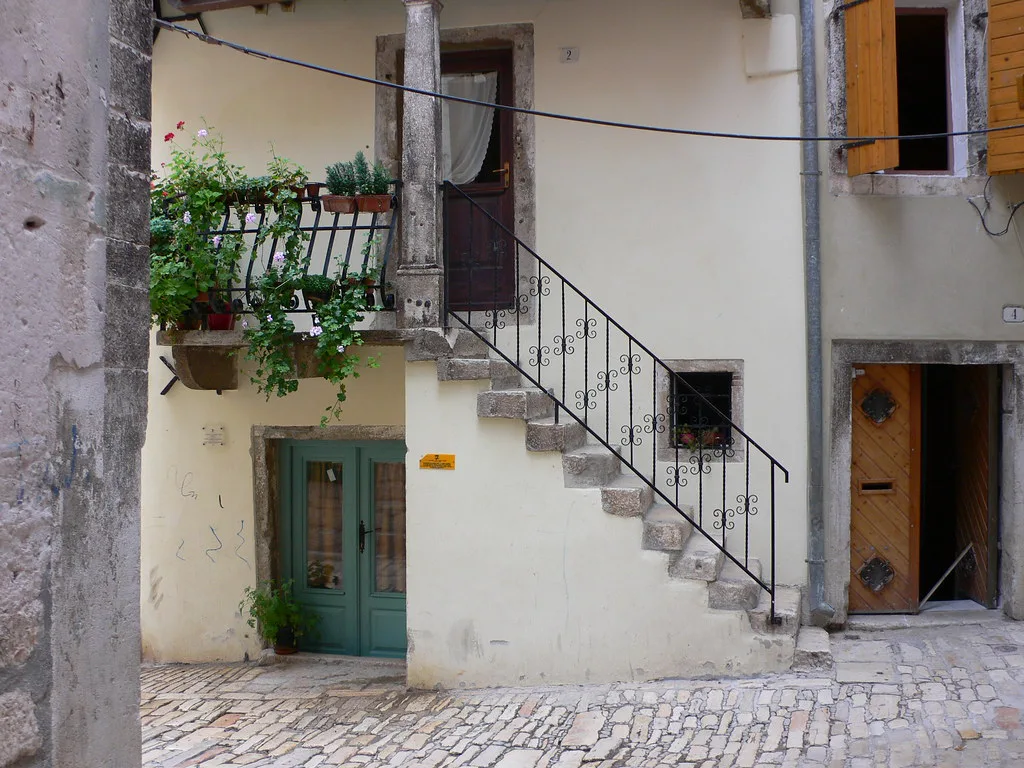
The signature walk starts at Balbi's Arch and follows Grisia Street uphill, a lane lined with art studios, galleries and small shops, to the Church of St Euphemia at the top. It is the most photogenic street in town, especially in late-afternoon light, but the cobbles are uneven and the gradient is constant. Allow time to pause in side alleys rather than treating it as a sprint to the church.
The Church of St Euphemia was completed in 1736 and holds the relics of the town's patron saint, whose sarcophagus is said to have washed ashore in the 9th or 10th century. Entry to the church interior is free, which makes it a reliable stop on a wet or short visit. The square in front is where crowds gather for sunset over the water, so arrive earlier if you want the view without the press.
Climb the bell tower of St Euphemia for the rooftop view
The bell tower above the church is the town's best viewpoint, with red rooftops and the Adriatic spread out below. The climb uses steep, creaky wooden steps, and the tower charges a small cash-only entry fee that a travel blog reported at around four euros, so treat that figure as a guide rather than an official tariff and bring coins. Go early for clearer light and fewer people, or late for the sunset, accepting that the stairway is tight either way.
The tower suits confident walkers with good balance; anyone uneasy on narrow wooden stairs can take the free church interior and the square outside instead. The climb is short but strenuous, so pair it with a rest at a terrace below the church before continuing down. Sunset is the busiest slot, and the rooftop view is the reason to time your day around it.
The main square and clock tower at the peninsula's edge
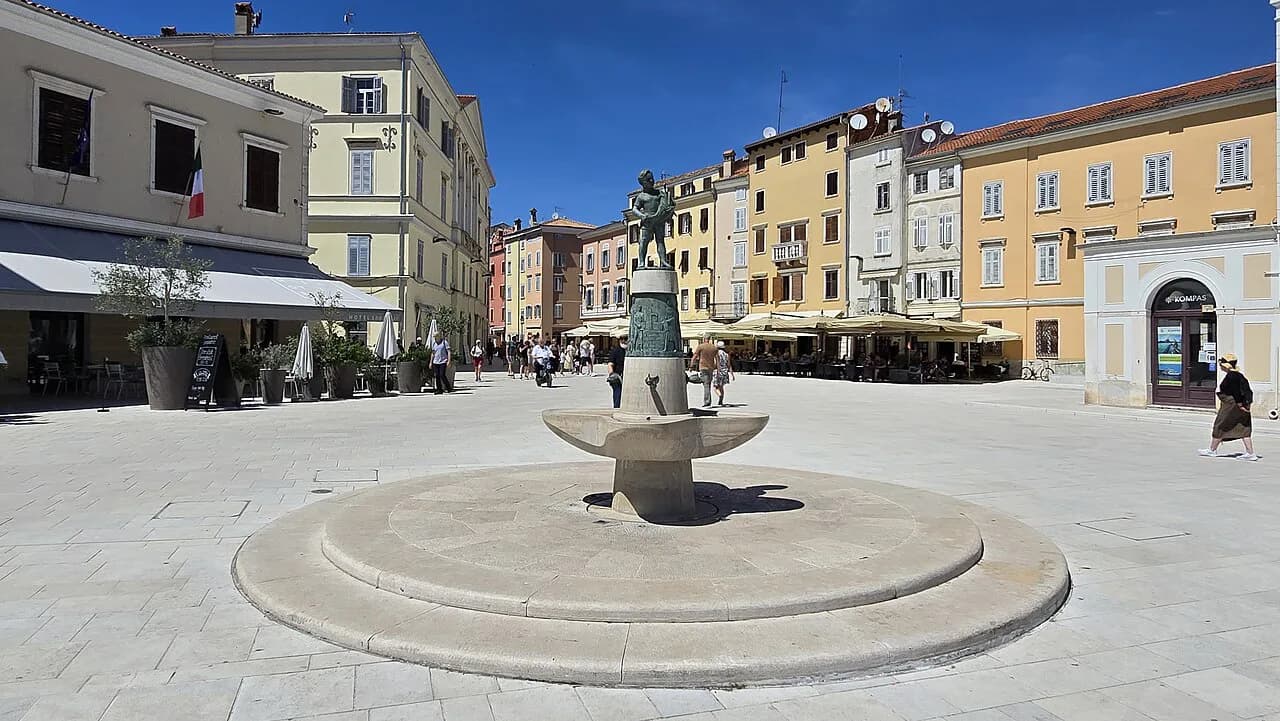
Towards the mainland edge of the peninsula you find the main square and clock tower, a handy orientation point rather than the postcard hill. From here you can walk into the old town, reach the harbour, or find the Rovinj City Museum. Use it as a meeting point and a place to reset before tackling the lanes.
The square is free to wander and useful on a rainy day when the hill's stairs are slick. It also sits close to the market and fish market, so a morning loop of square, market and harbour works well before the day heats up. Save the church climb for when the light is better and your legs are fresh.
Rovinj City Museum and its underwater archaeology collection
The Rovinj City Museum sits where the old town connects to the newer part of town, making it an easy stop before or after the hill. Its collection includes artefacts recovered from shipwrecks alongside information on underwater archaeology, which gives context to a coast shaped by maritime trade. It is a good rainy-day option and a change of pace from churches and viewpoints.
The town's museums and galleries are listed together on the tourist board site, so check opening arrangements before building a day around an interior. Pair the museum with the market and harbour rather than trying to fit it between two boat trips. If your time is short, choose either the museum or the tower, not both.
The harbour and Riva: fishing boats, the market and the fish market
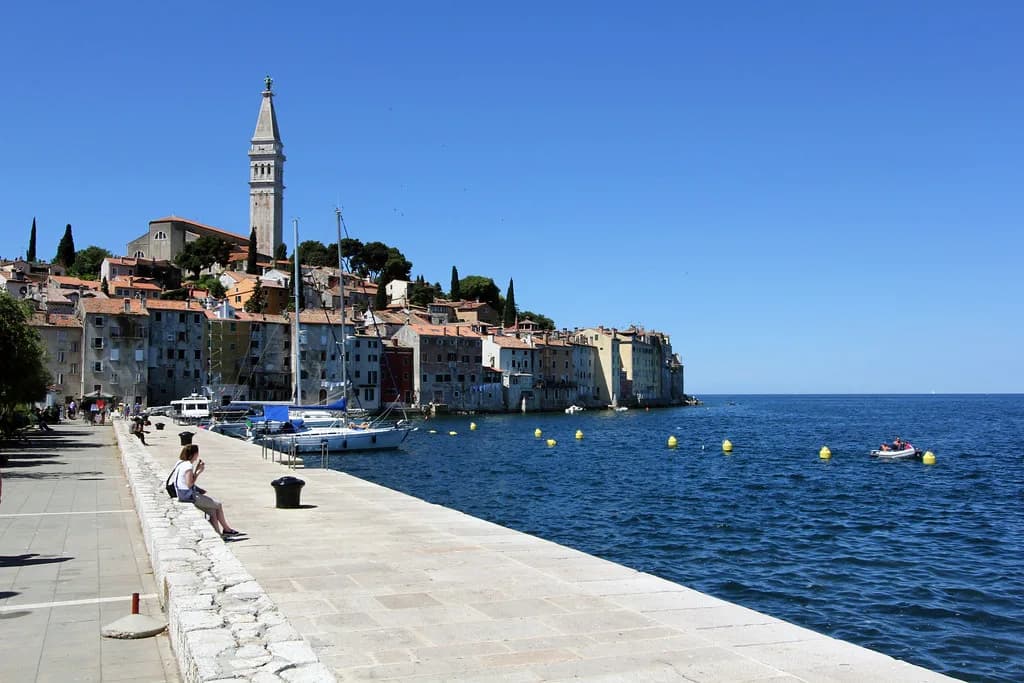
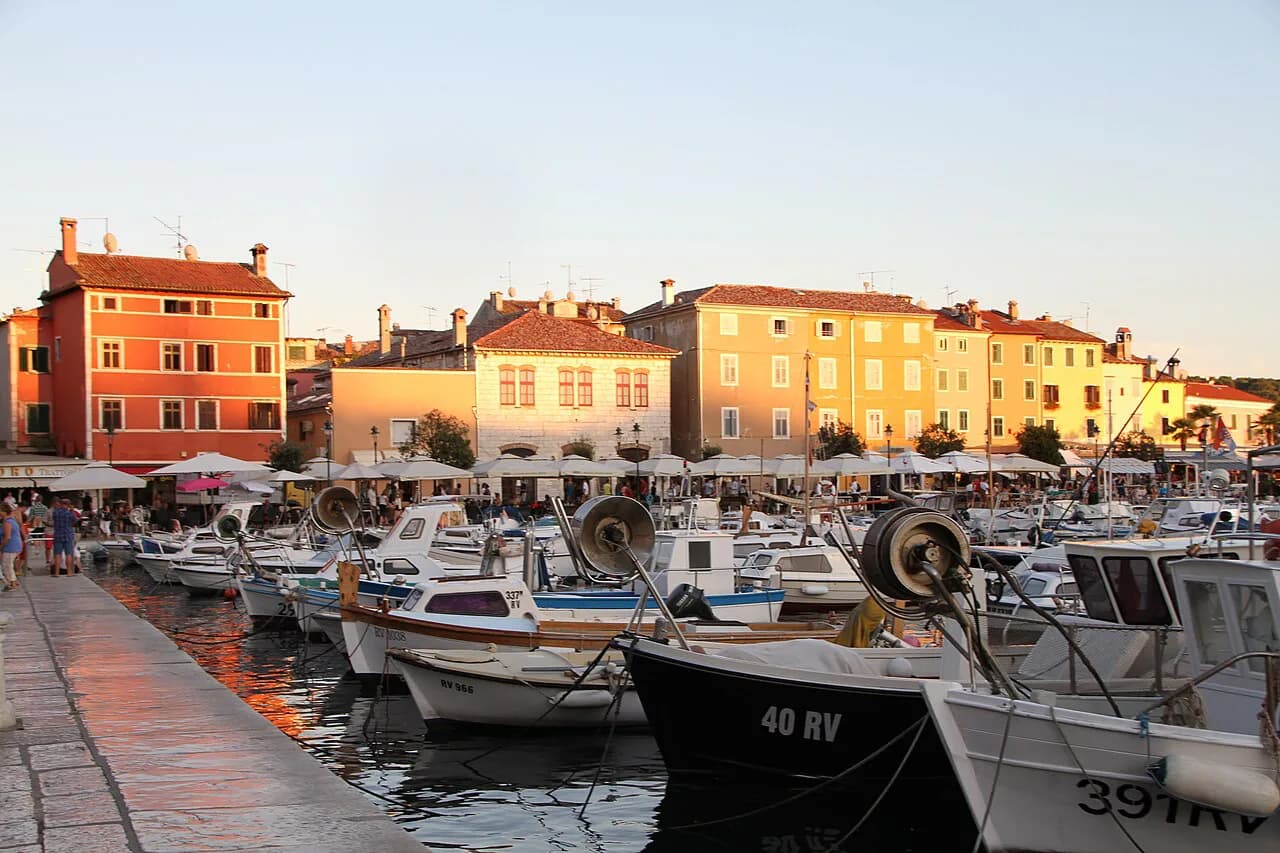
The harbour and the Riva promenade are free, flat and the easiest part of Rovinj to enjoy without a plan. Fishing boats sit in the water below the old town, and the market and fish market, the Pescheria, give the waterfront a working rhythm in the morning. Browse here first, then decide whether the hill or a boat trip gets the rest of your day.
The waterfront is the natural place to compare and book the town's boat trips. The tourist board lists boat rides around the Rovinj islands, the Lim Channel and a visit to Brijuni National Park, which helps you match a trip to the hours you have. Keep the market for the morning and the water for the afternoon, when the light is softer.
Boat trips around the Rovinj islands, Lim Channel and Brijuni
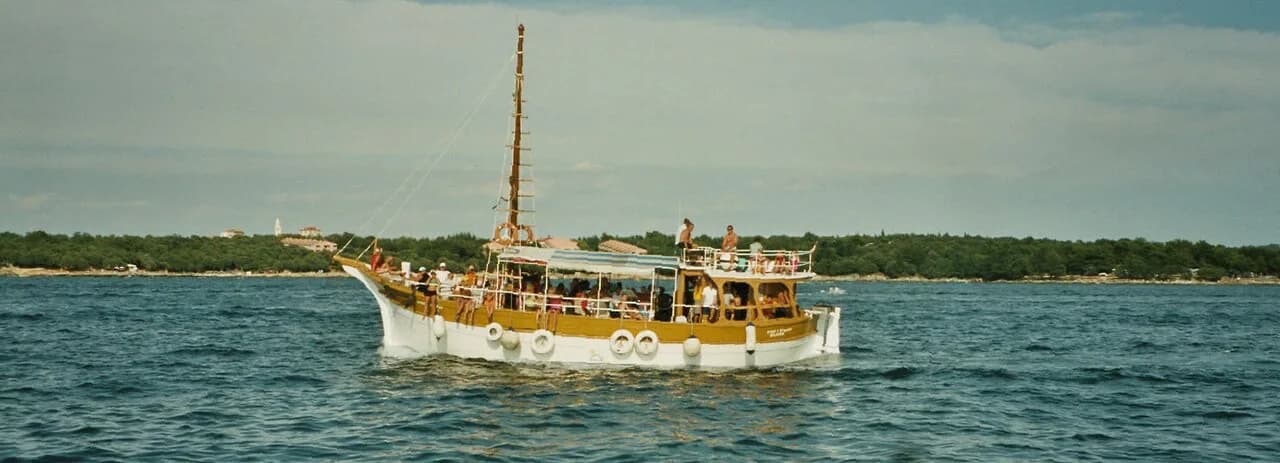
Rovinj's boat trips fall into two groups: short rides around the Rovinj islands and the coastal area, and longer runs to the Lim Channel or Brijuni National Park. The short loop suits a half-day and keeps you close to town, while Lim Channel and Brijuni eat most of a day and reward an early start. Choose by the time you have rather than by the brochure.
The Golden Cape Forest Park, the wooded peninsula south of town, is another waterside option and is listed among Rovinj's natural attractions. Walking or cycling there gives a land-based alternative when the sea is choppy or the boats are full. The bura wind can make the water uncomfortable, so keep a flexible plan for the day you sail.
Swimming below the old town walls and around the Golden Cape
Swimming below the old town walls is the simplest way to cool off after the climb, and the rocky shoreline is part of the appeal. Beaches around Rovinj are rocky rather than sandy, so water shoes help, and the clear water is best in the morning before the crowds. The town's official pages group the beaches by north, south and naturist sections, which helps you pick a side.
The Golden Cape Forest Park offers trails and quieter coves away from the town centre, and cycling routes are mapped by the tourist board. Combine a swim with a walk there if you want a day off the cobbles. Carry water and sun protection, as shade on the rocky stretches is limited.
When to go: summer crowds, spring and autumn, and the bura wind
Summer brings the biggest crowds to the old town and the harbour, and the narrow lanes feel busiest around sunset. Spring and autumn give cooler walking, softer light on Grisia Street and more room on the tower stairs. Rovinj's events calendar peaks in the warmer months, but the town's own pages describe it as a year-round destination with distinct seasons.
The bura is a cold, gusty wind on this coast that can make the waterfront and open water uncomfortable, so keep a land-based backup such as the museum or the church. A short swim suits many visitors, but the water is coolest in the shoulder seasons, so check conditions before committing to a long boat day. Build flexibility into your days rather than booking every boat in advance.
How many days does Rovinj need?
One full day covers the Balbi's Arch to St Euphemia walk, the bell tower, the harbour and market, and a short boat around the islands. Two days add the Rovinj City Museum, a swim at the Golden Cape and a slower meal by the water. Three days let you take a longer run to Lim Channel or Brijuni without rushing the old town.
If you are combining Rovinj with the rest of Istria, note that Pula is an easy trip from town and the two work well as a pair. Travellers building a wider Croatian route often weigh Rovinj against other coastal towns; things to do in Hvar and things to do in Poreč give a sense of how the alternatives compare. Rovinj's compact peninsula makes it the gentler option for a short stay.
Rovinj with children, and what to skip if you have mobility limits
Children tend to enjoy the harbour boats, the market and the rocky swimming more than the church interiors, so build the day around water and open space. The bell tower's steep wooden stairs are unsuitable for very young children or anyone with a fear of heights. The flat Riva and main square let families split up without losing each other.
Visitors with mobility limits can still see the waterfront, market and main square, but the climb to St Euphemia is unavoidable on foot and the lanes are cobbled and stepped. Skip the tower and enjoy the church square from below, or take a boat trip for a different view of the town. Organised city tours led by local guides can help set a pace that suits you.
Which Rovinj day suits you?
If you have one day, walk Balbi's Arch to St Euphemia in the morning, climb the tower for the view, then spend the afternoon on the harbour, market and a short boat around the islands. With two days, add the Rovinj City Museum and a swim at the Golden Cape, and save Lim Channel or Brijuni for a third day. Free sights such as the church interior, the lanes and the Riva mean a rainy or short visit still has a plan.
Explore more Rovinj guides
Frequently Asked Questions
Is Rovinj worth visiting as part of an Istria trip?
Yes. Rovinj packs a hill town with Venetian history, a landmark church and bell tower, a working harbour and boat access to the islands into a compact peninsula. It pairs easily with Pula for a short Istria itinerary, and the old town is small enough to cover on foot.
What can you do in Rovinj when it rains?
Head for the Rovinj City Museum and its underwater archaeology collection, browse the market and the shops along Grisia Street, or take shelter in the Church of St Euphemia. Boat trips may be cancelled in poor weather, so keep a land-based plan for wet days.
Sources
Notes from the Croatian coast
Optional updates when our guides change.
You might also like
Continue reading
More guides you'll find useful