Rovinj Old Town: Streets, Sights and How Long to Allow
Walk Rovinj's old town from Balbi's Arch up Grisia to the Church of St Euphemia, with the museums worth your time and how long the cobbled lanes take.
On this page
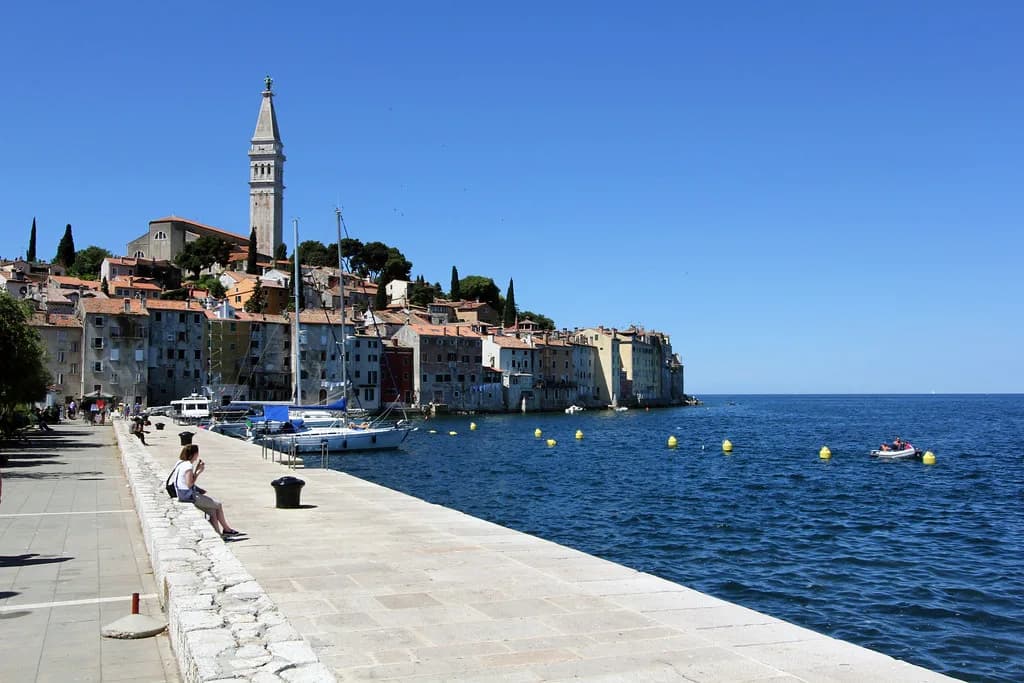
Allow two to three hours for a slow circuit of Rovinj's old town, from Balbi's Arch up through the lanes to the Church of St Euphemia and back down to the waterfront. That covers the streets, the views and a look at the church; add another hour or two if you want a museum as well. The old town was originally an island, joined to the mainland in the 18th century, and it still sits on its medieval street plan inside a ring of Venetian-era houses.
The lanes are short, steep and cobbled, so the walk is less about distance than about climbing and stopping. Everything sits on one hill, which means you always know which way is down: follow the slope seaward and you will reach the harbour. This guide sets out the route in the order that makes sense on foot, then covers Grisia Street, the church at the top and the museums; pair it with our Rovinj Walking Tour and our wider guide to things to do in Rovinj if you want more context for the walk.
A former island on a medieval plan
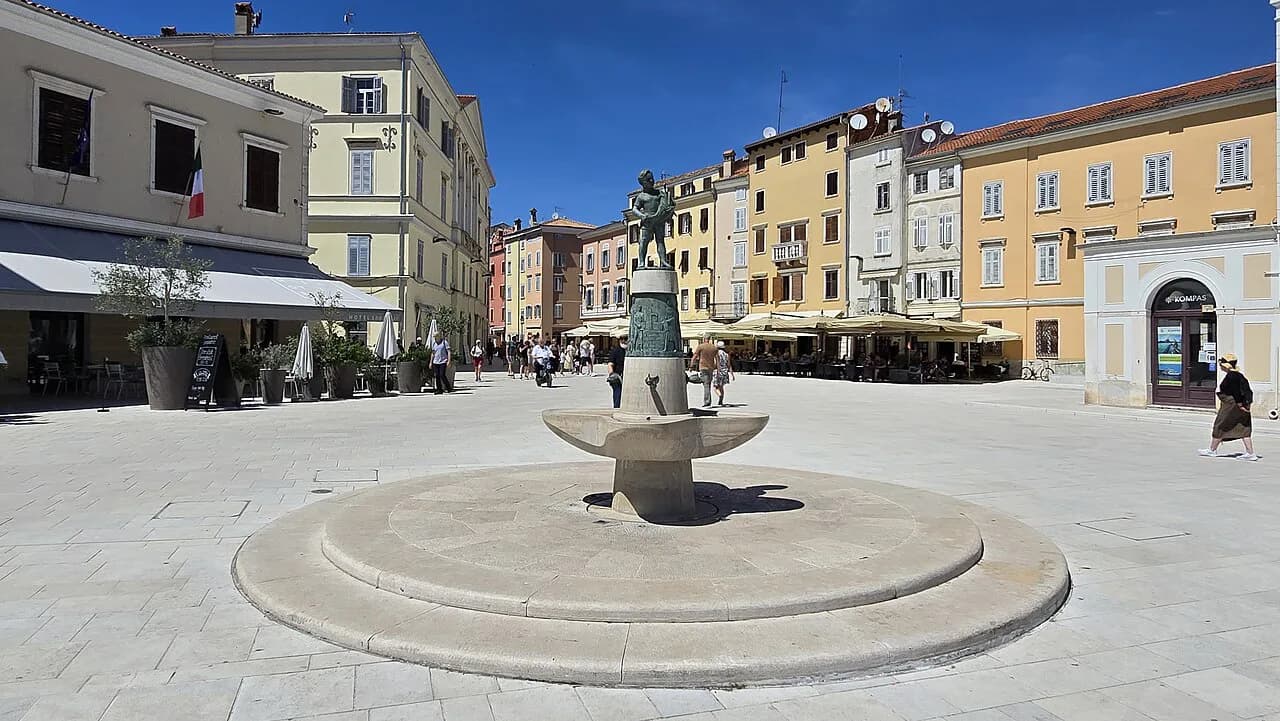
Stari Grad, the historic core, reads as a hilltop maze because that is what it was built as: a walled island settlement with houses packed tight against each other. The connection to the mainland came in the 18th century, and the medieval layout and Venetian influence survived intact. That explains the tight curves, the lanes that seem to double back and the staircases that appear where you expect a street to continue.
For the visitor, the practical consequence is simple: you cannot walk the old town in straight lines, and you should not try. Treat the lanes as a set of loops around the hill rather than a grid, and accept a few dead ends as part of the experience. The reward is that ten minutes of wandering produces more distinctive corners than an hour on a flat grid elsewhere.
Entering through Balbi's Arch
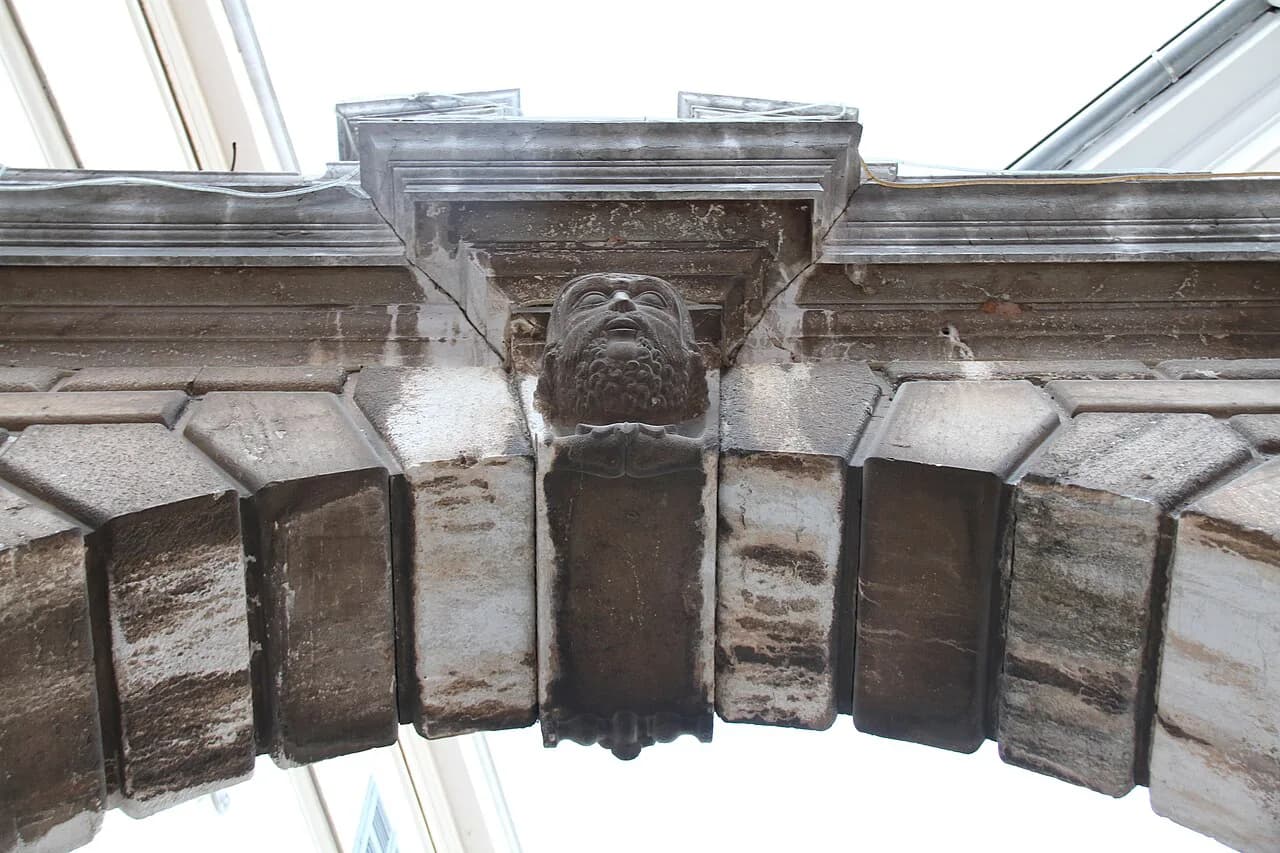
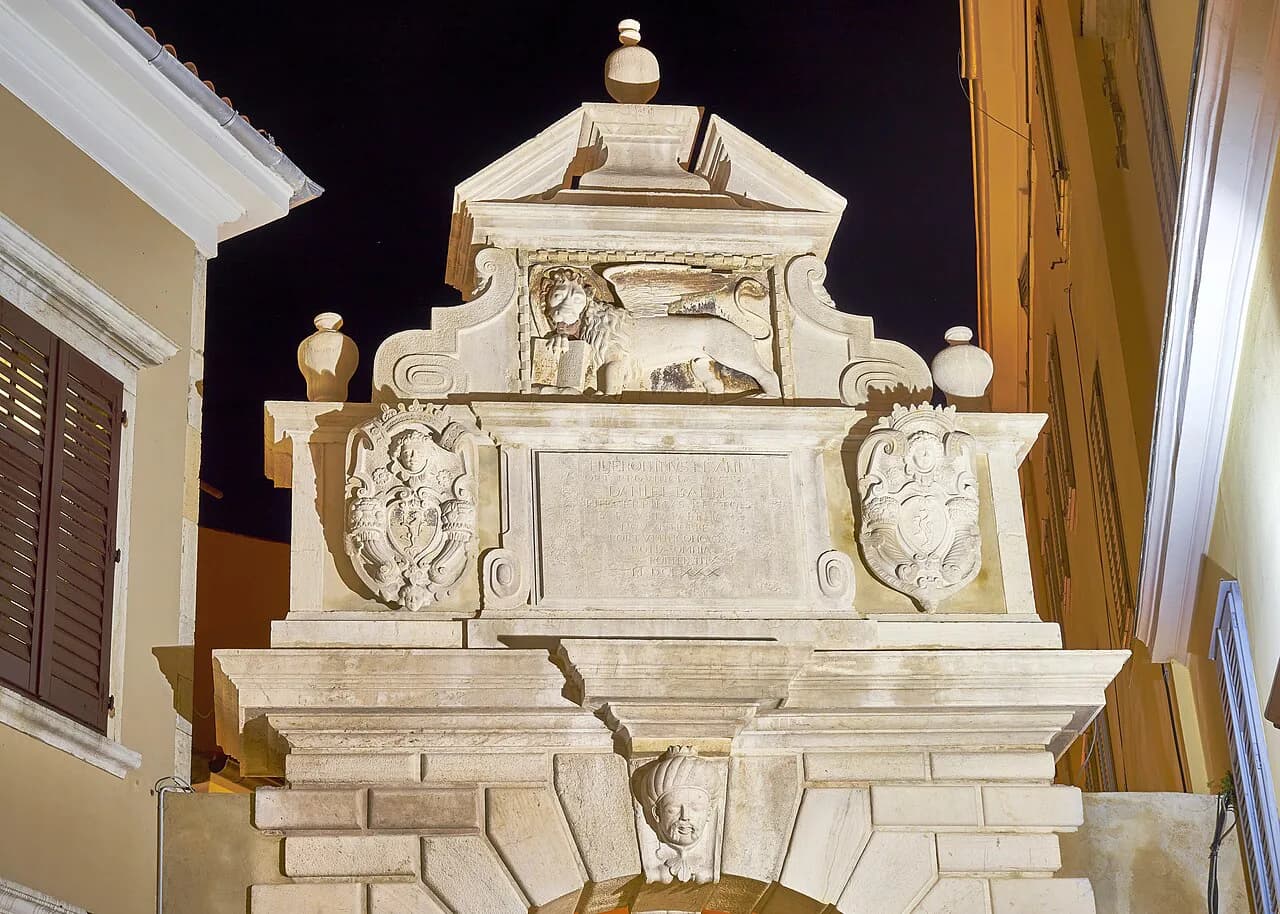
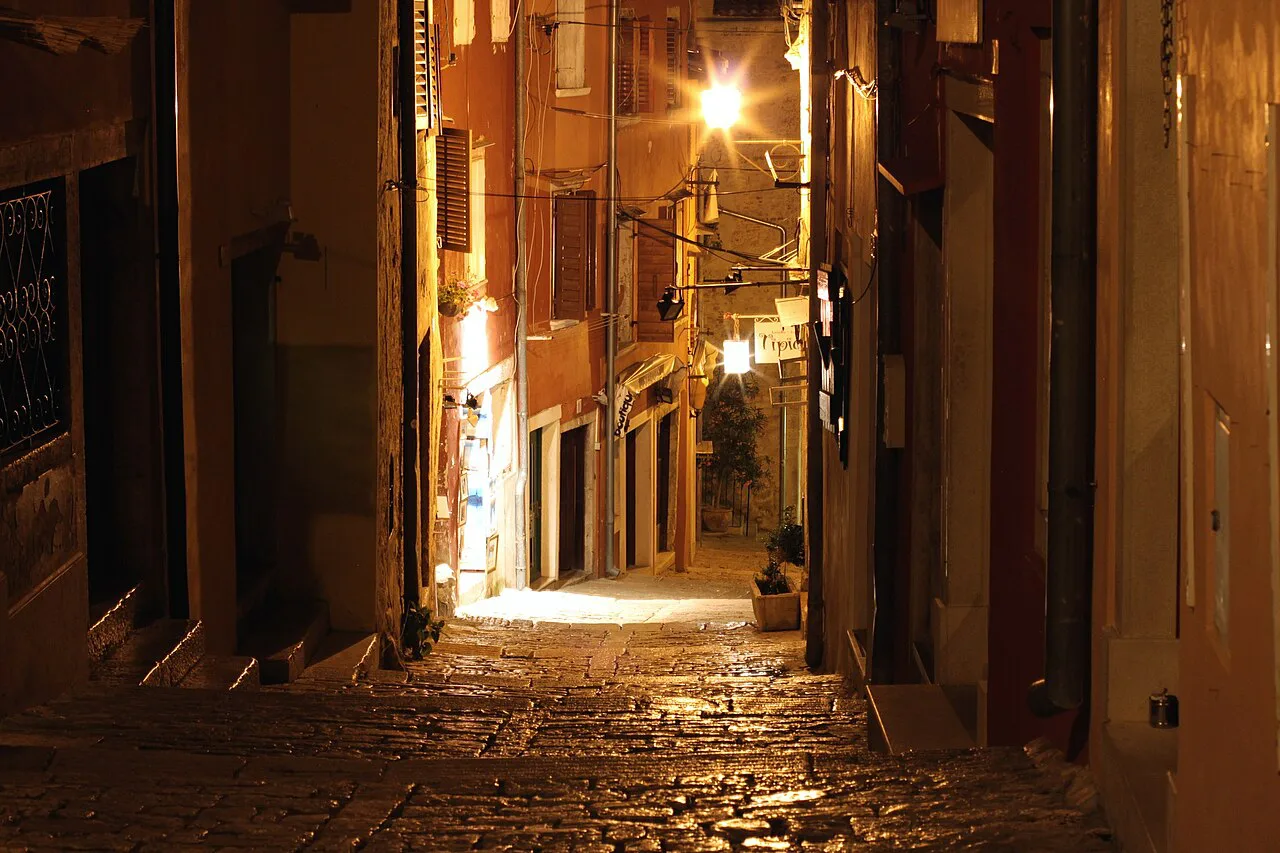
Balbi's Arch is the threshold: step past it and the modern town with its traffic falls away, replaced by narrow stone lanes climbing towards the church. It is the natural place to start a circuit, because the arch sets you facing uphill with the sea behind you. Everything in this guide runs from here.
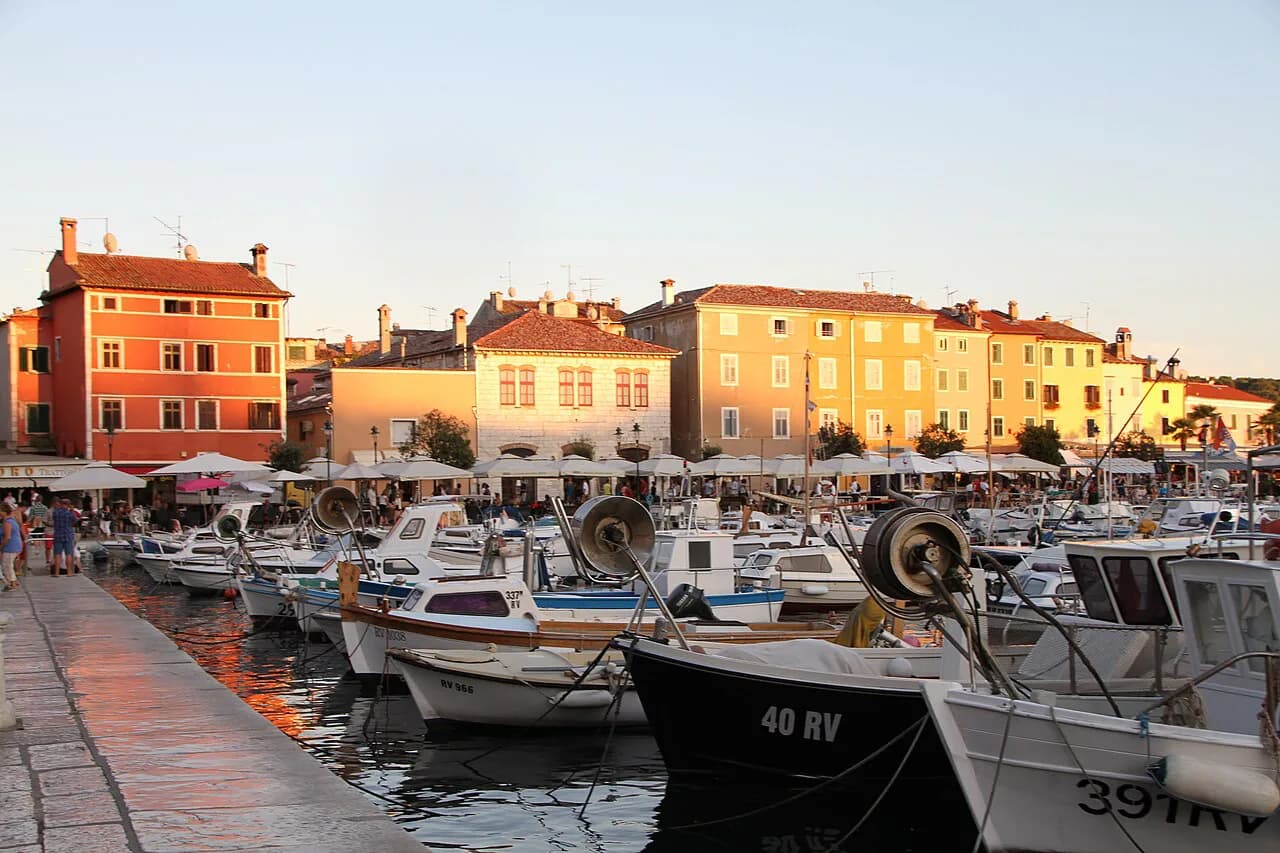
Above the arch, shuttered windows, old doorways and stone staircases line the way, and pastel facades in Venetian style frame the views at every turn. The waterfront promenade at golden hour gives you the classic view back up at those facades, so it is worth saving for the end of the walk.
Grisia Street, the artists' street
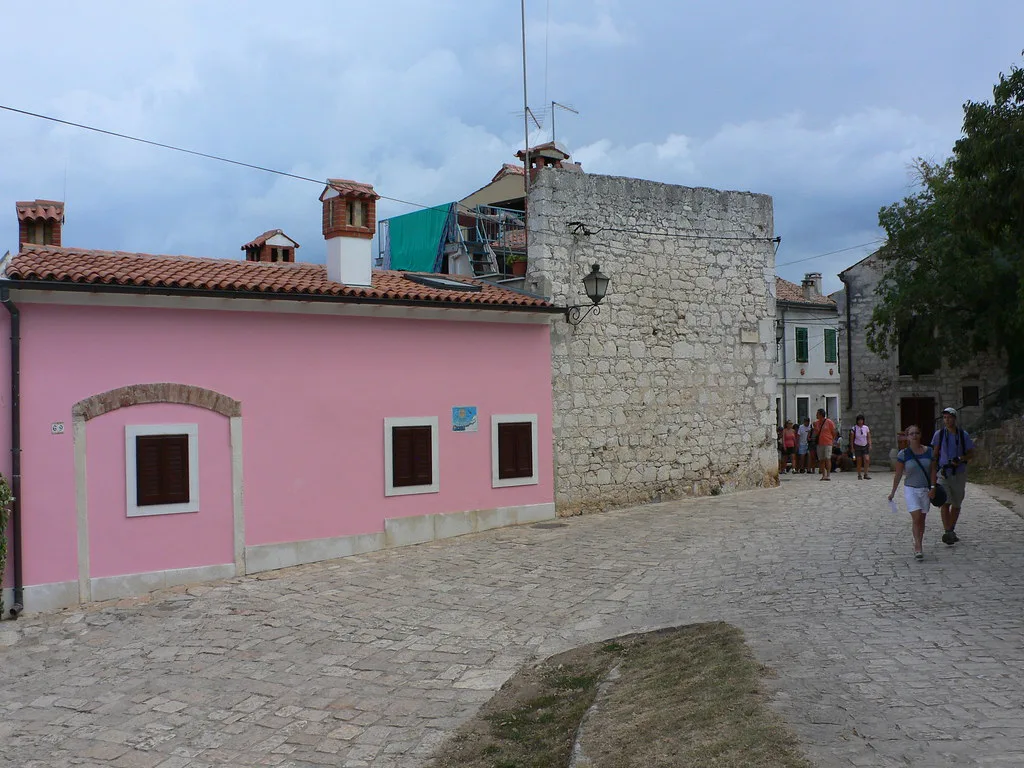
Grisia Street is the spine of the upper old town and the one lane everyone names: galleries, studios and small shops occupy the ground floors, and in summer artists set up easels along the street to paint the coastal panorama and local life. The name comes from the Latin for grey, after the grey stone used to pave the lanes centuries ago, and the street dates back to medieval times.
The summer art exhibition held along Grisia draws artists from across Croatia and briefly turns the street into an open-air gallery of paintings, sculpture and crafts. Even outside that period, the studios and shops make it the best single lane for browsing between sights.
The Church of St Euphemia at the top
The Church of St Euphemia crowns the hill and is the landmark you navigate by. Inside, it holds richly decorated altars, stained glass and an ornate golden casket that is believed to hold the saint's relics. Euphemia is the patron saint of the town, and the church also serves as a centre of local religious and cultural life, hosting festivals and performances through the year.
The final stretch of the climb to the church is the reason decent shoes matter: the ascent runs through steep lanes and then up stairs, so treat it as a climb rather than a stroll, take the cobbles slowly and avoid smooth soles. The church is the highest landmark of the route, and the square in front of it is what you are working towards.
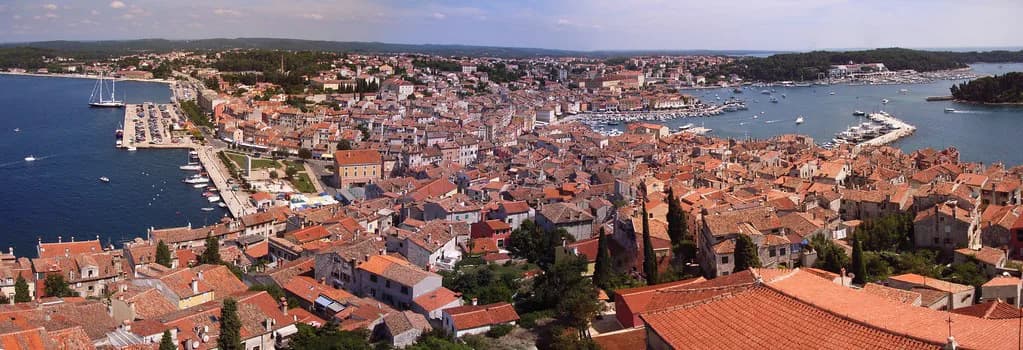
From the top of the church, the view opens over rooftops and sea, and the church tower is named as the spot for panoramic photographs of the town and the water. Build in time up there: that rooftop-and-sea panorama is the payoff for the whole route.
The small museums of the old town
Small museums sit within or close to the old town, and most visitors will enjoy one rather than all of them. The Rovinj Heritage Museum covers the town's wider history and suits anyone who wants context after walking the streets. The Batana House Museum is devoted to the batana, the traditional boat, and the seafaring life that went with it, which makes it the most locally specific of the group. The Adris Gallery shows contemporary art and hosts community events, so it is the pick for a change of register.
Pick by taste and by time rather than trying to tick everything: the heritage museum for history, the Batana House for boats and the Adris for modern art. Opening months and ticket prices change through the year, so check the museums' own listings or ask at the door on the day.
The car-free core and the waterfront
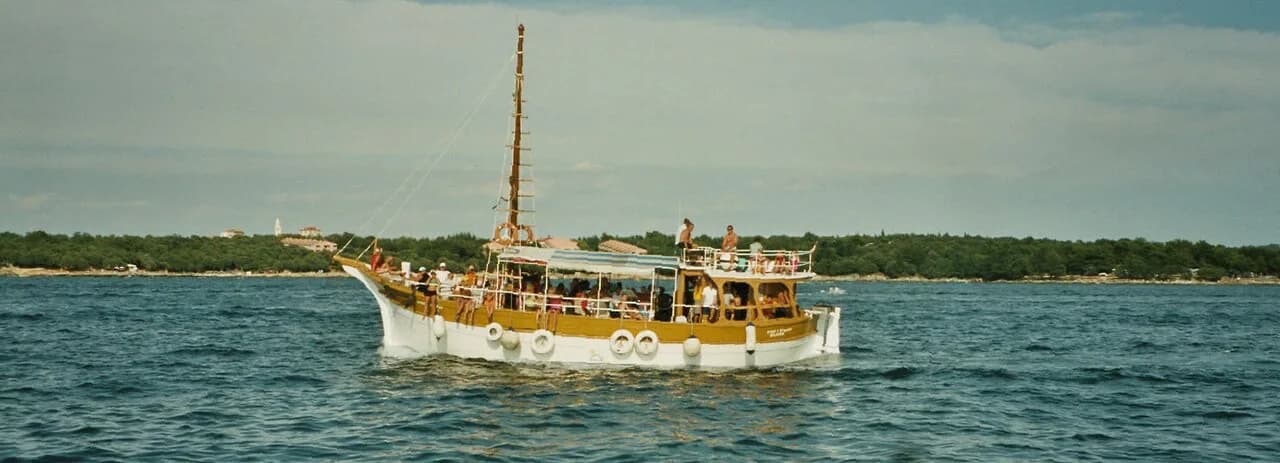
The old town is car-free, which shapes how you arrive. Park outside the centre, near the main bus station or the harbour, and walk in on foot. Boats, including private and shared tours, come in at the town harbour below the old town, so the final approach on foot is short either way.
Arriving on foot from the bus station or harbour puts you on the waterfront first, with the hill of pastel houses above you. That approach is the one to keep for the evening: after the circuit, walk the promenade as the light drops and look back at the facades you climbed past earlier.
Steep stairs, cobbles and the best months
Two things make the old town harder work than its size suggests: the steep uphill lanes and stairs, and the cobbles underfoot. Wear shoes with grip rather than smooth soles, and allow more time than a map would imply, especially in the middle of the day. The lanes also drain storm water through the stonework, so the surface can be slick after rain.
June and September are the sweet spots for warm but not punishing weather, and May and October suit those who do not need to lie on a beach. July and August bring high heat and crowds in the narrow lanes, which makes an early start the sensible choice.
Is the climb to the church worth it?
The church and the lanes are the sure payoff of Rovinj's old town. Stand in the square by the church for the rooftop-and-sea panorama, then take the streets back down at leisure; the interior and the views together are the reason most people come.
Plan the circuit for the morning, keep one museum in reserve as a break, and end on the waterfront promenade. Check current opening details for the church and museums before setting out, and let the rest of the day follow the slope downhill.
Explore more Rovinj guides
Frequently Asked Questions
How long does the old town walk take?
Two to three hours covers the lanes, the church and the climb up the hill, with a little more if you add a museum. The distances are short but the walking is steep and cobbled, so it takes longer than the map suggests — and longer again in the middle of a summer day.
Where does the old town walk start?
Balbi's Arch is the natural starting point: step past it and the narrow stone lanes begin climbing towards the Church of St Euphemia, with the sea behind you. The old town is car-free, so park outside the centre near the main bus station or the harbour and walk in.
Is the climb to the Church of St Euphemia steep?
Yes — the final stretch runs through steep lanes and then up stairs, so wear shoes with grip and take it slowly. The church crowns the hill, and the tower gives the wide view over the rooftops and the sea.
When is the best time to walk Rovinj's old town?
June and September are the most comfortable for a walk that involves standing on stone and climbing stairs, with May and October better for those who do not need beach weather. July and August bring high heat and crowds to the narrow lanes, so go early if you visit then.
Which museum in Rovinj should you pick?
The Rovinj Heritage Museum for the town's history, the Batana House Museum for the traditional boat and the seafaring life that went with it, or the Adris Gallery for contemporary art. Most visitors will enjoy one rather than all of them; check each museum's own listings for current opening months and ticket prices.
Sources
Notes from the Croatian coast
Optional updates when our guides change.
You might also like
Continue reading
More guides you'll find useful