Museums in Rovinj: Which Ones Are Worth Your Time
Rovinj is not a museum town, but the Batana House Eco Museum and the church treasury reward a visit. Here is what each holds and how long to allow.
On this page
Rovinj is not a museum town: one small eco museum carries most of the indoor weight, and the rest of your culture time goes to a hilltop church and a scatter of galleries in the lanes. Plan around the Batana House Eco Museum, which explains the flat-bottomed fishing boat at the heart of local identity, and treat everything else as a short stop rather than an afternoon. This guide covers what the town holds, how long each stop needs and how to slot an hour indoors into a day built around the harbour.
The town rewards walking more than browsing: the waterfront, the climb to the church and the pine woods of Golden Cape Forest Park fill a day on their own. A museum stop works best as a pause between those outdoor stretches, not as the reason you came. If you want the wider picture first, our guide to the Things to do in Rovinj sets the museum alongside the harbour and the viewpoints.
What museums Rovinj actually has
The Batana House Eco Museum is the one substantial collection, devoted to the batana and the fishing trade that built the town. Beyond it, the heritage is mostly in buildings still in use: the Church of St Euphemia on the summit, and small galleries and studios scattered through the lanes. The official Rovinj tourist board lists the Batana House alongside the town's cultural and historical sights, which gives a fair sense of the scale.
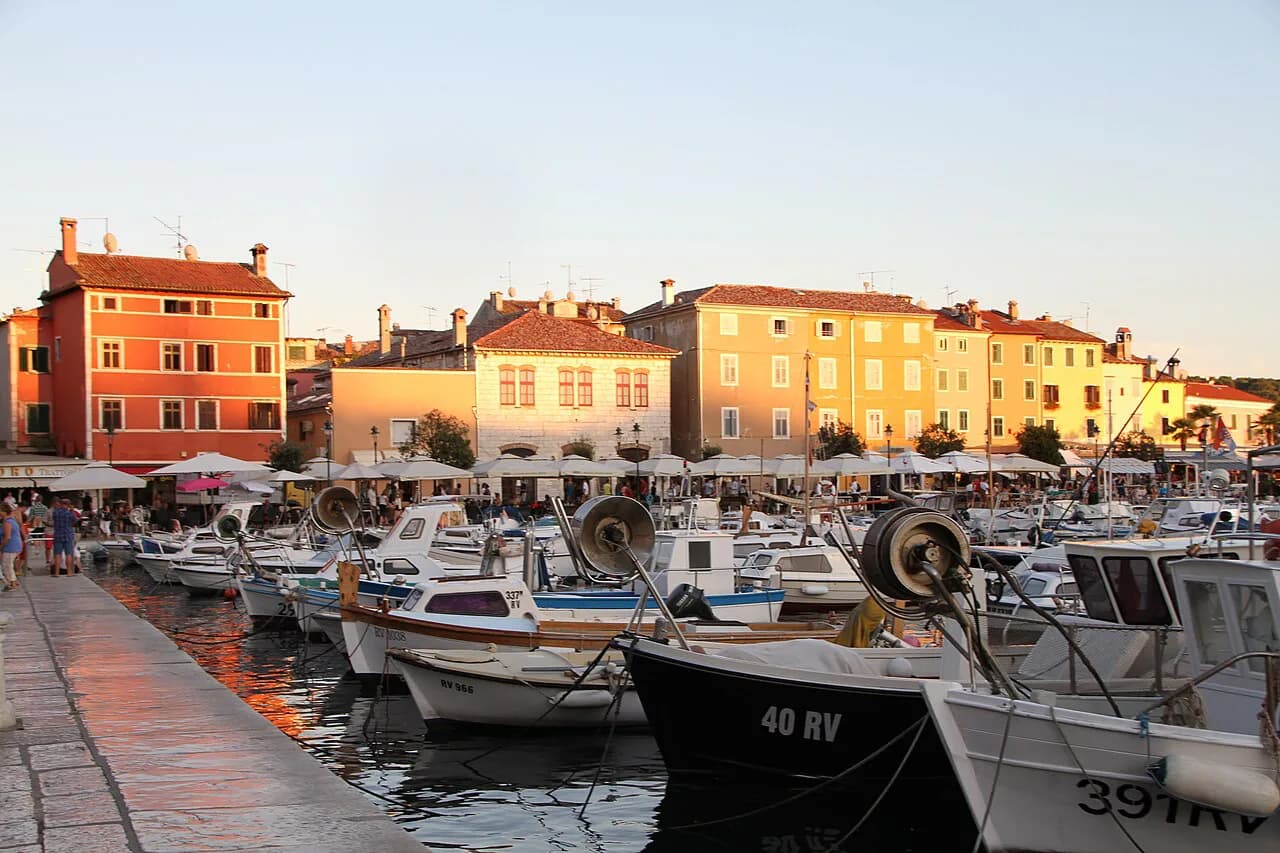
Rovinj's story runs from a fortified island settlement to a Venetian-run fishing port, and the batana sits at the centre of the working-town chapter.
Batana House Eco Museum: the boat that explains the town
The batana is a shallow, flat-bottomed wooden boat that local families rowed and fished from for generations, and the museum treats it as living heritage rather than a relic. The tourist board presents the Batana House Eco Museum as an eco museum, which means the subject is the whole relationship between the town, the sea and the people who worked it. That framing is why it earns an hour when a room of old objects might not.
The tourist board's own pages also cover the batana tradition, the bitinadas and the boat parade, and list batana-themed souvenirs including a model batana ship and a recipe book of the Batana House. If you are interested in the craft, the museum makes a useful primer beforehand.
Inside the Batana House: boat, trade and waterfront life
Expect the vessel itself and the story of a waterfront economy that ran on rowing, nets and family workshops, with photographs and recorded memory doing much of the work. It is a compact exhibition, so read the panels rather than hurrying past: the value lies in the explanation of why the boat's shape suited this shallow, sheltered shore. That suits a museum of a trade rather than a museum of fine objects.
Because the subject is the town's own working life, the museum pairs naturally with a walk along the Riva and the harbour rather than with the monumental sights.
How long the Batana House takes
Set aside a leisurely hour if you like to read the displays properly, which is realistic for a small eco museum. That fits neatly into a half-day loop covering the harbour, the lanes and the climb to the church. Check the current opening arrangements before you build a day around it, since seasonal hours shift.
Position the museum early in your route, near the waterfront, then use the rest of the morning for the uphill lanes while the light is still soft. A map helps here, because the old town's alleys fold back on themselves and the museum is easy to walk past.
St Euphemia's Church and the climb to the tower
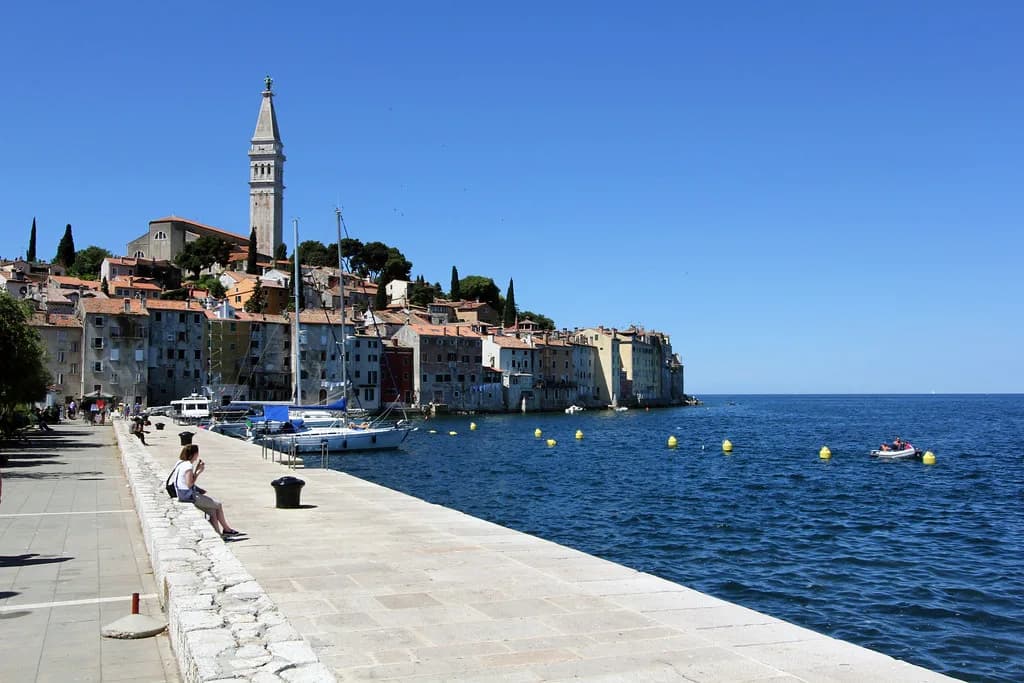
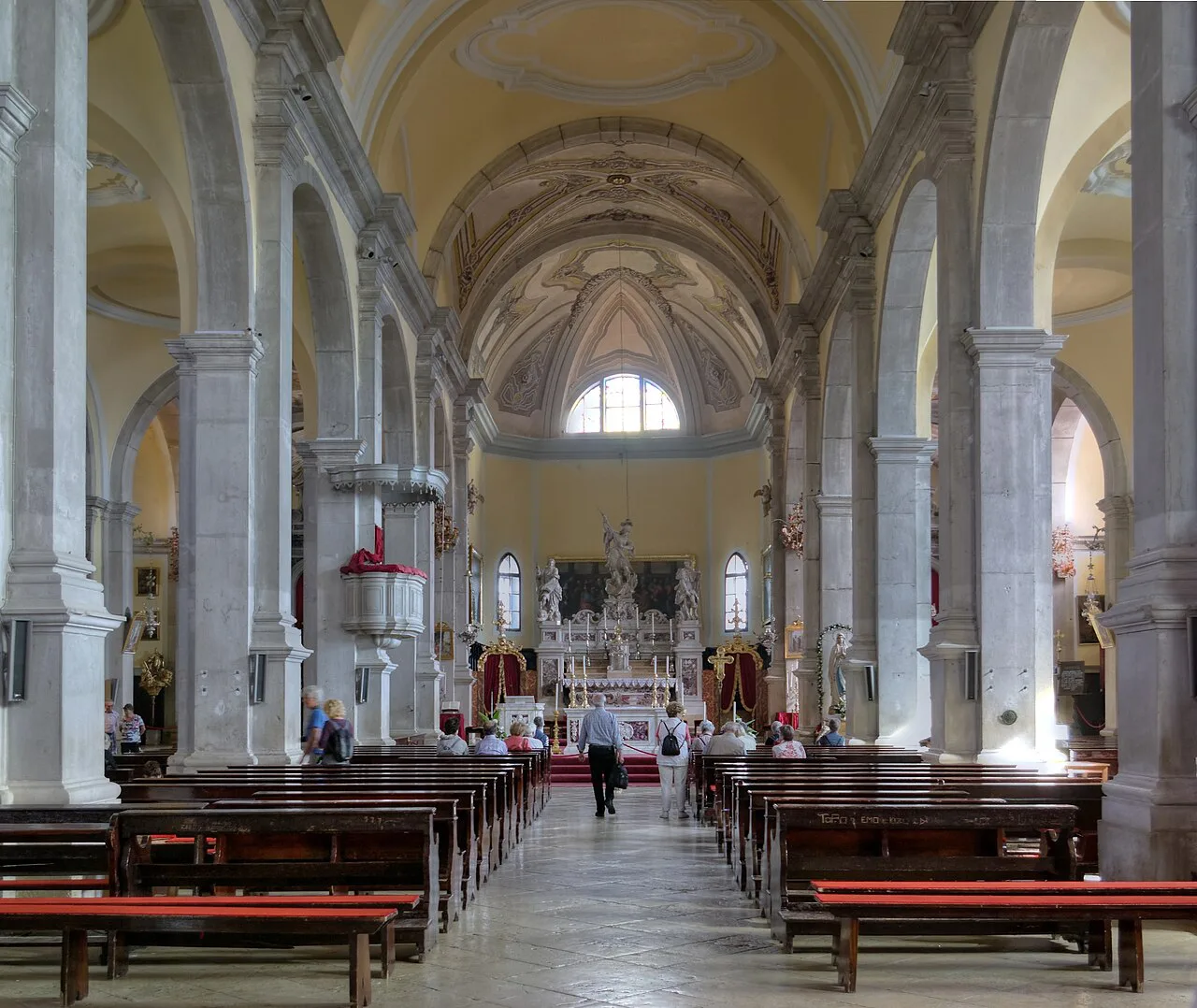
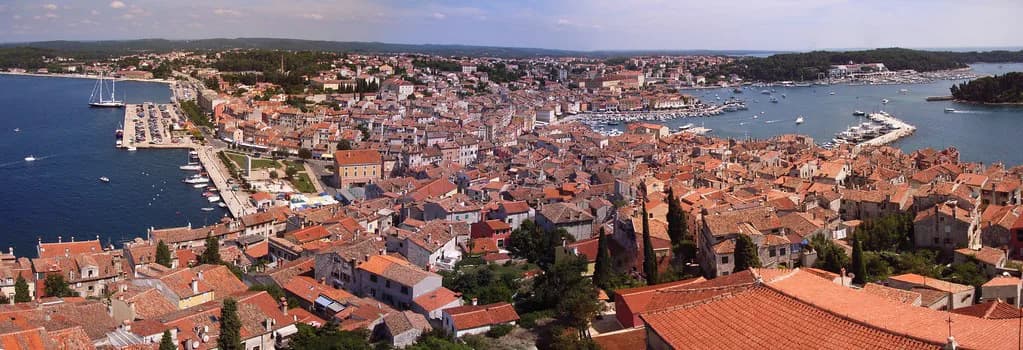
The Church of St Euphemia dominates the skyline and is worth entering as part of the same visit. The bell tower above is the town's best-known viewpoint over the red roofs and the sea, and the climb is short but steep.
Treat the church as a sight rather than a museum: no long labels, but the building and the view carry the visit. Wear shoes you can climb in. If the weather turns, the church and the Batana House make a sensible indoor pair.
Small galleries and studios in the lanes
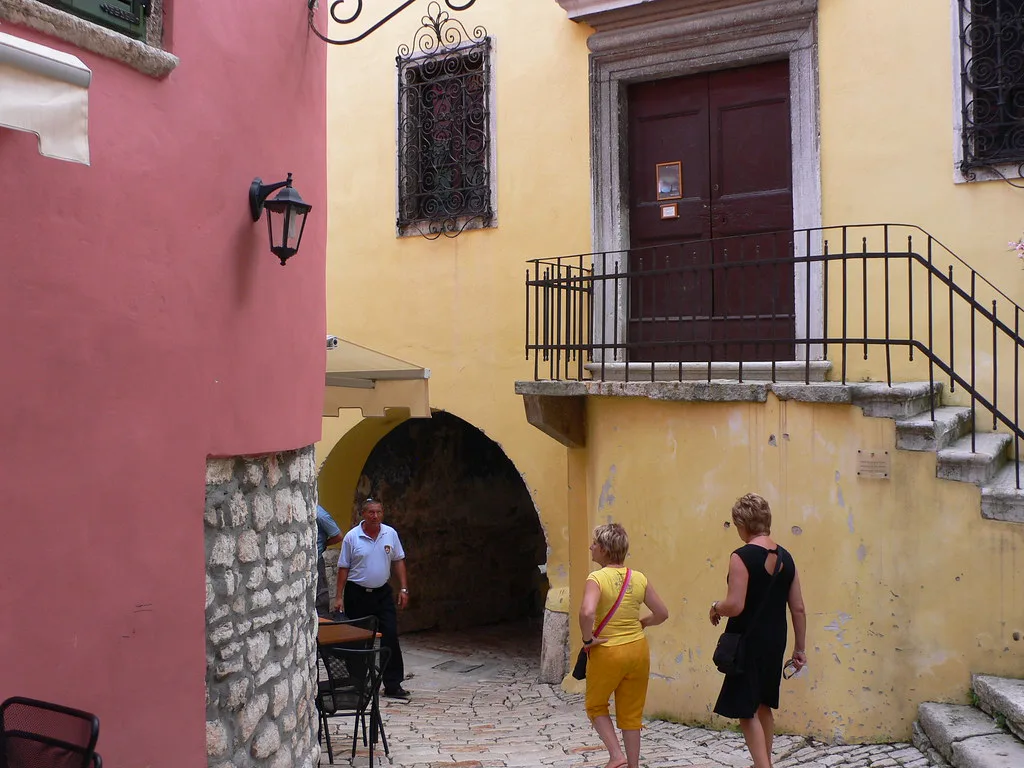
Beyond the museum, the old town holds a scatter of small galleries and studios. A commercial art-gallery listing names Nothing to Sea, Behar Art Gallery, Raku Ceramics and Riberia Studio among them. These are working or commercial spaces, so appearing on a list tells you they exist, not that they will be open when you pass, and you should check before setting out.
The honest approach is to wander and look at doorways: a gallery with lights on and a person inside is open. Do not build an itinerary around a specific studio unless you have confirmed it is trading that week.
Rain or shine: museums versus the harbour
Rovinj is a fair-weather town: the harbour, the Riva and the Golden Cape Forest Park are where most of a fine day goes. The Batana House and the church give you a dry hour when the bura blows or rain sets in. Beyond those, indoor options in Rovinj are limited, so plan the outdoor stretches for the settled days.
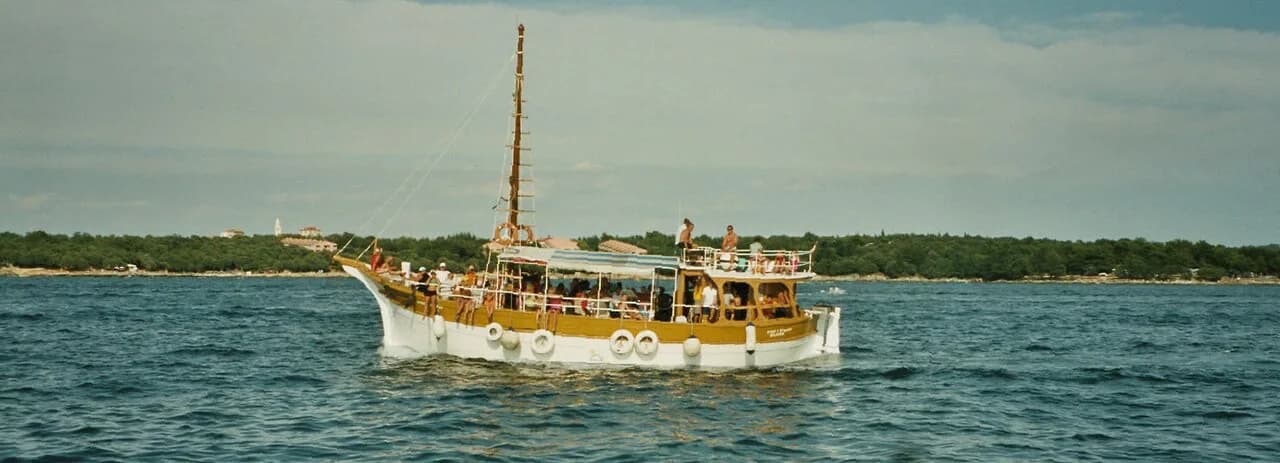
For boat trips from Rovinj, the archipelago and its islands sit close offshore, and the town's maritime story reads differently after seeing them from the water.
Where to slot a museum hour into your day
Morning works best for the Batana House, followed by the harbour and the climb to St Euphemia before the heat peaks. Alternatively, save it for late afternoon after the waterfront has emptied, then climb the tower for the evening light. Either way, keep the stop to an hour so the day stays outdoors.
The town also trades on its looks, and its honey-coloured waterfront and lanes reward a slow wander. Our attractions hub gathers the individual guides in one place if you want the full set, alongside the Things to do in Rovinj.
Is the Batana House worth your museum hour?
Yes: if you give Rovinj one indoor hour, the Batana House Eco Museum is the best use of it, because it explains the fishing town beneath the postcard. The church and tower are the natural second stop, and the small galleries are worth a wander rather than an itinerary slot. You still see Rovinj without either, but the boat explains how the town worked.
Explore more Rovinj guides
Frequently Asked Questions
What is there to see in Rovinj beyond the museums?
The old town lanes, the Riva, the Church of St Euphemia and the pine woods of Golden Cape Forest Park fill a day without stepping indoors.
Is Rovinj Old Town worth a walk?
Yes: the lanes, the Riva and the climb to the Church of St Euphemia make the old town the main thing to see in Rovinj, and it pairs naturally with a Batana House visit.
Sources
Notes from the Croatian coast
Optional updates when our guides change.
You might also like
Continue reading
More guides you'll find useful