Things to Do in Poreč: Old Town, Basilica and Boat Trips
Plan a visit to Poreč with the Euphrasian Basilica, the Roman street grid, the waterfront Riva and boat trips from the harbour.
On this page
Give Poreč a full day if you want the Euphrasian Basilica, the old-town lanes and the waterfront without rushing; half a day covers the basilica and the Roman street grid at a push. The town is small enough to walk end to end, but the basilica alone deserves an hour. This guide covers what to see first, how the Poreč Old Town is laid out, where to pause on the waterfront, what boat trips exist and how many days to budget.
Poreč sits on the west coast of Istria, about 30 km north of Rovinj and 20 km south of Novigrad, which makes it a practical base for the peninsula. The old town keeps a Roman street plan, with the Decumanus Maximus running east–west and the Cardo Maximus north–south, and the Episcopal Complex of the Euphrasian Basilica is a UNESCO World Heritage Site. That combination of Roman bones and a sixth-century mosaic masterpiece is the reason to come.
What to see first in Poreč: the Euphrasian Basilica and its mosaics
Start at the Euphrasian Basilica, the town's most valuable cultural monument and the centrepiece of the UNESCO-listed Episcopal Complex. The present basilica was built in the first half of the sixth century on the remains of an earlier three-nave church, and its oldest parts reach back to the fourth century. The gold-ground mosaics in the apse are the reason to linger rather than tick it off.
The basilica anchors the north-east corner of the old town, so once you leave the complex you are already inside the Roman grid and can walk the lanes south towards the harbour. Check the tourist board's site before you go for the current opening arrangements and any entry charge, since these can change with the season.
Walking the Roman grid: Decumanus Maximus, Cardo Maximus and the old-town lanes
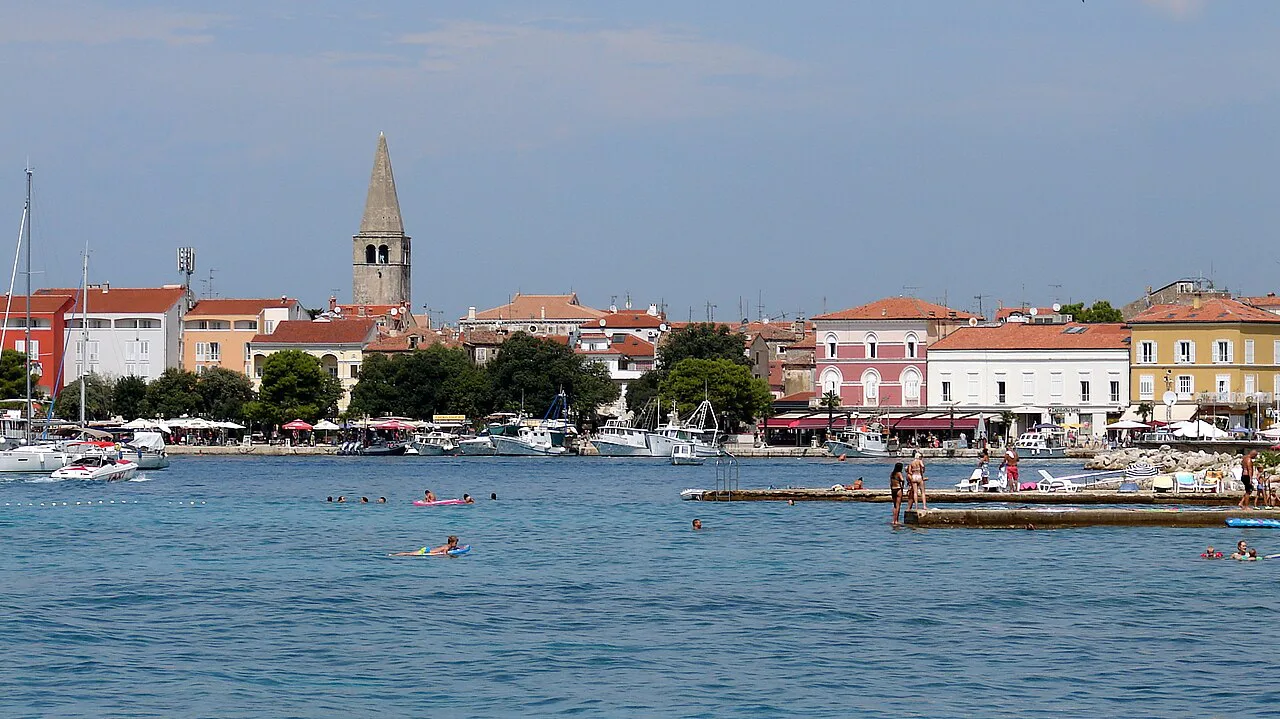
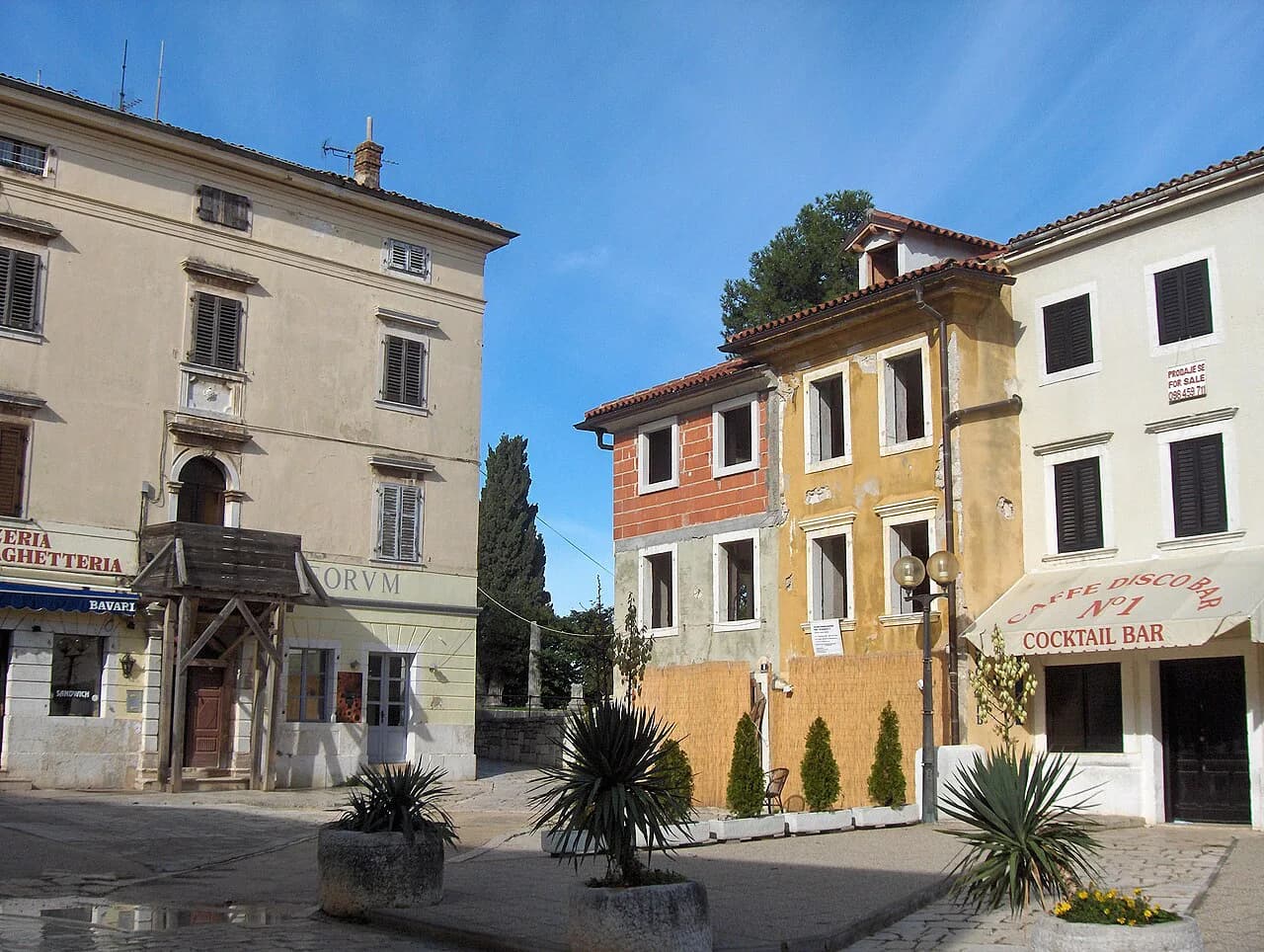
Poreč's old town is laid out on a Roman plan, with two main intersecting streets: the Decumanus Maximus runs east–west and the Cardo Maximus north–south. Learn those two names and you can navigate the centre without a map app. The symmetry is mostly intact, so the two streets give you a simple way to orient yourself wherever you start.
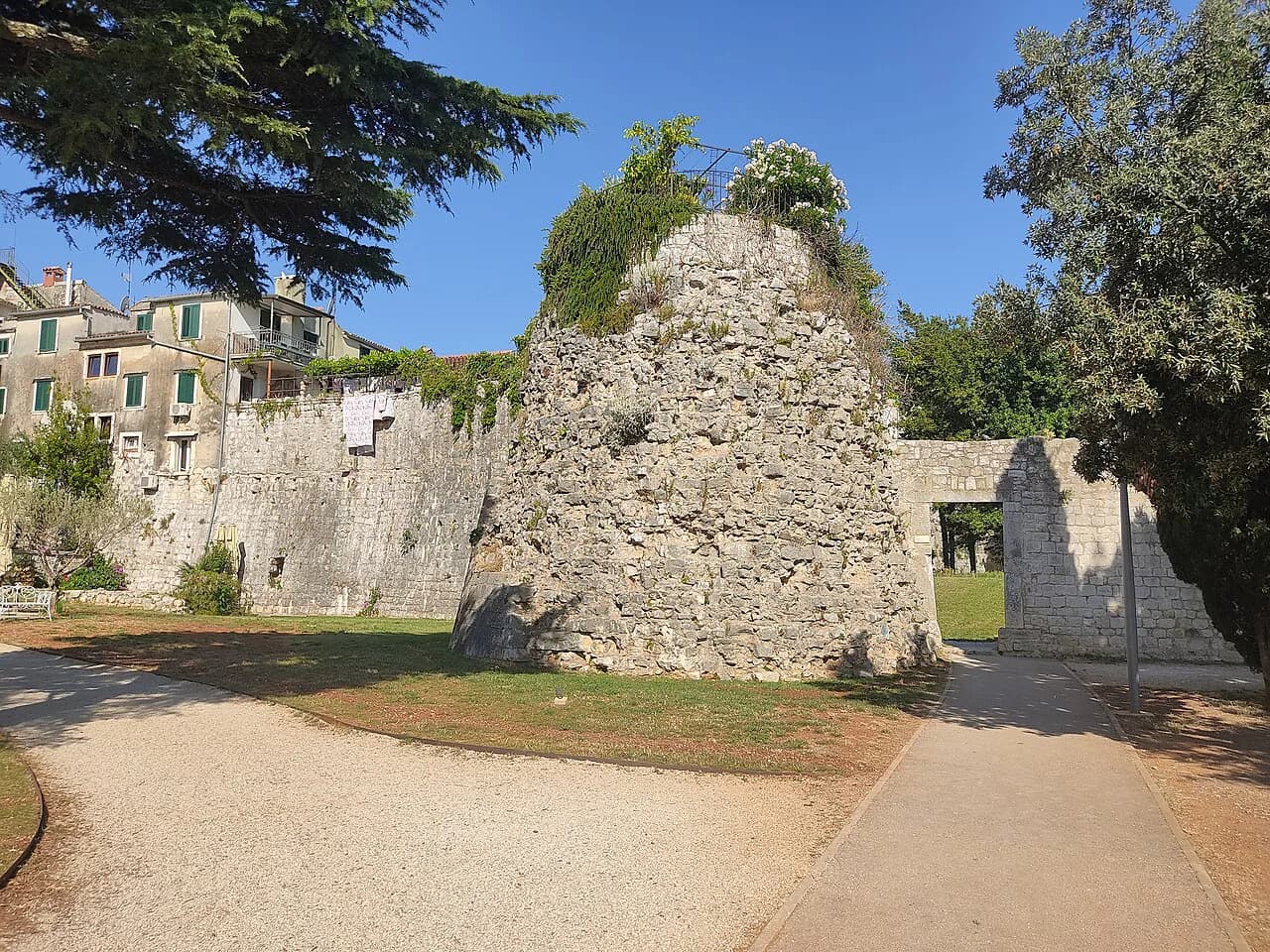
Venetian-style houses line the lanes between the two axes, and the side streets hide smaller squares and fragments of the medieval walls and fortresses. Walk the Decumanus from the basilica end towards the water, then cut north on the Cardo to see the residential lanes.
Venetian Poreč: palaces, lanes and the waterfront
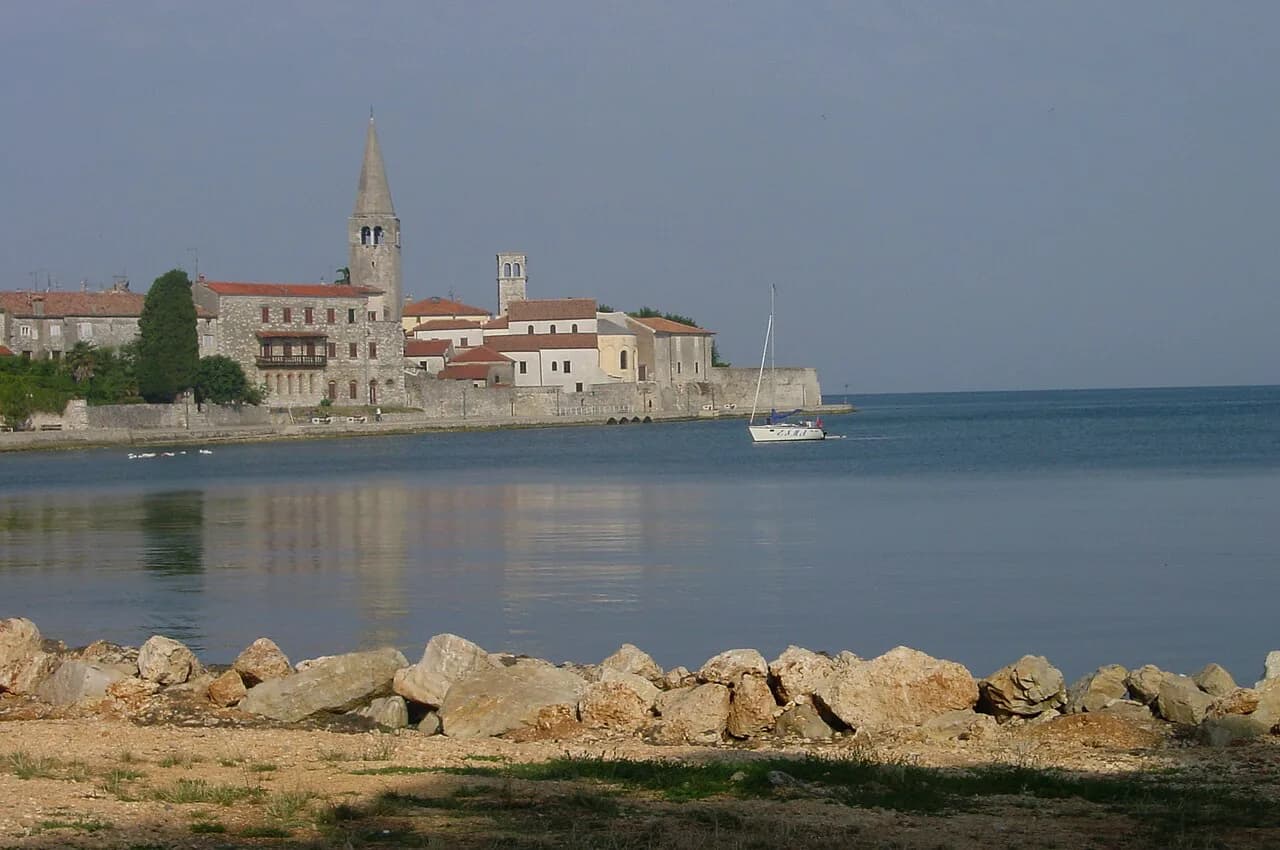
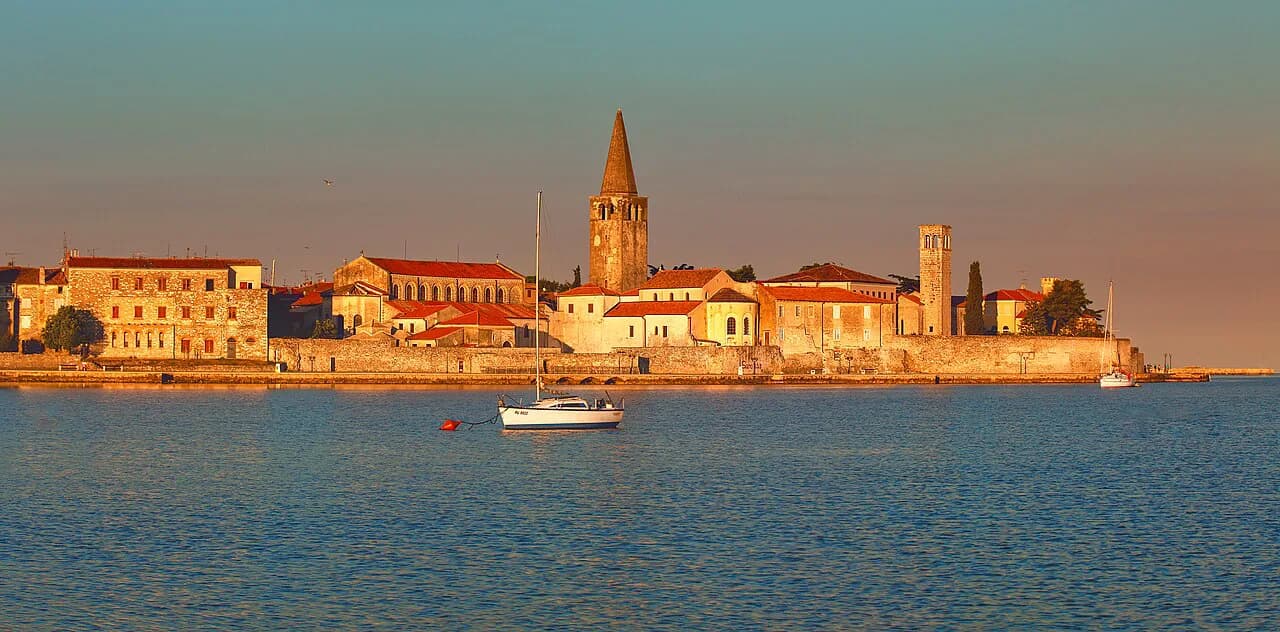
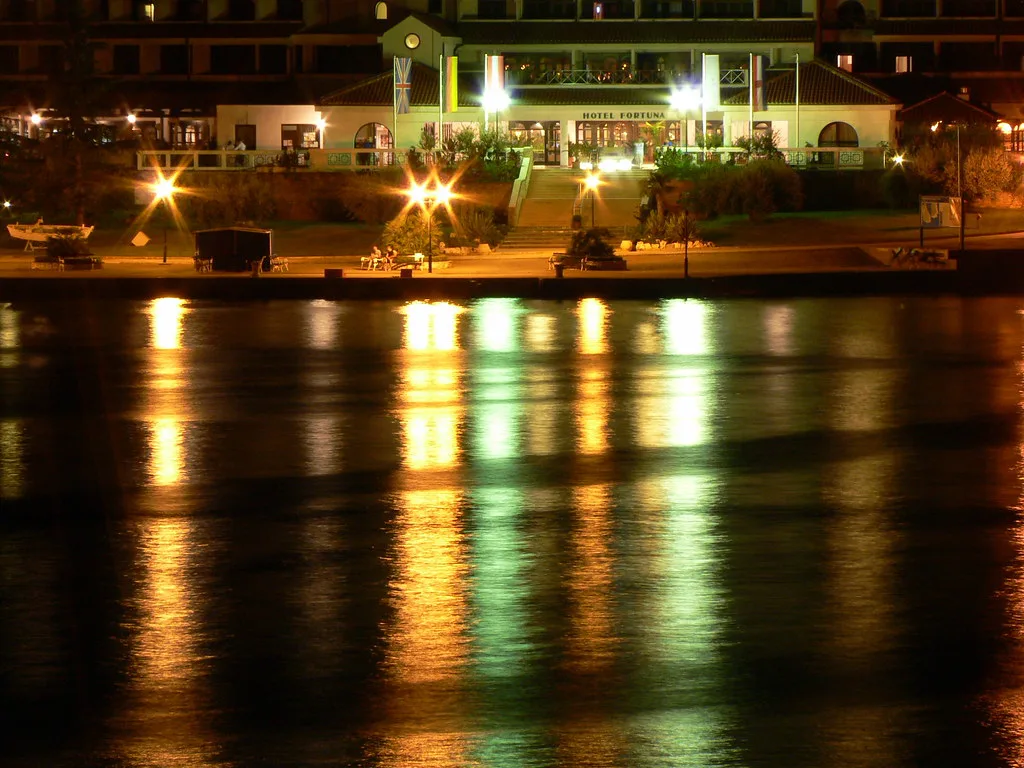
Poreč's waterfront is the natural place to end a walk through the old town. Gothic, baroque and Romanesque palaces sit along the lanes behind it, and the harbour edge is where locals and visitors meet in the evening.
A Roman temple and the medieval town walls and fortresses round out the old-town sight list beyond the basilica. These are small stops rather than headline attractions, so fold them into the walk between the Decumanus and the waterfront rather than treating them as separate excursions. Together with the basilica they give Poreč a denser set of historical sights than most towns of its size in Istria.
Museums and heritage sights beyond the basilica
The old town's heritage is concentrated in the Episcopal Complex and the streets around it, so there is no need to build a museum circuit. The visitor centre La mula de Parenzo is the obvious orientation stop for maps, brochures and context before you start walking. Use it to pick up the layout of the grid and any seasonal information on the basilica.
If you want more after the basilica and the old-town lanes, the town's wider cultural programme includes exhibitions and events listed by the tourist board, from art biennales to book months. Treat these as optional extras that depend on when you visit rather than fixed sights. Check the events calendar close to your dates for what is actually on.
Viewpoints and the waterfront: where to pause rather than tick off
Poreč's best pauses are horizontal rather than vertical: the waterfront, the harbour edge and the lanes that open onto the water. Rather than hunting for a single viewpoint, walk the waterfront slowly and take the side streets that end at the sea; the town's peninsular shape means water appears at the end of most lanes.
In summer the waterfront fills up in the late afternoon and evening, so walk it in the morning if you want it quieter. The town's climate is Mediterranean, which keeps the waterfront usable across a long season, but the busiest weeks concentrate the crowds on the Riva.
Boat trips from the Poreč waterfront
Boat trips run from the Poreč waterfront, and the tourist board lists excursions and nautical activities as part of the town's offer. Book through the companies advertising at the harbour or through the tourist board's information channels, and confirm departure point, duration and price directly with the company you choose before you commit. Treat any schedule you see as specific to that boat company rather than a town-wide timetable.
Keep a walking day in reserve so a cancelled sailing does not leave a hole in your itinerary, and plan the boat day around settled weather rather than a fixed date. For the old town on foot, the Poreč Walking Tour covers the lanes and squares in sequence.
When to go: summer crowds, spring and autumn
Summer is when Poreč is at its liveliest, and it is also when the old town is most crowded. If crowds bother you, avoid the last week of July and the first two weeks of August, when the town is at its busiest. Outside those weeks, the town copes well with its visitor numbers thanks to a long coast and plenty of space.
The tourist board promotes Poreč as a year-round destination under its Experience Poreč 365 days framing, with spring and autumn offering a quieter old town. Rainy days in peak season push everyone into the centre at once, so if a storm is forecast, plan the basilica and the visitor centre for that day. Outside high summer, check opening arrangements for the basilica before travelling, because seasonal hours vary.
How long Poreč needs: half a day, a full day or a base for Istria
Half a day covers the Euphrasian Basilica, the Decumanus Maximus and Cardo Maximus and a walk along the waterfront. A full day adds the smaller heritage sights, a slower waterfront pause and time for a boat trip or a museum. Poreč is compact enough that a full day feels unhurried rather than packed.
Poreč also works as a base for Istria: Rovinj is roughly 30 km south and Novigrad about 20 km north, both within an hour's drive, and Pula is further south on the same coast. With a car, you can see the old town in a morning and spend the afternoon elsewhere on the peninsula. Without a car, the town itself justifies a full day.
Getting around the old town on foot and where to park outside it
Park outside the old town and walk in: Poreč has several organised car parks around the centre, and the pedestrian core is small enough to cross in minutes. The tourist board publishes a parking page covering the town's car parks. Arrive early in high summer, when the spaces closest to the centre fill first.
Once inside, the Roman grid means you can navigate by the Decumanus and Cardo rather than turn-by-turn directions. Wear shoes that cope with polished stone lanes, and expect to walk more than you planned if you follow the waterfront. The town is compact, but the lanes and the area towards the basilica reward a slow pace.
Practical notes: euros, tourist information and the La mula de Parenzo visitor centre
Croatia uses the euro, so prices in Poreč are quoted in euros. Carry a card for most payments and some cash for small purchases at markets and kiosks. Ask at the La mula de Parenzo visitor centre about current arrangements for the basilica and any boat trips before you commit.
The tourist board's site carries the practical side of a visit, from transport and parking to a list of FAQs and a weather forecast page, and it lists excursions and nautical activities under what to do. Check the official tourist board first and only book through companies advertising at the harbour. If a price or departure time is not listed, ask at the visitor centre rather than relying on a third-party listing.
Which half of Poreč to give your day
If you have one day, give the morning to the Euphrasian Basilica and the Roman grid, and the afternoon to the Riva and a boat trip or a slow waterfront walk. If you have only half a day, skip the boat and stay inside the old town. The basilica and the two Roman streets are the reason to come; everything else is a bonus.
For the wider picture of what the town offers, use the Poreč Attractions & Visitor Guides hub as your starting point. It links the basilica and old-town sights with the rest of the peninsula, so you can plan Poreč as a base rather than a single stop.
Explore more Poreč guides
Frequently Asked Questions
Is Poreč worth seeing?
Yes, if you care about early Christian art and Roman town planning. The Euphrasian Basilica's mosaics are a UNESCO World Heritage Site, and the old town still follows the Roman Decumanus Maximus and Cardo Maximus. Half a day is enough to see the core; a full day lets you slow down.
Is Poreč nicer than Rovinj?
They suit different tastes. Poreč has the stronger single monument in the Euphrasian Basilica and a clearer Roman street grid; Rovinj has a more dramatic peninsular old town. If you have time for both, they are about 30 km apart and pair well.
How far is Split from Poreč?
Split is far to the south and is best treated as a separate stop on a Croatian itinerary rather than a day trip from Poreč. Road and ferry connections vary with the season.
Sources
Notes from the Croatian coast
Optional updates when our guides change.
You might also like
Continue reading
More guides you'll find useful