Museums in Poreč: What to See and How Long to Allow
Poreč's museums are small and tightly grouped, led by the Heritage Museum of the Poreč Region. Here is what each holds and how long to allow.
On this page
Allow half a day for Poreč's museums and the basilica complex around them: the town's indoor collections are compact, and the Heritage Museum of the Poreč Region, the oldest museum in Istria, is the main stop. Everything sits within the old town's Roman street grid, so you walk between sights rather than plan transport. This guide covers what each collection holds, how the Roman streets work as an open-air exhibit, and how to choose a museum when rain sets in.
The honest framing is that no single Poreč museum justifies the trip on its own; the Episcopal Complex of the Euphrasian Basilica, a UNESCO World Heritage site, is what brings most visitors. Treat the museums as the indoor layer of a walk through a town whose oldest parts reach back to the 4th century, with the basilica itself from the 6th.
What museums Poreč has
The headline collection is the Heritage Museum of the Poreč Region, held in one of the old town's Venetian palaces and described as the oldest museum in Istria, founded in 1884. The town's other heritage draws are tied to the Episcopal Complex and the Euphrasian Basilica rather than to separate museum buildings, so the indoor browsing is short: an hour or two covers the collections and the monuments are outdoors.
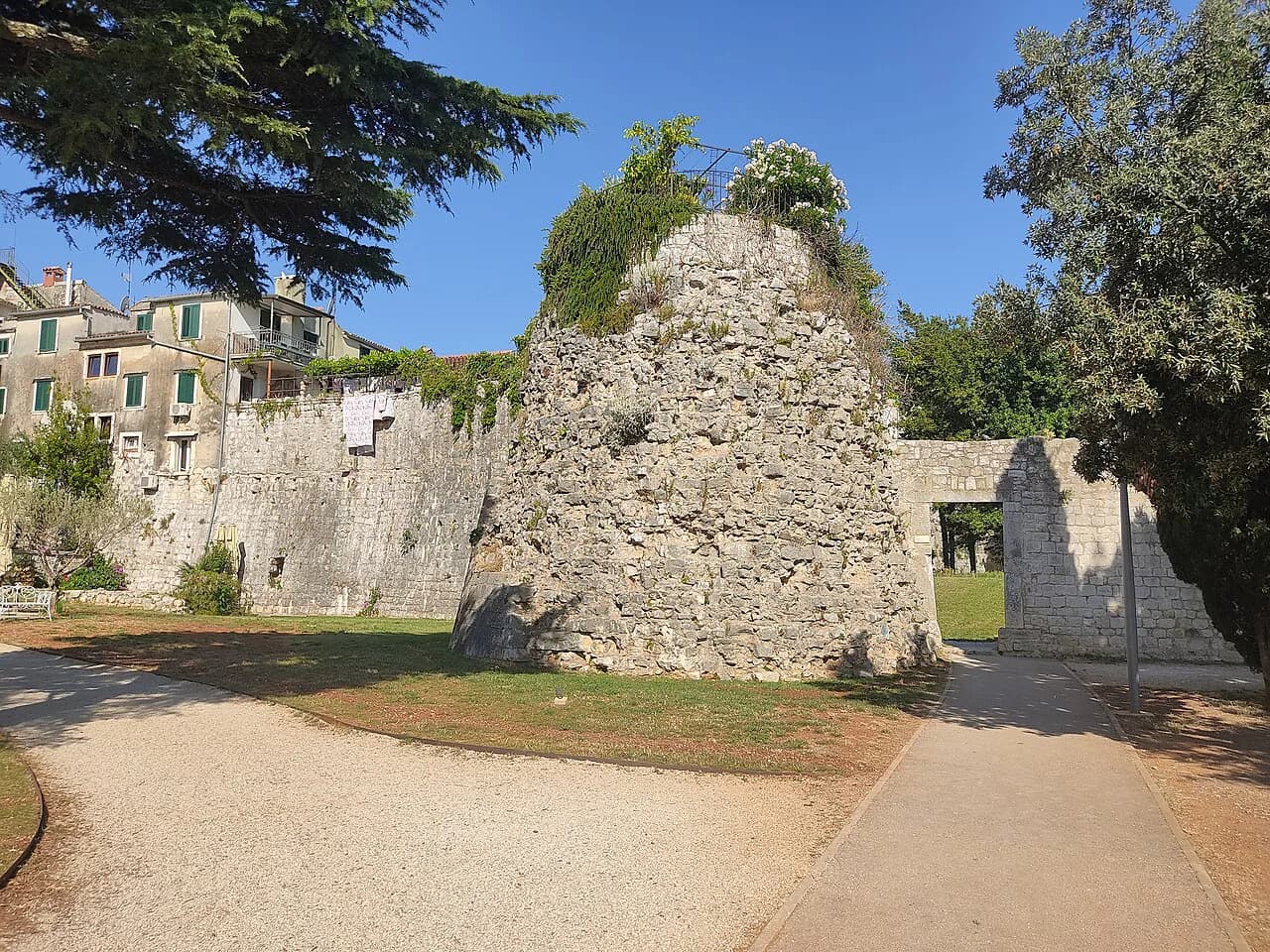
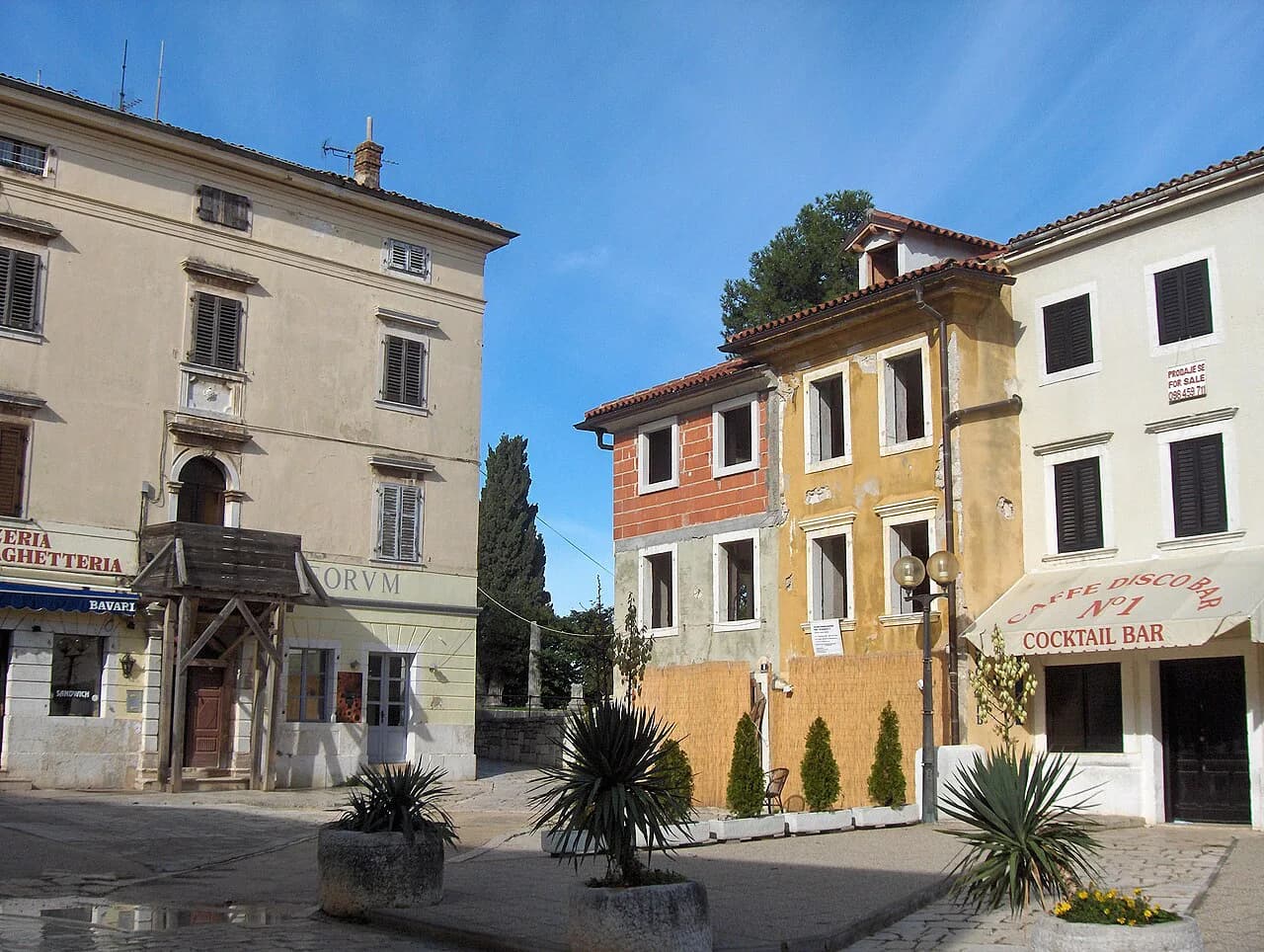
Plan on two indoor anchors and a set of outdoor monuments rather than a museum trail. The old town is often described as a museum under the stars, with a Roman temple's remains, a Roman street layout and medieval walls and fortresses still standing. That framing is useful: most of what you came to see in Poreč is in the street, not behind a ticket desk.
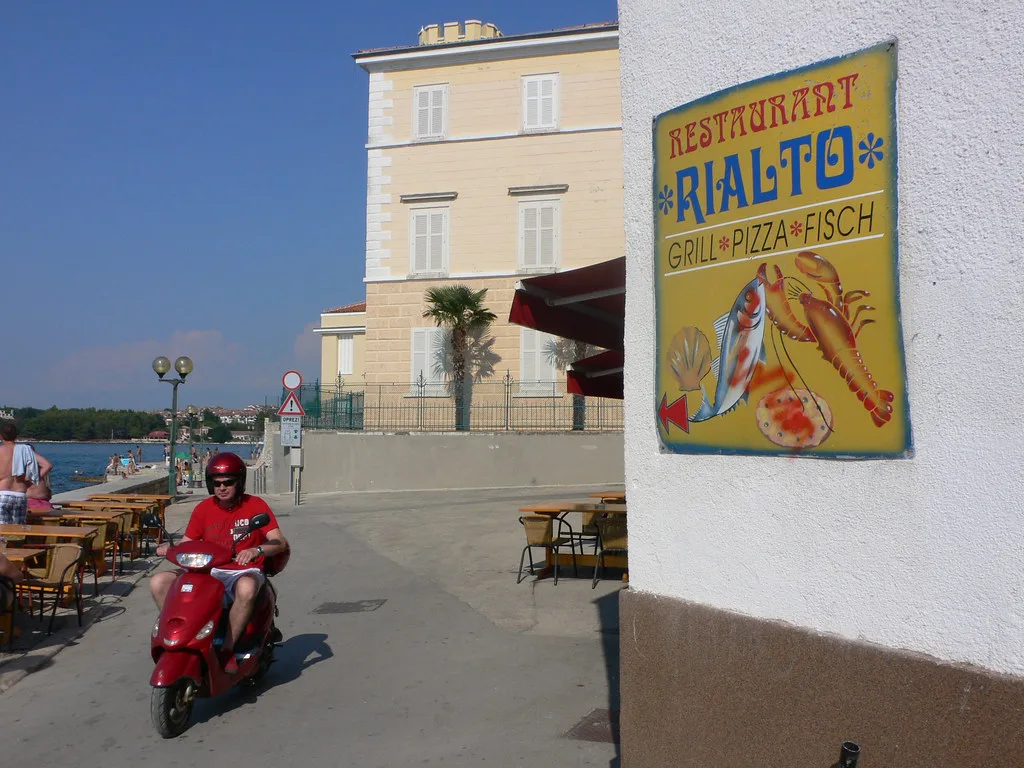
Heritage Museum of the Poreč Region: Istria's oldest museum
The museum occupies a former Venetian palace in the old town and has gathered the region's artefacts since the 19th century, which makes it the natural first stop for context on Poreč and its hinterland. Its setting is part of the appeal: you are reading the town's story inside the kind of building that story produced.
Pair it with the wider history of the town before or after your visit, so the palace rooms and the street outside connect. A short read on how Roman Parentium became Venetian Parenzo, and then a Croatian town, makes the labels land harder.
How long the Heritage Museum needs
Give the Heritage Museum a relaxed hour: it is a regional collection rather than an encyclopaedic one, and the palace rooms are few. Add the basilica complex nearby and you have filled a morning without rushing.
That leaves the afternoon free for the streets: the Roman grid, the temple remains and the waterfront. Because the distances are short, a half-day plan works even on a port stop, with no taxi required between sights. The trade-off is depth; if you want to read every panel, give the museum a fuller morning and skip a second lap of the waterfront.
The Episcopal Complex and Euphrasian Basilica
The UNESCO-listed Episcopal Complex is the centrepiece, and its mosaic work is the most valuable cultural monument in Poreč, built on the remains of an earlier three-nave basilica in the first half of the 6th century. Even travellers with limited time should prioritise this over any single museum, and the complex, rather than a conventional museum visit, is the reason to build a half-day around the old town.
The town's wider mosaic tradition gives useful background: the basilica's art is part of a living craft in Poreč rather than an isolated display, and local exhibitions of mosaic work appear on the town's cultural calendar. If a display coincides with your dates, it is a worthwhile complement to the basilica visit.
Decumanus Maximus, Cardo Maximus and the Roman temple
Poreč's old town keeps a recognisably Roman plan, with two main intersecting streets: the Decumanus Maximus running east to west and the Cardo Maximus north to south. Walking them is the cheapest exhibit in town, and it explains why the sights sit where they do. Remains of a Roman temple stand as the surviving monument to that era.
Treat this as a self-guided circuit between museum stops, not a separate visit. A dedicated guide to the Roman fabric of the town helps you spot the reused stones and the line of the old walls that casual strollers miss.
When museums close
Poreč runs as a year-round destination, but individual museums and displays keep their own calendars, so check the tourist board's current pages for the museum and the basilica complex before you travel, particularly outside summer.
Roughly 600,000 visitors a year come to a town of about 20,000 residents, so timings shift with the season: expect fuller rooms and longer queues in high summer. Visiting early in the day is the reliable way to see the basilica mosaics and museum panels in calm conditions.
Tickets: what to budget in euros
Croatia uses the euro, so there is no kuna conversion to wrestle with at the ticket desk. Prices for the basilica complex and the museum are set locally and vary by season, so confirm the current figure at the entrance or through the tourist board before you set a budget.
Do not assume one ticket covers several sites; plan to pay separately unless the desk tells you otherwise. If part of the complex is shut on the day, ask what remains open and what it costs before you commit.
Getting to the old town and the waterfront entrance
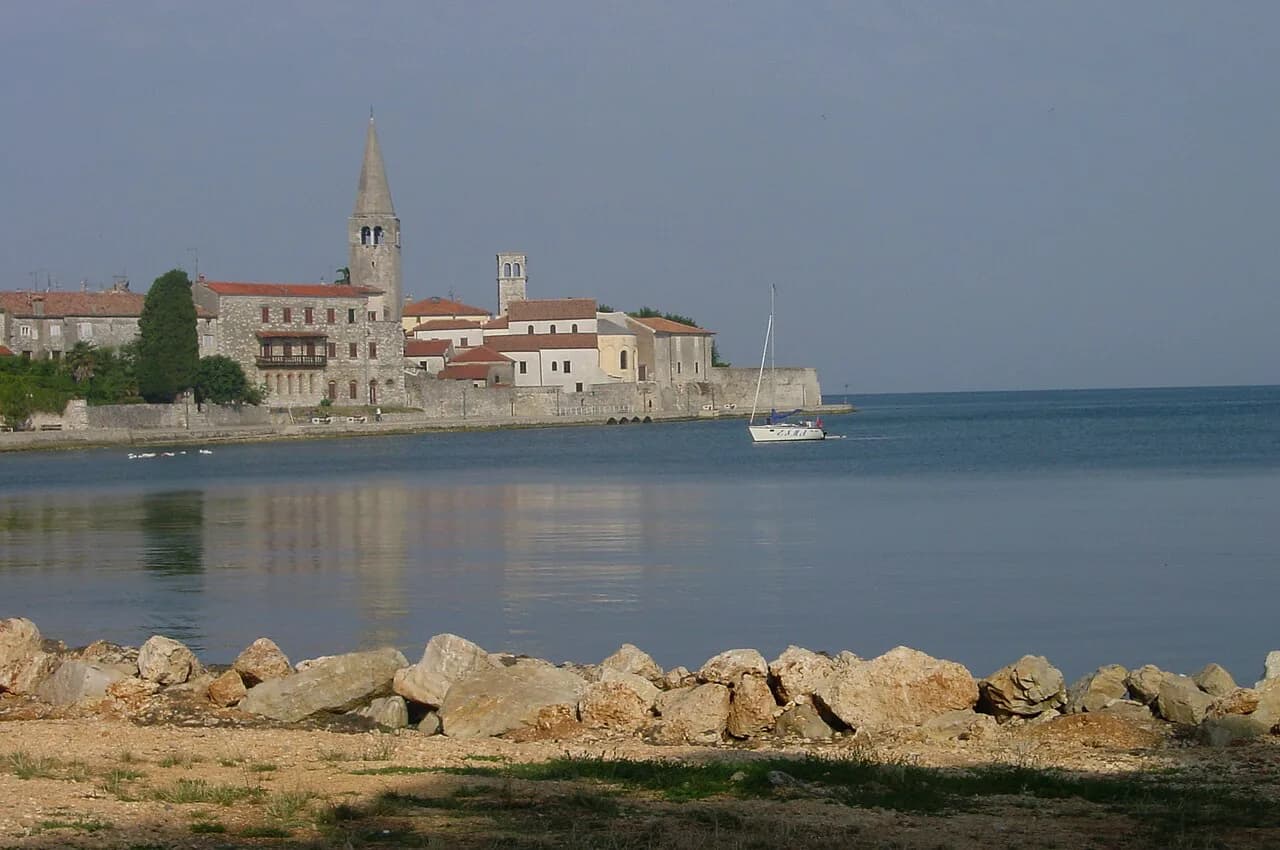
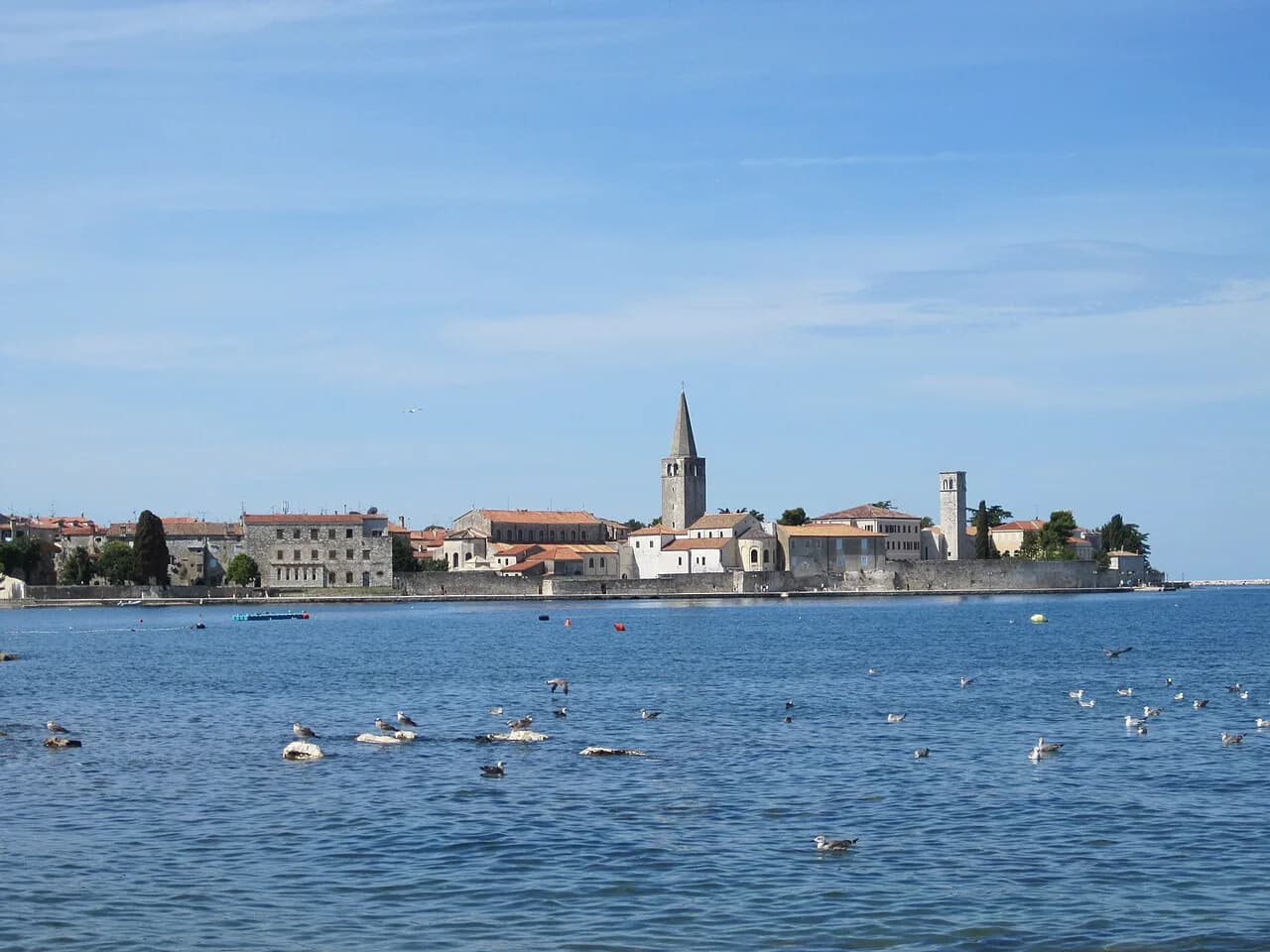
The old town is compact and best entered on foot from the waterfront, where the visitor centre, La mula de Parenzo, sits as a first port of call for maps and current information. Parking is on the edge of the centre, with dedicated town car parks signposted, so park once and walk in.
QR codes along the Poreč waterfront give information about the town's sites, a useful free layer before you pay for anything indoors. Use them to plan a route through the lanes, then head to the museum and basilica when you are ready. Shopping along Trg Slobode and the side streets fills any gap between opening times.
Other small exhibits worth a look
Beyond the Heritage Museum and the basilica complex, the old town's interest is mostly in its streets and standing monuments rather than in further ticketed collections, so give the wandering time you would otherwise spend indoors.
The Roman street plan and the temple remains tie the walk together. Give the town a couple of unhurried hours on foot and the pieces connect without a formal itinerary.
Museums in the wider Poreč area and wet-day alternatives
When rain sets in, the choice is straightforward: the Heritage Museum and the basilica complex are the Poreč stops, and you can add a short boat trip only if the sea allows. For a deeper museum day, Pula's larger collections are a drive south, but they cost you a half-day of Poreč time.
Poreč is well placed for exploring the wider peninsula, with many Istrian sights within about an hour's drive, so a wet-day pivot to a bigger town museum is realistic if you have a car. Without one, stay in town and spend the hours indoors.
A rainy-day plan, hour by hour
Start at the waterfront and go straight to the basilica complex while the morning is quiet, then move to the Heritage Museum for an hour and finish with the lanes if the rain eases.
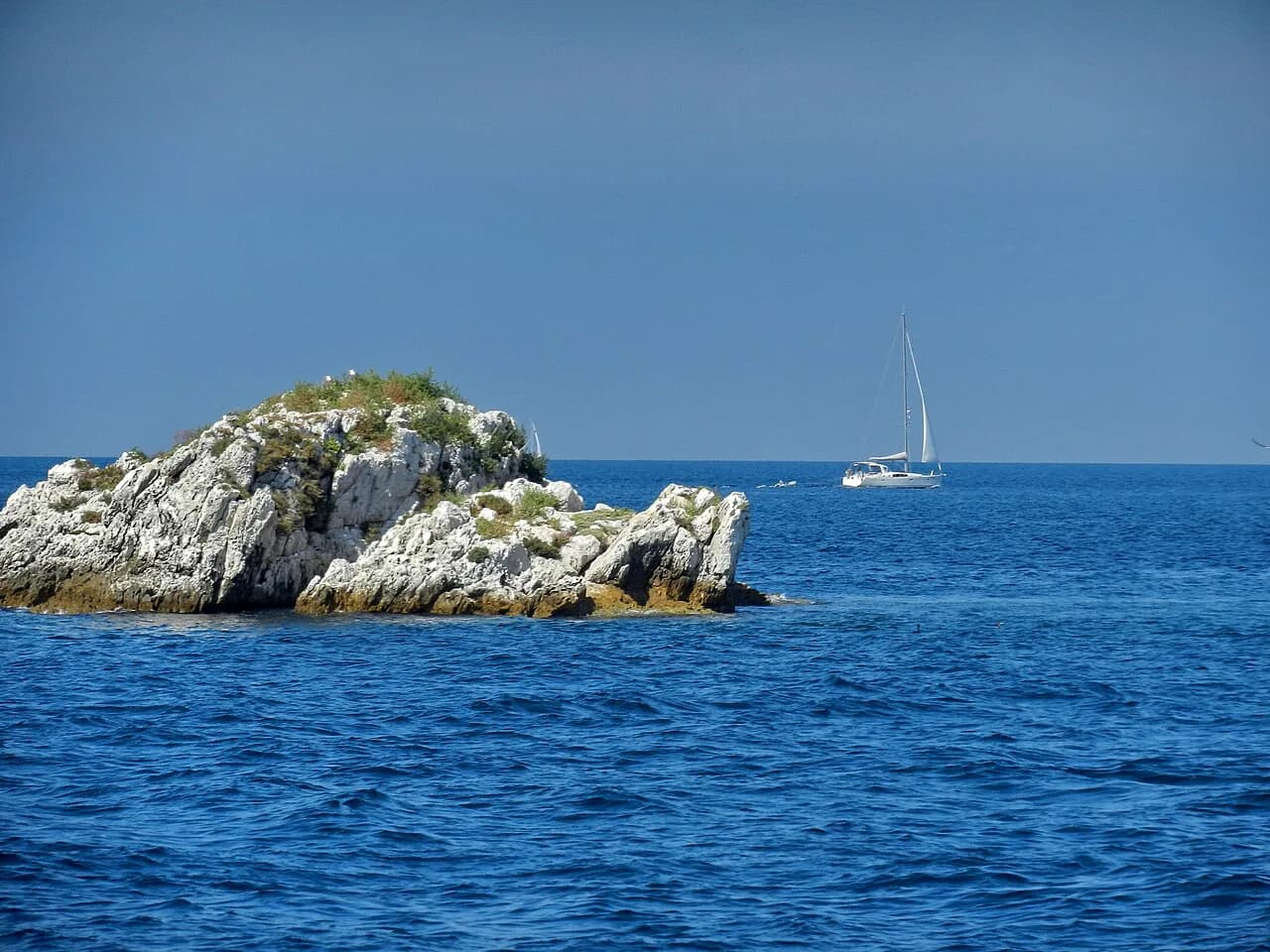
If the weather clears, swap the second indoor stop for a paddle: guided kayaking tours run around Poreč and into the Lim Channel, and the Vrsar archipelago is a popular target on the water. Sunset departures are an option when the day brightens late.
Which Poreč museum to pick first
Start with the Episcopal Complex and the Euphrasian Basilica, then give the Heritage Museum of the Poreč Region about an hour. If you only have a morning, do the basilica and walk the Decumanus Maximus and Cardo Maximus afterwards; if rain is forecast, reverse the order to stay indoors longest.
Explore more Poreč guides
Frequently Asked Questions
Are Poreč's museums open in winter?
Some sites keep limited hours outside the summer season, so confirm which ones are open during your dates before planning a day around them. Poreč is promoted as a year-round destination, but the museum and basilica calendars are set individually.
Is one ticket enough for Poreč's museums and the basilica?
Do not count on it. Treat the basilica complex and the Heritage Museum as separate admissions unless staff tell you otherwise, and budget in euros for each. Confirm prices at the desk, since local pricing varies by season.
How much time should I allow for museums in Poreč?
A half-day is realistic: around an hour for the Heritage Museum and another for the basilica complex, with the Roman streets filling the gaps. The old town is compact, so you lose little time walking between sights.
What is Poreč like for a first-time visitor?
It is a small, busy town with a well-preserved Roman street plan, a UNESCO basilica, Venetian-style houses and a working waterfront. Its compact centre makes it easy to cover the sights on foot, though high summer brings crowds.
Sources
Notes from the Croatian coast
Optional updates when our guides change.
You might also like
Continue reading
More guides you'll find useful