Poreč History: What You Can Still See From Each Era
Poreč history for visitors: the Roman paving at Marafor Square, Venetian towers and the Euphrasian Basilica mosaics, tied to the spots you can still see.
On this page
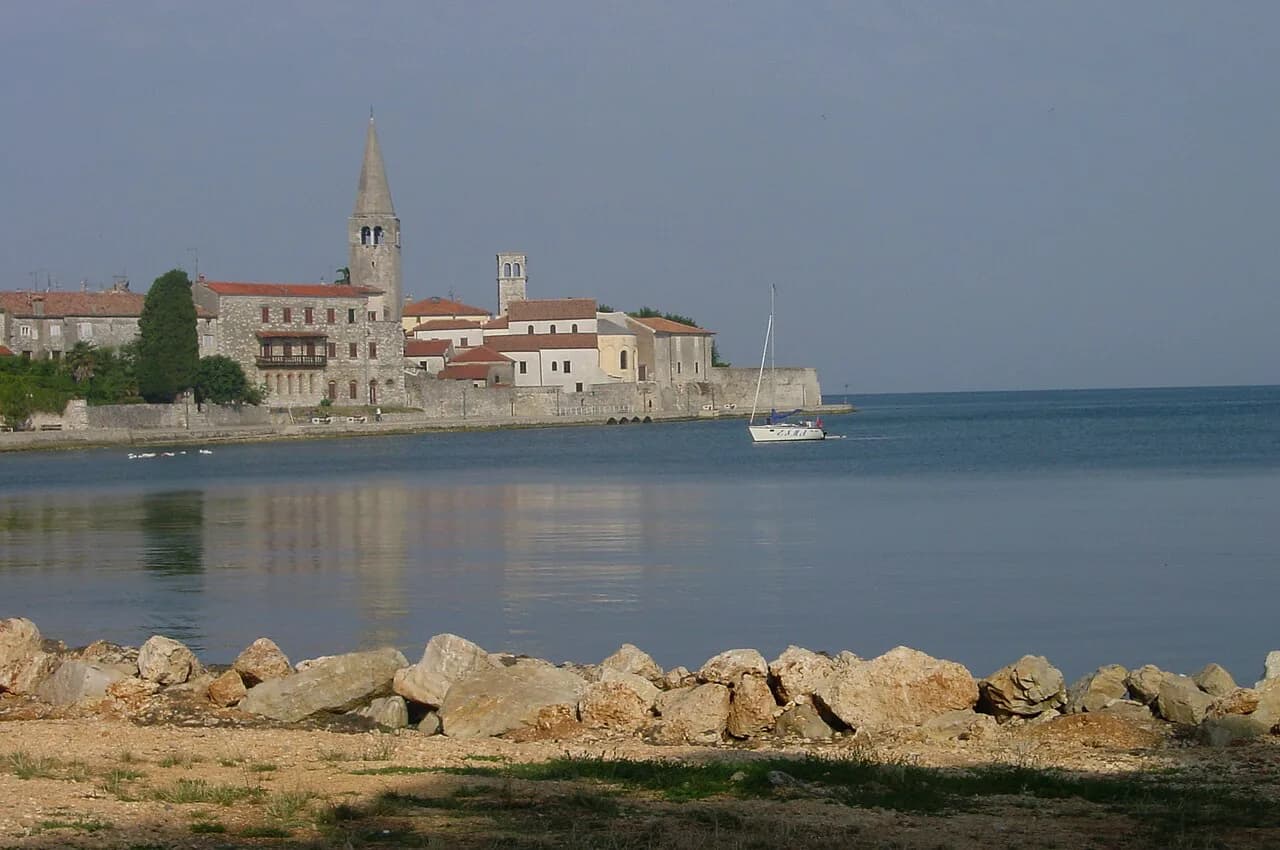
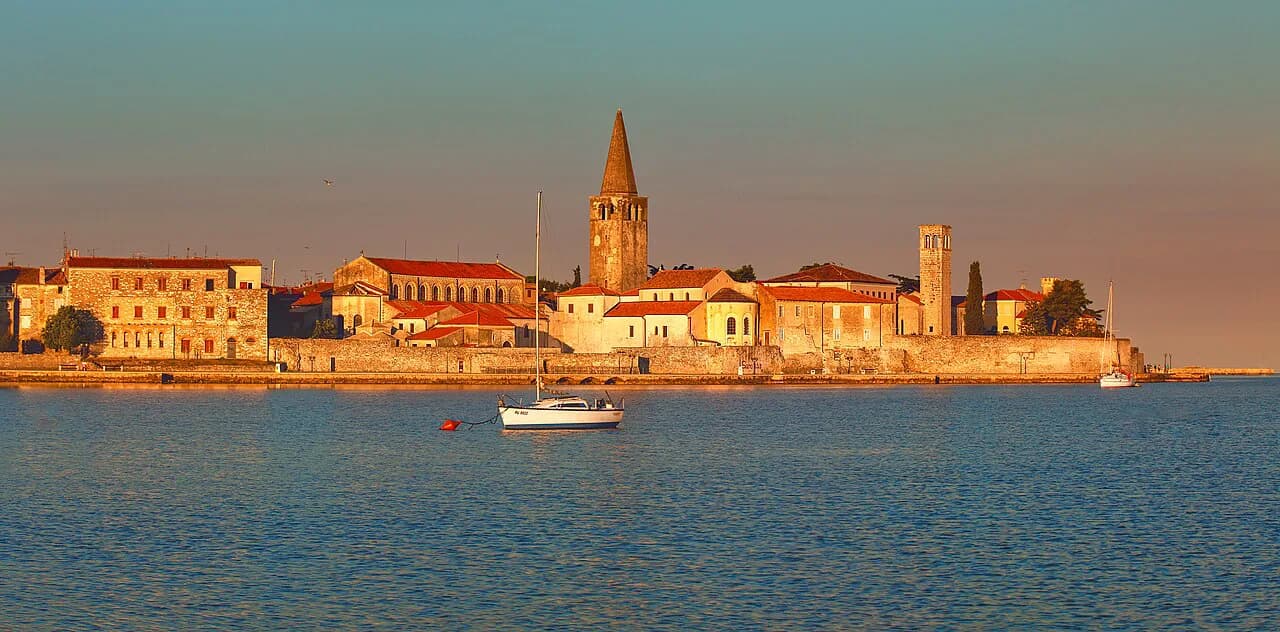
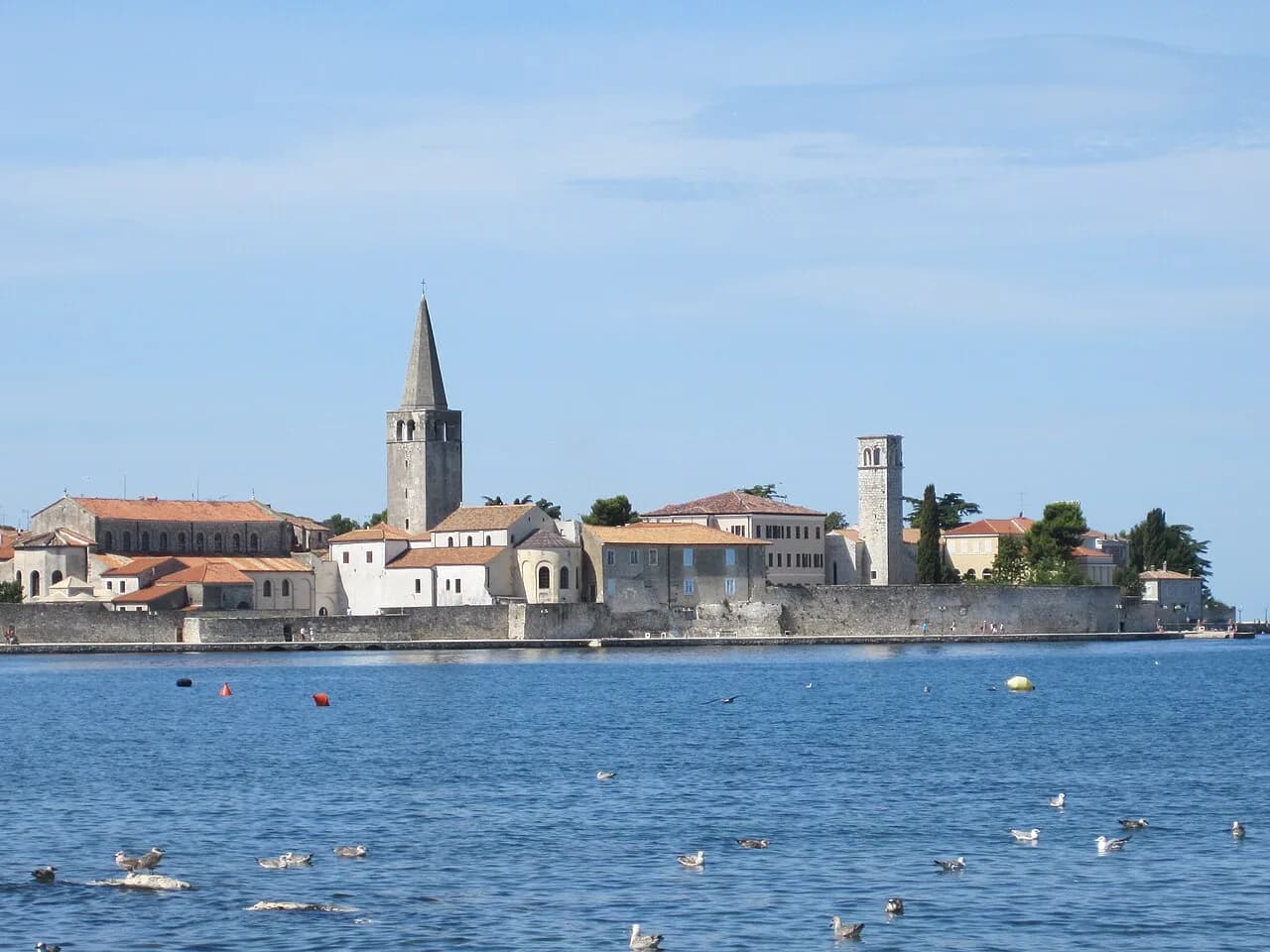
Poreč history is best read as three layers stacked on one small peninsula: a Roman street grid and forum site at Marafor Square, a Byzantine basilica whose apse mosaics still glitter, and Venetian towers from the 15th century. All three sit within a compact old town you can cross on foot, which makes the town a half-day of layered history rather than a ruin site like Pula. This guide ties each era to a named thing you can stand in front of, then gives a walking order through the peninsula, all part of what you can see in Poreč Old Town.
The old town occupies a small peninsula, and its streets follow a preserved Roman grid rather than a medieval tangle, which is why the layout feels legible within an hour of arriving. Expect to spend your time at four or five specific spots rather than ticking off a long checklist, and allow extra time if you climb the bell tower. Beaches, hotels and nightlife are covered elsewhere; this page stays on the stones.
Poreč at a glance: Roman, Byzantine and Venetian layers
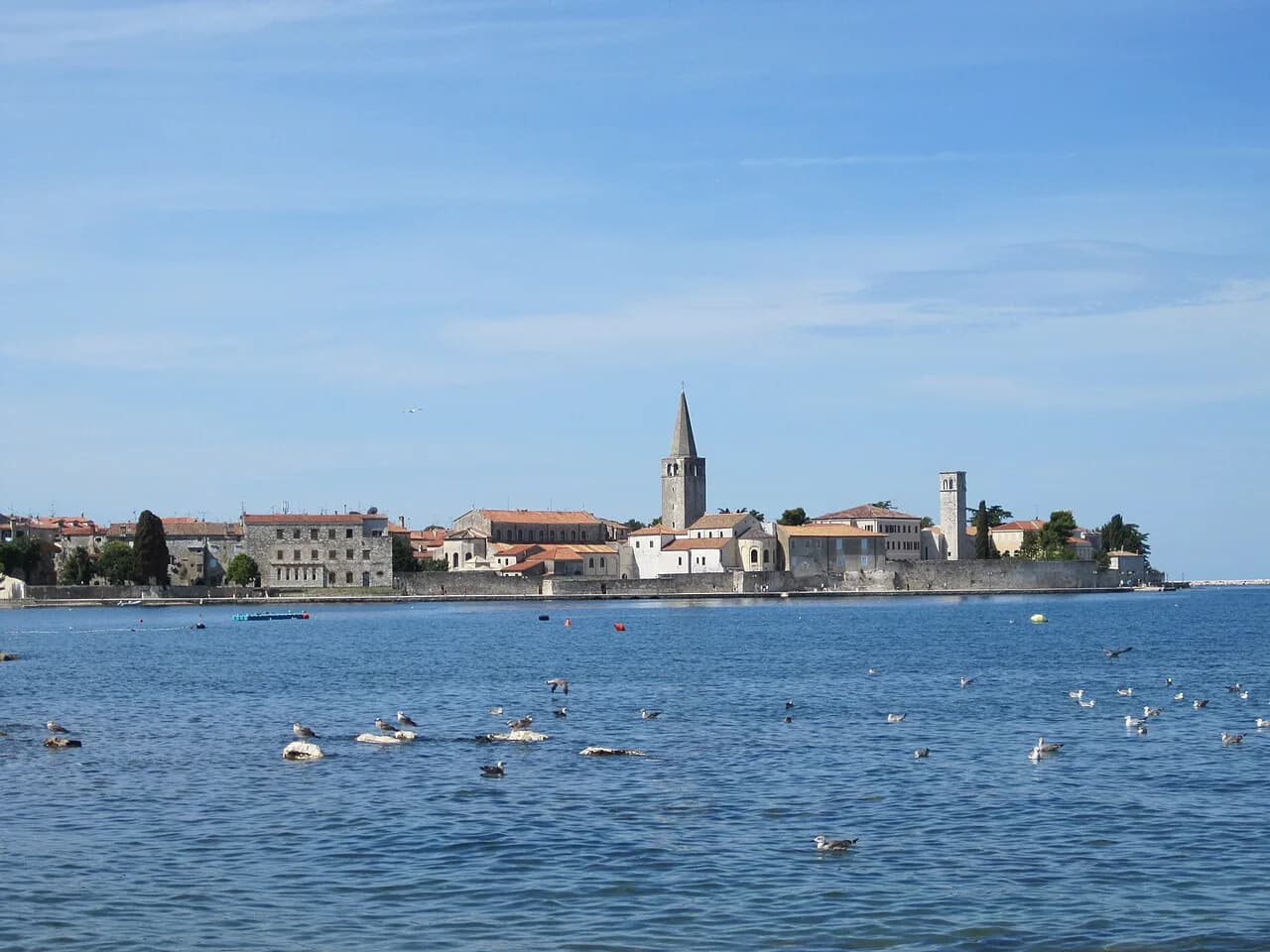
Poreč is a thousand-year-old town that grew up on a peninsula, and its historic core preserves traces of the peoples who ruled it in sequence. Roman Poreč left the forum site and temple remains; the Byzantine era left the Euphrasian Basilica and its mosaics; Venetian rule left three 15th-century towers and Gothic houses. Later centuries added a Franciscan church and the regional parliament building near the park.
That sequence is what makes the town rewarding on foot: the layers sit within a few minutes of each other, so you can move from Roman paving to Byzantine mosaic to Venetian stonework without a bus or a ticket desk between them. Plan the old town as one continuous walk rather than separate visits.
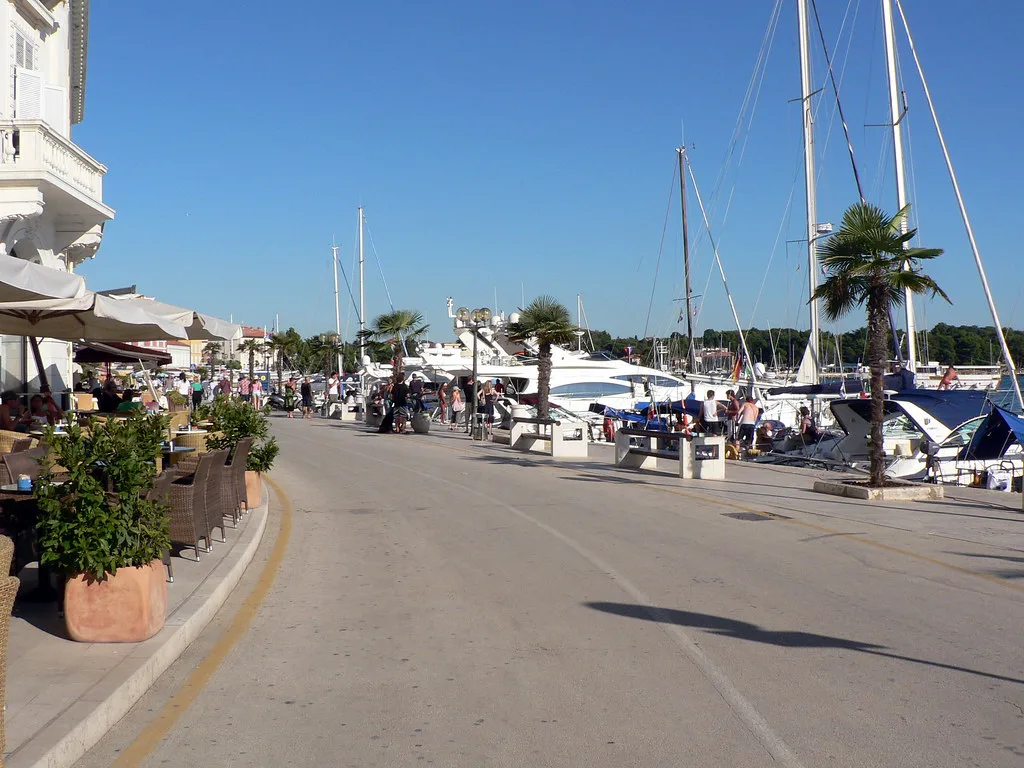
Roman Poreč: Marafor Square and the temples
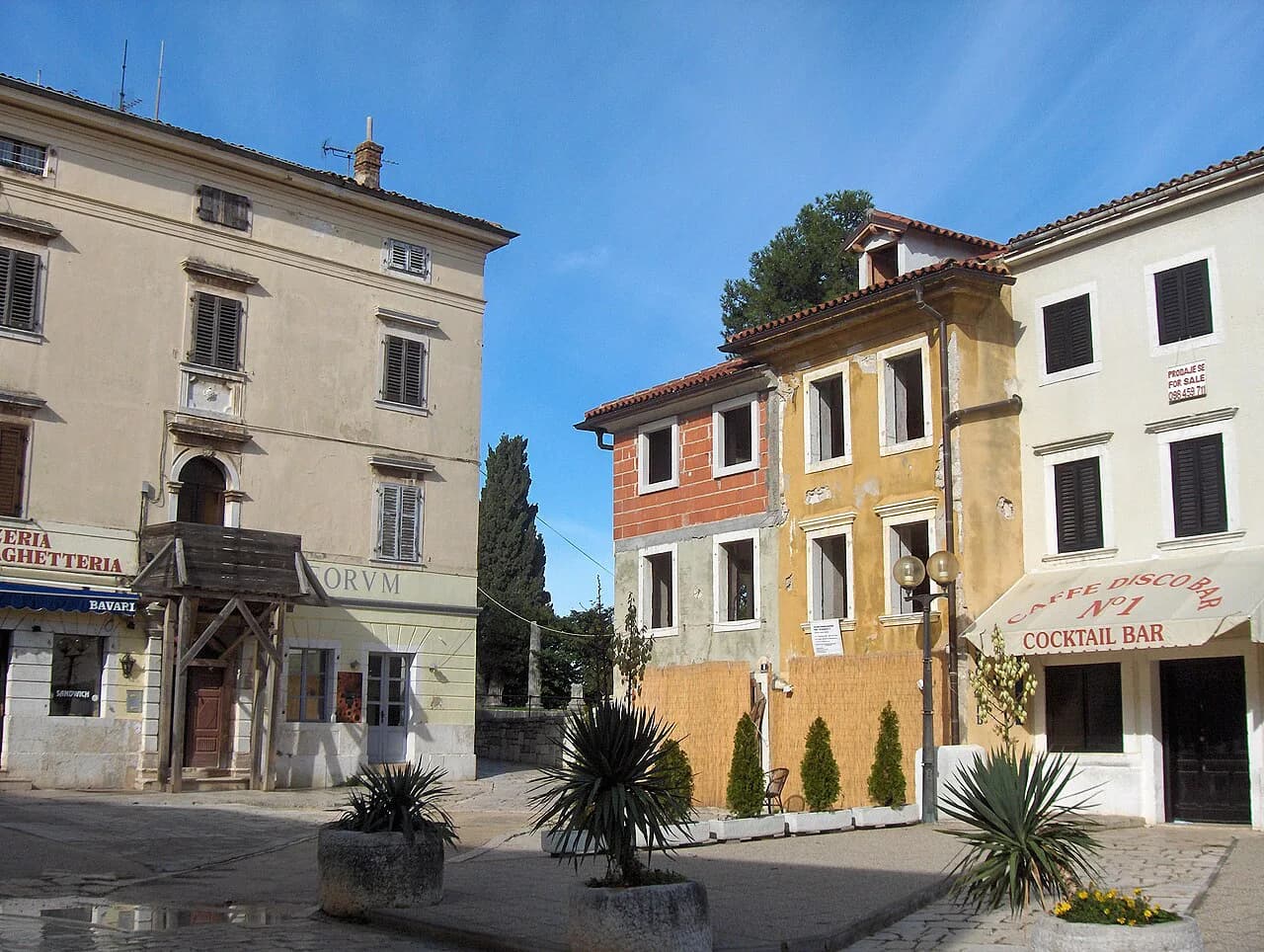
Marafor Square is where the Roman forum stood, and the original paving can still be seen underfoot today. West of the square are the remains of the 2nd-century Temple of Neptune and another temple from the 1st century, built into the later fabric of the town. Stand here first: it explains why the surrounding streets run as they do.
The Roman layer is modest compared with Pula's amphitheatre, and it is honest to say so: you are looking at fragments and paving rather than standing monuments. Treat Marafor as an orientation point, then let the basilica carry the weight of the visit.
The Euphrasian Basilica and its mosaics
The Euphrasian Basilica is the wonder of Poreč and a UNESCO World Heritage Site, recognised as one of the best-preserved Byzantine works of art in Europe. It was built in the 5th century on the site of an earlier oratory at the behest of Bishop Euphrasius, who appears in a mosaic inside the church. The apse mosaics were executed in the 6th century and depict biblical scenes, Istrian martyrs and archangels.
The complex is more than the church: the episcopal ensemble includes the atrium, baptistery and Bishop's palace, which together show how a late Roman religious centre functioned. Give the mosaics your time before you think about the tower, because the glittering apse mosaics are the single reason to plan a Poreč stop. The basilica and its complex also anchor any shortlist of things to do in Poreč.
Climbing the bell tower for orientation
Before you leave the basilica, climb to the top of the bell tower for a panoramic view over the red-tiled roofs towards the Adriatic. It is the best single orientation point in town: from up there the peninsula shape, the street grid and the harbour line all read at once. The trade-off is time and energy, so decide before you go in whether you want the view or a longer look at the mosaics.
The climb is up a bell tower, so it suits travellers comfortable with stairs and heights rather than everyone in a group. Set aside a little extra time for it within your half-day in the old town.
Venetian Poreč: three towers and Gothic houses
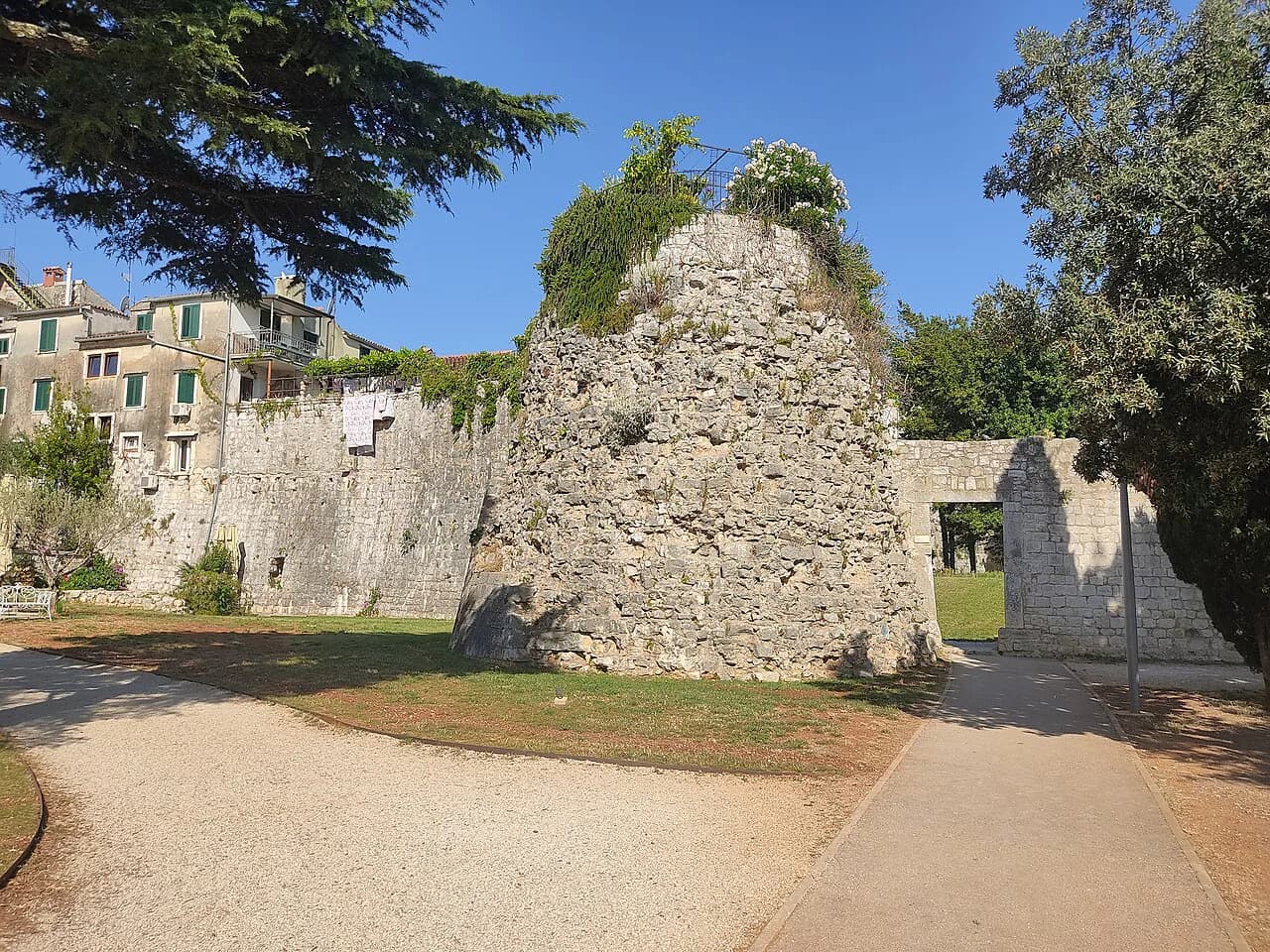
Venetian rule left three 15th-century towers in the old town: the Pentagonal Tower, the Round Tower and the Northeast Tower. They are defensive works rather than palaces, and their shapes are easiest to compare when you walk the edge of the peninsula between them. Two interesting Gothic houses remain from the Middle Ages to the south-east of Marafor Square, close enough to see on the same loop.
The Gothic houses are domestic architecture rather than monuments, which is exactly why they are worth a pause: they show the town as a lived-in place between the Roman forum and the Venetian defences. Look for carved stone details on the facades as you pass.
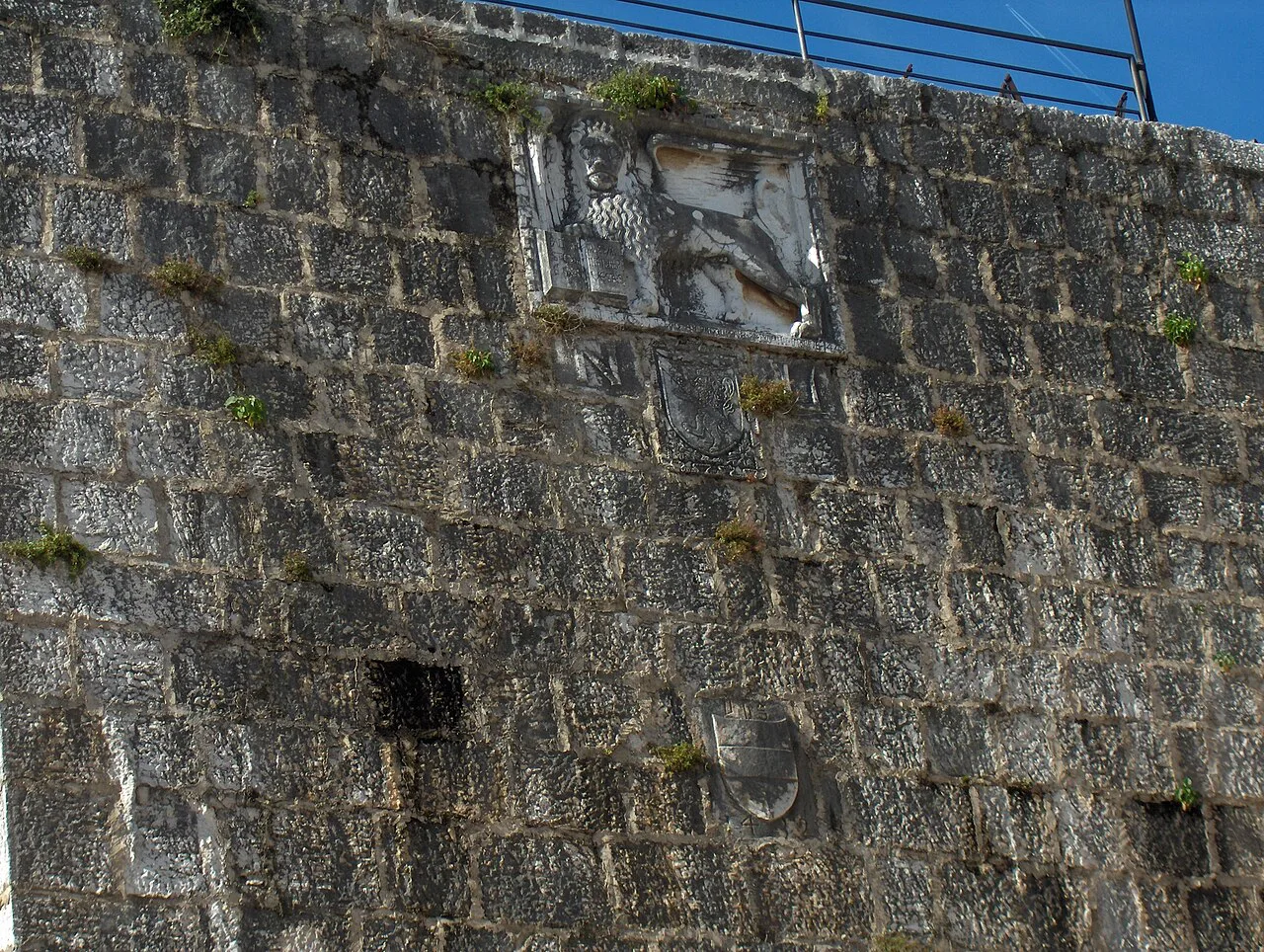
The later layers near Juraj Dobrila park
Near Juraj Dobrila park stands a 13th-century Franciscan Gothic church that was modified in the 18th century and richly decorated in Baroque style. Inside, look for the sumptuous stuccoed ceiling decorated with illusionistic frescoes and gilded medallions. The elegant palace housing the Istrian Diet, the regional parliament, stands nearby and can be visited daily.
This corner of town shifts the register from defence and worship to civic life, and it is a sensible final stop on a history walk because it brings the story into the present. Confirm the basilica and tower arrangements for your dates before setting out.
Reading the town on foot: Decumanus Street and the grid
The compact historic centre preserves Roman, Byzantine and Venetian architecture in one continuous fabric, and the original Roman grid layout is still visible in the street pattern. That grid is the quickest way to understand how the peninsula was laid out. Start at Marafor Square, take in the basilica and tower, then loop to the Venetian towers and finish near the park.
Cobbles and narrow lanes make the route slow going in summer heat, so a morning start with a break at midday suits the old town better than an afternoon push. The walk covers a small area, which means the pace can be gentle rather than a checklist.
Where the history sits in Istria
Poreč works as a base for the wider region: the Pula Arena is just over 50 km away, and Plitvice Lakes can be reached on a day trip. Use the old town as your history morning and keep the rest of the day for the coast or the hills behind. That pairing is what makes a Poreč stop efficient rather than a detour.
If Roman monuments are the priority, Pula deserves its own slot; Poreč's strength is the Byzantine mosaic and the layered peninsula, not scale. Plan accordingly and you will not leave disappointed by the size of the Roman fragments.
Is Poreč worth a half-day for its history?
Yes, if you want one place where a Roman grid, a Byzantine mosaic cycle and Venetian defences sit within a short walk of each other. Go early, start at Marafor Square, give the basilica's apse mosaics the bulk of your time, and decide on the bell tower climb before you enter.
Treat the old town as a slow walk rather than a checklist, and pair it with Pula if you want standing Roman monuments. That is the honest trade-off, and it is what makes Poreč's layers readable in a single morning.
Explore more Poreč guides
Frequently Asked Questions
Is Poreč's old town walkable in a few hours?
Yes. The historic centre sits on a small peninsula, and the Roman paving at Marafor Square, the Euphrasian Basilica and the Venetian towers are all within a short walk of each other. Allow extra time if you climb the bell tower.
What can I still see from the Roman period in Poreč?
The original paving at Marafor Square, where the forum once stood, plus the remains of the 2nd-century Temple of Neptune and another temple from the 1st century to the west of the square. The preserved street grid is the other Roman legacy.
How old are the mosaics in the Euphrasian Basilica?
The basilica was built in the 5th century on the site of an earlier oratory, and the apse mosaics were executed in the 6th century. They show biblical scenes, Istrian martyrs and archangels, and the church is a UNESCO World Heritage Site.
Do I need to book the basilica or bell tower in advance?
Ticketing and access are managed locally and can vary through the year, so confirm arrangements for your dates through the tourist office before you travel. Opening hours and entry charges are best checked there rather than assumed.
Sources
Notes from the Croatian coast
Optional updates when our guides change.
You might also like
Continue reading
More guides you'll find useful