Poreč Old Town: Streets, Squares and Sights to Walk
Poreč old town sits on a peninsula of Roman street lines, a main square and the Euphrasian Basilica. Here is what to see on a walk and how long it takes.
On this page
Poreč old town is a small peninsula on Istria's west coast, laid out on symmetrical east–west and north–south street lines around a central main square. You can walk the historic core in an afternoon, but the Euphrasian Basilica deserves a proper slot of its own, so build the day around it and let the lanes fill the time either side. Start with our Things to Do in Poreč guide for the single sights one by one, and use this page for how the peninsula is arranged and which corners are worth pausing at.
Expect to spend most of a half day in the old town itself, with the basilica as the fixed point. Baredine Cave, the stalactite cave in the countryside, is a separate outing that needs its own transport slot rather than something you fold into a stroll.
What Poreč old town is
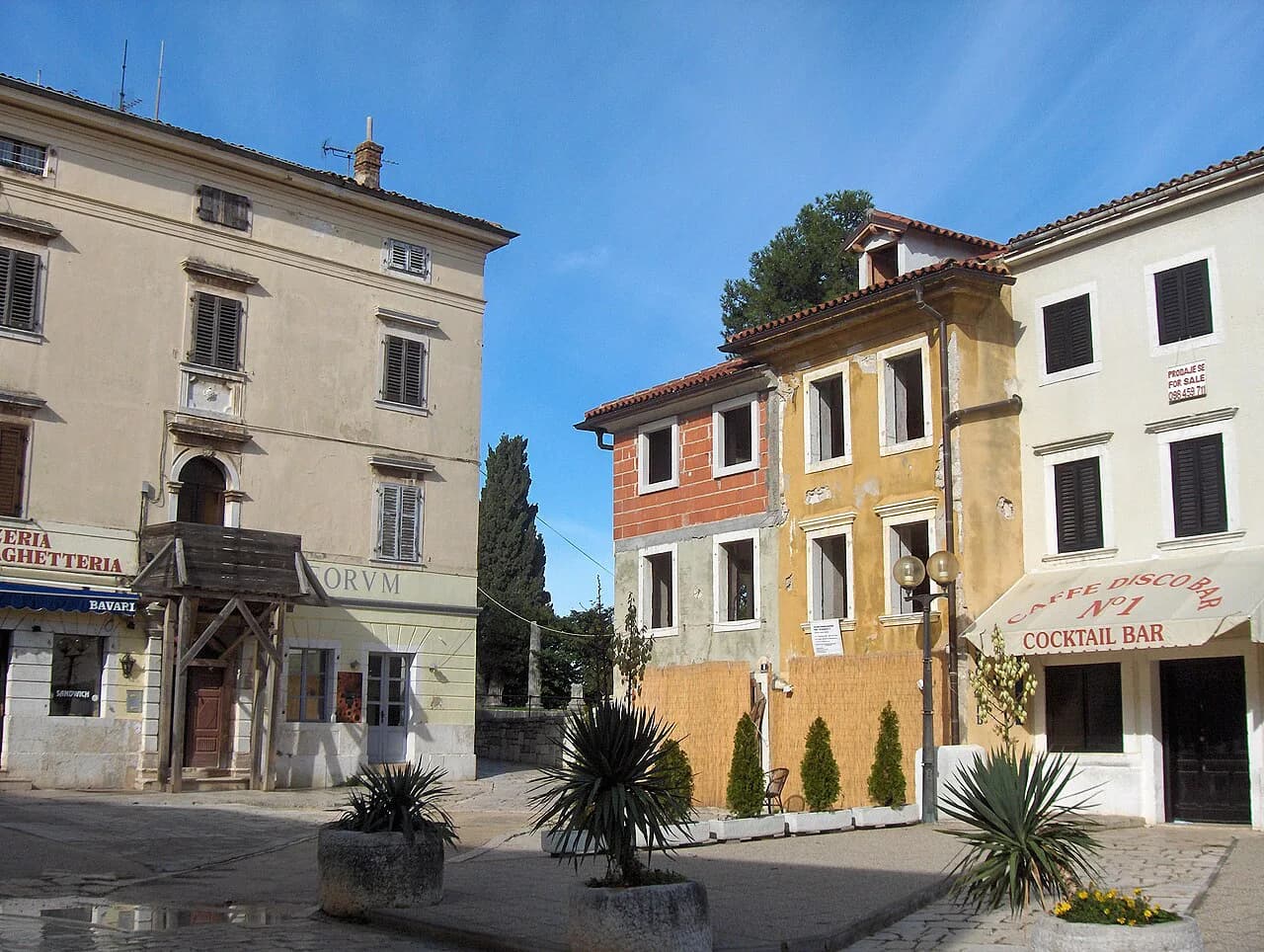
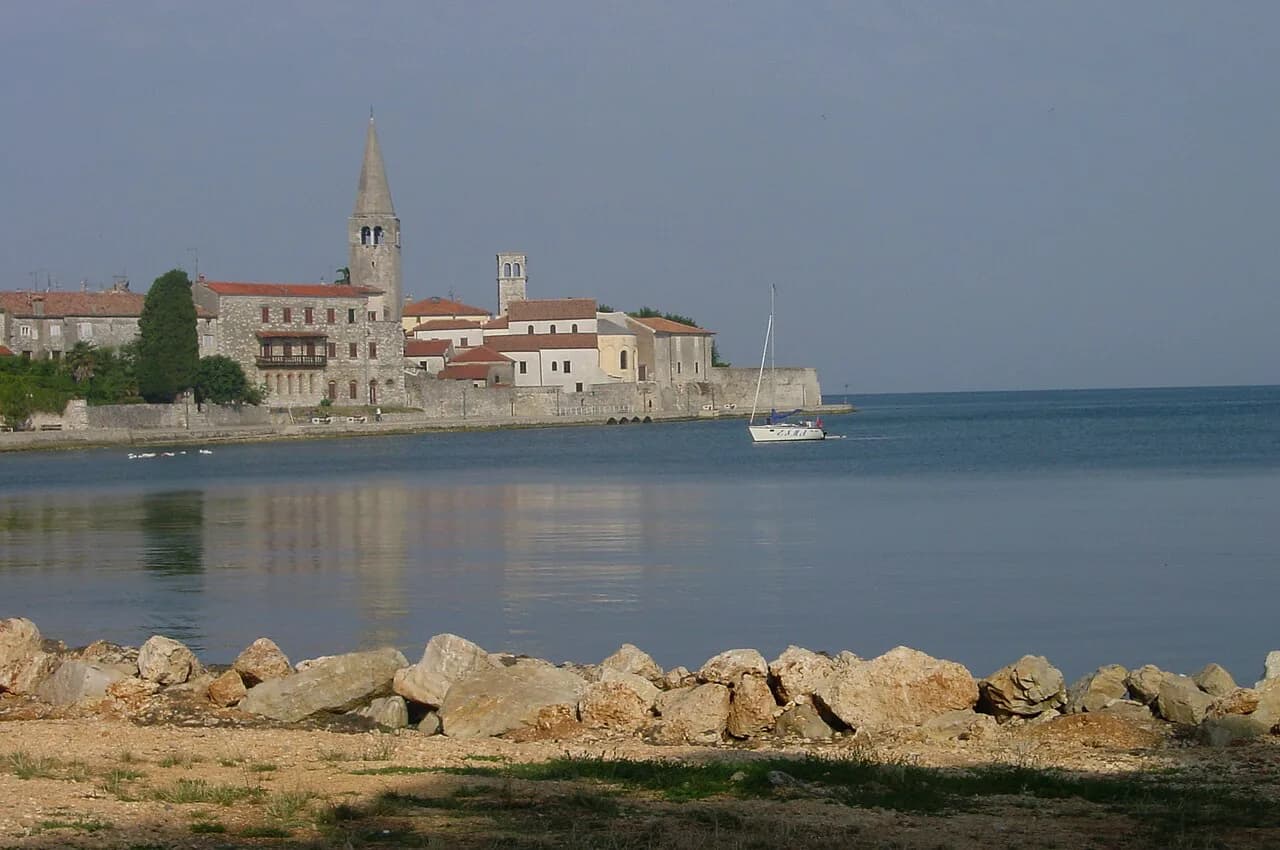
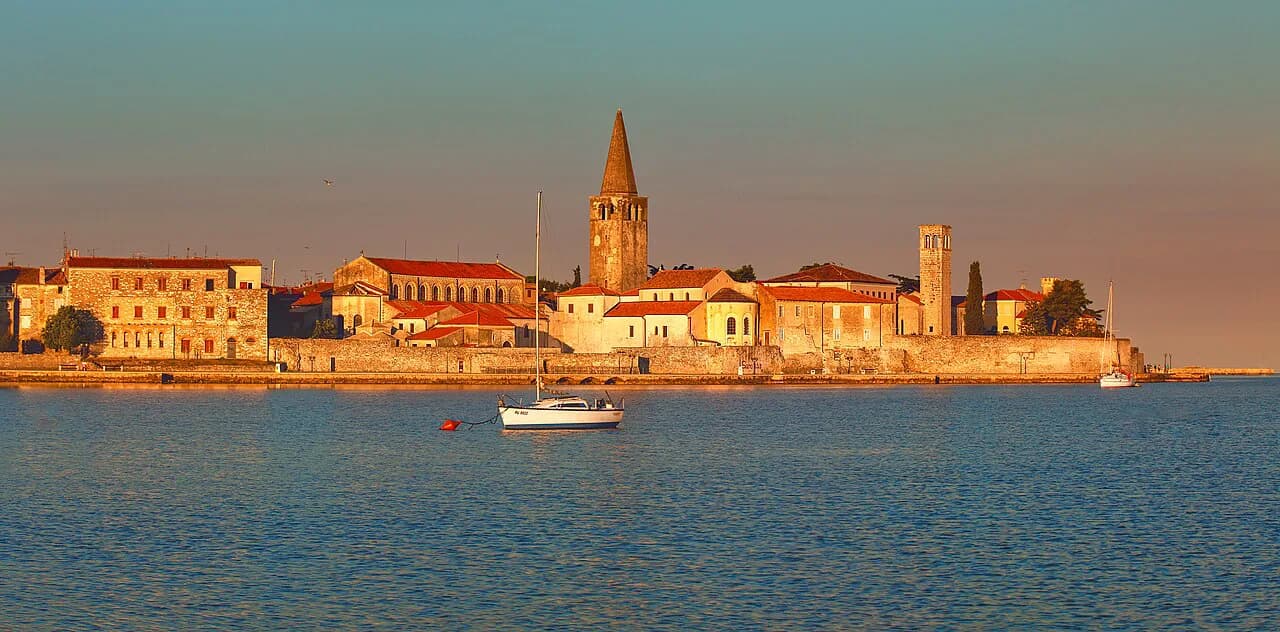
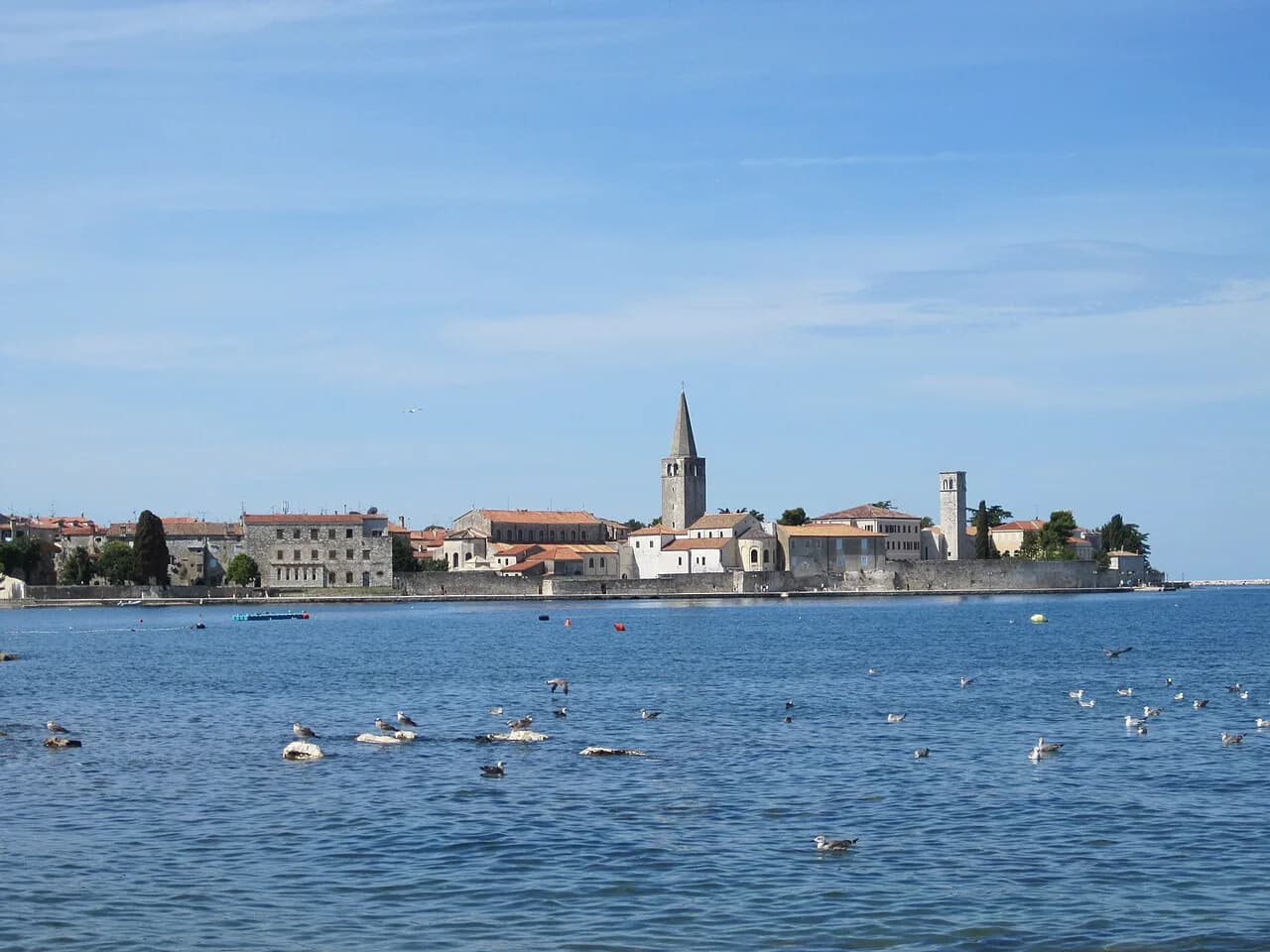
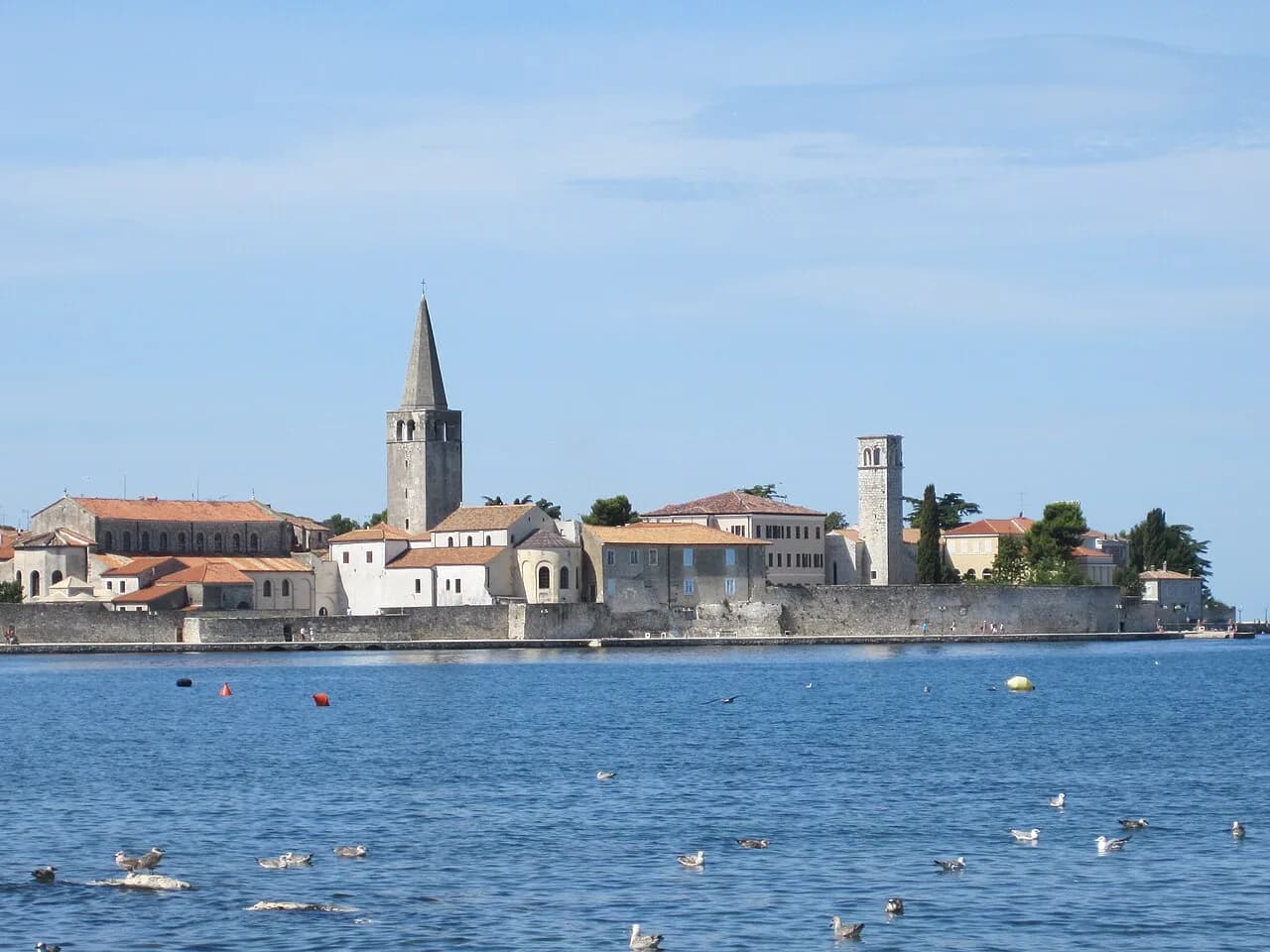
Poreč sits on the west coast of Istria, and its old town occupies a peninsula that pushes out from the mainland into the Adriatic. The historic core has kept much of its traditional character despite the town's popularity with summer visitors, and the beaches, water sports and nightlife sit around rather than inside it. Approach on foot and the change of pace is immediate: the peninsula narrows, traffic falls away and the lanes take over.
The town's shape is the story. The streets run east–west and north–south in a symmetrical pattern, with a main square at the hub of the grid, and later centuries added Romanesque and Gothic buildings along it. That makes Poreč easier to read on foot than many Istrian towns: once you understand the two main axes and the square, you can navigate the whole peninsula.
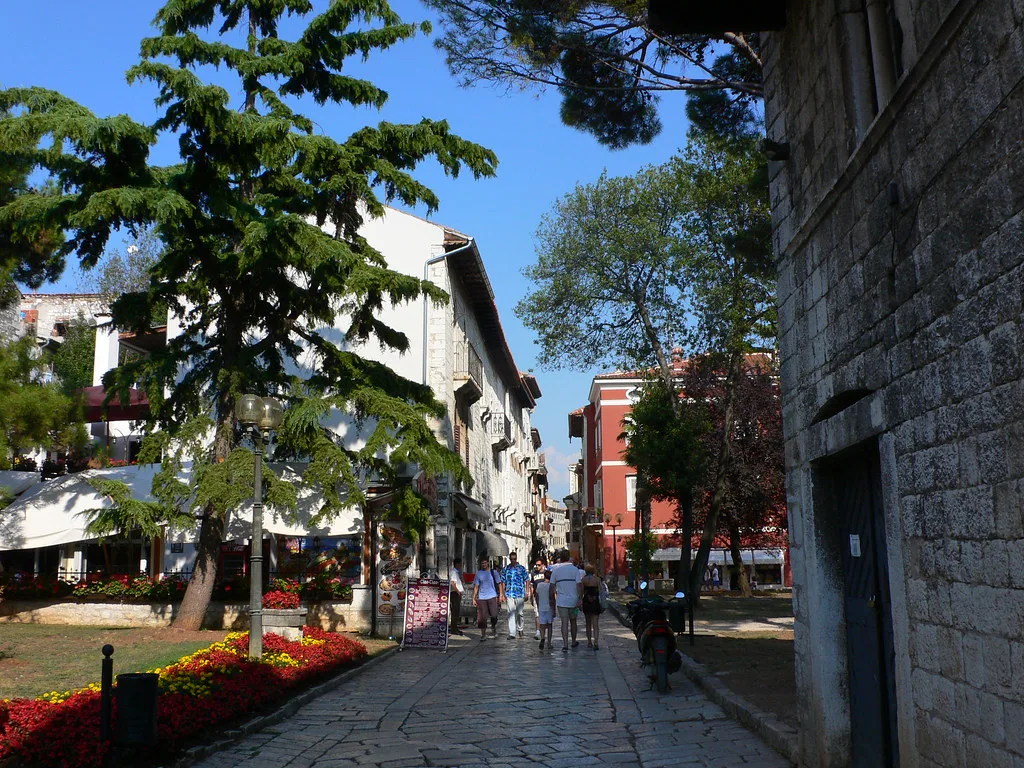
How the old town is laid out
Two ideas explain the layout. First, the grid: the streets run east–west and north–south in a symmetrical pattern. Second, the hub: a main square sits at the centre of that grid, and most of the lanes you wander lead towards or away from it. Keep those two things in mind and the old town stops feeling like a maze.
For orientation, work from the sea and the square. The peninsula is narrow and the old town clings to it, so wherever you stand in the historic core, open water is close on several sides and the lanes are short. A simple route, which our Poreč Walking Tour follows, is to enter past the basilica area, cross the grid through the central square and finish towards the mainland side.
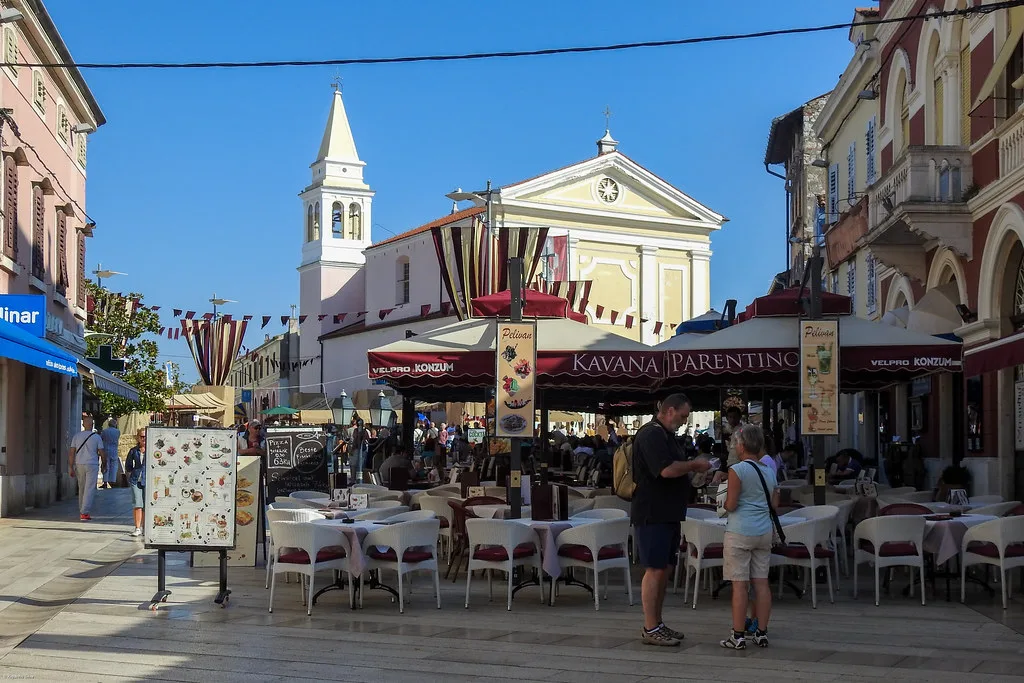
Walking the Roman street lines
The ancient street pattern still sets the walking. The east–west and north–south lines of the old town run symmetrically, and the town retains much of its traditional character around them. On the ground, walk one axis end to end, then the other, and you have crossed the whole historic core twice.
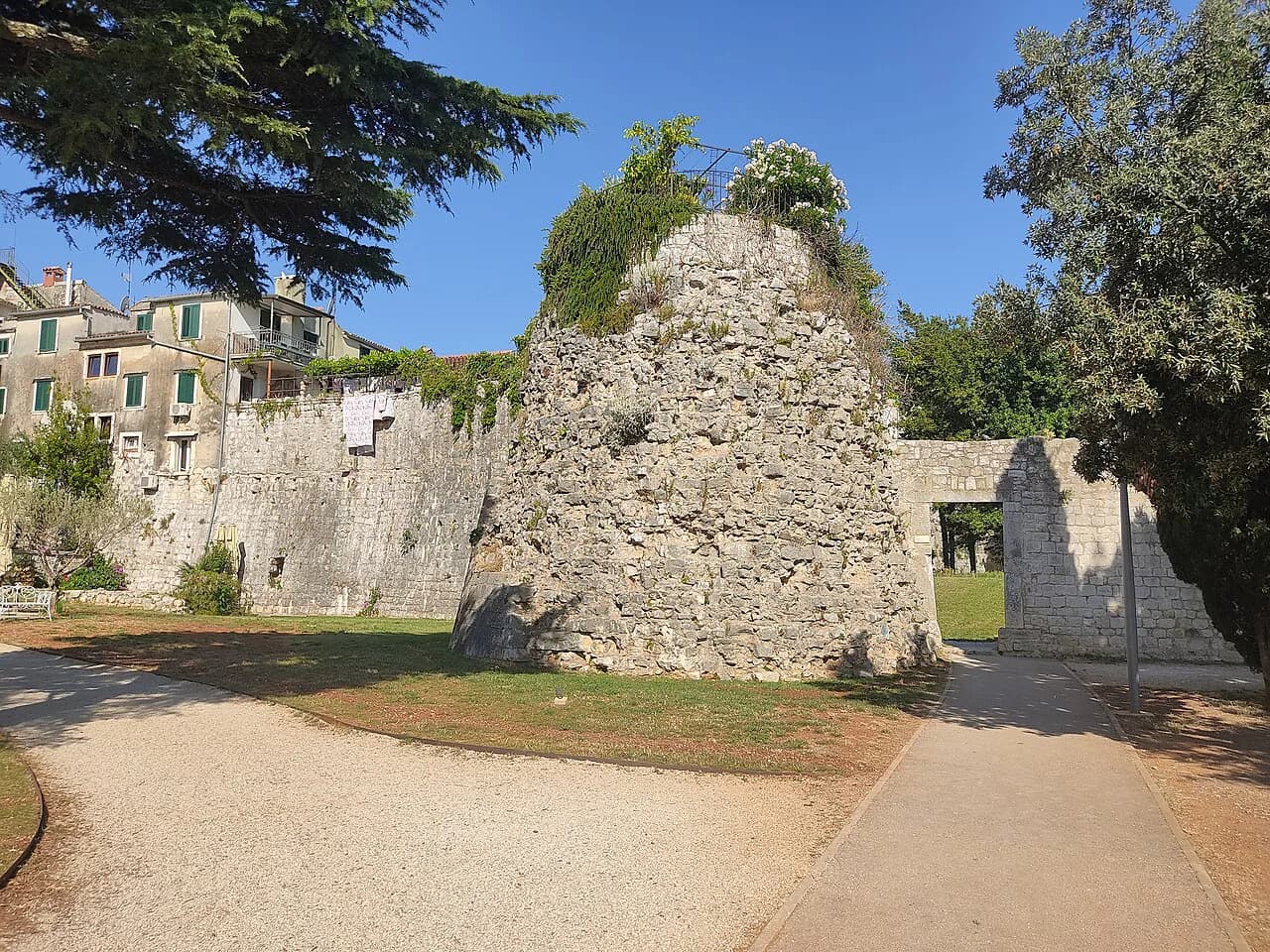
Along the way, the Roman past surfaces in fragments. Neptune's temple is one of the ancient remains still standing in the old town, alongside later Romanesque and Gothic buildings, so the ancient town is not fenced off as a ruin field: it is embedded in a working town, which is exactly what makes it worth slowing down for.
The main square and its surroundings
The central square is the natural place to pause, with the Euphrasian Basilica in the same compact core and the symmetrical streets running through the lanes around it. Keep the square as your reference point and you can loop back to it between sights without losing your bearings.
From the square, the streets running towards the water open up views and let you link the historic core to the harbour side of town. That is the practical reason to keep the square as your reference point rather than a single stop: every lane out of it leads somewhere useful.
Euphrasian Basilica: the sight to plan around
The Euphrasian Basilica is the reason most travellers come, and it is the one sight worth fixing your day around. The complex is a UNESCO World Heritage Site; it includes an episcopal complex with a basilica, sacristy, baptistery and an impressive bell tower. Its origins reach back to the 4th century, and the earlier form survives alongside elements from later periods, with a famous mosaic floor among the highlights to see inside.
Give the basilica the best part of an hour rather than squeezing it between two lanes. The mosaics reward close looking, and reaching it early keeps the rest of the walk relaxed; check current opening times before you set out.
Romanesque and Gothic corners
Away from the basilica, the old town holds a scatter of Romanesque and Gothic buildings that reward a slower pace. Zuccatto Palace and the House of Two Saints are the two named stops to look out for, both standing among the later buildings and both easy to pass without noticing if you are walking head-down. Read the plaques as you go; the town's story is written on its walls rather than in a single museum.
A short museum stop, where one is open, works best after you have walked the grid, when the names and lines already mean something. Check locally for what is open on your visit.
A sensible walking order
Start near the basilica and the central square, where the town's scale is clearest. Walk inland along one of the main axes, use the square as your hinge, then drift back through the side lanes towards the mainland side. Doing the basilica in the middle of the day rather than at the end keeps tired legs from turning the mosaics into a blur.
The footing in the lanes is uneven in places and the stone can be slick after rain, so wear shoes with grip rather than smooth soles. The peninsula is compact enough that you will never be far from the waterfront, which makes it easy to break the walk with a sit-down and pick it up again.
When to go
Summer brings the crowds, and Poreč is a popular destination, so the lanes and the square fill through July and August. In the second week of August the town stages the Giostra pageant, which draws extra visitors, so expect busier streets if your dates coincide. June brings concerts, food and wine and a lively start-of-season atmosphere, and it usually offers long days with more breathing room.
Early morning and late afternoon are the best hours for the old town itself: the light is better on the stone, the lanes are quieter and the basilica is easier to take in.
Baredine Cave as the out-of-town add-on
Baredine Cave is described as a geomorphological monument of nature about six kilometres north-east of Poreč, and it needs its own transport slot rather than an hour borrowed from the old town. The guided tour lasts around 40 minutes and leads through five chambers, descending 60 metres to an underground lake, with the cave reaching 132 metres below ground at one point. The internal temperature holds at 14°C all year, so bring a layer even in high summer.
Outside the cave there is parking, a bar serving food, a playground and exhibitions, which makes it a practical half-day for families with a car. Pair it with the old town on different days rather than the same morning, so neither gets rushed.
Should you give Poreč old town a full afternoon?
Yes, if you plan it around the basilica rather than treating the lanes as a backdrop. Walk the east–west and north–south axes, pause at the central square, give the Euphrasian Basilica a proper hour and finish through the Gothic and Romanesque corners on the way back.
Keep Baredine Cave for a separate half day with a car, and time a summer visit for June or for early mornings if the August crowds are not what you came for.
Explore more Poreč guides
Frequently Asked Questions
Do you need a ticket to walk around Poreč old town?
Poreč old town is a working town on a peninsula, and you walk its streets, squares and waterfront as you explore rather than entering through a gate as one site. The Euphrasian Basilica complex is the main sight to plan around, so check its current visiting arrangements, and those of Baredine Cave if you add the cave, before you travel.
Can you visit Poreč old town and Baredine Cave on the same day?
It can be done, but the cave lies about six kilometres north-east of Poreč and its guided tour takes around 40 minutes, before you count the drive and the wait for a departure. A calmer plan is the old town on one day and the cave on another, particularly if you want unhurried time in the basilica.
What should you wear for the old town lanes?
The lanes can be uneven and the stone becomes slippery after rain, so shoes with grip matter more than anything else. Add a light layer if you are heading to Baredine Cave, where the underground temperature stays at 14°C throughout the year.
Sources
Notes from the Croatian coast
Optional updates when our guides change.
You might also like
Continue reading
More guides you'll find useful