Things to Do in Šibenik: Old Town, Fortresses and Islands
Plan Šibenik around the old town, St James's Cathedral, the fortresses and island ferries, with honest advice on walking effort, crowds and days out.
On this page
Šibenik needs one full day for the old town, St James's Cathedral and a fortress, and two days if you want a museum, the Vidilica viewpoint and an island ferry without rushing. The city is small enough to cross on foot but built on slopes and stairways, so what looks like a five-minute walk on the map often means a climb. This guide covers the sights worth your time, how to choose between the fortresses, the ferry lines and boat trips to the archipelago, and whether Krka National Park fits your schedule.
Šibenik holds two entries on the UNESCO World Heritage List: St James's Cathedral and St Nicholas Fortress. Treat those as the fixed points of any visit, then build the rest of the day around the old town's squares, the city museums and the waterfront.
What to see in Šibenik first: the answer in brief
Start in the old town, walk up to St James's Cathedral, then climb one fortress for the view. That sequence gives you the city's core in half a day, leaves the afternoon for a museum or the waterfront, and keeps the walking in a logical order rather than zigzagging up and down the stairways. The old town is the largest and best-preserved medieval historic centre in Dalmatia, so the streets themselves are part of the sight; see the Šibenik Old Town guide for the layout in more detail.
The city's own highlights are St James's Cathedral, St Nicholas Fortress, St Michael's Fortress, Barone Fortress and the St Anthony's Channel promenade, alongside the City Museum and the St Francis Museum. Group these by height: the cathedral and squares sit in the bowl of the old town, while the fortresses require a climb and repay it with views.
How the old town is laid out, and how long it takes to walk
The old town does not follow a grid: streets turn toward a square, a church or a sudden view, and many of them are steps rather than flat lanes. That is charming to look at and tiring to navigate, especially in midday heat. Allow two to three unhurried hours to wander without a fixed route, and wear shoes with grip rather than smooth soles, because the polished stone is slippery.
A sensible route starts near the waterfront and works upward through the old town to the cathedral, then continues to whichever fortress you have chosen, so the climb happens once. Distances inside the old town are short, but the cumulative height gain matters more than the metre count on a map. See the Šibenik Self-Guided Walking Tour for a step-by-step route.
The old town's streets and squares are open to walk at any hour, and they are the one part of Šibenik you should not compress to tick off sights. If your time is tight, one hour covering the main squares and the cathedral exterior gives a sense of the place, but you will leave without the quieter lanes.
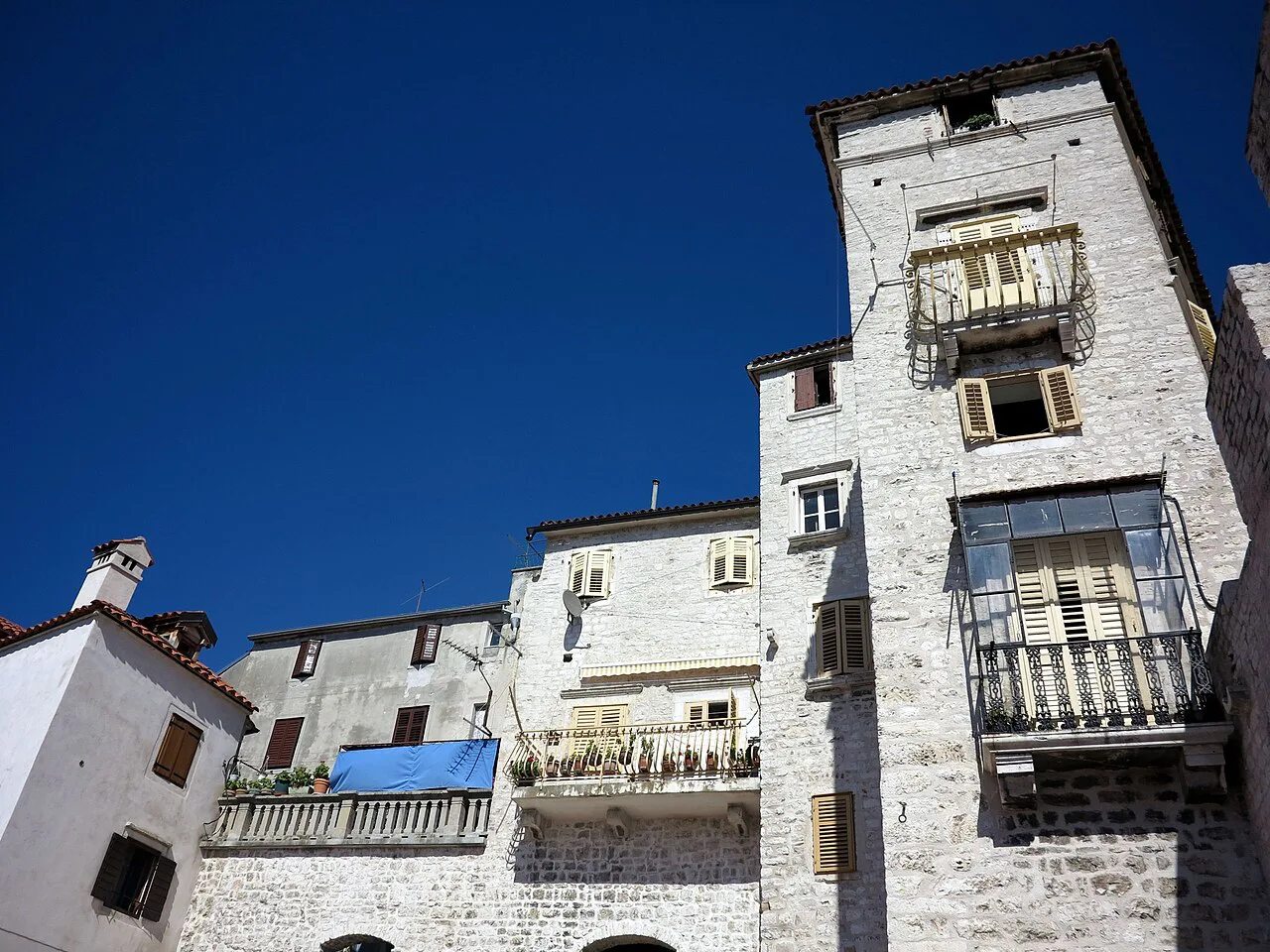
St James's Cathedral: why it is the one sight you should not skip
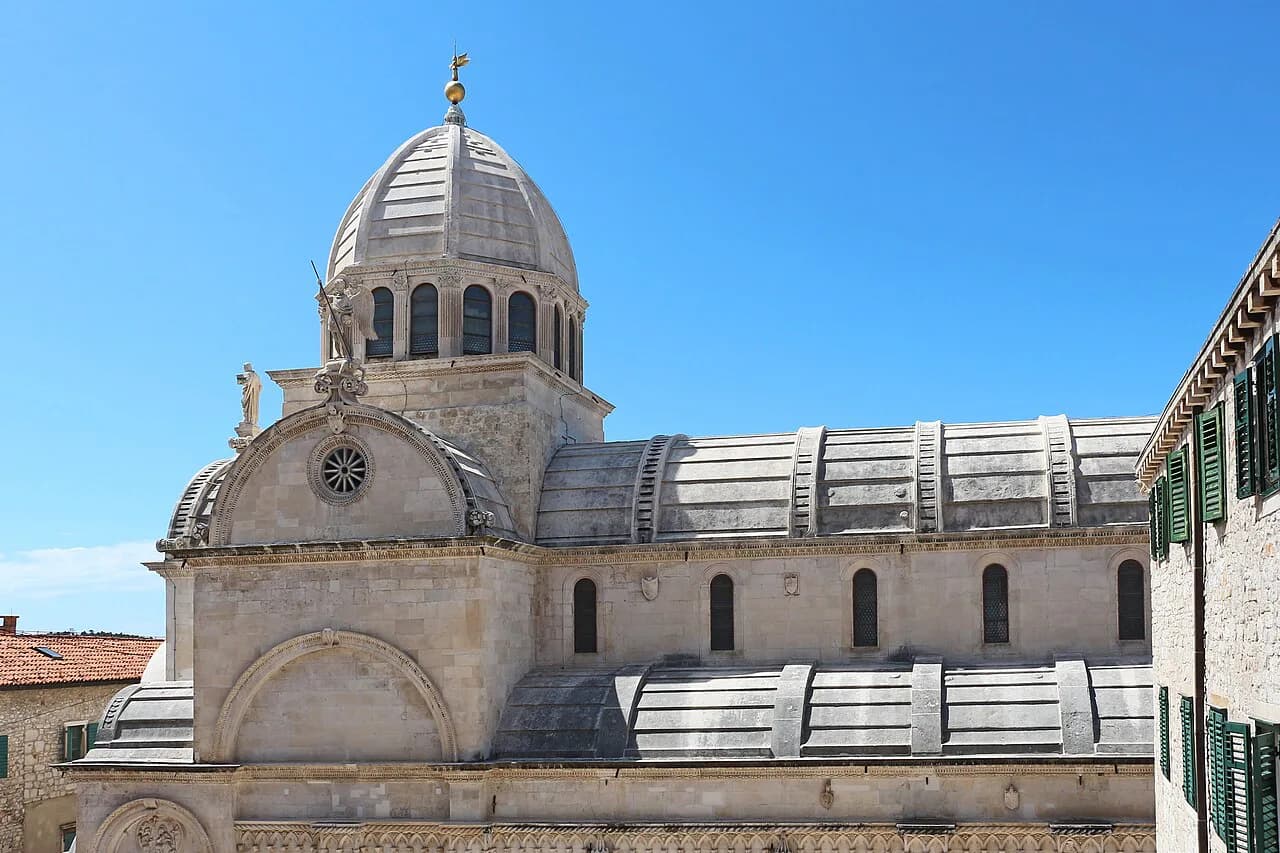
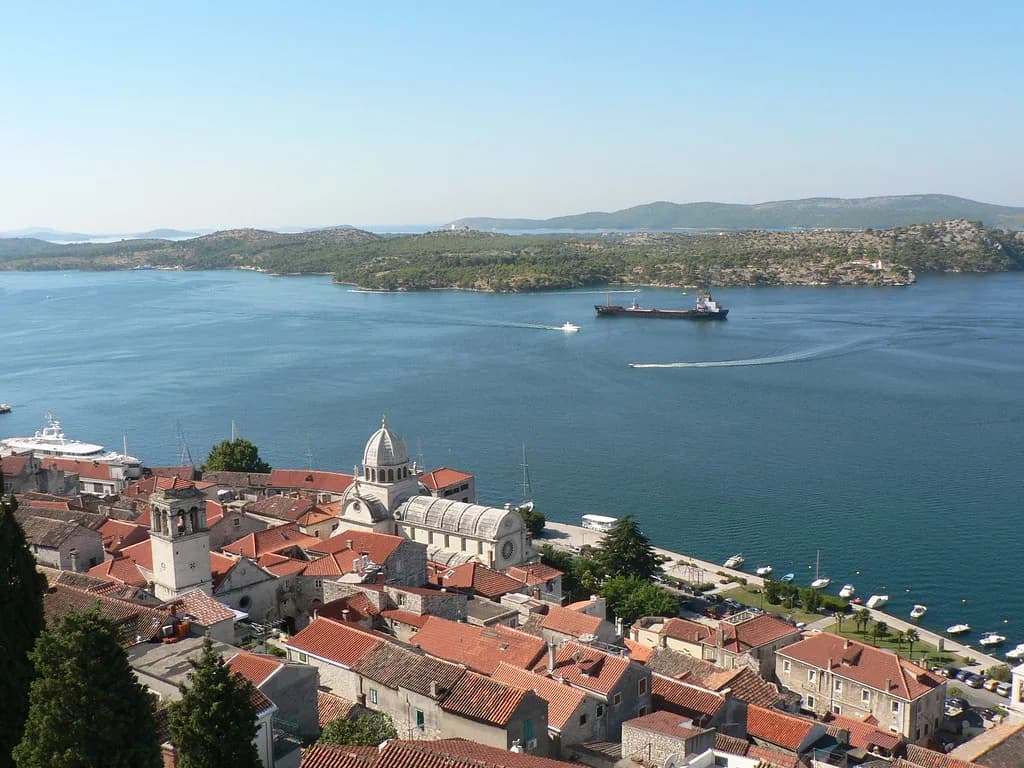
St James's Cathedral is the only cathedral in the world built entirely of stone, without binding material, wooden beams or roof tiles, which is why it carries UNESCO status and why it justifies a slow look before you step inside. Combine it with the surrounding square and the nearby lanes rather than treating it as a ten-minute photo stop.
The cathedral sits in the heart of the old town, close to the Renaissance palace that houses Pelegrini, so it works as the anchor for a morning rather than a separate excursion. Combine it with the surrounding square and a short walk through the lanes rather than treating it as a ten-minute photo stop.
Fortresses of Šibenik: St Michael's, Barone, St John's and St Nicholas, and which to choose
Choose one fortress for the climb and add St Nicholas only if you are taking to the water. St Michael's is the oldest fortress in Šibenik, perched on a 70-metre cliff above the city and now used as a concert stage, so it gives the classic view over the rooftops and the sea without the longest ascent. Barone, a 17th-century fortress, has a strategic outlook over the city and tends to be the easier pairing with a walk through the old town.
St John's is the highest fortress in Šibenik and played a defensive role for centuries, which means the best panorama and the hardest climb; pick it only if the view matters more to you than your legs. Its height is the trade-off: fewer people make the effort, and you get a fuller sweep of the city and its four fortresses.
St Nicholas Fortress is different in kind: it is the only Venetian fortress surrounded by the sea on all sides, never conquered, and a UNESCO World Heritage site. Because it stands in the water, reaching it means a boat trip rather than a walk, so it belongs with the archipelago day rather than the old-town circuit.
Museums and heritage sights that reward a wet or hot afternoon
The Šibenik City Museum holds a modern, interactive exhibition in the historic Prince's Palace, which makes it a good choice when the bura is blowing or the afternoon sun is too strong for the fortresses. The St Francis Museum, a Franciscan monastery in the centre, holds one of the oldest Croatian linguistic and literary monuments written in Latin script, and suits anyone more interested in language and manuscripts than in military history.
At Medulić Square, the Museum of Victory and Liberation of Dalmatia documents the partisan movement and the liberation of Split, Šibenik, Knin and Zadar, and it opened in 2016. The St Anthony's Channel Visitor Centre uses an interactive exhibition on the underwater world and biodiversity of the Šibenik channel, which pairs naturally with the promenade outside.
On Krapanj, the Spuga 2 Family Sponge Museum preserves the story of the island's diving and sponge-harvesting tradition, and it works as an indoor stop on an island day rather than as a reason to cross on its own. On Prvić, the Faust Vrančić Memorial Centre displays modern scale models and is the cultural anchor of that island.
Where to find the city viewpoints, including Vidilica
Vidilica is the favourite Šibenik viewpoint, looking over the city and all four of its fortresses. It is the easiest way to grasp the whole layout at once: you understand how the old town sits in its bowl and where the fortresses guard the edges, which makes the rest of your walking easier to plan.
For a view that includes the sea approach, the St Anthony's Channel promenade offers a viewpoint and vistas back over the city and its fortresses from the opposite direction. Pair a fortress climb with Vidilica or the channel path rather than doing all three, since the panoramas overlap.
St Anthony's Channel and the promenade beyond the centre
St Anthony's Channel is a protected landscape with more than four kilometres of walking paths along the water, a viewpoint and views of the city and its fortresses. It is where locals go for flat, open walking after the stairways of the old town, and it gives you the city from the sea side rather than from above.
Allow a couple of hours for the full promenade at an easy pace, or walk part of it if you have already spent the morning climbing. The trade-off is distance from the old town: you will need to walk or take transport out and back, so it fits better as an afternoon than as a gap between sights.
Boat trips and the Šibenik archipelago: Zlarin, Prvić, Kaprije, Žirje and Krapanj
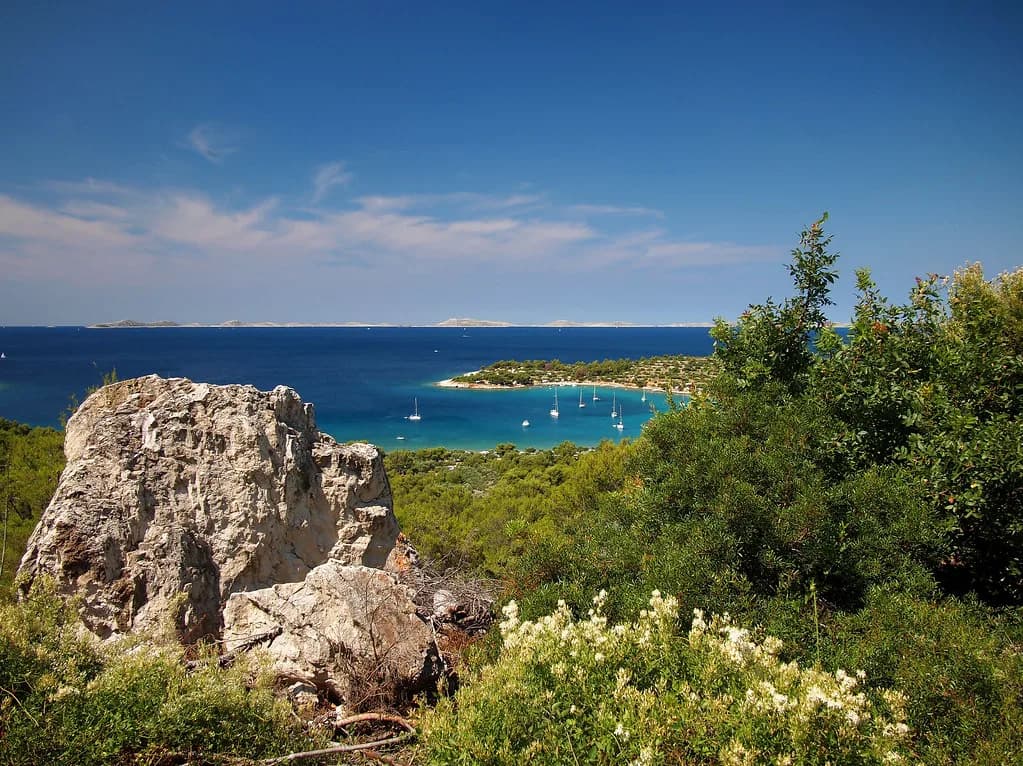
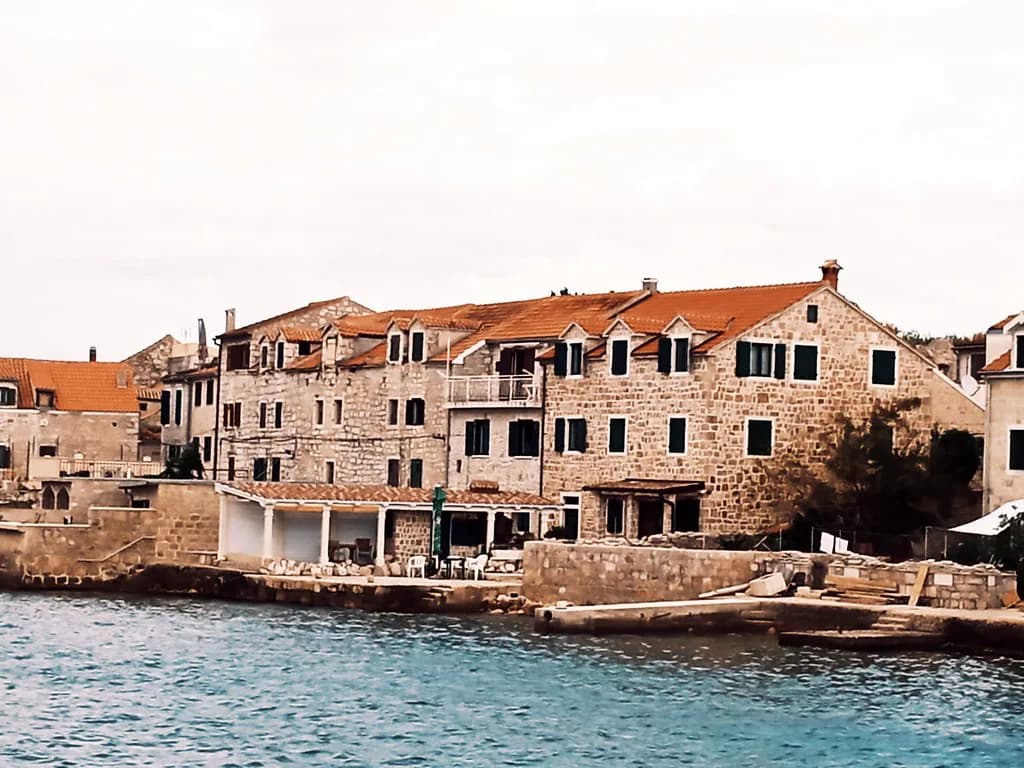
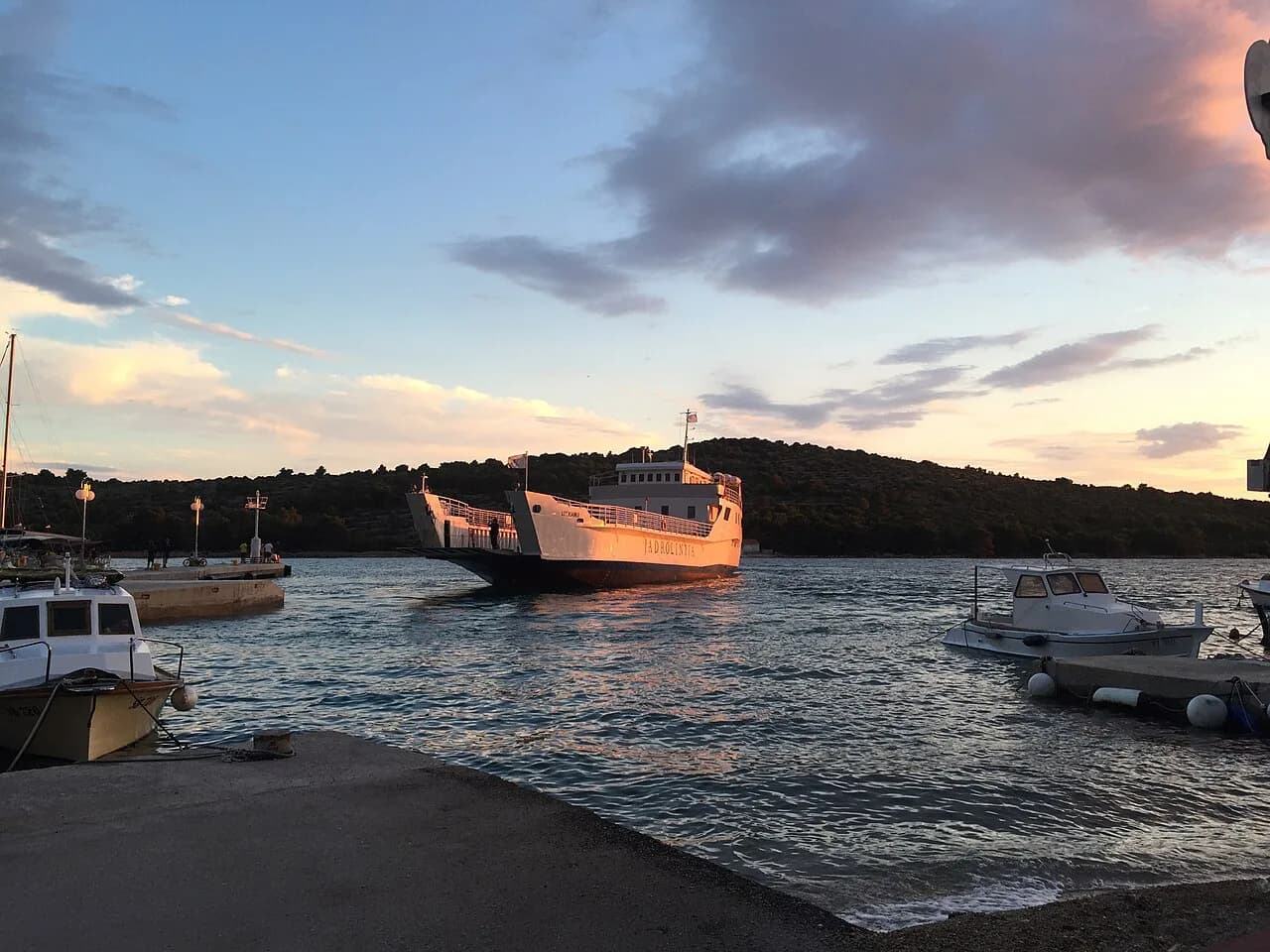
Five inhabited islands make up the Šibenik archipelago: Zlarin, Prvić, Kaprije, Žirje and Krapanj, each with its own character and all connected to the mainland by regular ferry lines. The ferry crossing is the practical way to reach the islands for a day out.
Zlarin is known for its coral-processing tradition, and the Zlarin Coral Centre in the middle of the island explains it. Prvić holds the Faust Vrančić Memorial Centre, Krapanj the sponge museum, while Kaprije and Žirje are quieter and reward a slower day with less to tick off.
One island is realistic in a day: choose Zlarin or Prvić if you want a museum and a village, or Krapanj if the sponge story appeals. Adding a second island usually means watching the clock rather than the place, because the ferries, not the distance, set your day.
For St Nicholas Fortress, the sea location means a boat trip, so check what is running when you are there and what the crossing includes. This is also where a boat trip changes the shape of your day: a fortress at sea plus an island is a full day, not an add-on to the cathedral.
Krka National Park from Šibenik: the waterfalls and what the day costs you in time
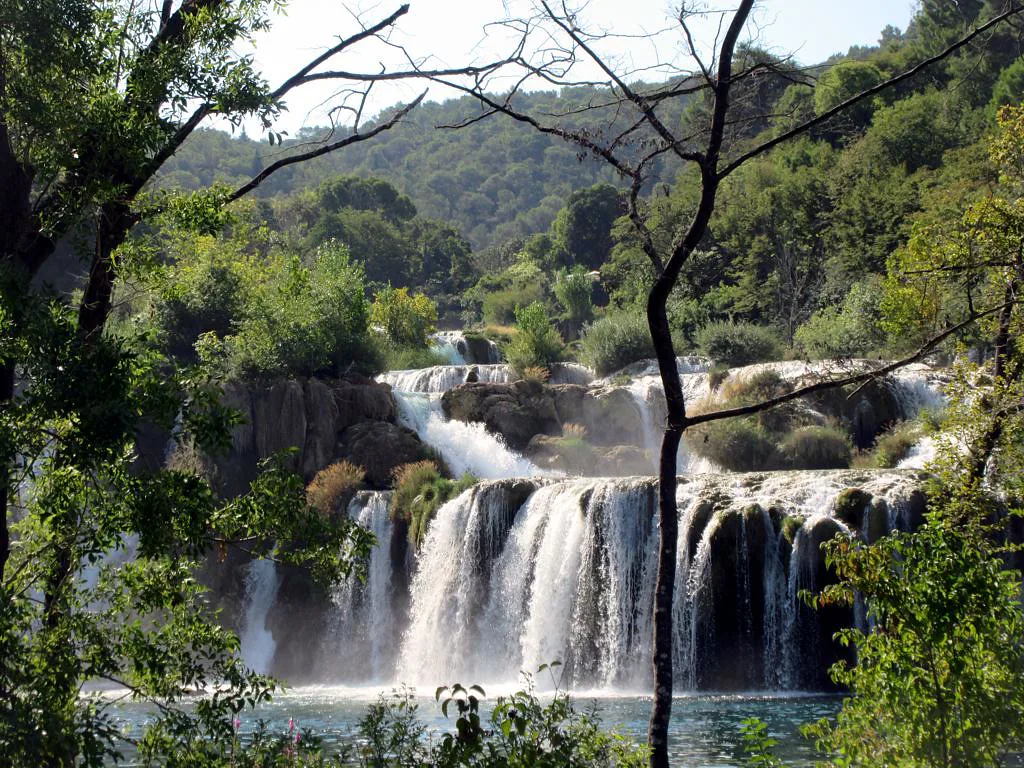
Krka National Park is a separate day out, not something inside Šibenik, so plan it as such. The park's waterfalls, including Skradinski buk and Roški slap, are the reason to go, and the official Šibenik tourist site lists Krka among the surrounding-area sights. For the details you'll need before you go, see our guide to Krka National Park: Tickets, Opening Hours and What to See.
Budget most of a day rather than an afternoon, because the journey there and back plus the waterfalls themselves uses the best hours of daylight. Parking, park entry and any boat or bus segments inside the park all affect the cost, and those details change with the season, so check the park authority's own pages for the dates you plan.
The honest trade-off is that a Krka day removes a day from Šibenik itself. With two days in the city, choose between an island and Krka rather than attempting both, and if you have only one day, keep it in Šibenik.
How many days Šibenik needs, from one day to a long weekend
One day covers the old town, St James's Cathedral and one fortress at an unhurried pace. Two days add a museum, the Vidilica viewpoint or the St Anthony's Channel promenade, and three days let you add an island ferry or Krka without cutting anything short.
If you are weighing Šibenik against other Dalmatian stops, remember that the city works well as a base: the nearest airports are Split and Zadar, the A1 motorway has a Šibenik exit, and there are bus and ferry links onward.
Travellers comparing Dalmatian coastal towns will find Šibenik unusually dense: cathedral, fortresses, museums, islands and Krka all sit within reach of one small centre. That compactness is the city's main practical advantage when you are weighing where to spend a day or two.
When to go: summer crowds, cruise-ship days and the bura wind
Summer brings heat on the stone streets and the heaviest pressure on the cathedral and fortresses, so start early and keep the climb for the cooler hours. Cruise-ship days concentrate people in the old town at once; if the streets feel packed, move to the St Anthony's Channel promenade or a museum and return to the centre later.
The bura is a cold, gusty wind that can make exposed viewpoints and the channel path uncomfortable and can affect boat trips, so keep a flexible plan. When the wind is up, the museums and the cathedral make better use of the day than a fortress top or an island crossing.
What things cost in euros and how to keep the day affordable
Croatia uses the euro, so prices in Šibenik come in euros rather than kuna. Walking the old town streets and the St Anthony's Channel promenade is free and keeps a day in the city inexpensive.
Fortress, museum and National Park tickets are set by their operators and vary by season, so check the official pages for the dates you travel rather than relying on older figures. The Šibenik Card is promoted by the city tourist board and is worth comparing against the individual tickets you actually plan to use.
Which fortress should you climb?
Climb St Michael's if you want the classic view over the old town and the sea without the longest ascent, and choose St John's only if the highest panorama matters more than the effort. Add St Nicholas Fortress by boat if you are already planning an island day, because it sits in the water rather than on the hill.
Build the rest of your time around the UNESCO pair of St James's Cathedral and St Nicholas Fortress, then fill in with Vidilica, a museum or the channel promenade depending on the weather. For the individual sights in more detail, start with the Šibenik Attractions guide, and for the cathedral on its own see the St James's Cathedral page.
Explore more Šibenik guides
Frequently Asked Questions
Is Šibenik worth visiting?
Yes, if you give it at least a full day. It has two UNESCO World Heritage entries, St James's Cathedral and St Nicholas Fortress, plus four fortresses, a medieval old town, museums and regular ferries to five inhabited islands. It also works as a base for Krka National Park, though the falls are a separate day out rather than in the city.
How long do you need in Šibenik?
One day covers the old town, St James's Cathedral and one fortress. Two days add a museum, the Vidilica viewpoint or the St Anthony's Channel promenade. Three days let you add a ferry to Zlarin, Prvić or Krapanj, or a day at Krka National Park, without rushing the city itself.
Do you need a boat to see St Nicholas Fortress?
Yes. St Nicholas Fortress stands surrounded by the sea on all sides, so it is reached by boat rather than on foot. That makes it a water-based outing rather than part of a walking circuit around the old town, and it pairs naturally with a trip to one of the archipelago islands.
Can you visit Krka National Park without a car from Šibenik?
Krka is a separate excursion from the city, and the practical choice is between an organised transfer and driving yourself. The park authority publishes current access, entry and internal transport details for each season, so confirm those for your dates before deciding how to get there.
Sources
Notes from the Croatian coast
Optional updates when our guides change.
You might also like
Continue reading
More guides you'll find useful