Šibenik Old Town: A Walking Guide to the Streets and Squares
A practical walking guide to Šibenik old town: the cathedral, fortresses, squares and stone lanes, with a route, timings and honest notes on crowds and steps.
On this page
Šibenik old town is a half-day walk, not a full day, and the sensible way to do it is to start on the Riva and climb through the lanes rather than fight the steps from the top. Šibenik was founded by Slavs at least as early as 1066, which makes it the oldest Croatian town on the Adriatic coast and gives the streets above the harbour a different feel from the Roman-founded towns nearby. This guide covers the shape of the old town, the sights worth a ticket, the corners that are free, and how long to allow.
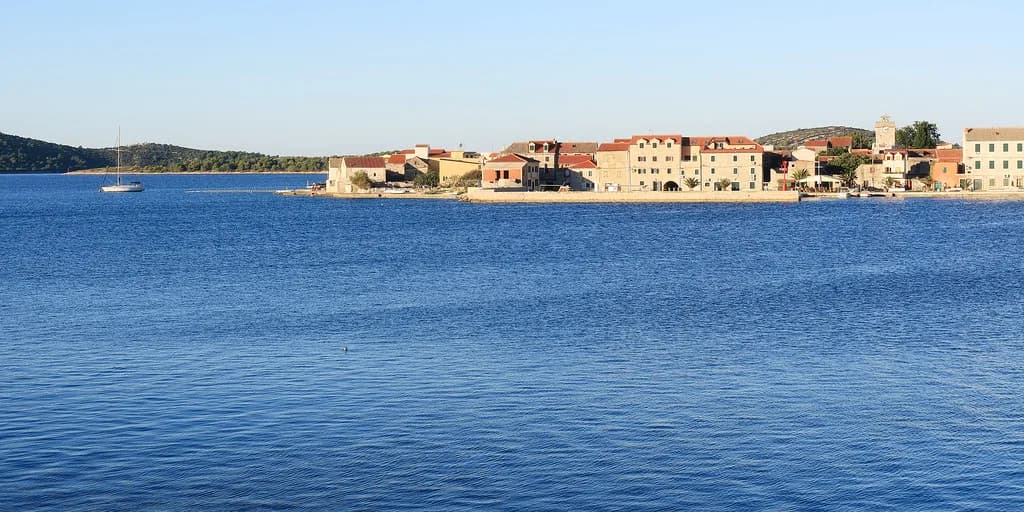
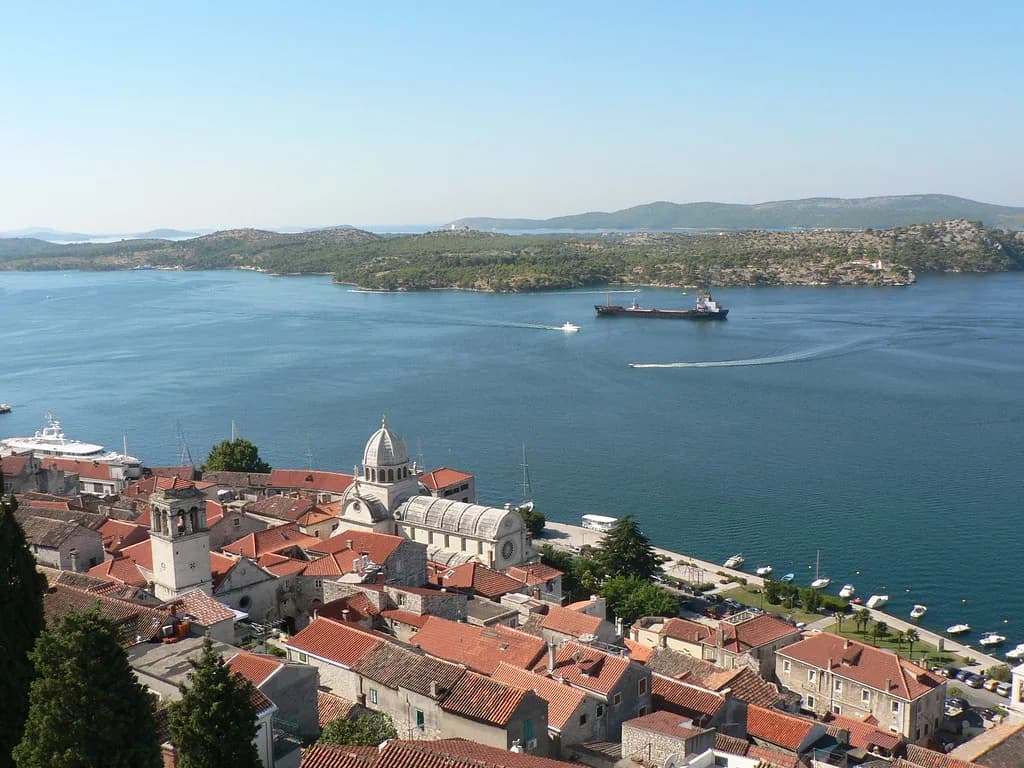
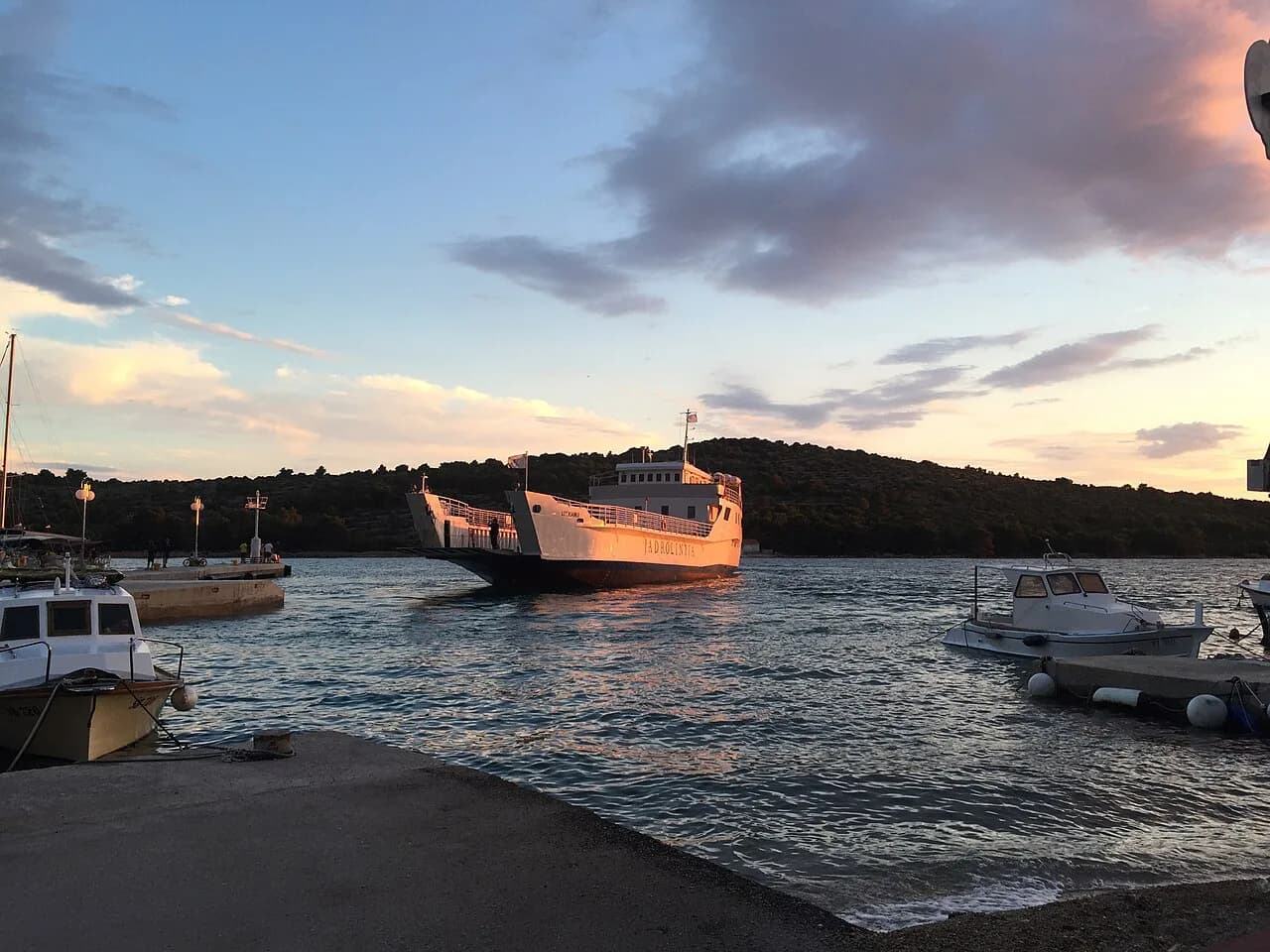
The old town sits on a natural harbour at the mouth of the Krka estuary, and its waterfront promenade is lined with docked sailboats and cafes. From there, flights of stone stairs thread between houses built from the same pale stone. It is a town of stairs rather than flat streets, which is the single most useful thing to know before you set out.
The shape of the old town
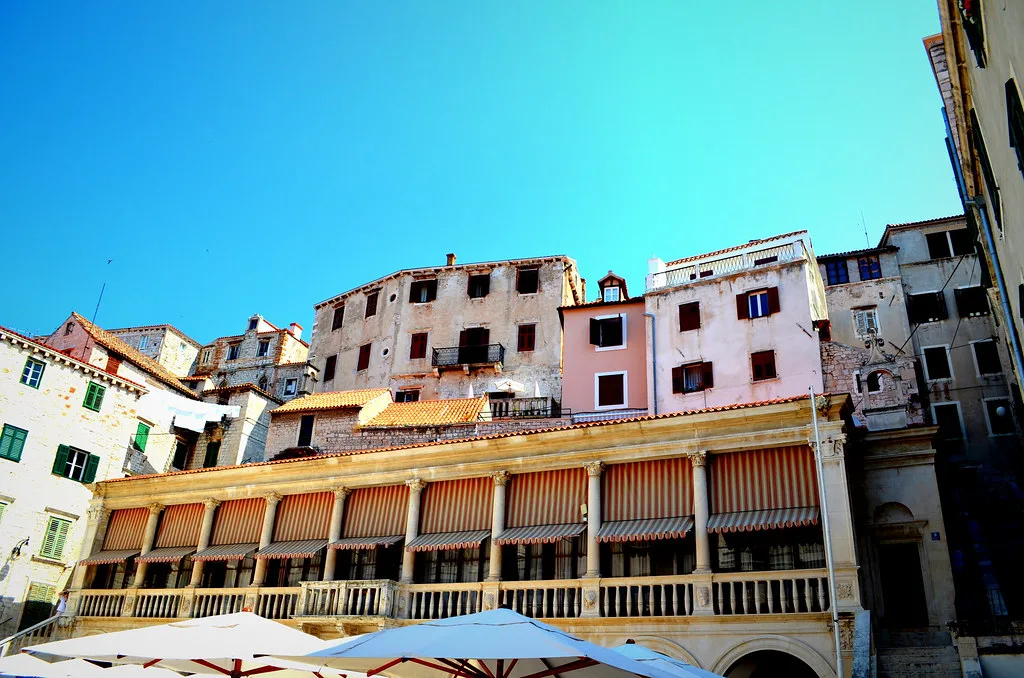
Think of Šibenik as three levels. The Riva runs along the water; Poljana square and the lanes behind it form the middle band of shops and cafes; and above that, the streets narrow and steepen towards St Michael's Fortress and the upper churches.
Because the town climbs, the old town rewards a route that gains height gradually. Walk the waterfront first, cut inland at Poljana, then take the stepped lanes up. You finish at the fortress with the rooftops and harbour below you rather than arriving there out of breath at the start.
Allow roughly three to four hours for the old town on foot, plus more if you add a fortress ticket or the boat to St Nicholas. The old town is small, but stairs slow you down and the stone lanes invite detours.
Start at the Cathedral of St James
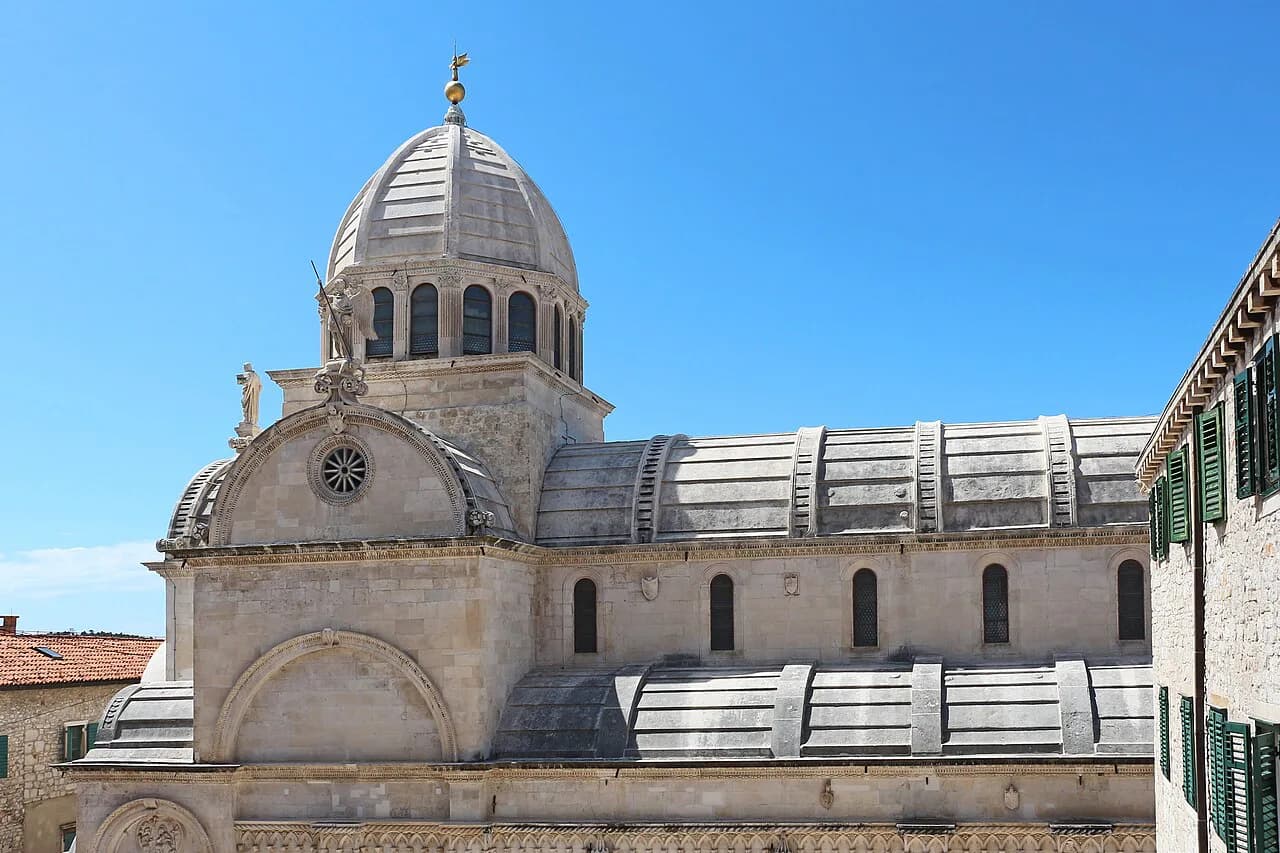
The Cathedral of St James is the reason most people come, and it deserves to be the centre of the walk rather than a quick photo stop. It is a UNESCO World Heritage Site, built over more than a century in the 15th and 16th centuries, and it is the only cathedral in Europe built entirely from stone.
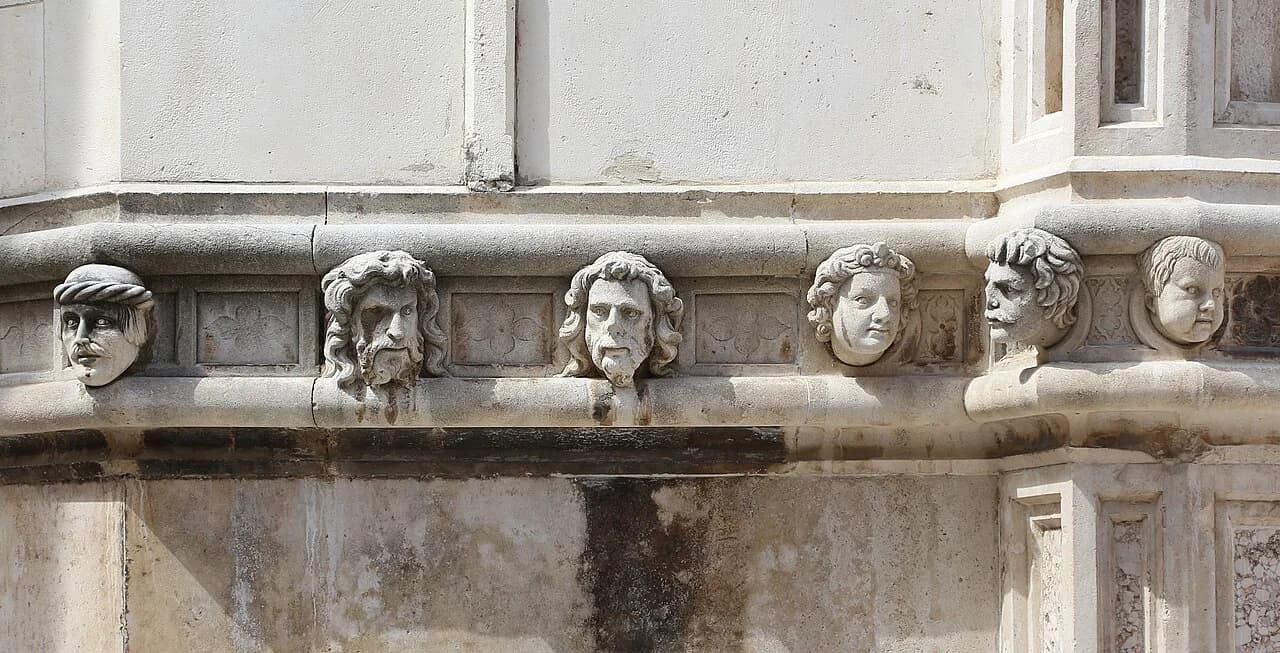
Walk the perimeter before you go in. The exterior carries a frieze of carved heads, more than seventy lifelike faces of men, women and children, and you see far more of them from outside at eye level than from the square. The building work was directed for a period by the Croatian sculptor Juraj Dalmatinac, and the carving is the detail that repays close looking.
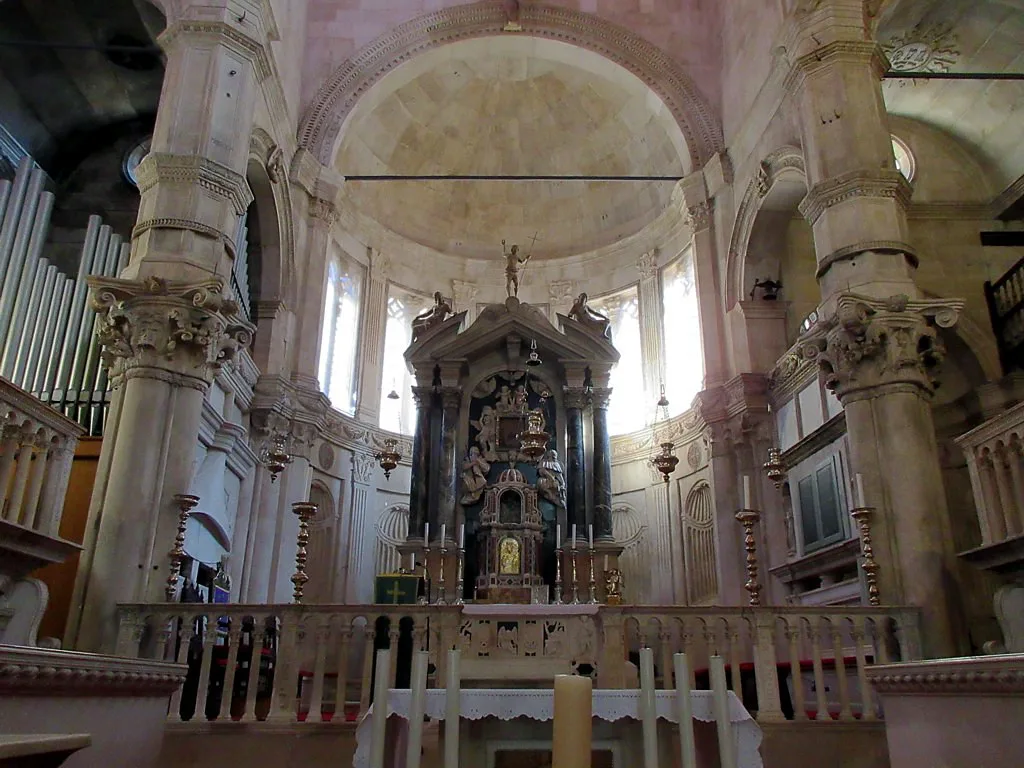
Inside, the appeal is the unadorned interior, the marble walls and the carved stone, with a simple altar. Entry outside mass carries a small charge, and the ticket also covers the cathedral interpretation centre next door. Prices are posted at the door and at the centre; check the cathedral's own notice for the current season before you set out.
Nearby you also have the Šibenik City Museum, which covers the town's history from the Middle Ages onwards, and the surrounding lanes of cafes and tavernas.
Should you add the Interpretation Centre of St James Cathedral?
The Interpretation Centre of St James Cathedral, also called Civitas Sacra, sits beside the cathedral and explains how the building was paid for, designed and put up over its long construction. It earns its place on a short visit because it turns the stonework you have just seen into a story about money, quarries and generations of masons.
The practical argument is simple: entry is included with the cathedral ticket, so the centre costs you only time. Allow twenty to thirty minutes, and go after the cathedral rather than before, when the building itself is fresh in your mind.
The small churches and squares between the lanes
Between the main sights you pass a run of small churches that rarely appear in itineraries but sit directly on the route. The Church of Saint Barbara and the Church of All Saints are both worth a pause from outside; the pleasure is the setting in the narrow lanes as much as the interiors.
The Town Hall and the surrounding squares keep the same honeyed stone as the cathedral, and the streets themselves are the sight. Wander them in daylight for the architecture and again after dark, when the stone lanes empty and the lighting does the work. The tourist crowds thin markedly in the evening.
St Michael's Fortress and the view over the rooftops
St Michael's Fortress sits above the old town and sets the tone for the whole place: climb it and you see the terracotta roofs, the harbour and the Krka estuary in one sweep. It is also the town's Game of Thrones connection, having appeared as a fighting pit in the series, while the cathedral stood in for the Iron Bank.
The climb is short but steep, all steps and uneven stone, so it is the part of the walk to do with proper shoes and a slower pace. Time it for late afternoon, when the light falls on the rooftops rather than flatly across them, and you get the view at its best.
There is a charge to enter the fortress, displayed at the entrance. Treat it as a paid stop and check the current price and seasonal hours on site before climbing.
St Nicholas Fortress on the islet of Ljuljevac
St Nicholas Fortress is not a stroll: it sits on the islet of Ljuljevac in the harbour and you reach it by boat from the waterfront. The Venetians built it in the 16th century to close the sea approach, and it worked, because Šibenik was never again invaded from the sea.
The crossing is short, around thirty minutes on the water according to the town's own visitor material, and you then explore the fort on foot with an interactive audiovisual tablet included to bring the ruins to life. Treat it as a timed excursion of two to three hours rather than a quick add-on, and book the boat before you commit the day to it.
For the range of trips on the water, including the fortress boats, compare the options before choosing. Sibenik boat tours vary in length and departure point along the waterfront.
Green breathing space from the stone
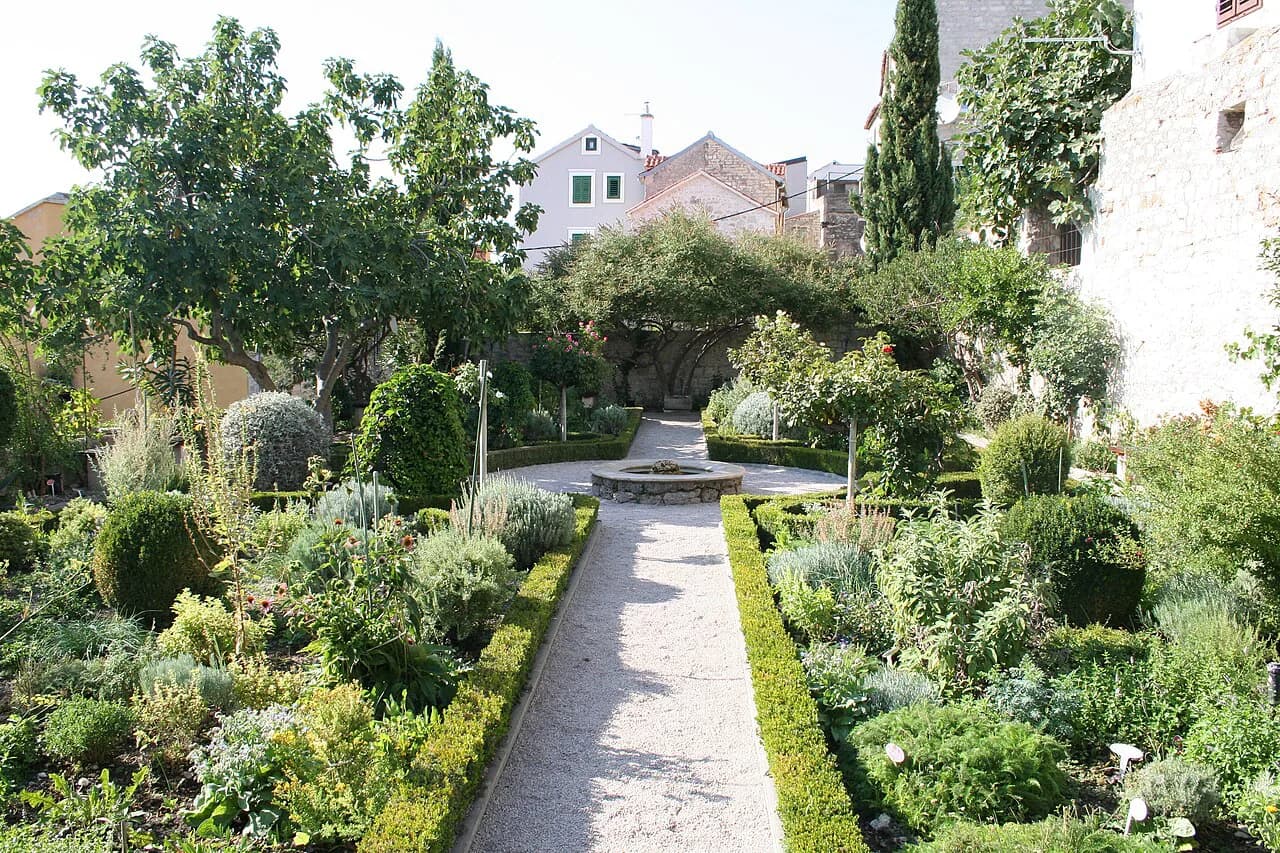
Two gardens give you a break from the heat of the stone. The Medieval Mediterranean Garden of St Lawrence Monastery occupies the grounds of the former monastery and has a garden cafe, a good place to sit once you have finished the climb.
Perivoj Roberta Visanija park is the other pause, with trees and shade between the lanes and the waterfront. Both are free to walk through and both make a sensible midpoint in a hot afternoon.
Practicalities: arrival, steps and crowds
Most travellers arrive by bus at Šibenik main bus station or by car, with Split roughly an hour away and Zadar under an hour. From the station it is a short walk to the waterfront and the start of the old town.
The terrain is the real constraint. Expect stone stairs, steep lanes and slippery steps after rain, and wear shoes with grip. Anyone with mobility limits should plan on the Riva, Poljana and the cathedral square, which are the most level parts of the old town.
Compared with Split and Dubrovnik, Šibenik is notably quieter, which is part of its appeal. It still draws its share of visitors, and its festival calendar in September is a busy period, but the lanes rarely feel overwhelmed. Check event dates directly with the town before booking around them.
Šibenik covers more ground than the old town alone, and the fortresses, gardens and boat trips all sit in easy reach. Our guide to Things to Do in Šibenik: Old Town, Fortresses and Islands sets out the full menu, so start there and then pick the day's shape.
Do the walk, then decide about the boat
Walk the old town from the Riva up through Poljana to the cathedral, add the interpretation centre because it is already paid for, and finish at St Michael's for the rooftops. That sequence gives you three to four hours of steady walking and leaves the afternoon open. For a step-by-step version, follow the Šibenik Self-Guided Walking Tour: Stops, Order and Timing.
Decide about St Nicholas Fortress separately: it is a boat trip, not a walk, and it needs a booked crossing and a clear half-day. If you have only one day in town, choose between the fortress and a longer wander through the lanes rather than trying to do both.
Explore more Šibenik guides
Frequently Asked Questions
Is Šibenik worth visiting in Croatia?
Yes, particularly if you want a Dalmatian stone town without the crush of Dubrovnik. The old town is compact, walkable in half a day, and holds two UNESCO World Heritage sites, the Cathedral of St James and St Nicholas Fortress.
What is Šibenik famous for?
Its stone-built cathedral, the fortresses above and in the harbour, and its setting at the mouth of the Krka estuary. It also appears in Game of Thrones, where St Michael's Fortress doubled as a fighting pit.
Where was Game of Thrones filmed in Šibenik?
The Cathedral of St James and St Michael's Fortress are the two recognisable locations, standing in for the Iron Bank and the fighting pit in the Braavos storyline.
Is Šibenik better than Split?
If you want quieter lanes and a compact old town, Šibenik suits better. Split has the larger Roman palace and the busier waterfront, so choose on whether you prefer scale or calm.
Sources
Notes from the Croatian coast
Optional updates when our guides change.
You might also like
Continue reading
More guides you'll find useful