Museums in Šibenik: Which Ones Are Worth Your Time
A practical guide to museums in Šibenik, from the City Museum beside the cathedral to the Sacred Art collection, with what each holds and how long to allow.
On this page
The one museum in Šibenik worth planning around is the Šibenik City Museum in the former Prince's Palace, right beside the Cathedral of St James; allow 45 to 90 minutes inside. Pair it with the small Museum of Sacred Art at St Barbara's if you have a second hour, and treat the walled garden at St Lawrence's monastery as a quiet extra rather than a museum. This guide sets out what each holds, where it sits in the old town and how to judge whether it earns a place in your day.
Which museums in Šibenik are worth your time: the short answer
Start with the City Museum: it covers the town and its region from the 6th millennium BC to the end of the 18th century, and it sits in the Prince's Palace next to the cathedral, so it slots into any walk through the centre. The Museum of Sacred Art at St Barbara's Church, south of the main square, is a modest collection spanning the 14th to 17th centuries; go in knowing that. The other named options are galleries rather than museums, and the Dalmatian dog museum sits outside the story this guide tells about Šibenik's history and art.
Šibenik City Museum in the Prince's Palace: what you see, room by room
The museum was founded in 1925 to mark the 1000th anniversary of the Croatian Kingdom and opened by Stjepan Radić at the initiative of the Šibenik cultural figure Don Krsto Stošić. The Prince's Palace housed the highest representative of Venetian authority in the city for centuries, and the permanent display occupies the atrium and south wing, designed by the architect Vinko Peračić. The entrance address is Gradska vrata 3, so the museum is a natural stop on any walk that takes in the Cathedral of St James.
Your tour begins in the atrium with the archaeological collection, drawn from around fifty sites and running through prehistory, antiquity, late antiquity and the Middle Ages. Above that, the exhibition moves through the Croatian kings, the Croatian-Hungarian Kingdom, four centuries of Venetian rule and the long wars with the Ottomans. A section on the first floor covers Šibenik's humanist circle, including Antun and Faust Vrančić, Frane Divnić and Dinko Zavorović, and the art and architecture on show trace the town from Romanesque to Baroque.
The permanent display stops at the end of the 18th century; the top-floor rooms for more recent history were still being completed when the museum last described the exhibition, so treat the modern period as an absence rather than a gallery. If twentieth-century Šibenik is what you came for, the old town's churches and fortresses carry that story better than the museum does.
The Danilo rhytons and the world's oldest cheese trace: the museum's headline finds
The find most visitors remember is a set of Danilo culture rhytons, ritual vessels from the Neolithic period, several of which are displayed in the atrium collection. One of them held traces of cheese dated at more than 7,000 years old, which the museum describes as the oldest evidence of cheese anywhere, predating the Egyptian examples. The same casework also includes a reconstruction of a 6th-century altar screen, which makes the prehistoric rooms worth more than a glance.
Cathedral of St James material inside the City Museum, including original dome sections
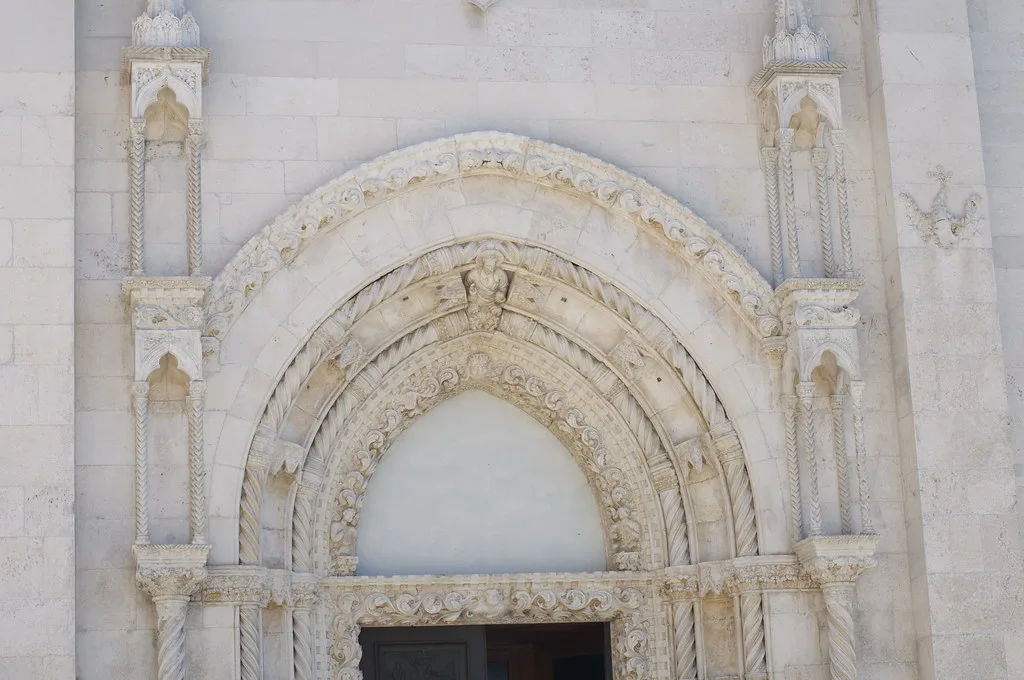
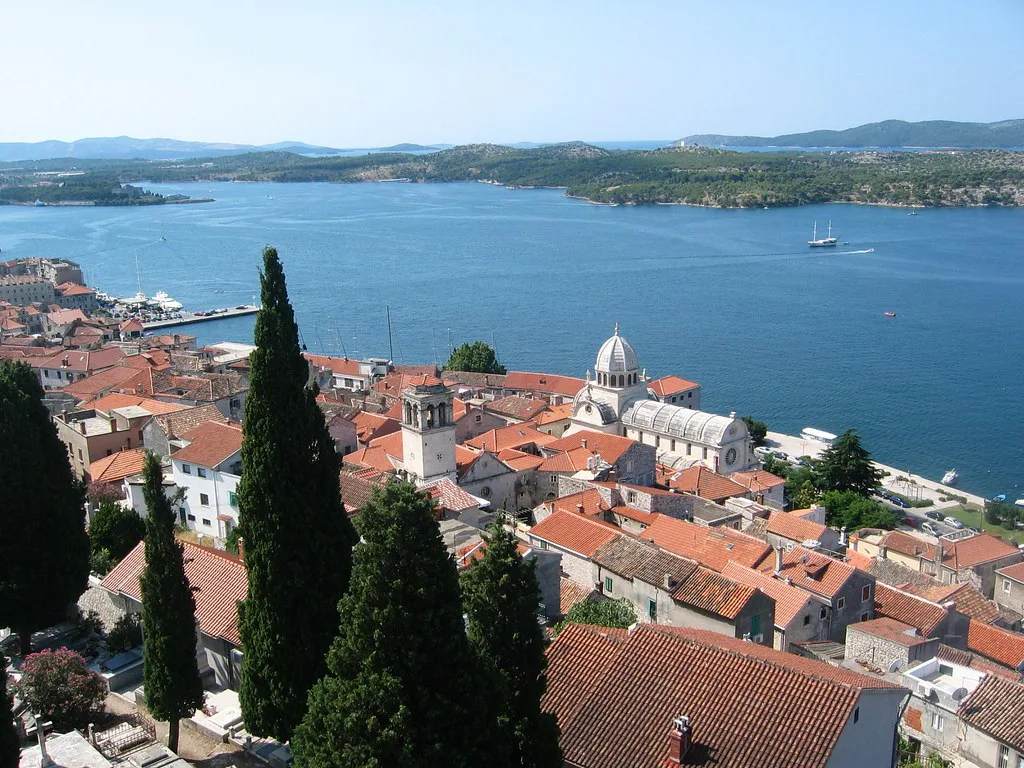
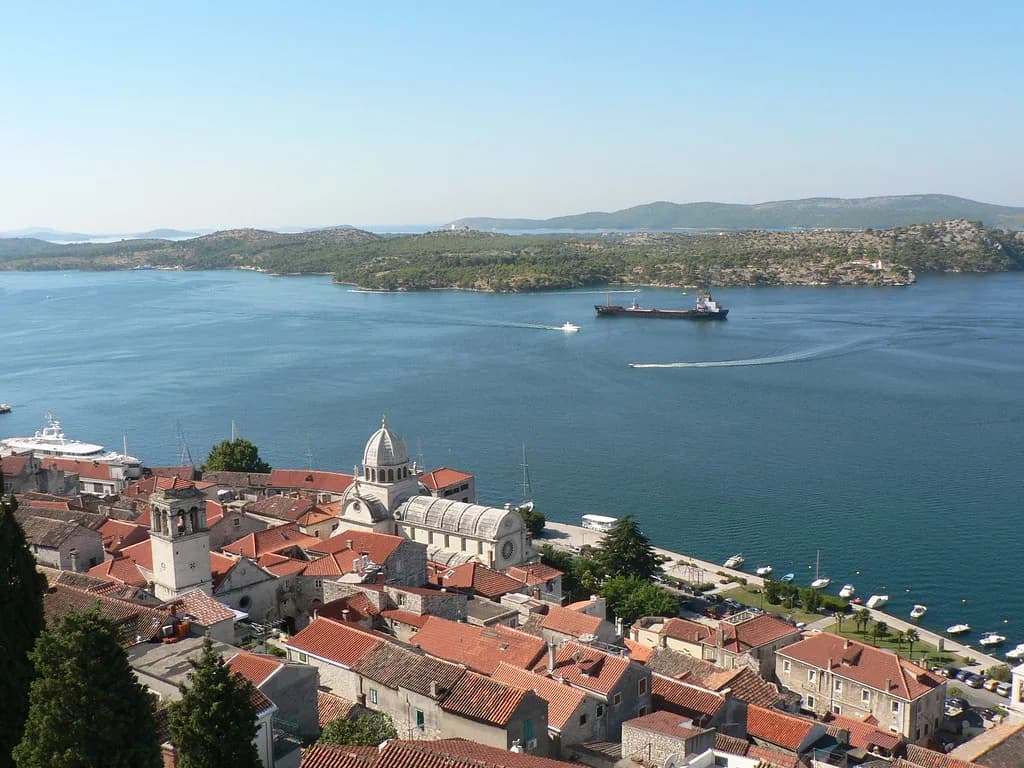
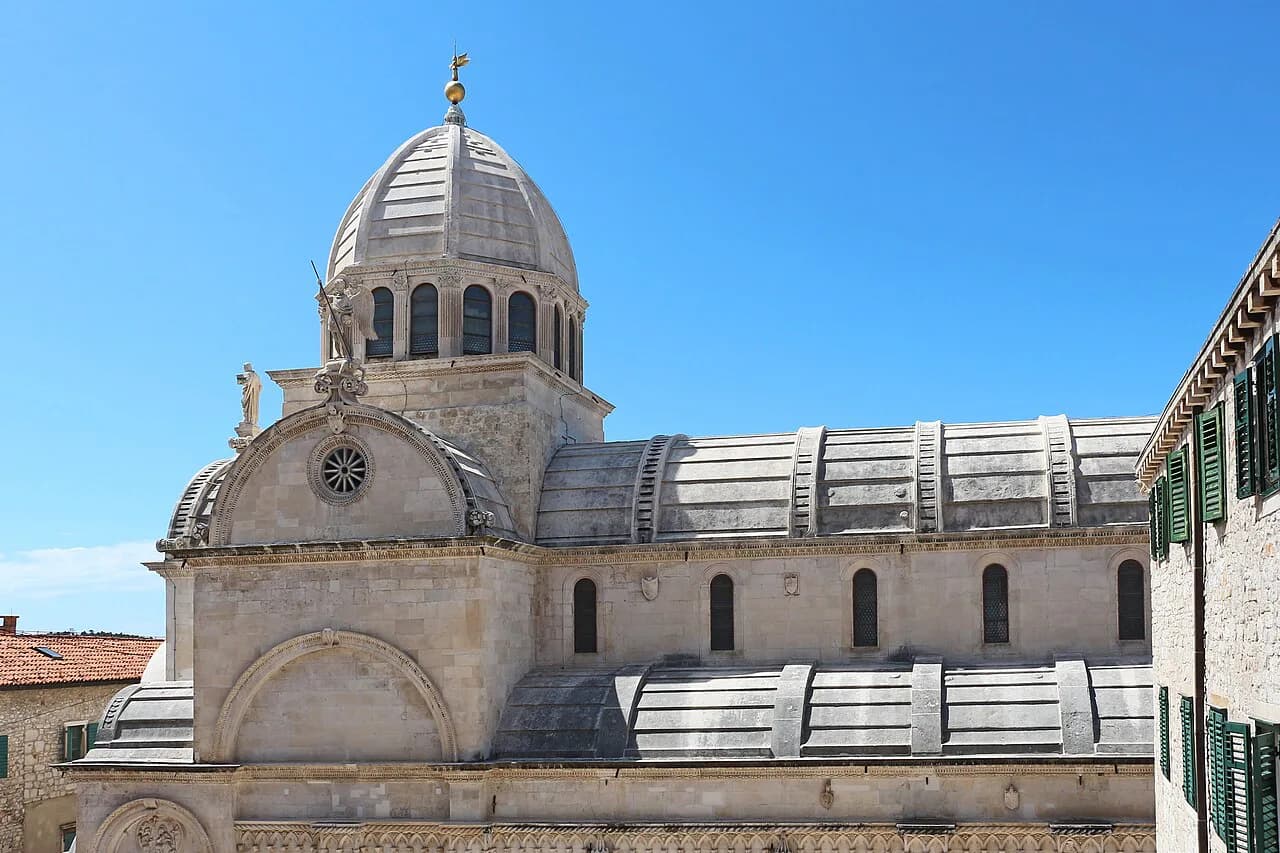
A dedicated section covers the Cathedral of St James, and the original parts of the dome are displayed here rather than in the cathedral itself, so the museum is where you see the fabric of the building up close. The cathedral took more than a century to build, passed through the hands of Juraj Dalmatinac and his successor Nikola Firentinac, and was consecrated in 1555; its vaulted stone roof was badly damaged in the 1991–95 war and rebuilt by an international team. If the cathedral is your reason for visiting Šibenik, the museum's dome fragments and its sacred and secular art collection give you the background you will miss by simply standing in the nave; pair the visit with a wander through Šibenik Old Town.
How long the City Museum takes and what it costs
Budget 45 to 90 minutes for the permanent exhibition, which is a realistic range for a display of this size rather than a full afternoon. The museum's own listing shows only a price range marker without an admission charge, so ask at the ticket desk or check the museum's page for the current ticket price before you commit your day. Wear comfortable shoes and dress for a historic building; the palace is not a purpose-built gallery.
Museum of Sacred Art at St Barbara's: the modest collection of paintings, polyptychs and manuscripts
St Barbara's Church, a 15th-century Gothic building south of the cathedral and the main square, holds the Museum of Sacred Art, a collection that runs from the 14th to the 17th century. Expect religious paintings, polyptychs, old manuscripts and wood engravings rather than a blockbuster show; the collection is small, and the honest advice is to go only if that period and subject matter interest you or the weather has driven you indoors. No admission figure or set of opening hours is published, so check the church door on the day.
The Medieval Mediterranean Garden of St Lawrence's Monastery: a garden rather than a museum, and who it suits
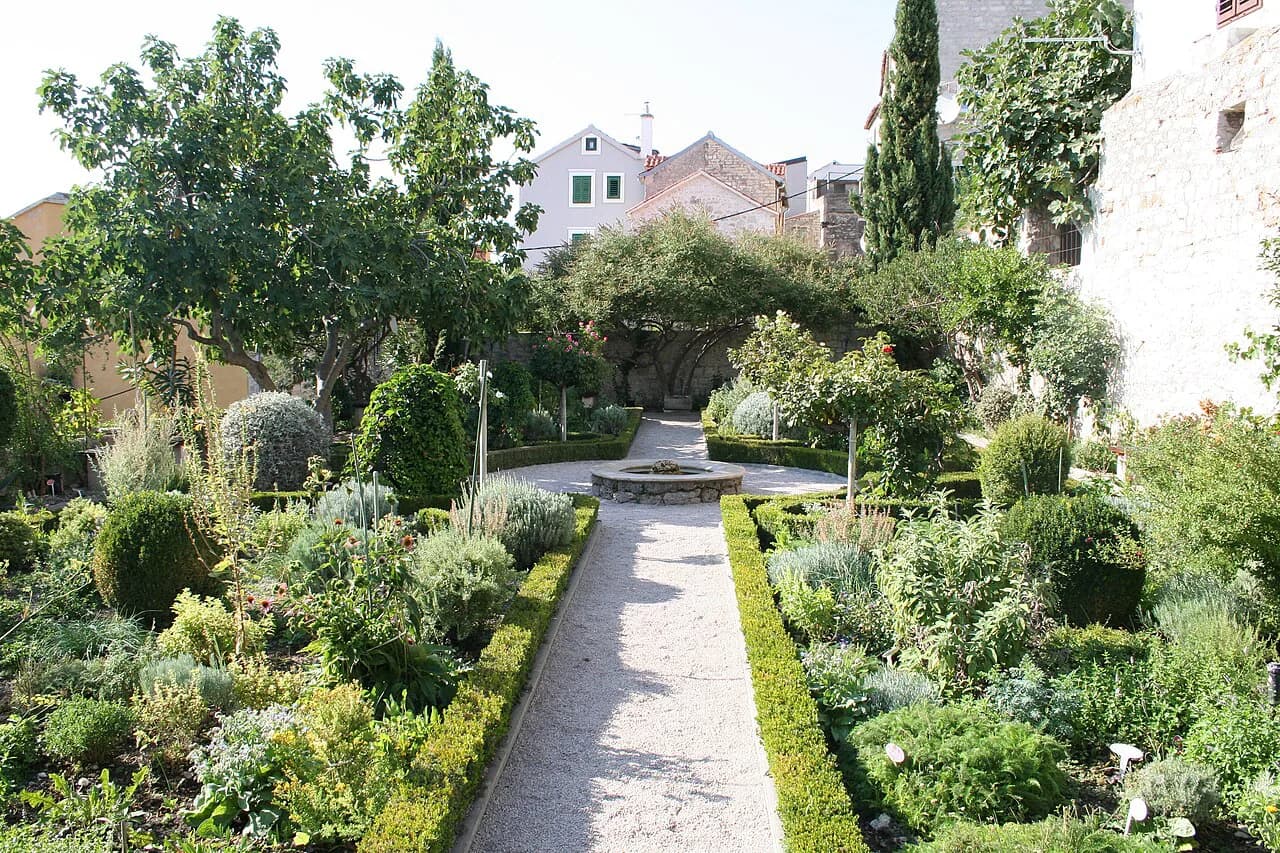
The garden at St Lawrence's monastery complex opened in 2007 after a full restoration, and it is the only garden of its kind in Croatia; it is a garden, not a museum, so do not count it as one of the town's collections. Landscape architect Dragutin Kiš laid out cross-shaped pathways planted with medicinal plants and herbs, and there is a modern café by the entrance. It suits anyone who wants half an hour among plants after the stone and crowds of the centre, but it will not fill a wet afternoon the way the City Museum will.
Opening hours, closing days and seasonal changes to check before you go
The City Museum lists itself as open throughout the year and suggests a morning visit as the best time, which matters in high summer when the old town fills up by midday. Its own page gives that season picture plus a contact telephone number and email, so a quick call to 022 213 880 settles anything the website leaves open. Beyond that, treat the smaller collections as the uncertain ones and confirm on the day rather than building an itinerary around them.
The Bunari, a restored medieval water cistern across the square from the cathedral, was redeveloped as a private museum project and its future is uncertain, so do not plan around it. Šibenik's wider sights, including the fortresses above the roofs, are the more dependable way to spend a mixed day.
Matching museums to a hot or rainy day in Šibenik
On a rainy day, the City Museum does the heavy lifting: an indoor route through prehistory, the Venetian centuries and the cathedral's fabric, with the Sacred Art collection a short walk away if you still want more. On a hot day, do the museum in the morning, as the museum itself suggests, then take the shaded garden at St Lawrence's or follow our Things to Do in Šibenik guide through the lanes once the worst of the sun has passed. Two collections and a garden is a sensible full day; three museums is more than this town offers.
What sits outside the old centre: Etnoland near Pakovo Selo and why it needs booking
Etnoland, in the village of Pakovo Selo on the road to Drniš, is a theme park illustrating the traditional Dalmatian way of life, with stone houses, displays of pršut-making and rakija-distilling and folk songs on summer weekends. It can only be visited on a pre-booked tour, lasting either one and a quarter hours or three and a half hours with lunch, which rules it out as a spontaneous stop. If you want it, arrange it before you travel and ask what the tour costs when you book; nothing about the price is fixed here.
City Museum first, then the rest
Give the Šibenik City Museum your best hour and a half, look for the price at the desk, and fit the Sacred Art collection or the St Lawrence garden around it according to the weather and your patience for religious art. If you have a boat trip or a day at Krka National Park planned, put the museum on a separate morning rather than squeezing it in afterwards.
Explore more Šibenik guides
Frequently Asked Questions
Is the Šibenik City Museum the same as the cathedral museum?
No. The City Museum occupies the former Prince's Palace beside the Cathedral of St James, and the cathedral's own history forms one section of its display, including original parts of the dome. The cathedral is a separate building you visit on its own.
Can I visit Etnoland without booking?
The site near Pakovo Selo is set up for pre-booked tours of one and a quarter or three and a half hours, the longer one including lunch. Independent visitors should ask in advance about joining a tour rather than turning up and expecting entry.
Sources
Notes from the Croatian coast
Optional updates when our guides change.
You might also like
Continue reading
More guides you'll find useful