Zadar Churches: St Donatus, Cathedral & What to See
A practical walk through Zadar's churches, from pre-Romanesque St Donatus to the Cathedral of St Anastasia, with what to look for and which ones you can enter.
On this page
Start with the Church of St Donatus, the ninth-century round church that is the largest pre-Romanesque building in Croatia and the one Zadar sight most travellers remember. Then walk the few minutes to the Cathedral of St Anastasia for its Romanesque portal carvings and acanthus frieze, and treat the bell tower as a separate decision. This guide sorts the peninsula's churches by what you can realistically get inside, tells you what to look for on each facade, and places them on one compact loop.
Zadar's centre is a peninsula jutting into the sea, with the Roman Forum and the cathedral packed into a small area, so the churches work best as a walk rather than a series of separate stops. The wider things to do in Zadar context is covered elsewhere on the site; here the focus is on doors, stonework and access.
Which Zadar church should you see first?
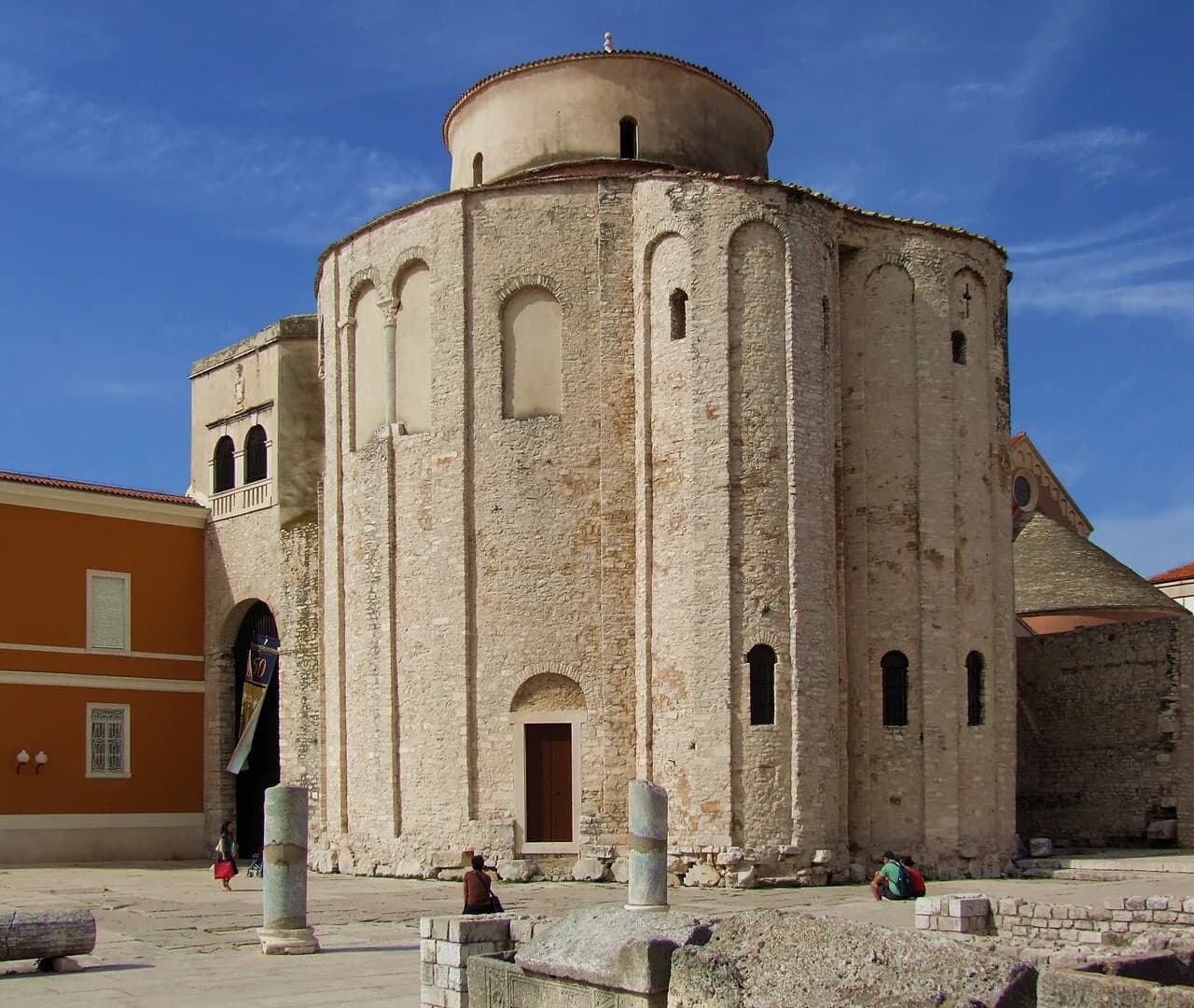
St Donatus earns first place because of its date and shape: a ninth-century pre-Romanesque church, and the largest building of that style in Croatia. Its round plan sets it apart from the Romanesque basilicas around it, and it sits right beside the Roman Forum, so you can pair the two without planning. Go early in the day if you want the exterior to yourself, because the open ground in front fills up through the morning in summer.
The trade-off is that the interior is austere: this is a building you read through its shape and stone rather than through furnishings. If you prefer narrative and decoration, the cathedral will hold your attention longer. If you like early medieval architecture, allow St Donatus more time than you think.
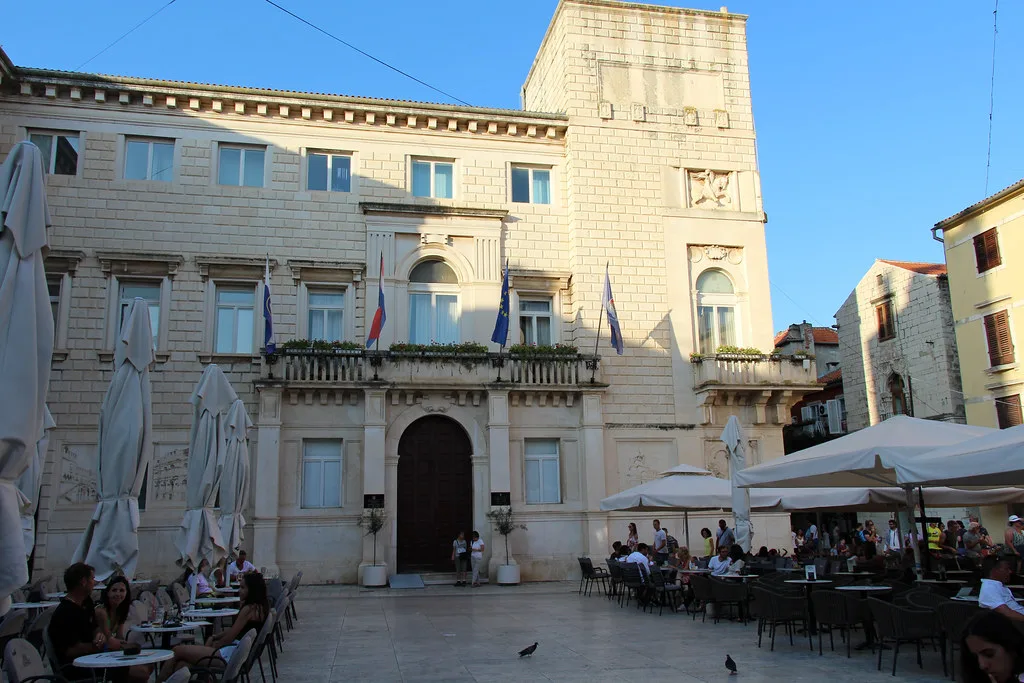
The Church of St Donatus: ninth-century and the largest of its kind
What to look at outside is the circular drum, the ring of openings and the way the mass sits beside the Forum columns. The building's importance is architectural rather than decorative: it is the largest pre-Romanesque building in Croatia, which is the reason to give it more than a photograph.
Zadar's churches are a mix of periods, and St Donatus is the anchor for the earliest layer before you move on to the Romanesque and Venetian work elsewhere on the peninsula. The old town layout around Narodni Trg and the Forum is worth understanding before you set off.
The Cathedral of St Anastasia and its Romanesque detail
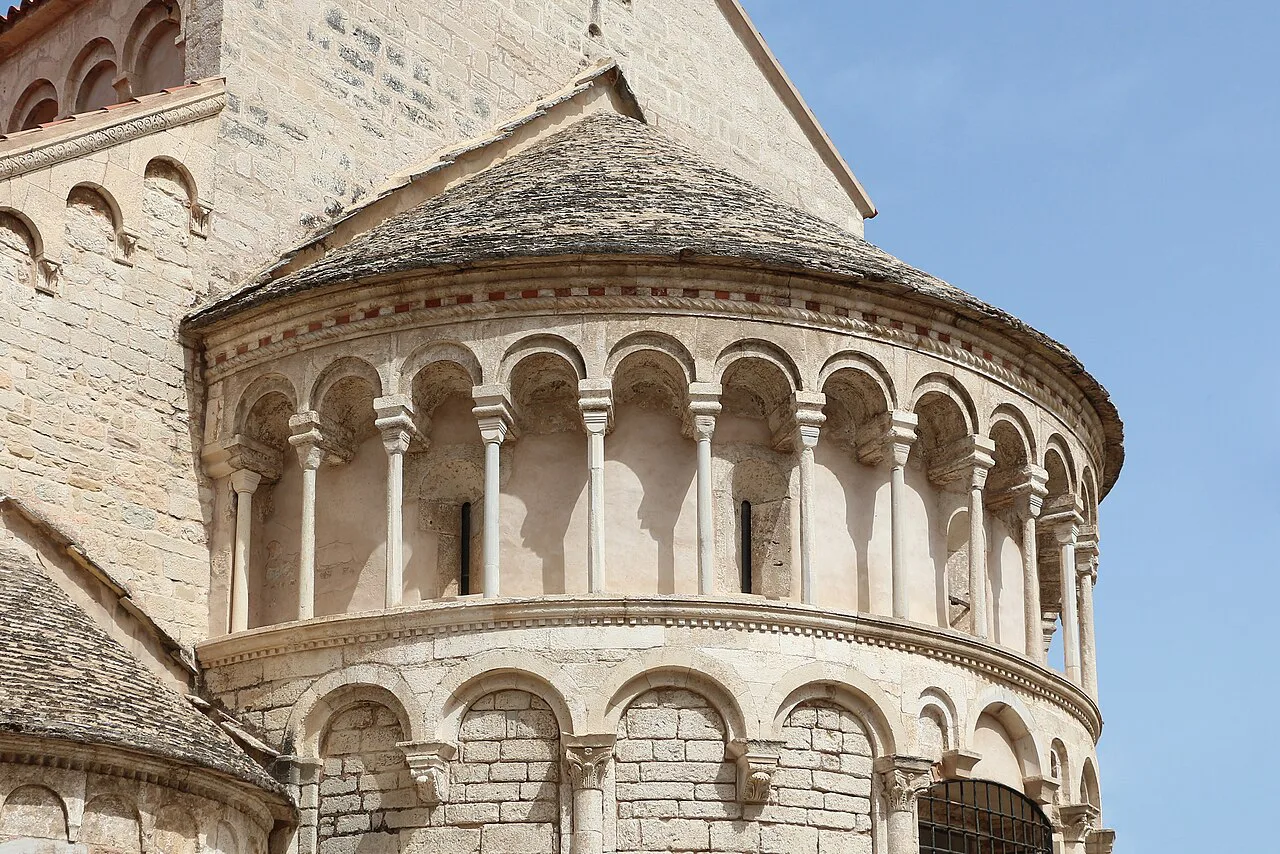
The cathedral's facade is where most of the looking happens: subtly coloured marble columns, rose windows, and carved arches around the Romanesque doors. Look closely at the door frames, where statues of the apostles and angels still line the embrasures in good condition for buildings of the twelfth and thirteenth centuries.
The frieze running around the cathedral is the detail people walk past: a twisting band of acanthus foliage with animals worked into it, including a scene of a dog and a bird fighting over grapes. Stand back to see the band as a whole, then move close for the creatures. Opening times vary by season, so confirm at the door.
For the building's history, setting and access in more depth, the cathedral has its own guide in the Zadar Attractions collection, so this page keeps to what you should look at.
Climbing the cathedral bell tower: the effort and the view
The bell tower behind the cathedral stands 56 m high and gives commanding views across Zadar and the sea. It is a tough climb, and the reward is the one view that takes in the Church of St Donatus below and the water beyond. Treat it as its own decision rather than an automatic add-on to the cathedral visit.
The climb is not for everyone: if stairs in confined spaces bother you, skip it and spend the time on the Forum instead. If you do go up, the St Donatus view is the reason. Wear shoes you can climb in and keep your bag close on the narrow sections.
St Chrysogonus and the churches you can't count on entering
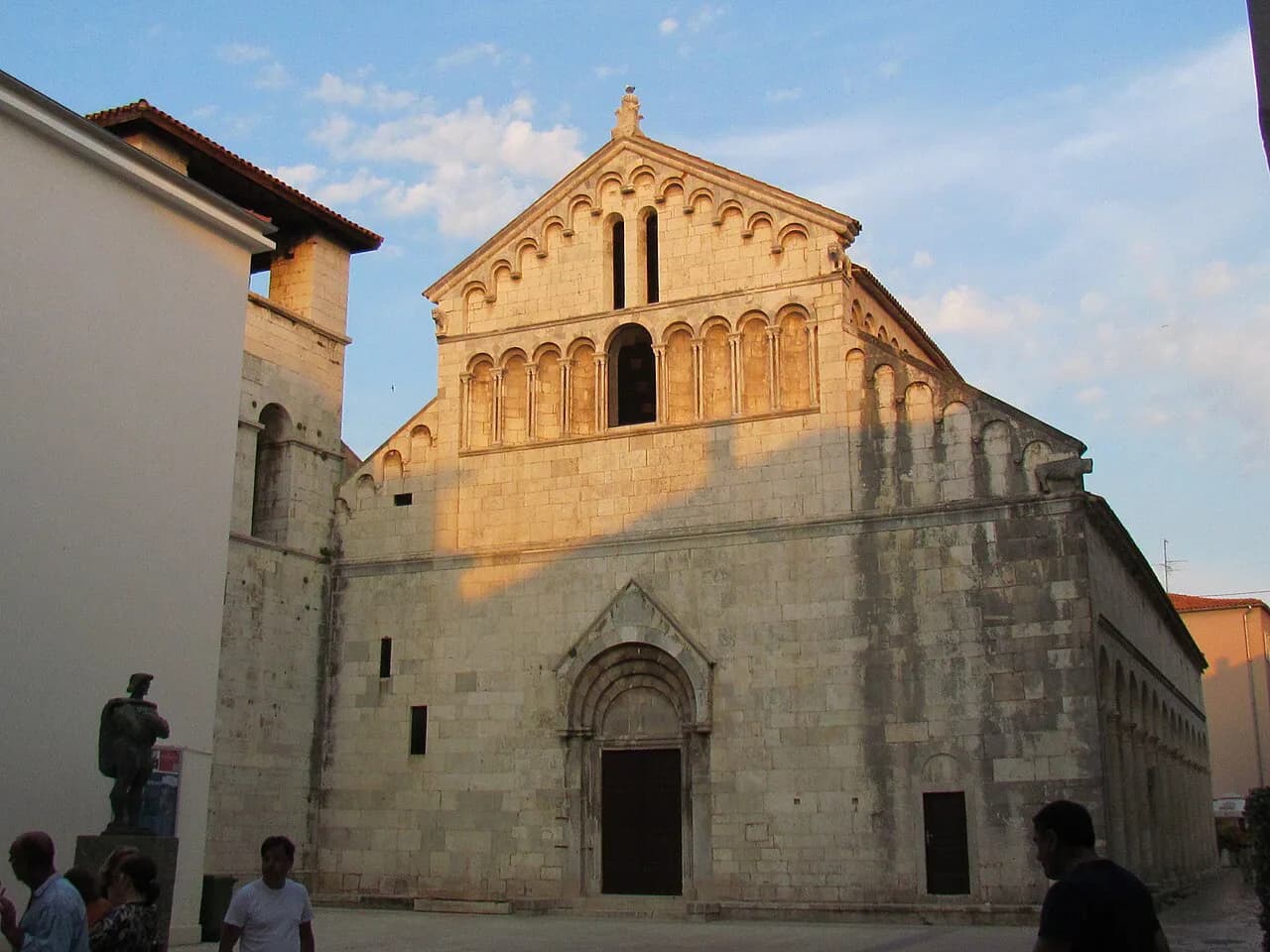
St Chrysogonus, named after the city's patron saint, is the surviving part of a large medieval Benedictine abbey and dates to the twelfth century. It is rarely open for viewing, so plan your day assuming you will see the exterior rather than the interior. Build the rest of your loop around buildings you can actually enter.
A short walk from the Forum will show you several more churches; some are open only for services, some are in use as galleries. A self-guided walking tour through the old town keeps you from backtracking between doors.
St Andrew and St Peter the Elder: the plain facade hiding older layers
This church is the surprise of the circuit: parts date from the fifth and sixth centuries, yet the facade is plain, seventeenth-century and easy to walk past. It now functions as an art gallery selling local crafts and paintings, which is what makes it reliably open to the public. Inside, at the rear of the nave, remnants of twelfth-century frescoes survive in the apse.
Because it behaves as a gallery, it fits naturally with the city's museum circuit if you want a day of interiors rather than only facades.
Where the churches sit within a walking loop of the peninsula
The peninsula is the key to the day: the very centre sits on a spit of land jutting into the sea, and the Forum, St Donatus, the cathedral and St Chrysogonus are all within a short walk of each other. Add the sixteenth-century Land Gate and Five Wells Square, built in 1574 and set beside a shaded park, to round out the loop.
Venetian traces are part of the walk: look for Venetian-style windows down the alleyways, left from rule between the sixteenth and eighteenth centuries. A printed Zadar map helps you thread the lanes without retracing steps.
If you want the Roman layer to make sense before you reach the churches, start at the Forum ruins and then walk the loop anticlockwise.
What to look for inside: marble, door carvings, the frieze and apse frescoes
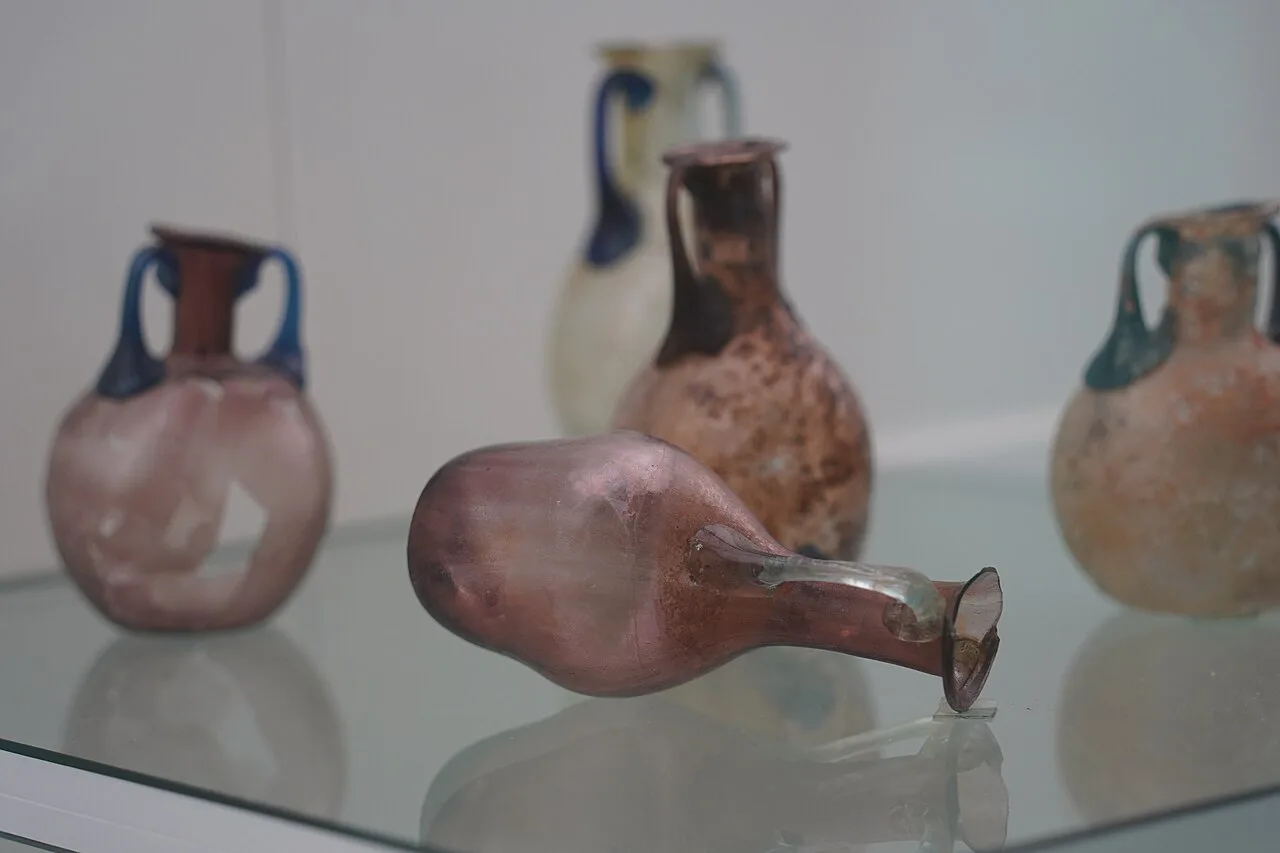
Take the details in order rather than rushing between buildings: the cathedral's marble columns and carved door frames, then the acanthus frieze with its animals, then the apse frescoes at St Andrew and St Peter the Elder. Each rewards standing still for a minute rather than a quick glance. The Museum of Ancient Glass near the Port Gate is a natural companion stop, with Roman glass found locally and occasional glass-blowing demonstrations; an hour is enough for the collection.
Then step outside the churches entirely: the Sea Organ and Sun Salutation sit together on the waterfront, with uninhibited views of the sun dipping behind the sea, and the light display is worth returning for after dark. Finish the evening there and the church loop ends on a different note.
Which churches charge or have limited access, and what to check
Entry conditions vary by building, and no single rule covers them: the cathedral bell tower has been a paid climb, while St Andrew and St Peter the Elder is enterable because it operates as a gallery. For current tickets and opening hours, check at each door or with the parish before you build a day around a particular church.
If your interest is the buildings themselves, allow a half day for the peninsula loop, though it stretches comfortably over a full day once you add the museum and the waterfront. The Church of St Donatus entry on the wider site is worth checking alongside the cathedral, and the Zadar Attractions hub lists the related sights in one place.
Which church do you see first?
Lead with St Donatus for its ninth-century form, cross to the cathedral for the doors and frieze, and decide on the bell tower once you have seen the stairs. Add St Andrew and St Peter the Elder for the apse frescoes, and accept that St Chrysogonus may only show you its outside. That order gives you the peninsula's churches in a single unhurried loop.
Explore more Zadar guides
Frequently Asked Questions
Is the Church of St Donatus free to enter?
Access arrangements change; check at the entrance on the day rather than assuming. The ninth-century round form and the largest pre-Romanesque building in Croatia are the reason to visit, and the exterior beside the Roman Forum can be seen regardless.
Do I need to book the cathedral bell tower in advance?
The bell tower has been a paid climb in the past, but tickets and any booking system are managed locally and change by season. Check at the cathedral or with the parish before you go up.
How much time should I give Zadar's churches?
Half a day covers St Donatus, the cathedral and St Andrew and St Peter the Elder at a reasonable pace. A full day lets you add the Museum of Ancient Glass and the waterfront.
Are Zadar's churches open in the evening?
Evening openings vary by building and season. Confirm at the door or with the parish, and leave the Sea Organ and Sun Salutation for after dark instead.
Sources
Notes from the Croatian coast
Optional updates when our guides change.
You might also like
Continue reading
More guides you'll find useful