Islands Near Zadar: Ugljan, Pašman, Dugi Otok & Silba Guide
Ugljan is a 20-minute ferry hop from Zadar, while Dugi Otok takes longer and brings Telašćica. Compare each island's crossing, character and time needed.
On this page
Ugljan is the island to pick if you want the shortest crossing from Zadar: the ferry reaches Preko on Ugljan in about 20 minutes, and Pašman continues from there over a bridge. Dugi Otok needs a much longer day and brings Telašćica Nature Park with it, while Silba, Olib, Molat and Iž sit further out on the ferry and catamaran network. This guide sets out what each island offers, which boats serve it and how much time to give it.
The practical split is between Jadrolinija's car ferries, which sail from Zadar Gazenica ferry port, and the faster foot-passenger catamarans, whose crossings take between 30 minutes and 1 hour 40 minutes depending on the island. Kornati has no regular ferry service, so it is planned and paid for as a booked boat trip rather than a scheduled crossing. Croatia uses the euro, and operators publish current fares and seasonal timetables on their own sites.
Which islands you can reach from Zadar, and how the crossings differ
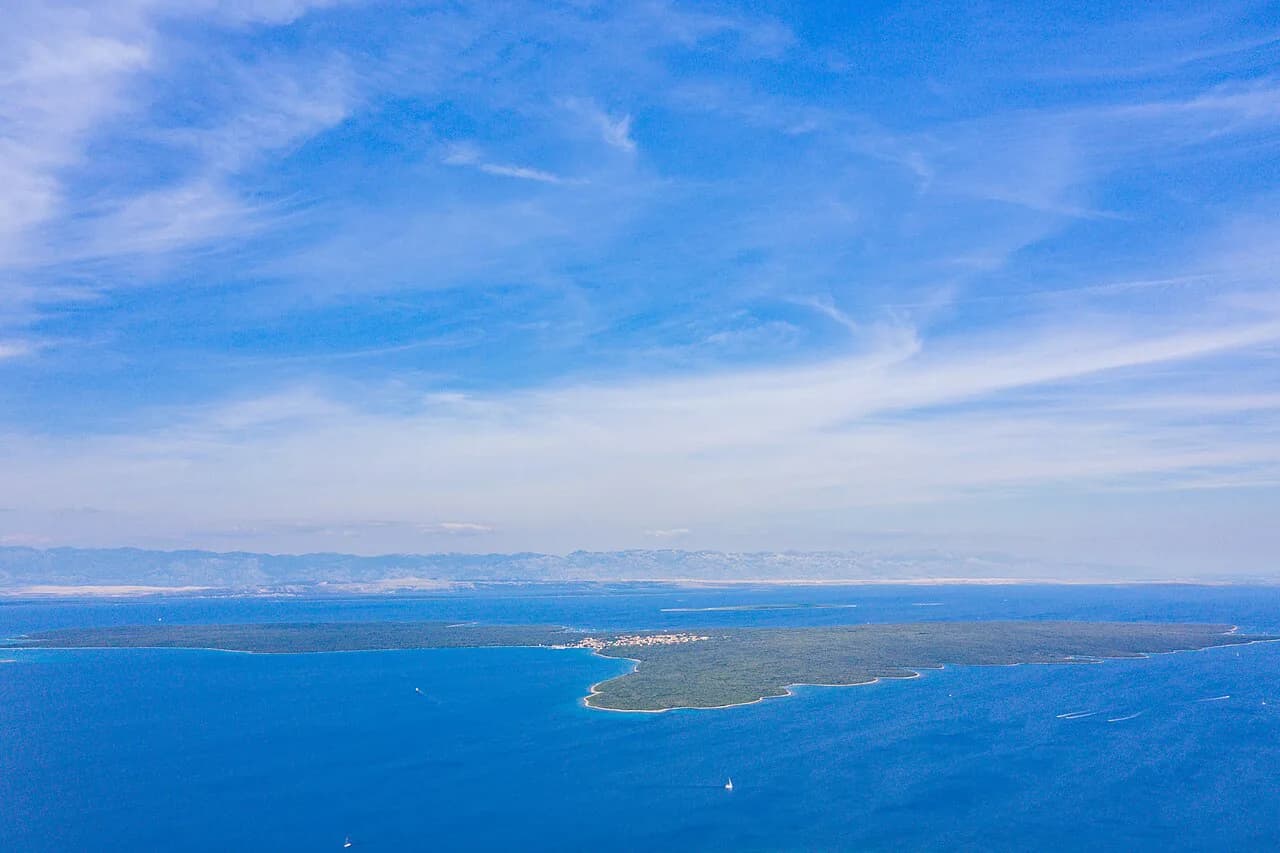
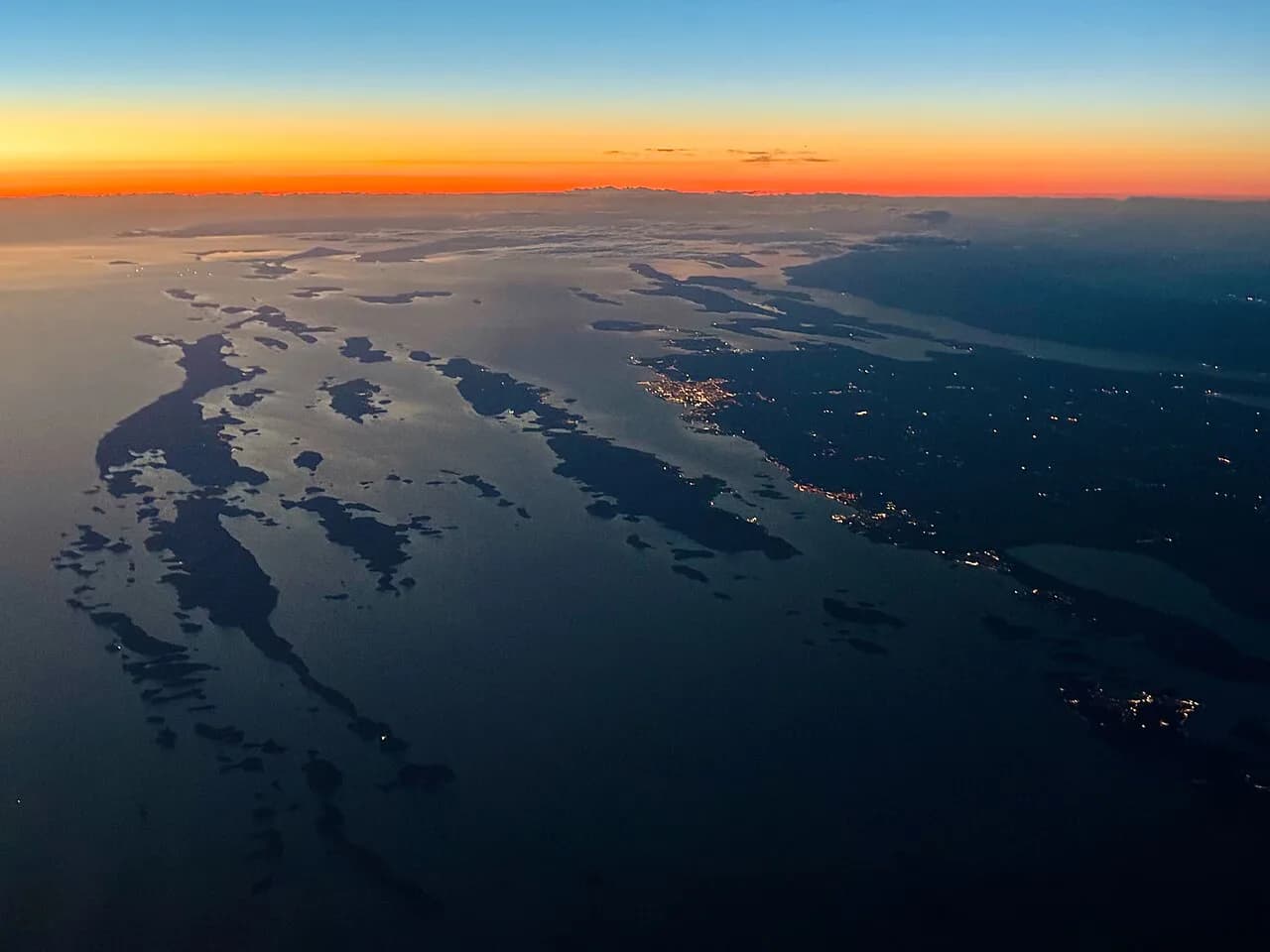
The archipelago fanning out from Zadar stretches across roughly 250 square kilometres, and its inhabited islands are linked to the mainland by local ferries. Five Jadrolinija car-ferry routes serve the group, running several times a day in high season and as little as once a day out of season. That seasonal rhythm matters more than raw distance when you are planning a day out.
Foot passengers have the wider choice: fast catamarans run daily between Zadar and the islands, so a day trip or a one- or two-night stay works without a car. Route numbers are worth noting when planning, because the catamaran network and the car-ferry network do not always serve the same harbours. This is a good place to compare islands near Sibenik if you are continuing south afterwards.
Ugljan: the closest island, the Preko ferry and Fort St Mihovil
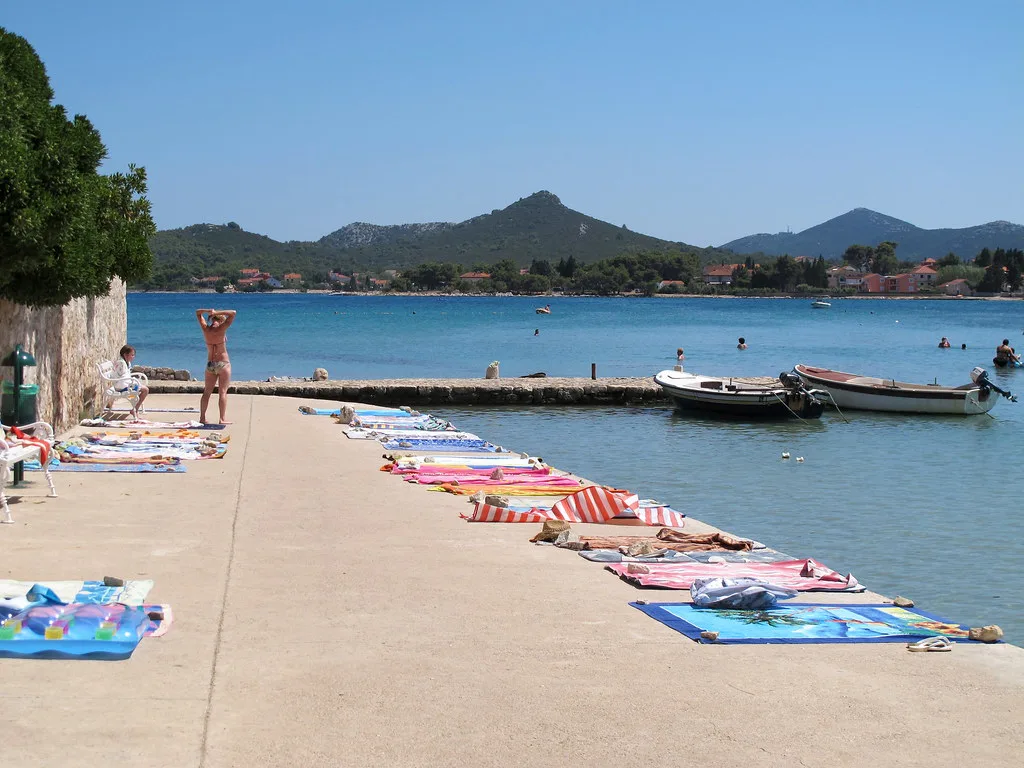
Ugljan is the easy first island, reached by the Zadar to Preko car ferry in around 20 minutes and often described as the green garden of the Zadar archipelago for its olive groves and quiet coves. Fort St Mihovil on the island gives panoramic views over the Zadar archipelago. It suits a half-day or a gentle full day rather than an overnight.
Because the ferry lands at Preko, you can walk off the boat and be on the island's own waterfront within minutes, which makes Ugljan the best option if you have only a few hours. The trade-off is that it is the most suburban of the islands, closer to a Zadar Channel suburb than a remote escape. Families and couples who want a swim and a view without logistics tend to be happiest here.
Pašman: linked to Ugljan by bridge, so it pairs with the same day
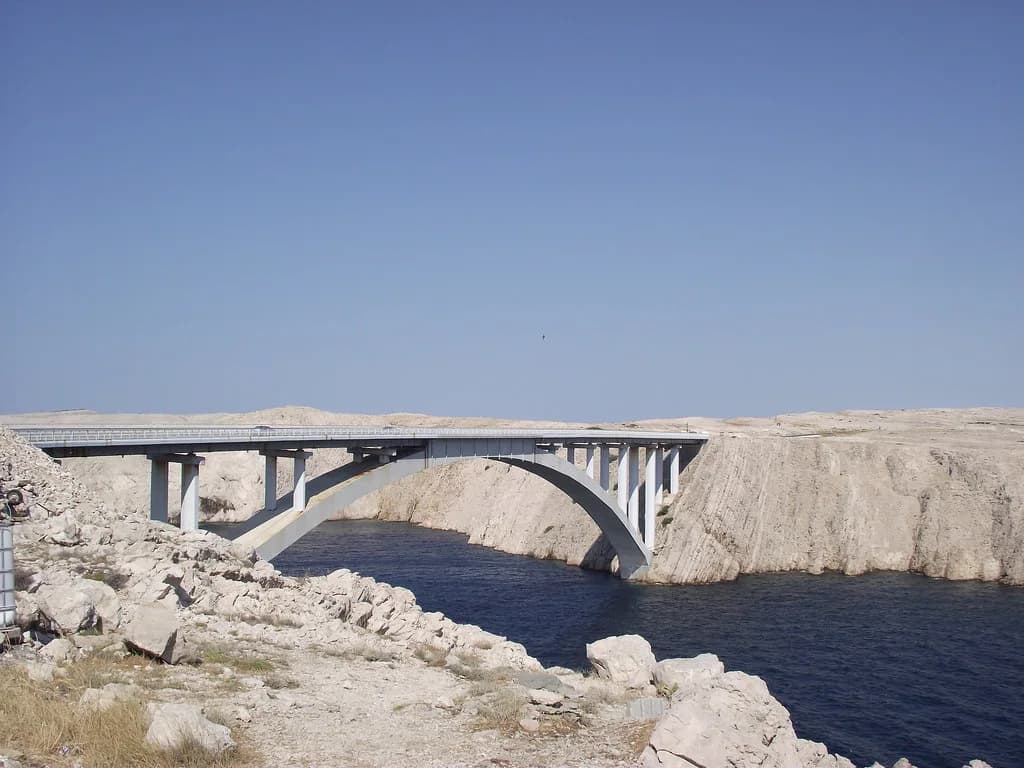
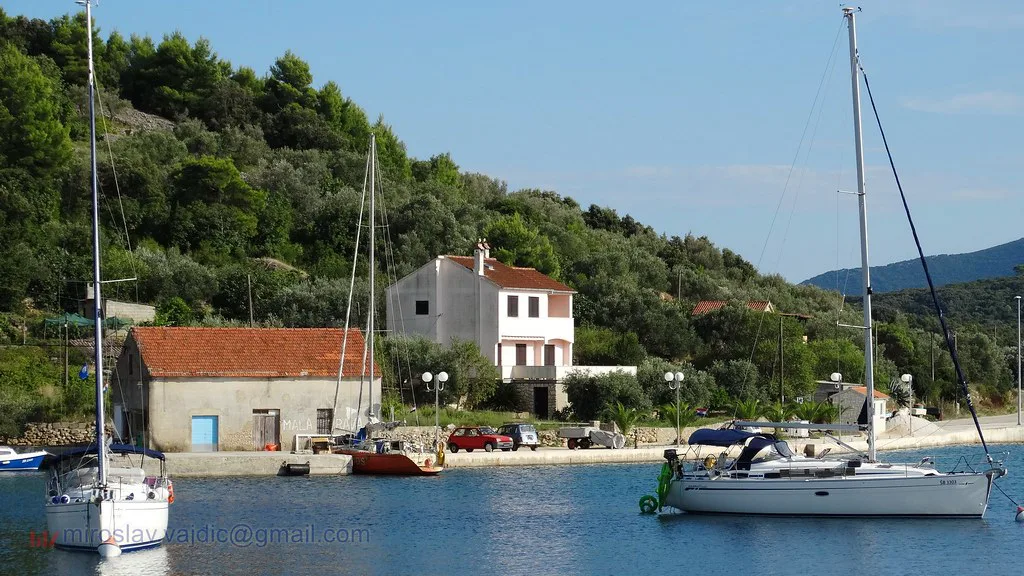
Pašman sits directly south of Ugljan, and a bridge joins the two, so a single ferry crossing can cover both islands by bike or car. Crossings to Pašman are commonly given as 30 to 40 minutes, and the flat, quiet roads make it a natural pairing with Ugljan for cyclists. Treat the two as one outing and you get a full day without a second booking.
For foot passengers the combination is looser, since you are reliant on the bridge and local transport rather than a second ferry. If you are without a vehicle, Ugljan alone gives you the easier day. If you have a car or a hired bike, continuing over the bridge is the better use of the crossing.
Dugi Otok: the long island, Brbinj car ferry and Telašćica Nature Park
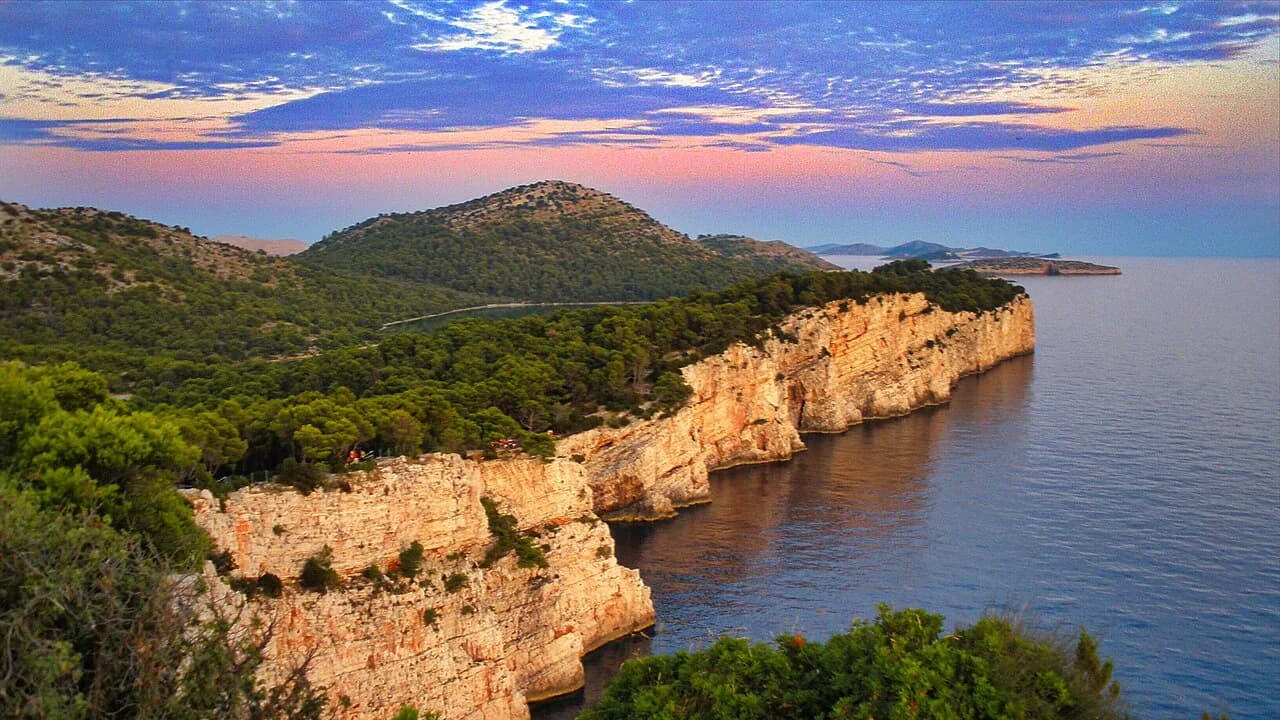
Dugi Otok is the island for a proper full day, and the Jadrolinija car ferry from Zadar to Brbinj is the route to use, especially if you want to reach Telašćica Nature Park under your own steam. The park's salt lake, Mir, and its cliffs sit at the southern end of the island, while the Veli Rat lighthouse marks the northern tip. Read more in the Dugi Otok guide before you commit to a route.
Crossings to Dugi Otok are commonly given as 1 to 1.5 hours, and the island's length means you should not expect to see Sakarun in the north and Telašćica in the south comfortably in a few hours. If you want the lighthouse as well as the park, an overnight or a very early start is the honest answer. The Veli Rat Lighthouse on Dugi Otok is worth planning around rather than squeezing in.
Sali, on the island's eastern shore, is a working fishing village and a sensible base if you are staying over, roughly halfway along the coast. The visitor centre at Grpašćak serves the Nature Park, and the island's island-by-bike and walking routes are well established. Overnighting here also puts you ahead of the day-trip boats in the morning.
Kornati: no regular ferry, so it is a booked boat trip rather than a crossing
Kornati National Park is an archipelago of around 89 islands and islets, and it is the one destination here that does not work as a ferry crossing: there is no regular ferry service to the park, so most visitors arrive on an organised boat trip. That changes the planning entirely, because you are choosing an operator and a departure time rather than a timetable. Independent arrivals are possible in principle but impractical for most travellers without their own boat.
Telašćica Nature Park lies on Dugi Otok, and a boat trip that combines the park with the Kornati archipelago can cover both in one day. Sailors and photographers get the most from Kornati, whose appeal is the bare, carved coastline and the clear water. Book through a Zadar operator and confirm the meeting point and duration directly, since these vary by trip.
Silba: the car-free island reached by catamaran
Silba is the quiet pedestrian island of the group, reached by the foot-passenger catamaran route 9401 from Zadar, which also serves Premuda and Olib, in roughly 1.5 hours. Cars are not permitted on the island, so you travel on foot and leave the vehicle in Zadar. Peace seekers and walkers are the natural audience, and the narrow stone streets are the point rather than a drawback.
The catamaran makes Silba viable as a day trip, but the crossing time means you should treat the schedule as the frame of your day rather than an afterthought. Off-season services thin out considerably, and some longer Zadar routes run just once a week in winter. If your dates are fixed and outside summer, confirm the sailing before booking anything on the island.
Molat, Olib and Iž: quiet islands on the same ferry network
Molat, Olib and Iž form the quieter northern chain, served by the car ferry to Molat that also calls at Rivanj, Sestrunj and Zverinac, and by catamaran routes 9403 for Molat and Ist and 9401 for Olib. Crossings to Molat and Olib are commonly given as 1.5 to 2 hours by ferry, with Iž around 50 minutes. These are islands for people who want stillness rather than a checklist of sights.
Olib and Silba both appear on the Zadar to Mali Lošinj car ferry route 401, which also calls at Ist, Silba and Premuda, so a car-based island hopper can string several together. Iž is known for its pottery tradition and the sheltered bay at Vodenjak, which is protected from northern and western winds. A week gives you time to link two or three of these without rushing.
Pag: reached by road or ferry, and why it is a different kind of day
Pag is reached by road or by ferry, and it belongs to a different mental category from the small Zadar islands: a large, bare, distinctive island with its own towns and a reputation for cheese, lamb and lace. It is a different kind of day rather than a variation on Ugljan. Treat it as a road trip with a ferry option, not a quick crossing.
Foot passenger catamarans versus Jadrolinija car ferries from Zadar
The choice between catamaran and car ferry shapes the whole trip. Catamarans are for foot passengers only, they are faster, and in high season they run daily between Zadar and the islands, which is why they suit day trips and short stays; off-season sailings thin out, with some longer routes down to once a week. Car ferries carry vehicles and bicycles, run on five routes from Gazenica, and slow to once a day outside the season.
If you drive to Zadar, an alternative is to park in the city and cross as a foot passenger, which avoids paying to carry a car on the ferry and removes the timetable constraint of the car deck. That trade-off makes sense for Ugljan, Silba or Olib, but not for Dugi Otok if you want to reach Telašćica and Sakarun on your own schedule. Decide on the vehicle question before you choose the island, not after.
How much time each island needs: a few hours, a full day or an overnight
A workable rule: Ugljan in a few hours, Dugi Otok and Molat across two or three days if you have them, and a week for Dugi Otok, Molat, Olib and Silba together. For 10 days to two weeks, the chain extends towards Lošinj, Pag and Rab and on to Pula or Rijeka. The ferry schedules support a round trip, so you are not obliged to return the way you came.
One day on Dugi Otok covers Sakarun, Telašćica and a few coves if you press on, but the beaches and the park deserve a full day or more. Silba and Olib reward an overnight, when the day boats have gone and the harbours are quiet again. Photographers should choose between Kornati's carved cliffs and Dugi Otok's northern lighthouse rather than trying to do both in a single day.
When to go: June and September against the high-season crowd
June and September are the sweet spot: ferries still run the high-season schedule, but the crowds are smaller and the islands are noticeably quieter. July and August bring the fullest boats and the busiest harbours, which matters most on Dugi Otok and around the Kornati trips. If you must travel in peak season, book the boat trip and the crossing first and build the rest around them.
Where the boats leave from in Zadar and why Gazenica matters for cars
All the car ferries leave and arrive at Zadar Gazenica ferry port, not at the old town waterfront, so a taxi or bus ride from the centre is part of the journey when you have a vehicle. The catamarans are a separate consideration, so check the departure point of your own sailing with Jadrolinija before you book. Getting this wrong is the most common way to miss a sailing.
Matching the island to the traveller: families, walkers, sailors and photographers
Families usually do best on Ugljan for the short crossing or Pašman for the gentle coast and easy cycle rides, with Molat and Olib as the quieter sandy alternative. Walkers and peace seekers should look at Silba, where the car-free streets set the pace, and at the long trails and bike routes on Dugi Otok. Sailors and photographers head for Kornati, while anyone wanting a genuinely different day takes the road to Pag.
Which island should you book first?
Book Ugljan first if your time in Zadar is short, since the Preko ferry is the quickest way onto an island and Pašman comes free over the bridge. Give Dugi Otok a full day with a car, or an overnight if you want Telašćica and the Veli Rat lighthouse without rushing. Choose Silba or Olib for a car-free night away, and treat Kornati as a boat trip you reserve in advance rather than a ferry you catch.
Check the Jadrolinija and catamaran timetables for your own dates before fixing accommodation, because off-season sailings drop to as little as once a day on car ferries and once a week on the longer catamaran routes. If you are heading south afterwards, the islands near Hvar make the natural next chapter.
Explore more Zadar guides
Frequently Asked Questions
Can you visit the Kornati islands from Zadar without a tour?
There is no regular ferry service to Kornati National Park, so in practice most visitors arrive on an organised boat trip booked through a Zadar operator. Arriving independently is possible in principle but impractical without your own boat. Check the departure point, duration and inclusions when you book.
Do you need a car to island-hop from Zadar?
No. Fast catamarans run daily for foot passengers between Zadar and the islands, and Ugljan, Silba and Olib all work well on foot. A car helps on Dugi Otok, where reaching Telašćica Nature Park and the northern lighthouse is much easier with your own vehicle.
How long is the ferry from Zadar to Ugljan?
The Jadrolinija car ferry from Zadar to Preko on Ugljan takes about 20 minutes, making it the shortest crossing from the city. Pašman is reached over the bridge from Ugljan, so the two islands can be covered in one day.
Sources
Notes from the Croatian coast
Optional updates when our guides change.
You might also like
Continue reading
More guides you'll find useful