Pag Town: Croatia's Island Town of Lace and Salt
Pag town on Croatia's Pag island is known for lace, salt pans and the Benedictine lace tradition. What to see, a short walking plan and how long to allow.
On this page
Pag town is worth a few hours, and a full day if you add the salt landscapes and a slow lunch. It is not a cluster of ruins but a working small town on a bare, wind-scoured island, and its two defining trades, salt and lace, are both still visible. This guide covers the layout, the sights, a short walking route with rough timings, the bura wind and how long to stay.
Pag town sits on the island of Pag in the Zadar region, reached by road from the Zadar coast, which makes it a natural stop on an island circuit. The island is the home of Pag cheese, Pag lamb and Pag lace, all of them celebrated well beyond Croatia. Plan Pag by car or bus and leave the sailing for other islands on your route.
An island town laid out on a plan
Pag town is one of the island's main settlements rather than a scatter of separate hamlets, and it reads as a town with a clear core you can cross on foot. The island's cheese, lamb and lace are its headline products, and according to the Zadar region tourist board the lace craft is tied to Benedictine nuns here.
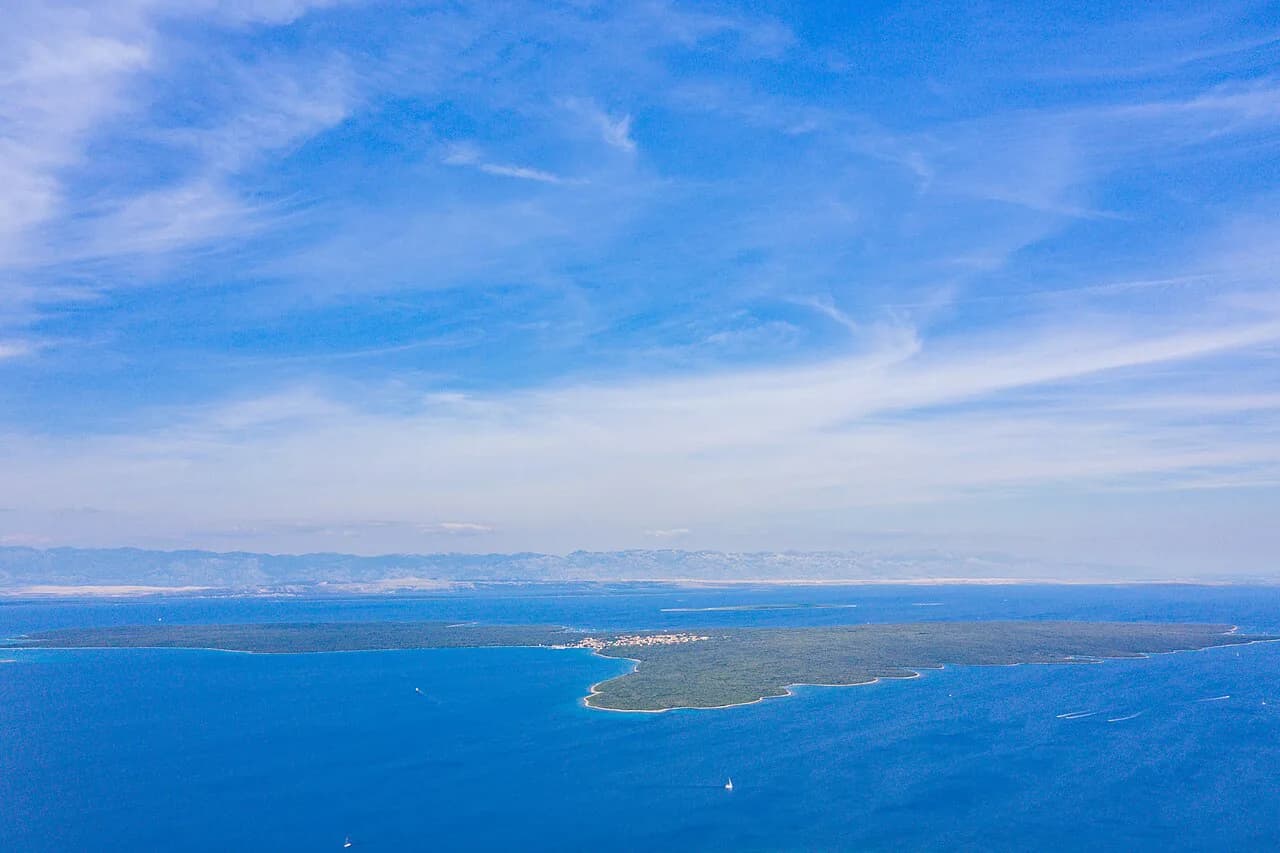
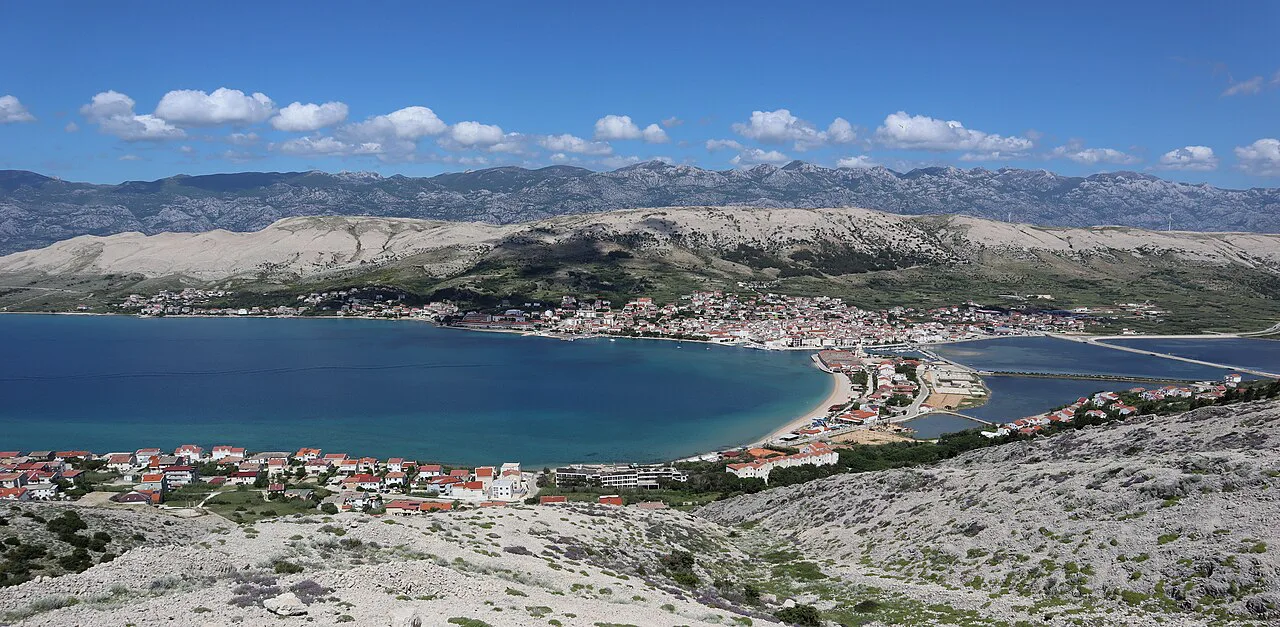
The island is long, narrow and largely stony, with the sea close on both sides. Expect that exposure in town: little shelter, strong light and streets that channel wind rather than block it.
Where Pag town sits on the island
Novalja and Zrće Beach sit at the northern end of the island. The party reputation attached to Zrće describes a different part of Pag and says nothing about the town itself.
The islands near Zadar, including Dugi Otok and Ugljan island, work on separate ferry lines and suit different days; Pag is best treated as a road trip from the mainland.
Getting there over the Pag bridge
The usual approach is by road from the Zadar region over the bridge to the island, then on to the town; the alternative comes down from the north. A car lets you combine the town with the Lun olive groves in one day.
Public transport on the island is thin, so if you arrive by bus, check return times before committing to a late afternoon in town. Come by sea and you are on a different network: the car-free northern islands of Silba and Olib are reached by catamaran, not by bridge.
The compact centre
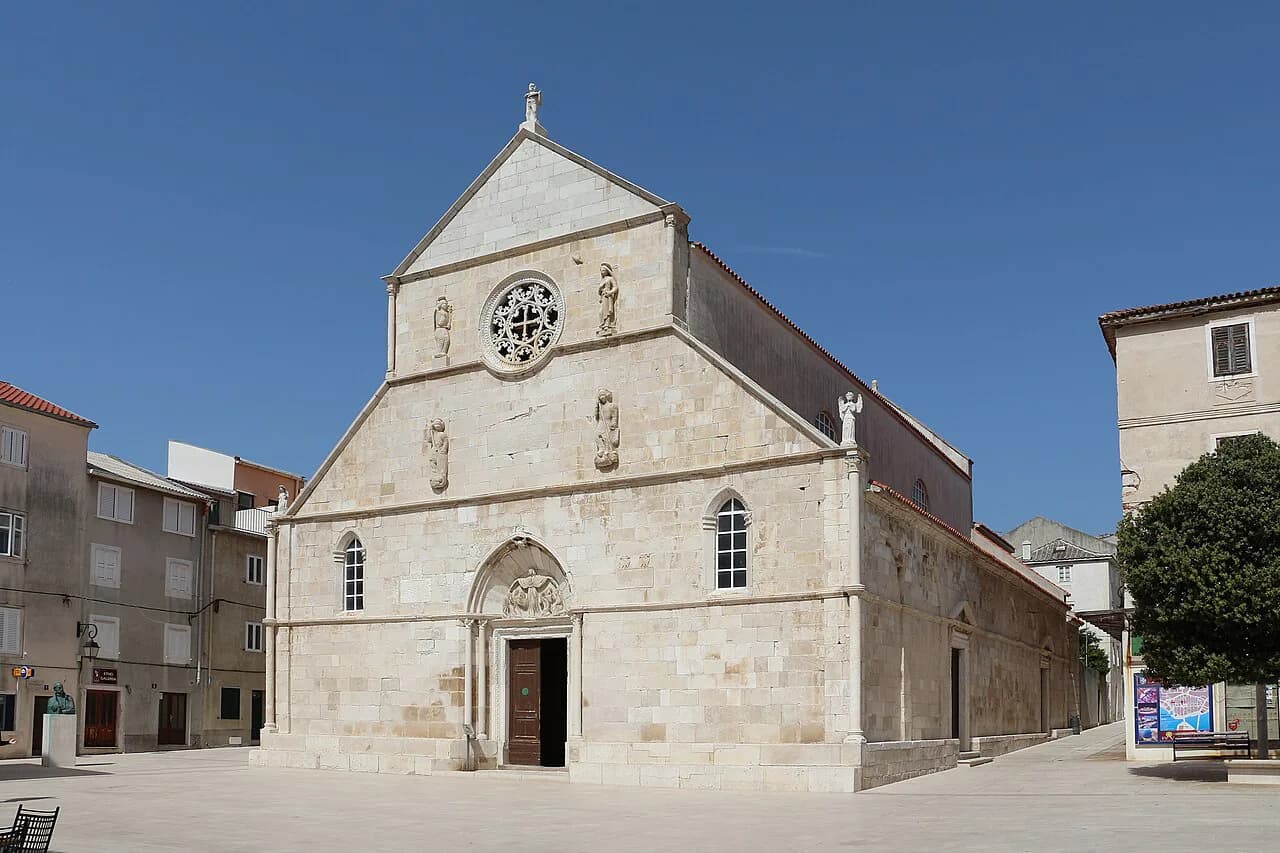
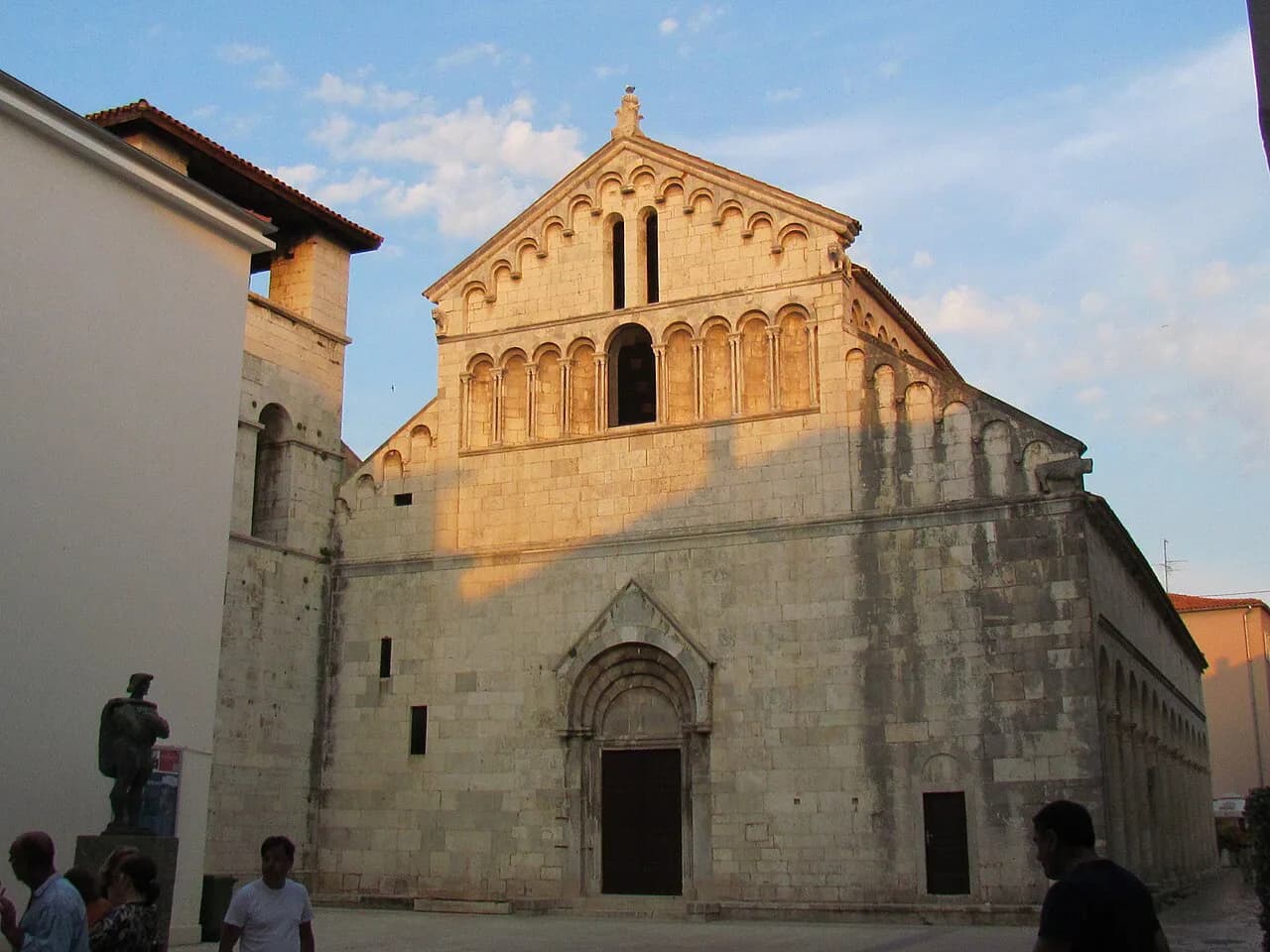
The heart of the town is its compact historic core, laid out as a planned settlement with streets running through it. Walk one length and back along another and you have the essential shape in 20 minutes.
Look for the details that reveal the town's history: stone houses with simple fronts, and a layout that keeps the worst of the wind out of the smaller lanes while the open ground takes the full blast. This is a town to read as architecture as much as to tick off sights.
The lace tradition and the Benedictine nuns
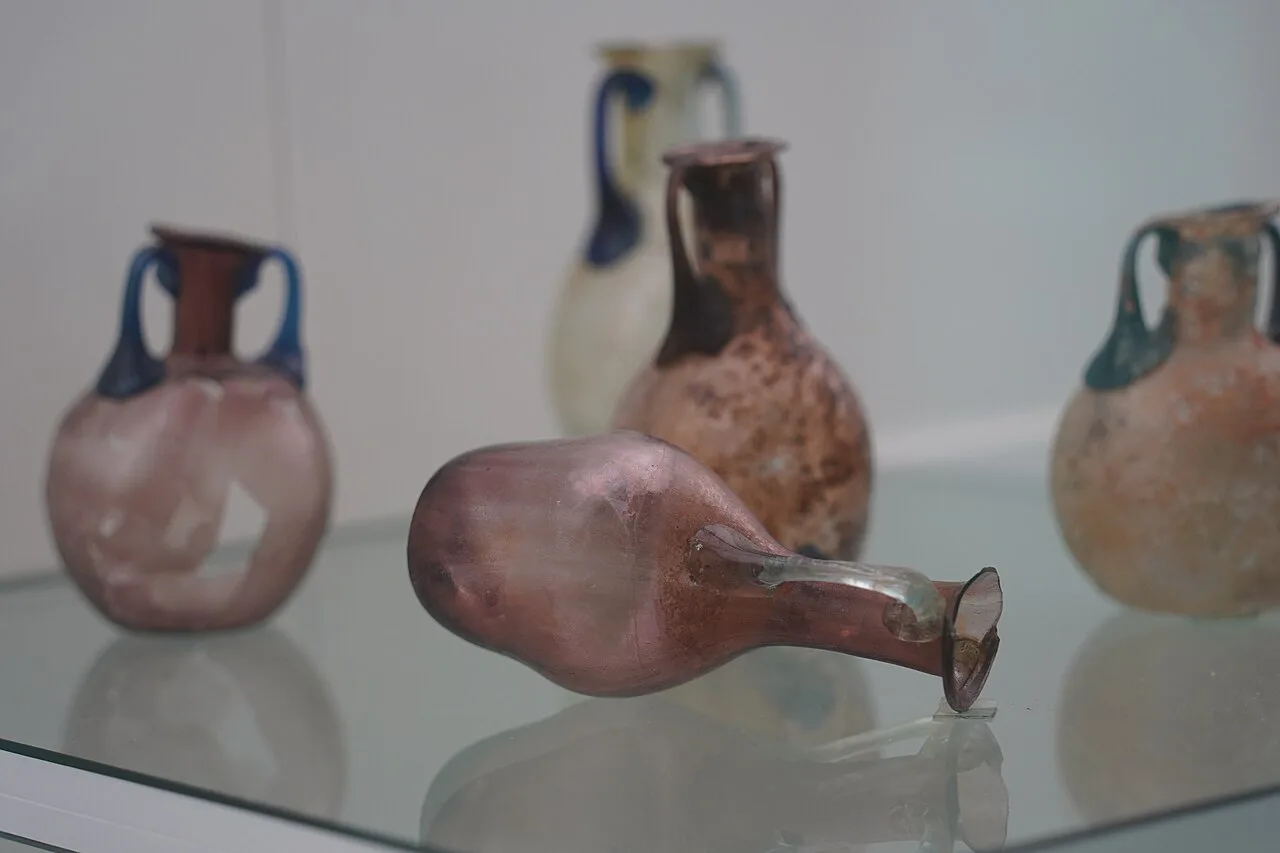
Pag lace is the craft most associated with the town, and the Zadar region tourist board ties its story to Benedictine nuns and the women of Pag. Lace-making is one of the crafts the island is known for, alongside its cheese and lamb.
Lace is a sensible souvenir from Pag town: light, unbreakable and genuinely local to the island. Budget for it as a craft purchase rather than a trinket; prices vary by piece and maker, so compare before buying.
The salt pans and why salt mattered
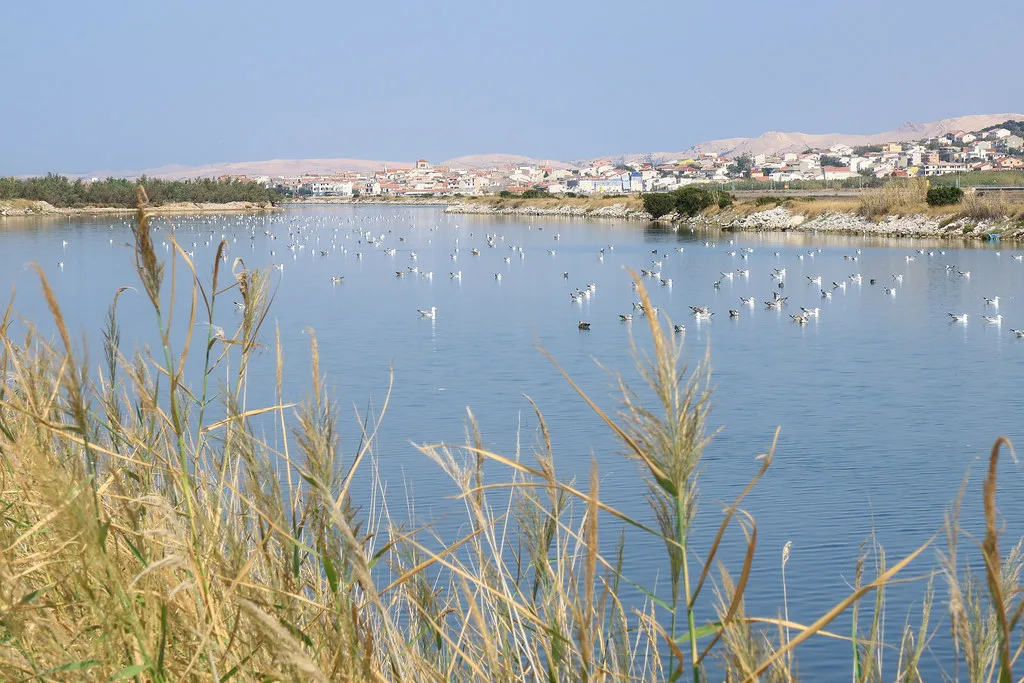
Salt is the older of Pag's two trades and central to the island's identity, its pans worked in shallow, sun-baked ground where seawater is moved through basins and left to evaporate. Salt explains the town's historic wealth better than any single building.
The pans are a working landscape, so seeing them means walking or driving to their edge and looking. Do not wander onto the basins, and confirm locally whether any organised tour or visitor facility is running rather than assuming one.
A short walking route through the centre
Allow 60 to 90 minutes for this loop. Start at the centre of the historic core, walk one straight street through it, return on a parallel street to see ordinary housing, and finish at the edge of the centre facing the open ground towards the pans. Add 20 minutes for coffee and 30 more if you shop for lace.
Wear shoes that cope with polished stone and open ground, and carry water in summer: the centre has little shade and the surrounding landscape offers less. When the bura is blowing, shorten the exposed sections and use the parallel lanes instead.
Open views and the bura wind
Pag town's reward is the flat, open prospect from the edge of the centre across the salt landscapes and the channel towards Velebit. That view is best in clear morning light and turns uncomfortable when the bura runs. The wind is a typical feature of the season rather than a forecast, so keep the exposed walk for a calmer slot.
How long Pag town needs
Half a day covers the square, the core streets and a look at the salt landscapes at an unhurried pace. A full day adds the drive to Lun and its olive groves or a circuit of the island's settlements; staying overnight gives you the town after day visitors leave. Use it as a base only with a car, because the island's sights are spread out.
If you are choosing between island stops, set Pag against a very different day of cliffs, a Nature Park and quiet coves, or against Sali on Dugi Otok for a fishing harbour rather than a planned town.
When to go: summer crowds and shoulder season
July and August bring the most visitors to the island as a whole, concentrated on the beaches and at Zrće, while Pag town itself stays manageable. Late spring and early autumn give comfortable walking temperatures and a quieter square, though some places keep shorter hours outside the main months.
Coach groups can briefly fill the streets, so aim for early morning or late afternoon if you want the core calm. Check the day's wind before committing to the exposed parts of the route.
What things cost in euros
Croatia uses the euro, so there is no currency conversion to worry about in Pag town. The sums that matter are small: lace from a workshop, coffee, a church contribution. Ask at the place of purchase or the church door for current prices rather than relying on a guidebook figure.
Pag town on a wider Croatian coast trip
Pag fits neatly between Zadar and the northern coast: a morning in the town, an afternoon in Lun, and back over the bridge the same evening. If you are building an island itinerary, the Islands Near Zadar guide covers the ferry-served alternatives in one place, from Ugljan and Dugi Otok to the quieter northern islands.
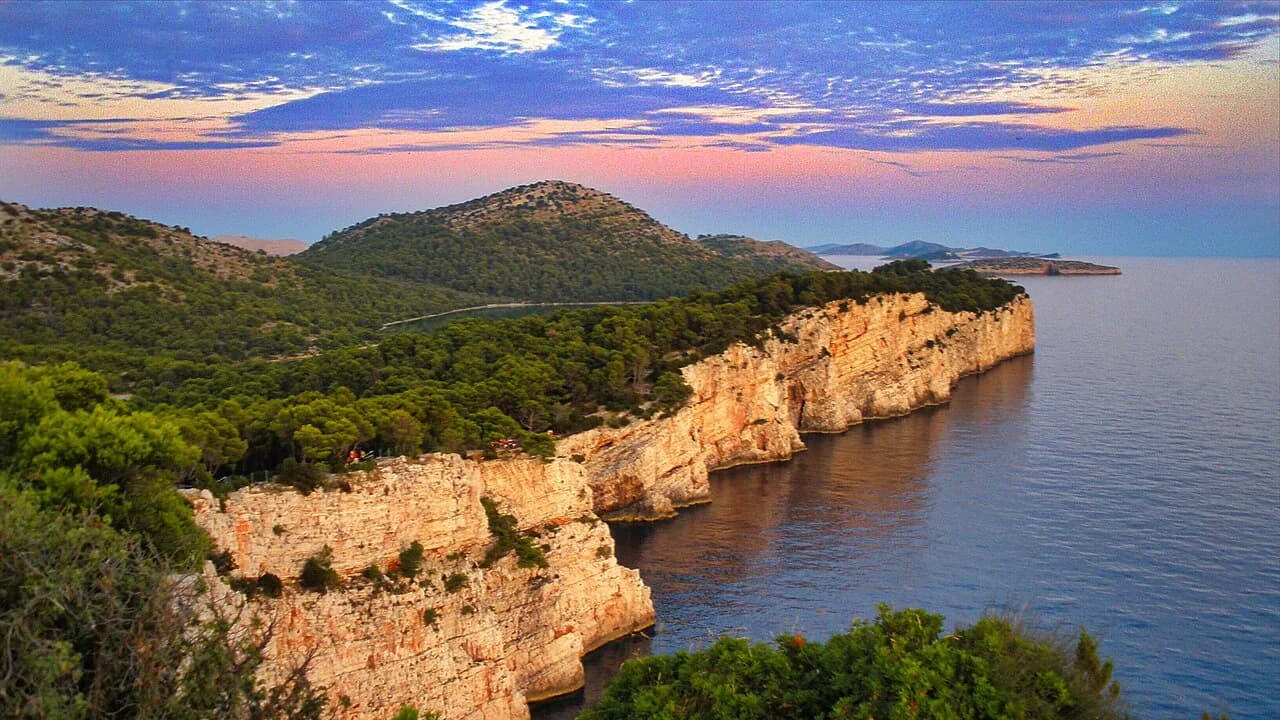
For a contrasting Dugi Otok day, the Veli Rat Lighthouse anchors the island's northern tip, while Telašćica Nature Park gives you cliffs and a salt lake on the same trip; both are reached by road and ferry rather than by bridge.
Honest trade-offs
Pag town is exposed, stony and short on shade, which makes it less comfortable in high summer than a green island town. It is also small: for a full day of museums and galleries, Zadar does it better. The island's party reputation belongs to Zrće and Novalja, so do not dismiss Pag town on that basis or book it expecting nightlife.
Wind can cancel the exposed part of your plan. Build the route around a calm window and keep the church and the core streets as your fallback.
Where to go next on Pag
Novalja, at the northern end, is the island's second town and lies near Zrće Beach. Lun and Tovarnele, at the north-western tip, are known for ancient olive trees and a quieter landscape. Both are drivable from Pag town and work as an afternoon extension.
Is Pag town worth the detour?
Yes, for half a day: the town core, the lace tradition and the salt landscapes make a coherent story you can walk in an hour or two, and pairing it with one other settlement fills a day. It earns the stop because it is a working island town with its own trades rather than a generic island village.
Arrive by road over the Pag bridge, go early or late to dodge coach groups, and keep the walking route flexible around the bura. Treat the town as one stop on a coast trip rather than a destination in itself.
Frequently Asked Questions
What country is Pag in?
Pag is an island in Croatia, in the Zadar region of Dalmatia on the Adriatic coast. Pag town is one of the island's main settlements, reached by road from the mainland. Croatia uses the euro.
Is Pag a party island?
Zrće Beach near Novalja is the island's party destination, and that reputation attaches to the northern end of Pag. Pag town is centred on its lace and salt pans, so the two can be planned as separate visits.
How long should I spend in Pag town?
Half a day covers the main square, the core streets and a look at the salt pans. A full day lets you add Lun or another settlement on the island, and an overnight stay gives you the town in the evening after day visitors have gone.
Sources
Notes from the Croatian coast
Optional updates when our guides change.
You might also like
Continue reading
More guides you'll find useful