Silba Island Guide: Toreta Tower, Villages and Getting There
Plan a visit to Silba, the Dalmatian island north of Zadar, with its Toreta lookout tower, harbour villages, northern coves and ferry links from Zadar.
On this page
Silba rewards travellers who want a small Dalmatian island rather than a resort. It is the most northern Dalmatian island, lying southeast of Lošinj, and its main sights — the Toreta lookout tower, the harbour village and its churches — fit into a single unhurried day on foot. This guide covers how the island is laid out, what to see, why the northern coves are best reached by boat, and how the ferry links from Zadar fit into a wider island itinerary.
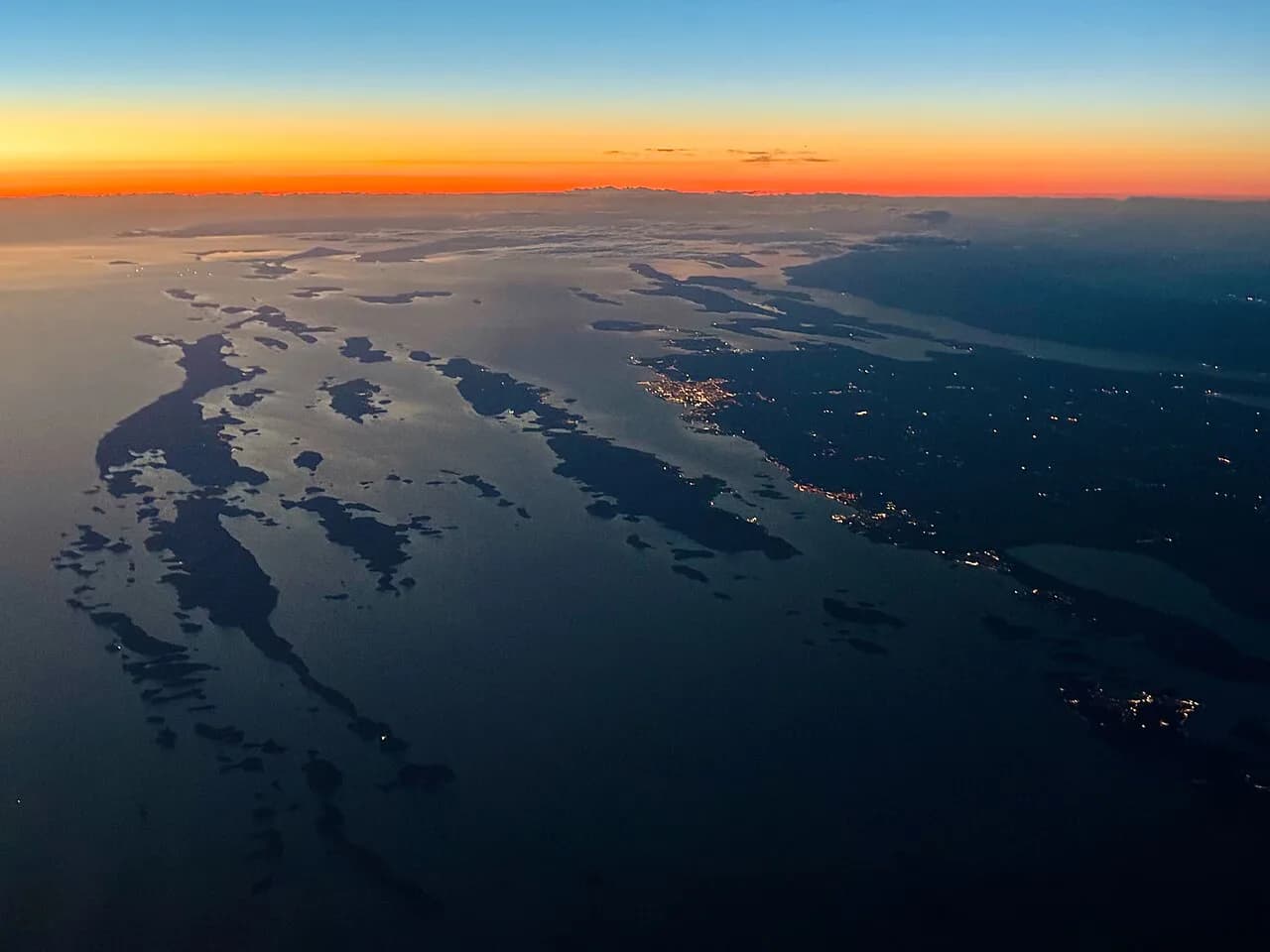
The island sits within the City of Zadar administrative area, which is why Zadar is the practical mainland gateway for most visitors. Silba is also grouped with the north Dalmatian islands, close to Olib, Ist and Molat, so it can be combined with neighbouring islands rather than treated as a single standalone trip.
What Silba is and where it sits
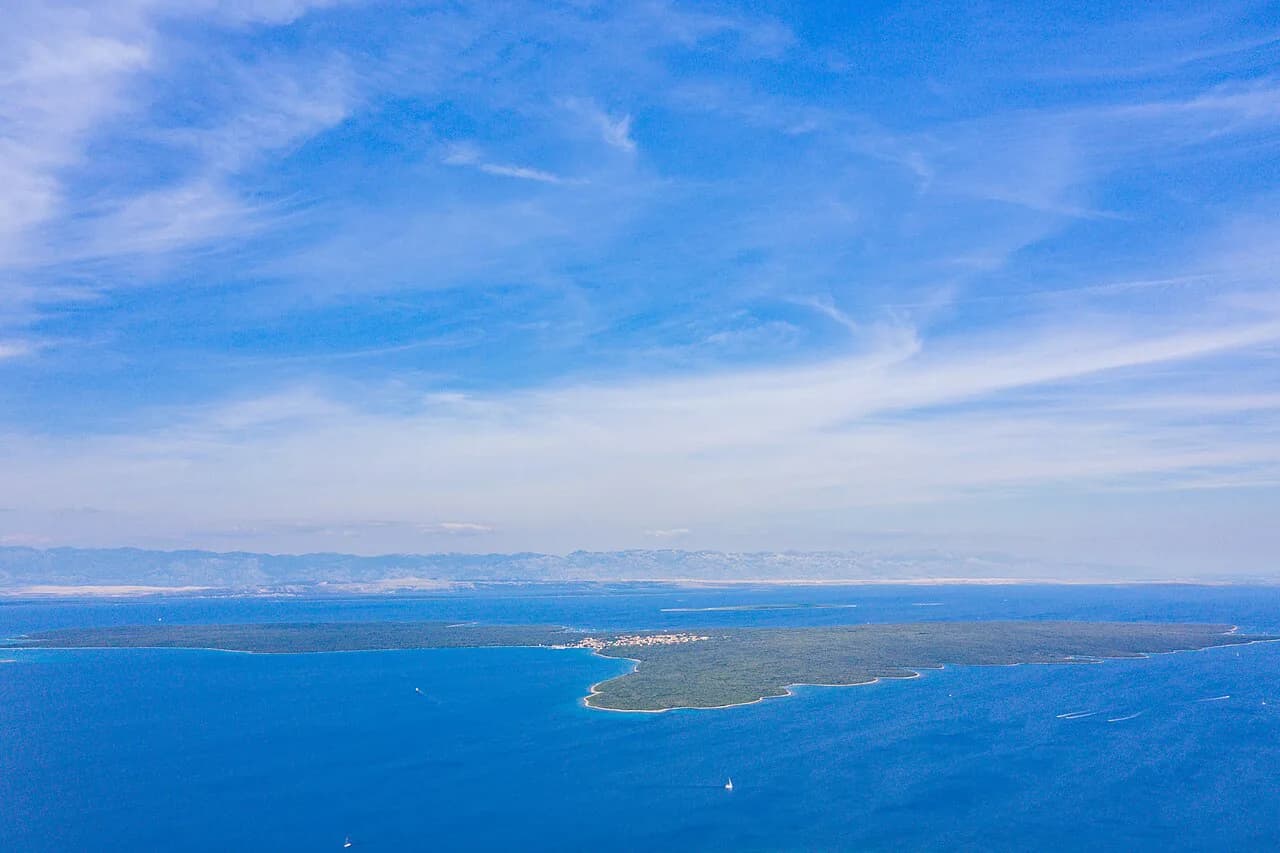
Silba is the most northern of the Dalmatian islands, positioned southeast of Lošinj and administratively part of the City of Zadar. That northern position makes it feel quieter and more exposed than the better-known islands further south.
Treat Silba as part of the north Dalmatian island group alongside Olib, Ist and Molat. Those islands lie close to one another, so an island-hopping route built around Zadar makes more sense than a return trip dedicated to Silba alone.
The comparison most travellers make is with larger, busier islands such as Dugi Otok, which has more road infrastructure and its own signature sights. Silba offers the opposite trade-off: fewer options and a compact centre you can cover on foot.
How Silba is laid out
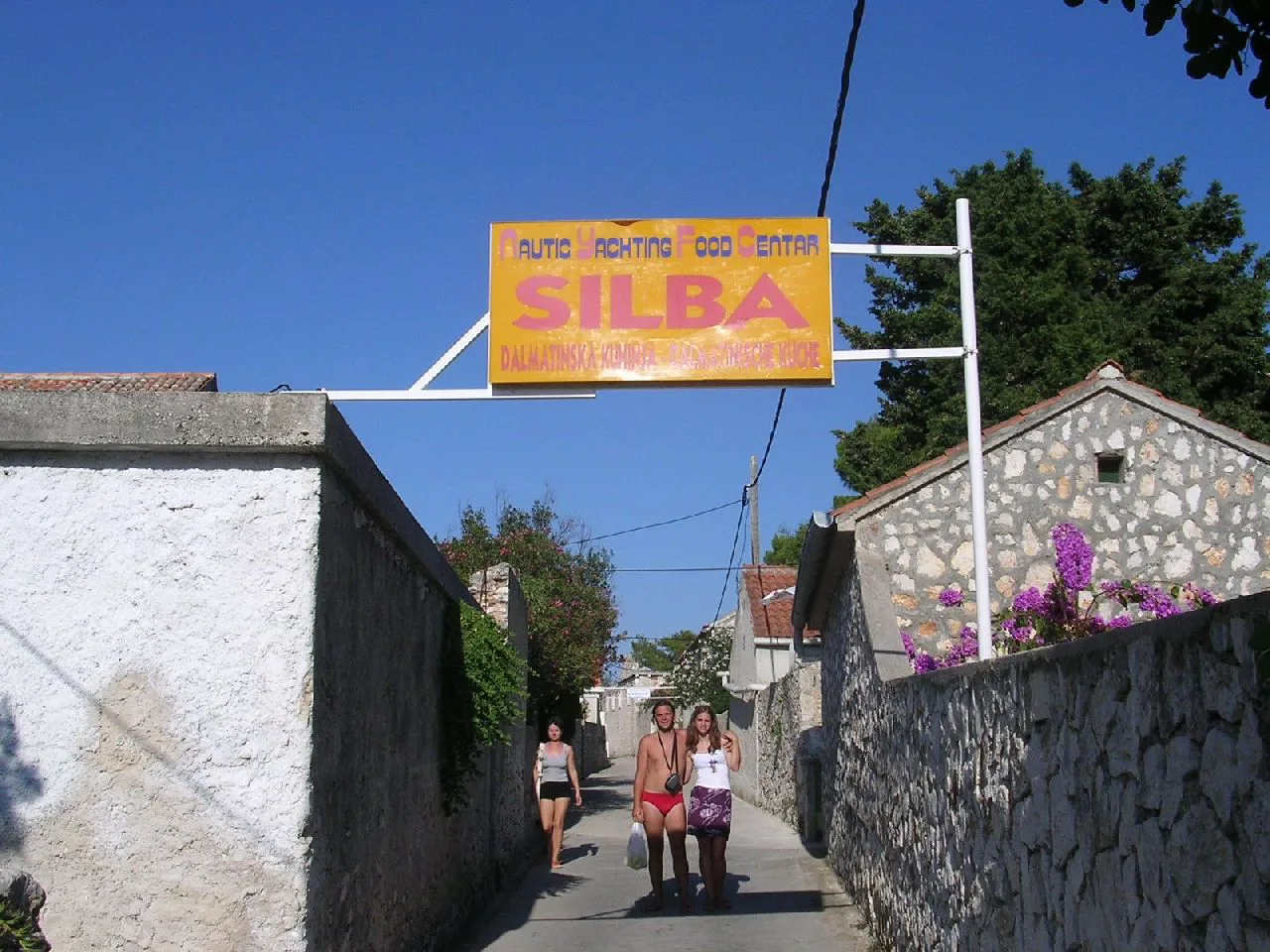
The island is small and centred on its harbour village, where arrivals land and where most of the stone houses, lanes and churches cluster. The harbour, the main square and the Toreta tower sit within an easy walk of each other.
The island has more than one settlement, but the harbour village is the practical base for a short visit and the point where you will arrive and leave. Plan your day around that centre and treat the rest of the island as an extension, rather than trying to tick off every hamlet on a single crossing.
Walking everywhere shapes how you pack. Arrive with luggage you can carry over stone lanes and steps from the landing point, and keep bags light if you are catching a same-day return sailing.
The Toreta tower
The Toreta is the symbol of Silba: a tower with an external spiral stairway that serves as a lookout point over the island and the surrounding sea. It is the one sight to build a short visit around, and the climb is the reason many day-trippers come ashore at all.
Plan the tower for the middle of the day, when the light is best over the island and the water, and leave time to wander the lanes on the way back to the harbour. Confirm access locally on arrival rather than building a tight schedule around the climb.
Villages and harbour on foot
The pleasure of Silba is the walking itself: stone houses, narrow lanes and a harbour that stays calm. Allow for slow going over uneven stone, since you cover less ground than a map suggests.
If you are travelling with heavy bags or arriving on an evening sailing, ask your host in advance how the final stretch from the landing point is managed. That single question avoids the most common arrival frustration on a small island.
Churches and religious sights
Silba has an unusually rich set of religious buildings for its size. The named sights include St. Margarita monastery, the Roman church of St. Mary, the parish church of the Nativity of the Virgin, the church of St. Francis, the Congregational church of the Assumption and the church of the Annunciation of the Blessed Virgin Mary, also called the Annunziata.
Approach these as part of the village walk rather than as a list to complete. Dress respectfully and keep noise down in the lanes around them, particularly in the early morning and evening.
Check at the harbour or with your host about which buildings are open during your stay.
Skrivanat Fortress and the historic core
Skrivanat Fortress is listed among Silba's historic sights and sits alongside the churches and the Toreta as part of the same compact historic circuit rather than as a separate excursion.
Treat the fortress as a short stop on the village walk. Confirm on arrival if it matters to your plans.
The coves: Potorišće, Pernastica and Balvanida
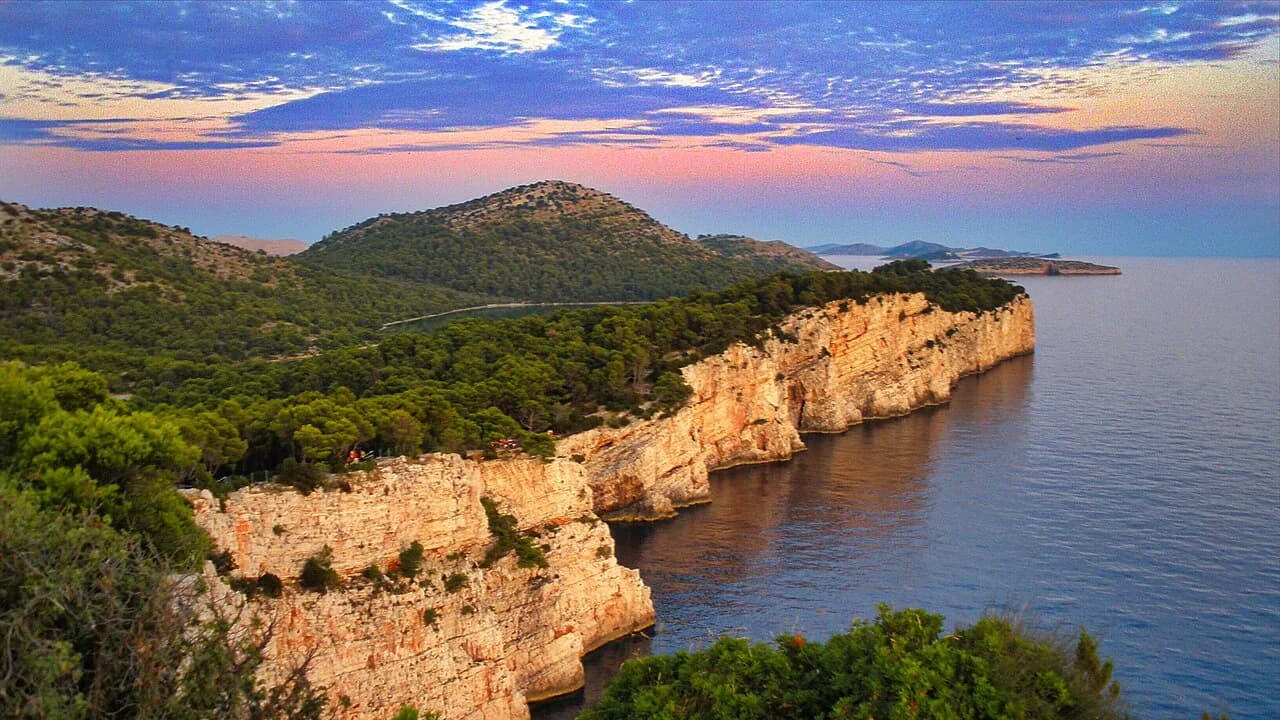
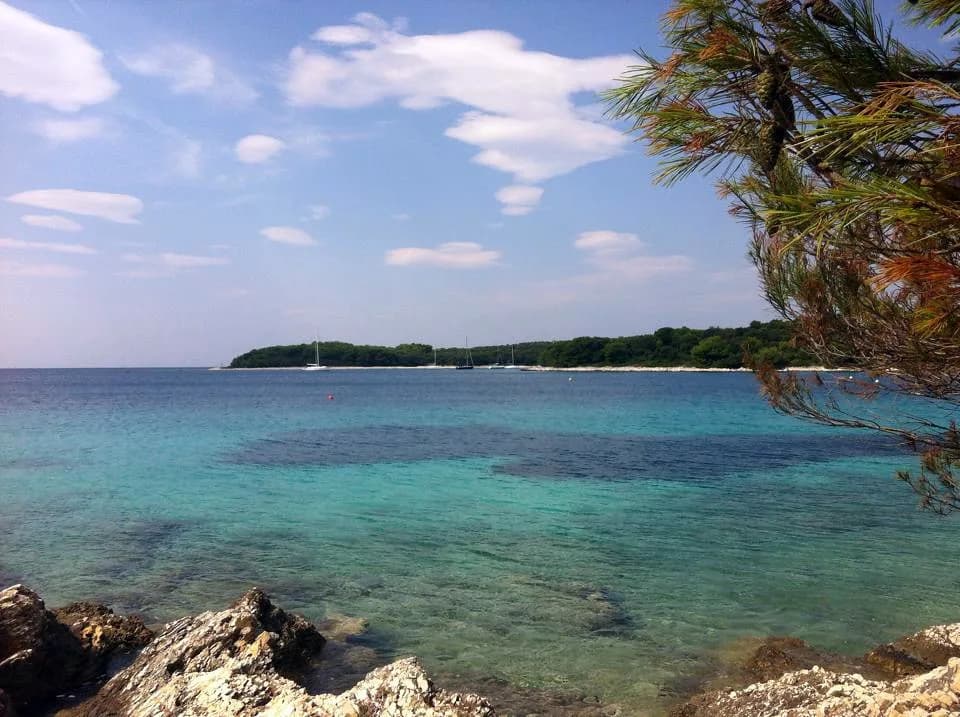
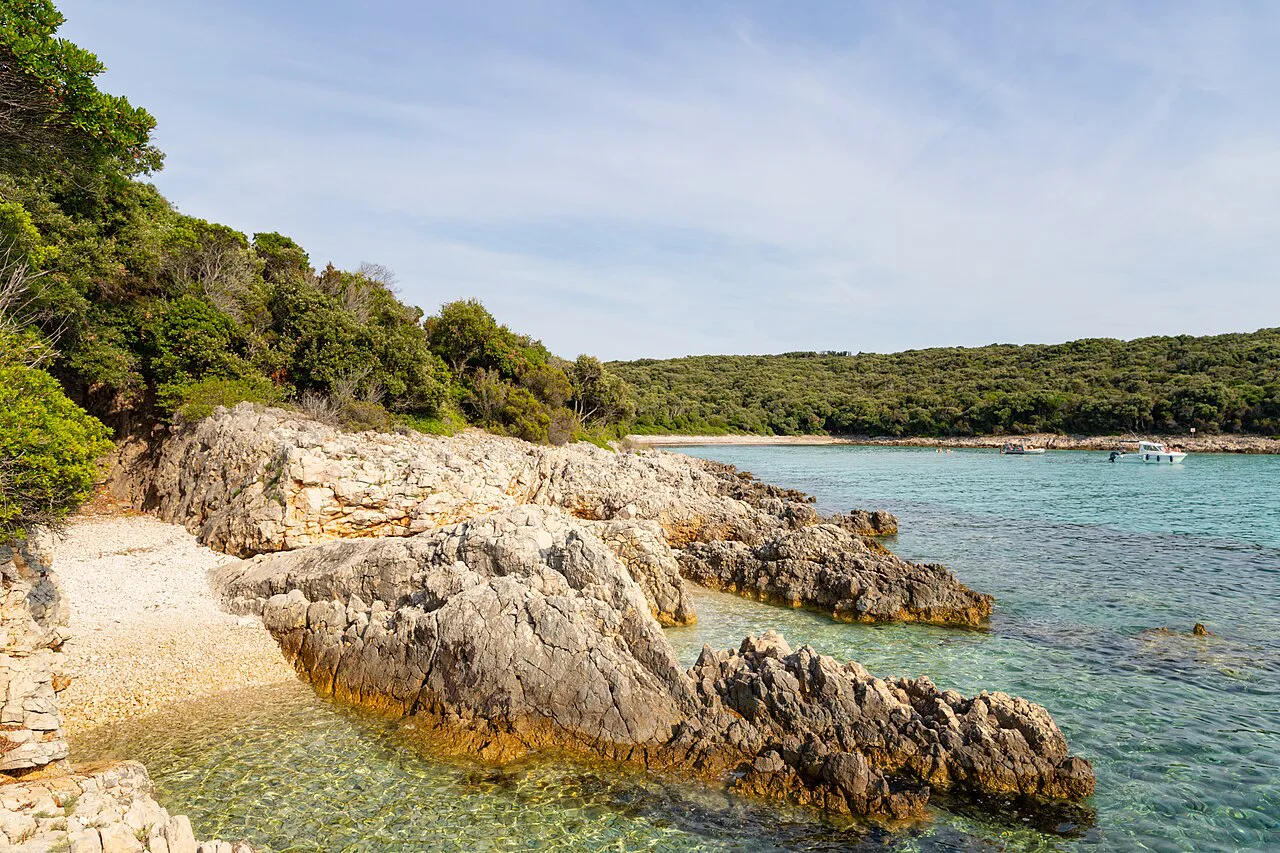
Silba's coast holds pebbled and sandy coves, and the best known are Potorišće and Pernastica in the northern part of the island. They are reached most easily by boat, which separates them from the tower-and-villages circuit you can cover on foot.
Balvanida is the other cove name that appears in Silba's listings, and it is worth knowing before you plan a swimming stop. If the northern coves are your priority, build in a boat trip rather than counting on a coastal path to get you there.
This is the honest trade-off on Silba: the tower, fortress and churches fit a short visit, while the northern coves need extra time and a boat. If you only have a few hours ashore, choose the village circuit and leave the coves for a longer stay.
Getting to Silba
Ferries from Zadar reach Silba and the neighbouring islands, which makes Zadar the mainland starting point for most travellers. Check which operator covers Silba on your travel dates before booking.
Exact crossing times, seasonal frequencies and ticket prices change by season and are not given here, so look them up before you book. Sailing times matter more than usual on Silba, because a same-day return leaves little room for delay.
Neighbouring islands such as Olib, Ist and Molat sit close by and can be linked into the same trip. If you are building an island itinerary around Zadar, Olib is the natural next stop on the same north Dalmatian chain.
How long to give Silba
Give Silba one full day for the Toreta tower, the harbour village, the churches and Skrivanat Fortress. That is enough to see the historic core at a comfortable pace and catch an evening sailing back to Zadar.
Add several days if the northern coves are the point of the trip. Potorišće and Pernastica need a boat, and the island rewards slow time in a way a rushed day visit cannot match.
If you are comparing bases, remember that larger islands near Zadar offer more road access and more sights, while Silba offers compactness. A stay on Dugi Otok, with its own signature sights, is a different kind of trip from a short Silba crossing.
When to go
Summer brings the most reliable boat connections and the warmest sea, but also the heaviest demand for the few crossings and the island's limited accommodation. Late spring and early autumn trade some of that certainty for quieter lanes and more space on the harbour.
The bura wind is a real factor on a small, exposed island with limited sheltered alternatives. When it blows, ferry services can be disrupted, so keep a buffer day at the end of a Silba stay if you have a flight to catch from Zadar.
Practical costs in euros
Croatia has used the euro since 2023, so all prices on Silba are quoted in euros and there is no need to convert kuna. Budget for your ferry ticket, any boat trip to the northern coves, and daily spending in the village, and add up current fares when you plan the trip.
Plan around transport and daily costs rather than ticketed sights. If you are combining islands, check each operator's fare separately, since routes and prices differ between lines.
Should you add Silba to a Zadar island trip?
Add Silba if you want a compact island where the tower, the harbour village and the churches fit into a single unhurried day. Skip it if your priority is big beaches, road access or a long list of sights, and look instead at the larger islands near Zadar.
Book the crossing with the ferry company that runs Silba on your dates, keep a buffer day for the bura, and pack light for the stone lanes. That leaves you free to climb the Toreta and walk the village rather than worrying about the boat back.
Explore more Zadar guides
Sources
Notes from the Croatian coast
Optional updates when our guides change.
You might also like
Continue reading
More guides you'll find useful