Hum, Croatia: Is the Smallest Town Worth the Detour?
Hum in Istria is billed as the world's smallest town. What is actually inside the walls, how small it is and whether the drive from the coast earns its place.
On this page
Hum is worth a stop if you are already driving through central Istria, but not a journey of its own: the walled centre is about 50 metres long, strung along a single street that runs in a circle, and most visitors are done in about 20 minutes. It is a settlement within the town of Buzet, and its fame rests on a single claim rather than on a stack of sights. This guide covers the scale of the place, what stands inside the walls, how long to allow, the drive and parking, and which other Istrian hill towns reward a longer stop.
Treat Hum as a rest stop on a cycling or walking day rather than a destination, and its charm holds up far better than it does after a long drive for its own sake.
Where Hum sits in central Istria
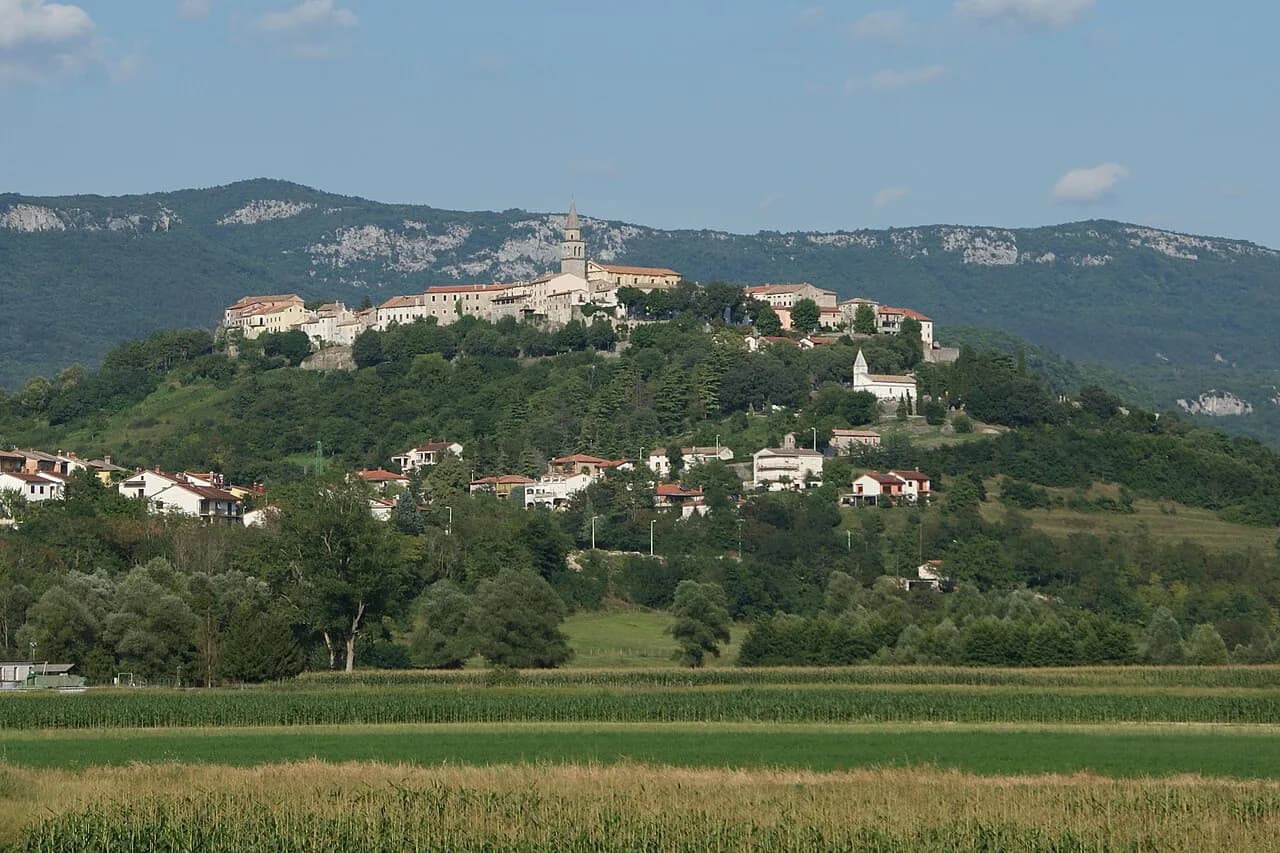
Hum lies in the interior of the Istria peninsula, up in the hill country rather than on the coast, and it belongs administratively to Buzet. That inland position is why it works as a loop with the hill towns rather than as a coastal excursion.
Hum belongs administratively to Buzet, so the two sit naturally in the same inland loop. For the wider shape of the peninsula, from the coast up to these inland villages, see Istria: A Practical Guide to the Coast, the Hill Towns and Getting Around.
Is Hum really the smallest town in the world?
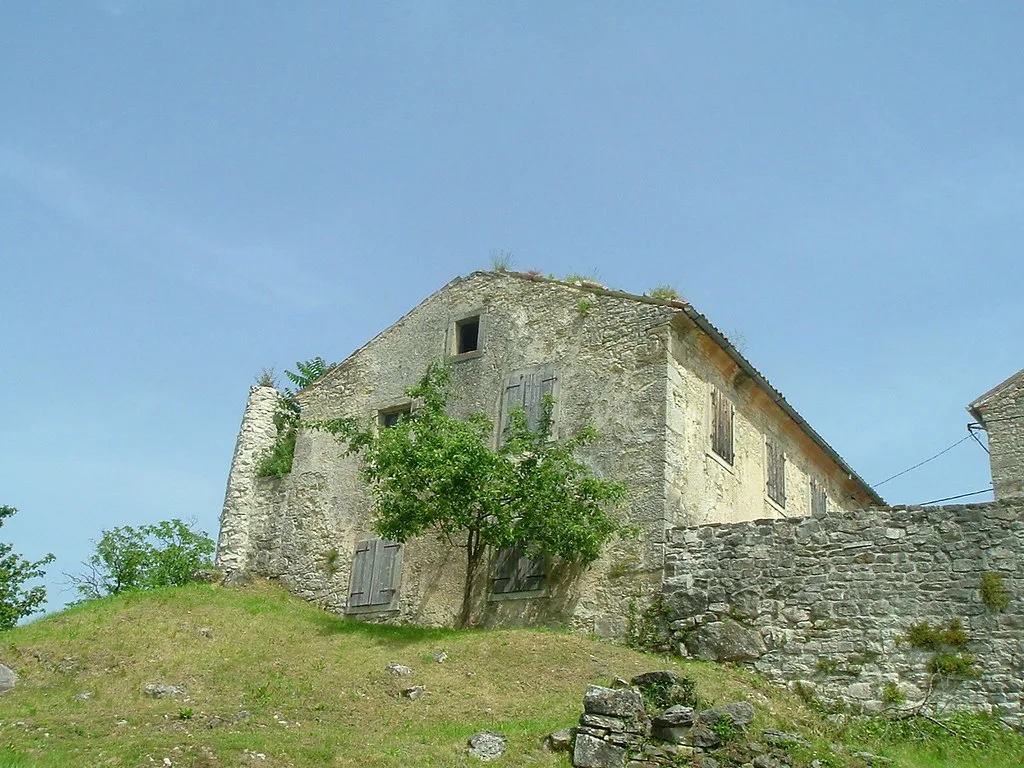
Hum is promoted as the smallest town in the world, and the claim depends on its status as a town rather than on a large population: the centre is about 50 metres long and consists of a single street running in a circle. Hum counts as a town because it has a large church and was laid out as a town from the start, which is why smaller villages do not take the title.
Expect a very small settlement of around 50 residents rather than a functioning town centre, and the place makes sense once you accept that the draw is the setting itself. Part of its appeal is the surviving medieval fabric rather than any single monument.
What stands inside the walls
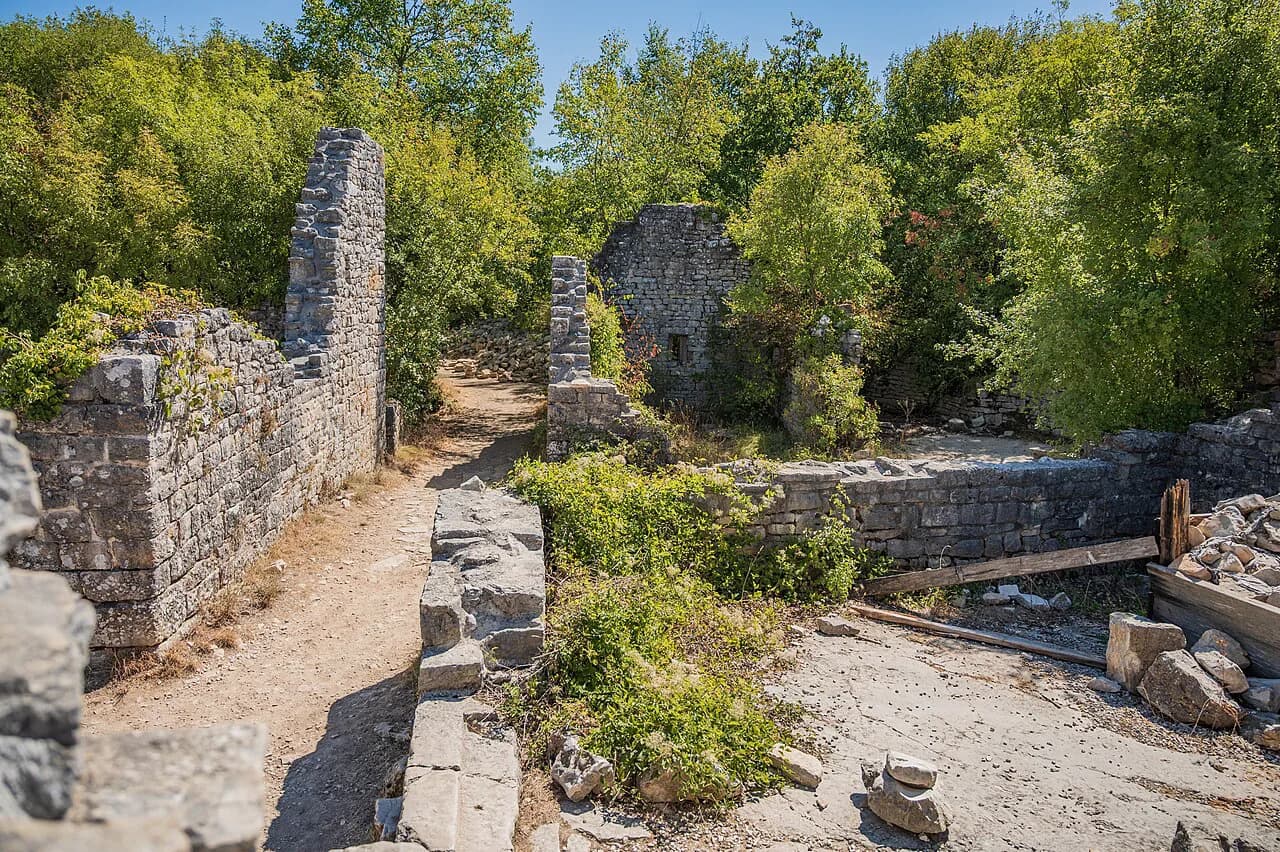
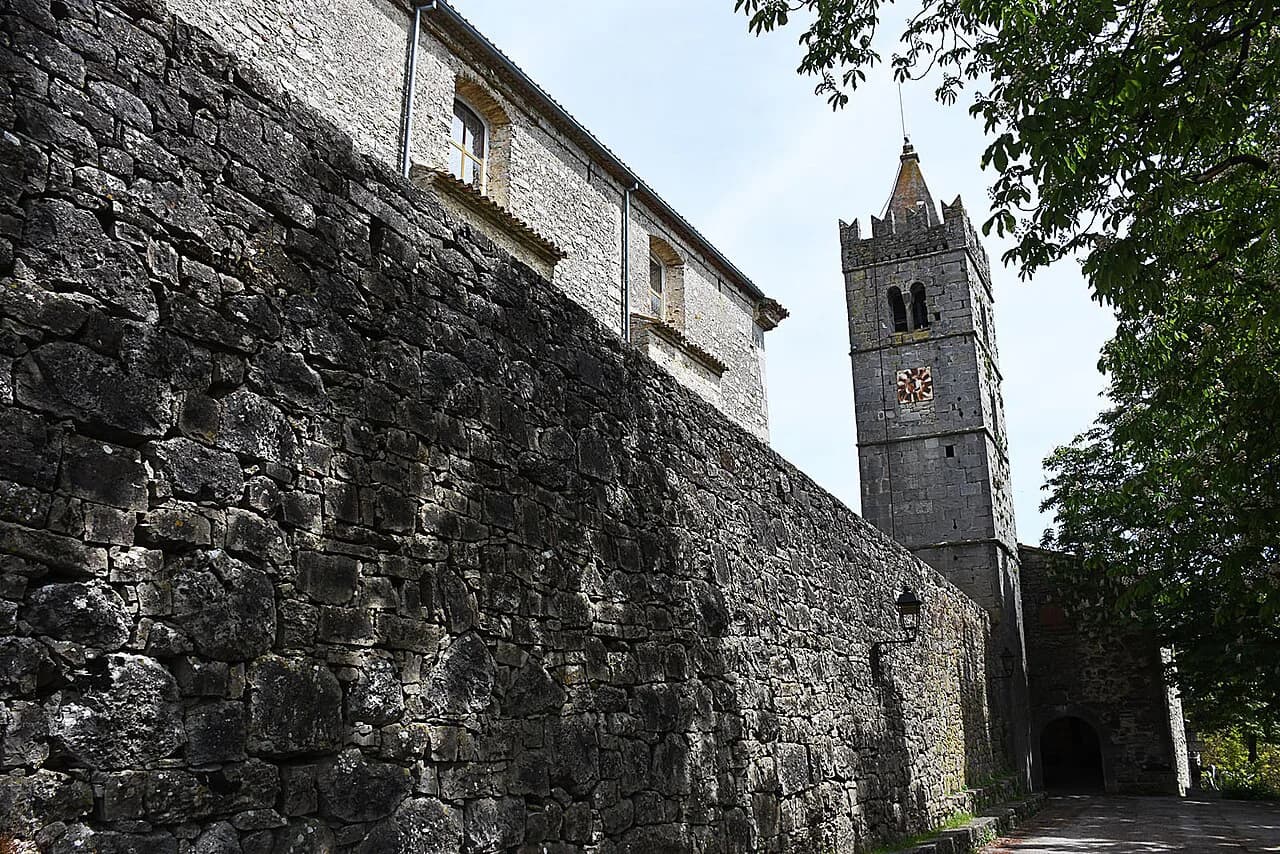
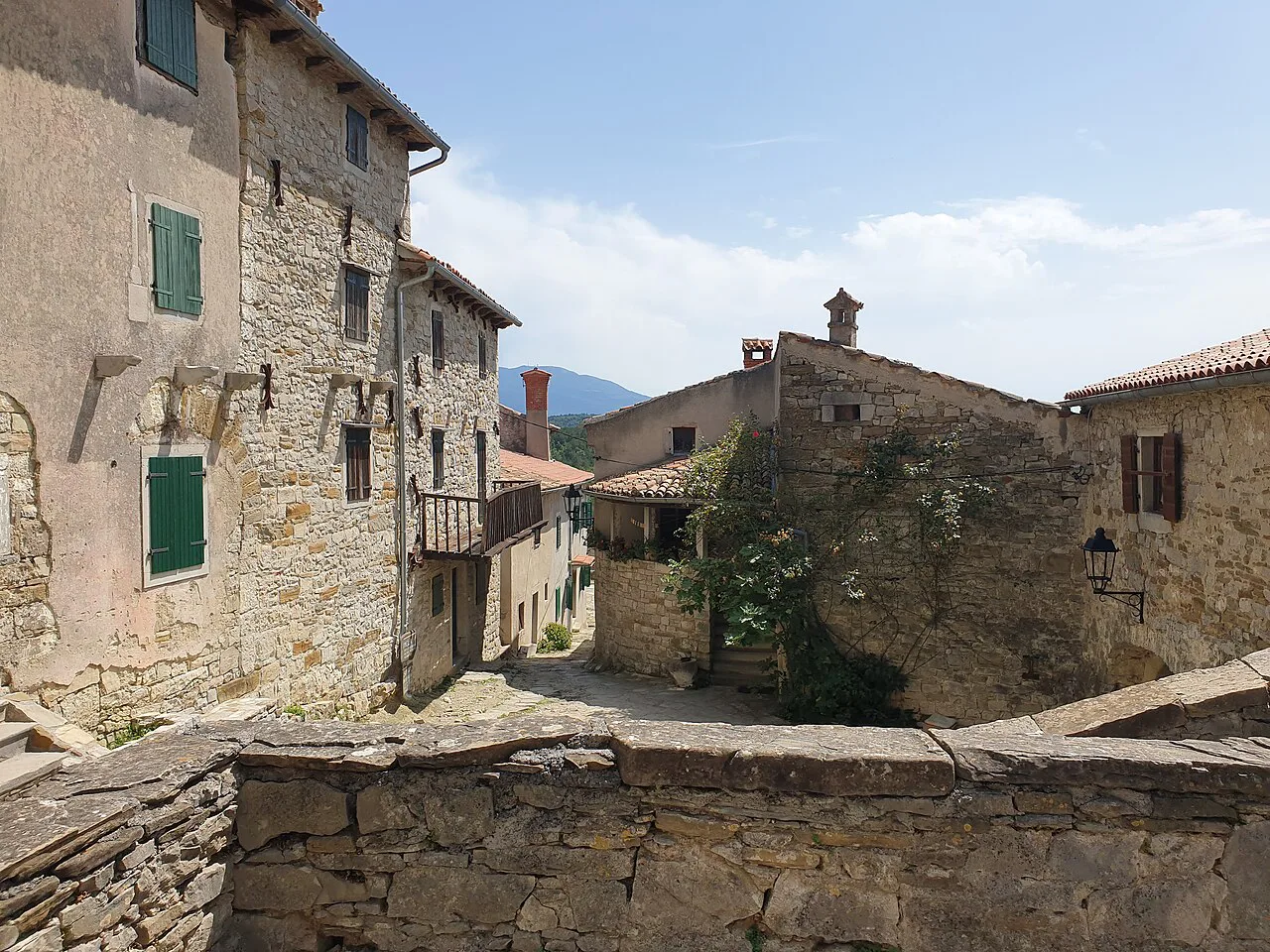
The visit is a short circuit: the cobbled circular lane, the church that gives Hum its town status and the old medieval fabric of the place. The streets are cobbled and photogenic, and the classic view along the curved lane is the image most people come for.
There is no museum trail or sequence of sights to work through, so plan on looking, photographing the lane and moving on. Anything beyond that depends on stopping for a drink or a meal, which is the only way to stretch the visit.
How long a visit takes: 20 minutes or an afternoon
Twenty minutes covers the centre comfortably, and that is the realistic figure unless you sit down to eat. If you want a longer day, the better plan is to attach Hum to a walk or ride in the surrounding countryside rather than to linger in the lanes.
An afternoon only makes sense with a second stop nearby, which is where the region's other hill villages come in. The hill towns of Istria sit close enough together to string two or three into one drive.
Getting to Hum: your own car versus a day tour
Public transport in inland Istria is thin, so a car gives you the freedom to reach Hum on your own schedule. Coming from the coast, the drive climbs into the interior and the roads narrow as you approach the village.
Without a car, organised day tours from Pula take in central Istria and Hum, which suits anyone based on the coast without a hire car. That trade-off is fixed departure times and a set itinerary in exchange for not driving.
If you are mapping a loop that takes in the coast and the interior, an Istria map showing the road network makes the distances obvious before you commit.
Parking, the day fee and the practical trade-offs
Parking at Hum was charged, in 2024, as a flat day fee of 3 euros, with a gravel car park that has no marked bays and gets crowded by minibuses. Paying that for a 20-minute stop is the main argument against treating Hum as a quick tick.
Summer brings the coach groups, and the centre is small enough that a single bus changes the feel of the place; going early or late in the day helps.
The honest verdict: who should go and who should drive on
Go if you want to say you have stood in the smallest town in the world and you are passing through anyway; the circular lane, the setting and the views are the draw. Skip the detour if you are chasing a half-day of things to do, because Hum does not have them.
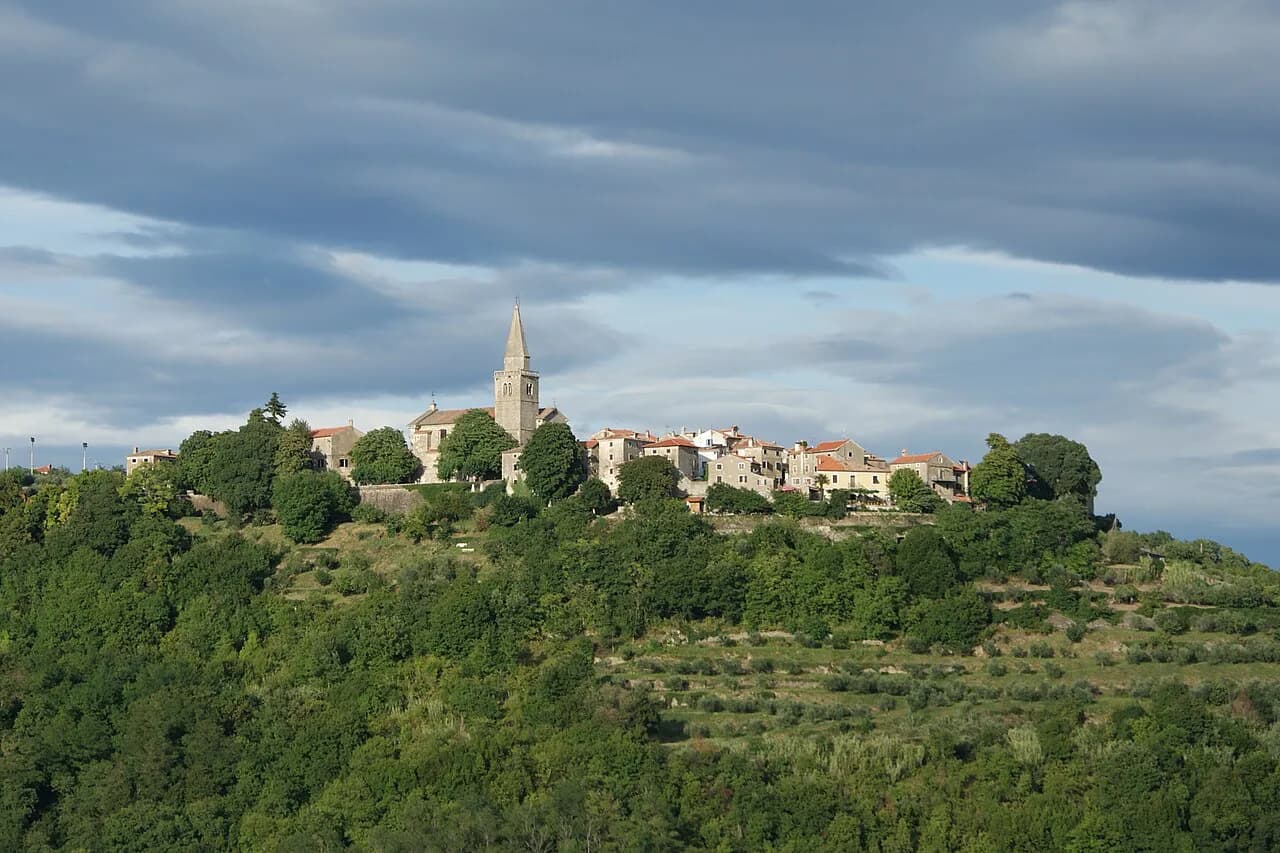
Travellers with more time in the interior are better served by Motovun, whose walled hilltop rewards a longer stay. Grožnjan, Gračišće, Oprtalj and Tinjan offer small, quiet lanes in the same part of Istria without the smallest-town pull, and they sit naturally alongside the other hill towns of Istria.
Grožnjan is the strongest alternative for an unhurried afternoon in the same part of Istria.
Should Hum be on your Istria itinerary?
Put Hum on the itinerary only as a short stop inside a bigger inland day, ideally on foot or by bike, and budget 20 minutes plus whatever you spend at a table. If the point of your day out is things to see and do, spend it in Motovun or one of the quieter hill villages instead, and leave Hum for a trip when you are already passing.
Explore more Istria guides
- Bale, Croatia
- Buzet: A Guide to Istria's Hilltop Truffle Town
- Fažana: Istria's Fishing Village and the Gateway to Brijuni
- Grožnjan
- Labin: A Guide to the Hilltop Old Town Above Rabac
- Lim Fjord (Limski kanal)
- Motovun: a guide to the walled hilltop town in Istria
- Oprtalj: Istria's Hill Village of Frescoed Churches and Mirna Valley Views
- The Istria Coast
- Vodnjan: Istria's Old Town, St Blaise Church and How Long You Need
- Vrsar, Croatia
Frequently Asked Questions
Is Hum the smallest town in the world?
It is widely promoted that way, and the claim rests on Hum's status as a town combined with a centre of roughly 50 metres long and a single circular street. Hum counts as a town because it has a large church and was intended as a town, which is why it carries the title while smaller villages do not.
How do I get to Hum, Croatia?
The easiest approach is by car, which gives you the freedom to fit Hum into a drive around central Istria. Organised day tours from Pula cover the interior and include Hum for travellers without a hire car.
What is Hum famous for?
Its claim to be the smallest town in the world, the cobbled circular lane and the old medieval fabric of the village. Beyond that it is a very small place with limited sights.
Sources
Notes from the Croatian coast
Optional updates when our guides change.
You might also like
Continue reading
More guides you'll find useful