Vodnjan, Istria Guide: St Blaise & How Long to Stay
Vodnjan centres on the church of St Blaise and its detached bell tower. See how the old core works on foot and how the inland detour fits a coast trip.
On this page
Vodnjan needs two to three hours, not a whole day. The visit hangs on the old core and its parish church, whose tall bell tower marks the town's skyline across southern Istria.
The town lies in Istarska županija, the Istrian county, around ten kilometres north of Pula, and Istrian Italians know it as Dignano. What follows covers the layout of the centre on foot, the church and the tower as two separate things to plan, a realistic time budget, and how the detour fits a coastal itinerary.
What Vodnjan is and where it sits
Vodnjan is an inland town in southern Istria in Istarska županija, around ten kilometres north of Pula rather than a port or a resort. It carries the Italian name Dignano alongside the Croatian one, a legacy of an interior where Romance and Slavonic communities lived side by side.
That position is what makes it useful. The coast between Rovinj and Pula fills up in July and August, while the road inland to Vodnjan stays calmer, so the town works as a counterpoint to a harbour-and-beach itinerary rather than a coastal stop in its own right.
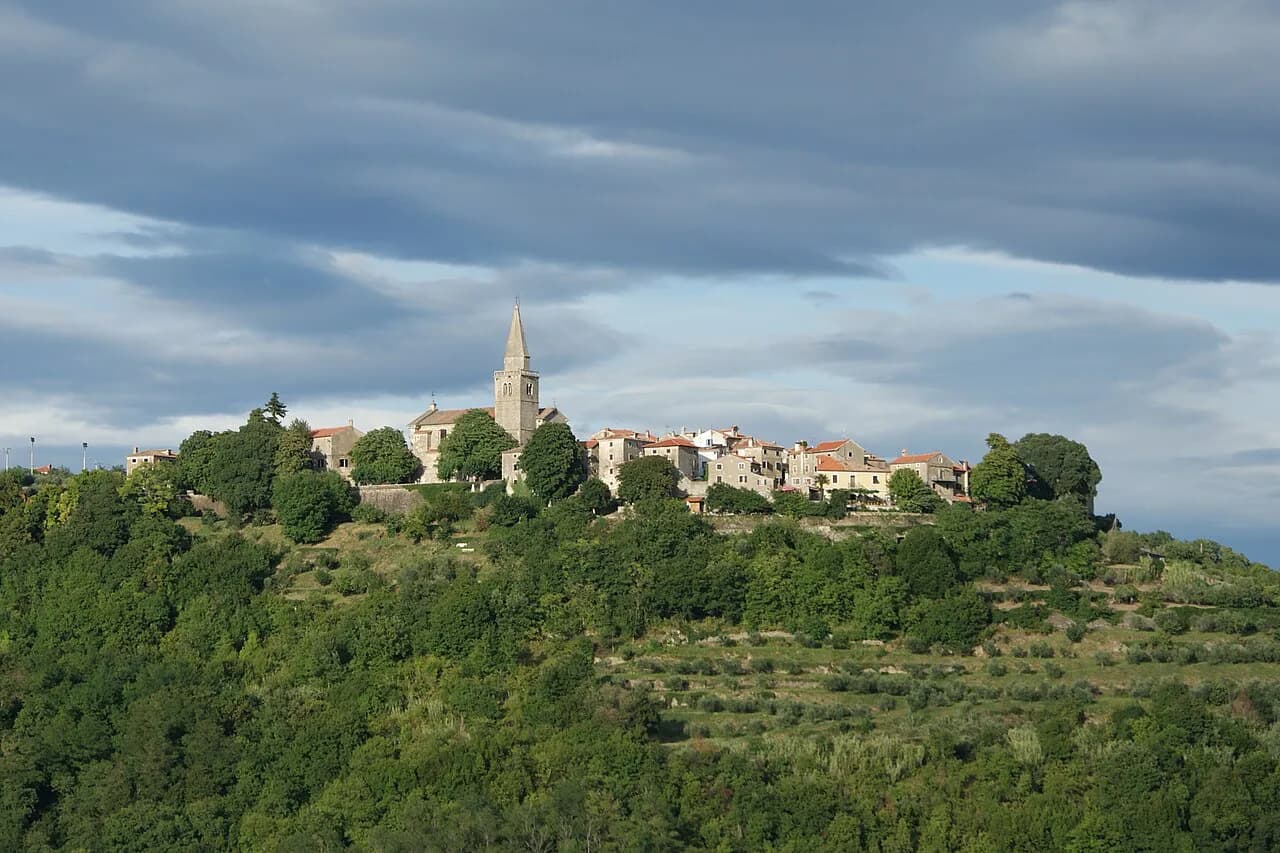
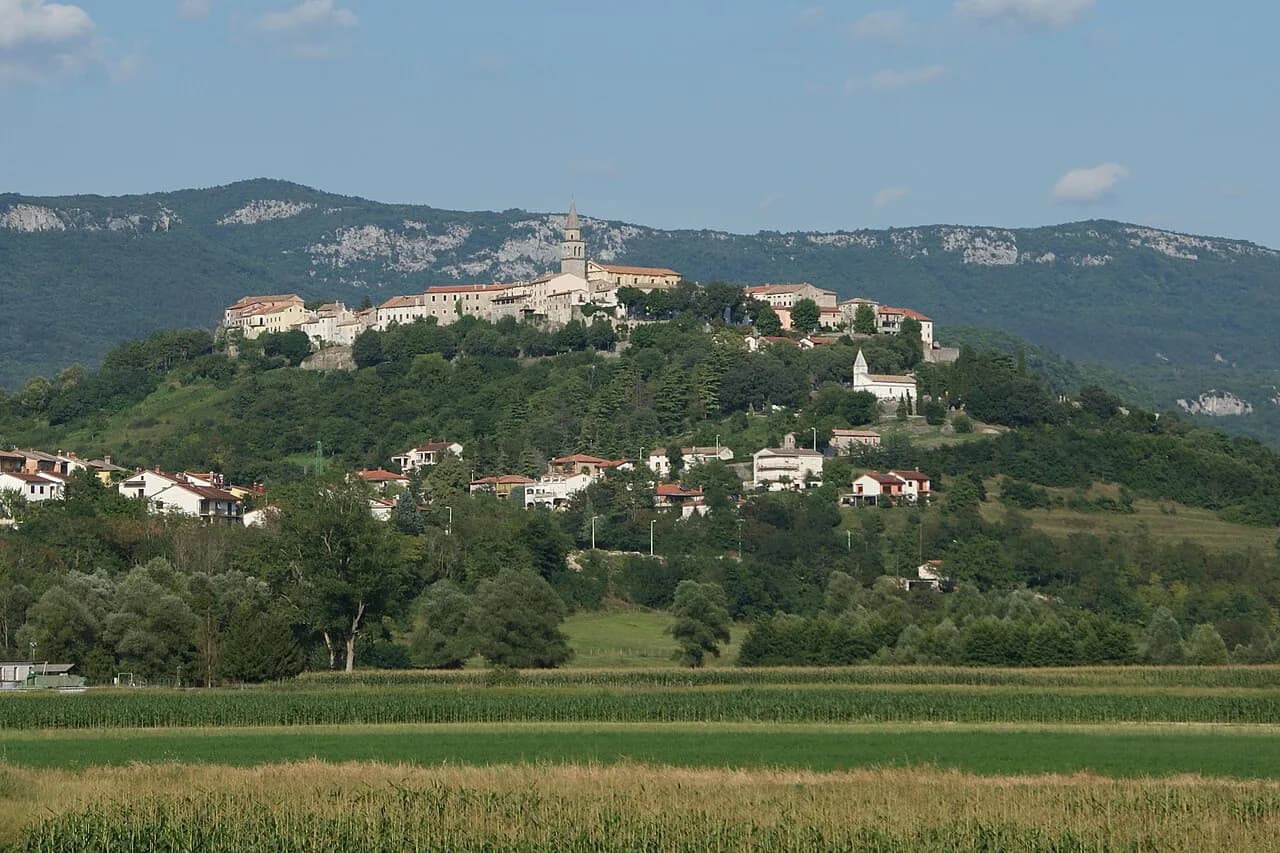
Do not arrive expecting sea views or a waterfront promenade. Vodnjan's appeal is interior and vertical: stone lanes, a tight historic centre and one unmistakable campanile that marks the town from the road long before you reach it.
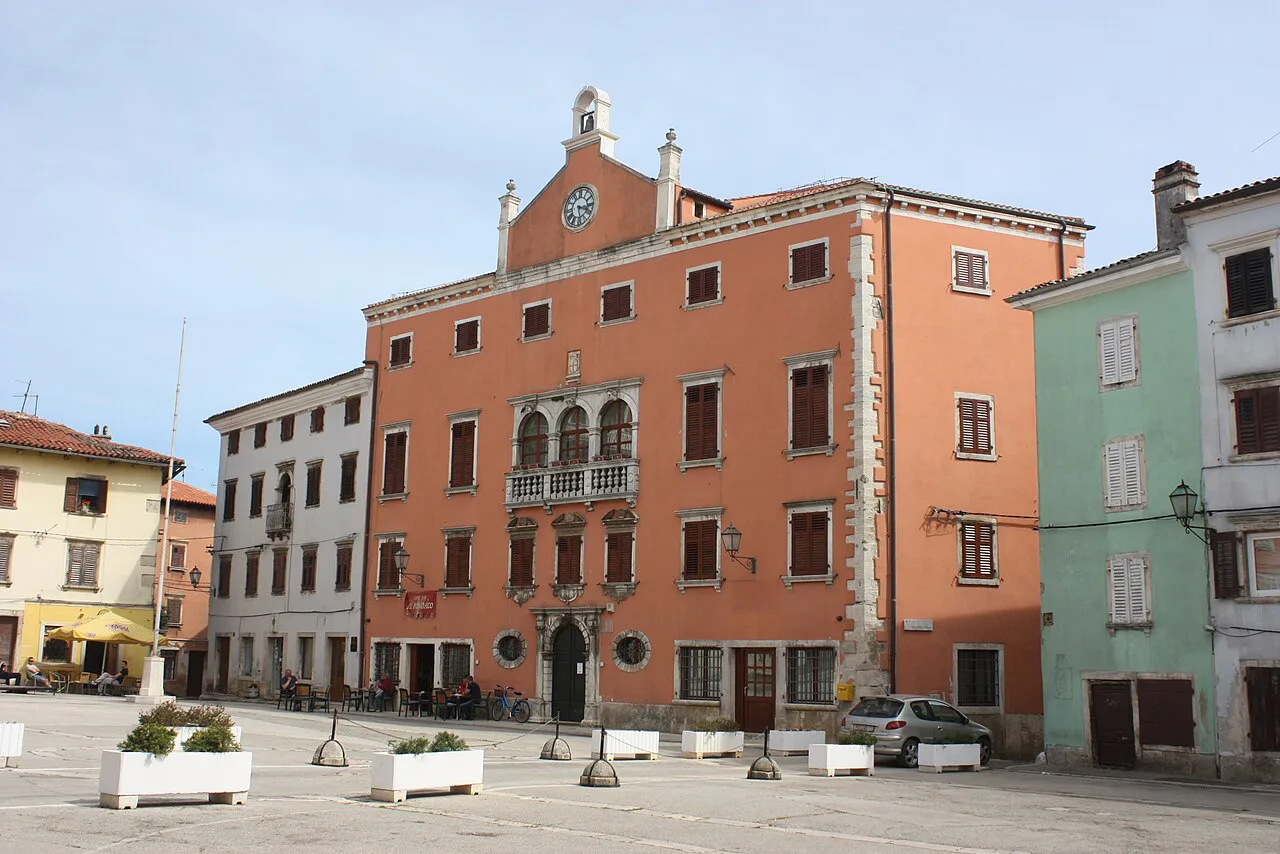
Why visitors come
Three things draw people to Vodnjan: the bell tower, the relics displayed inside the church, and the compact knot of old stone houses around them. All three sit within a few minutes' walk of each other, which is why the visit is short and dense rather than spread out.
The church and its tower are the reason most travellers stop at all. Decide before you arrive how much time you are giving the centre, because that choice sets your time budget for the day.
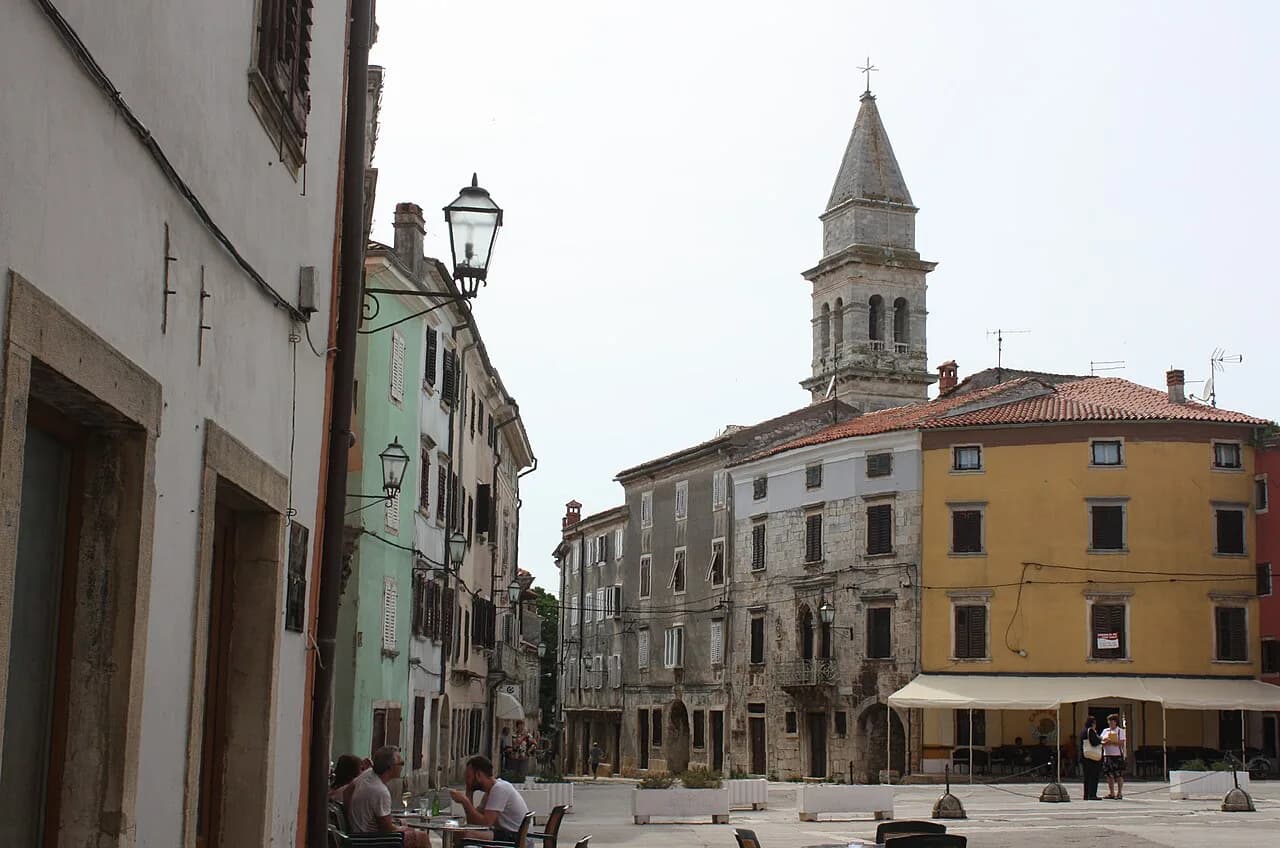
The old core rewards a slow twenty minutes. Stone houses line narrow lanes around the main square, and the whole centre reads clearly on foot once you have the tower as a reference point.
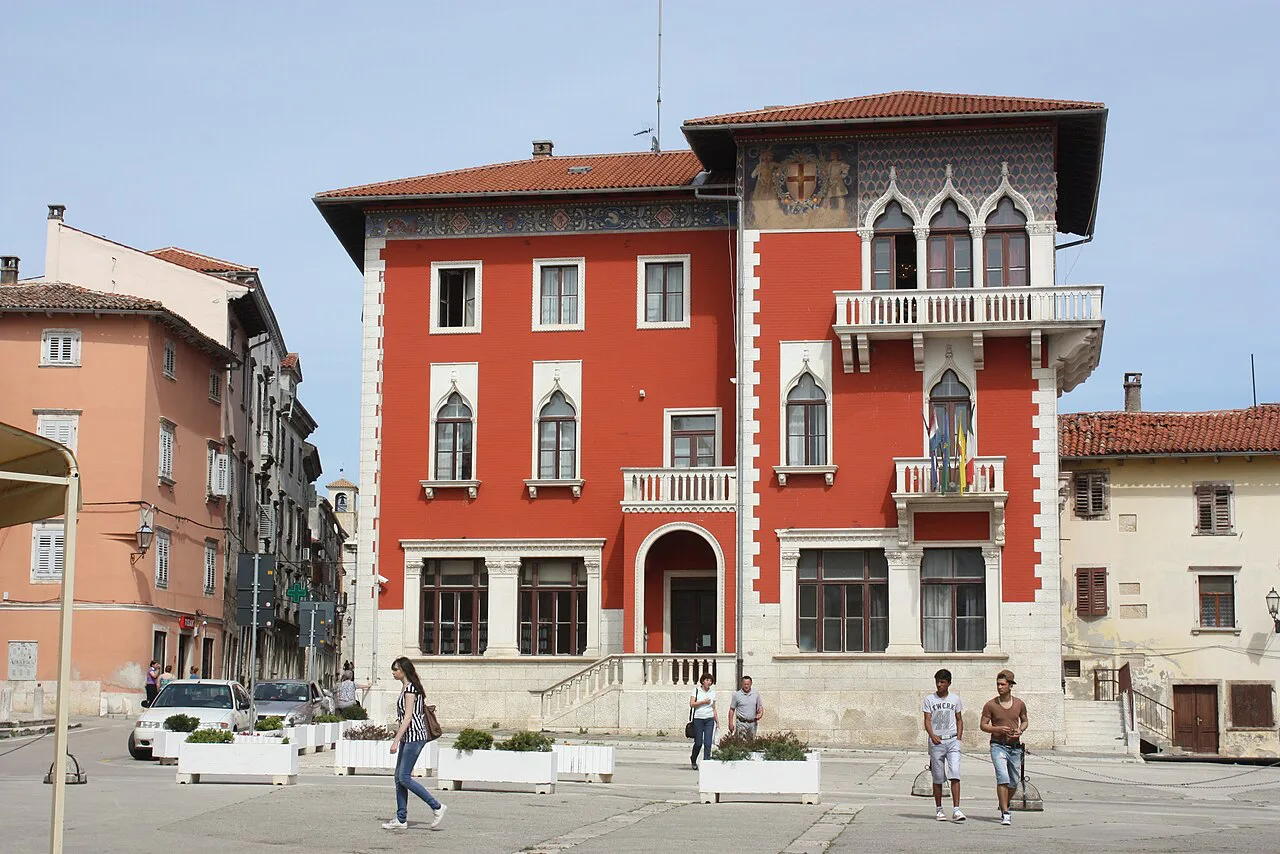
Walking the centre: the church and its campanile
Use the parish church as your anchor. The church and its detached bell tower stand apart from each other, so the tower is a separate structure you look at and walk around, not a spire sitting on the nave. That separation is the detail most first-time visitors miss.
Approach through the main square and the lanes feeding it, keeping the tower in sight. A loop from the square past the church front and around the tower base takes well under half an hour at an unhurried pace, which leaves the interior as a separate stop with its own time.
Walking Vodnjan this way makes more sense once you know how the region's other stone settlements are arranged, since Istria's Hill Towns share the same logic of a square, a church and lanes folding in behind.
The relics inside St Blaise
Inside the church Vodnjan is known for its relics, the reason the town is often described as the home of mummified saints. Treat the interior as a working church rather than a museum: dress with some care and keep voices low.
Details such as what is currently on view and whether photography is permitted are best settled with the parish or the local tourist office when you arrive. If seeing the relics is the whole point of your detour, that answer decides whether you make the trip.
Beyond St Blaise: churches and ecclesiastical art
Vodnjan's reputation extends beyond a single building. The town holds a cluster of smaller churches and chapels, and the old core is worth walking with an eye for their facades and doorways even when they are shut.
The practical rule is to plan around the parish church and treat the rest as discovered on foot. Small churches in an Istrian interior town open irregularly, often only around services, so a locked door on a side lane is normal rather than a sign you came on the wrong day.
If quiet church-crawling appeals, the region rewards it in the smaller inland settlements as much as in the towns, and Oprtalj is one of the inland settlements worth knowing about.
How the old town reads on foot
The centre is a compact knot of lanes and stone houses arranged around the main square, with the church and tower as its fixed point. Distances are short, but the streets bend and the surfaces are old stone, so a small loop beats a straight line through the middle.
Build in a slow half hour just for the lanes: the pleasure here is the fabric of the place rather than a checklist of sights. The houses are built in stone, and the square gives you somewhere to sit and reset between the church and the tower.
The town sits in a landscape of olive groves and farmland typical of southern Istria, which is why it feels agricultural rather than resort-like.
How long Vodnjan needs
Give Vodnjan two to three hours if the church interior and the centre are your focus. The square, the church front, the tower from outside and a slow walk through the lanes fit into that window without rushing.
Stretch it to half a day if you add the church interior properly and a coffee in the old town. Anything beyond that means combining Vodnjan with something else on the same outing rather than trying to fill more time in the town itself.
The common mistake runs the other way: treating Vodnjan as a five-minute photo stop on the road to Pula, seeing the tower from the car park and leaving. The church interior deserves twenty to thirty minutes at the very least.
Practical for the visit: arriving, parking and the climb
Vodnjan is easiest by car. It sits roughly ten kilometres north of Pula, so it works as a short inland detour from the city or as a leg off the road from Rovinj, and you can park near the centre rather than in the oldest lanes.
Expect a short walk uphill. The town sits above the surrounding fields, so the approach from wherever you leave the car is brief but climbing, which matters on a hot day or with luggage. Park once, walk up once and do the circuit in a single pass.
If you are stringing together several inland stops, sketch the route on an Istria map first so you are not doubling back between the coast and the interior.
When to go
Spring and autumn suit Vodnjan best: cooler walking, quieter lanes and a better chance of taking your time in the church. High summer brings longer evenings but also midday heat, and the uphill approach is exactly the stretch that punishes a midday climb.
In July and August, time the visit for the morning or late afternoon and use the middle of the day for shaded lanes rather than the walk up. The town is inland with no sea breeze to take the edge off, and old stone holds the heat.
Another reason to keep the morning free: Fažana on the coast west of Vodnjan is where boats leave for the Brijuni islands, which pairs neatly with a half-day inland.
Trade-offs and common mistakes
The biggest mismatch is expectation. Vodnjan is not a coastal resort: there is no beach scene on the doorstep, no harbour promenade, no obvious waterfront, so travellers after a swim and a sunbed should base themselves elsewhere and treat Vodnjan as an excursion.
A second mistake is overlooking the tower. Many visitors see the church and walk away without giving the separate campanile a proper look.
The third is assuming everything stays open year-round. Small Istrian towns thin out outside the season, so check opening arrangements for the church and local sights rather than assume them.
How Vodnjan fits a coast trip
Treat Vodnjan as a half-day inland detour from Pula, or as a stop on the road between the coast and the city. From Pula the drive is short, which makes it an easy counterweight to a harbour afternoon rather than a separate day out.
On a wider itinerary it pairs naturally with the rest of the peninsula: base on the coast, take the interior road for a morning and return for the evening, letting the region guide set out how the coastal and inland halves fit together.
Vodnjan or another inland stop?
Choose Vodnjan if you want one compact inland town with a real anchor sight: the church of St Blaise, its detached bell tower and the relics inside. Two to three hours covers it well, and half a day covers it generously once you add the lanes and the climb.
Choose another of the hill towns if your priority is a more dramatic setting, because Vodnjan's interest is concentrated in its church and old core rather than in walls and summit views.
Either way, build the day around one anchor and stop there rather than ticking off towns. For Vodnjan that anchor is the church; everything else in the centre follows from it on foot.
Explore more Istria guides
Sources
Notes from the Croatian coast
Optional updates when our guides change.
You might also like
Continue reading
More guides you'll find useful