Istria Hill Towns: Motovun, Grožnjan, Hum and Oprtalj
A candid guide to Istria's hill towns: what Motovun, Grožnjan, Oprtalj and Hum are like, how long each needs and how to link them on a hilltop loop.
On this page
Istria's hill towns are best treated as a single inland day rather than a checklist: Motovun, Grožnjan, Oprtalj and Hum sit within a short drive of each other above the Mirna valley, and three of them fill a comfortable day. Motovun gives you the walled viewpoint, Grožnjan the artists' colony, and Oprtalj or Hum the quiet stop that balances the crowds. This guide sets out what each town is actually like, how long to give it and how to string them together with a car or on an organised tour.
Where Istria's hill towns sit, and why they feel different from the coast
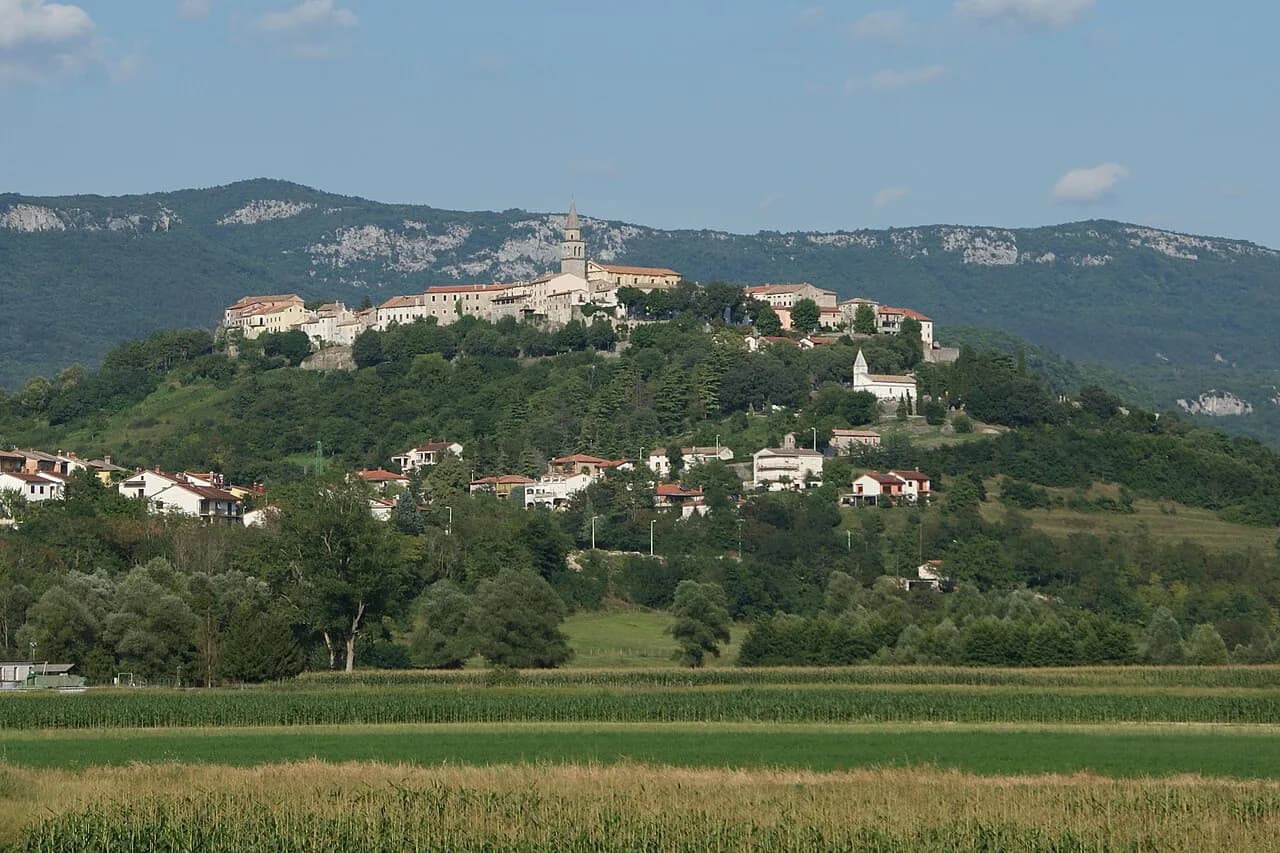
The interior of Istria rises behind the coastal resorts into a landscape of forests, valleys and the Mirna River, and the towns on its ridges were built for defence rather than for sea views. That geography still shapes a visit: you drive up to them on narrow access roads, park below the walls and walk in through gates. The payoff is shade, cooler air and long views over the valley rather than beachfront bustle.
Because they cluster, the towns work as a loop rather than separate outings. Motovun, Grožnjan, Oprtalj and Hum all sit in the northern and central interior, with Buzet and Pazin as the larger inland anchors that break up the driving. Use the Istria map to see how the roads join before you commit to an order.
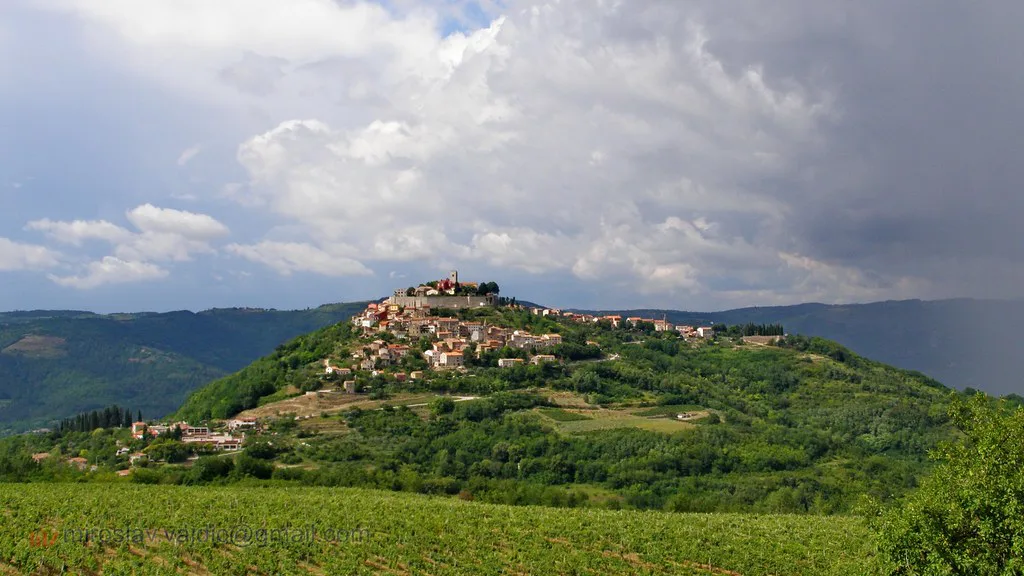
Motovun: the walled hilltop above the Mirna valley
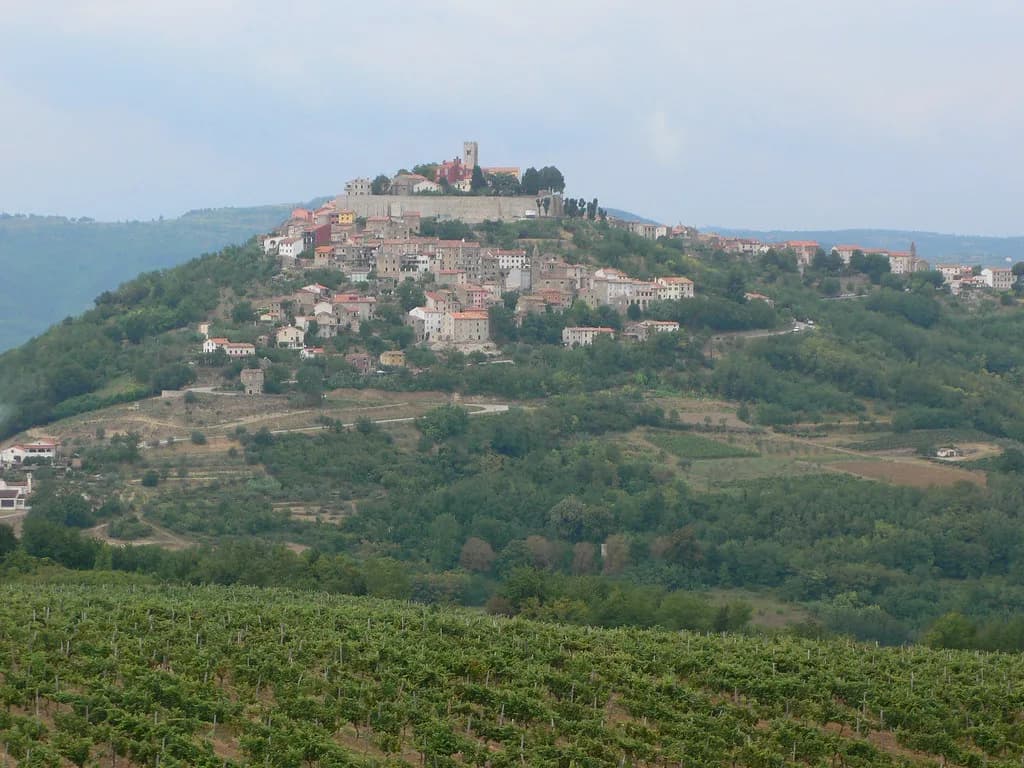
Motovun is the most photographed of the inland towns, a historic settlement perched on a hill with a circuit of walls that visitors walk for the view across the valley. It is the one hill town where the stop is as much about the ramparts as the streets inside them, so budget time for the walk around the walls as well as a coffee in the square. The town is widely described as the iconic Istrian hill village, and it behaves like one in high summer: busy at midday, calmer early and late.
For planning purposes, treat Motovun as a half-day if you want the walls, the lanes and a proper look at the view, and as a two-hour stop if you are ticking off several towns. Parking sits outside the historic core, so add a short uphill walk at each end of the visit. Motovun: Croatia's Hilltop Walled Town Guide covers the layout inside the walls in more detail.
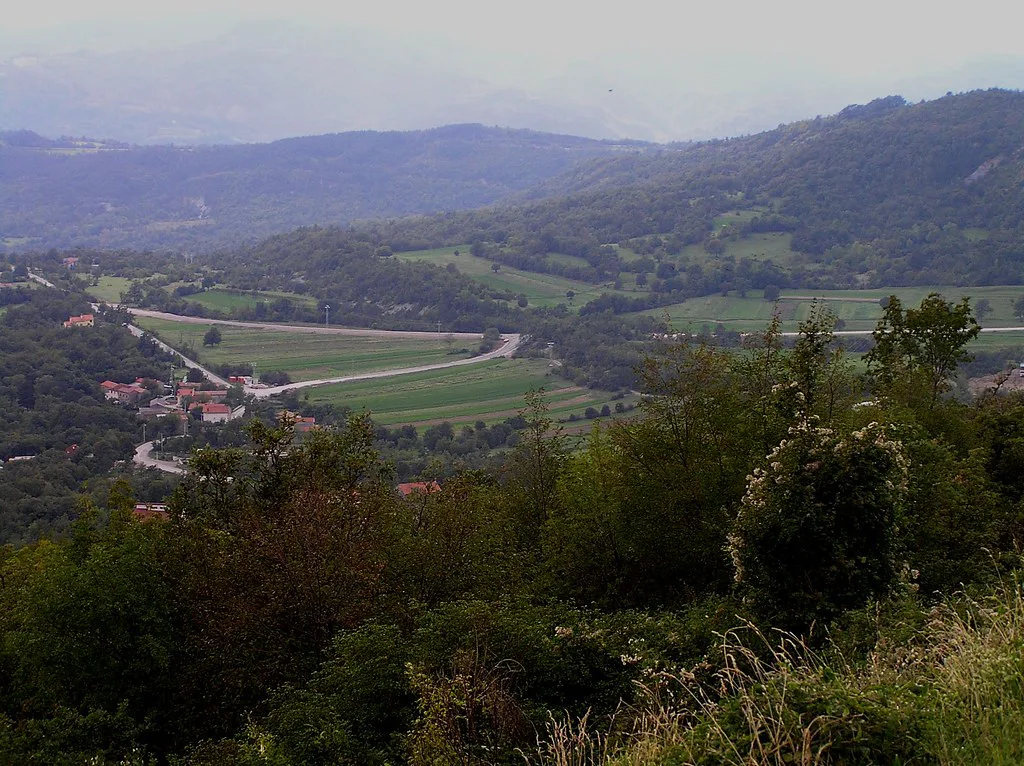
Grožnjan: the artists' hill town
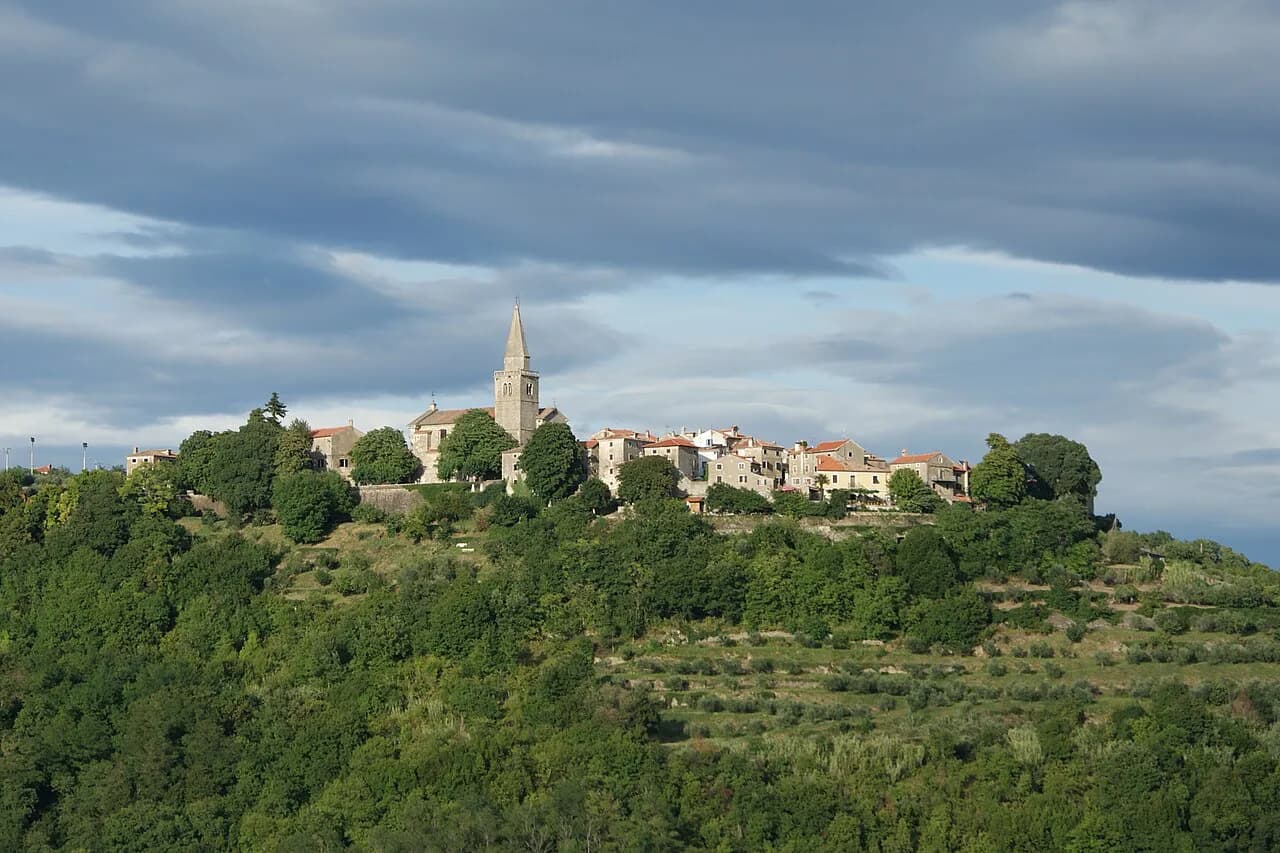
Grožnjan is the town people describe as the artists' colony, a small stone settlement whose lanes are given over to galleries, studios and craft workshops. The Valamar hill-towns excursion pairs Grožnjan with Oprtalj and allows roughly an hour and a quarter in Grožnjan before moving on, which is a fair indication of how much ground there is to cover on foot.
The town rewards a slower look than its size suggests: the appeal is the galleries and the lanes rather than a single monument, so an hour feels rushed if you want to browse. Come on a weekday morning if you want the studios open and the streets quieter. Grožnjan is also the easiest of the group to combine with a walk along the valley edge.
Oprtalj: the quieter second stop on the inland route
Oprtalj is the quieter counterpart to Grožnjan, a small hill village with valley views that the organised tour reaches in the early afternoon. The Valamar itinerary puts arrival at Oprtalj at 13:40 and departure at 14:00, with a return to Poreč at 16:30, which shows the tour treats it as a short stop rather than a destination in its own right.
That short stop is the right instinct if you are driving yourself: Oprtalj, Istria suits a walk through the lanes and a look at the views, and it is the town where you most notice how few other visitors there are. Oprtalj: Istria's Hill Village of Frescoed Churches and Mirna Valley Views is worth reading before you go if churches are your reason for stopping.
Hum: the smallest stop
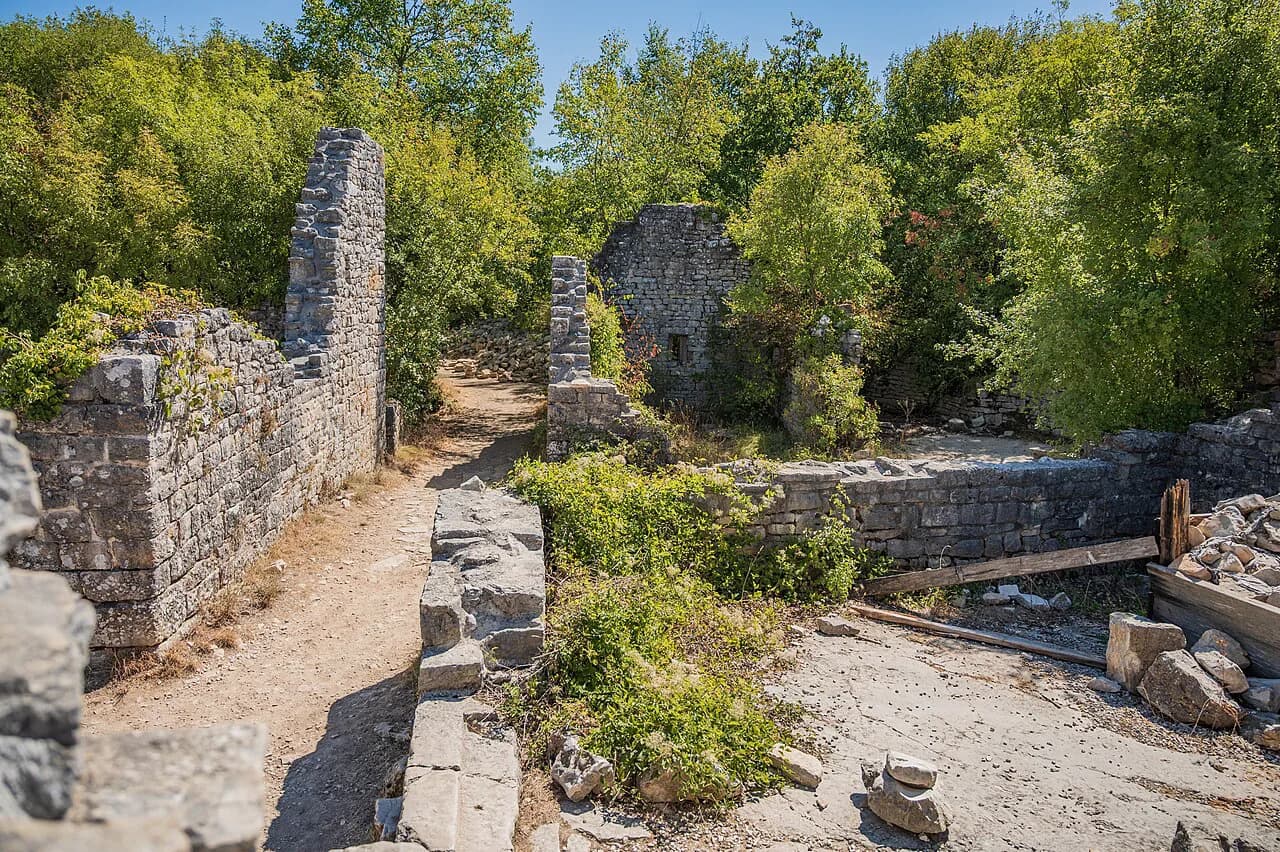
Hum, Croatia is the smallest of the inland towns you are likely to include, and it works as a brief stop rather than a half-day: a compact walled core, a short walk, and then back on the road. Treat it as a punctuation mark between larger stops rather than the centrepiece of a day.
If you are driving from Buzet, Hum fits naturally at one end of the loop, and its size makes it a good final stop when energy and daylight are running low. Because it is a small settlement, treat it as a brief pause rather than the main purpose of a day out.
Buzet and Pazin: the inland anchors for a driving loop
Buzet is the larger hilltop town in the north of the interior and a practical base for the loop: it has services, a historic centre and road connections that make the smaller towns reachable in sequence. Buzet: A Guide to Istria's Hilltop Truffle Town sets out the layout if you plan to start or finish there.
Pazin sits more centrally and gives you a second anchor for splitting the towns across two days, with the added advantage of being closer to the coast road back towards Poreč and Rovinj. Pairing Buzet and Pazin as start and end points turns a scatter of hill villages into a coherent circuit rather than a series of out-and-back drives.
How long to allow, town by town and leg by leg
A sensible budget is two to three hours in Motovun including the walls, ninety minutes to two hours in Grožnjan, an hour in Oprtalj and under an hour in Hum, plus driving between them on narrow inland roads where average speeds are low. Three towns in one day is realistic; four is tight once you add parking and walking time.
If you would rather not drive, the Valamar hill-towns tour covers the whole route as a group excursion, though Valamar's page currently lists it as unavailable to book while it is being made available again. As described, it takes 7 hours 30 minutes, departs Poreč at 09:00, reaches Grožnjan at 11:00, stops at a winery in Čepić at 12:30 and Oprtalj at 13:40, and returns to Poreč at 16:30, with English as the activity language. It is described as moderately demanding and needs a minimum of 12 participants, and it is scheduled May to October on Thursdays from Valamar hotels and campsites.
One-day loop or two days in the hills
One day suits travellers based on the coast who want the walled viewpoint, the galleries and one quiet village: Motovun in the morning, Grožnjan over lunch, Oprtalj in the afternoon. Drive the loop clockwise from Poreč or Vrsar and you will finish with the light behind you on the return leg.
Two days suits anyone who wants Hum, Buzet and Pazin as well, or who wants to be in Motovun and Grožnjan before the coach parties arrive. Splitting the towns also lets you stay inland overnight, which shortens the driving and gives you early mornings in the lanes.
When to go and what the season changes
The Valamar hill-towns tour is scheduled from May to October on Thursdays, which maps closely onto when the inland towns are at their most active; outside that window expect a quieter, partly shuttered version of the same places. Late spring and early autumn give you the views and the walking without the peak-summer midday heat.
Altitude helps: these towns sit above the coastal strip, so the air is cooler than on the shore, and an inland day is a reasonable choice when the coast feels oppressive. Go early in the day for Motovun and Grožnjan, since that is when the light is best and the lanes are emptiest.
Honest trade-offs: small stops, limited opening and low-season life
These are small towns, and small towns mean limited opening: galleries, churches and shops keep short and sometimes irregular hours, so a stop that takes two hours in August can take forty minutes in April. Plan the day around the landscape and the walking rather than around specific interiors, and you will not be disappointed.
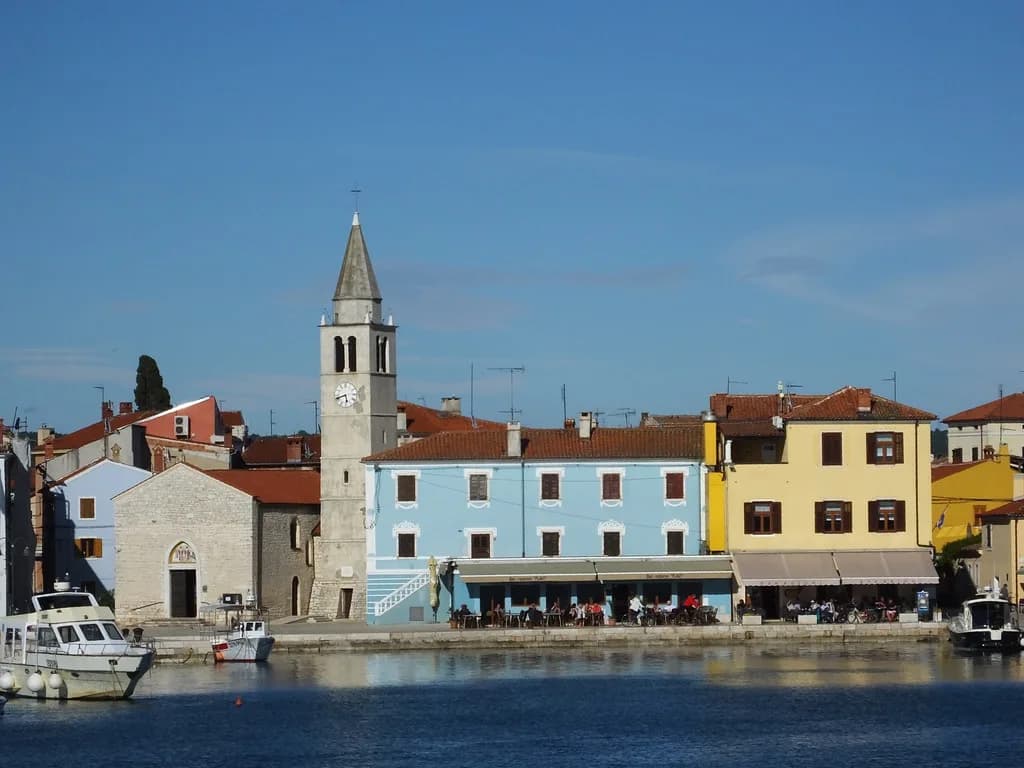
Motovun and Grožnjan absorb most of the visitors, which is exactly why Oprtalj and Hum are worth including: the trade-off is fewer facilities in exchange for quiet. If you are combining the hills with the coast, the same logic applies at the shoreline, where places such as Fažana: Istria's Fishing Village and the Gateway to Brijuni are busiest around the ferry departures.
Language and getting around inland Istria
Istria is bilingual in a practical sense: Croatian is the official language and Italian is widely used in the coastal towns and in parts of the interior, and English is common in tourist-facing businesses. Road signs carry both Croatian and Italian names, so a place may appear as Grožnjan and Grisignana on the same route.
A car is the realistic way to link the hill towns on your own schedule, since the inland villages are not served by frequent public transport. Roads are narrow and winding, so drive conservatively and allow more time than a map suggests; for the wider regional picture, the Istria Travel Guide covers how the coast and interior connect.
Which hill towns should you actually book?
If you have one day and no car, a group hill-towns excursion is the sensible option: the Valamar tour delivers Grožnjan, Oprtalj and a Čepić winery stop without the driving, on a fixed Thursday schedule between May and October. Check with Valamar whether it is running before you plan around it, since the booking page currently marks it as not yet available. If you have a car, run Motovun, Grožnjan and Oprtalj yourself and add Hum or Buzet only if the day is going well.
Whichever you choose, start early, park below the walls and treat the towns as a landscape to walk through rather than a set of interiors to tick off. That approach is what makes the inland loop worth the detour from the coast.
Explore more Istria guides
Frequently Asked Questions
What language do they speak in Istria?
Croatian is the official language, with Italian widely used in coastal towns and parts of the interior; English is common in tourist-facing businesses. Road signs often give both Croatian and Italian forms of a place name.
Do you need a car to visit Istria's hill towns?
A car is the practical way to link Motovun, Grožnjan, Oprtalj and Hum on your own schedule, because public transport between the inland villages is limited. Without one, a group excursion from Poreč has covered Grožnjan and Oprtalj in a single day on a fixed weekday, though the Valamar tour's booking page currently lists it as unavailable while it is being made available again.
Sources
Notes from the Croatian coast
Optional updates when our guides change.
You might also like
Continue reading
More guides you'll find useful