Bale, Croatia: An Istria Hill Town Guide
Bale is a small walled hill town in Istria between Pula and Rovinj, with a compact old centre, dinosaur footprints nearby and a coastline within the municipality.
On this page
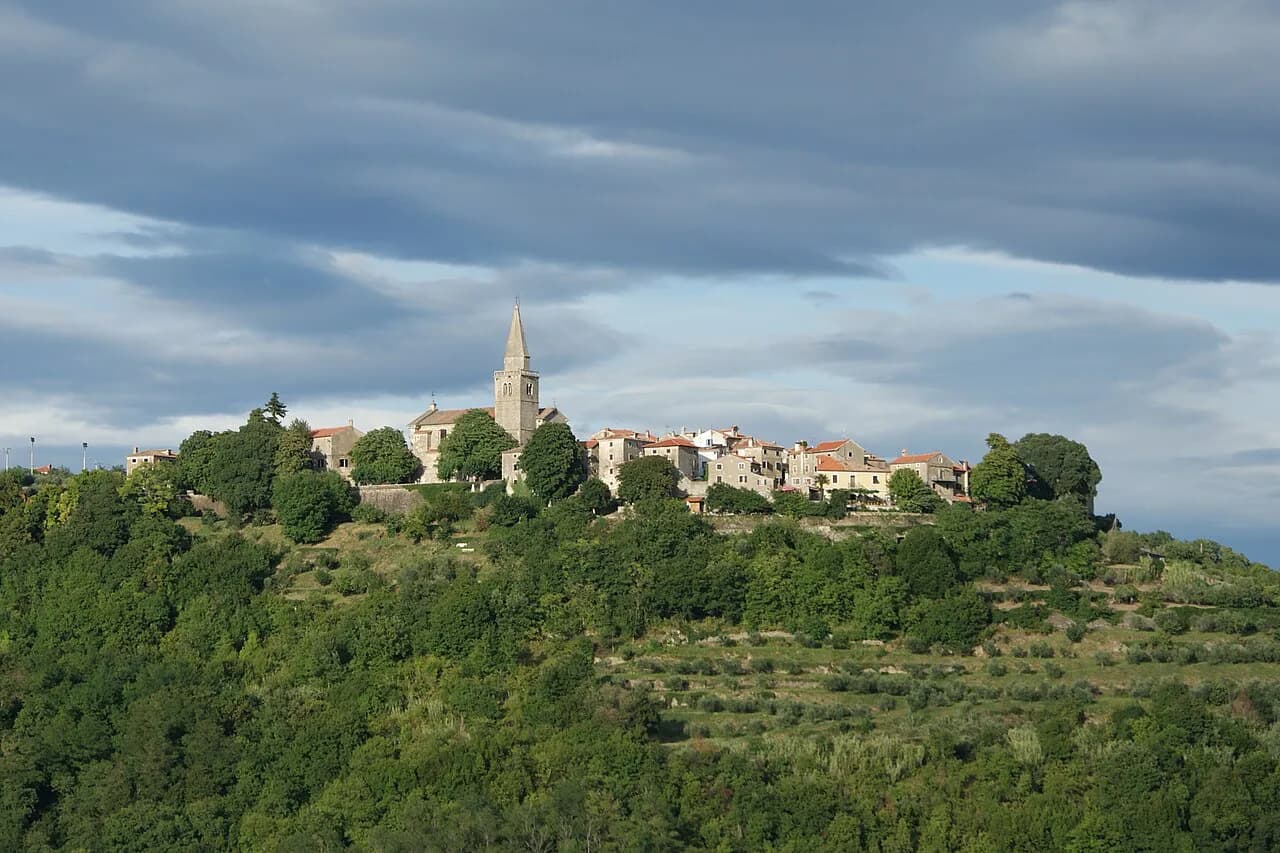
Bale is a small hill town in Istria, roughly halfway between Pula and Rovinj, and it needs about half a day rather than a full one. The walled old centre is compact enough to walk without a map, with its stone lanes and small squares as the main draw, so it works well as a stop on a coast-to-coast drive. This guide covers how the centre is laid out, what is worth your time inside and outside the walls, and how Bale sits within the wider planning of an Istria Travel Guide.
The town is one of Istria's Hill Towns, which means a tight core of stone lanes, a few named sights and countryside beyond the walls rather than a long seafront. If you are comparing it with bigger neighbours on the water, treat Bale as a morning or late-afternoon stop and keep the coast for its own day.
Where Bale sits in Istria
Bale — Bale-Valle in Italian — lies inland from the western Istrian coast on the road corridor between Rovinj and Pula, which makes it easy to slot into a drive along that stretch. The municipality stretches down to the sea, but the town itself sits up on its hill, so do not expect to park beside a beach and walk to the lanes.
The tourist board describes the municipality as a place of coastline, countryside and estate land, with about ten kilometres of shoreline in its care. That split matters for planning: the historic core is one visit, the shoreline and the country beyond it another.
For orientation across the peninsula, including how Bale relates to coastal towns, an Istria map is the fastest way to judge driving distances before you commit a day to one small town.
How the old centre is laid out
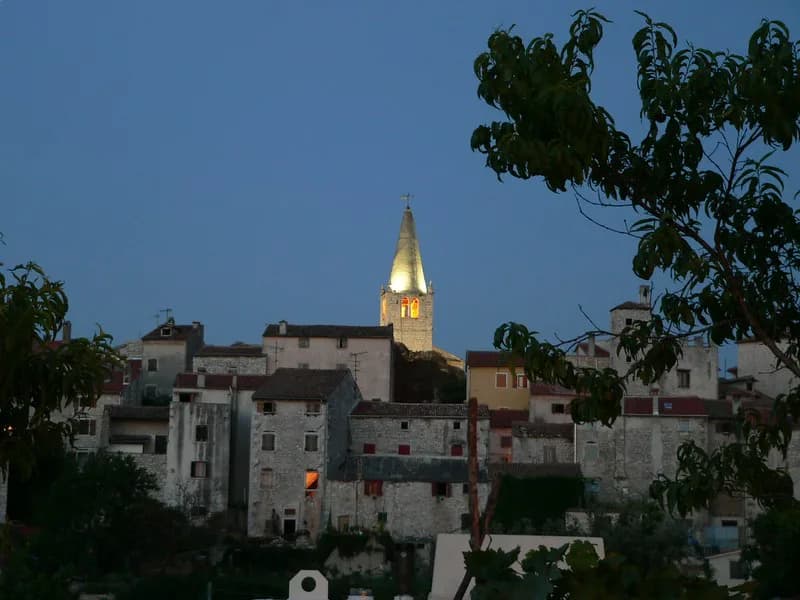
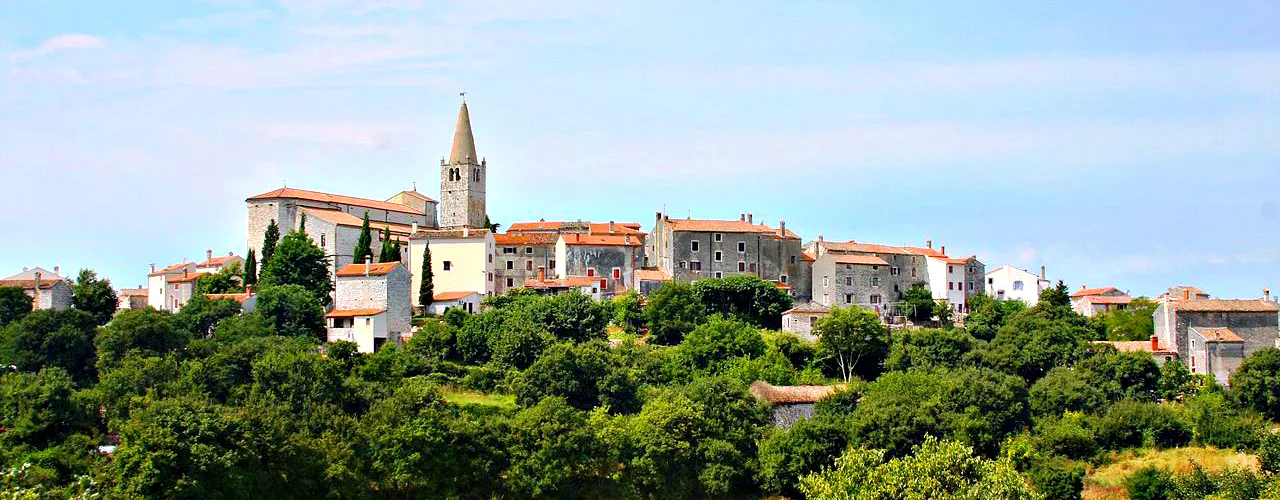
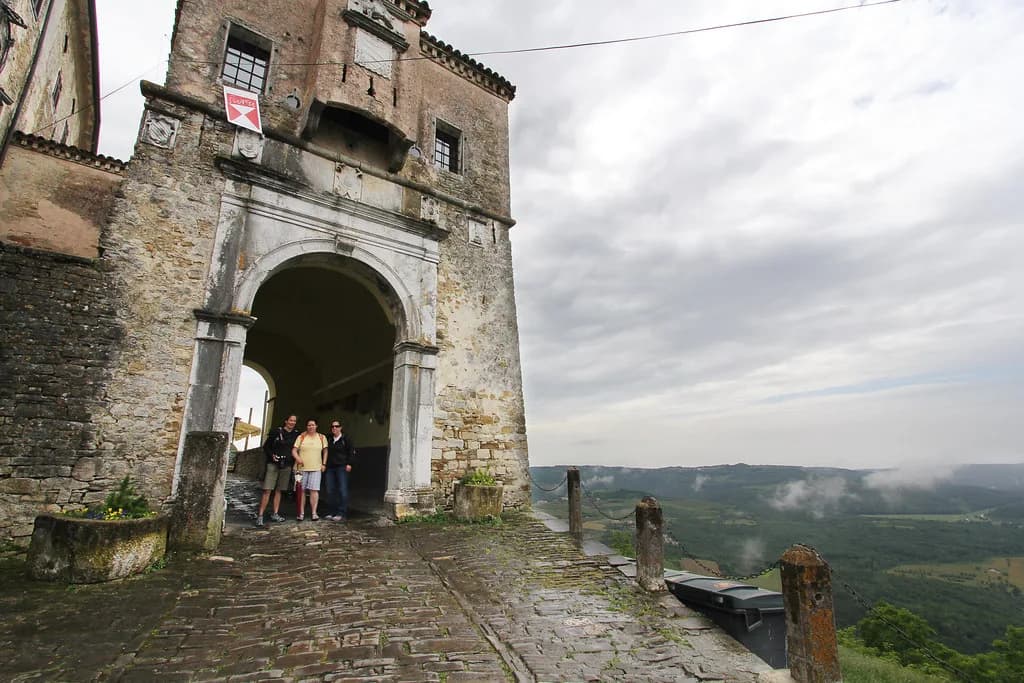
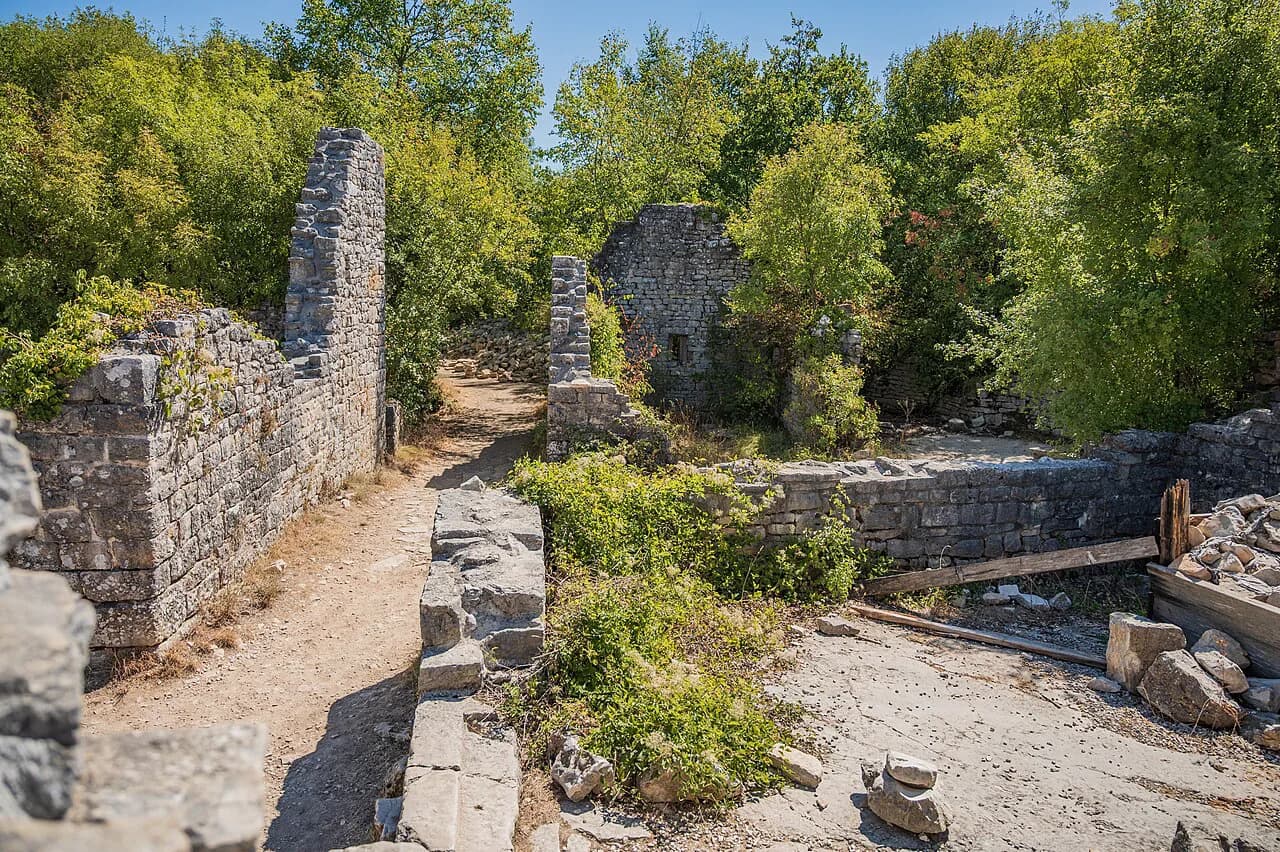
The historic core is a walled cluster of lanes and small squares on the hilltop, small enough that you will loop back on yourself within an hour. Start at the main gate and let the streets pull you upward; the church and the castle sit at the heart of the knot rather than at opposite ends of town.
The tourist board's material describes Bale as a town that is 'already almost functioning as a hotel town', reflecting how much of the old core now serves visitors. Expect a quiet, compact centre rather than a large museum village, and treat the lanes as the main thing to see.
Because the centre is small, the sight set is modest and the lanes themselves are the main attraction. Come for the walls and the atmosphere of the old streets, and pair Bale with a larger hill town such as Motovun if you want a fuller day of sightseeing.
The sights worth your time
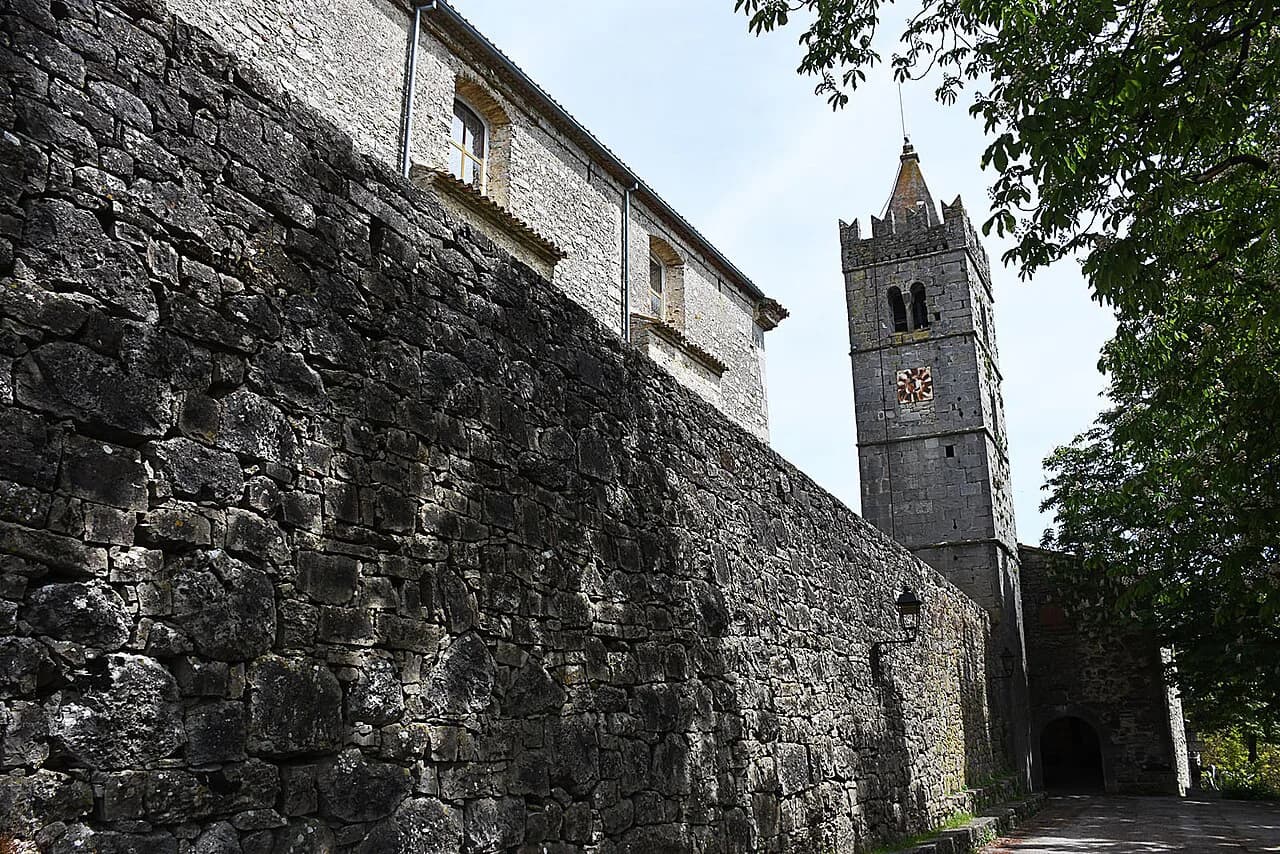
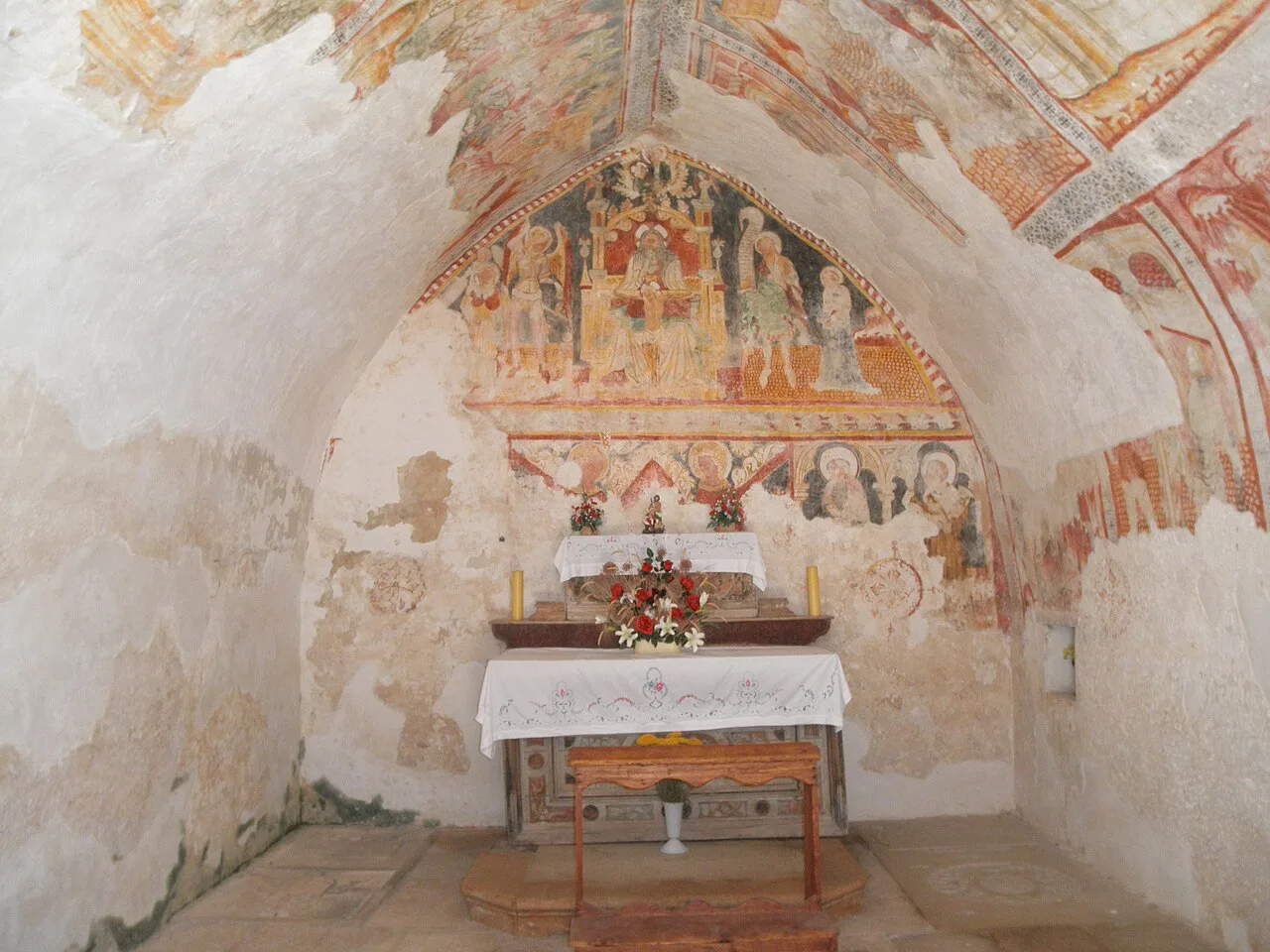
The town's most recognisable structure sits among the lanes as a fortified reminder of Bale's past, giving the core its enclosed feel. Pair it with the parish church and the old streets themselves, which are the third reason to come.
The tourist board also lists Castrum Vallis among the town's historic points of interest, a reminder that Bale's identity is bound up with a defensive past rather than a single showpiece building. Walk the perimeter where you can: the wall line explains why the centre feels so enclosed.
Give the lanes and the wall line two to three hours at an unhurried pace. Walking the public lanes and the wall line needs no booking.
Dinosaur footprints in the Bale area
Bale's most unusual draw sits outside the walls: dinosaur footprints in the surrounding area, which the tourist board promotes as a way to touch something genuinely prehistoric. The prints are a countryside sight rather than a town-centre one, so budget separate time and transport for them.
Treat this as a short add-on rather than a half-day in itself, and check locally how to reach the site and whether guiding is running, since access arrangements for open-air geological sites change with the season. Sturdy shoes are the practical requirement; the lanes of the old town are uneven enough on their own.
Bale's shoreline and coast
The municipality reaches the coast, and the tourist board describes its shoreline as a stretch of largely untouched nature, with the coast named for its beaches and open water. That coast is a different visit from the hill town: you need wheels or a lift to connect the two, and the shoreline is best treated as a separate, slower afternoon.
The nearby Mon Perin name appears on the tourist board's site and is tied to the coastal side of the municipality rather than the walled centre. If your interest is swimming and open water rather than stone lanes, plan around the coast and treat the old town as the shorter stop.
How long Bale needs and how it fits a coast trip
Allow two to three hours for the walled centre and a coffee in the lanes, and add an hour or two if you want the dinosaur footprints or the shoreline. That makes Bale a natural half-day between Rovinj and Pula rather than a base in its own right.
In a broader Istria itinerary, Bale pairs neatly with the hill-town circuit inland; if you want the classic walled hilltop experience with more to see inside the walls, Motovun is the bigger draw, and the quieter artist lanes of Grožnjan make a good counterpoint on another day.
Two other inland towns are worth knowing when you plan the same loop: Buzet, the truffle town, and tiny Hum, which claims to be among the smallest towns anywhere. Neither is on Bale's doorstep, so decide between them and Bale rather than trying to do all three in one day.
Getting there by car and without one
By car, Bale sits on the inland side of the Rovinj–Pula corridor, which makes it straightforward to reach from either town and easy to combine with a coastal drive. Parking is outside the walls, as you would expect of a walled hill town, so plan to walk in from the edge of the centre.
Without a car, Bale is harder: it is an inland town rather than a ferry port, and regional bus connections along the Istrian coast are the usual way in. Check timetables with the bus company for your dates, because service levels thin out outside the summer season, and treat a taxi from Rovinj or Pula as the fallback.
If you are arriving from the sea side of the trip, Fažana is the ferry point for the Brijuni National Park and a useful anchor for that stretch of coast; Bale sits inland from this part of Istria rather than on the water.
When to go: summer crowds and quieter months
Bale's centre is small enough that even a busy summer day does not produce the crush of Rovinj's waterfront, which is a point in its favour for a midday stop. The trade-off is that the town's life is seasonal, and some visitor facilities follow the summer calendar rather than running year-round.
The tourist board recorded 68,200 tourists in 2023 and averages around 2,400 sunny hours a year, which points to a strongly summer-weighted pattern of visitors. Aim for late spring or early autumn if you want the lanes to yourself and the weather still on your side; high summer brings heat and the fullest calendars.
Bale hosts festivals through the season, including a music festival and a young theatre festival listed with dates in 2026 — the music festival from 27 June to 5 July 2026 and the theatre festival from 20 to 26 September 2026. Treat those as dated programme information rather than a guarantee of a repeat, and confirm the current year's line-up with the tourist board.
What things cost in a small Istrian town
Croatia has used the euro since 2023, so prices are in euros throughout and there is no kuna conversion to wrestle with in Bale. Walking the old lanes and the wall line is the part of a visit that costs nothing beyond your time.
Where a guided footprint visit or any ticketed sight charges an entry fee, the tourist board is the place to confirm the current amount, since small-town ticket prices and opening months shift between seasons. Budget for a coffee or lunch in the centre as your main spend, and check the town's own visitor pages for any ticket that applies during your dates.
Is Bale worth the detour?
Yes, if you want a quiet walled hill town between Rovinj and Pula and have two or three hours to spare. No, if you are chasing a full day of museums or a beach base: the sight set is small, and the shoreline and dinosaur footprints sit outside the town and need their own transport and time.
The practical plan is to combine Bale with one other inland stop rather than making it the day's only destination, and to confirm opening times and any entry fees with the tourist board before you set out. For the wider context, including how Bale fits with the coast, read the Istria travel guide before you finalise the route.
Explore more Istria guides
Frequently Asked Questions
Where is Bale in Croatia?
Bale, also called Bale-Valle, is a small hill town in Istria on the inland side of the corridor between Rovinj and Pula. The municipality reaches the coast, but the historic centre sits on a hill, so you park outside the walls and walk in.
How much time does Bale need?
Two to three hours covers the walled centre and a pause in the lanes. Add an hour or two if you want to continue to the dinosaur footprint site or down to the shoreline, both of which need transport.
Can you visit Bale without a car?
It is possible but less convenient, since Bale is inland rather than a ferry port. Regional buses along the Istrian coast are the usual option, and a taxi from Rovinj or Pula is the fallback. Outside summer, services thin out, so check timetables for your dates.
Do you need euros in Bale?
Yes. Croatia has used the euro since 2023, so prices in Bale are in euros. Walking the public lanes and walls is the part of a visit you can enjoy without a ticket, while any guided visit may carry an entry charge, so ask the tourist board about the current amount for your dates.
Sources
Notes from the Croatian coast
Optional updates when our guides change.
You might also like
Continue reading
More guides you'll find useful