Vrsar, Croatia: Old Town, Harbour and Lim Fjord Guide
Plan a visit to Vrsar in Istria: the hilltop old town, the harbour below, the Casanova link, the Dušan Džamonja sculpture park and the Lim fjord nearby.
On this page
Give Vrsar half a day and you will have seen its two anchors: the harbour at sea level and the old town on the hill directly above it. Add the Dušan Džamonja sculpture park or a run up to the Lim fjord and the visit comfortably stretches into a full day. This guide sets out the layout, a short walking route through the centre, the town's Casanova story and its quarries, and how Vrsar sits between Poreč and Rovinj on the wider Istria: A Practical Guide to the Coast, the Hill Towns and Getting Around route. The drowned karst valley of the Lim fjord, north of town, is a separate outing.
Vrsar at a glance: harbour, hill town and archipelago
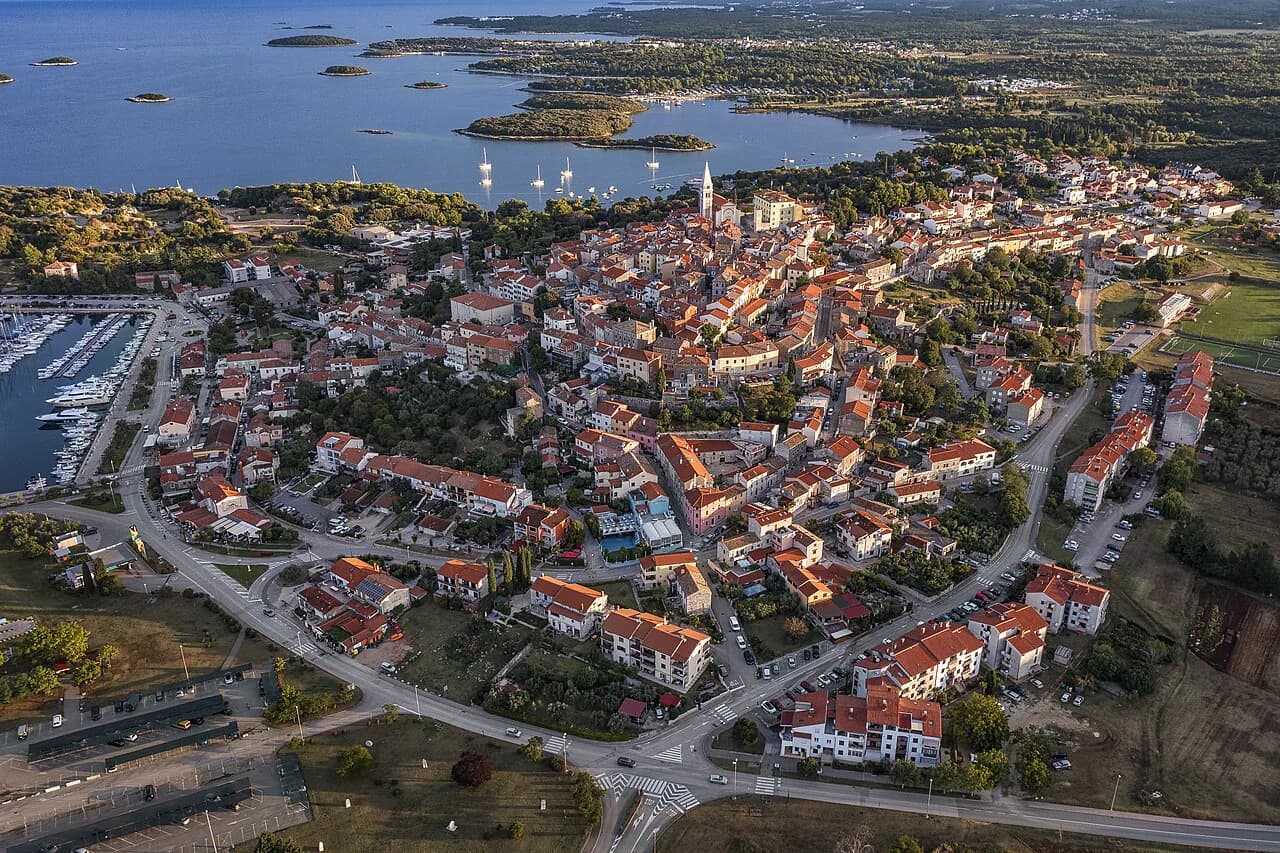
Vrsar occupies a hill on the western Istrian coast, with the harbour and waterfront at the bottom and the historic centre stacked above it in narrow stone lanes. Offshore lies a group of 18 small uninhabited islands, which gives the view from the top its scatter of green on blue. Behind the town are old quarries, and to the north the coast folds into the Limski kanal.
That three-part geography — quay, hill, islands — is what makes Vrsar easy to grasp on foot. Everything worth seeing in the centre sits within a short climb of the water, so you can arrive, park or moor, and walk the whole thing by following lanes uphill.
How long Vrsar needs
A half-day covers the harbour, the old town lanes and the hilltop viewpoint without rushing. Allow a full day if you also want to reach the Dušan Džamonja sculpture park, and a second day if the Lim fjord is on your list, since reaching it takes time on foot, by bike or by boat.
The trade-off is that Vrsar has fewer headline sights than its better-known neighbours, so it rewards a slower pace rather than a tick-list. If you are collecting Istrian towns, treat Vrsar as the quiet half-day between bigger stops rather than a destination that needs a full itinerary of its own. The same logic applies across Istria's Hill Towns, where the pleasure is in the lanes and views rather than in queueing for attractions.
Getting there and finding your way around
Vrsar sits on the Istrian coast between Poreč to the north and Rovinj to the south, with the Limski kanal cutting into the land just above the town. Arriving by road, you come in above the harbour and walk down; arriving by boat, you step off at the quay and climb. Either way the old town is the landmark to aim for, and the waterfront is where you start and finish.
For orientation, the harbour and the hill above it form a compact pair, and the lanes between them are walked on foot. Parking and mooring are best confirmed with the town's tourist office before you travel. An Istria map helps you see how close Vrsar is to Poreč, Rovinj and the Lim valley before you commit to a route.
The harbour and waterfront
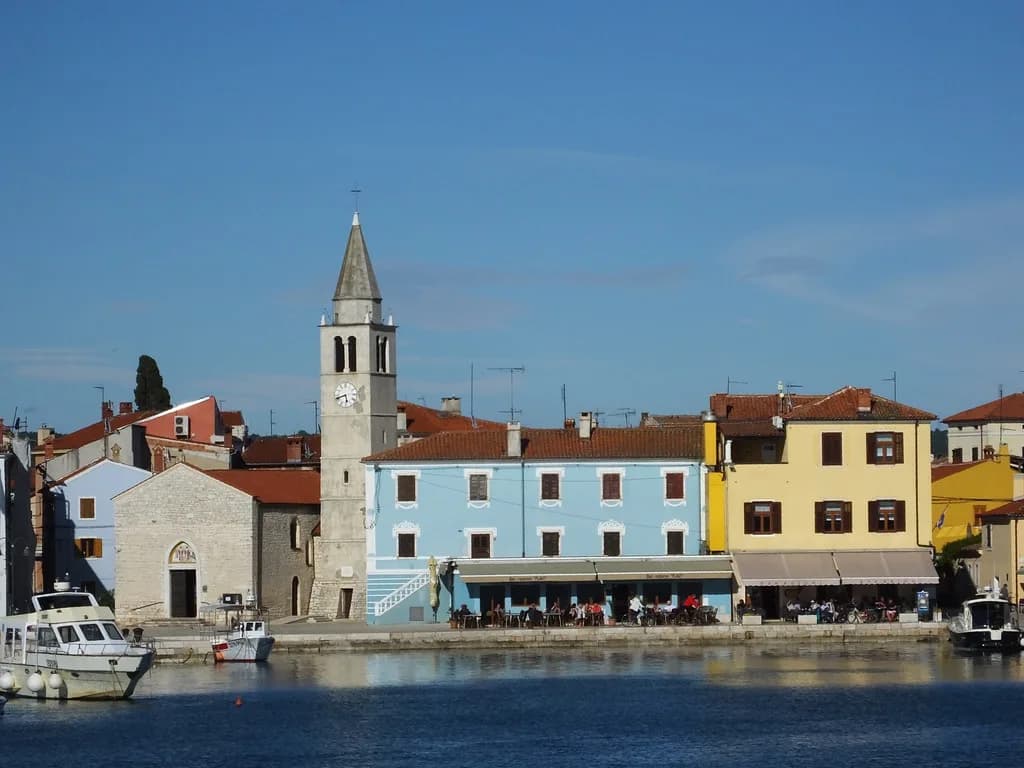
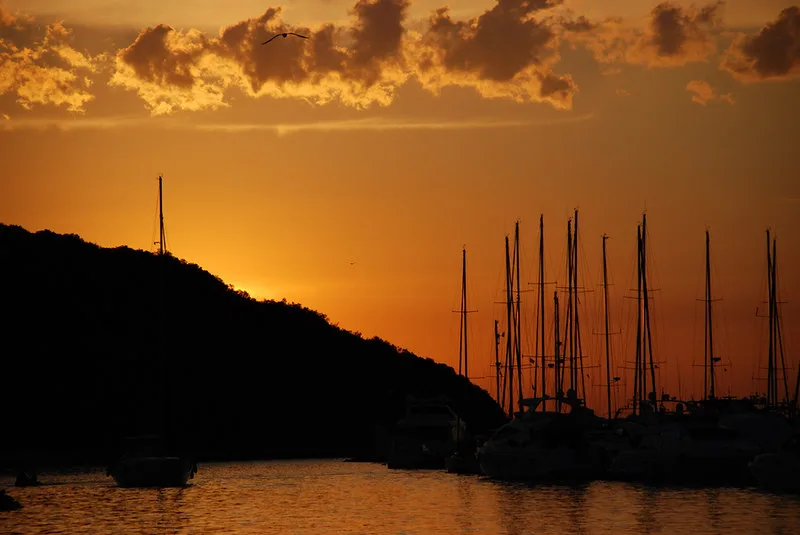
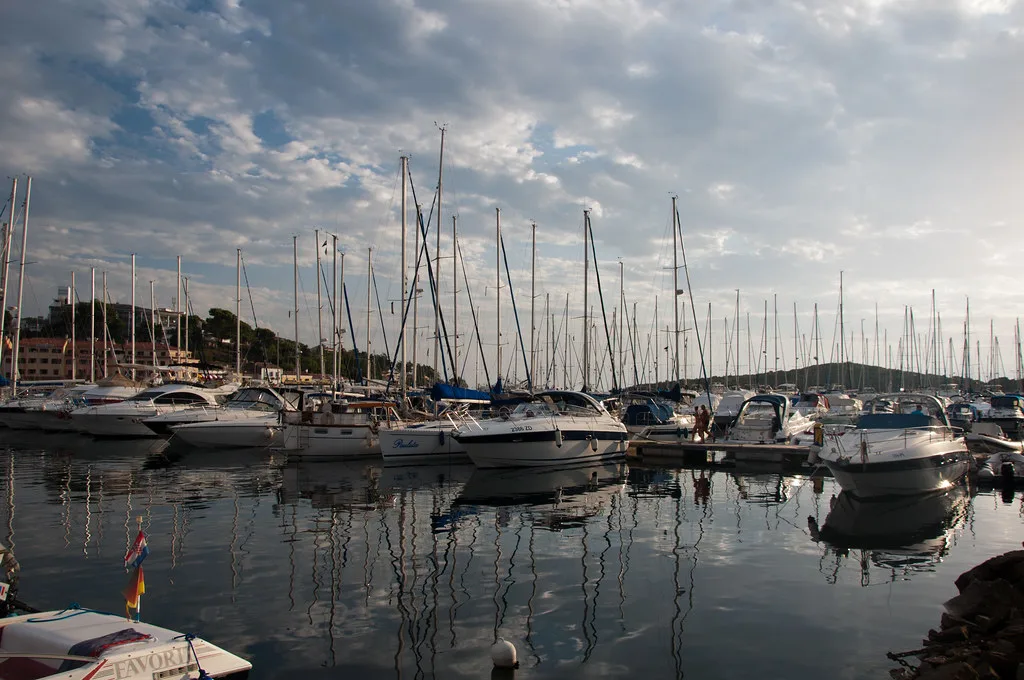
The harbour is Vrsar's most photographed sight and the natural place to begin. Fishing boats and small craft line the quay, cafés face the water, and the old town sits on the hill immediately behind, so the classic view is taken from the waterfront looking up. The harbour ranks among the most picturesque in the region.
Walk the quay end to end before climbing into the centre; it takes little time and gives you the town's shape in your head. The waterfront is also the easiest place to sit with a coffee and watch the coming and going, which is a large part of what Vrsar does well. Beaches along the coast are a separate matter and best treated as a swim stop rather than the reason to come.
Vrsar Old Town on foot
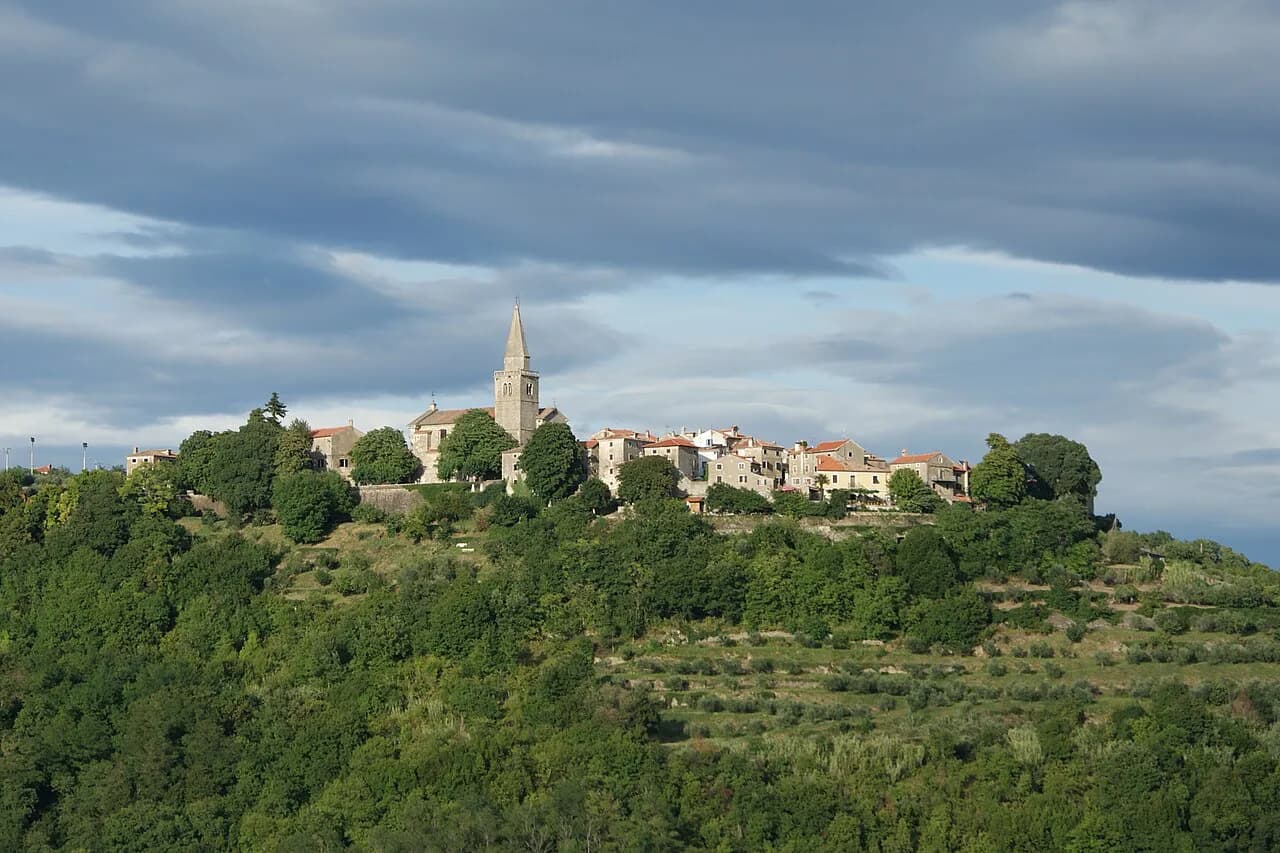
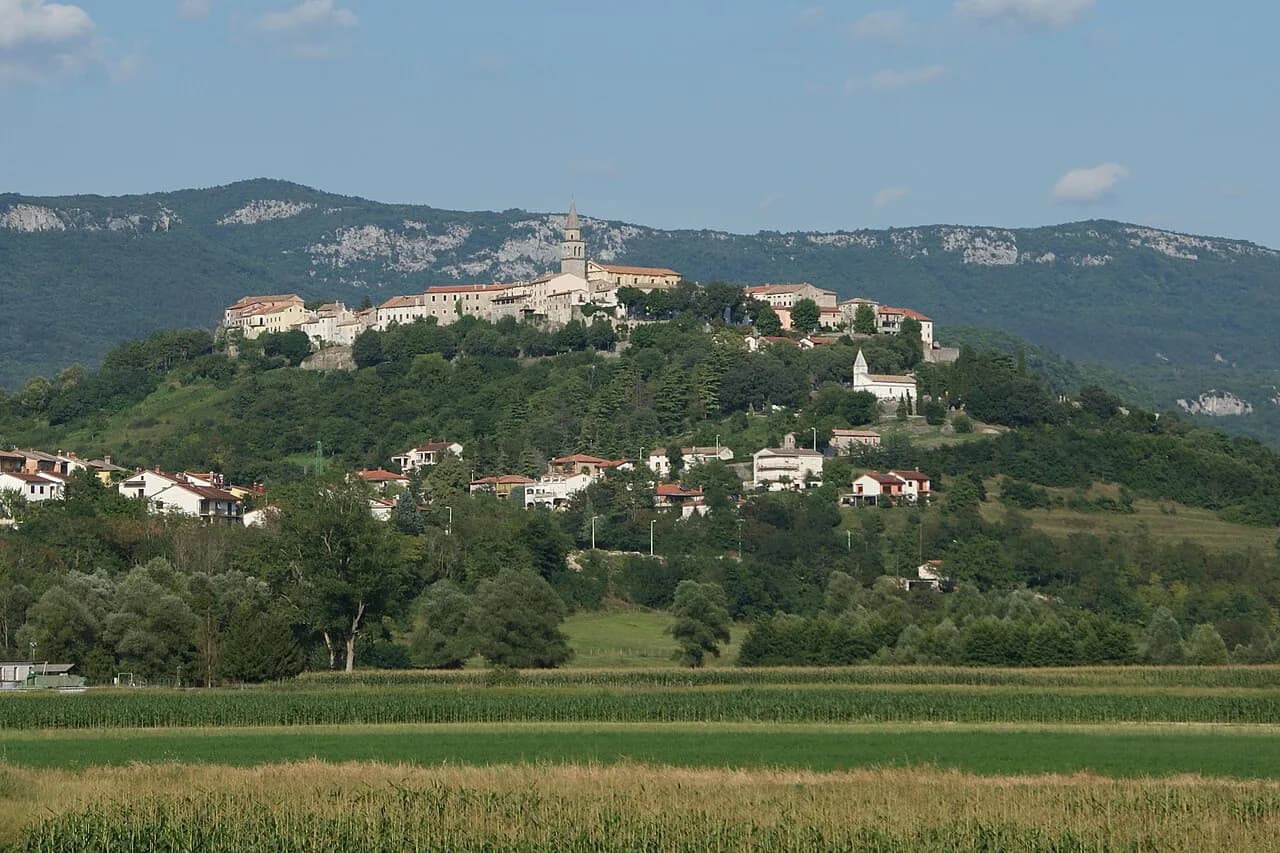
From the harbour, lanes climb through the old centre past stone houses and churches, opening onto a hilltop viewpoint over the sea and the islands. The historic core is a compact maze of narrow streets and stone buildings that rewards wandering rather than a fixed route. Give the climb twenty minutes at an easy pace and you will have crossed most of it.
A practical route is harbour, lower lanes, the viewpoint at the top, then back down a different way for a drink on the waterfront. The lanes are cobbled and steep in places, so grippy shoes matter more than any guidebook. Because the centre is small, you can repeat the loop in the evening when the day visitors have gone and the light softens.
The Casanova connection
Vrsar's most repeated story is that Giacomo Casanova, the 18th-century Italian adventurer and writer, passed through the town and was taken with it. The association has become part of how Vrsar presents itself to visitors, and you will meet it in local retellings around the centre. Treat it as colour for the walk rather than a sight with a ticket attached.
The 18 islets and the old quarries
Offshore, a group of 18 small uninhabited islands forms the archipelago that frames every view from the hill. They are scenery rather than a destination in themselves for most visitors. Behind the town, the old quarries are a separate piece of Vrsar's identity.
Stone from these quarries, known historically as Pietre di Orsera, was used in Venetian palaces, bridges and churches, and the worked faces of the quarries now serve as event spaces rather than working pits. That link to Venice is the reason the quarries deserve more than a glance if you have an hour to spare.
Dušan Džamonja sculpture park
The Dušan Džamonja sculpture park is the one named art sight near Vrsar and a reason to stretch a half-day into a full one. It is set among olive groves and vineyards, with large sculptures placed in the open landscape rather than in a gallery, so the visit is a slow walk as much as an art stop. Confirm the park's current opening arrangements before you build a day around it.
The Lim fjord to the north
North of town, the Limski kanal is a drowned karst valley that reads like a fjord, with steep sides and sheltered water. Cycling and walking paths run out towards it from the Vrsar area, and it can also be seen from the water, which is the easier way to appreciate its scale.
If the fjord is the main reason for your stop, plan it as its own outing rather than squeezing it into an hour before dinner. Cycling and walking paths run out from the Vrsar area towards the Limski kanal, and the water gives you its scale.
When to go
Vrsar has a Mediterranean climate with long, warm summers and mild winters, which is why the season stretches either side of midsummer. July and August are the busiest months, when the harbour and old town fill with day visitors and the quayside gets crowded in the evening. Late spring and early autumn give you the same lanes and views with more room to move.
The town's beaches and coves are strung along the coast and busiest in high summer, so a morning swim beats an afternoon one in August. Wind and weather vary day to day, so treat any seasonal pattern as typical rather than guaranteed.
Crowds and honest trade-offs
Vrsar is quieter and more workaday than Rovinj or Poreč, which is exactly its appeal, but it also has fewer set-piece sights to fill a day. In high summer the harbour and old centre still get busy, particularly when boats are coming and going, and the lanes are narrow enough that a crowd is felt. Come early or stay late and the town feels like itself again.
The payoff for the smaller scale is that Vrsar stays walkable and unhurried, with the water always a few minutes downhill. If you want big-town energy and a long list of attractions, base yourself elsewhere and visit Vrsar as a half-day. If you want a harbour, a hill and an evening promenade, it delivers.
How Vrsar fits into an Istria trip
Vrsar pairs naturally with Poreč to the north and Rovinj to the south, and its position makes it a useful stop between the two rather than a detour. Coming from inland, Istria's Hill Towns make a contrasting day of walled villages and valley views after the coast.
If your itinerary runs along the coast, treat Vrsar as the quiet afternoon between Poreč and Rovinj, with the Lim fjord and the sculpture park as the two reasons to stay longer. Save the bigger towns for their own days and let Vrsar be the pause.
Is Vrsar worth the stop?
Yes, if you want a compact harbour-and-hill town with a genuine everyday feel and no need to rush. Give it half a day for the quay, the lanes and the viewpoint, and extend to a full day only if the Džamonja sculpture park or the Lim fjord is calling.
Set your expectations accordingly: Vrsar is a quieter stop than Rovinj or Poreč, not a rival to them, and that is the reason to include it. Walk down to the water at the end of the day and the town makes its own case.
Explore more Istria guides
- Bale, Croatia
- Buzet: A Guide to Istria's Hilltop Truffle Town
- Fažana: Istria's Fishing Village and the Gateway to Brijuni
- Grožnjan
- Hum, Croatia
- Labin: A Guide to the Hilltop Old Town Above Rabac
- Motovun: a guide to the walled hilltop town in Istria
- Oprtalj: Istria's Hill Village of Frescoed Churches and Mirna Valley Views
- The Istria Coast
- Vodnjan: Istria's Old Town, St Blaise Church and How Long You Need
Sources
Notes from the Croatian coast
Optional updates when our guides change.
You might also like
Continue reading
More guides you'll find useful