Grožnjan: Istria's Artists' Hill Town Guide
Grožnjan is a hill town above the Mirna valley in Istria, known for cobbled lanes and artists' galleries. Here's what to see and how long to allow.
On this page
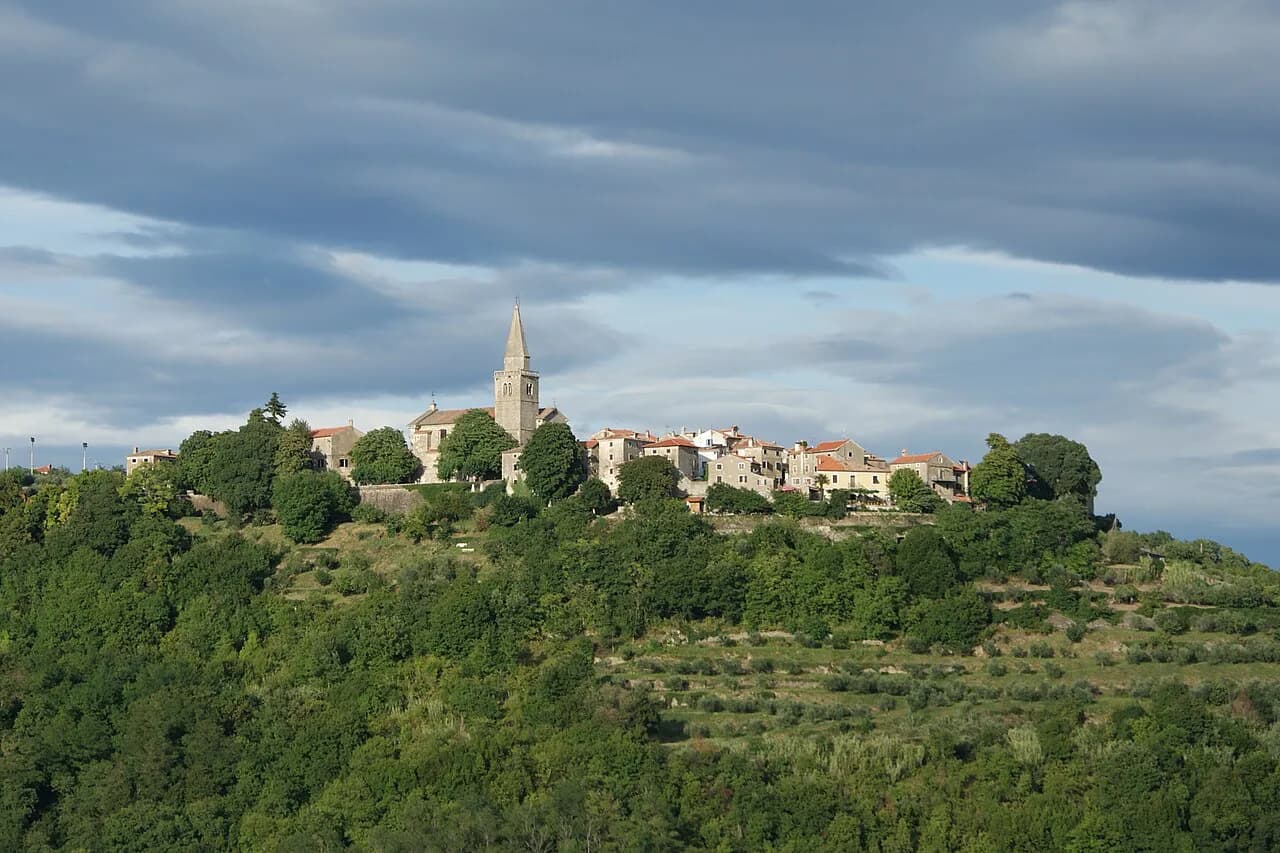
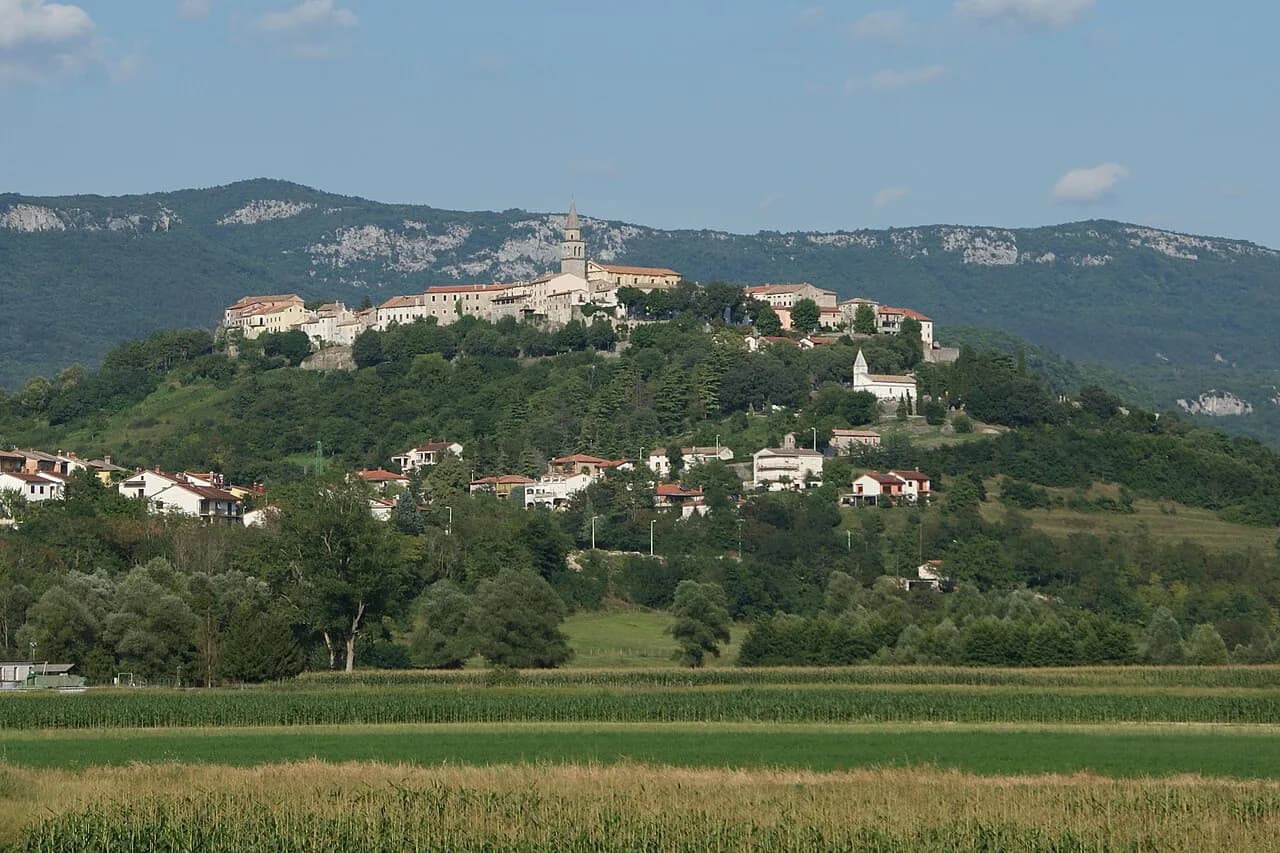
Grožnjan is worth two to three hours as a half-day stop in inland Istria, not a coastal base. The town sits on a hill 228 metres above the Mirna valley, and its draw is compact: cobbled lanes, stone houses, galleries and long views over the Istrian hills.
This guide covers a walking order through the old centre and the galleries, where the valley views open up, and how the town slots into a wider Istria itinerary. It also flags what catches people out: cobbles underfoot and the bura wind, which is stronger on an exposed hilltop than down on the coast.
What Grožnjan is and where it sits
Grožnjan is a small hill town in Istria, positioned on a rise above the Mirna river valley at an elevation of 228 metres. The centre is built of stone, with cobbled lanes that climb and bend between the houses — the historic core is the reason visitors come.
It is inland, with no beach of its own, so plan it as a hill-town excursion rather than a swimming day. The town works best as a morning or late-afternoon stop folded into a drive between the coast and the interior.
If you are stringing several hill settlements together, our guide to Istria's hill towns sets out how the inland towns compare and how they fit a drive through the interior.
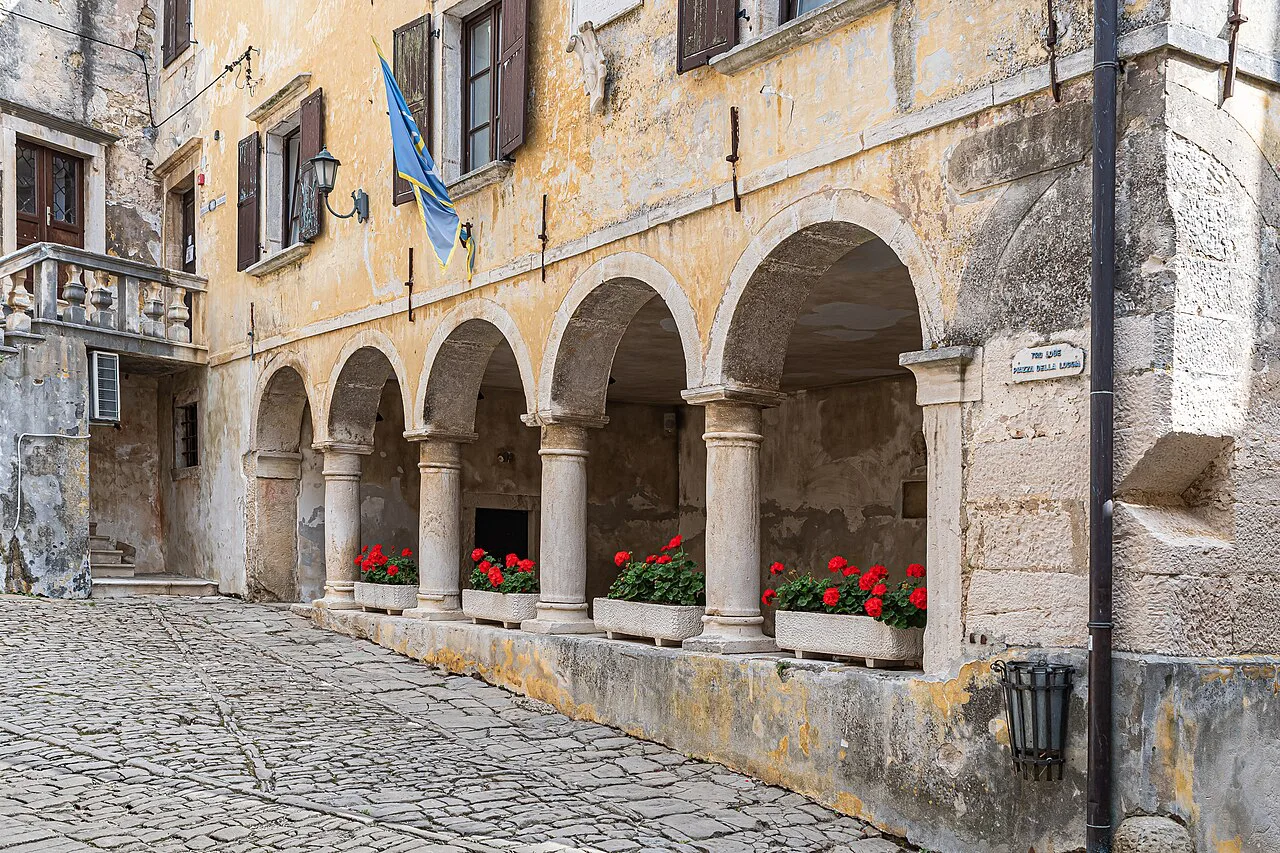
Getting there and arriving
Grožnjan is reached by road, and the last stretch climbs the hill to the town rather than running along a valley floor. Expect to leave the car at the edge of the centre and continue on foot, so the arrival is part of the visit rather than a formality.
Bring shoes with grip. The surface through the centre is cobbled and polished by foot traffic, and the lanes rise steadily through the town, so the walking is constant rather than steep in one place.
If you are plotting a loop through the interior, an Istria map helps more than a satnav alone, because the minor roads between the hill towns are where the driving time actually goes. Allow for that on top of the time you spend in Grožnjan.
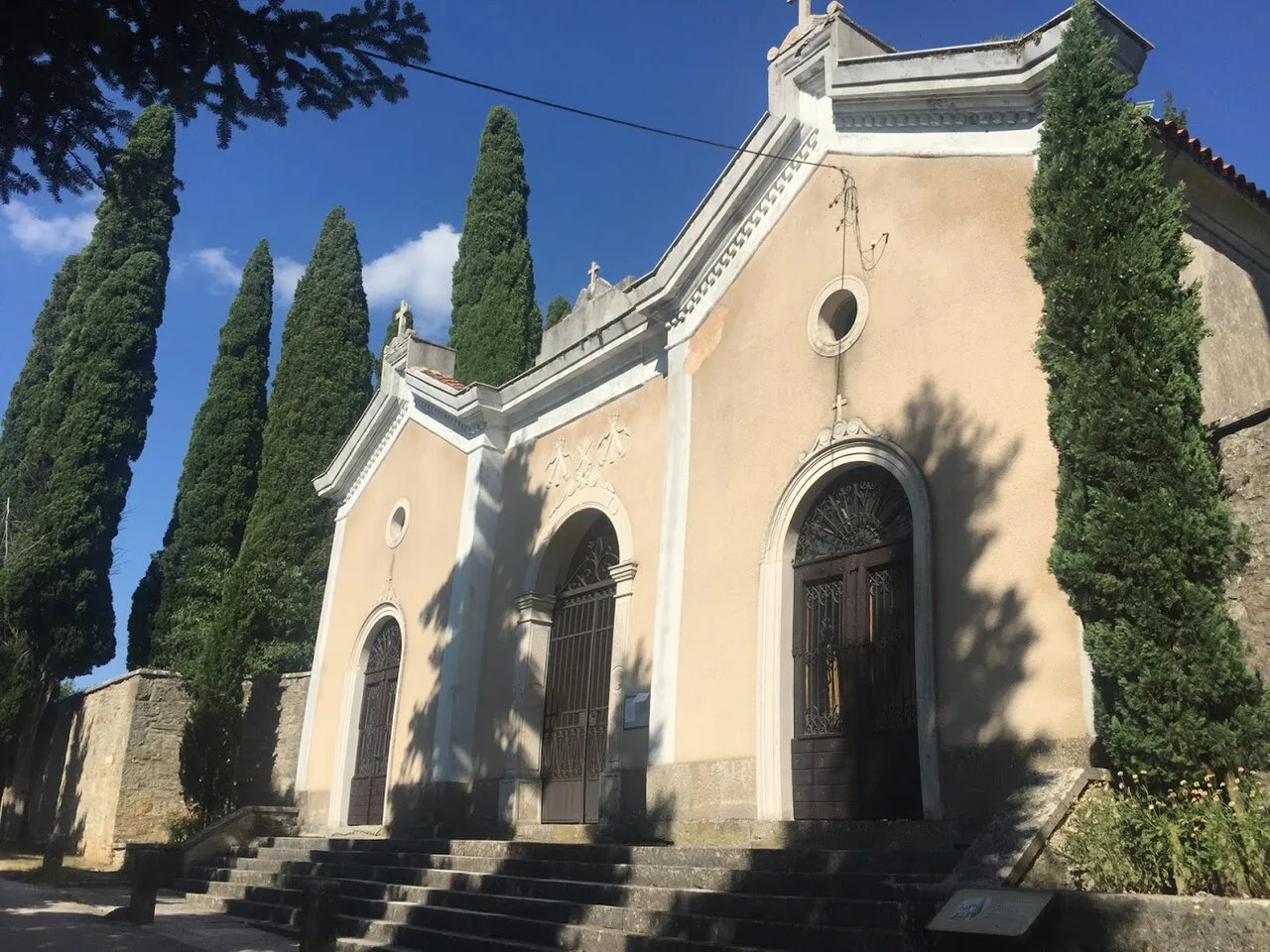
The old centre on foot
Start at the entrance to the old centre and follow the main lane upwards rather than turning off immediately; it delivers you into the heart of the town with the least back-tracking. The lanes are narrow, stone-built and flanked by houses, which is why the centre reads as coherent rather than staged.
Take the first small square or open space you reach as your orientation point, then work outwards along the side lanes. The centre is small enough that you will pass the same corner more than once, and that is the pleasure of it.
Expect the centre to feel small. It is a compact kernel rather than a sprawling town, and the pleasure is in noticing detail, such as a carved lintel or a shuttered window above a gallery sign, rather than ticking off monuments.
Galleries and studios
Grožnjan's identity as an artists' town comes from the galleries and studios inside the old centre, many of them occupying small stone buildings along the lanes. You will pass several simply by walking the route above, and most are small enough to look round in a few minutes.
Treat them as the reason to slow down rather than as a checklist. Each gallery keeps its own hours, so let what is open on the day shape the order of your walk.
This is also the liveliest part of town in season, when groups move through the same narrow lanes. Arrive early in the day or later in the afternoon rather than at midday if you want breathing room.
Views over the Mirna valley
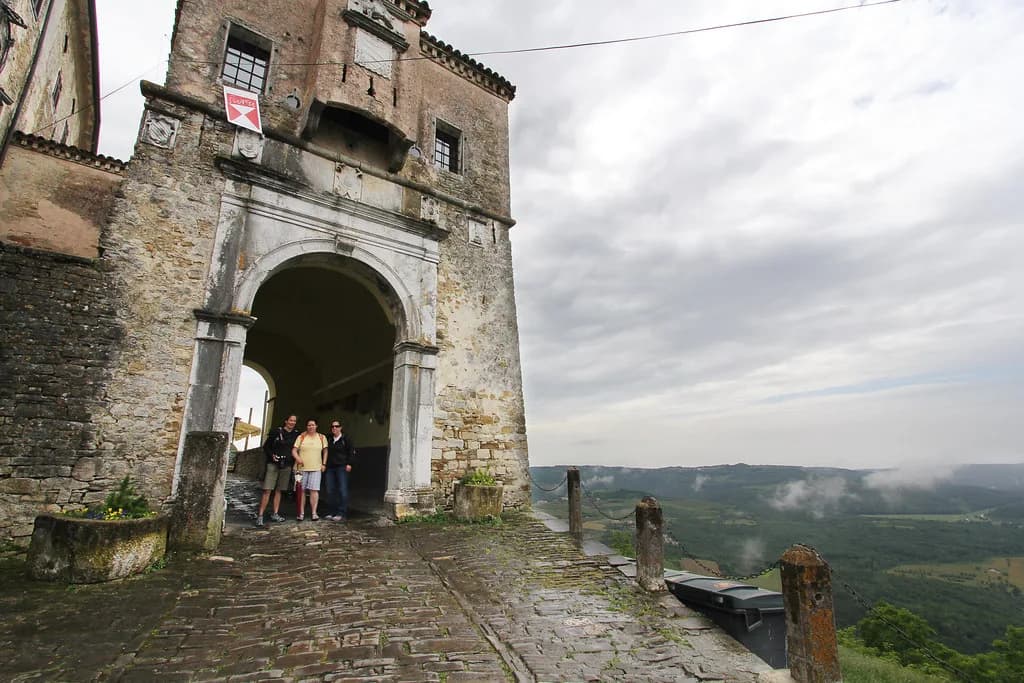
The views are the other half of the visit, and they are best from the outer edge of the centre, where the ground falls away towards the Mirna valley. From there the land drops in ridges and wooded slopes towards the river, with the Istrian hills beyond.
Walk the edge of the town rather than settling at the first viewpoint. The outlook shifts considerably as you move round the centre, and the quietest corner is often the one furthest from where you came in.
Hold onto hats and loose items on breezy days. The bura wind funnels across this exposed hilltop, and the ground beyond the edge of the centre is steep, so keep back from the drop rather than stepping out for a photograph.
A short walking route and how long it takes
A sensible order is: enter the old centre, follow the main lane upwards, detour into two or three galleries on the way, then walk the edge for the valley views before returning through the side lanes. That circuit covers the centre without repeating ground.
Allow around an hour for the walk itself and two to three hours in total once you add gallery stops, photographs and a drink. The distance is short; the time goes on the cobbles, the gradients and the pauses.
If you are short of time, cut the side lanes rather than the edge walk. The lanes repeat a similar experience, while the valley view gives you the payoff that justifies the climb up from the car park.
How long to stay and how it fits a coast trip
Grožnjan earns a half day, not an overnight. It pairs naturally with the coast in the morning and the interior in the afternoon, or the reverse, and it sits comfortably alongside other hill towns on the same drive.
Among those neighbours, Motovun is the obvious comparison: bigger walls, more visitors and a similar hilltop position. Our Motovun guide sets out what that larger town offers so you can decide whether to do one or both.
For smaller and quieter stops, Oprtalj and Buzet lie in the same part of the interior, each with its own reason to get out of the car. Oprtalj sits high above the Mirna valley, while Buzet is the hilltop town often associated with truffles.
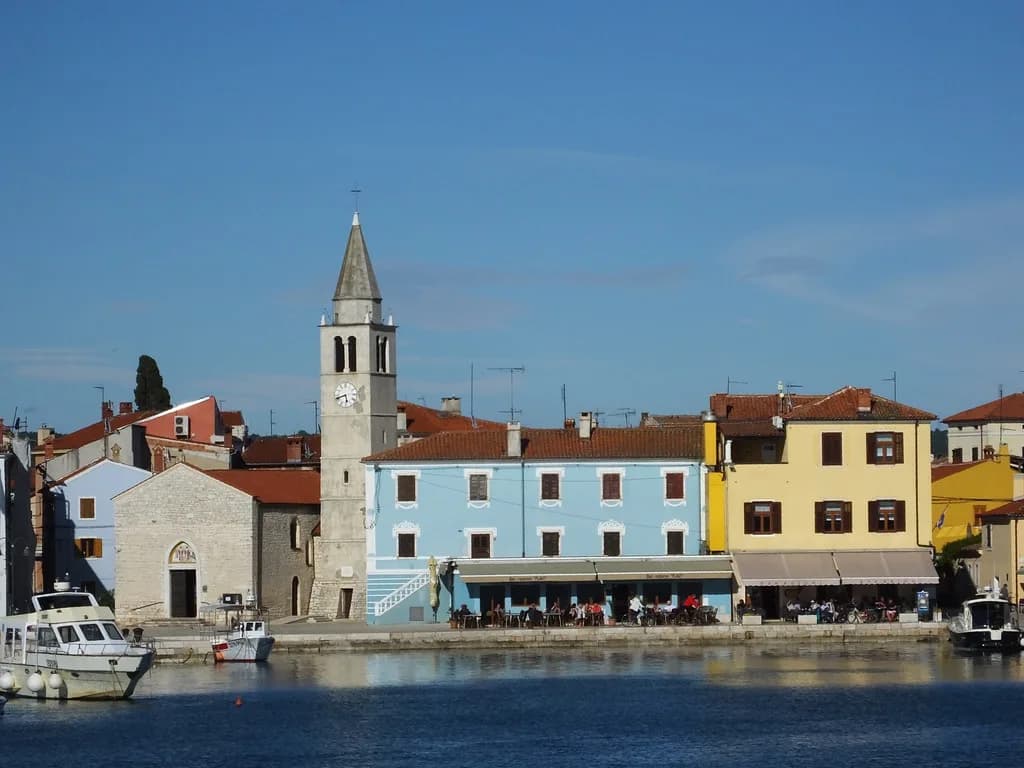
If your trip also touches the coast, Fažana is the fishing village that serves as the gateway to Brijuni National Park, and Labin is the hilltop old town above Rabac on the eastern side of the peninsula. Both make sense as separate days rather than add-ons to a Grožnjan morning.
When to go
Late spring and early autumn give the best balance: the lanes are walkable without the crush that builds in high summer, and the light on the valley is softer for photographs. Summer is workable if you start early, but the centre is small and absorbs crowds poorly.
The shoulder seasons also bring more changeable weather, including the bura, which can make the exposed edge of town uncomfortable and cold even on an otherwise mild day. Carry a layer you can add at the top.
Gallery opening patterns and any seasonal closures are set locally and change from year to year, so check the town's own channels before you set out if you are travelling for a specific studio or exhibition.
Practical notes for cobbles and wind
Wear flat shoes with a tread. Cobbles are slippery when wet and unforgiving underfoot after a couple of hours, and the polished stones in the busiest lanes are the worst of it.
On windy days, plan your walk for the sheltered lanes and keep time at the exposed edge of town brief. The bura is a dry, gusting wind, and on the hilltop it is stronger than it feels down on the coast.
Facilities inside the centre are limited and spread out, so carry water and treat the town as a place to walk rather than to stock up.
Is the Grožnjan detour worth it?
Yes, if you want a compact, characterful hill town with galleries and a valley view, and you are already driving through inland Istria. No, if you are looking for a coastal base, a beach day or a full day of sights.
Give it two to three hours, arrive with grip on your shoes, walk the centre and the galleries, then the edge for the view. Slot it between the coast and the other hill towns of the interior and it earns its place in the itinerary.
Explore more Istria guides
Frequently Asked Questions
Do you need a car to visit Grožnjan?
Grožnjan is an inland hill town reached by road, with the last stretch climbing to the town and a short walk into the centre. If you are relying on public transport, check what is running locally before you commit to the day.
Is Grožnjan suitable for people with limited mobility?
The centre is cobbled throughout, with lanes rising steadily through the town, so it is hard work for wheels and for anyone unsteady on their feet. The flatter stretches near the entrance to the old centre are the most manageable.
Sources
Notes from the Croatian coast
Optional updates when our guides change.
You might also like
Continue reading
More guides you'll find useful