Pazin Castle: Istria's Fortress Above the Chasm
Pazin Castle sits on a cliff above the Pazinčica gorge and houses the Ethnographic Museum of Istria. What to see, how long it takes and when to go.
On this page
Pazin Castle, known in Croatian as Kaštel Pazin, is a fortress on a cliff above the deep gorge of the Pazinčica River in the Istrian interior, and today it holds the Ethnographic Museum of Istria rather than furnished noble rooms. Our suggestion for the castle itself is roughly an hour to ninety minutes, plus separate time if you want to see the gorge below. This guide covers the building's documented history, what is inside, what the cliff position gives you, the practicalities of hours, and how to fit the town into a wider trip through Istria: A Practical Guide to the Coast, the Hill Towns and Getting Around.
Where Pazin Castle stands
The castle rises directly above the Pazinčica River gorge, a karst chasm that cuts through the town of Pazin and gives the fortress its most striking feature. The cliff position was a defensive advantage and now works as a viewing platform, with the building integrated into the rocky landscape rather than sitting on a detached hill. Pazin itself is inland, roughly in the middle of the Istrian peninsula, which makes the castle a different sort of stop from the coastal towns.
Because Pazin sits in the interior, reaching it usually means a drive or a bus ride from the coast rather than a stroll from a harbour. The town's position makes it a natural pairing with the region's hill towns rather than with a beach day, and the drive itself passes through the peninsula's wooded centre. For orientation before you plan the detour, judge distances from Poreč or Rovinj using a map of the peninsula.
The castle in brief
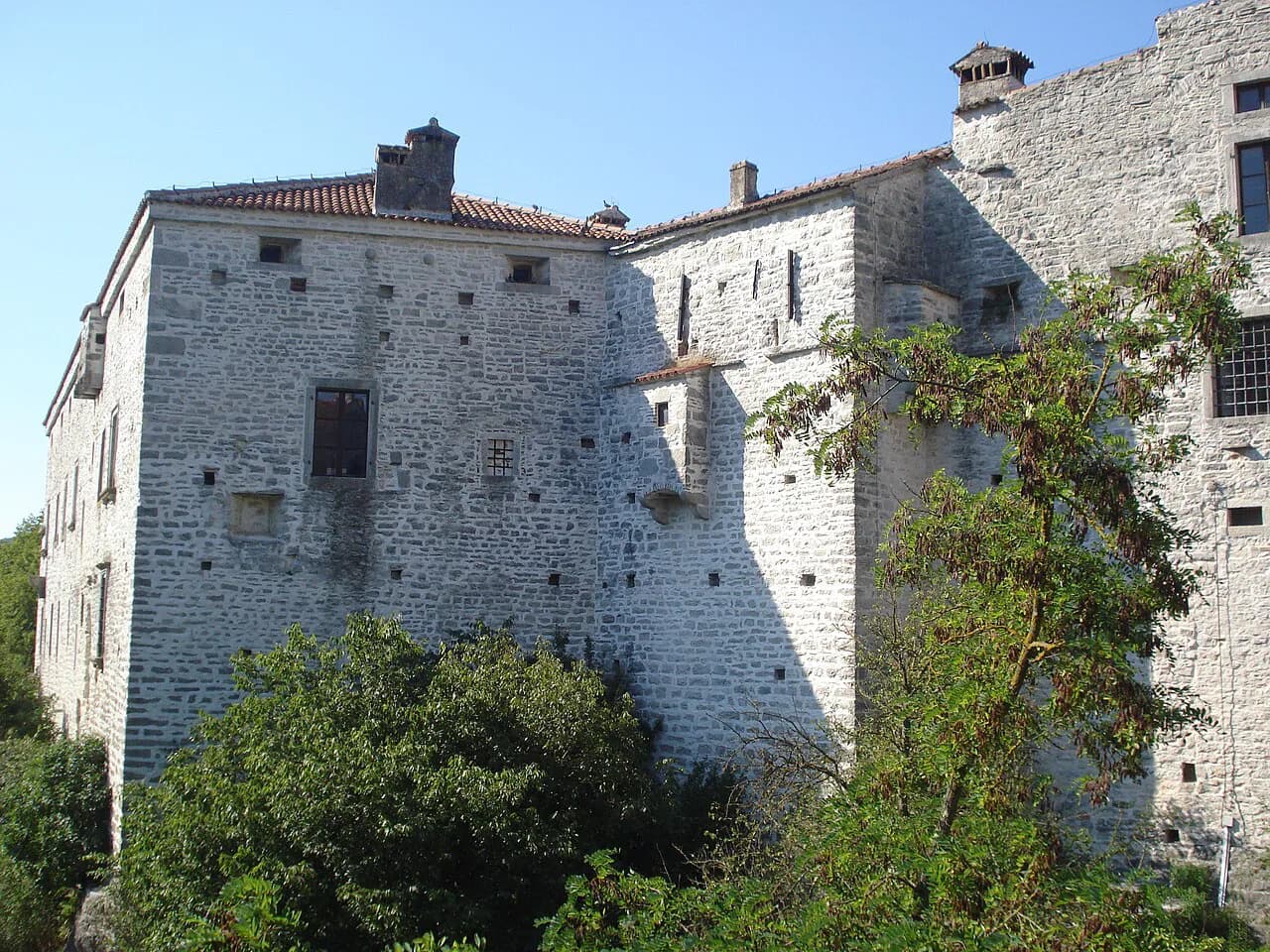
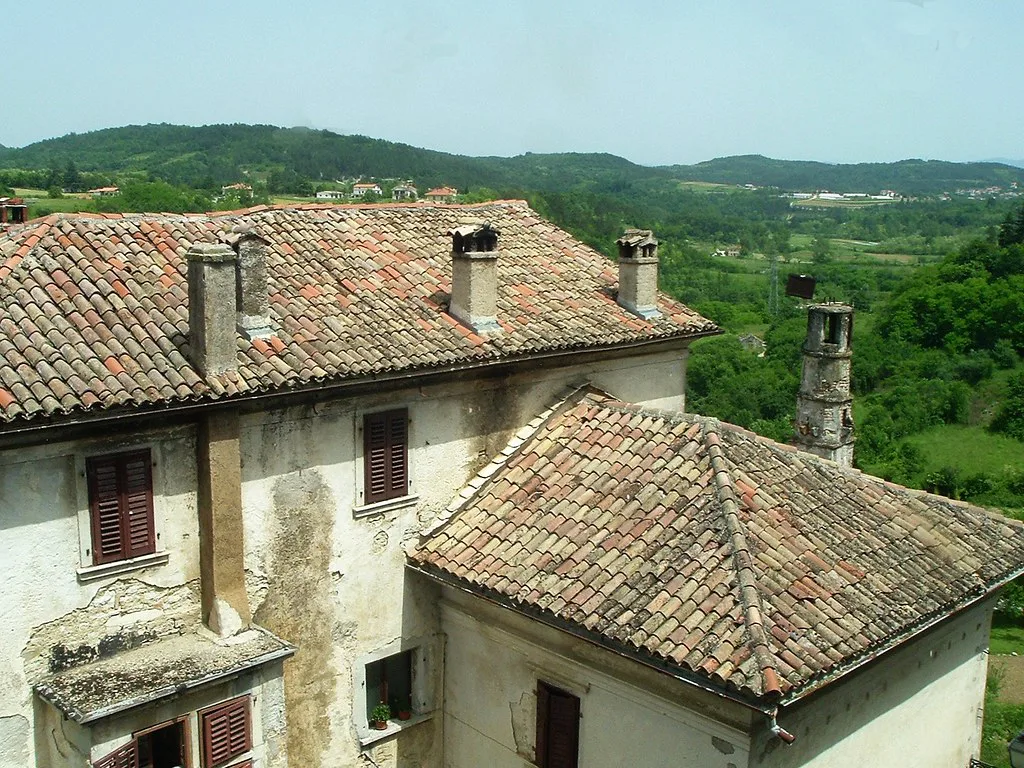
Pazin Castle is first documented in 983, when Emperor Otto II confirmed possession to the Bishop of Poreč, making it a fortified site of considerable age in the region. It later passed through noble hands, including the Counts of Gorizia, before coming to the Habsburgs in 1374. Those transitions explain why the building reads as layers rather than a single period, and why the museum inside carries the story of Istria County as a whole.
Renovations in the 15th and 16th centuries brought Renaissance elements into a structure that began as a feudal residence and military stronghold. The castle also served administrative and judicial functions over its long life, which is worth knowing before you walk in expecting only armour and towers. Read it as a working seat of power that was repeatedly adapted, not as a romantic ruin.
In the twentieth century the castle passed with Istria through Austro-Hungarian, Italian and Yugoslav rule, and since Croatian independence in 1991 it has been restored and adapted for cultural and tourist use. That recent chapter is the reason the interior is now exhibition space rather than period rooms. If you want the context of the surrounding towns, Istria's Hill Towns makes a useful companion to a Pazin stop.
Inside the castle today: the Ethnographic Museum of Istria
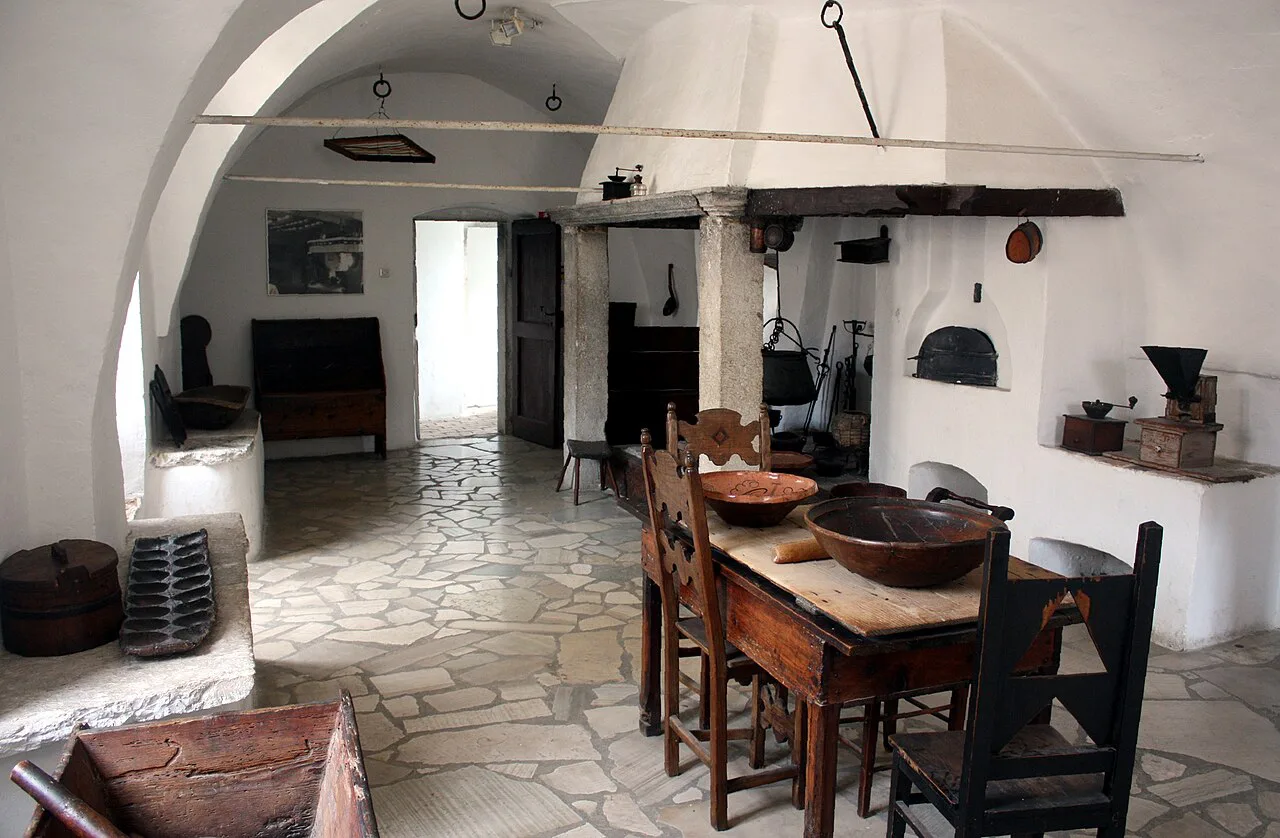
The castle's current role is as a museum venue, and the Ethnographic Museum of Istria occupies its exhibition spaces. Expect ethnographic collections and historical objects alongside archives and documents, telling the story of everyday life and regional heritage rather than a single aristocratic household. This is why the visit is an interior museum visit first and a photo stop second.
The displays extend to preserved elements of medieval daily life, which gives the building's defensive walls and towers something to explain. Give the exhibitions proper time rather than rushing to the viewpoint, because the interior is the substance of the ticket. If you are travelling with someone who prefers hill towns to museums, split up and let them wander the old centre instead.
Architectural layers to look for
Look for the combination of defensive walls and towers with residential spaces that reflect how the building was actually used. The Renaissance works of the 15th and 16th centuries softened and adapted a medieval fortress, and later structural changes kept it in service through political and technological shifts. Walking the exterior walls first makes the interior displays easier to read.
The castle is described as one of the best preserved in Istria thanks to repeated renovation, which is the trade-off of the visit: you see continuity and adaptation rather than untouched medieval stone. That makes it a good counterpart to the region's smaller fortified towns.
The views over the gorge and the karst
The cliff position gives panoramic views over the karst landscape of Istria, with the gorge dropping away below the walls. These viewpoints are the reason to keep some time after the museum, because the outlook changes with the light through the day. Confirm access to the cliff viewpoints at the museum entrance along with your ticket.
Views of this kind are why the interior of Istria rewards a car: the same karst scenery continues beyond Pazin towards Oprtalj, where frescoed churches sit above the Mirna valley. Build the castle into a loop rather than a there-and-back errand.
Pazin Cave and the underground canyon below
Below the castle, the Pazinčica runs through a gorge and cave system that is a separate attraction from the museum, so treat them as two stops with two time budgets. The castle gives you the view down into the chasm; anything that takes you into the canyon is a different outing with its own arrangements. Decide before you arrive whether you are there for the fortress, the gorge or both.
The gorge is the reason Pazin is memorable rather than just another inland town with a castle. If your schedule is tight, the cliff-top view from the castle walls is the minimum. If you have a half-day, the cave side of the visit justifies staying longer.
Jules Verne and the stories attached to the castle
Pazin Castle has a literary connection: stories inspired by the castle, Jules Verne among them, are used as a framing device when it is presented to visitors. That link is good colour for the visit, but it should not overshadow the documented history of the building. Take it as atmosphere for the visit rather than the main event.
Families often find the literary angle more engaging than the ethnographic displays, which makes the castle a reasonable stop with older children on an inland day. Pair it with Hum in the Istrian interior for a short and varied itinerary through the countryside.
Opening hours and tickets
The published summer hours are Tuesday to Sunday 10am to 6pm, with weekend hours of 11am to 5pm also given, so the timetable can vary by day and season — check the day before a long drive. Ticket prices and any changes to the day's opening are best confirmed at the entrance before you travel.
Because hours shift with the season, build some flexibility into the day rather than planning the castle as a fixed slot. Arriving in the morning usually leaves room to see the town and the gorge afterwards. Confirm the day's opening before making the drive from the coast.
How long to allow and how it fits an Istria trip
Budget an hour to ninety minutes for the castle and museum, and add time for the old centre and a look into the gorge if the schedule allows. That makes Pazin a comfortable half-day from a coast base rather than a full-day excursion on its own. It slots naturally into a route between the coastal towns and the interior villages.
The interior rewards a slower pace than the coast, and Pazin works best as one element of a loop through Istria's Hill Towns such as Motovun or Labin. If you are based in Poreč or Rovinj, the drive inland is the price of seeing a different Istria.
Getting there by car and bus
Pazin sits in the centre of the Istrian peninsula, reachable by road from the coastal towns and by bus from larger hubs, with the castle located within the town itself. Driving gives you the flexibility to combine the castle with nearby villages; buses suit travellers without a car but tie you to a timetable. The town's inland position means the coast is not walkable from here.
If you are touring the region, the castle pairs well with the Mirna valley and the villages around it. Work out the driving order before you set off, because rural roads slow you down.
When to go
Summer brings heat to the Istrian interior, and the castle's stone walls and exposed viewpoints offer little shade, so mornings are the more comfortable choice. The bura wind is a feature of the region and can make an exposed cliff-top visit bracing even on a bright day. Cruise-ship pressure concentrates on the harbour towns, so Pazin is usually quieter in high season.
Spring and early autumn suit the castle and the gorge better than midsummer, with milder temperatures for walking the walls and the town. If your trip is coast-based and you only have one inland day, choose it for the weather rather than for a specific date.
Is Pazin Castle worth the detour inland?
Yes, if you want a documented fortress with a genuine museum inside it and a cliff-top view into a karst gorge, and you are willing to trade a beach afternoon for a drive into the interior. Skip it if your trip is purely coastal and short, because the journey eats into limited time.
Build the day around the castle first, then the gorge on foot or, if you have a car, a short loop through the hill villages. For more on the wider region, see the Istria's Hill Towns guide before you fix the route.
Explore more Istria guides
Sources
Notes from the Croatian coast
Optional updates when our guides change.
You might also like
Continue reading
More guides you'll find useful