Roč, Croatia: A Guide to Istria's Walled Hilltop Village
Roč is a small walled hilltop village in central Istria near Buzet and Hum, known for its gates and Glagolitic heritage. Here is what to see and how long to allow.
On this page
Roč is a small walled village in central Istria, best treated as half a day rather than a destination in its own right. Its draw is atmosphere and stone — the gates, the old core and its Glagolitic associations — rather than ticketed sights, so come for the walk and the setting and keep your expectations modest on scale. This guide covers the layout, the Glagolitic connection, a short route through the village and how to slot Roč into an inland Istria loop.
Roč sits inland in central Istria, about a ten-minute drive from Hum and a 30-minute drive from Motovun, which is what makes it easy to combine with both on a single day out from the coast. Read it alongside a wider look at Istria's Hill Towns before you fix an itinerary, because the order you drive them in decides how much backtracking you do.
Where Roč sits in central Istria
Roč belongs to the town of Buzet administratively and lies in the north-west of Istria County, on the inland plateau rather than the coast. That position puts it within a short hop of Hum and a comfortable drive from Buzet, which makes it a natural middle stop on an inland circuit rather than a place you build a whole day around.
If you are coming from the coast, plan Roč as the inland leg of a loop: coast in the morning, the hill villages in the middle of the day, and back down for the evening. Bradt's Istria coverage is useful for framing the peninsula as compact enough for short breaks, with inland settlements such as Grožnjan, Hum and Motovun as the counterpoint to the coastal towns.
The surrounding countryside is rolling farmland rather than dramatic mountain roads. Allow for slow driving on narrow lanes, and treat the journey itself as part of the visit.
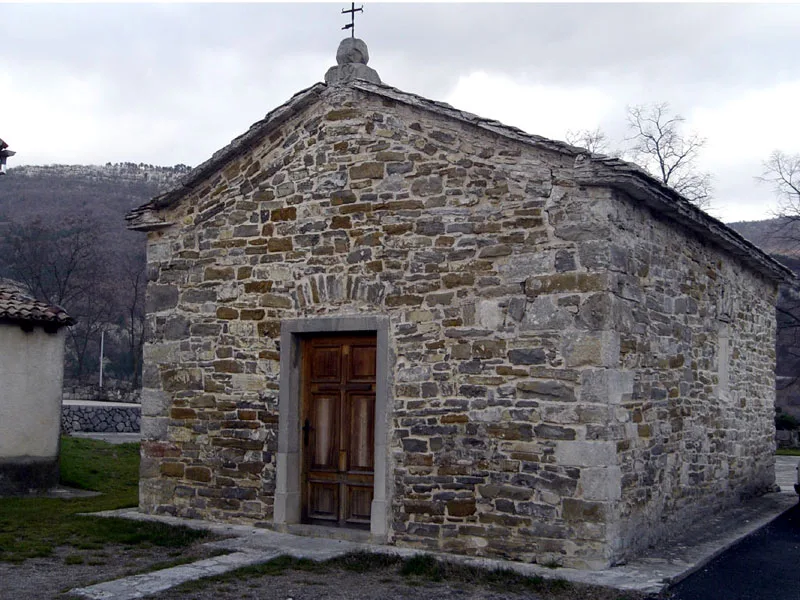
How the village is laid out
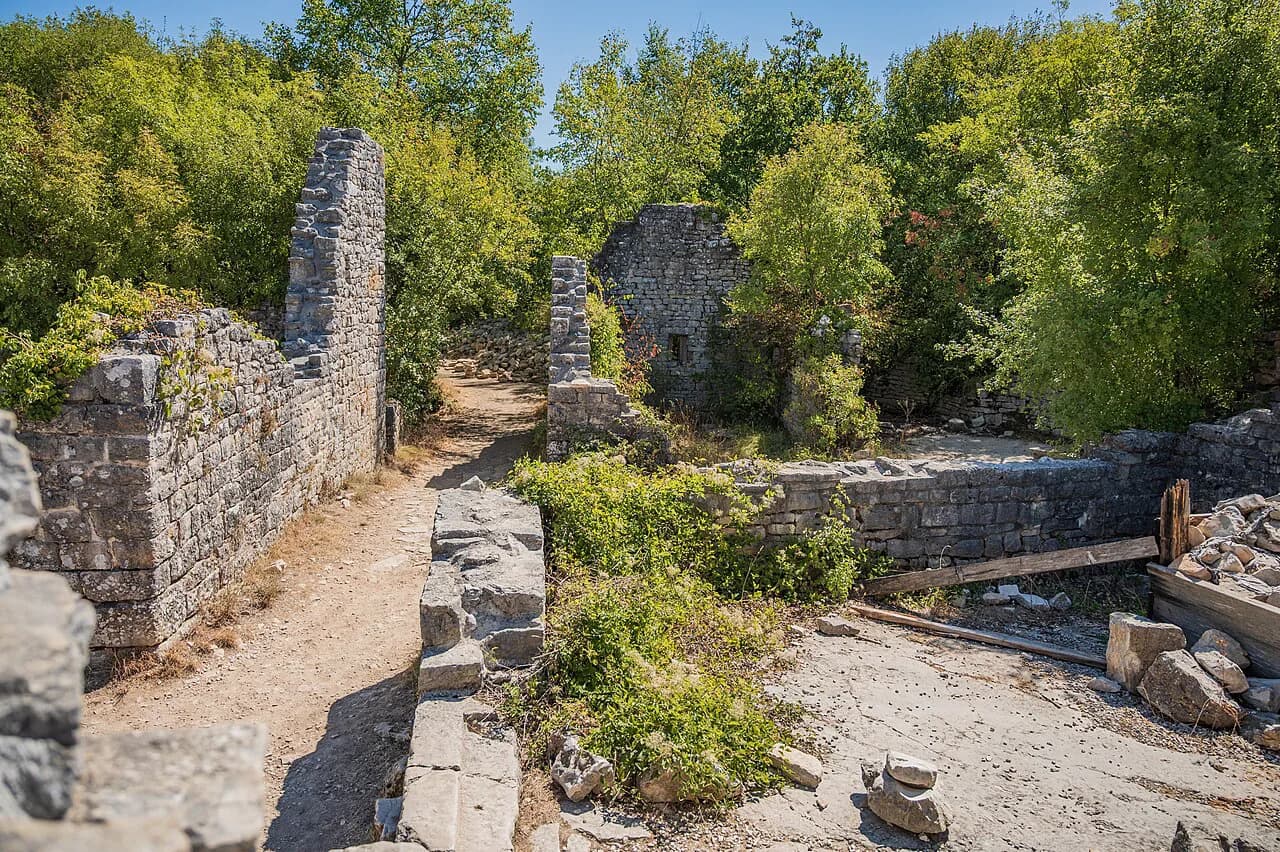
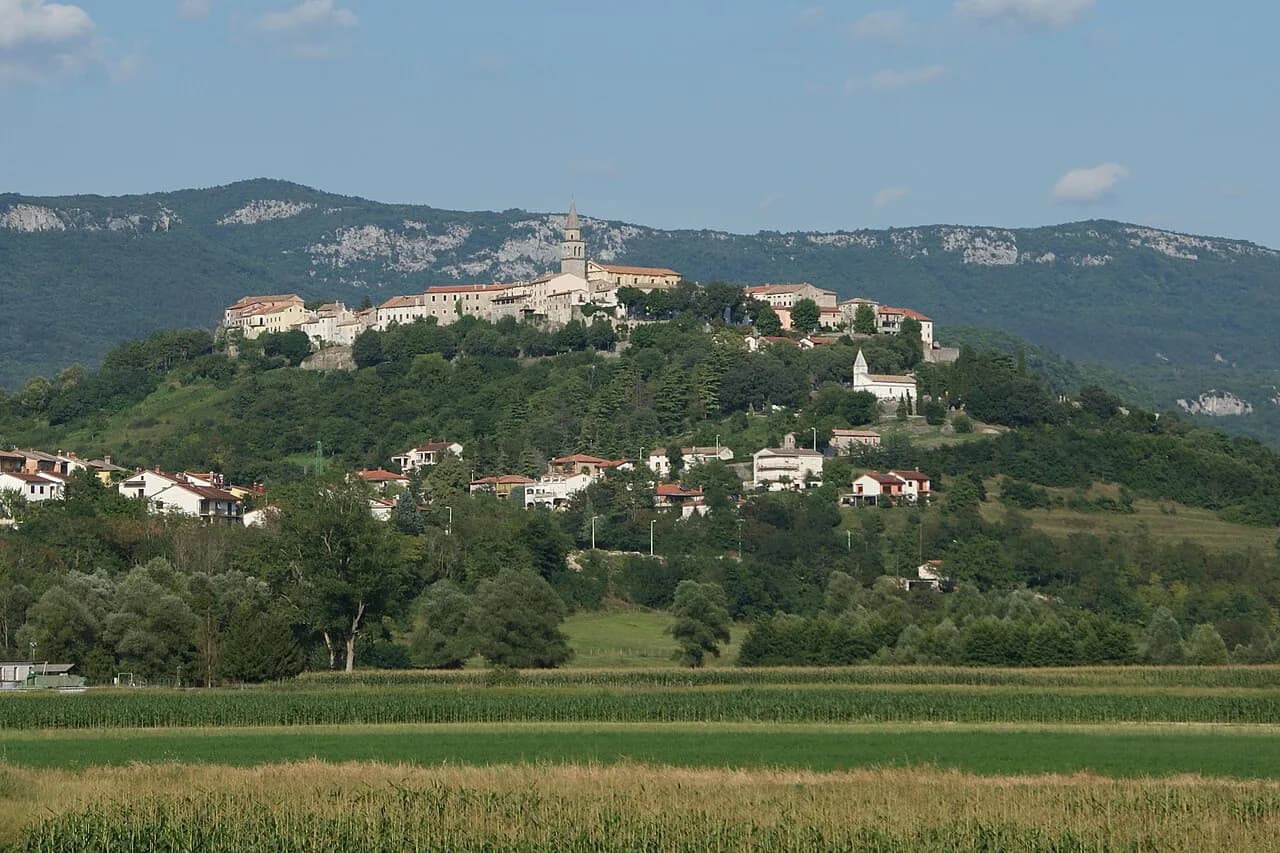
Roč is built as a walled enclosure with gates through the ramparts, and the pleasure of it is walking in through one gate and out through another rather than ticking off monuments. The old core is small, so you can cross it on foot in minutes; the point is to slow down, look up at the stonework and notice how the lanes bend around the walls. Start at a gate, follow the lanes to the far side and loop back.
Because the walled centre is compact and largely residential, it rewards a gentle pace rather than a checklist. Set aside time to stand at the gates and look back at the walls from outside, which is where the village reads most clearly as a fortified place.
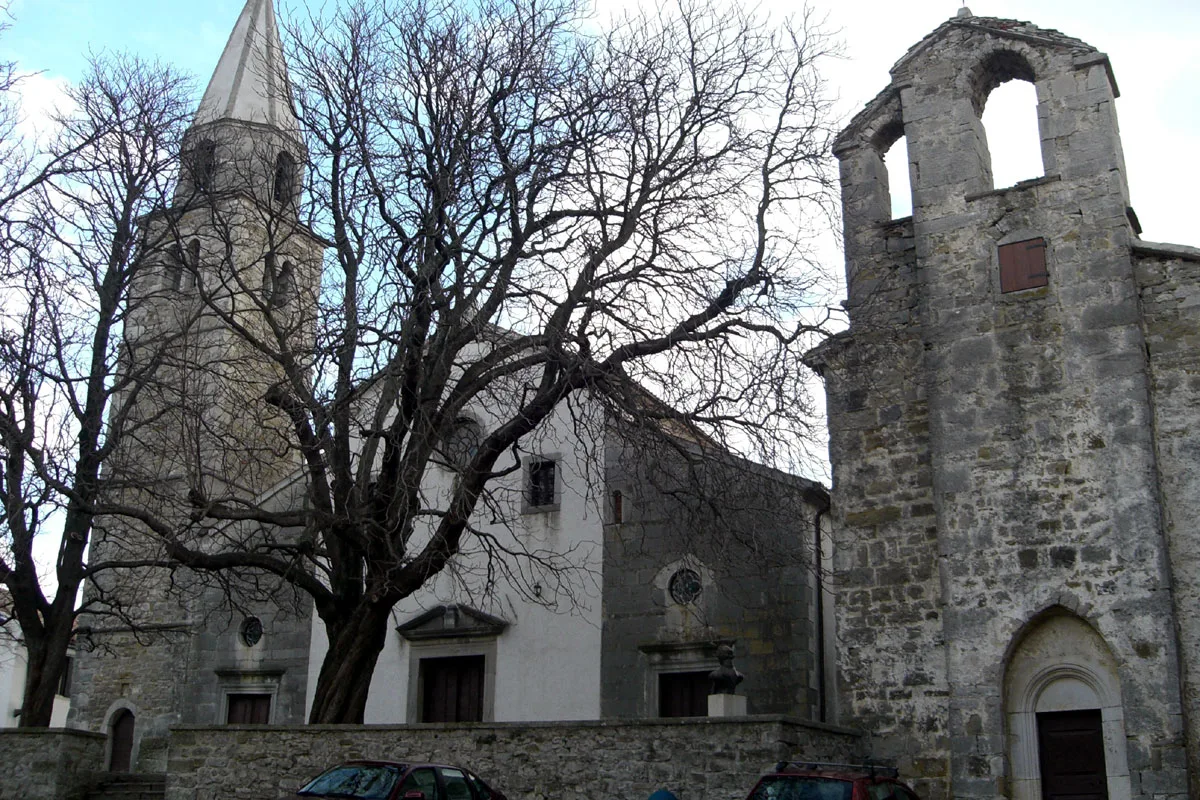
The Glagolitic heritage and the Aleja glagoljaša
Roč's real reason to detour inland is its link to the Glagolitic script. Glagolitic was the earliest Slavic script, and this part of Istria kept it alive in inscriptions and stone long after it fell out of use elsewhere, which is why the village is best known for its Glagolitic heritage.
Treat the Glagolitic connection as the thread that ties Roč and its neighbours together. If you are driving the inland loop, this is the theme that gives the day coherence: you are following a script and its memorials across a handful of small villages, not simply collecting pretty hilltop views.
Churches and stone details inside the walls
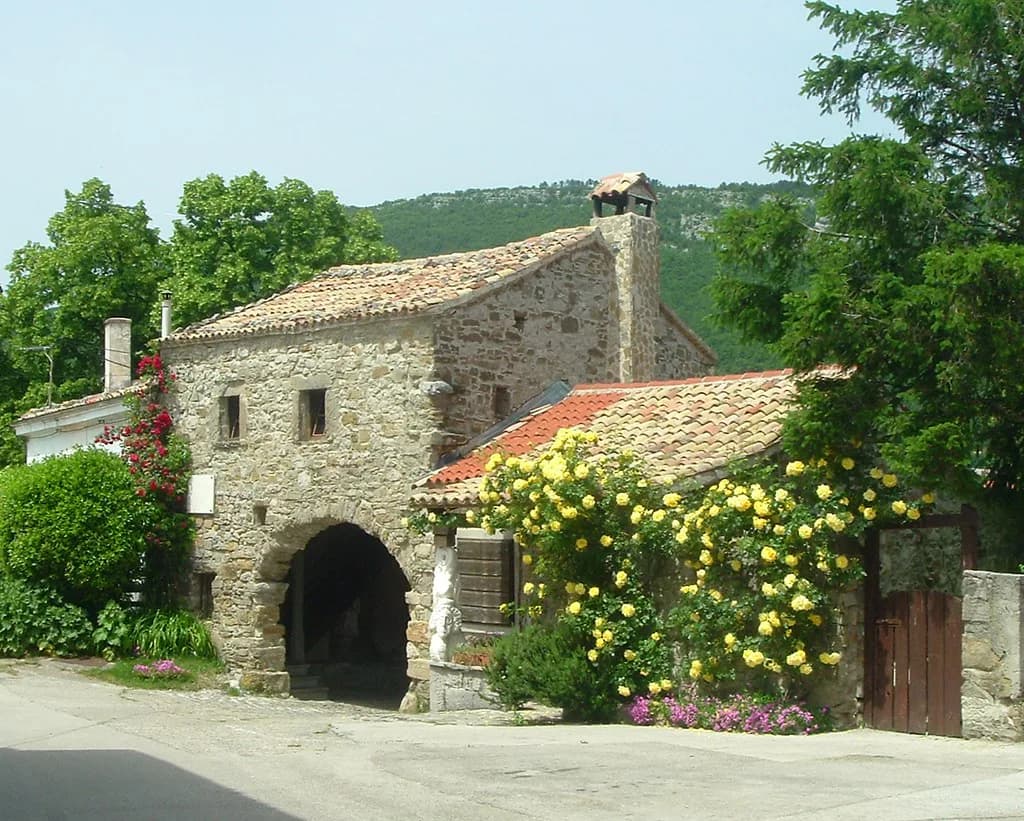
The village's churches and carved stone details are what you come for: look for inscriptions and reliefs built into the fabric of the old core rather than a single showpiece interior. Scan the walls of the lanes and the church fronts for carved lettering and old stonework.
Beyond that, the appeal is the texture of the place: worn stone, old doorways and quiet corners. Do not expect a museum-style visit with labels and interpretation boards at every turn; bring curiosity and look closely.
The viewpoint and the Mirna valley
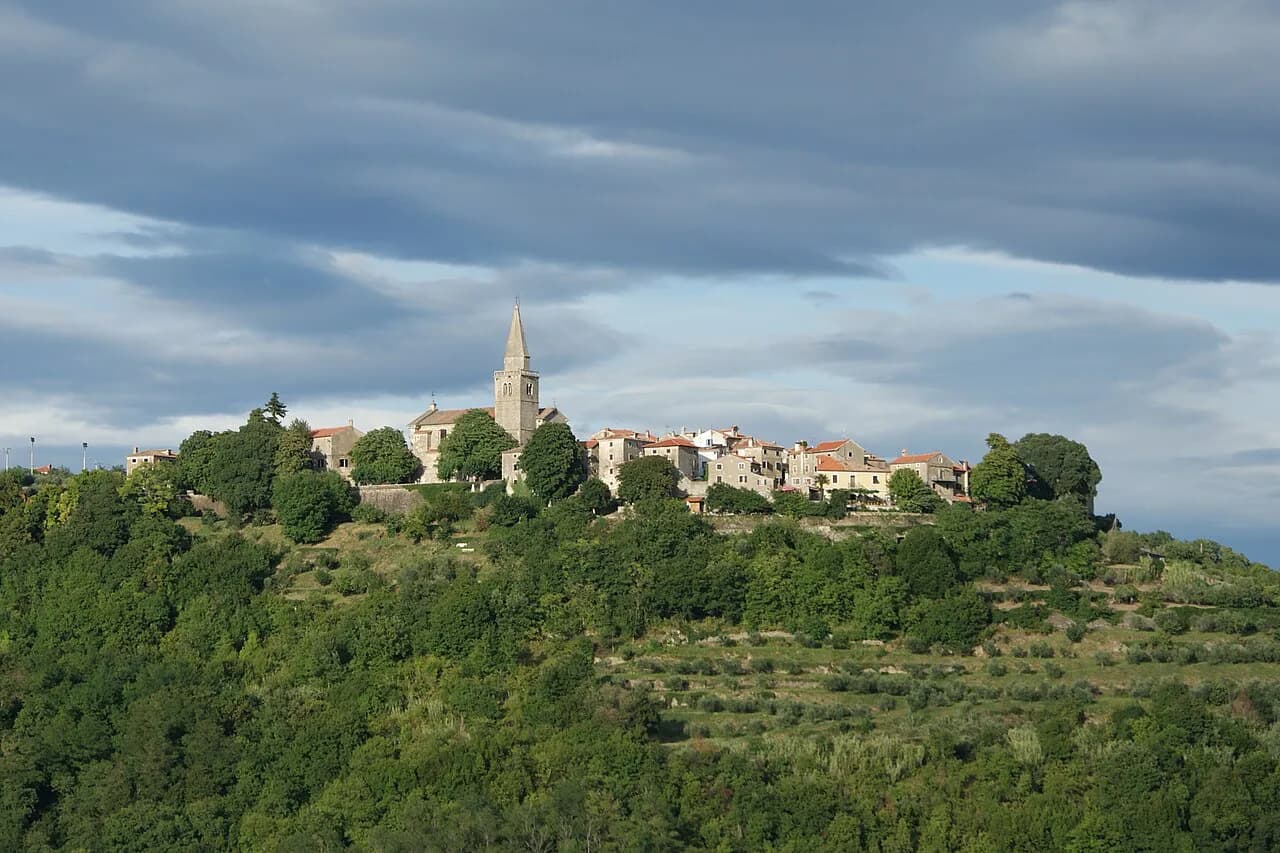
The hilltop position gives you views over the surrounding countryside, so walk to the edge of the village for the outlook. It is a modest panorama by Istrian standards, but the patchwork of fields around it is the reason the inland villages feel so different from the coast.
Pair the view with a stop at Motovun if you want the region's showpiece panorama, where the ramparts look out across the vineyards and hills around the town. Roč gives you the quieter version; Motovun gives you the famous one.
A short walking route and how long it needs
Plan on an unhurried loop of the walled core, plus time for the viewpoint and a coffee. Walk in at one gate, follow the lanes through the centre, take the edge of the village for the view and return through the opposite gate. Because the village is compact, there is no risk of overdoing it.
Half a day is the right allowance once you add travel: Roč itself is quick, but the driving between Roč, Hum and Buzet is what fills the morning or afternoon. If you are on a tight schedule, Roč works as a brief stop en route between the other two rather than a standalone outing.
Getting there: by car, and pairing Roč with Hum or Buzet
Getting to Roč without a car is not straightforward. A railway station on the regional line from Rijeka and Pula is reported in the area around Buzet and Hum, with the village a walk uphill from the nearest stop, but a car is the practical way to reach Roč. Check the current timetable with HŽ Putnički prijevoz before you commit to travelling car-free, since services are infrequent.
By car, the classic chain is Hum, then Roč, then Buzet, which keeps you moving in one direction without backtracking. Buzet is the largest of the three and makes a sensible base for lunch and a wander before you head back to the coast.
If you are building a wider route, sketch it on an Istria map first so you can see how the inland villages sit relative to the coast and the Slovenian border. That way you avoid doubling back on the narrow lanes.
When to go: spring and early autumn
Spring and early autumn are the most comfortable times to walk the walls and lanes, and they also avoid the peak-season crowds that swell the coastal towns in July and August. A first-time visitor's guide to Istria rates the shoulder months of June and September best for warm but pleasant temperatures and thinner crowds.
Because Roč is a residential village rather than a resort, it is at its calmest outside the main summer months; weekdays are quieter still. If your itinerary is flexible, save the hill villages for a weekday morning and keep the coast for the afternoon.
Is Roč worth the detour inland?
Roč is worth a detour if you are already exploring central Istria and want somewhere small, quiet and tied to the Glagolitic story, but it does not justify a trip on its own. Treat it as one stop on a Hum–Roč–Buzet circuit and you will get the best of it without overfilling the day.
Come with curiosity about stone, script and village life rather than expectations of ticketed attractions, allow half a day with the driving, and build the rest of the day around Buzet or Motovun. That is the honest way to enjoy Roč.
Explore more Istria guides
- Bale, Croatia
- Fažana: Istria's Fishing Village and the Gateway to Brijuni
- Grožnjan
- Hum, Croatia
- Labin: A Guide to the Hilltop Old Town Above Rabac
- Lim Fjord (Limski kanal)
- Oprtalj: Istria's Hill Village of Frescoed Churches and Mirna Valley Views
- The Istria Coast
- Vodnjan: Istria's Old Town, St Blaise Church and How Long You Need
- Vrsar, Croatia
Frequently Asked Questions
Is Roč worth visiting in Croatia?
Yes, if you are already in central Istria and want a small, quiet walled village tied to the Glagolitic tradition. It suits half a day combined with Hum and Buzet rather than a dedicated trip. The attraction is atmosphere and stone, not ticketed sights.
How do you get to Roč without a car?
Car-free access is awkward. A railway station on the regional line from Rijeka and Pula is reported in the area around Buzet and Hum, with the village a walk uphill from the nearest stop, but driving is the practical option. Services are infrequent, so check the current timetable before relying on the train.
How long do you need in Roč?
The walled core can be walked unhurriedly in a short time, plus time for the viewpoint. Allow half a day once you include driving between Roč, Hum and Buzet. If you are short on time, treat it as a brief stop en route.
Sources
Notes from the Croatian coast
Optional updates when our guides change.
You might also like
Continue reading
More guides you'll find useful