Istria Coast Guide: Towns from Umag to Rabac
A practical guide to the Istrian coast, from Rovinj and Poreč to Pula's Roman Arena, with what each town is like and how to fit coast and hill towns together.
On this page
Give the Istrian coast three or four nights and you can see both of its anchor sights: the Euphrasian Basilica in Poreč and the Roman Arena in Pula. Everything else along the peninsula's coast is coastal texture — fishing harbours, Venetian bell towers, a fjord-like channel and a hill town looking down on a resort strip.
This guide works down the coast in geographic order, from the northern towns through Rovinj and Poreč to Pula, Fažana and Labin, so you can see which places cluster together. It then adds the inland hill towns as a separate decision, and closes with how to move between them and what summer traffic really means.
What the Istrian coast is and how it is laid out
Istria is the triangular peninsula in Croatia's north-west, fronting the Adriatic Sea, and its coast bends through three distinct stretches. The north holds small fishing and resort towns; the west runs south through Rovinj and Poreč towards Pula; the east turns up the Kvarner side to Rabac. The shape matters because a coastal itinerary forced into too few days spends its time doubling back rather than seeing new towns.
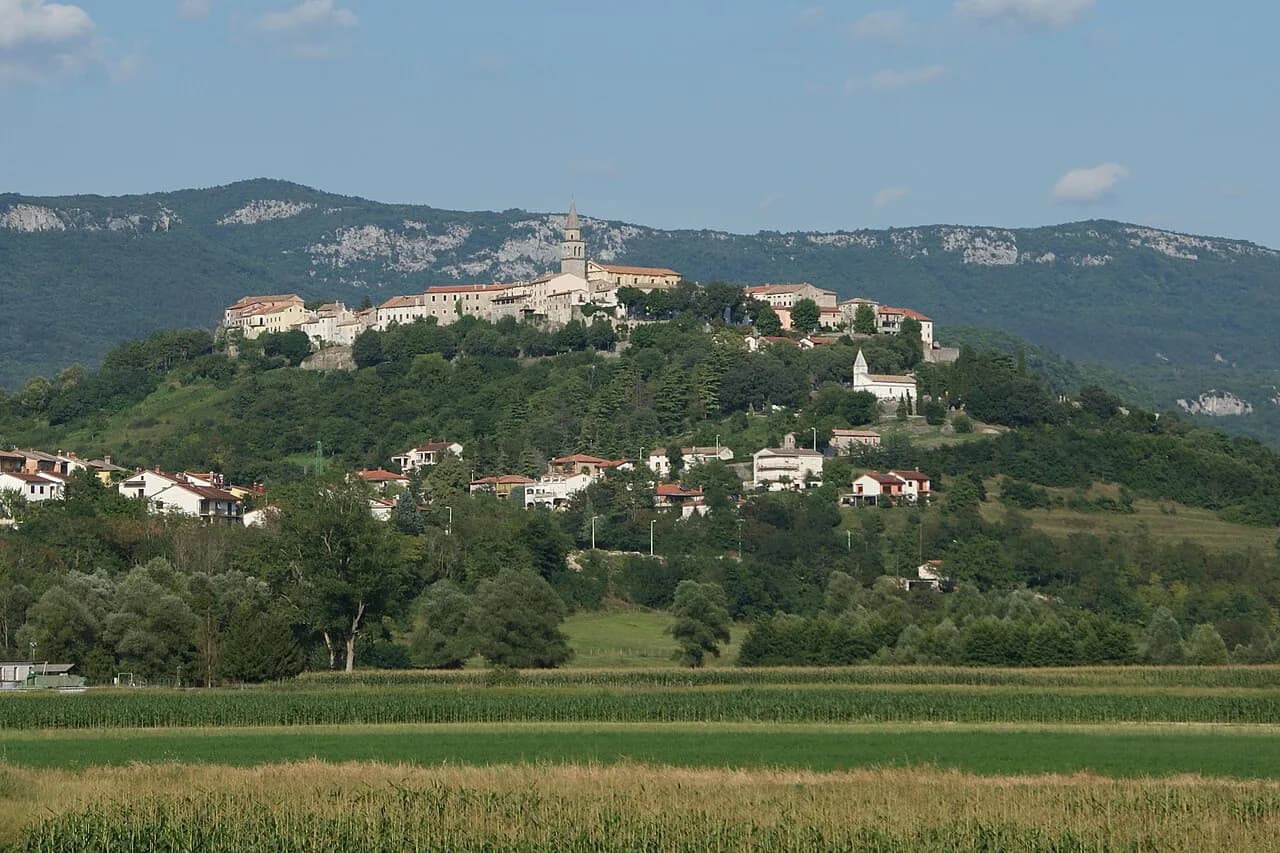
The inland is a bucolic countryside of fortified hilltop towns, olive groves and vineyards, and it sits close enough to the coast that a hill town can be a half-day rather than a separate trip. That compactness is why Istria is often called the Croatian Tuscany. It also means a coast-and-hill plan is realistic for a short break, provided you cut the list rather than the days.
Outside the headline sights, Istria generally sees far fewer crowds than the Dalmatian Coast, and even a summer visit can be enjoyed without being packed shoulder to shoulder with fellow tourists. Read that as a reason to favour late June or September rather than a promise that August will be quiet, when the coast towns and the Arena still absorb the bulk of visitors.
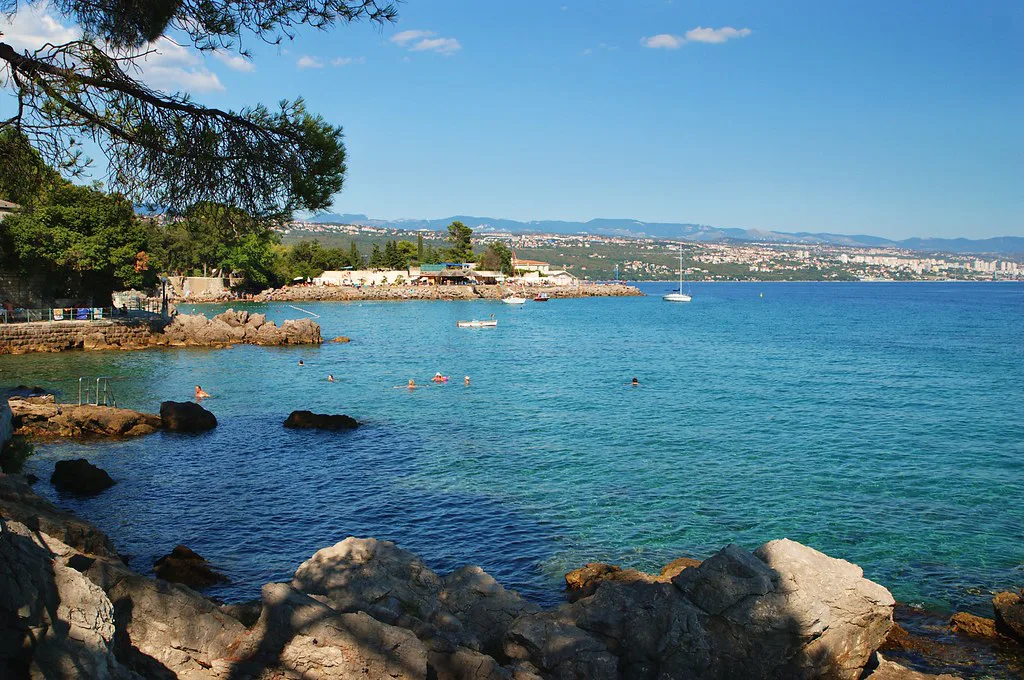
Rovinj: the old town on its promontory and the climb to St Euphemia's bell tower
Rovinj is the coast's most romantic town, a knot of colourful facades on a promontory that was still a coastal islet until 1763. The old town centre began to develop from the 3rd century, and the town retains close cultural and historical ties with Italy after centuries under the Venetian empire. Its cobbled streets are among the last of the authentic Mediterranean fishing-town fabric, with colourful houses lining narrow lanes.
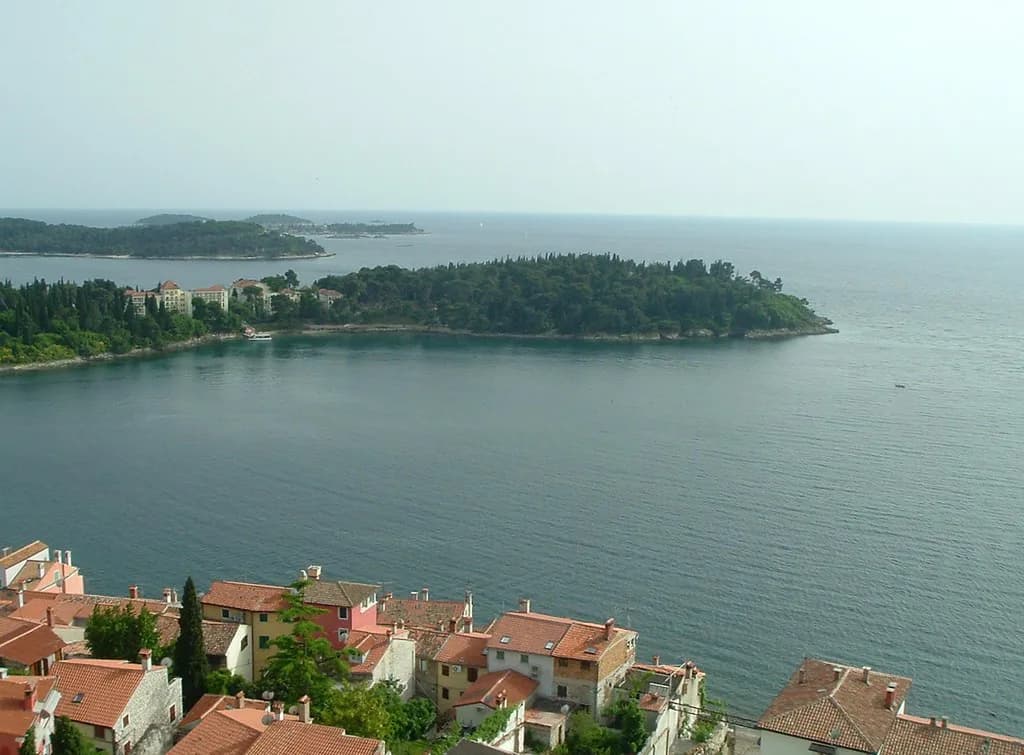
The Church of St Euphemia's bell tower dominates the town and is one of the finest baroque structures in Istria. Climb it for views over the rooftops and the offshore islets, and on an exceptionally clear day as far as the Alps.
Plan Rovinj as a half day at minimum: a slow pass through the alleys, the tower, and coffee on the waterfront with the view. Arrive early morning or after the afternoon boats have gone if you want the streets quieter, and keep the evening for the piazzas rather than sightseeing.
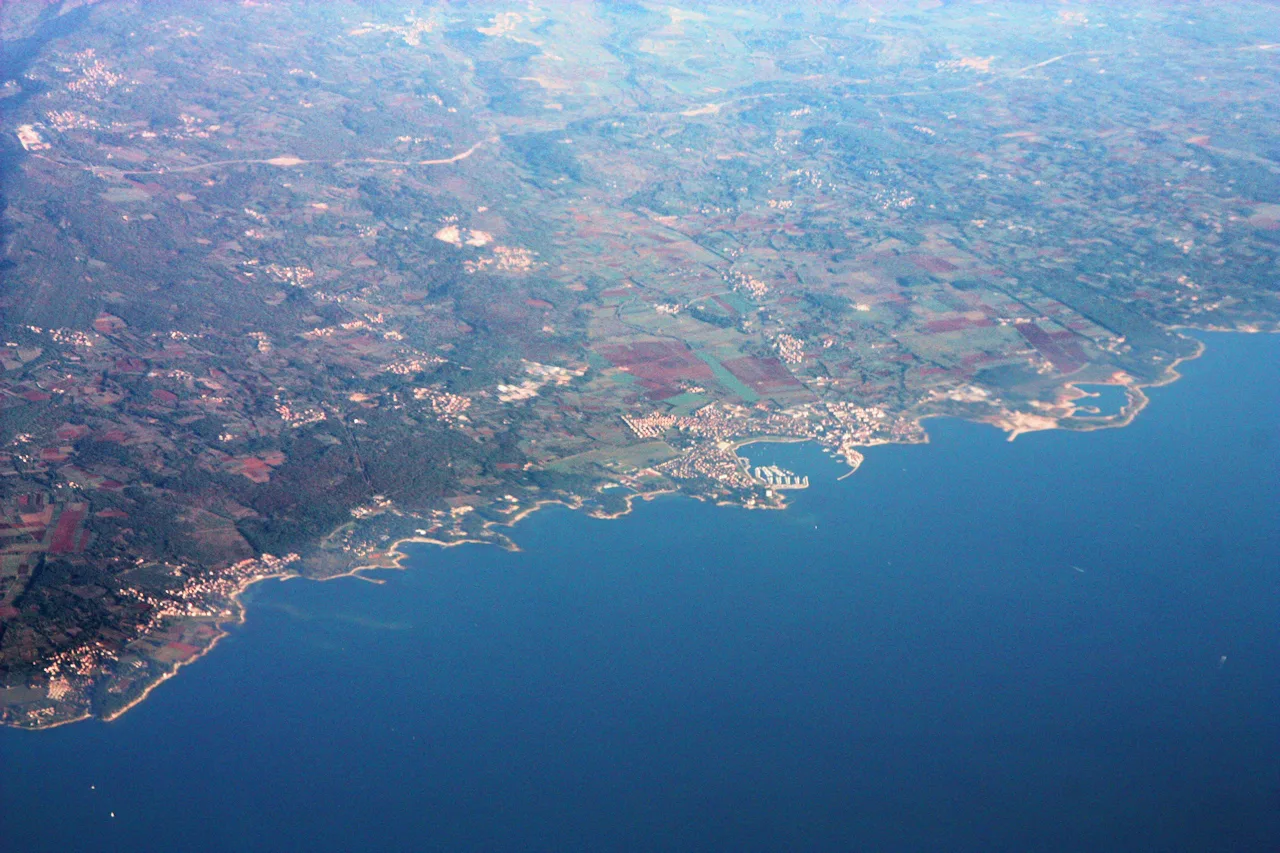
Poreč: the Euphrasian Basilica, the Decumanus and Marafor square
Poreč is the coast's most popular holiday resort and its old town is best walked as a single line. Start at the 6th-century Euphrasian Basilica, a UNESCO World Heritage site known for its gold mosaics, then follow the Decumanus — the Roman main road and still the most visited street — to Marafor square. The square sits where the Roman forum once stood, and the foundations of the temples to Neptune and Mars are the largest such remains in Istria.
The town's history stretches back to prehistoric settlement, and the Illyrian tribe the Histri are the people from whom Istria takes its name. In 129 BC the Romans captured Istria and the Roman settlement of Parentium — present-day Poreč — emerged and grew. That depth is what makes the basilica and the forum ruins worth the detour rather than just another pretty square. Allow a couple of hours for the basilica and the old-town walk, more if the mosaics hold you.
Poreč works best as a base for the central coast: it sits within easy reach of Vrsar, the Lim Channel and the hill towns inland, and the old town is quick to reach on foot from the resort fringe. Check the basilica's opening hours and ticket details with the parish office before you go, as these change by season.
Vrsar and the Lim Channel: fishing town and fjord-like waterway
North of Poreč, Vrsar is a small fishing town that leans tourist-facing, with a harbour, local hospitality and a long association with Giacomo Casanova, who visited repeatedly. Treat it as a short stop on the way north or south rather than a destination in its own right. It pairs naturally with the Lim Channel, the fjord-like waterway that separates western Istria from this stretch of coast.
The Lim Channel is a boat trip, not a beach stop. Boat tours run down the channel through country that no coastal road replicates, and the trade-off is time: a passage eats a half day and can be windy or crowded at peak times. Take it if you want to be on the water once on the coast; skip it if your days are already counted. Read our guide to the Lim fjord for what the passage involves.
Pula: the Roman Arena and why it anchors the south of the coast
Pula's Arena is the most impressive remnant of Roman rule in Istria, and it is the reason the far south of the coast deserves its own night. Walking round the amphitheatre walls is the main thing to do here, and the surrounding old town has the clustered feel of a working city rather than a resort. Even if Roman ruins are not your reason for coming, the Arena is the second anchor sight on this coast after Poreč's basilica.
It also anchors the south practically: Fažana and the Brijuni crossing sit just up the coast, and Labin and Rabac are a short drive across the peninsula. Base yourself here for the southern half of the trip and the coast road stops being a back-and-forth. Ticket prices and opening hours vary by season, so confirm them directly with the Arena before planning round a specific slot.
Fažana and the Brijuni islands: the coastal base and the boat crossing
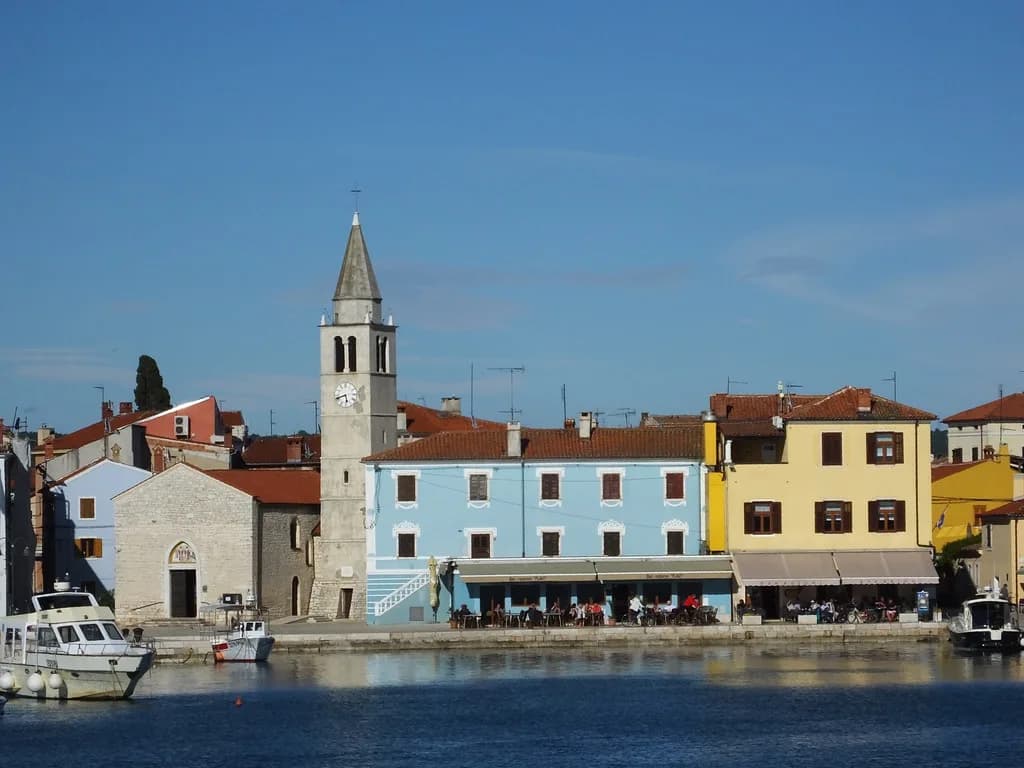
Fažana is a fishing village with a promenade and a natural setting that suits a quiet evening more than a sightseeing day. Its real role is as the crossing point for the Brijuni islands, which need a boat and a set amount of time rather than a spur-of-the-moment decision. Dedicated guides to Fažana cover the promenade and practicalities, and any Brijuni visit should be planned around Brijuni National Park's season and sailing times.
Plan the Brijuni trip as a half day at minimum and fit Brijuni National Park's season and sailing times to your dates, because the crossing runs to its own timetable rather than a simple hop across the water. Keep Fažana for the evening: the promenade, the harbour and dinner, with the boat done.
Labin and Rabac: the cultural centre above and the resort strip below
Labin sits on its hill above Rabac, a pairing that shows how this coast works: the old town on the high ground, and the resort strip on the water below. The Fiore guide lists Labin among Istria's cultural centres, so treat it as a town to walk rather than a viewpoint to tick off, and the standard route is to see the old town then descend to Rabac for the afternoon. Keep beaches as a passing comfort rather than the reason for the stop.
Rabac and Labin appear together in the Go Ask A Local roundup of Istrian places to visit, so they are worth an unhurried day if you are staying on the east side of the peninsula. Read the Labin guide for the old town's streets and viewpoints before you go, and give the Rabac waterfront an hour rather than an afternoon.
Inland detours from the coast: Motovun, Grožnjan and Hum
Motovun is the most visited of the hilltop towns, set on a 270-metre hill with walkable medieval walls and long views over the inland. It is also where Istrian food gets serious: truffles, olive oil and wine are sold from shops and restaurants in the old town. If you come up from the coast, give it a half day and walk the walls early.
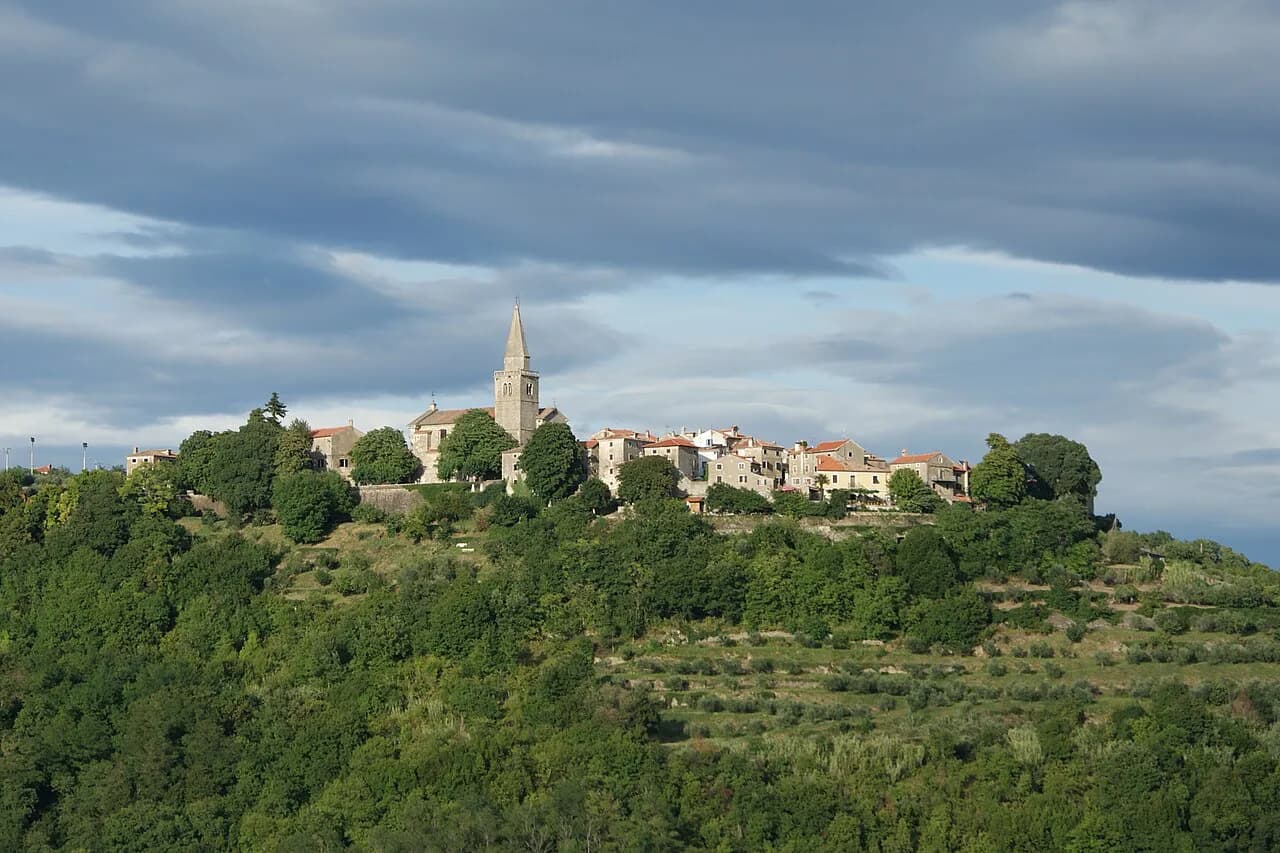
Grožnjan is the town of artists: narrow streets, galleries and music academies, with summer bringing art, drama and music workshops that fill the place with working artists. Its streets function as an open-air gallery, so plan to wander rather than tick off sights from a list. Further south, Hum is billed as the smallest town in the world and is the end point of the 7 km Glagolitic Lane from Roč.
These three sit inland from the coastal towns rather than on the coast itself, and they come into their own if you can spare a night away from the sea. If your days are short, pick one hill town that suits your taste — Motovun for views and food, Grožnjan for art — and leave the rest to the Istria's Hill Towns guide.
How long the coast needs and how to combine towns with the hill country
Three nights suits the coast's anchors: Poreč and the basilica, Rovinj and the tower, Pula and the Arena, with Vrsar and Labin as repeats of the same theme. Four nights adds one inland hill town and a half day on the Lim Channel. Five nights or more lets you add Fažana and the Brijuni crossing without turning the trip into a relay.
Split the trip geographically rather than aesthetically: one base in the north for Poreč, Vrsar and the Lim Channel, one in the south for Pula and Fažana, and press on to Labin only if the east side is part of your route. This coast and the Dalmatian Coast are separate trips, so do not try to bolt one onto a week in Split. Use Istria: A Practical Guide to the Coast, the Hill Towns and Getting Around to fix the wider plan before booking anything.
Getting around the coast and the trade-offs of summer crowds
The coast towns are strung along one road, and beyond the summer months the drive between them is the easy part. In July and August the same road fills with traffic, and ferries, boats and the busiest car parks are where the delays bite. Drive early, park once, and walk the old towns rather than hunting for the nearest space to the basilica or the Arena.
Summer also changes what is open and how much you pay. Basilica hours, Arena tickets and the Brijuni boat crossings all move with the season, so check current details with each site or the relevant tourism office for your dates. Ferries and catamarans run to their own schedules, and this coast has no single company covering all of it.
The honest trade-off is heat and company against a coast and central hilltop countryside that Istria shares with far fewer people than Dalmatia in the same week. If you can choose your dates, late spring and early autumn give you the same towns with more room to move.
Which town should anchor your Istrian coast trip?
Anchor in Poreč or Rovinj if your priority is the Euphrasian Basilica and the Venetian old towns. Anchor in Pula if the Arena is the reason for coming, and accept that the coast's northern fishing towns become a day's drive rather than an evening stroll.
Either way, book the towns in order and leave one hill town as a deliberate inland day rather than a list to be ticked. For the full regional picture, start with Istria: A Practical Guide to the Coast, the Hill Towns and Getting Around, then use this coast guide for the detail, and browse Istria's Hill Towns for the inland villages in more depth.
Explore more Istria guides
- Bale, Croatia
- Buzet: A Guide to Istria's Hilltop Truffle Town
- Grožnjan
- Hum, Croatia
- Labin: A Guide to the Hilltop Old Town Above Rabac
- Motovun: a guide to the walled hilltop town in Istria
- Oprtalj: Istria's Hill Village of Frescoed Churches and Mirna Valley Views
- Vodnjan: Istria's Old Town, St Blaise Church and How Long You Need
- Vrsar, Croatia
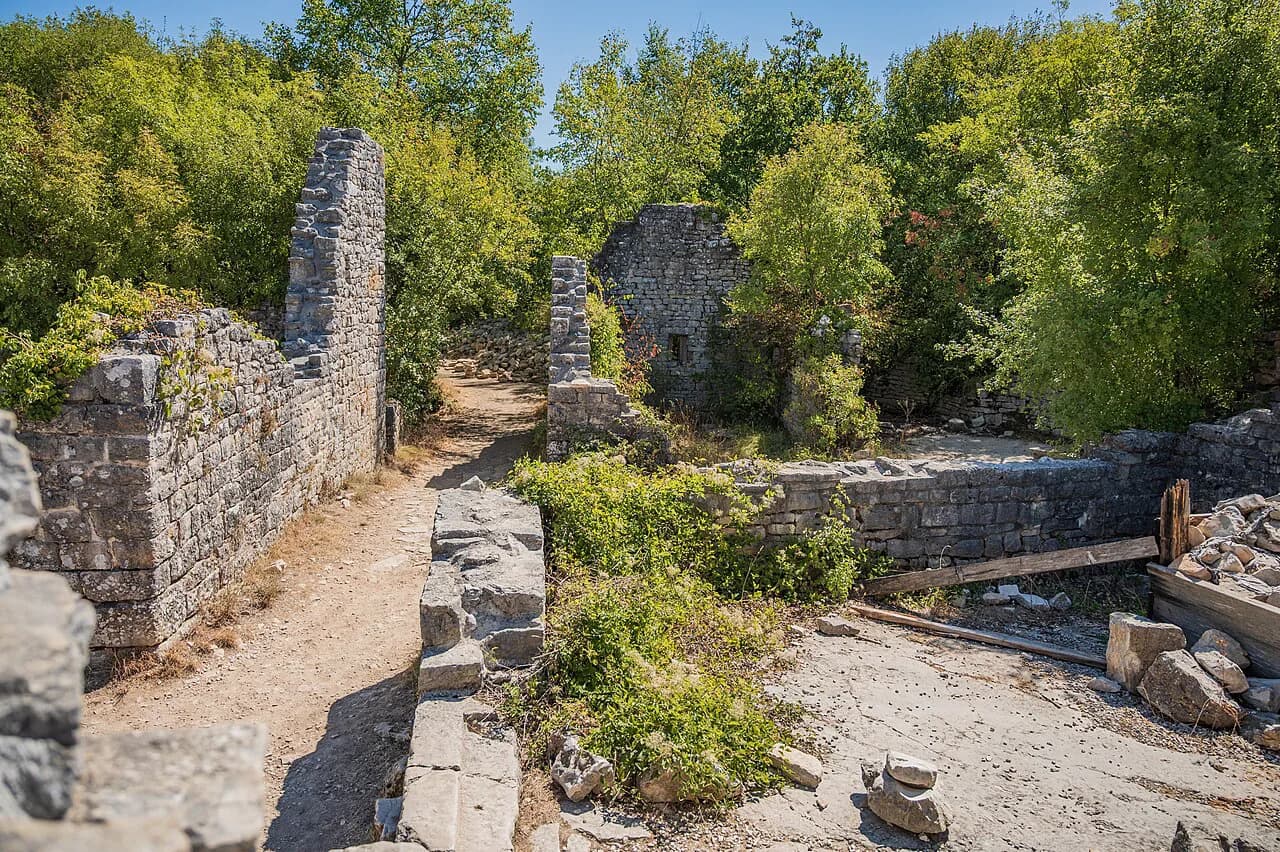
- Dvigrad: the abandoned medieval town in the Draga valley
- Pazin Castle
- Roč, Croatia
- Savudrija Lighthouse
- Svetvinčenat
Frequently Asked Questions
Is the Istrian coast near the sea?
The coastal towns sit directly on the Adriatic Sea, and the west coast from Rovinj to Pula fronts it for most of its length. The inland charm of Istria is close behind, which is why the hill towns are reachable from a coastal base in a half day.
Does the Istria coast have ferries between the towns?
The coast road connects the towns, and the main boat crossing people ask about is to the Brijuni islands from Fažana. That crossing follows a seasonal timetable, so check the sailing times for your dates.
Why is Poreč's old town worth visiting?
The Euphrasian Basilica, a UNESCO World Heritage site with gold mosaics, is the reason to come, and the Roman Decumanus and Marafor square continue the walk through the old town. The basilica's opening hours and ticket details change by season, so confirm them with the parish office before you go.
Sources
Notes from the Croatian coast
Optional updates when our guides change.
You might also like
Continue reading
More guides you'll find useful