Museums in Zadar: Which Ones Are Worth Your Time
Zadar's museums range from Roman finds and ancient glass to religious art and optical Illusions. Here is what each one holds and how long to allow.
On this page
If you only have time for one museum in Zadar, make it the Archaeological Museum, which holds the widest collection in the city and explains the peninsula you are standing on. The others are smaller and more specialised: the Museum of Ancient Glass for glassware, the Permanent Exhibition of Religious Art for religious painting and goldwork, and the Museum of Illusions for a light family hour. This guide sets out what each covers and which to choose when time is short.
For planning, the useful point is that Zadar's best-known museums are all in the old town, so a morning or a wet afternoon can take in more than one without transport. The peninsula is compact, and the museum doors sit among the churches and squares rather than out in the suburbs.
What Zadar's museums cover
Zadar's collections split neatly into three layers: Roman and late-antique archaeology, medieval and religious art, and modern visitor attractions. That reflects the city's own history as a Roman colony, a Byzantine and Venetian stronghold and a modern Croatian port. None of the museums is vast, so the decision is less about endurance and more about which period interests you.
For context on how museums sit among the city's other sights, start with Things to Do in Zadar, which covers the Roman forum, the churches and the waterfront. Build the museums into a walking loop rather than treating them as separate outings.
Archaeological Museum Zadar: the largest collection
The Archaeological Museum Zadar is home to more than 100,000 archaeological objects and monuments spanning all cultural and historical periods, making it the largest and widest-ranging of the city's collections. If you want Roman and later material in one visit, this is where to spend your time.
Allow a generous half-day to do it justice, less if you move briskly. It suits travellers who want substance rather than a quick photo stop, and it is the museum to prioritise when rain cancels a day on the water.
Museum of Ancient Glass
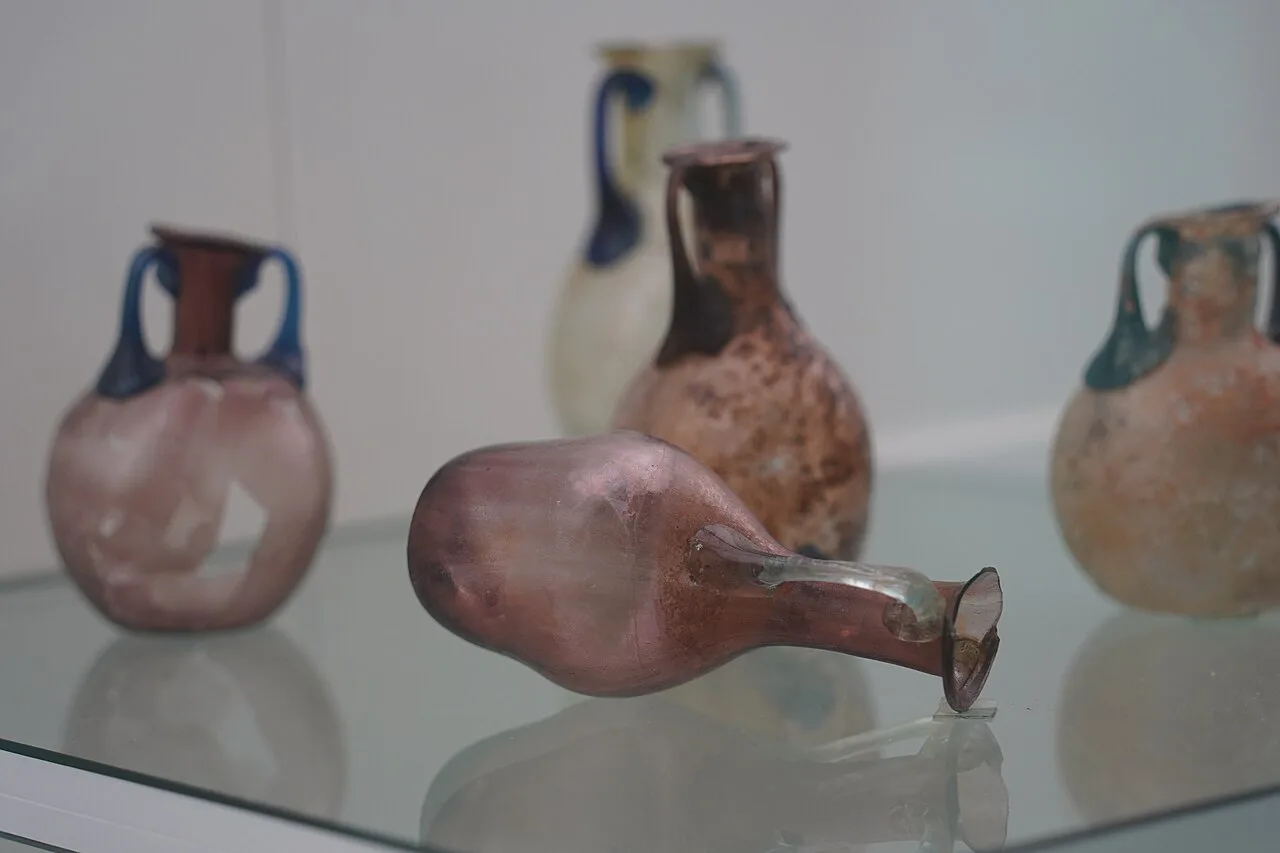
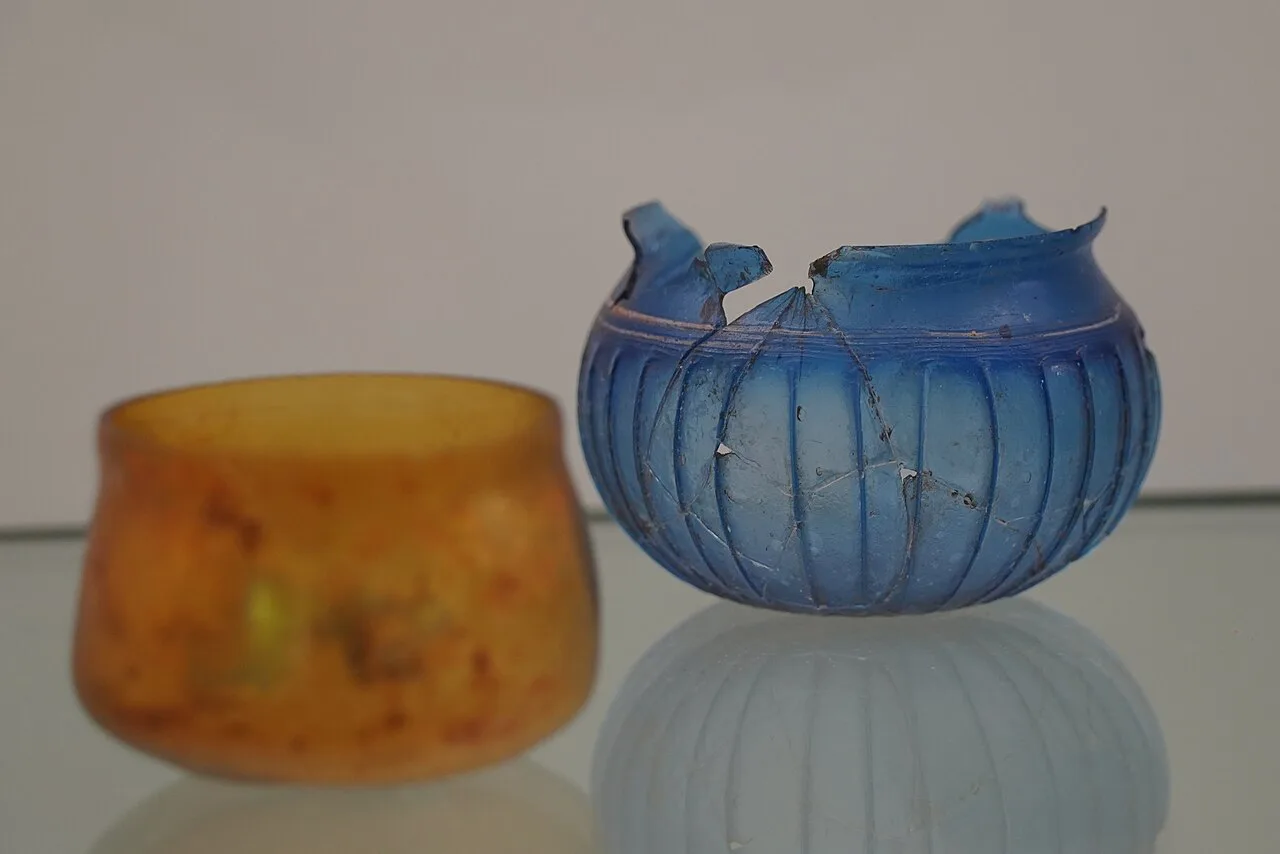
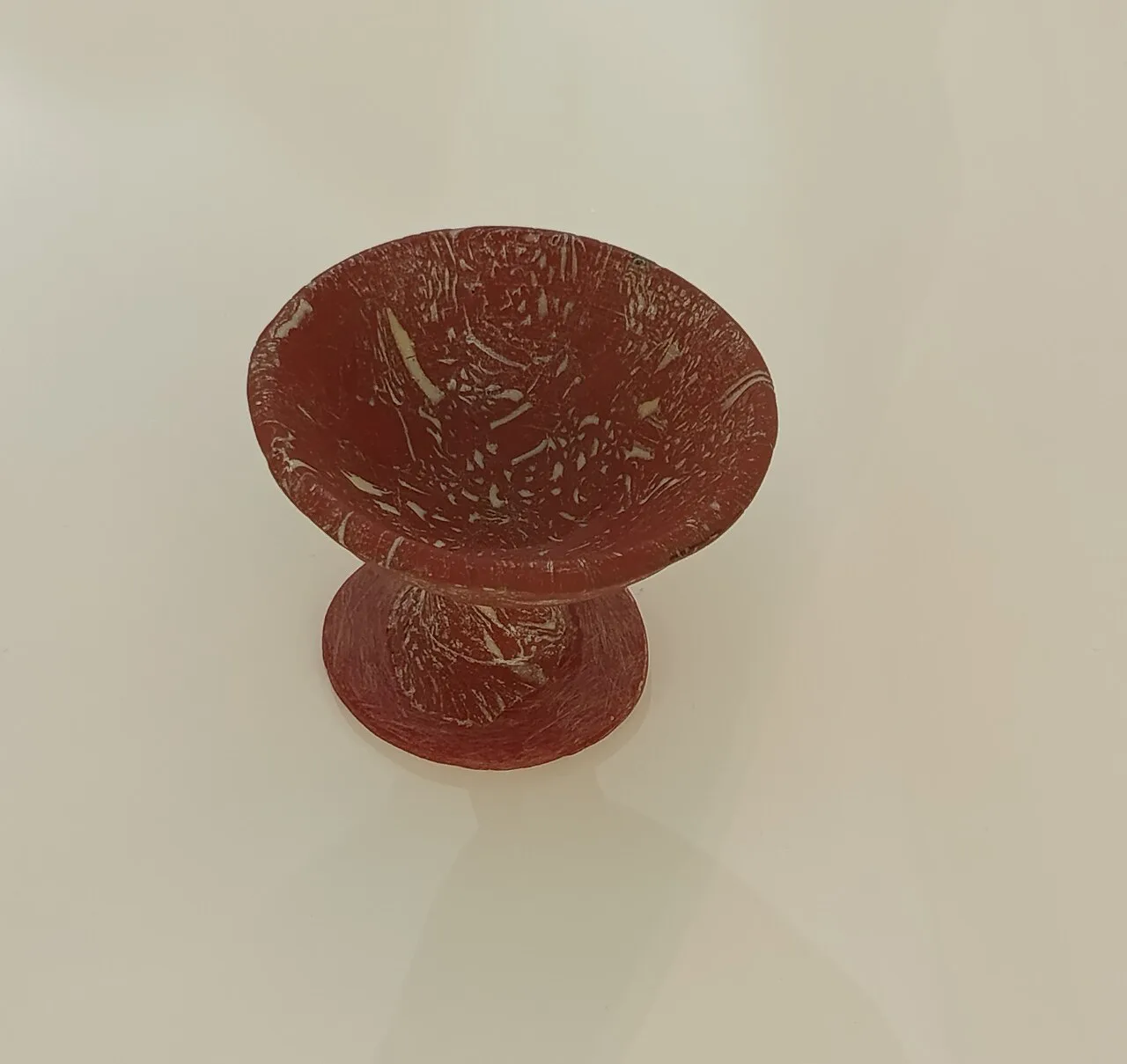
The Museum of Ancient Glass specialises in historic glass and is one of the city's most distinctive collections. Its appeal is the delicate objects themselves and the window they open onto craft and everyday life in the region.
It pairs well with the archaeological collection because the two tell adjacent parts of the same story, but it is compact enough to slot into a morning without crowding out the rest of the old town.
The Permanent Exhibition of Religious Art
The Permanent Exhibition of Religious Art displays religious art drawn from the city's churches. It rewards visitors with an interest in medieval and Venetian-era craftsmanship and is a quieter, more contemplative stop than the archaeological museum.
An hour is ample. Choose it if you are already visiting the old town's churches, or skip it if religious art is not your interest, since it takes time you could spend on the Roman material.
Museum of Illusions: a short, family-friendly stop
The Museum of Illusions is an optical-illusion attraction rather than a historical collection, built for interaction, photographs and children who have had enough of display cases. It makes sense on a hot afternoon or a rainy morning when the archaeological collections would test younger attention spans.
Plan on roughly an hour, and expect it to be busier when cruise groups are in town. It is not a substitute for the city's historical museums, so treat it as the family option alongside them rather than the main event.
Which museum to pick if you only have time for one
Choose the Archaeological Museum Zadar if you want the fullest picture of the city and its region, and the Museum of Ancient Glass if you prefer a tightly focused collection with a clear story. Take the Permanent Exhibition of Religious Art if church treasure and Venetian craftsmanship are your reason for visiting, and the Museum of Illusions if you are travelling with children and need a short, lively stop.
Two museums in a morning works well: the archaeological collection first while your attention is fresh, then the glass museum as a shorter follow-on. That pairing covers the Roman city and its material culture without repeating either.
Opening days, tickets and combined entry
Opening days, seasonal closures and ticket prices vary between these venues and are not uniform across the city. The city's museum pages and each museum's own site are the place to confirm current hours and admission before you go, and it is worth checking whether any combined ticket covers more than one collection.
Budget in euros, since Croatia adopted the currency in 2023 and any kuna figure you see in older guides is obsolete. Check the price at the desk or on the museum's own page rather than relying on a printed guidebook, and note that school groups and cruise-ship passengers can fill small museums quickly in summer.
Where the museums sit in the old town
The four museums listed here are in the old town, within easy walking distance of the Roman forum and of Zadar's waterfront, where the Sea Organ sits. That means you can link two in a morning without transport, then walk the waterfront afterwards.
A sensible route starts at the archaeological collection, moves to the glass museum and finishes near the waterfront, which keeps the walking short and puts you close to cafes and the sea when you are done. Wear shoes that cope with polished stone streets, which get slippery after rain.
Should you book a museum morning or an island day?
If the weather is settled, Zadar's islands are the stronger draw and a museum can wait for a cloudy day. Ferries and catamarans reach several nearby islands from Zadar, but schedules thin outside high season, so check Jadrolinija's timetables before committing.
When the bura blows or rain sets in, the archaeological and glass collections give you a genuinely good half-day indoors, and the old-town location means you lose little time getting there. Decide by forecast, not by a fixed itinerary.
Explore more Zadar guides
Sources
Notes from the Croatian coast
Optional updates when our guides change.
You might also like

Continue reading
More guides you'll find useful