Sali, Dugi Otok: Harbour Village Guide for a Coast Trip
Sali is the largest village on Dugi otok, built round a sheltered harbour beside Telašćica. What to see, how long to allow and how it fits a trip from Zadar.
On this page
Sali is the largest village on Dugi Otok and the island's tourist centre, set on a harbour with Telašćica Nature Park close by. This guide covers the layout of the harbour and the lanes behind it, the three village churches, the Telašćica shoreline and the honest trade-offs of a quiet fishing village with limited services.
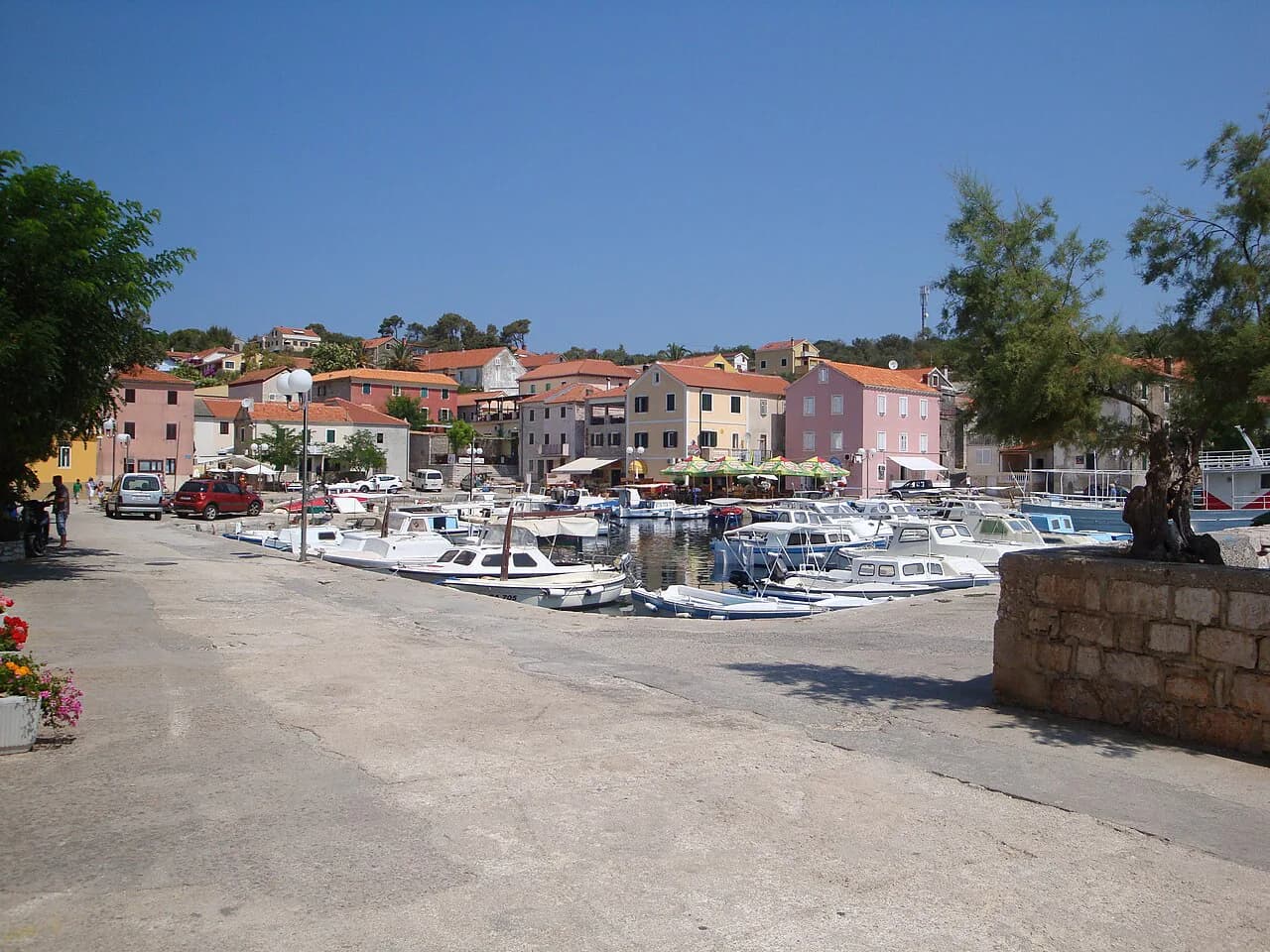
The harbour is the working heart of Sali, and the village rises above it. Behind the waterfront the streets are narrow, the churches small and the pace slow. Expect a handful of eateries and a few shops rather than a resort strip.
What Sali is and where it sits on Dugi Otok
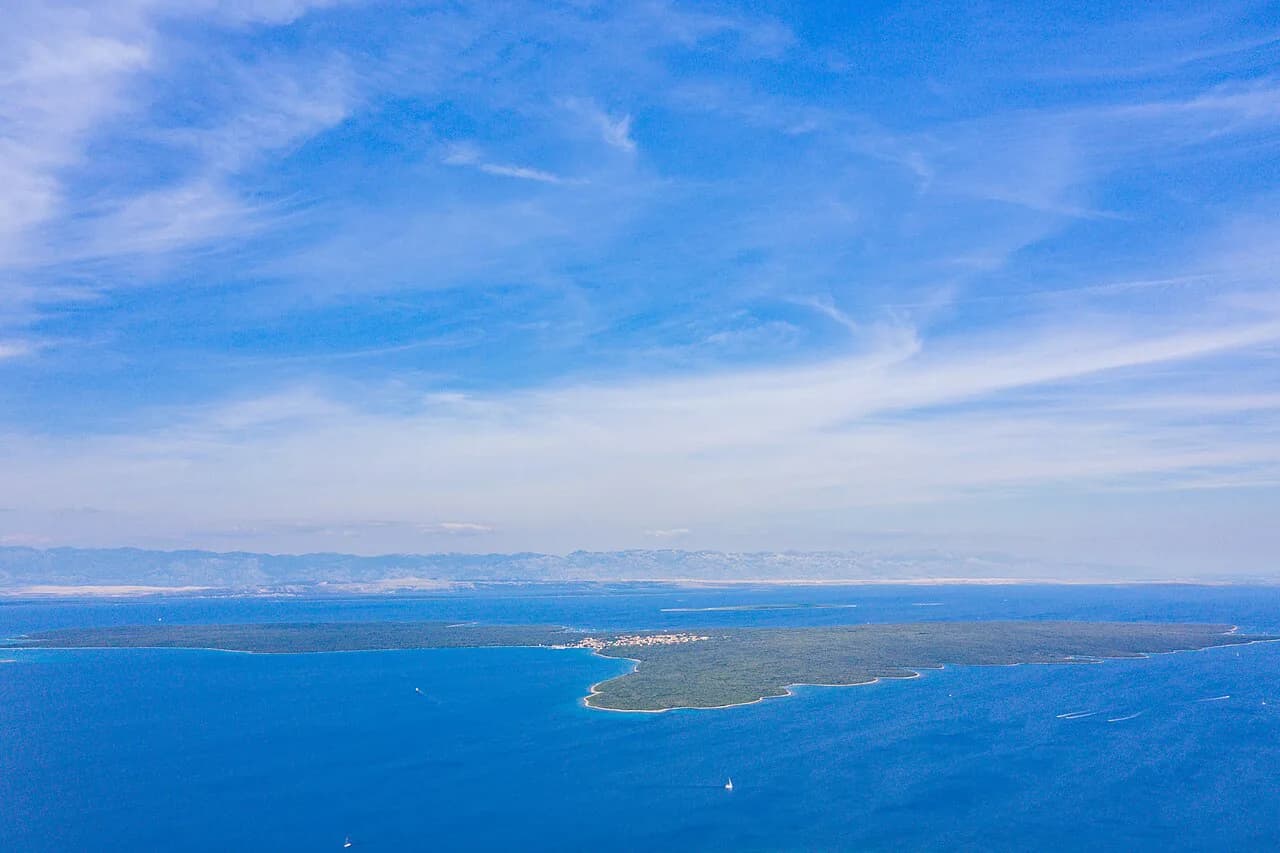
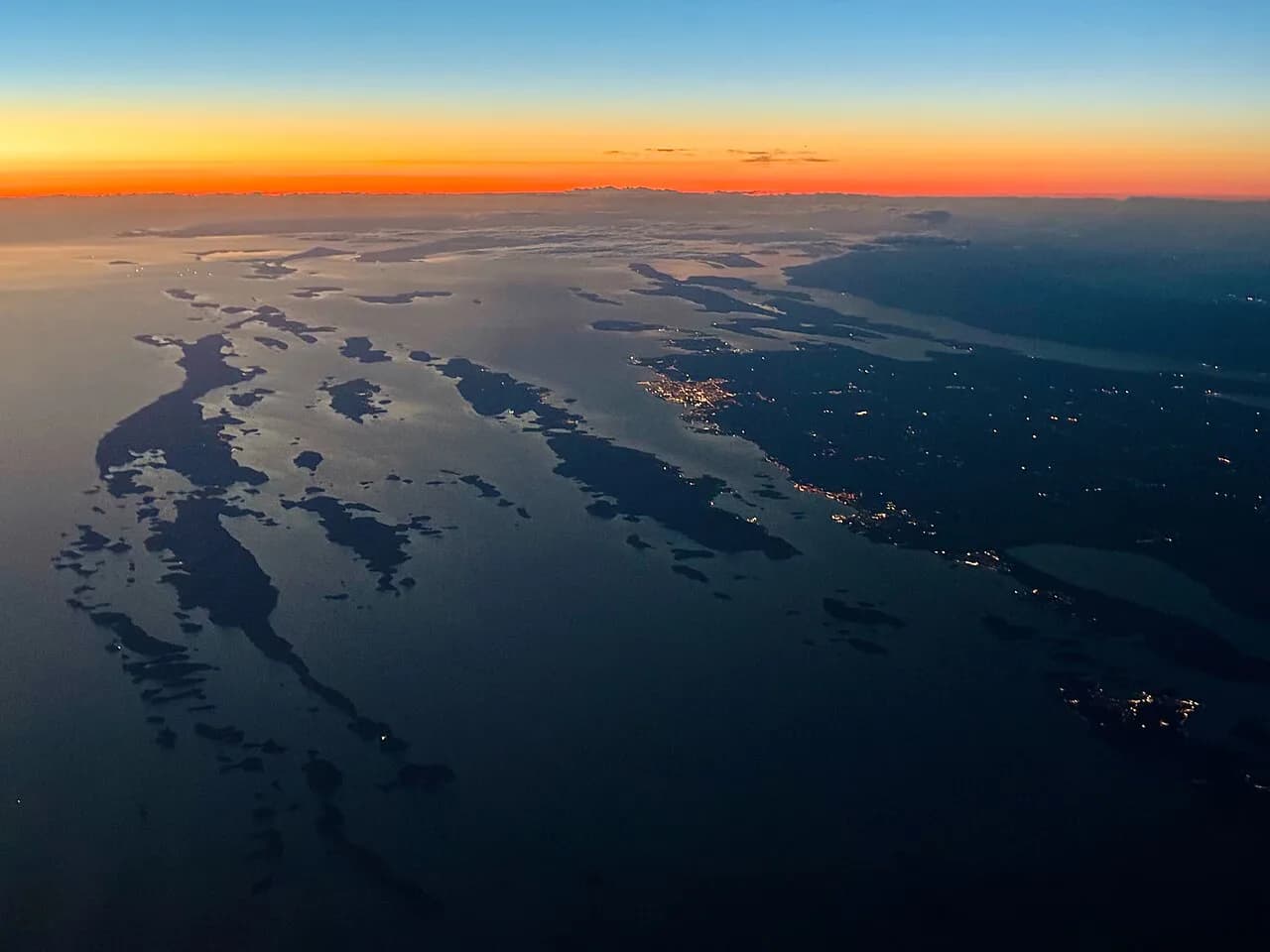
Dugi Otok runs long and thin parallel to the Dalmatian mainland off Zadar, and Sali is its largest settlement and tourist centre. That position puts it close to the Telašćica bay and Nature Park. It remains a small place despite being the island's tourist centre.
For a sense of how Sali compares with the other islands within reach of the city, see this guide to the Islands Near Zadar. Sali is the practical choice if you want village life and park scenery in one stop rather than a beach-only island hop.
The tourist board for the island presents Sali as the island's settlement hub, with private accommodation, hotels, camps and dining listed alongside each other, so a stay here is feasible without moving between villages. The village itself is compact enough to walk end to end; the surrounding hills, fields and coves are what take the time.
Getting to Sali: boats from Zadar to Dugi Otok
Sali lies on Dugi Otok, and the usual approach from the mainland is by boat from the Zadar area. Crossings and excursion services vary through the year, so the operator's timetable for your travel dates is the one to plan around.
Build your day around the return sailing. If you are visiting Telašćica as well, the bay and cliffs need several hours on their own, and a same-day return leaves little slack if the boat runs late.
The village layout: harbour, quay and the lanes behind it
The harbour is the natural starting point. Fishing boats and excursion craft tie up along the quay, and the waterfront is where you get your bearings before heading inland. From the quay, stepped lanes climb between stone houses towards the upper village, giving glimpses back over the water between the roofs.
Sali's setting is unusually varied for its size: the village is ringed by hills, cultivated fields, small and large coves, headlands and islets, with the Telašćica bay the largest and best known of them. That means the walking from the village centre quickly turns into countryside. Budget your time around the harbour first, then pick one direction inland or along the shore rather than trying to cover both.
For the broader island picture, including the northern beaches and the lighthouse, the Dugi Otok guide covers the rest of the island and how the villages connect. Sali is the most convenient base for the southern half of the island but not for everything on it.
Sali's churches: Sv. Marija, Sv. Rok and Sv. Nikola
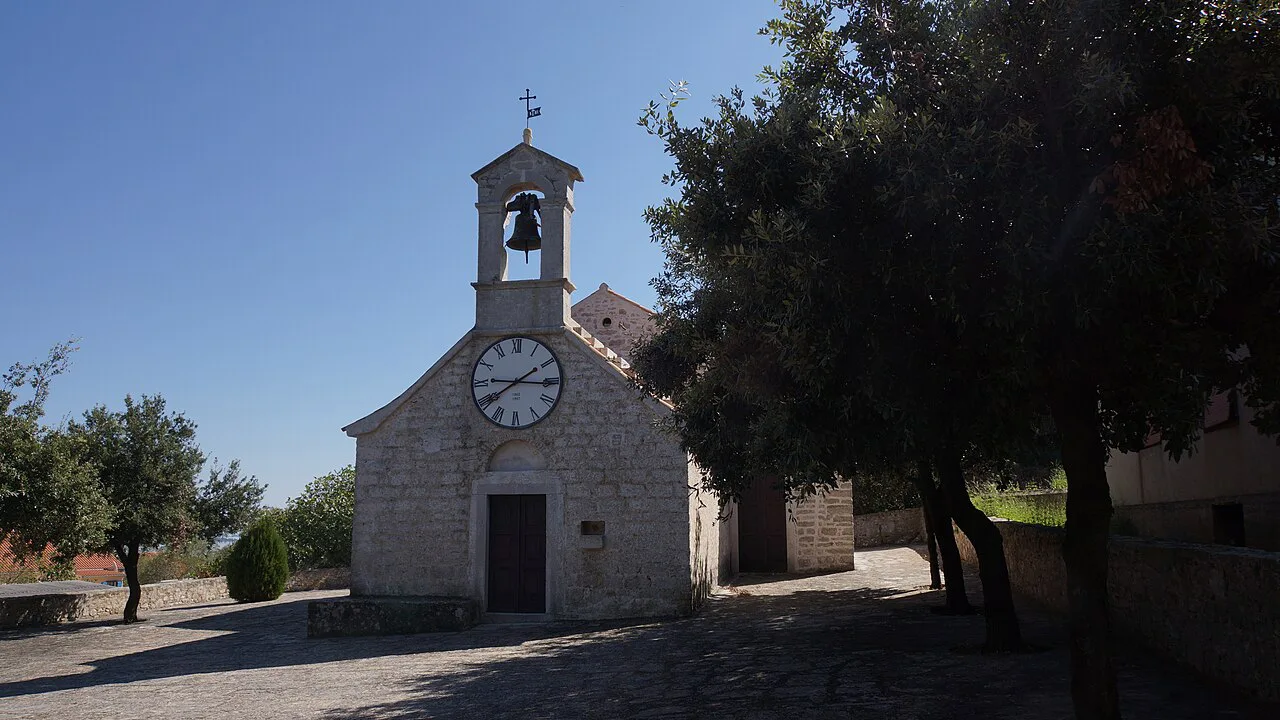
Three churches anchor the village's small historic core: the parish church of Sv. Marija, the church of Sv. Rok and the church of Sv. Nikola. The village's cultural and religious heritage is woven through these buildings rather than concentrated in a single museum. They are the concrete sights to look for as you walk the lanes, not background decoration.
None of the three is a major monument on the scale of Zadar's cathedral, so treat them as part of a village walk rather than as individual destinations. A slow circuit of the harbour, the churches and the upper lanes is the sensible way to see Sali itself.
Telašćica Nature Park and the cliffs above the bay
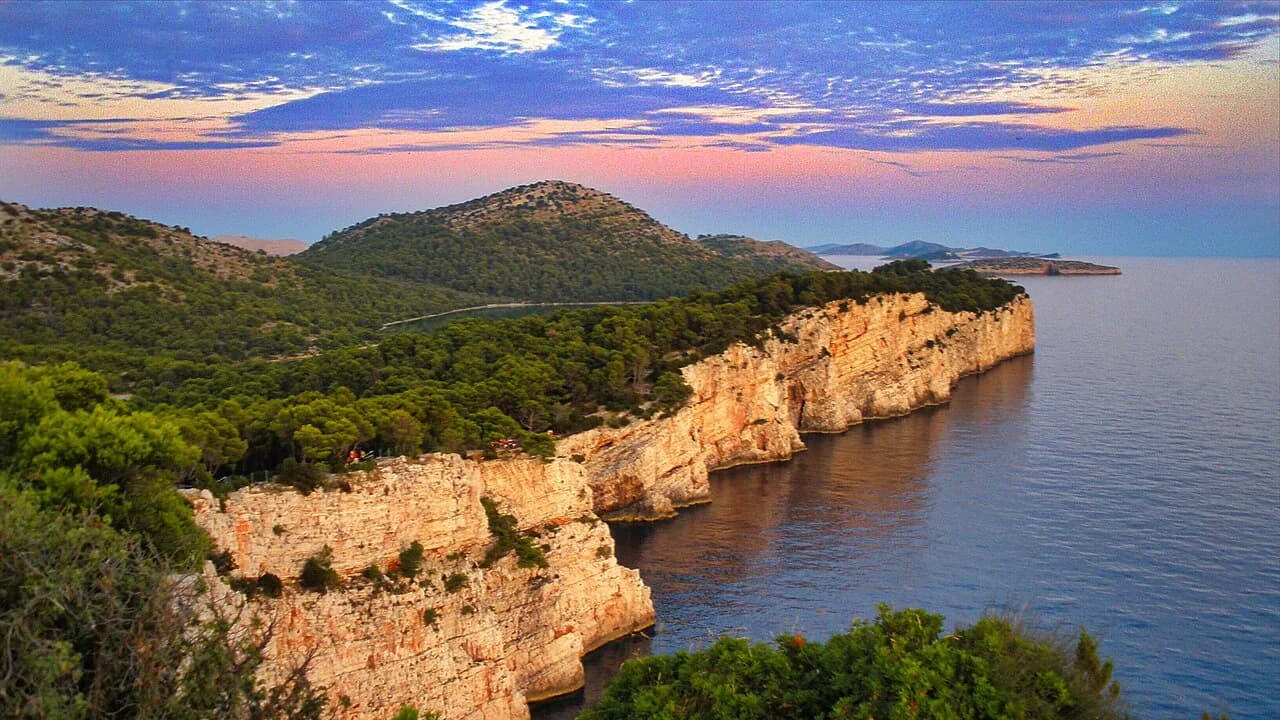
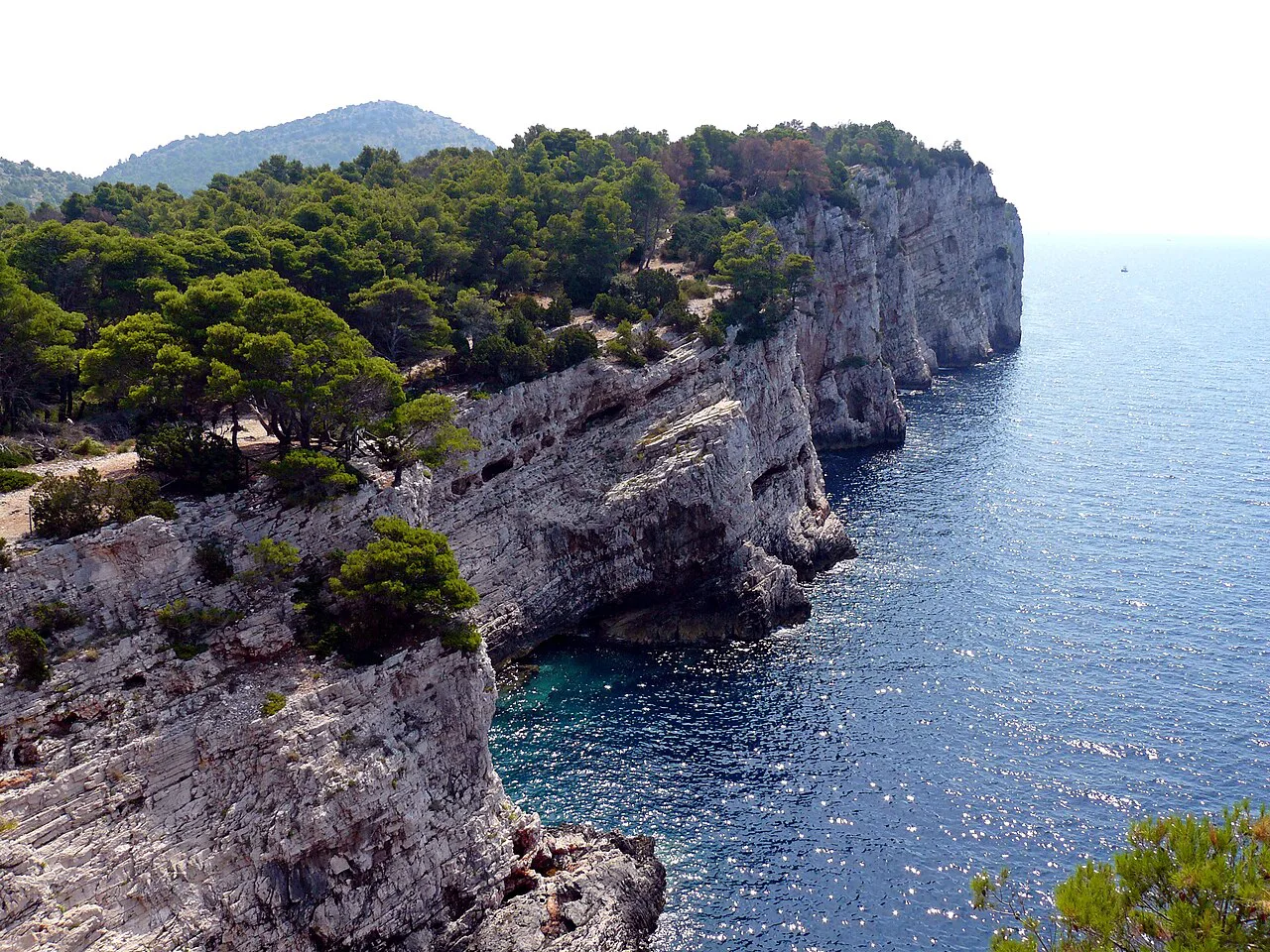
Telašćica is the reason many travellers come to Sali at all: a large natural bay and Nature Park close to the village, with a Mediterranean atmosphere thanks in part to its position near Kornati. The bay is the biggest of the inlets around Sali and the most famous.
Above the bay rise the cliffs of Dugi Otok, reached on foot from the shore. The short climb from the bay to the cliff edge is a recognised outing, and a longer route to the top is the steeper option, so treat the cliff walk as a substantial outing in itself rather than a quick detour.
Telašćica is a protected Nature Park with its own entry arrangements, so confirm the current terms with the park before you set out rather than assuming last summer's apply.
Boats and excursions leaving Sali harbour
Sali's harbour supports excursion and sports tourism, and boats leave from the quay for the surrounding water. The proximity of Kornati National Park and the Telašćica bay is what makes the village a natural departure point for a day on the water. Ask at the harbour about what is running during your stay rather than booking blind from a distance.
If your goal is the Kornati archipelago rather than Telašćica, note that you are dealing with a separate National Park with its own tickets and access rules. Pick one for the day; trying to combine both in a single boat trip usually means seeing neither properly.
Sali as an overnight base versus a day trip from Zadar
The trade-off is straightforward. As a base, Sali gives you the village in the evening, an early start for the Telašćica cliffs and time to reach the northern end of the island on another day. As a day trip, the boat schedule shapes everything and the cliffs become a tight there-and-back.
Sali is not a resort, so a stay suits travellers who want quiet, a working harbour and park scenery rather than a strip of bars. Those who want variety in the evening, or who plan to combine the island with a full Zadar itinerary, may prefer the day trip and accept the shorter visit.
How long to allow and when to go
Give Sali a full day and one night at minimum: an afternoon for the harbour, churches and lanes, then a morning for Telašćica and the cliffs. Two nights lets you add the northern part of the island without rushing. Anyone arriving on a late boat and leaving on an early one will see the harbour and little else.
Summer brings the most people, including excursion boats crowding the Telašćica bay in the middle of the day. Outside high summer the village and the cliffs are quieter, but check boat services for your dates before you build the trip around a crossing.
Practical trade-offs: bura wind, summer crowds, limited services
The bura, the cold north-easterly wind, can blow hard on this stretch of coast and makes exposed ground on the cliffs unpleasant and, at strength, unsafe. Plan the cliff walk for a calm day and keep a village-based plan in reserve. On the water, the same wind can disrupt sailings.
Sali is the largest village on the island but still small: the village has three restaurants and four shops, plus a post office and a police station — enough for a short stay, not a full resort infrastructure. Buy what you need in Zadar or in the village before evening, and do not assume late-season opening.
Should Sali be your Dugi Otok base?
Yes, if you want the island's main village, park scenery and quiet evenings in one place, and you are willing to plan around the boat rather than the other way round. Sali is the island's tourist centre, which makes it a natural base on Dugi Otok for Telašćica and the water around it.
If your trip is short, start from Zadar and treat Sali as a day out with the cliffs as the centrepiece. Either way, confirm the boat times back to the mainland and the park's current terms before you travel, then let the village set the pace.
Explore more Zadar guides
Frequently Asked Questions
Where is Sali and what is it known for?
Sali is the largest village on Dugi Otok, the long, thin island that runs parallel to the Dalmatian mainland off Zadar. It is the island's tourist centre, built round a working harbour with a long fishing tradition, and it sits close to the Telašćica bay and Nature Park, with the cliffs of Dugi Otok above the bay.
Which churches can I see in Sali?
Three churches anchor the village's historic core: the parish church of Sv. Marija, the church of Sv. Rok and the church of Sv. Nikola. They are small village churches rather than major monuments, so they work best as part of a walk through the harbour and the lanes behind it.
How do I reach Sali from Zadar?
Sali is on Dugi Otok, so the usual approach from the Zadar area is by boat. Crossings vary through the year, so check the operator's timetable for your travel dates and treat the return sailing as the anchor of your day.
Is Telašćica near Sali?
Yes — Telašćica, the large natural bay and Nature Park, is close to Sali and is the biggest and best-known of the inlets around the village. It is a protected park with its own entry arrangements, so confirm the current terms with the park before you set out.
How long should I spend in Sali?
Give Sali at least a day and a night: an afternoon for the harbour, churches and lanes, then time for Telašćica and the cliffs. Two nights lets you add the northern part of the island without rushing, and anyone arriving on a late boat and leaving on an early one will see the harbour and little else.
Sources
Notes from the Croatian coast
Optional updates when our guides change.
You might also like
Continue reading
More guides you'll find useful