Tisno, Croatia: The Drawbridge Village on Murter
Tisno straddles a narrow channel between Murter and the mainland, linked by a bridge that opens for boats. See the old quarter, churches and how long to stay.
On this page
Tisno is worth a half-day, not a week: a compact Dalmatian town in Šibenik-Knin County where the island of Murter almost touches the mainland, separated by a channel that a small opening bridge spans. The bridge is the organising fact of the place, and everything a visitor does sits within a few minutes of it. This guide covers the layout, the old quarter and its two churches, a walking order you can follow on foot in an afternoon, and how the town fits a wider Šibenik-coast trip.
Treat Tisno as a sight in its own right plus a gateway to the Murter area rather than a standalone destination. Its old quarter is small and its waterfront is short, so the honest calculation is whether the bridge, the channel and a swim justify the detour. For most travellers on this stretch of coast, it does, as a stop of a few hours.
What Tisno is
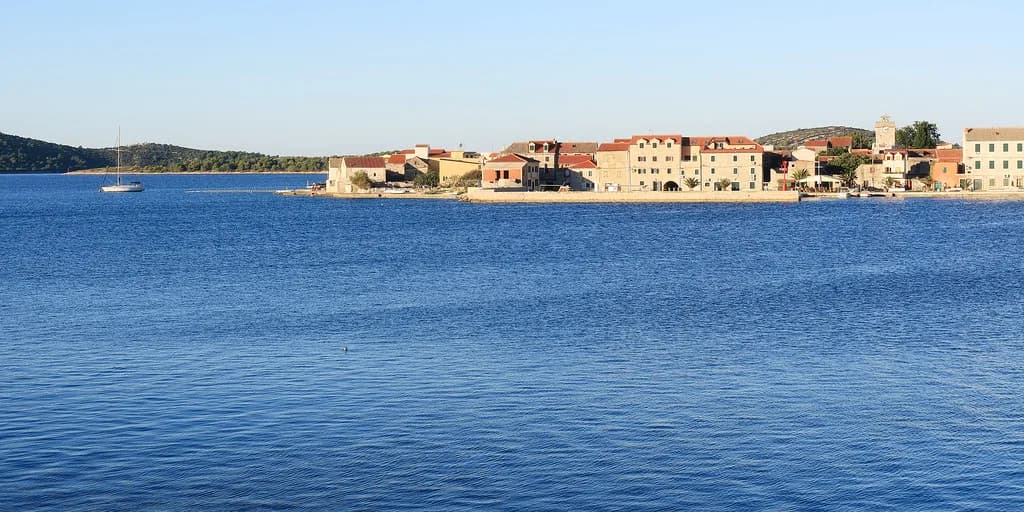
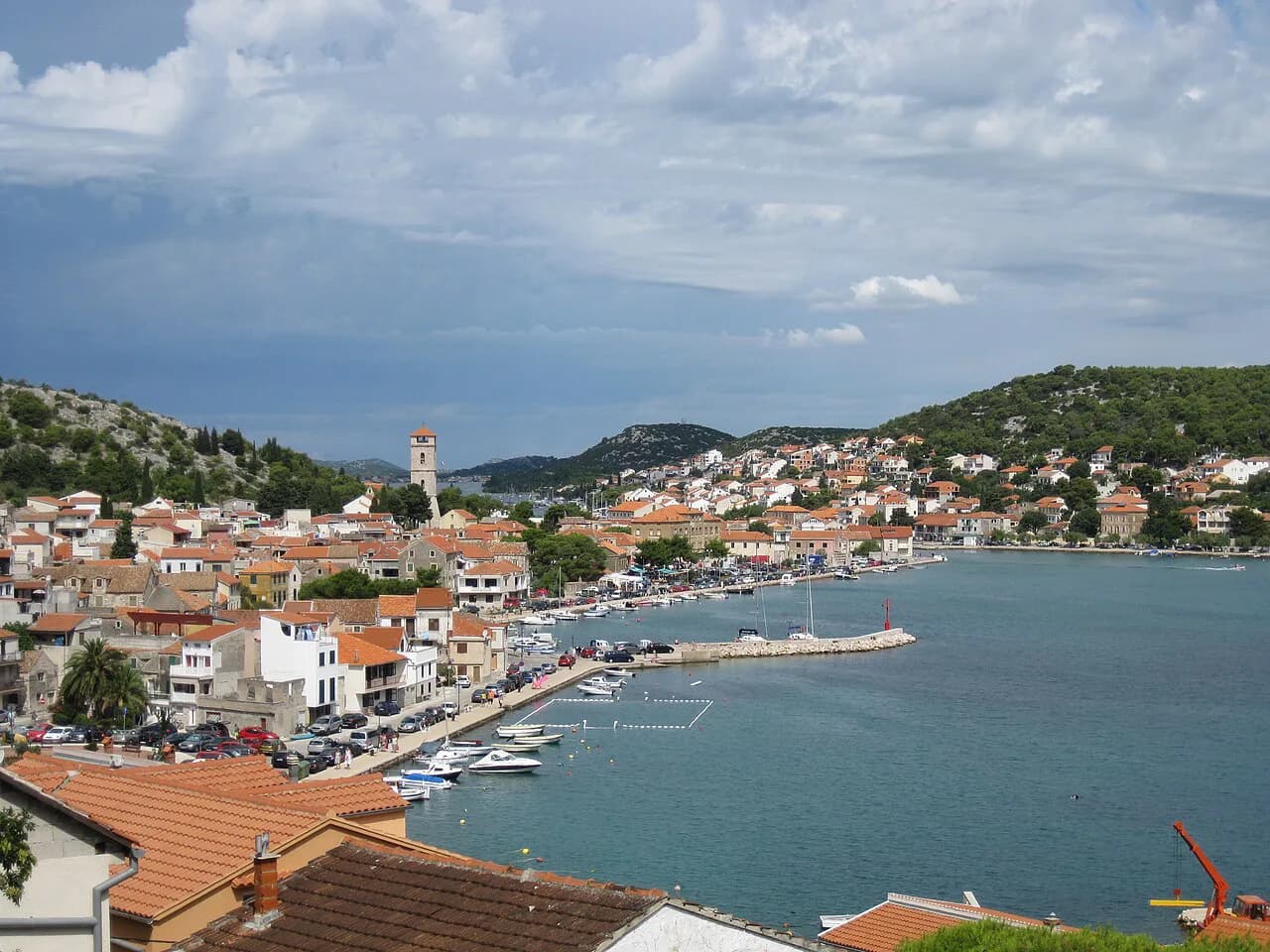
Tisno is a small town and municipality in Šibenik-Knin County, built on both shores of the narrow channel that separates the island of Murter from the Croatian mainland. That geography is what makes it unusual: you can stand in the old quarter and look across the channel at the mainland side of the same town. The waterfront is the natural focus, with the bridge crossing the channel.
The town has an authentic Dalmatian character, with a pleasant old quarter whose stone lanes grew up around the working harbour and the channel. It also has a livelier, more commercial side in summer as a festival destination, and in July and August prices peak and accommodation fills weeks ahead, so a shoulder-season visit is the better-value choice.
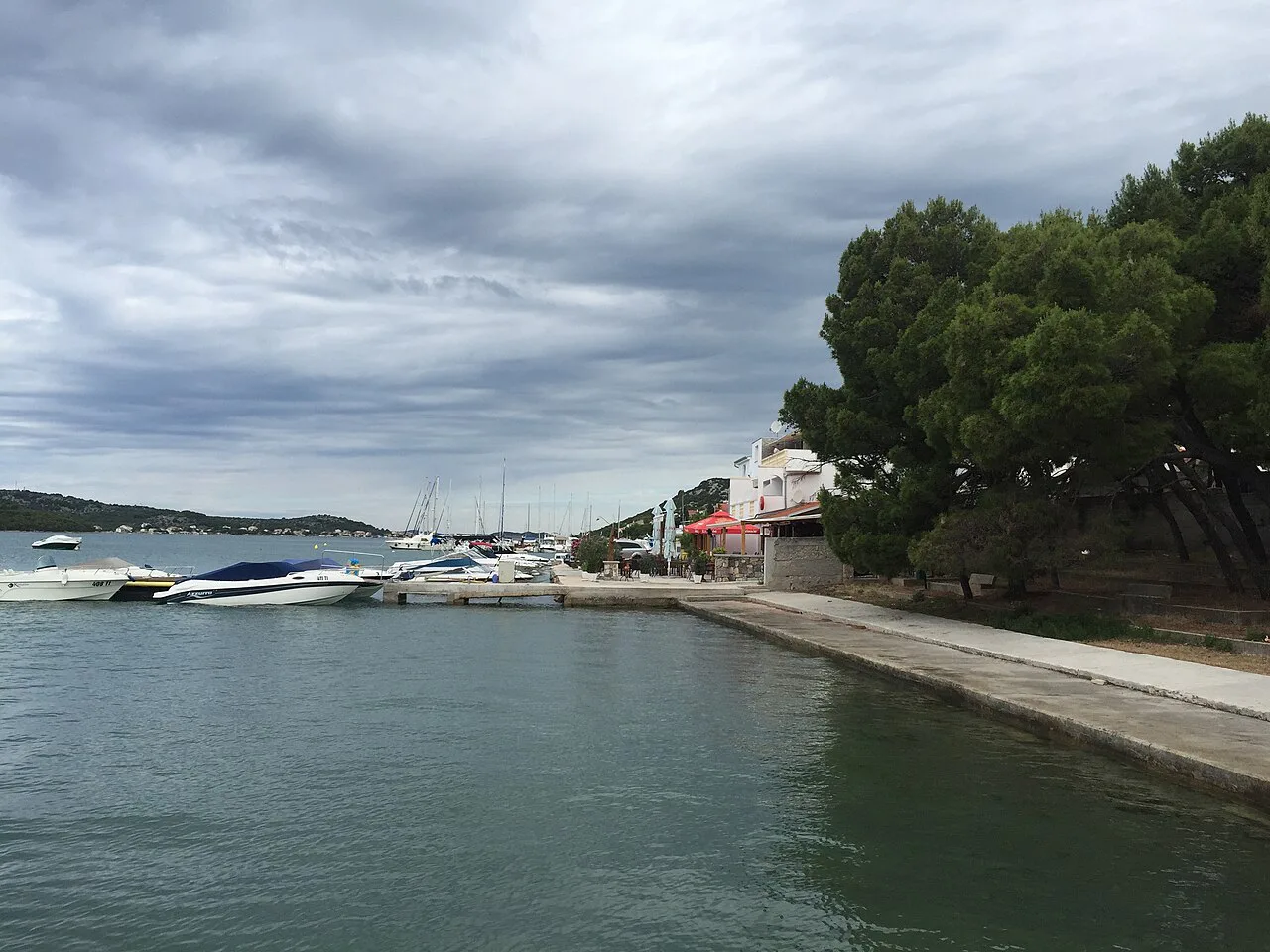
How Tisno is laid out: the channel and the opening bridge
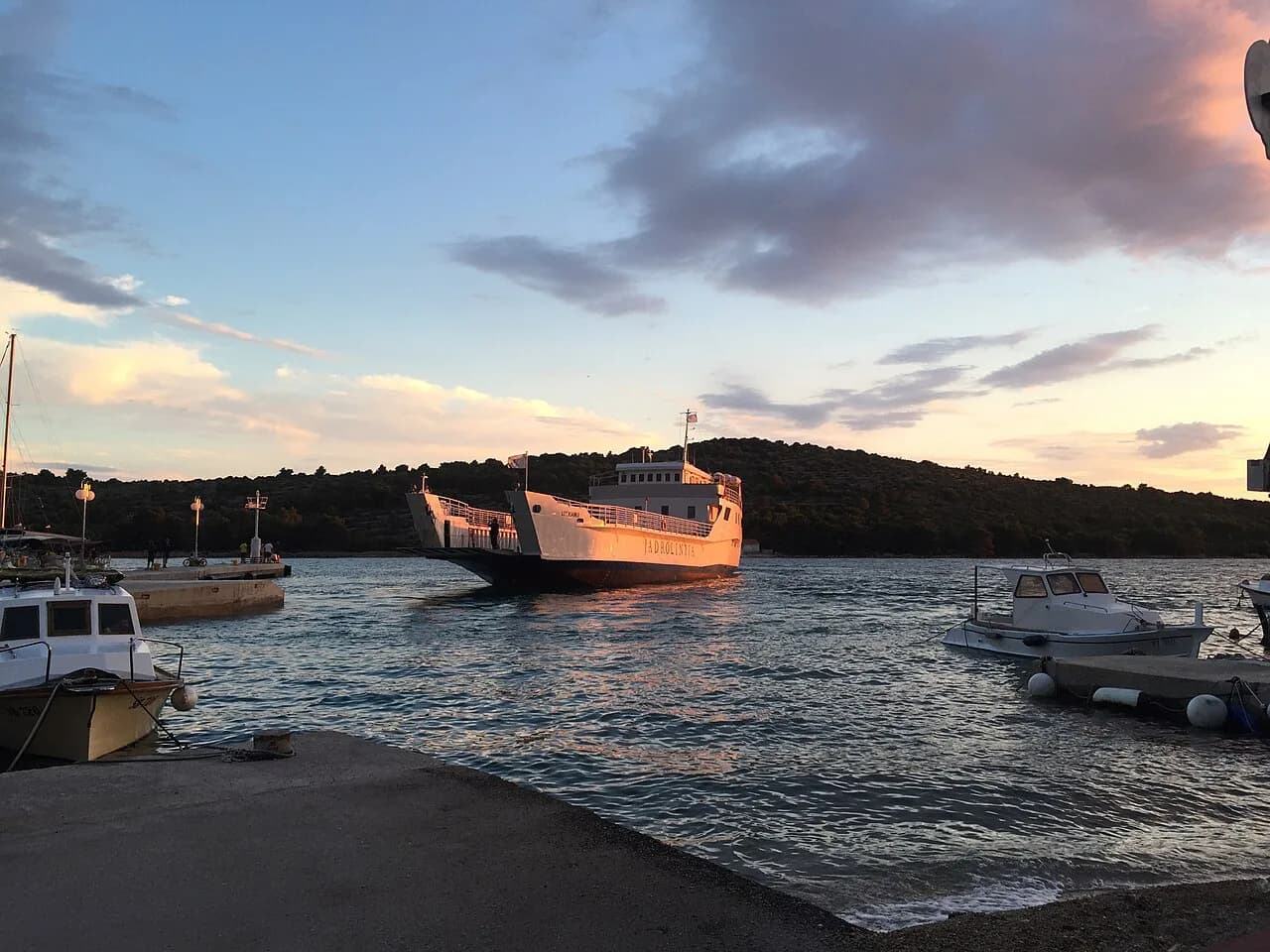
The old quarter sits on the Murter side of the channel, with the mainland shore opposite. A bridge carries the road across, and it opens to let boats pass through the channel, which is the moment most visitors remember. The bridge is the town's landmark, and the two shores are close enough that the whole crossing takes a couple of minutes on foot.
Because the bridge parts for passing boats, a crossing can pause while it opens. Build in a little slack if you are walking a loop that crosses the water twice, and treat the bridge as part of the walk rather than a timetable.
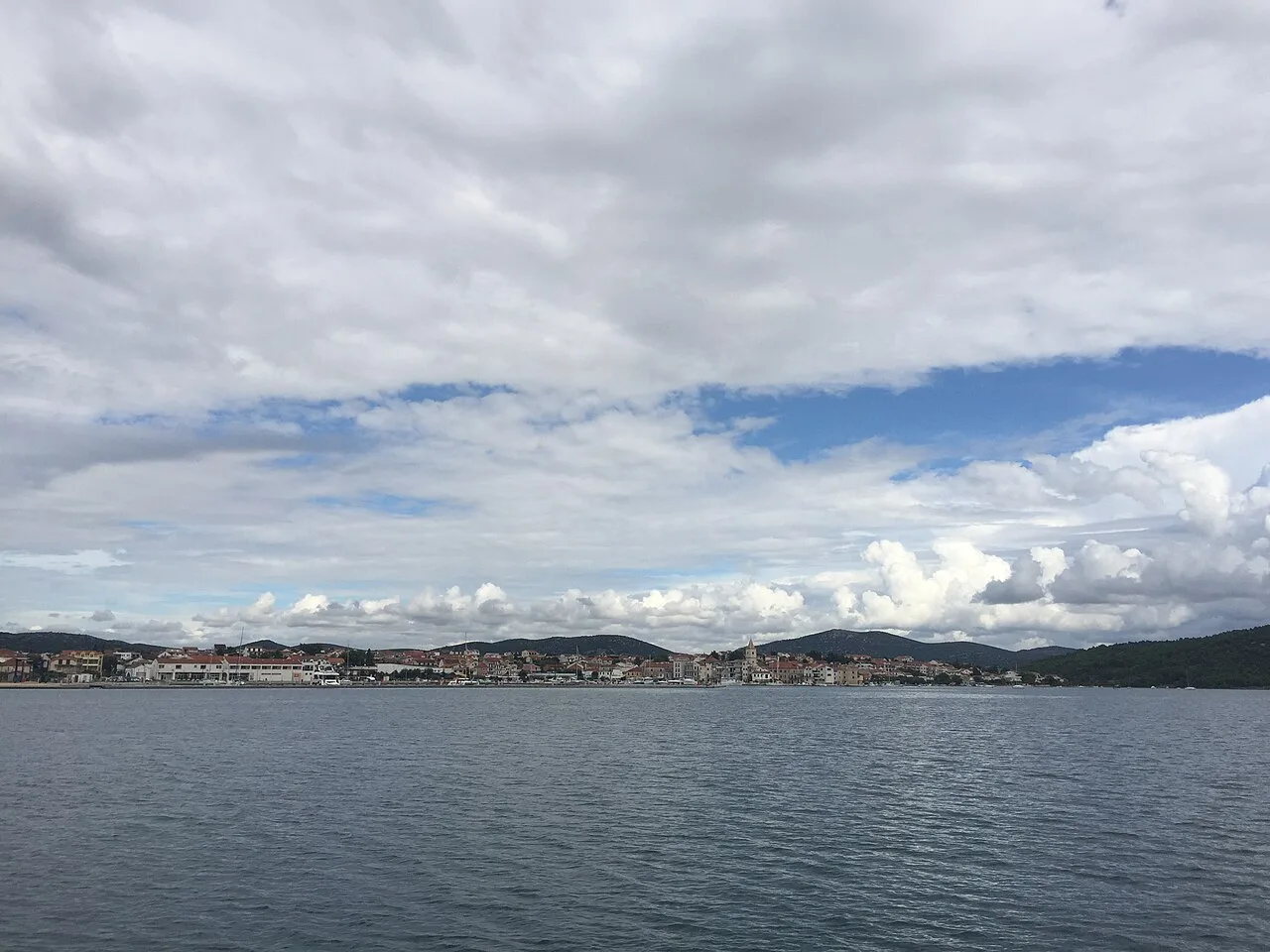
What to see in the old centre
The two buildings visitors most often ask about are the Holy Spirit Church and the Church of St. Andrew, both in Tisno's old quarter. Neither should be planned around a fixed slot: opening hours and any ticket arrangements vary, so check at the door or with the parish when you arrive rather than arranging the day around a set time.
The old quarter is small and best taken at a wandering pace: the appeal is the compact stone town and the water setting rather than a checklist of sights. That is the strongest argument for giving Tisno a few hours rather than a hurried photo stop.
A short walking route through the old quarter
Start on the Murter side of the bridge and walk into the old quarter, taking in the lanes around the churches before dropping down to the waterfront. Follow the channel edge, cross the bridge to the mainland shore for the view back at the old town, then return and finish on the waterfront. The whole loop is short and flat, and an hour or two is enough at an unhurried pace.
The reward is the water-level view of the town from the opposite shore, where the bridge, the boats and the stone houses line up in a single frame. That view is the reason to walk the route rather than drive across the bridge and turn round.
How long Tisno needs
Give Tisno half a day. The old quarter, the churches and the waterfront loop fit comfortably into an afternoon, and there is no large museum or fortress to absorb another few hours. If you want a base for the Murter area, the town works for a night or two, but it is not a place that needs a week of your trip.
A passing sentence on swimming: there is a sheltered beach near the town, which is a pleasant way to round off a walk, but Tisno's appeal is the channel and the old quarter rather than sand.
When to go
June to September are the best months to visit, with July and August the busiest and the most expensive. Peak-season prices are at their highest and accommodation books up weeks in advance, so June and September give you the same town with more room to move.
Tisno is a festival destination in summer, with the Garden Festival and Soundwave drawing music lovers to its waterfront venues, and that is part of why accommodation tightens. The old quarter itself is small, so early morning and late afternoon are calmer for a walk.
How Tisno fits a Šibenik-coast trip
Tisno sits on the way to the Murter area, so it works well as a stop between Šibenik and the island villages rather than a separate excursion. If you are comparing stops on this stretch of coast, the wider guide to islands near Šibenik helps you weigh Tisno against car-free alternatives such as Zlarin, whose coral history and pedestrian lanes make a very different day.
From Tisno the Murter side opens up quickly: the island's villages and the boat traffic are all reached from the same area. The car-free islands further south, including Kaprije, suit a quieter mood, while Krapanj's sponge-diving history gives another angle on this coast.
Practical notes: euros and what to check
Croatia adopted the euro on 1 January 2023, so all prices you see in Tisno are in euros; any kuna figure you come across is history, not current currency. Budget for the usual Dalmatian costs on the coast, and remember that accommodation and food climb in July and August.
Before you set out, check the bridge and church arrangements locally, since neither runs on a schedule you can rely on from home. For a wider look at what else is within reach of Šibenik, including Prvić and Žirje, plan the stops around the ferries rather than the other way round.
Should you stop at Tisno or push on to Murter?
Stop at Tisno for half a day, then push on into Murter. The bridge, the old quarter and the two shores make a satisfying afternoon, and the town is honest about its scale: small, walkable and best seen in a morning or late afternoon rather than a full day.
If you have a night to spare, base yourself here and use the bridge as your starting point for the island's villages and boats, working round the summer crowds by travelling in June or September.
Explore more Šibenik guides
Frequently Asked Questions
Is Tisno worth visiting?
Yes, for half a day. The drawbridge over the narrow channel, the old quarter and the two churches give the town enough for an afternoon walk, and it works as a base for the Murter area. It is not a place that needs a week.
What is there to do in Tisno?
Walk the old quarter to see the Holy Spirit Church and the Church of St. Andrew, cross the opening bridge for the view back at the town, and follow the waterfront. A swim and a drink on the waterfront round off the visit.
Sources
Notes from the Croatian coast
Optional updates when our guides change.
You might also like
Continue reading
More guides you'll find useful