Islands Near Pula: Brijuni, Levan, Fratarski and Kozada
Brijuni is the main island group near Pula, reached by boat from Fažana. Levan, Fratarski, Ceja and Kozada are the small islands better suited to a swim.
On this page
For islands near Pula, plan around one group and one type of trip. Brijuni is the archipelago that matters: a National Park since 1983, sitting 6 km from the city and served by boats from Fažana on the mainland, not from Pula's own harbour. The other islands in this guide, Levan, Fratarski, Ceja and Kozada, are small, low-key swimming stops in the Medulin and Pula Bay approaches, reached by small boat. This guide separates the two and explains what each island gives you.
The split is useful because the trips feel nothing alike. Brijuni is a full day with a landscaped island to walk; the small islands are about getting on the water quickly and swimming. See the wider Pula guide for how the city itself fits around a day like this.
Which islands lie off Pula and how they divide up
Two groups sit off the coast, and they are not interchangeable. To the west, the Brijuni archipelago is a protected National Park with organised boat access from Fažana. To the south and east, in the Medulin area and the mouth of Pula Bay, the small islands of Levan, Ceja, Fratarski and Kozada offer swimming and little else. The Pula tourist board groups these together as the top islands to explore near the city, but the experience of visiting them differs sharply.
If you have one free day, take Brijuni. If you have a free afternoon and want water rather than sightseeing, take a small boat to one of the others. Trying to do both in a day means short-changing the park.
Brijuni Islands: Veliki Brijun, Mali Brijun and the smaller islands
Brijuni is not one island but an archipelago of two larger islands, Veliki Brijun and Mali Brijun, plus 12 smaller, deeply indented islands. The group and its surrounding waters were proclaimed a National Park in 1983, which is why access is controlled rather than open. The islands have been inhabited since prehistoric times, and the park status protects both the coastline and the planted landscape.
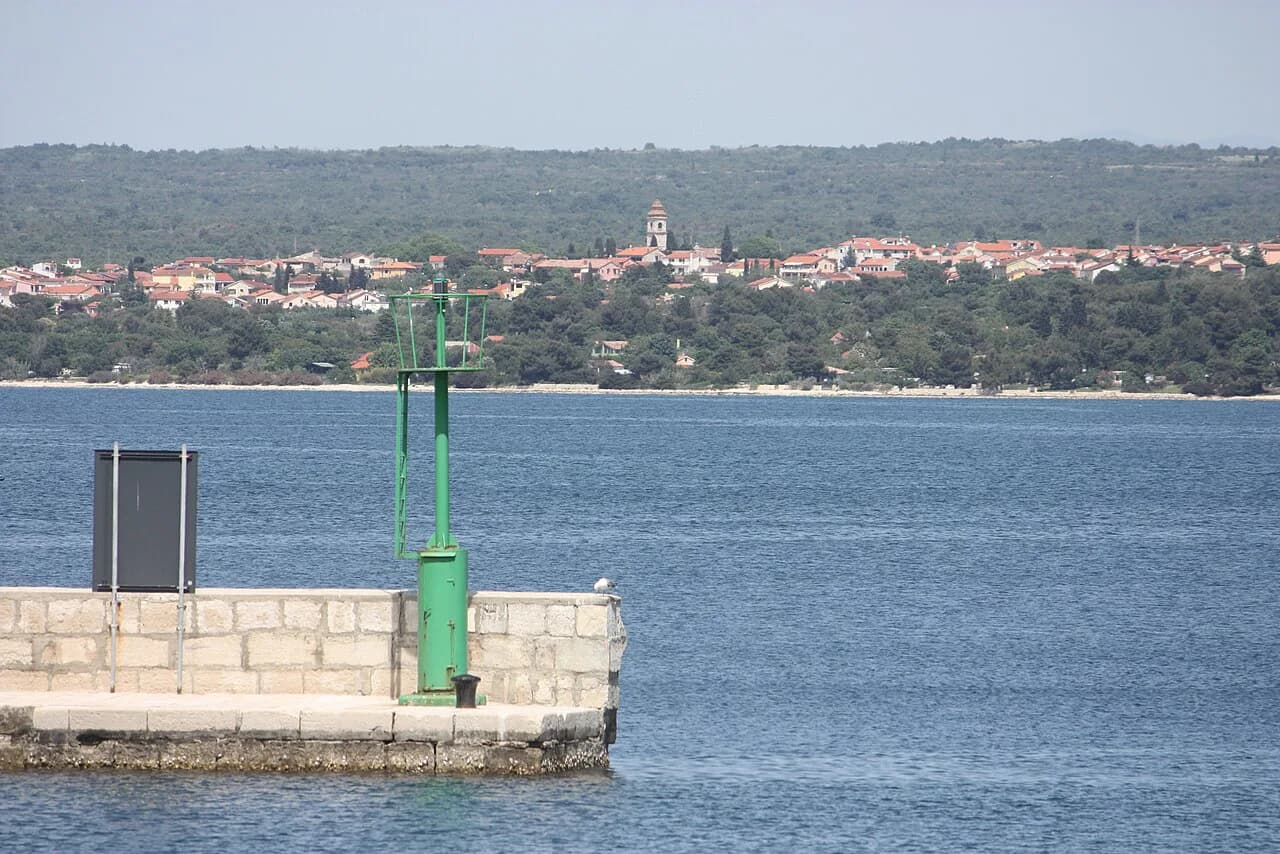
The distance from Pula is short: 6 km, with the Fažana Channel separating the islands from the mainland. That closeness is why Brijuni works as a day trip rather than an expedition, but it does not mean you can swim across or hail a water taxi from the city quay.
Getting to Brijuni: the boat from Fažana, not Pula harbour
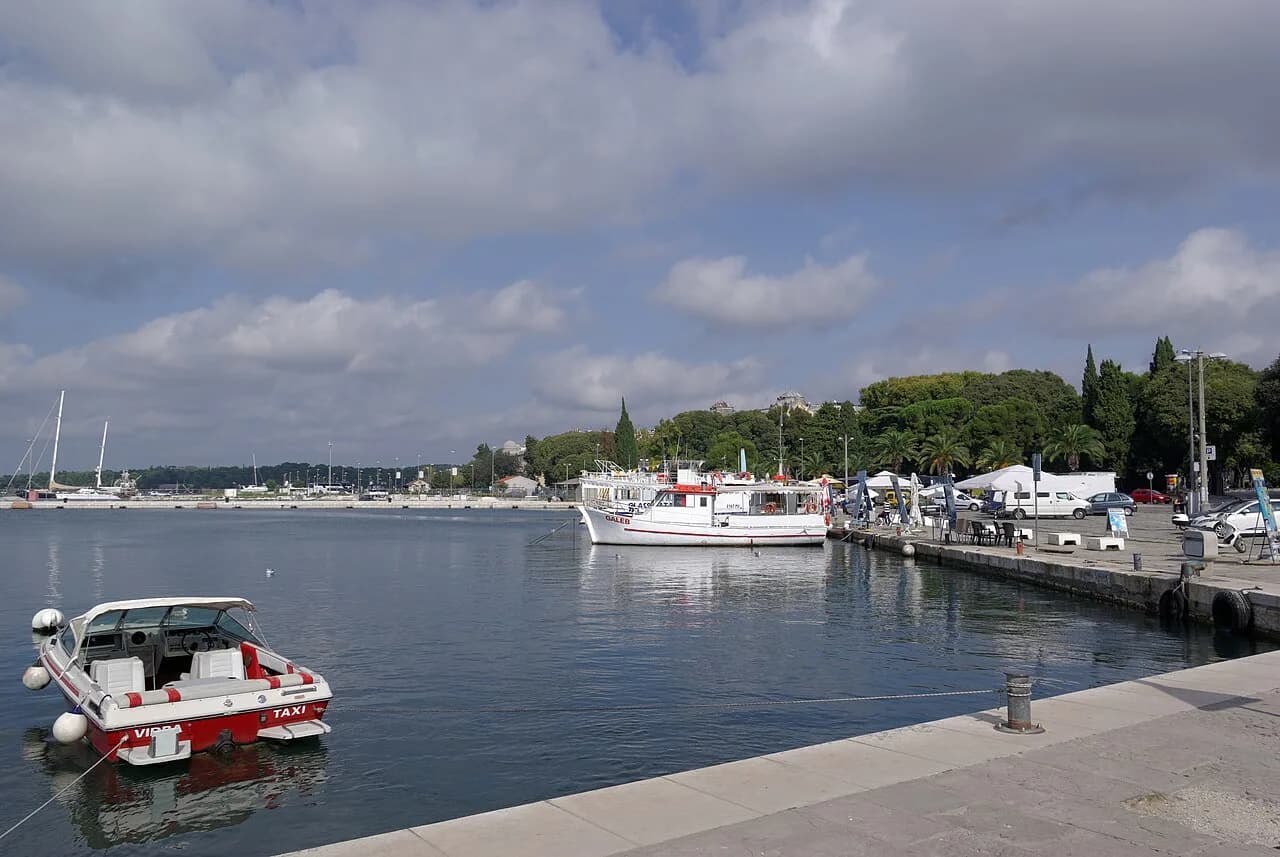
The single most common planning mistake is turning up in Pula expecting to sail to the park. Boats to Brijuni leave from Fažana, the mainland port across the Fažana Channel, and the park is served by a regular daily boat service from there. Fažana sits a short distance along the coast from Pula, so build that transfer into your morning rather than expecting a departure from the city centre itself.
Ticket prices, sailing times and any seasonal variation in the service are set by Brijuni National Park and the boat company that runs the Fažana crossing, and change by season. Check the current departure point, timetable and fare with Brijuni National Park or at Fažana port before you travel, especially outside high summer. Our Pula itinerary guide helps you slot the crossing into a wider plan.
What a Brijuni day involves
Veliki Brijun rewards slow walking rather than a checklist. The National Park authority describes the vegetation as exceptionally lush, with tropical plants forming maintained tree-lined lanes, parks and gardens across the island. The appeal is the combination of that planted interior with an indented coastline you can follow on foot, so give the island most of a day rather than squeezing it around a lunch booking.
Bring what you need for a long stretch outdoors, since the day is spent walking between the shoreline and the gardens. If your time in Pula is short, weigh Brijuni against the city's own Roman sights rather than attempting both on the same day.
Brijuni weather and sea temperatures by season
The islands have a mild Mediterranean climate with plenty of sun and humidity, which is what makes the planting so dense. Typical average air temperatures run at about 5.9°C in winter, 12.2°C in spring, 23.2°C in summer and 14.8°C in autumn, with summer air sitting around 23°C. These are climate averages from the Pula tourist office, not a forecast for your dates.
For swimming, the summer sea temperature typically sits between 22°C and 25°C, which is comfortable for most travellers from the UK and Ireland. Spring and autumn are walking weather rather than swimming weather.
Kozada Island: the wild, unbuilt option
Kozada is the antithesis of a National Park visit. It is a small uninhabited island near the entrance to Pula Bay with no buildings and no restaurant, so it feels wild and untouched. The rocky coastline gives good snorkelling ground, and its position means it is realistic to find a quiet spot even in the middle of summer.
There is nothing to buy and nothing to shelter in, so this is a trip to make only when you are self-sufficient and the weather is settled.
Fratarski Island: rocky shoreline close to Pula
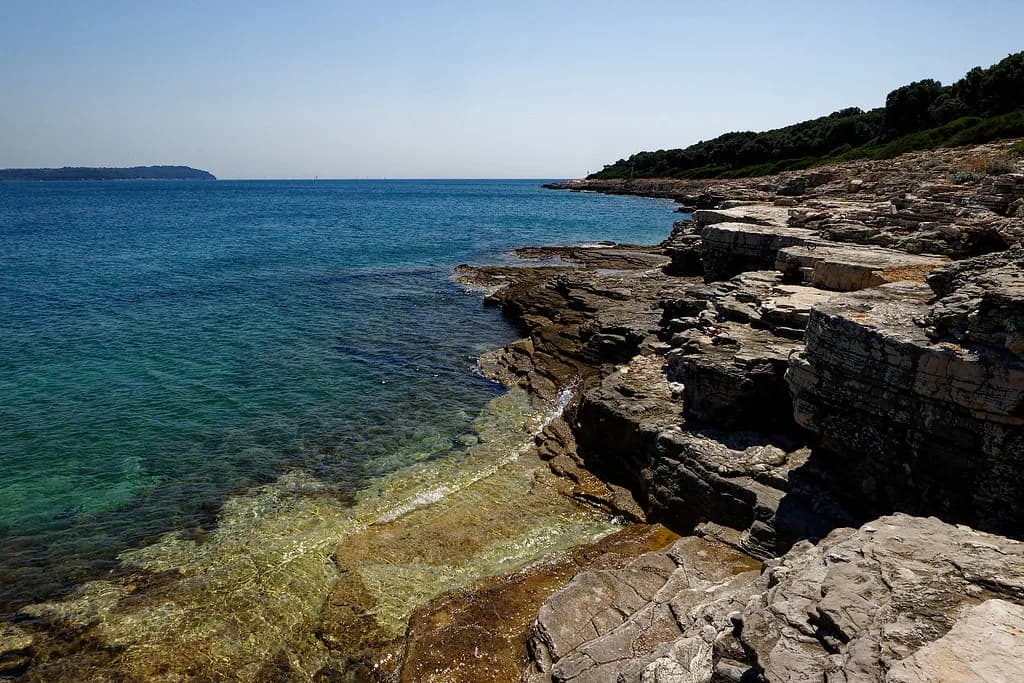
Fratarski, also listed as Veruda Island, sits very close to Pula and is a favourite swimming stop for people from the city. The shoreline is rocky rather than sandy, with turquoise water and quieter spots on the outer side where small boats anchor away from the busier areas. Expect locals rather than a resort atmosphere.
Because it is so near the city, Fratarski is the easiest of the small islands to slot into a half-day. It is also the most likely to be busy on a hot weekend afternoon, so go early if quiet water matters to you.
Levan Island: a sandy beach that depends on calm water
Levan stands out in this part of Istria for one reason: it has one of the few sandy beaches in the area. On calm summer days the water turns very clear and shallow, which makes it a good choice for a few hours of relaxed swimming. Most visitors arrive by small boat from Medulin.
Treat the shallow clarity as a calm-day proposition, not a guarantee. Wind and chop change the water quickly, and the sand is the draw rather than any facilities on the island.
Ceja Island: shallow water and quieter coves
Ceja, just off the coast of Medulin, is one of the most popular small islands near Pula, with a beach restaurant and clear, shallow water suited to swimming. Most visitors stay near the main landing for lunch or a long swim. The quieter coves around the rest of the island are where the crowds thin out.
If you arrive by your own boat, anchoring away from the main landing gives you the island's better side. The trade-off is that you lose the easy walk to the restaurant.
Doing several islands in one day by boat
The small islands sit close enough together that a single day on the water can take in several of them. You can visit different places, swim in hidden coves and see the southern Istrian coastline from a completely different angle in one outing. That is the argument for a boat day rather than a single island.
The constraint is weather, not distance. Small boats and shallow coves depend on settled conditions, and a breezy day can cancel the plan or push you somewhere more sheltered.
Which island suits which traveller
For a first visit with a full day available, choose Brijuni. The National Park status, the planted gardens and the scale of Veliki Brijun give you more than any of the small islands can, provided you accept the boat from Fažana and the formal arrangements. For a half-day with no plan beyond swimming, pick Fratarski for convenience from the city or Ceja and Levan from the Medulin side. Choose Kozada if you want no facilities at all and will bring everything with you.
Travellers who want both can pair Brijuni with an evening back in the city, where the Roman sights, from the Arena to the Temple of Augustus and the city museums, reward a separate day. Sort the city's own sights into a different slot rather than compressing them around a park trip.
Honest trade-offs: crowds, calm water and boat-only access
Every island here needs a boat. Brijuni has the regular service from Fažana, while the small islands depend on small boats and the Medulin or Pula Bay approach. With no scheduled public service to the small islands recorded here, that makes them weather-dependent in a way that a land-based day is not.
Summer crowds concentrate near landings and restaurants, so the outer shores of Fratarski and the coves beyond Ceja's main landing are where you find space. Levan's shallow water is at its best on calm days, and Kozada stays quiet because it offers nothing but rock and sea. Choose the island that matches your tolerance for those conditions rather than trying to see all four badly.
Pick one island and give it the day
The best islands near Pula are the ones you match to your available time. With a full day, take the boat from Fažana to Brijuni and walk Veliki Brijun's gardens and indented shore properly. With half a day, take a small boat to Fratarski, Levan, Ceja or Kozada and accept that the trip is about swimming rather than sightseeing.
Check the Brijuni boat departure, fare and seasonal timetable with the National Park before you go, and keep your small-island day flexible enough to move if the wind picks up. For the city side of the trip, see Things to Do in Pula and the Pula Old Town guide.
Explore more Pula guides
Frequently Asked Questions
Can you visit the islands near Pula without a boat?
Brijuni is served by a regular daily boat service from Fažana across the Fažana Channel, so you do not need your own craft, but you do need the crossing. The smaller islands of Levan, Ceja, Fratarski and Kozada are swimming stops approached by small boat from the Medulin and Pula Bay side rather than by a scheduled public service.
How long does a Brijuni visit take?
Allow most of a day. Veliki Brijun has an indented coastline and extensive planted parks and tree-lined lanes, so the island rewards slow walking rather than a short stop. Factor in the crossing from Fažana at both ends of the visit.
Sources
Notes from the Croatian coast
Optional updates when our guides change.
You might also like
Continue reading
More guides you'll find useful