Pula Itinerary: A Practical 2–3 Day Plan by Area
Plan a Pula itinerary of two or three days, grouped by area: the Arena, the Forum and old town, the castle and the coast, with walking times and crowd trade-offs.
On this page
Two days cover the heart of Pula comfortably on foot; a third day is the decision point, when you choose between a boat to Brijuni National Park and a road trip to Cape Kamenjak. This itinerary groups each day by walking distance rather than by sight category, so you never cross the city twice. It sets the Roman ruins in the morning and the Forum and Pula Old Town in the evening, treats the castle and cathedral as a separate half-day, and keeps the Arena interior as an optional add-on.
How much of Pula two or three days covers
Pula rewards slow walking rather than box-ticking. The Roman core — the Arena, the Arch of the Sergii and the Forum — sits within a compact stretch of the old town, so a single unhurried day clears the headline sights without rushing. Two days add the castle and cathedral hill plus the quieter corners, and three give you a genuine choice of a day out beyond the city.
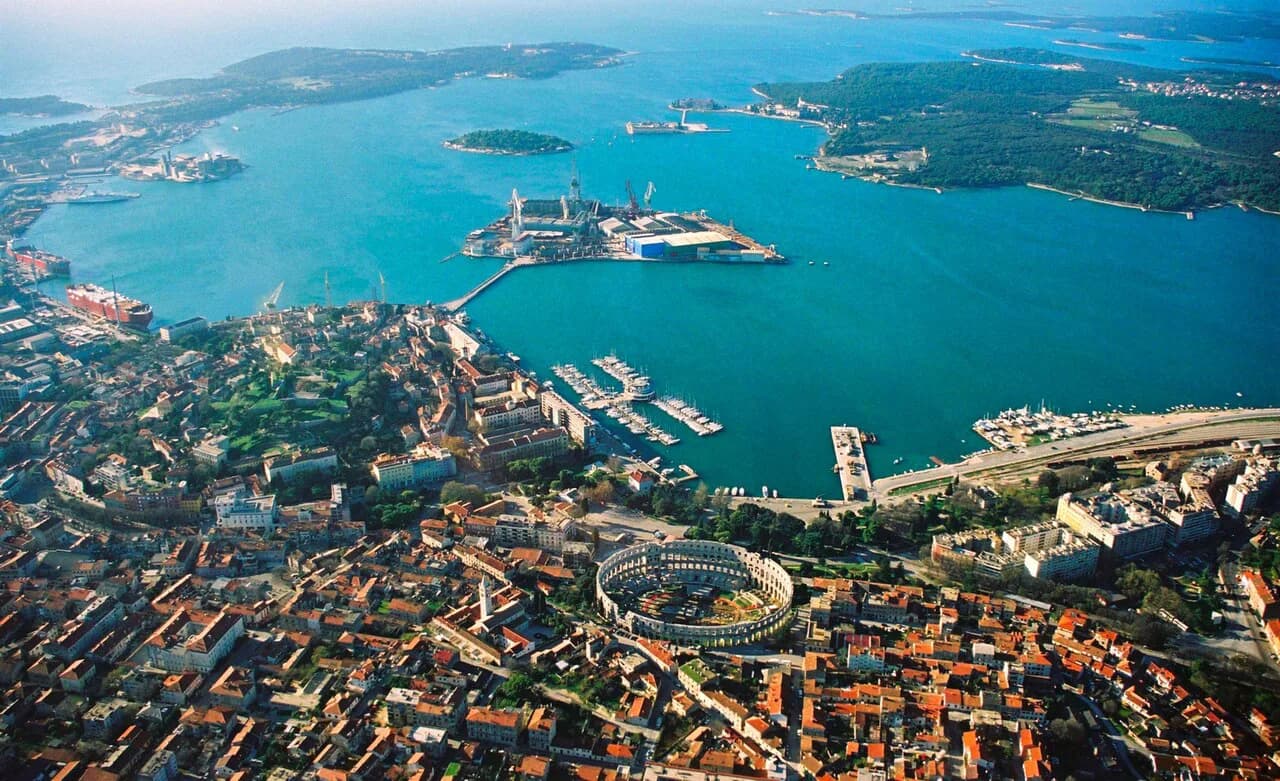
The Arena sits roughly a ten-minute walk from the main square of the old town, near the harbour, so lodging near the Forum puts almost everything within reach.
Best time to start each day
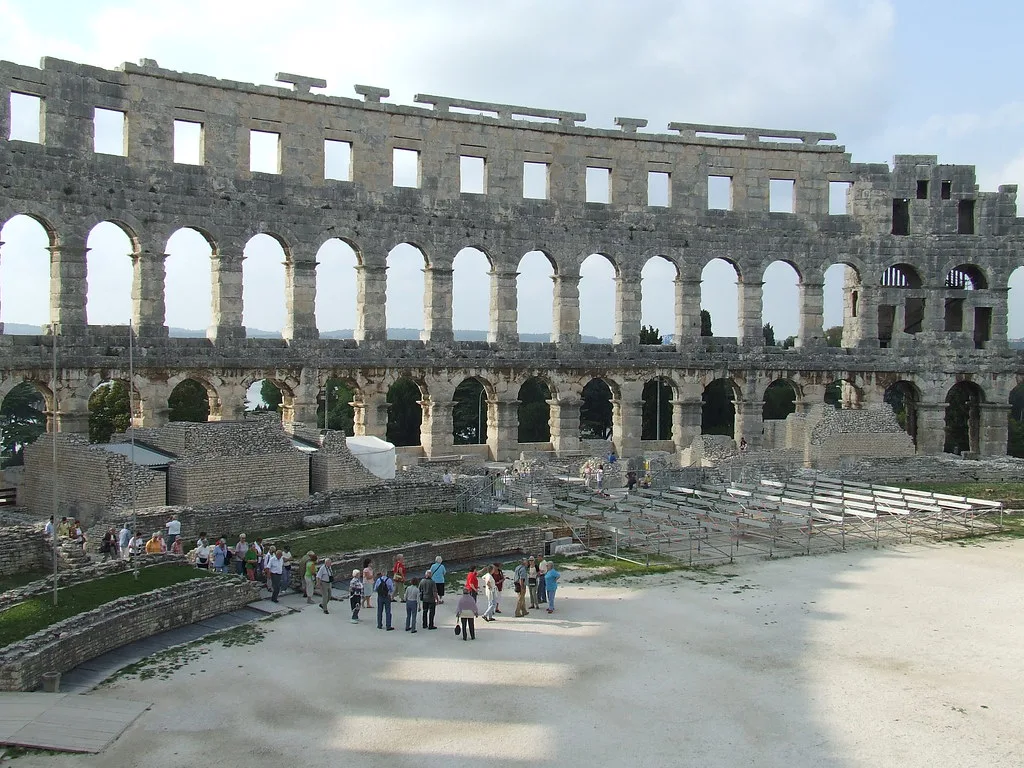
Pula's stone squares hold heat, and summer midday is unforgiving on the Forum. Start at the Arena as early as you can and leave the open squares for late afternoon and evening, when the limestone glows and photographers get their best light. The Arena's own guidance suggests early morning or golden hour for both cooler air and clearer views, a rhythm worth copying across the whole itinerary.
Day 1 morning: the Roman core on foot
Begin at the Pula Arena, a first-century amphitheatre that once held around 20,000 spectators and still keeps most of its outer walls and all four side towers. The adult ticket is €10, and it opens daily from 8am to 9pm with seasonal variation, so confirm the day's hours before you build the morning around it. Walking the exterior takes minutes; the interior and underground chambers take longer.
From the Arena, walk to the Arch of the Sergii, a triumphal arch built around 27 BC by Salvia Postuma Sergia to honour her family, whose name is still carved into the stone. It stands where the old Golden Gate once marked the entrance to the city, now framed by shops and cafés rather than ramparts. Continue into the old town and the Forum.
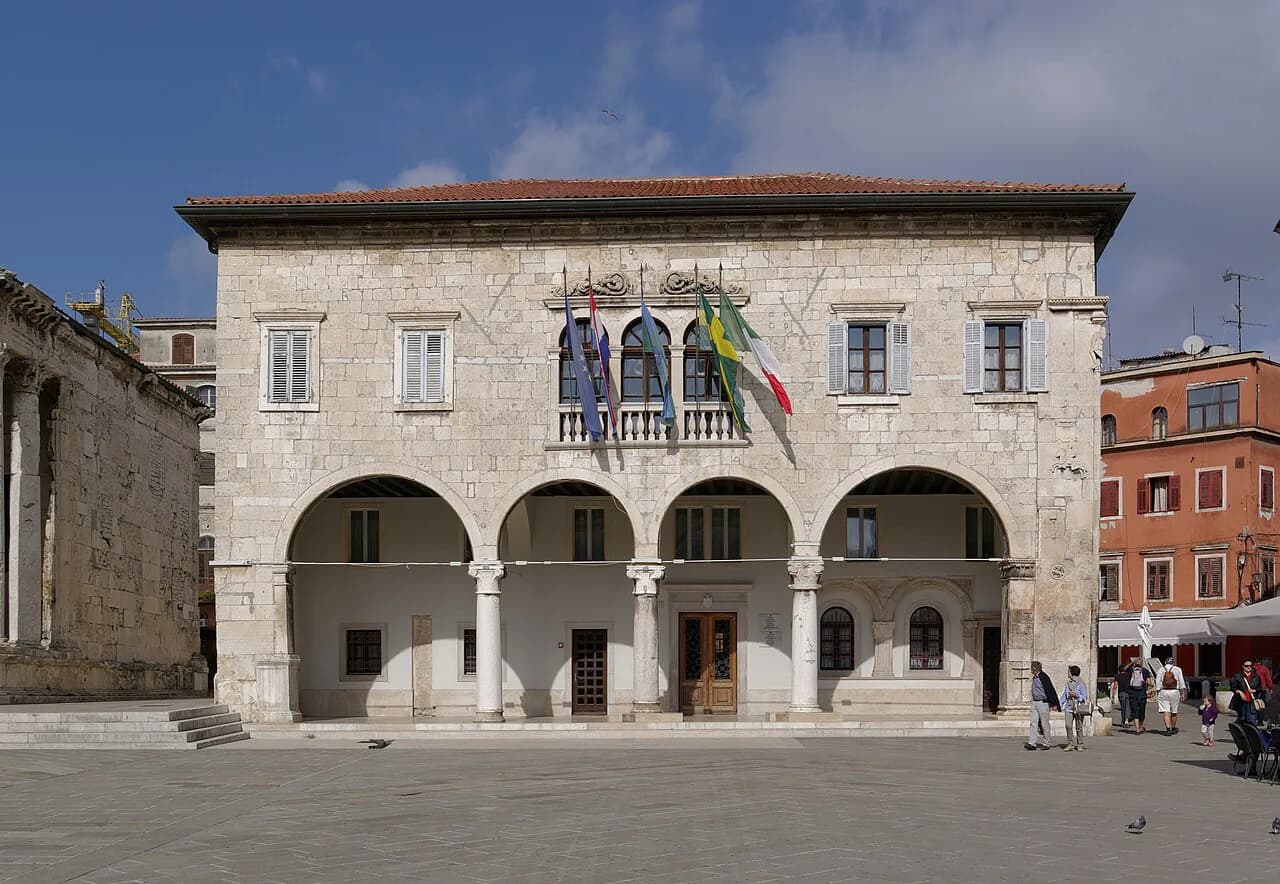
The Forum is the city's main square, lined with civic buildings and cafés, and the Temple of Augustus stands at its edge as the best-preserved Roman monument in Pula. Sit on the steps rather than rushing past: this is the natural pause between the Arena and the rest of the old town.
Day 1 afternoon: old-town streets and gates
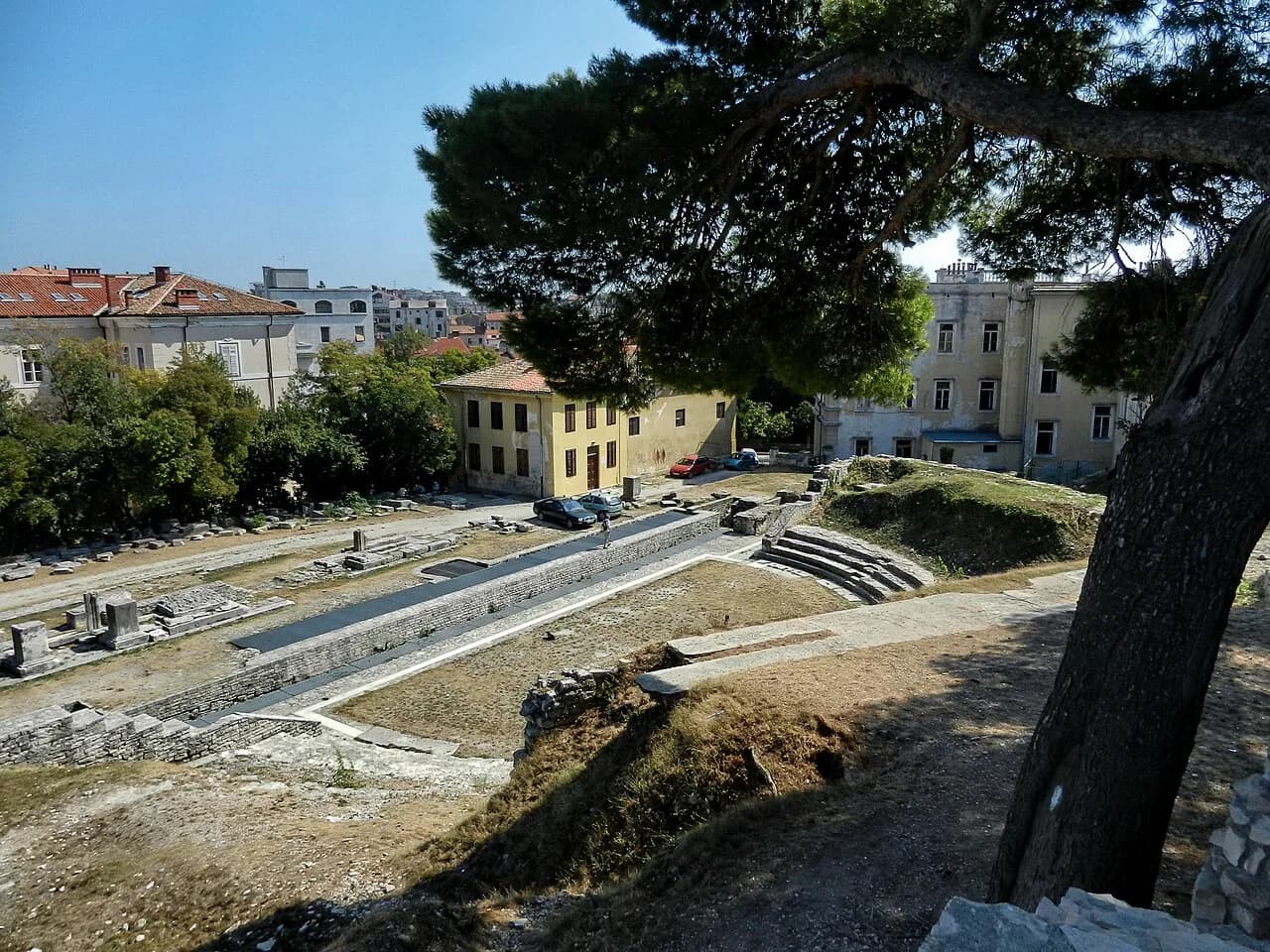
Take lunch near the Forum, then spend the afternoon on the gates rather than navigating: the Twin Gates and surviving city walls, then the Gate of Hercules, a smaller Roman gate with carved figures, and the Small Roman Theatre as a final quiet stop. These are quick stops rather than destinations, which suits an afternoon when the heat discourages long marches.
Save Sergijevaca and Kandlerova, the old town's signature streets, for the cooler evening, when a slow loop past stone facades and small squares is at its best.
Day 1 evening: Forum and harbour
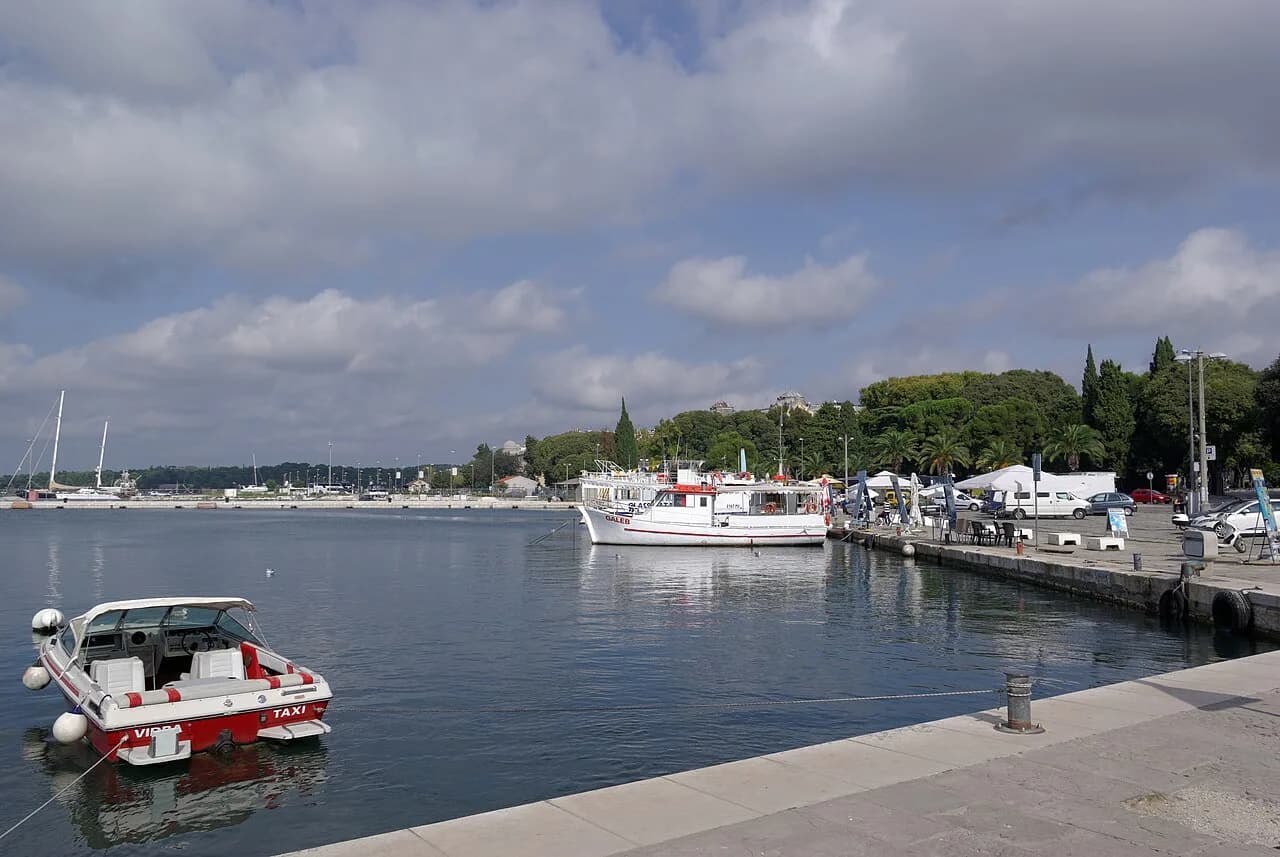
Return to the Forum for dinner, then walk down to the harbour as the light softens. The Arena's limestone arches frame the sea behind them, so a short detour past the amphitheatre after dark makes a fitting end to the Roman day. Keep the evening loose — this is the part of the itinerary that benefits most from not being scheduled.
Day 2 morning: Pula Castle and the cathedral
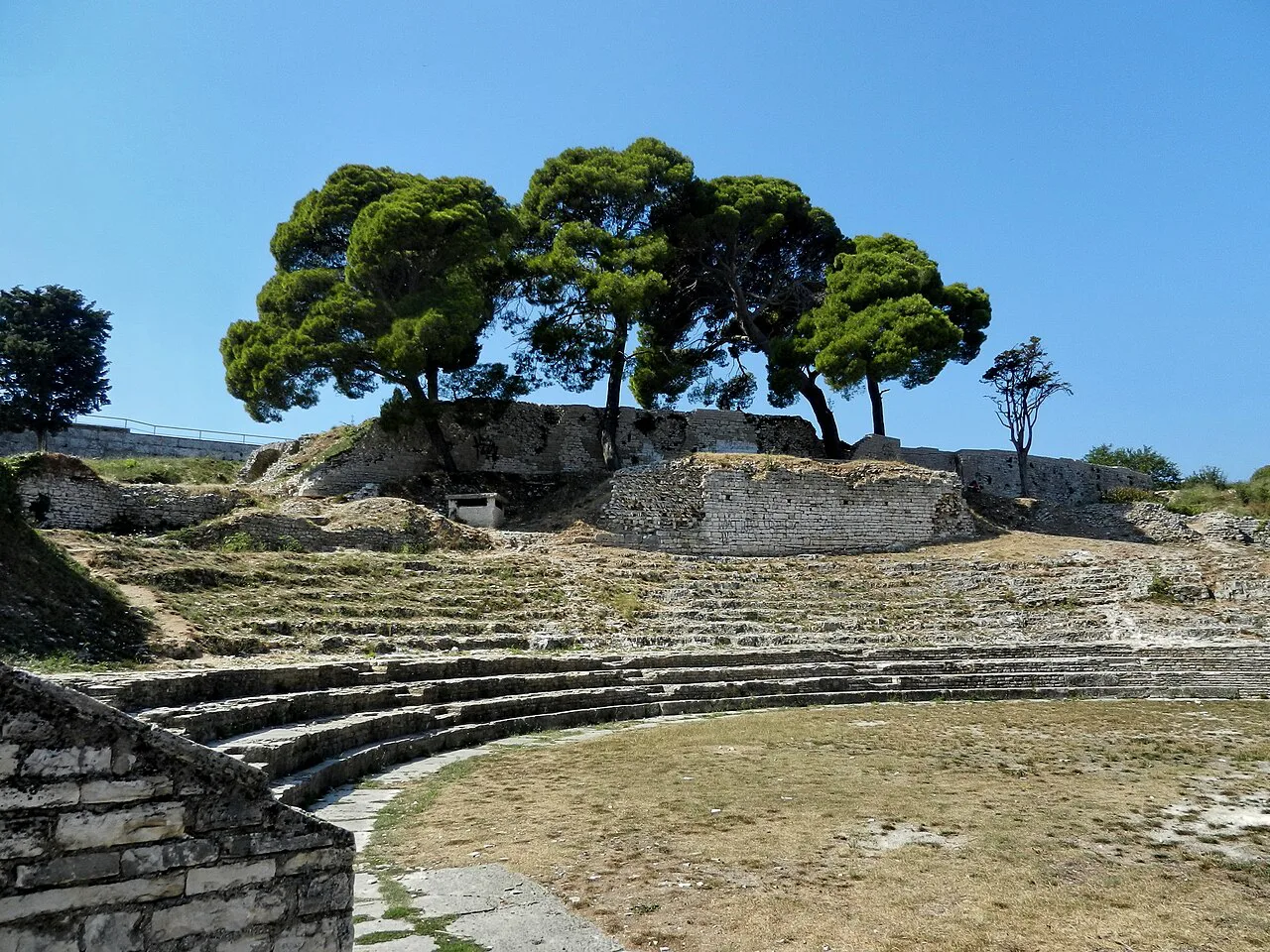
Devote the second morning to the hill above the old town. Pula Castle, the Venetian fortress known as Kaštel, rewards the climb with views over the harbour and rooftops, and the Cathedral of the Assumption of the Blessed Virgin Mary sits close by. Treat the pair as one half-day rather than padding the first day with them.
The climb is short but steep in places, and the reward is orientation as much as architecture: from the castle you can trace the Arena, the Forum and the harbour in a single view before heading back down.
Day 2 quiet stops: the cloister and the Small Roman Theatre
On the way down, duck into the Church and Monastery of St Francis, known as Convento San Francesco, a fourteenth-century complex with a shaded cloister garden that offers real relief from the summer heat. The worn frescoes and simple nave make it a calm contrast to the Roman monuments outside, and it rarely feels crowded.
Day 2 afternoon: mosaic and market, or the coast
For a city afternoon, see the ancient floor mosaic of the Punishment of Dirce, a Roman pavement surviving in situ, then browse the Pula Market Hall and green market. Both are compact, and the market gives a sense of everyday Istrian life beyond the ruins.
If you would rather see water, head for the Verudela Peninsula south of the centre, where the city meets the Adriatic and the pace drops. Choose the peninsula over the mosaic and market when you want a slower, seaside afternoon rather than more stone and history. Carry water either way; the peninsula's paths offer little shade in the middle of the day.
Day 3 option A: Brijuni National Park by boat
Brijuni National Park lies offshore and is reached by boat from Pula harbour, making it the obvious third-day choice for travellers without a car. The island group mixes Roman remains with landscaped parkland and a famous archaeological and botanical collection, so allow most of a day rather than a half.
Sailings, island entry and any guided transport are managed separately from the town's sights, so fix your crossing before committing to the day. Pick Brijuni over Kamenjak if you want the sea without driving, and accept the fixed timetable that comes with a boat.
Day 3 option B: Cape Kamenjak by road
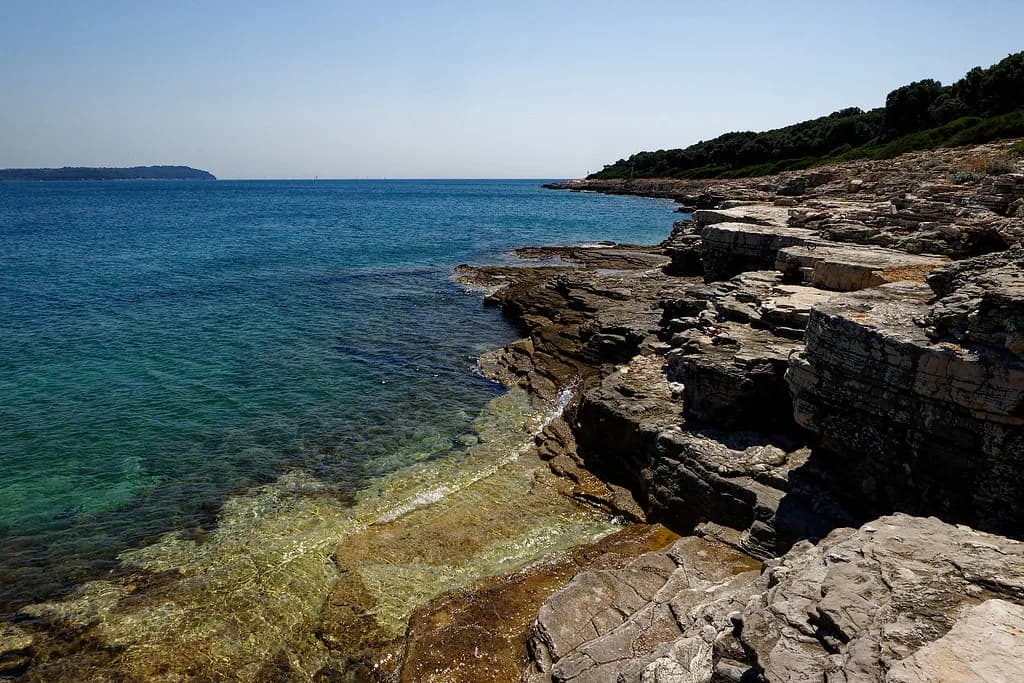
Cape Kamenjak Nature Park at the southern tip of the Istrian Peninsula is a road trip rather than a boat trip, with rough tracks, coves and open coastal scenery. Choose it over Brijuni if you have a car and prefer to set your own pace and stop where you like.
A shorter third day in the old town
If you would rather not travel, spend the third day repeating the old town at half speed. Buy the Arena ticket and go inside this time, descending into the underground chambers that once held gladiators and animals and now house a small museum on Roman wine and olive oil. Add the Gate of Hercules and the market if you skipped them, then finish on the Forum.
Crowds, heat and the bura wind
Summer brings the heaviest footfall to the Arena and Forum, and the stone squares offer little shade. The Arena's own advice — go early or late — is the simplest crowd fix, and it also dodges the worst heat. The bura, the cold north-easterly wind, can arrive without warning and make the waterfront uncomfortable, so keep a layer handy even in high summer.
Walking distances and a workable layout
Everything in this itinerary hangs off the harbour and the old town. The Arena is about ten minutes on foot from the main square, and the Forum, Arch of the Sergii, Twin Gates and Gate of Hercules all fall within a short loop from there. The castle and cathedral are the only real climb, which is why they earn their own morning rather than being squeezed into the first day.
Build the day around the heat rather than the map: mornings for the exposed monuments, midday for the shaded cloister or a long lunch, evenings for the Forum and harbour. That way the walking never feels like a forced march.
What a Pula itinerary costs in euros
The Arena is the main fixed cost, quoted at €10 for adults. Croatia uses the euro, so there is no currency conversion to worry about. Book the boat, park entry and any guided tours as separate extras through the relevant operator or park authority, since prices change by season and are not fixed town-wide.
Which third day should you book?
Two days give you the Arena, the Forum and the castle without rushing; the third day is the real decision. Book Brijuni if you want the sea without a car, and take Kamenjak if you have wheels and prefer to set your own pace. If neither appeals, a slower old-town day with the Arena interior and the market is a perfectly good use of the time.
Explore more Pula guides
Frequently Asked Questions
Is two days enough for Pula?
Yes. Two days cover the Arena, Arch of the Sergii, Forum, Temple of Augustus, old-town streets and the castle and cathedral hill at a relaxed pace. A third day adds either Brijuni National Park by boat or Cape Kamenjak by road.
Can you walk between the Pula Arena and the old town?
Yes. The Arena is about a ten-minute walk from the main square of the old town, and the Forum, Arch of the Sergii and city gates sit within a short loop. The only real climb is up to the castle and cathedral.
How do you plan the Brijuni day from Pula?
Brijuni National Park is reached by boat from Pula harbour, and sailings and island entry are managed separately from the town's sights. Fix your crossing before you build the day around it, and allow most of a day rather than a half.
How do you get to Cape Kamenjak without a car?
Cape Kamenjak is a road trip at the tip of the Istrian Peninsula, so a car or organised transfer is the practical way to reach it. Without one, Brijuni is the easier sea day from Pula harbour.
Sources
Notes from the Croatian coast
Optional updates when our guides change.
You might also like
Continue reading
More guides you'll find useful