Pula Old Town: Roman Streets, Squares and What to See
Walk Pula old town from the Forum and Temple of Augustus to the Arch of the Sergii and Zerostrasse tunnels, with a route, timings and crowd advice.
On this page
Pula old town needs half a day, not a full one. The historic core is small: the Forum sits at its centre, the Arch of the Sergii stands a few minutes uphill, and the harbour lies just below, so you can cover the streets properly on foot between breakfast and lunch. This guide explains how the pieces fit together, which corners deserve your time and how to sequence them; for the wider picture, see our Things to Do in Pula guide.
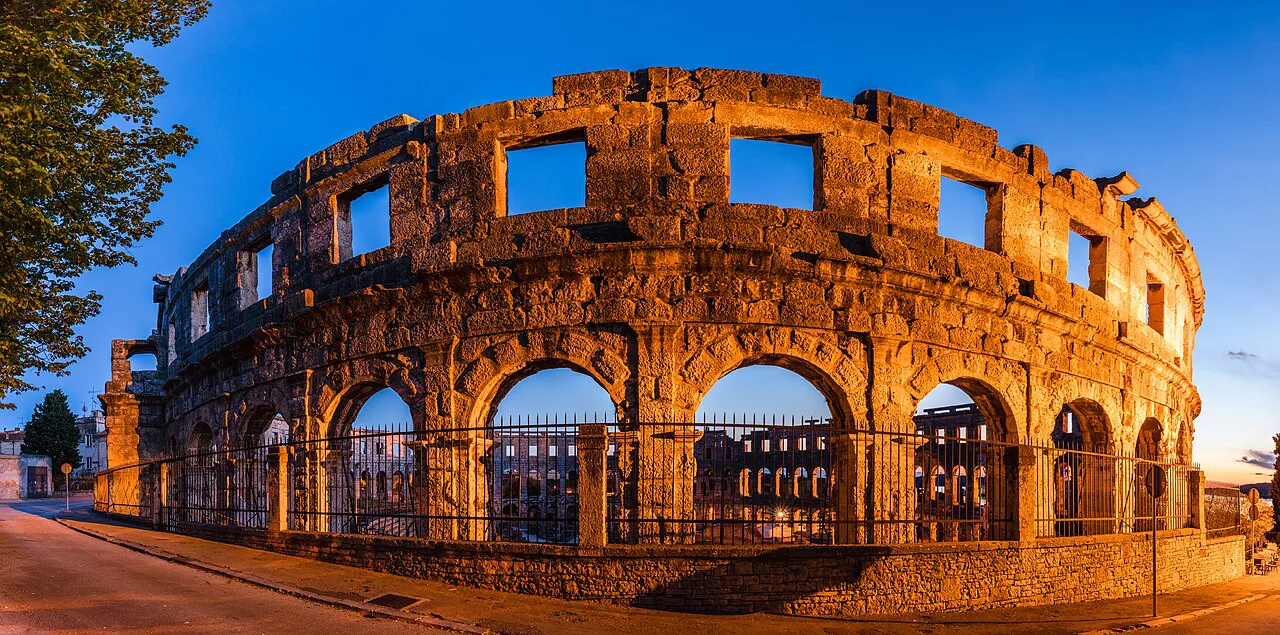
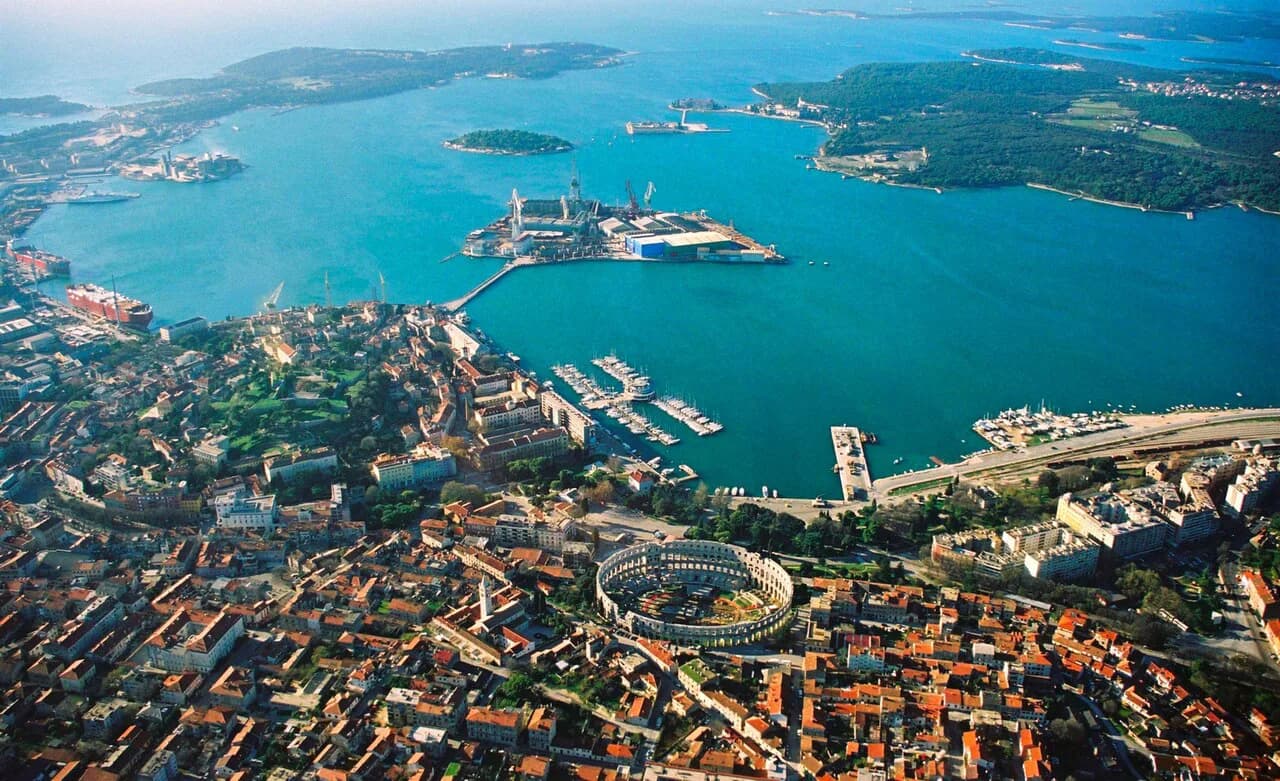
The old town occupies the hill that rises from Pula's harbour, with the Arena a short walk to the north-east beyond the historic edge. That geography matters: you can arrive from the ferry terminal below, climb through the gates and finish at the Roman sights without ever needing a bus.
Where the old town sits between the Arena and the harbour
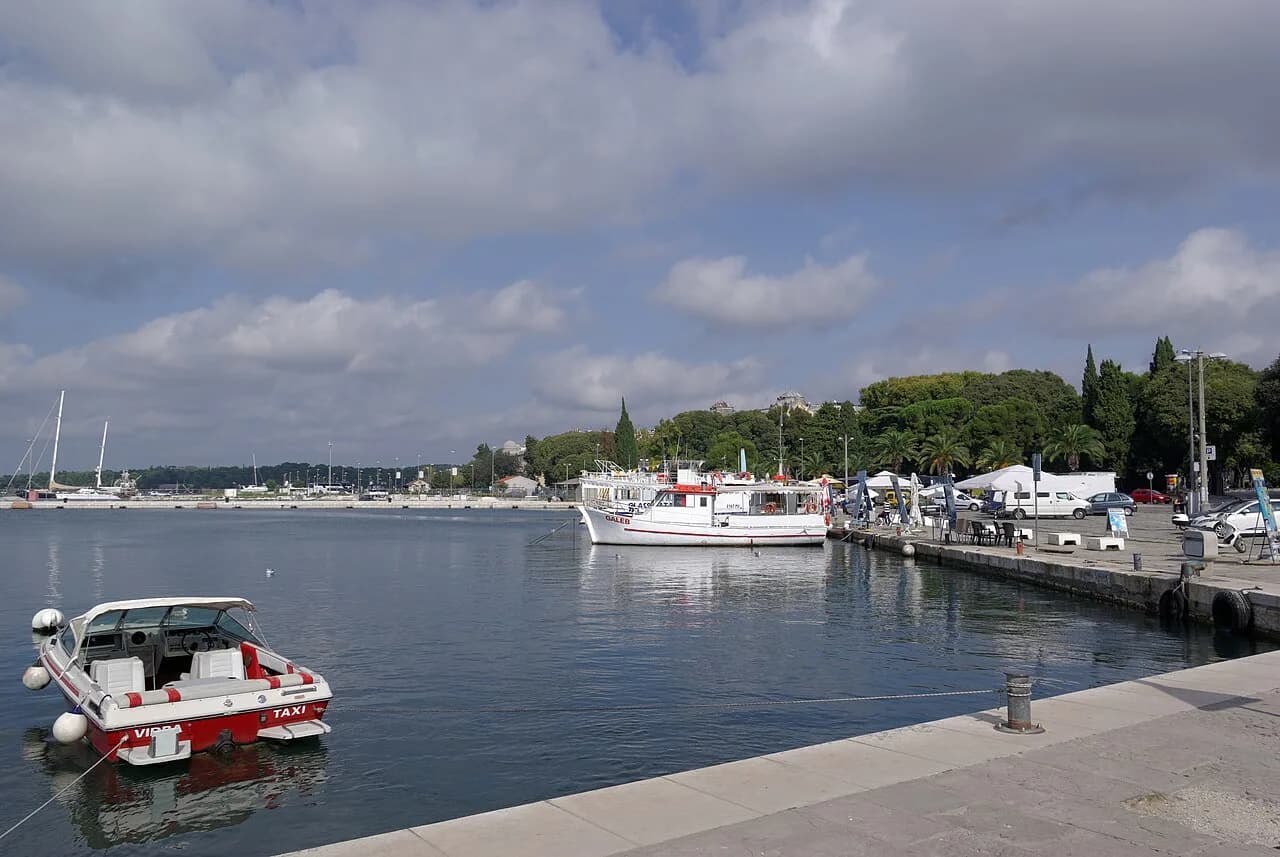
Pula's old town is the ridge above the harbour, and the Arena stands outside it, within walking distance to the north-east. The main bus station and the ferry terminal both sit at the foot of the hill, so most arrivals walk up into the centre rather than around it.
Visit Pula, the city's tourism board, lists the Arena, Temple of Augustus, Arch of the Sergii, Zerostrasse tunnels, Naval Cemetery and Brijuni National Park among its headline sights, which is a fair summary of what the old town and its immediate surroundings offer.
The Forum: Temple of Augustus and the Communal Palace
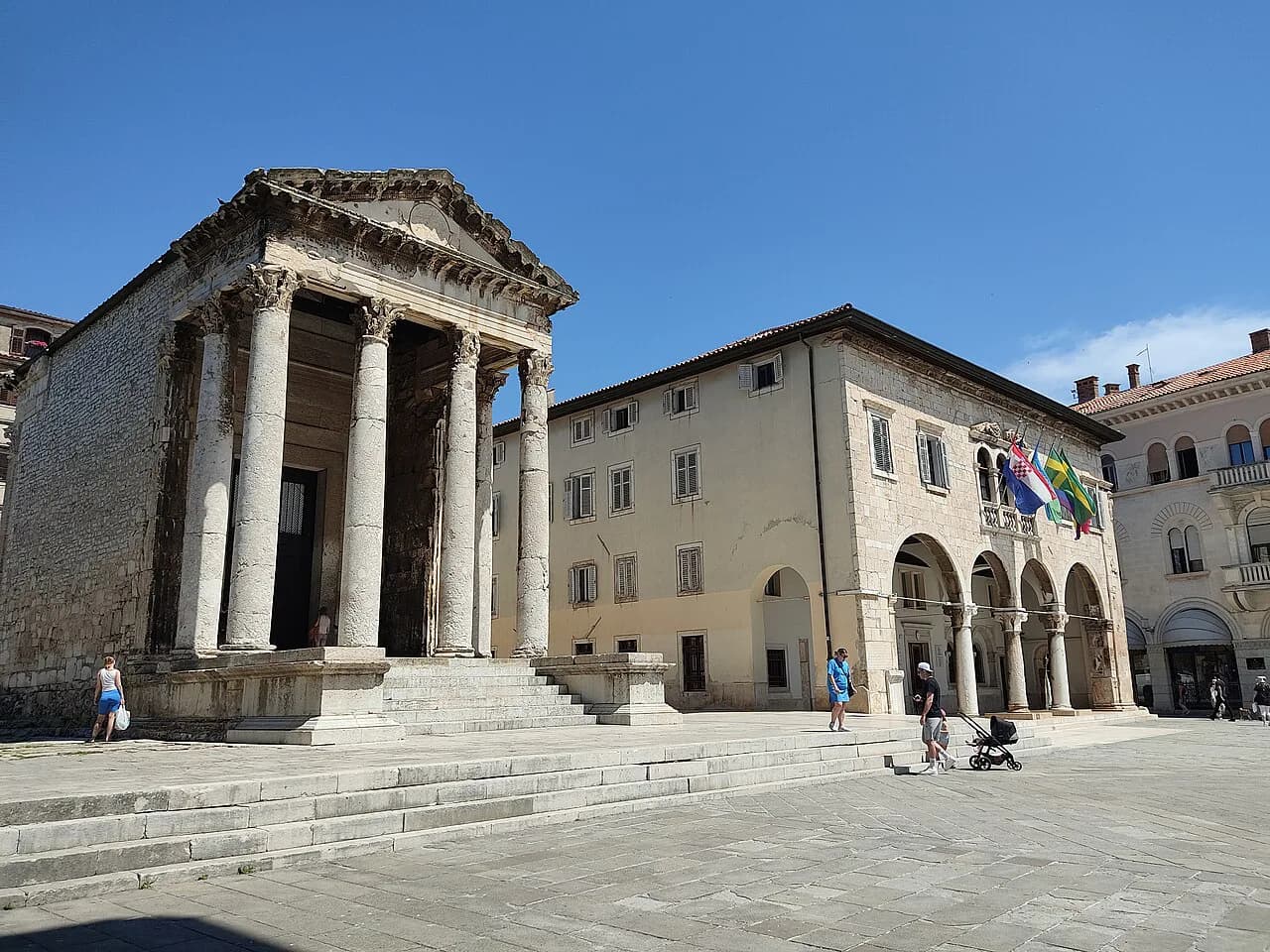
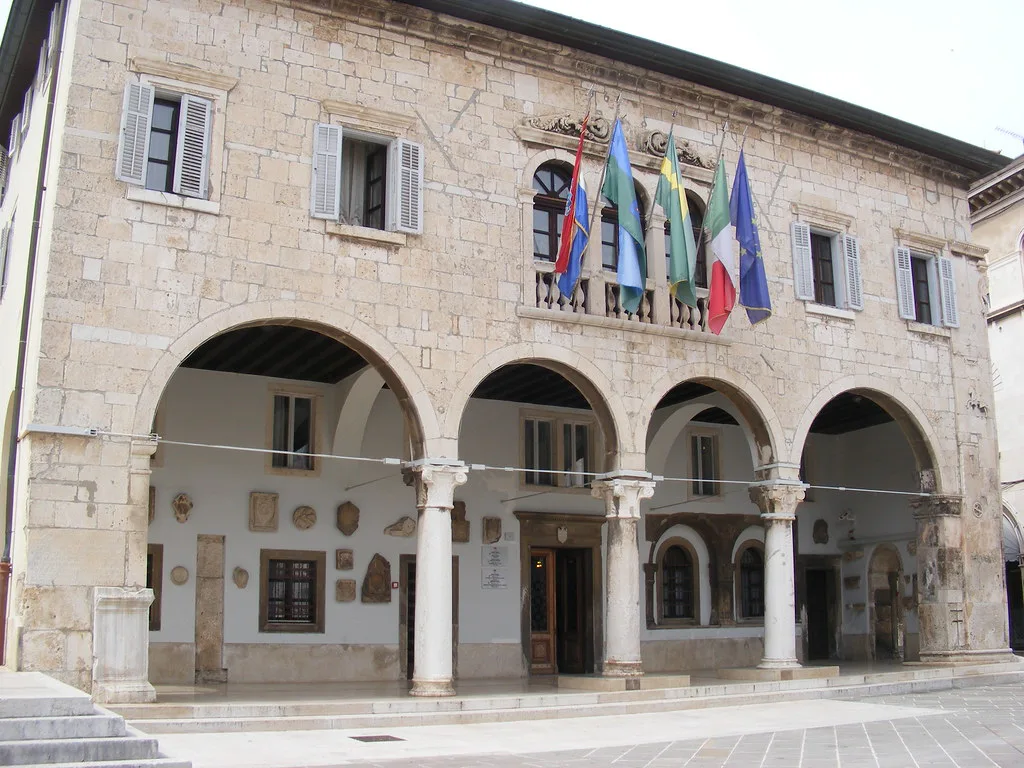
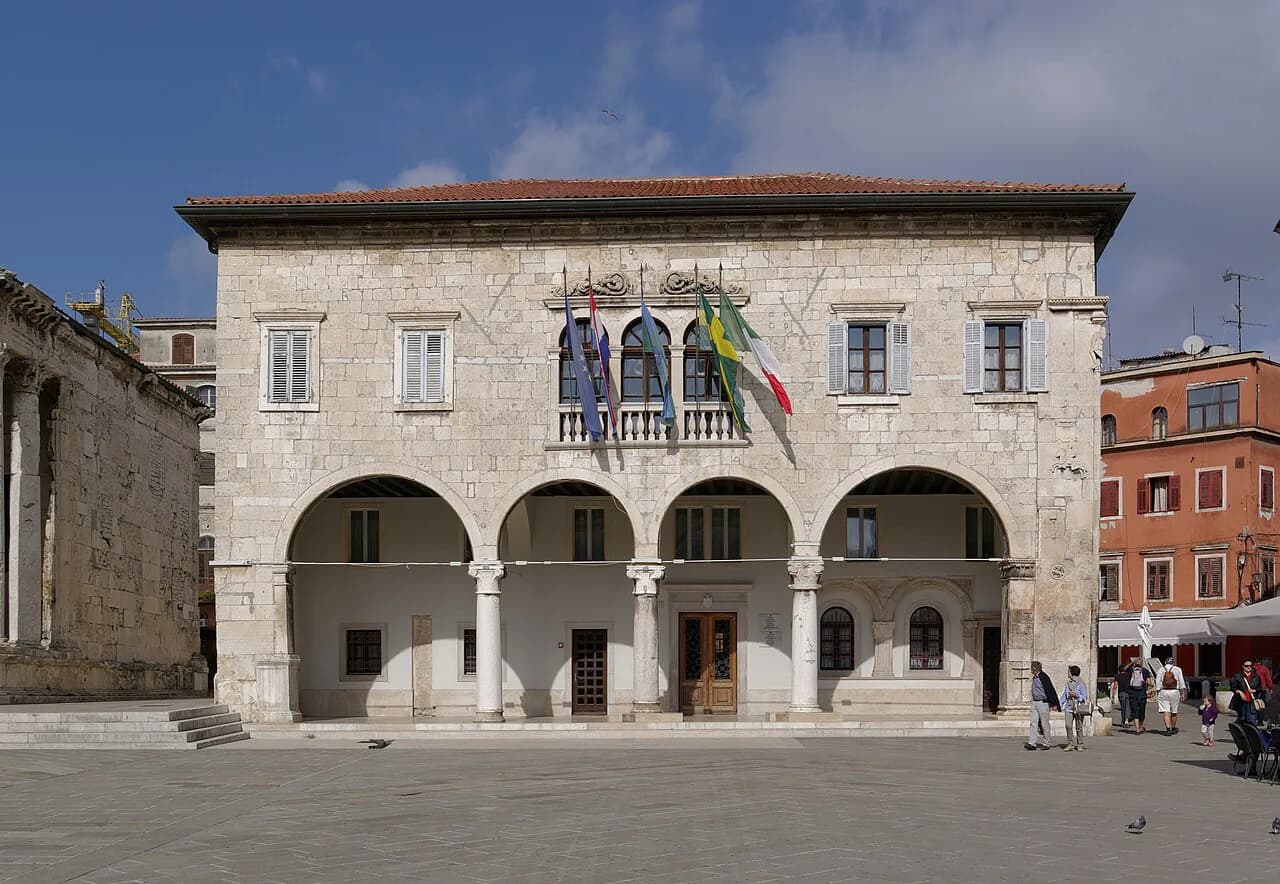
The Forum is the old town's living room and the right place to start. The Temple of Augustus stands on the square facing the Communal Palace, and the two together frame the space better than any single photograph suggests.
Sit on the steps at the temple end for ten minutes rather than photographing and leaving: the square is where Pula's residents actually pass through, and the scale of the Roman podium only registers when people walk past it. Cafés line the edges, which makes the Forum a natural mid-walk pause.
The Communal Palace on the north side carries the later layers of the town, a reminder that Pula rebuilt and reused its Roman centre for centuries rather than preserving it as a monument.
Up Kandlerova to the Arch of the Sergii
From the Forum, Kandlerova runs north-west as the old town's main shopping street, and it is the natural route uphill. Follow it and then take Uspon Franje Glavinića, the stepped lane that climbs to the Arch of the Sergii, a Roman triumphal arch built for the Sergii family and now embedded in the town's later buildings.
The arch is small compared with the Arena, and that is the point: it stands at a street corner where traffic, pedestrians and shopfronts press against it, so you experience it as part of a living town rather than a fenced ruin. Give it five minutes, then look back down the hill for the view over the rooftops towards the harbour.
Giardini, the square that opens off the old town's western edge, offers a second orientation point and another pause before you turn back into the lanes.
The Zerostrasse tunnels beneath the streets
The Zerostrasse tunnels run beneath the old town and make a memorable detour for anyone who has already seen a Roman temple or two, and the cooler air inside makes them a sensible stop on a hot afternoon. Visit Pula lists Zerostrasse among Pula's principal sights, and its entrances sit close to the main squares, so the tunnels fit neatly into a walking route rather than requiring a separate trip.
The tunnels are a route in themselves once you are inside, so allow time to walk a stretch rather than just peering in at the entrance. Because they sit beneath the squares you are already crossing, they work best as a mid-route pause rather than a separate excursion.
Churches and quieter corners behind the Forum
Sveta Srca, the former church of the Holy Hearts, sits just off the main drag and now serves as an exhibition space rather than a working church. Its position on the edge of the tourist flow makes it a good breather between the busier squares.
The lanes behind the Forum reward aimless wandering: narrow, shaded and largely free of the groups that cluster around the temple. Walk two or three streets back from Kandlerova and you will find small squares, shuttered doorways and the occasional café with a handful of tables.
The Naval Cemetery, further out towards the harbour mouth, is a quieter stop for anyone interested in Pula's Austrian naval past and is listed among the city's notable sights.
Venetian and Austrian layers: gates and fortifications
Walking the circuit of the old edge gives you a sense of how tightly the town was once packed inside its walls, with gates and fortifications still ringing the ridge above the harbour.
Pula's layers sit close together, and the contrast between the Roman stone at the centre and the later structures towards the edge is easy to read on foot.
For a single sight rather than the whole circuit, the Arch of the Sergii and the adjacent streets show the layering most clearly in the smallest space.
A walking route through the old town and how long it needs
A workable route runs from the Forum to Kandlerova, up Uspon Franje Glavinića to the Arch of the Sergii, back through the lanes past Sveta Srca, then down to the Zerostrasse entrance and out towards the harbour. That sequence keeps the uphill work early and finishes with the waterfront in front of you.
Allow two to three hours at an unhurried pace, with time to sit in the Forum and look into the tunnels. If you add the Arena and the Naval Cemetery, budget a full morning; if you only want the Forum and the Arch, an hour is enough.
The old town is small enough that getting lost is part of the experience, but the hill means you will always find your way by heading downhill towards the water.
When to go: crowds, cruise-ship days and the bura wind
Summer mornings are far calmer than afternoons, when tour groups and cruise passengers tend to converge on the Forum and the walk up to the Arch. Going early also gets you shade on the stepped lanes before the sun hits them directly.
Pula is exposed to the bura, the cold north-easterly wind that funnels down the Adriatic in winter. It clears the streets quickly, so keep the walk short and use the Zerostrasse tunnels as shelter when it is blowing.
Spring and early autumn give the best balance of warmth, light and breathing space in the squares. The Arena and Brijuni National Park are both listed among Pula's headline sights if you want to extend the day beyond the old town.
Getting there: from the Arena, the bus station and the ferry terminal
From the Arena, walk south-west along the main streets into the historic core; the route is mostly flat until the final approach to the Forum. From the bus station, head towards the harbour and climb into the old town from the waterfront, which puts you at the foot of the hill with the Forum above.
The ferry terminal sits at the base of the old town, making a walking arrival from the boat the simplest option. Pula Airport lies outside the city, roughly 8 km away, and the transfer into town is by road rather than on foot.
Should the old town be your first stop in Pula?
Yes, and on your first morning. The old town gives you the Forum, the Temple of Augustus and the Arch of the Sergii within a short walk of each other, and it orients you for everything else in Pula. Start at the Forum before the crowds build, climb to the arch, and use the Zerostrasse tunnels as your cool-down.
If you only have a few hours in the city, the old town is the part to prioritise over the Arena: the Arena is one sight, while the old town is a whole morning of streets, squares and layers.
Explore more Pula guides
Frequently Asked Questions
How many days in Pula is enough?
Two full days covers the old town, the Arena and a boat trip to the Brijuni Islands at a comfortable pace. One day is enough if you only want the old town and the Arena, which sit within walking distance of each other.
Is Pula nice for a short city break?
Yes. The old town is compact, walkable and packed with Roman and later remains, and the harbour and Arena give it more variety than a single-street historic centre. It suits a two- or three-night break better than a flying visit.
Are Pula's beaches sandy?
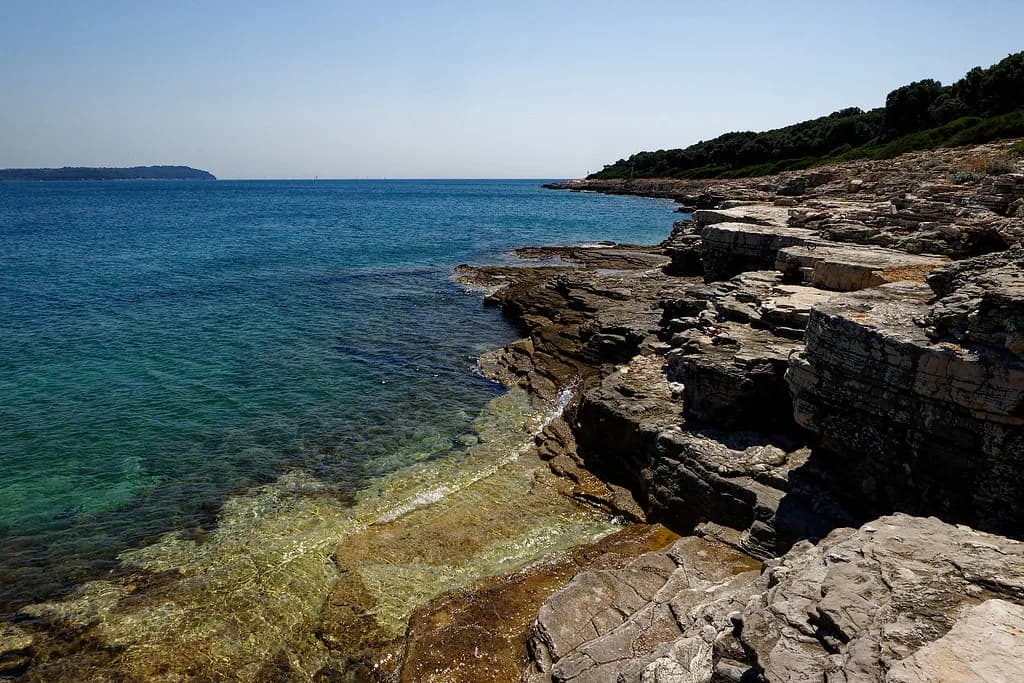
Pula's coastline is mostly rocky and pebbly rather than sandy, with concrete platforms and ladders common along the shore. Bring water shoes if you plan to swim, and treat the beaches as a complement to the old town rather than the main event.
What are the major towns in Croatia?
Zagreb, Split, Rijeka, Osijek and Zadar are the largest cities, while Dubrovnik and Pula are the best-known historic coastal towns. Pula stands out for its Roman remains, particularly the Arena and the Temple of Augustus.
Sources
Notes from the Croatian coast
Optional updates when our guides change.
You might also like
Continue reading
More guides you'll find useful