
Šibenik Cathedral of St James: A Visitor's Guide
The Cathedral of St James in Šibenik is a UNESCO-listed Gothic-Renaissance church built entirely from stone and assembled without mortar, and half an hour inside and around it covers the essentials. It sits on the southern edge of the old town's central square, so you will almost certainly pass it on any walk through Šibenik. This guide fixes what to look at, in what order, and how to slot the visit into a day in the old town; the wider Sibenik Attractions: 8 Visitor Guides is a useful starting point for the rest of the town, and the Šibenik City Museum guide covers a nearby indoor sight.
What makes Šibenik cathedral different
Three things separate this church from the Venetian-influenced cathedrals further down the coast. It is built from a single material, stone, and the blocks were carved to slot into grooves in their neighbours, so the building went up without mortar, in the manner of prefabricated construction. The stone came from quarries on Brač, Rab and Korčula, which is worth remembering as you look at the pale walls.
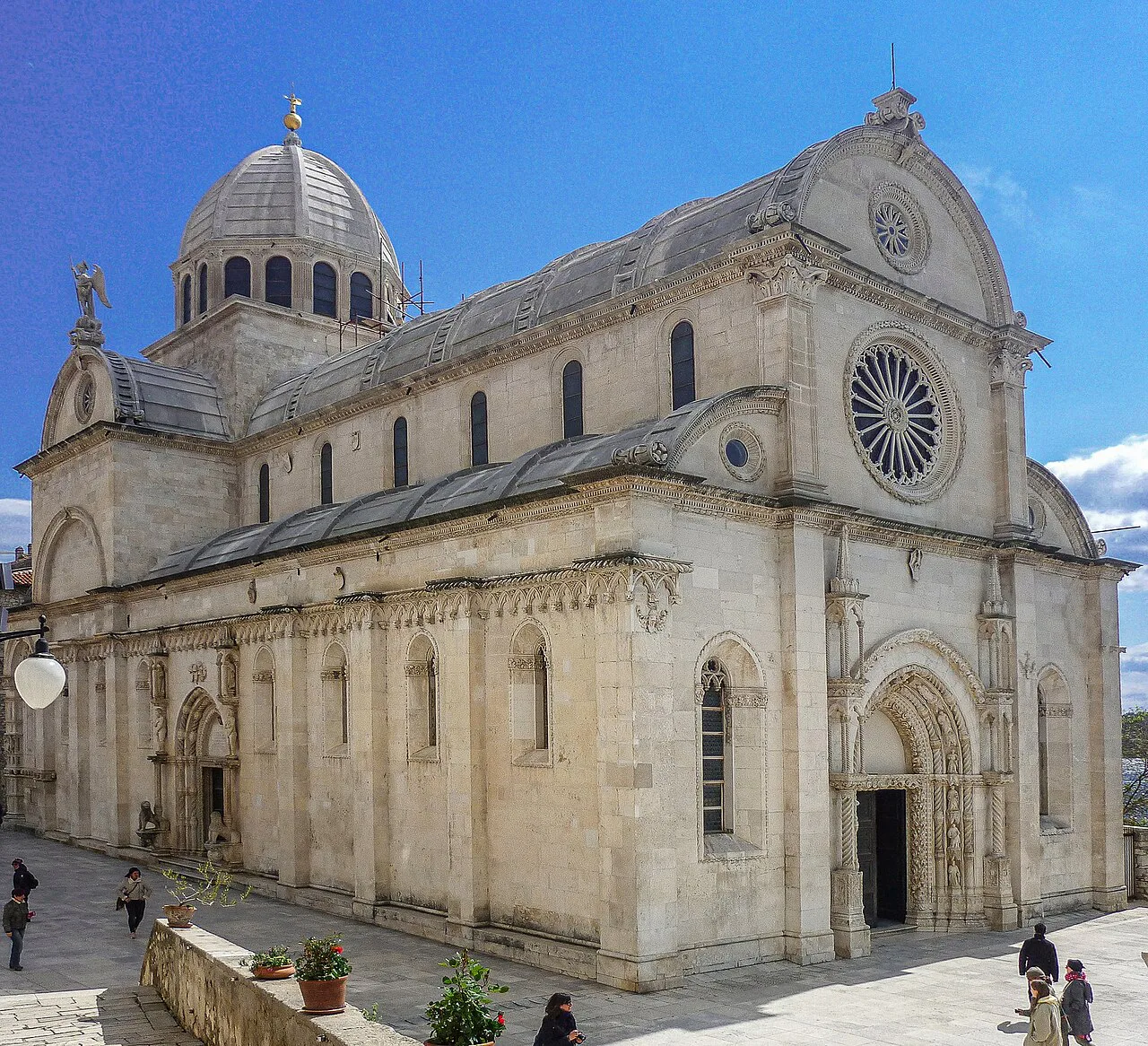
The western gable is a trefoil, and it is not decoration added at the end. It projects the section of the interior, the barrel-shaped semicircular roof of the nave with the quarter-circle roofs of the two aisles, so the outline on the facade tells you exactly what the ceiling does behind it. Šibenik's cathedral is the only church in Europe with that trefoil gable, which you can appreciate best by looking at the front and then stepping inside.

Where the cathedral stands in Šibenik
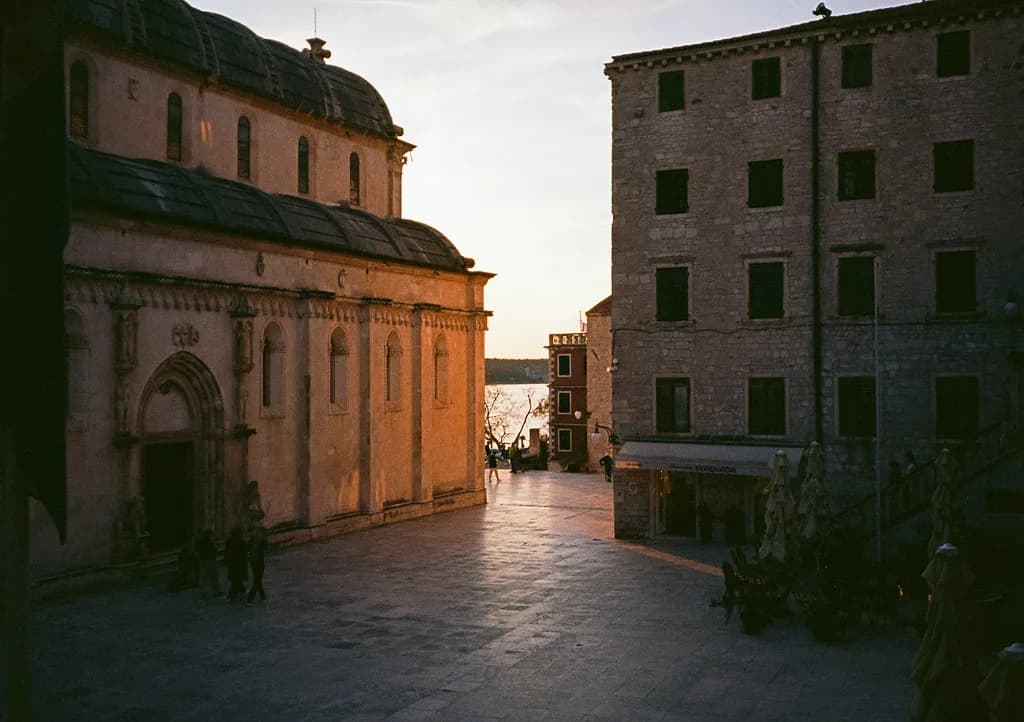
The cathedral closes the southern side of Šibenik's old central town square, in the heart of the old town. It replaced a smaller Romanesque Church of St James on the same site, so the square has been the city's ceremonial centre for centuries. Approach from the lanes behind the Riva and the gable appears abruptly at the end of the street, which is the better first view.
Everything in the old town is on foot and on stone steps, so wear shoes with grip and expect a short climb whichever lane you take. The square itself is flat once you arrive, which makes it a sensible place to pause rather than push straight on to the fortresses. If you are working out how the old town knits together before you arrive, the wider set of Sibenik Attractions is a useful orientation.
The exterior: what to look for
Start low on the facade. The southern and northern walls, the lower Gothic portion of the front and both portals belong to the first building phase, when Venetian Gothic builders and the Šibenik master stonemasons Andrija Budčić and Budiša Statčić were at work. Run your eye along the doorways, then lift it to the upper stages, where the language changes to the Renaissance.
From outside, walk round to see the semicircular dome over the central nave, which reads as a continuation of the barrel roof rather than a separate cap. The paler stone and the joint lines are the best evidence of how the blocks were fitted together, and a slow circuit of the building takes only a few minutes. Look closely at how the stones lock into their neighbours, since that joinery is what holds the building up without mortar.
Inside the church
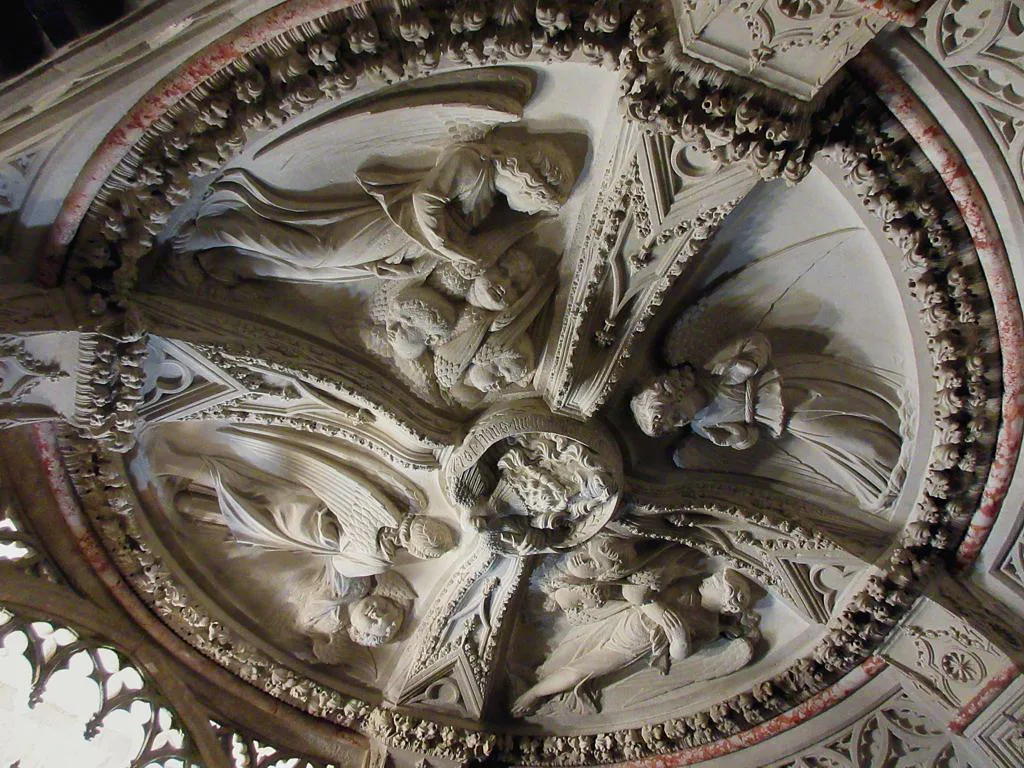
The interior is a triple-nave hall, and the trefoil front suddenly makes sense once you see the barrel-shaped roof of the central nave and the quarter-circle roofs over the aisles. Look up first, then back towards the west end so you can match the shape to the facade you have just seen. The building is still an active cathedral, so keep voices low and dress with that in mind.
Read the walls as two campaigns rather than one design. The Gothic lower walls and portals come from the first decades, and the upper stages were completed later in a Renaissance idiom, which is why the two halves of the interior feel slightly different in rhythm. That contrast is the reason the church is often described as one of the finest Renaissance buildings in Croatia, and it is the detail most visitors miss.
Dates that explain the facade
Šibenik gained its own diocese and the title of city in 1298, and the idea of a large new cathedral dates from then. A fund for construction was set up in 1402, but plague, fire and politics delayed the start, and the foundation stone was laid only in 1431. Work ran, with interruptions, until completion in 1536.
A thorough restoration in the 19th century was followed by reconsecration in 1860, which is why parts of the stonework look sharper than their age suggests. Keep those dates in mind as history rather than as a schedule; they explain the shift from Gothic to Renaissance across the building.
How long to allow and when to go
Thirty to forty-five minutes is realistic for the exterior circuit, a look inside and a few minutes on the square. Add time if you want to read the portals properly or sit with the interior. Treat it as a focused visit rather than a museum stop, because the church has no long display route.
Midday is the worst slot in high season, when groups move through the old town in waves and the square fills up. Go early, or come back later in the day when the pressure eases. The cathedral is a working church, so a service in progress will change what you can see and how quietly you move through it.
Tickets and opening times
Entry arrangements and opening hours shift with the season, so check the cathedral's own notices or the Šibenik tourist board before you set out. Croatia has used the euro since 2023, so any figure you see quoted in kuna is out of date. Go with that check done rather than relying on what a previous visitor paid.
What else is within a short walk
Once you leave the square, the old town's other sights are close enough to combine into one loop. Climb to st Michael's fortress Sibenik for the view back over the cathedral roof and the harbour, which is the best way to understand how the city is built. The Town Hall and the city museum sit nearby if you want more context before or after the church.
For the maritime side of Šibenik, St Nicholas Fortress guards the channel out towards the sea and makes a rewarding second stop if you have a boat or a guided crossing. Back in the old town, the Church of St Barbara in Šibenik and the Barone fortress Sibenik fill out a fuller day on foot. Pair the cathedral with one fortress rather than all of them.
Is the cathedral worth your half hour?
Yes, if you give it half an hour and look in the right order: exterior first, then the gable's logic inside. The stone construction and the Gothic-to-Renaissance handover give you more to see than the size of the building suggests. Build it into a walk that includes one fortress viewpoint, and Šibenik's old town makes sense as a whole.
Confirm current opening times and entry arrangements with the cathedral or the tourist board before you go, then plan the rest of the day around the heat and the crowds. An early start buys you the square almost to yourself.