
Balbi Arch (Balbijev luk): Rovinj's Old Town Gate

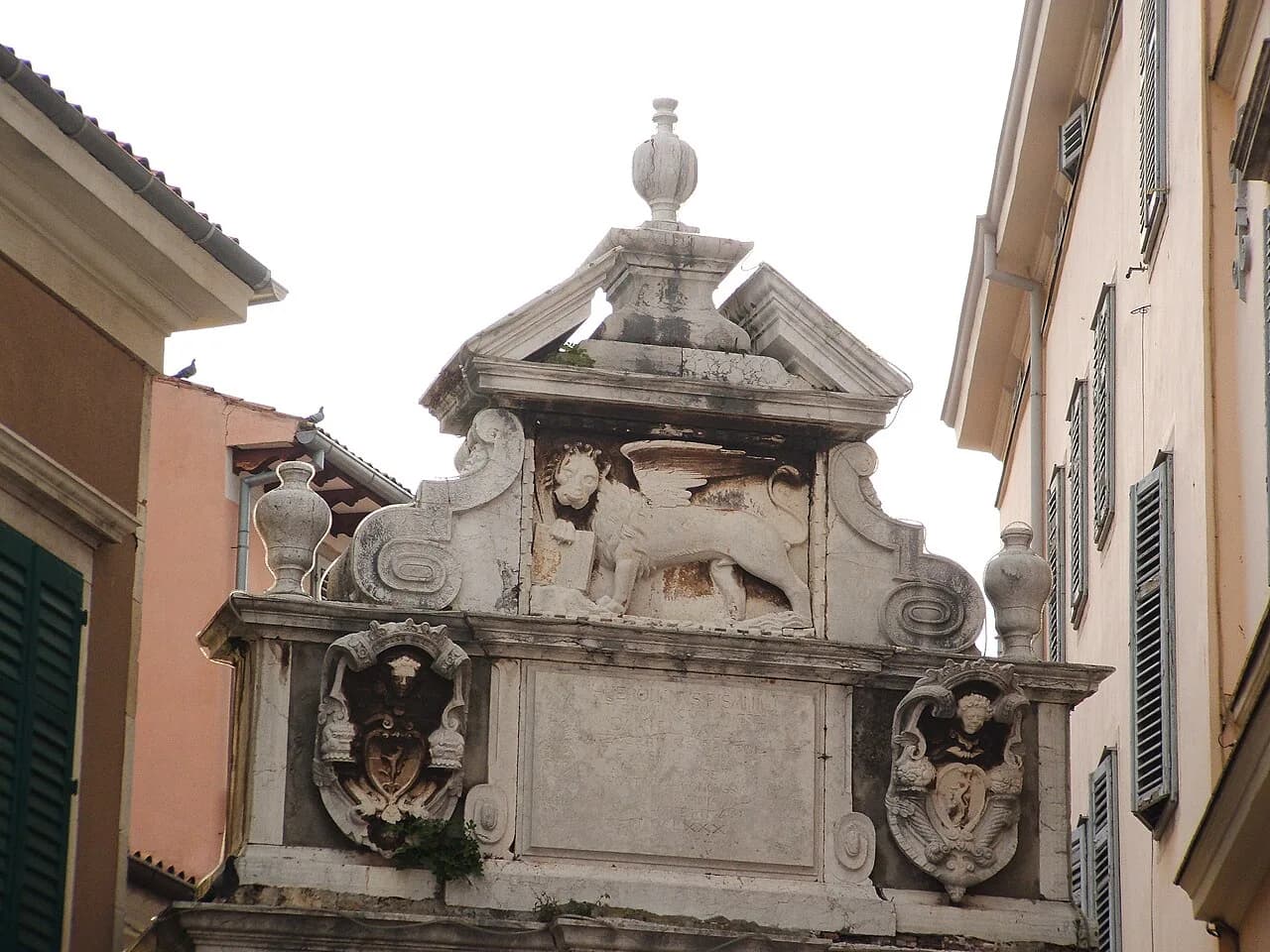
Balbi Arch, known in Croatian as Balbijev luk, is a ten-minute stop at most: a baroque stone gateway built into the houses at the entrance to Rovinj's old town, where the Venetian Lion of St Mark and the Balbi family crest face you as you walk through. It is not a museum and has no ticket desk; you read the carvings, look down the lane ahead, and carry on. This page covers what to look for on the stonework, where the arch stands between the harbour and the hill, and how to slot it into a walk up to St Euphemia, one of the stops in our Rovinj Attractions: 7 Visitor Guides.
What Balbi Arch is: the baroque gateway into the old town
The arch is an entrance rather than a destination. Rovinj's old town sits on a former island, a tight knot of tall houses and polished stone lanes climbing to the church tower, and Balbi Arch is where that knot opens to the main square. It is one of three gates surviving from the old town, and it carries a Venetian lion and the Balbi family's shield above the opening.
Treat it as the first page of the old town rather than a stop in its own right. The value is in the moment of passing under it: the lane narrows into the historic core. If you are building a half-day in Rovinj, put the arch at the start of the uphill walk and let the streets do the rest.

Where the arch stands and how it relates to the waterfront
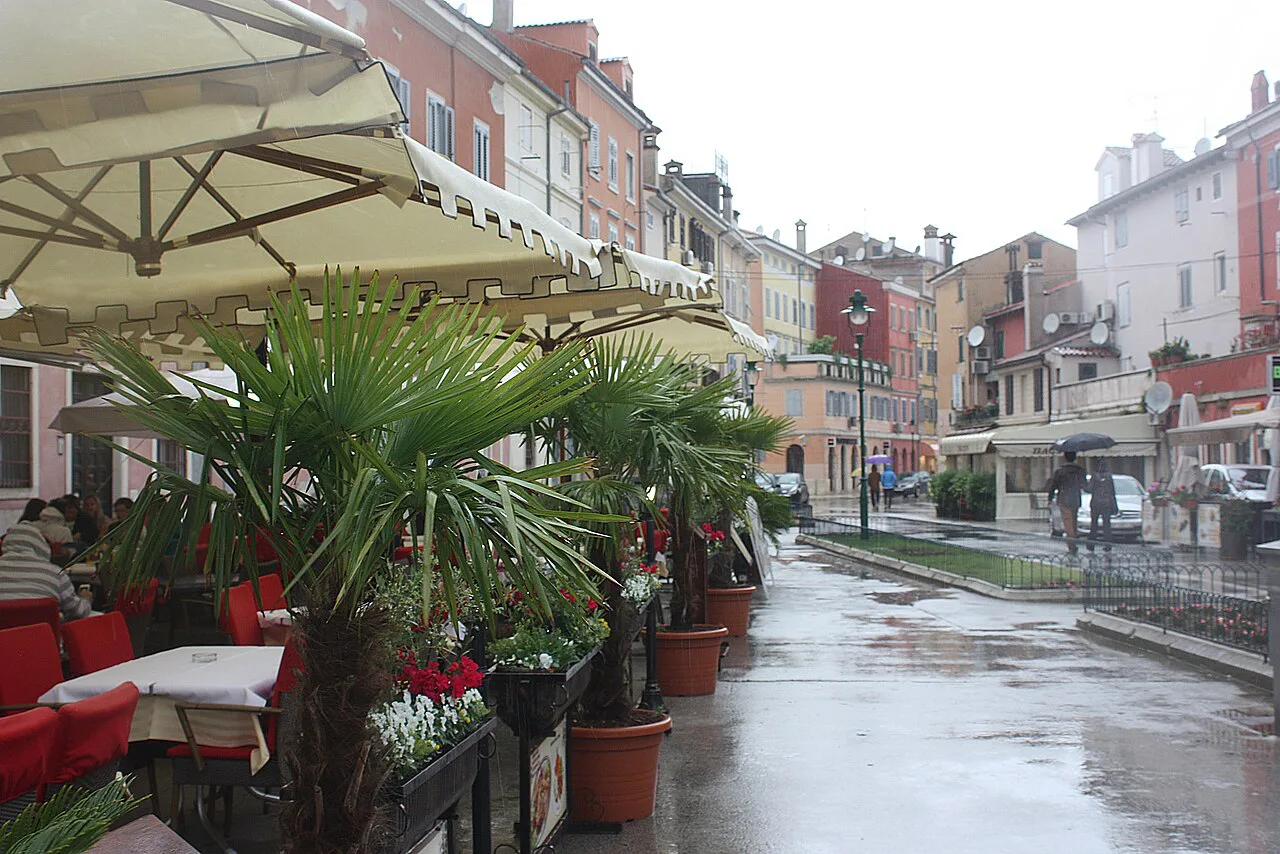
The arch spans a lane at the edge of the old town, on the route up towards the Church of St Euphemia, with the main square on the landward side back towards the harbour. Approaching from the waterfront, you climb from the harbour through the streets and pass under the arch before the lanes steepen towards the church, where the newer grid gives way to the medieval core.
Because it is a street feature, you do not need to plan around it. It sits on a public lane that walkers use to reach the upper old town, so it appears on the way to everything else rather than demanding its own detour.

How to get there and the walking approach
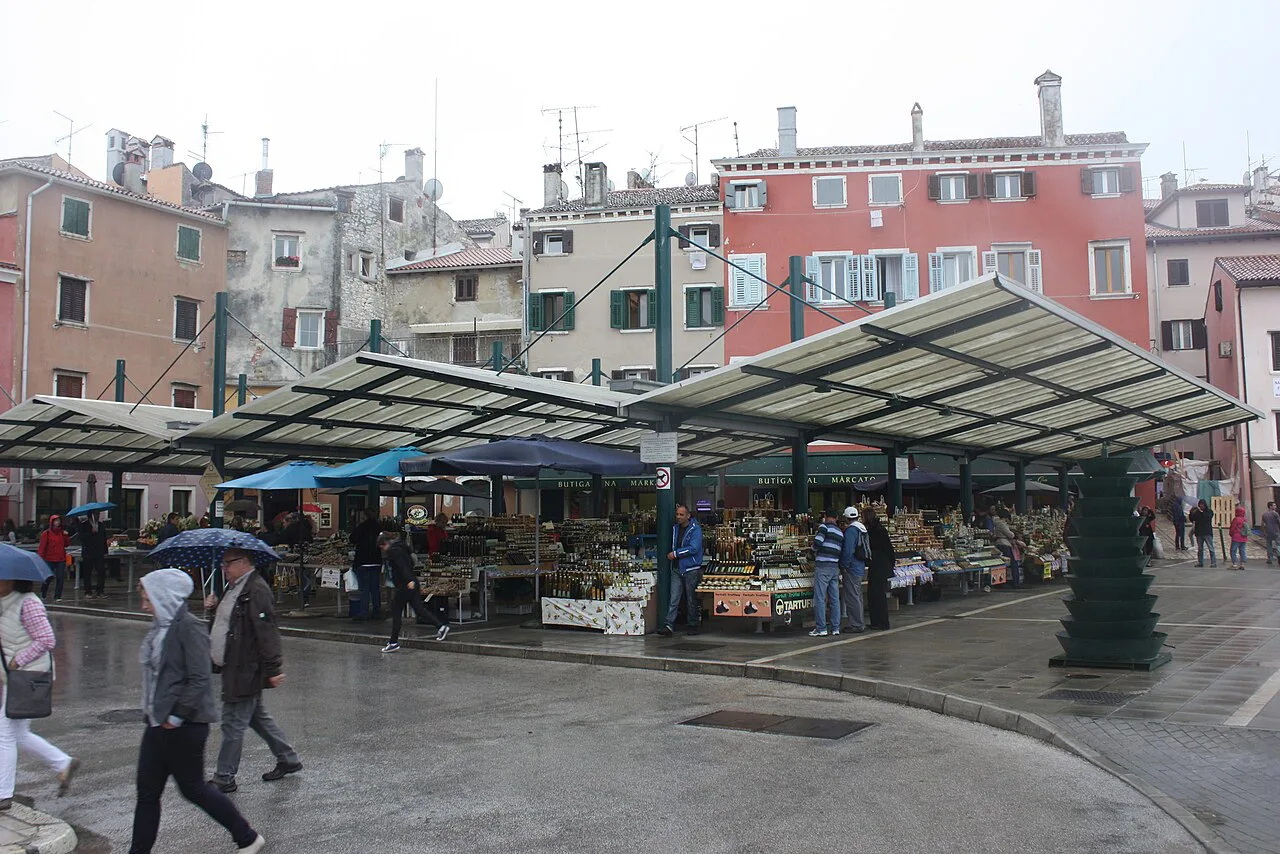
Rovinj's centre is compact, so the approach is on foot. From the harbour, head inland towards the main square and then uphill into the old town, following the lanes towards the church tower; the arch sits at the entrance to the old town on that uphill route and is easy to pass if you are watching your feet on the polished stone. Wear shoes with grip, since the lanes are worn smooth and slick after rain.
If you arrive by car, park outside the pedestrian core and walk in, as the old town lanes are not built for driving. The arch then becomes the natural finish line of the approach from the car parks.
Built in 1679: the date and the Balbi family link
The gateway was built in 1679, and it carries the escutcheon of the Balbi family as well as the Lion of St Mark, which together explain the name it is known by. The date places it in the long Venetian period of Rovinj's history, when the town's defences and civic entrances were maintained under Venetian authority.
Read the two symbols as a pair. The lion is the Venetian state's mark; the Balbi shield is the family's, carved where every person entering the town would pass it. That combination of public authority and private patronage is the whole story the stone is telling, and it is the reason the gate repays a pause.
What to look for on the stonework
Look up before you walk through. The Venetian Lion of St Mark sits on the arch, alongside the coats of arms and historic inscriptions carved into the ornate stone, which is why close-up photographs of the gate tend to focus on the carving rather than the opening itself.
The arch is a piece of street sculpture in daily use, not a curated display. There are no labels to read, so the reward comes from knowing what you are looking at before you arrive.
Its place among Rovinj's surviving gates
The arch is one of three gates surviving from the old town, and it still does the job it was built for. The wall itself has largely gone, absorbed into the houses, so the gates now read as stone frames set into the lanes rather than as fortifications you can walk around. That is the honest expectation to set: you are seeing a fragment of the town's defensive outline, not a castle.
Knowing there are three surviving gates helps you read the lanes. Each entrance controlled a different approach to the island town, and the arch's position below the church reflects that. Keep an eye out for the other two as you wander; they appear suddenly between buildings.
How much time to allow and when to visit around crowds
Ten minutes is enough to look properly. The visit stretches naturally because the lane through it leads uphill to St Euphemia, so the arch becomes the first minute of a longer walk. Budget an hour or two for the climb and the lanes beyond.
Timing matters more than duration. The narrow lanes fill up through the middle of the day in high season, while early mornings and evenings are calmer. The arch is a public lane rather than a gated site, open to passers-by year-round and at all hours, so there is no opening time to beat, only the flow of people around you.
What is nearby once you are through the arch
Through the arch, the obvious next move is up Grisia, the stepped lane lined with galleries and studios that leads towards the church. Grisia Street, Rovinj is the old town's best-known street and the natural continuation of the walk you have already started.
At the top, the Church of St Euphemia and its tall bell tower are the town's landmark, and the tower is the reason most people climb this far. Nearer the harbour, the Batana House Rovinj explains the town's fishing-boat tradition and makes a compact, indoor companion to the outdoor walk, useful if the weather turns.
Is the arch worth seeking out, or just pass through?
Pass through, but look up. Balbi Arch is not worth a journey on its own, yet it costs nothing and sits directly on the route between the harbour and the church, so anyone walking up to St Euphemia will cross it anyway. Give it the few minutes the carvings deserve and let the lane carry you onward.
Explore more Rovinj guides
Frequently Asked Questions
Do you need a ticket to see Balbi Arch in Rovinj?
No. The arch is a stone gateway on a public lane in the old town, not a ticketed site, so you simply walk through it on your way uphill. Any paid attractions nearby, such as the church tower or museums, are separate and priced individually.
How do you find Balbi Arch from Rovinj harbour?
Walk inland from the harbour towards the main square, then head uphill into the old town, following the lanes towards the Church of St Euphemia's tower. The arch spans one of those lanes at the edge of the historic core, so it appears on the route rather than requiring a detour.