
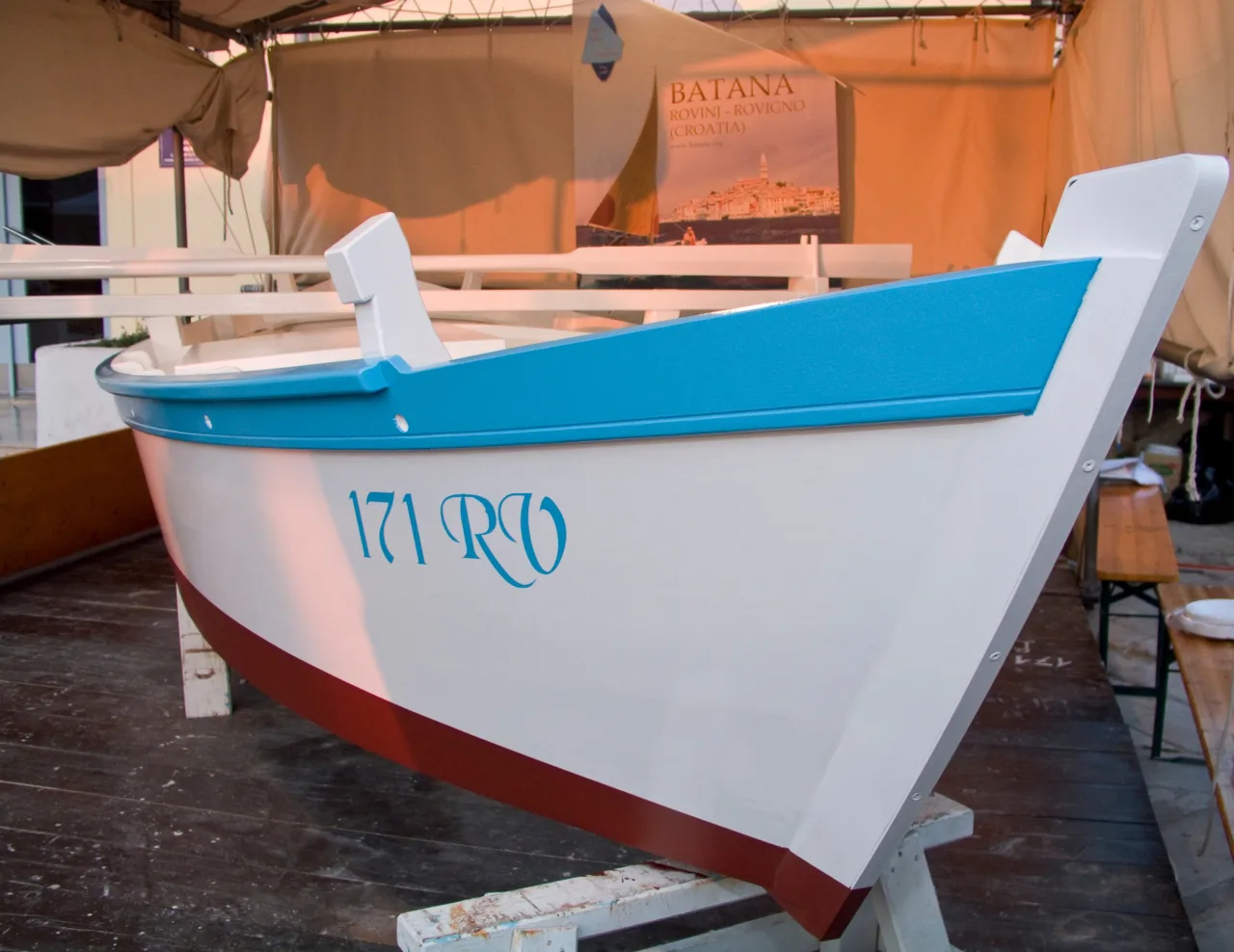
Batana House Rovinj: what to see at the Batana Eco-museum

The Batana House in Rovinj is the interpretation and documentation centre of the Batana Eco-museum, a small museum built around the batana, the flat-bottomed fishing boat that became the symbol of the town. Its proper name is the House of Batana, Kuća o batani in Croatian and Casa della batana in Italian, and it opened to the public in 2004. This guide covers what the displays explain, how the other pieces of the eco-museum fit around it, and how much time to give it.
What the Batana House is
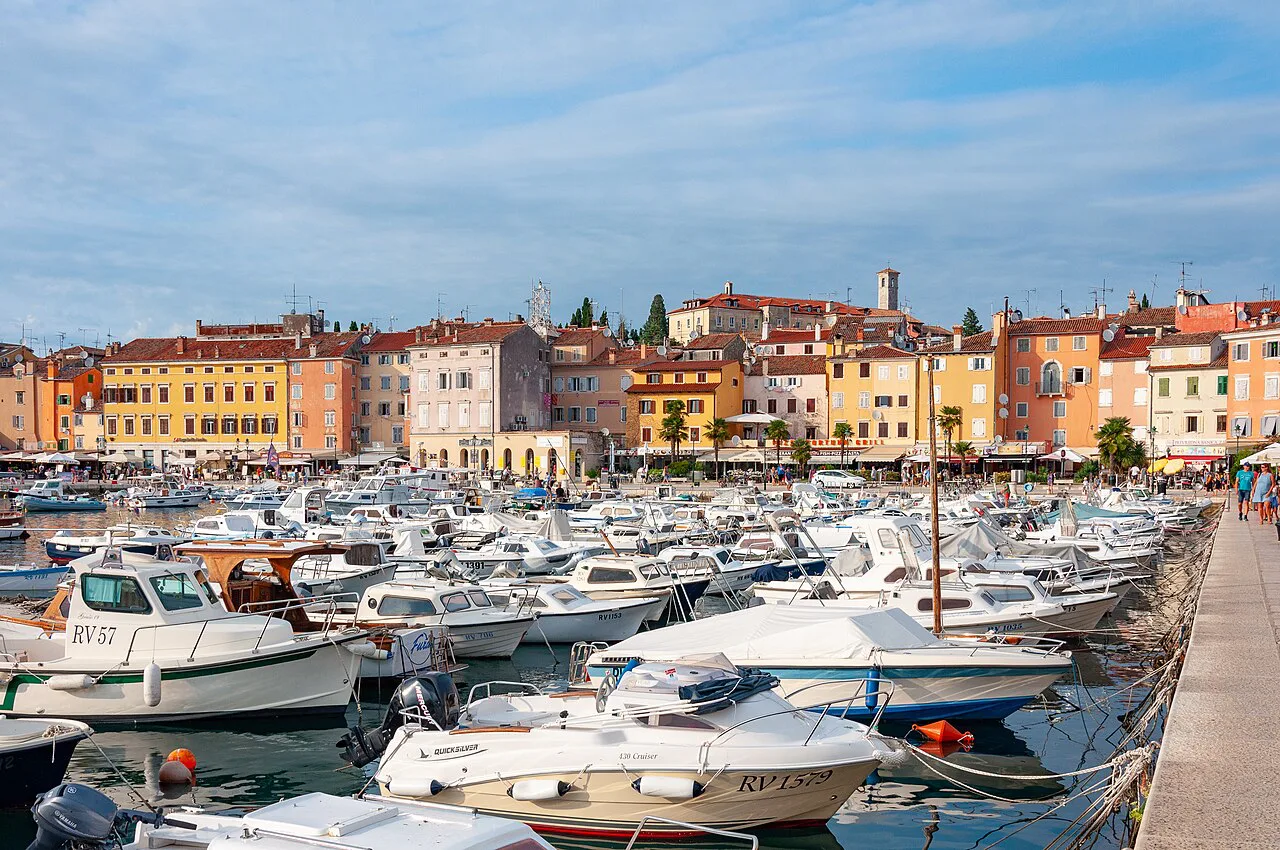
The House of Batana is the interpretation and documentation centre of the eco-museum, the starting point where the boat becomes the thread running through Rovinj's maritime and fishing heritage. It sits within the old town, a short walk from the harbour where the fishing fleet still works, so it makes sense as a first stop before you wander the waterfront. The building is one component of a scattered museum rather than the whole of it.
The eco-museum was the first of its kind in Istria and in Croatia, and it was set up so that the local community manages its own heritage rather than handing it to an outside institution. That structure explains why the project spreads across several sites in town instead of filling one exhibition hall. Expect interpretation and documentation rather than a conventional gallery of objects behind glass.

Why the batana matters in Rovinj
The batana is the most common traditional vessel in Rovinj and the clearest link between the town's Italian and Croatian communities, both of which worked the same boats and shared the same waterfront. The eco-museum treats it as the vessel that fed Rovinj in the past and as a metaphor for the revival of its maritime heritage. Seeing one up close, with its shallow hull and oars, makes the town's fishing history concrete in a way that panels alone cannot.
The skills of building and handling the batana are part of Croatia's intangible cultural heritage, which is why the museum's work is about people and practice as much as about boats. The boatbuilders, known locally as kalafati, and the songs and food that grew around the fleet all belong to the same story. That framing is useful context for the rest of your time in Rovinj.

What you see inside the House of Batana
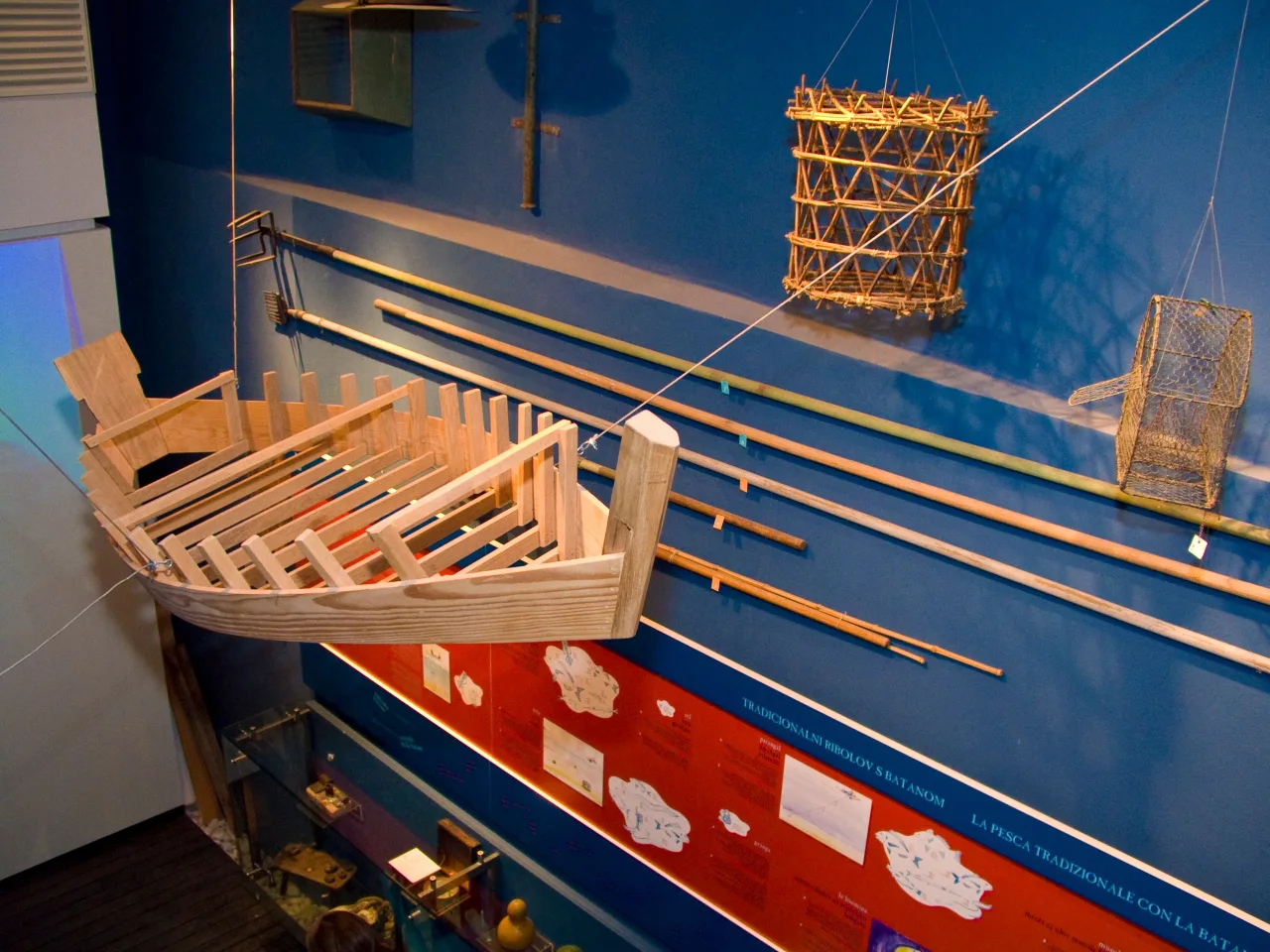
Inside, the batana sits at the centre of displays that document how the boat was built, rowed and sailed, and how the fishing year shaped daily life in the town. The material is presented as interpretation and documentation, so read the panels rather than rushing past the hull. Allow longer than you would for a single room, because the content rewards attention.
If you want to do more than look, the eco-museum runs Batana experiences that are arranged through its own booking page. Check what each experience includes and whether it runs in English before you commit, since the programme changes through the year.
The wider eco-museum beyond the House
Spacio Matika is the eco-museum's own version of a tavern, an authentic space for the culinary, linguistic and musical heritage of Rovinj, and it opened to the public in 2006. It is a separate stop from the House of Batana, so plan the two as different parts of the same visit. Treat it as heritage interpretation with food attached rather than as a restaurant recommendation.
Mali Škver, which began operating in 2005, is where the building and repair of the batana is kept alive as a living craft rather than a frozen exhibit. The eco-museum also runs an annual regatta of traditional barques and small boats with lug and lateen sails, first held in 2005, which celebrates the old sailing skills. All three sit outside the House of Batana building, so check where each is before setting out.
Recognition, and what the UNESCO listing means
The eco-museum was shortlisted for the European Museum of the Year award in 2007, and that same year the Croatian National Tourist Board named it the best tourist product on the Croatian coast. In 2013 the same body gave it the Experience Croatia quality brand for the Batana Tastes and Sounds programme. These are historical markers of the project's reputation, not claims about the building itself.
In 2016 the Batana Eco-museum was inscribed on the UNESCO Register of Good Safeguarding Practices for the preservation of the world's intangible cultural heritage. The listing recognises the community's method of keeping the boat's knowledge alive, so read it as recognition of the project and its people rather than of the museum as a monument. Expect that context to colour how you read the displays.
How to visit and what to confirm
Start with the eco-museum's own site for the current programme and for booking a Batana experience, since that is where the organisation publishes what is running. Opening times and any ticket charges are set by the museum and change with the season, so confirm them directly rather than relying on older listings.
The eco-museum has run seasonal kiosk programming over the winter holidays in the past: in the 2018–19 season its 'Holidays at the house of batana' programme ran from 22 December to 6 January, with daily kiosk hours around 11am to 2pm, shorter on 1 January and longer on 6 January for the Epiphany. Treat those dates as an illustration of how the museum has worked in past seasons rather than as this year's schedule, and confirm any current hours directly.
How long to allow, and who it suits
For the House of Batana alone, an hour covers the displays at a reasonable pace, and a short stop of thirty minutes works if you are tight for time in the old town. Add time if you plan to combine it with Spacio Matika or Mali Škver, because they sit apart and each rewards a proper look. Families with older children tend to get the most from it, since the boat itself carries the story.
On a cruise-ship day the old town narrows and the harbour fills, so a museum like this becomes a sensible refuge as well as a cultural stop. Go early in the morning or late in the afternoon if you want the displays to yourself. In the summer heat the interior also gives you a break from the sun.
Nearby in Rovinj
The House of Batana sits in the old town, so pair it with the climb to the Church of St Euphemia, whose bell tower dominates the skyline above the harbour. Grisia Street, the stepped lane lined with galleries, leads up towards it and makes a natural route between the two. Both are within easy walking distance of the waterfront.
The Balbi Arch marks the old entrance to the peninsula and is a useful landmark when you are finding your bearings between the harbour and the lanes. Carera Street runs through the newer centre as a broad pedestrian spine and brings you back towards the waterfront. Both help you stitch the museum into a half-day walk.
If you want more museum time in the same area, the Rovinj Heritage Museum occupies the Califfi Palace and covers the town's wider history, which complements the fishing focus here. For open air afterwards, Punta Corrente (Zlatni Rt) gives you a wooded park with swimming off the rocks a short walk from the centre. Together these make a full day without leaving town.
Is the Batana House worth your time in Rovinj?
Yes, if you want to understand why Rovinj looks and feels the way it does: the batana is the thread running through its harbour, its food and its songs. Give the House of Batana an hour, and add Spacio Matika or Mali Škver if the subject catches you. Skip it if you are racing between viewpoints and churches, because the displays need reading time to work.
Frequently Asked Questions
Is the Batana museum free?
The museum sets its own entry terms, and the eco-museum's site does not list a price on its booking page. Ask about entry charges and any fee for the Batana experiences when you contact the museum or book online before you go.
Do you need to book the Batana experience in advance?
The experiences are arranged through the eco-museum's own booking page, so book ahead if a particular programme matters to you. Check what each option includes and confirm the language of the session.
How do you get to the Batana House in Rovinj?
It is in Rovinj's old town, within walking distance of the harbour and the main lanes, so you reach it on foot from wherever you are staying in the centre. Cars are largely kept out of the peninsula, so park outside the old town and walk in.