
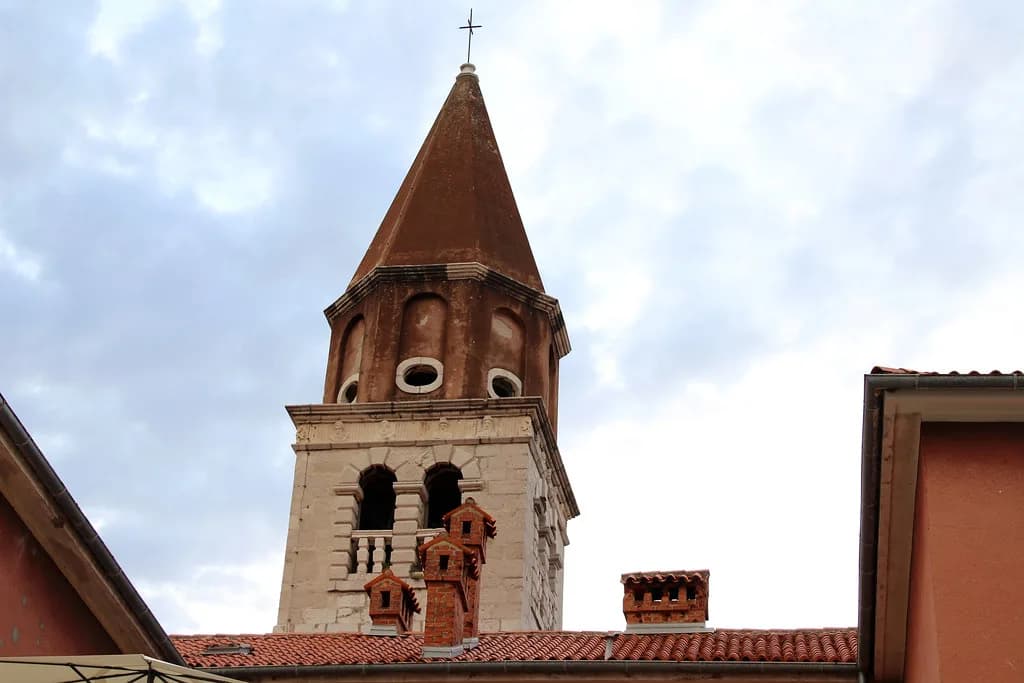
Church of St Simeon in Zadar: A Visitor's Guide
The Church of St Simeon is a small working church in Zadar's old town, and the reason most travellers step inside is the shrine of St Simeon, which holds his mummified remains. You need around half an hour for it, and it is a place to drop into between the Roman forum and the waterfront rather than a ticketed attraction you plan a day around. This guide covers where the church sits, what the 17th-century building contains, why Zadar keeps the saint's body and what else is within a short walk.
What the Church of St Simeon is, and the one reason most travellers stop
The church was first dedicated to St Stephen the Protomartyr, and the name later passed to St Simeon, the man who held the infant Jesus in the Temple of Jerusalem. That shift explains why visitors often find two names attached to the same building. The draw today is the saint himself: Zadar keeps his body in a decorated shrine, and that relic, rather than the architecture, is what brings people through the door. Those who want the full background can read a longer account of the church and shrine of St Simeon before setting out.
Treat it as a religious site rather than a museum. People come to pray, and the church functions as a parish church in the old town; behave accordingly, keep voices low and dress with a church in mind. Approach it as you would any working church, and check at the door when it is open for visitors.
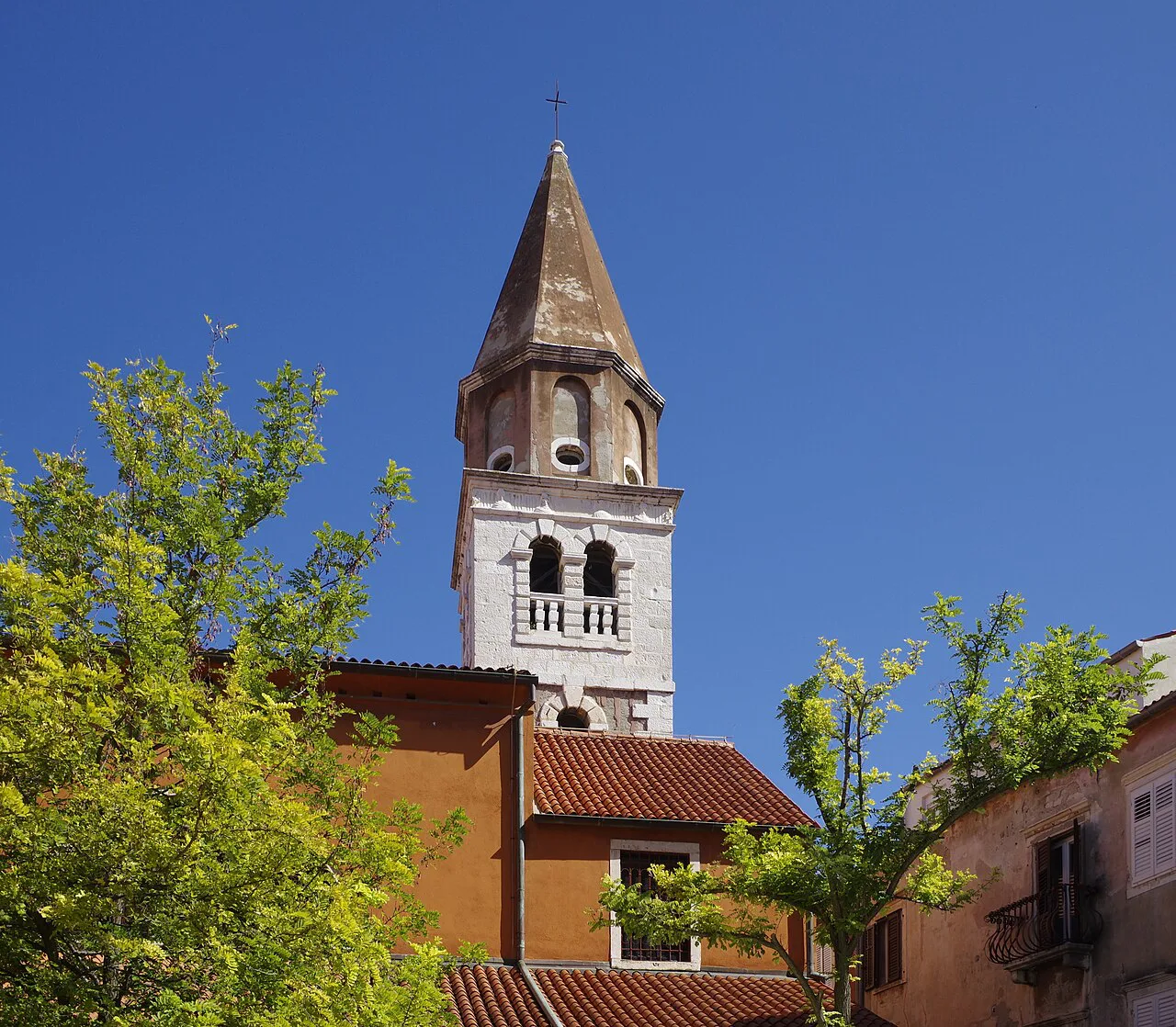

Where it sits in Zadar's old town and how to find it on foot
The church stands on the old town peninsula, a short walk from the waterfront Riva and from the Sea Organ, so it slots naturally into a circuit of the peninsula on foot. The old town is compact and pedestrian in character, with the Kalelarga as its main shopping street and the natural spine for a walk; nearly everything in the old town is within ten minutes of it. Start from the Zadar Attractions: 13 Visitor Guides index if you want to plan the rest of the circuit.
No bus or ferry gets you closer than the old town edge, because the peninsula is pedestrian in spirit and parking is outside it. If you arrive by catamaran or ferry at the port, walk south-west into the old town and the church is a short walk from the waterfront. Anyone arriving by car should park on the mainland side and cross on foot, which also avoids the old town's traffic restrictions.
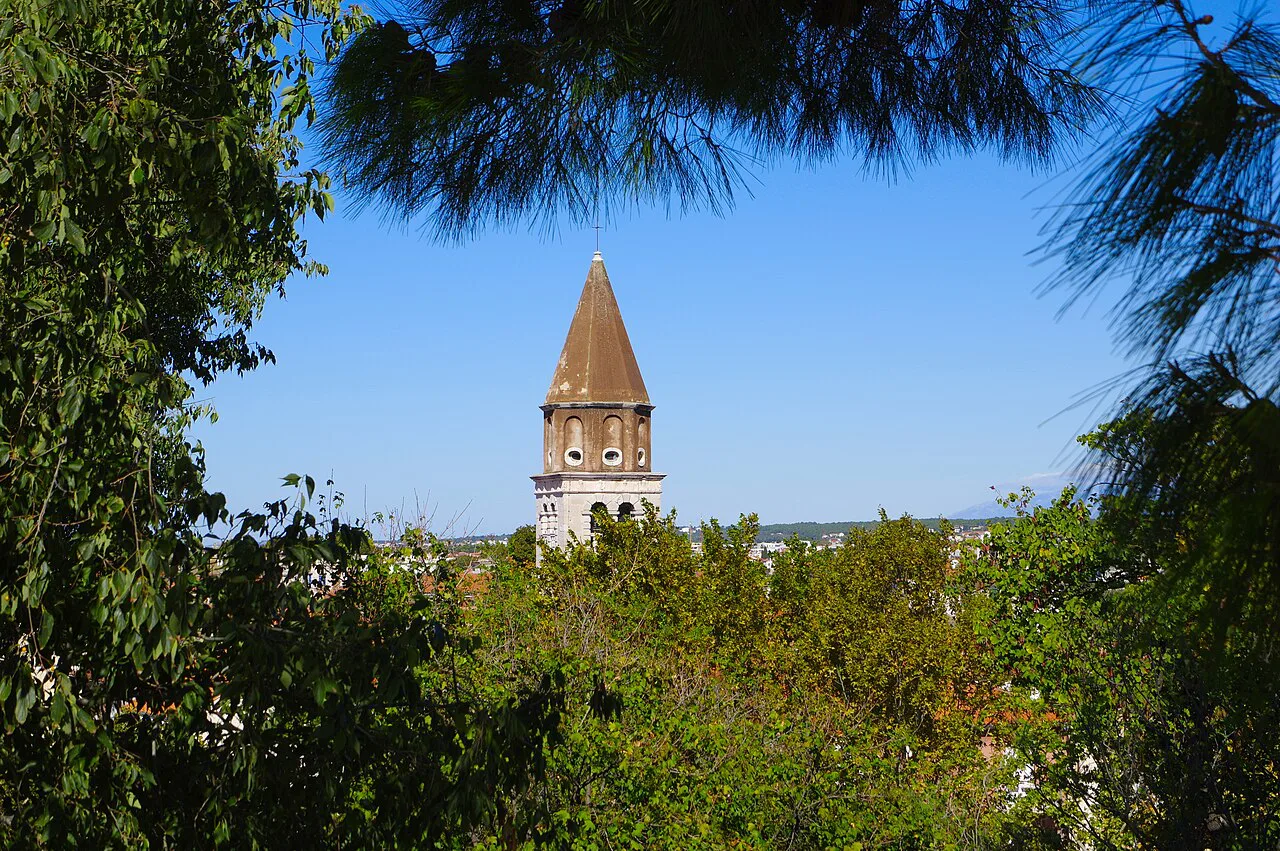

The building: a 17th-century church on an older dedication
The present building dates from the 17th century, though the site carries the older dedication to St Stephen. Inside, look at the furnishing and artwork around the shrine rather than expecting a large cathedral interior; this is a compact church, and the eye goes quickly to the relic. The contrast between the modest exterior and the value of what it guards is part of the visit.
Inside: the shrine and the mummified remains of St Simeon
The focus of the interior is the reliquary holding the body of St Simeon, kept in a decorated shrine. It is the object most visitors come to see, and it is worth looking at properly, since the church itself is small and the details reward a slow look rather than a quick photograph.
This is an active place of worship, so parts of the church may be in use for services. Keep to the visitor areas, keep flash off around the shrine, and step out if a service begins.
St Simeon in the account of the Temple, and why Zadar keeps his body
St Simeon belongs to the Gospel scene of the Presentation, where he takes the infant Jesus in his arms in the Temple. Zadar's claim to his body gives the city a patron saint with a scriptural role rather than a purely local one, which is why the church is a stop for pilgrims as well as sightseers. The account of how the body came to Zadar is part of the city's religious tradition, and the church is where that tradition is kept.
If you want context before or after your visit, the city's own account of the saint and the church is the most useful starting point, and it explains why the shrine matters locally. Read it alongside the church and the relic becomes more than an object in a glass case.
The patronal feast of 8 October in Zadar
Zadar keeps St Simeon's feast on 8 October, when the city marks its patron saint. The date is the one fixed point in the church's year, and it is tied to the saint rather than to a broader events calendar. If you are in Zadar around then, expect the church and its surroundings to be busier than usual and plan your visit accordingly.
How much time to allow and when to go to avoid the cruise-ship rush
Half an hour covers the shrine and the interior comfortably; add a little more if you read the explanatory material. Because the church is small, it fills quickly when a group arrives, and the old town's busiest hours follow the cruise ships and the midday heat. Aim for early morning or late afternoon, when the streets are quieter and the light through the windows is better.
Approach the church as you would any working parish church: it may be closed between services or after dark, and no fixed visitor schedule is advertised here. Check the notice on the door or ask at the tourist information desk in the old town on the day. That is the only reliable way to know whether it is open when you arrive.
Nearby: what else sits within a short walk in the old town
The Roman forum is a few minutes away, with the pre-Romanesque Church of St Donatus, Zadar standing beside it, and the Sea Organ and Greeting to the Sun sit at the peninsula's western tip. You can link the church into a single morning walk without any transport.
If you want more indoors, the Archaeological Museum Zadar is close by and gives the city's Roman and medieval layers some depth. Pair it with the church if the weather turns. Otherwise, simply walk the Kalelarga and the Riva and let the church be one stop among several.
Is St Simeon's shrine worth the stop?
Yes, if you are already in the old town: it costs you half an hour and gives you the one relic that defines Zadar's patron saint. It is not a headline sight in the way the Sea Organ is, so don't build a day around it. Slot it between the forum and the waterfront, check the door for opening hours on the day, and go early or late to avoid the groups.