Zadar Old Town: What to See and How to Walk It
A walking guide to Zadar Old Town: the Roman Forum, St Donatus, the bell tower, Narodni Trg and the Sea Organ, with a gate-to-gate route and timings.
On this page
Zadar Old Town fits on a peninsula you can walk across in about half an hour, so a single morning covers the Roman Forum, St Donatus, the cathedral and Narodni Trg without rushing. The Old Town is the compact, mostly pedestrianised core of the city, and this guide sets out a gate-to-gate order, what each square and church is like, which sights are free, and how to time the waterfront for the evening. For the wider picture beyond the peninsula, see our Things to Do in Zadar guide.
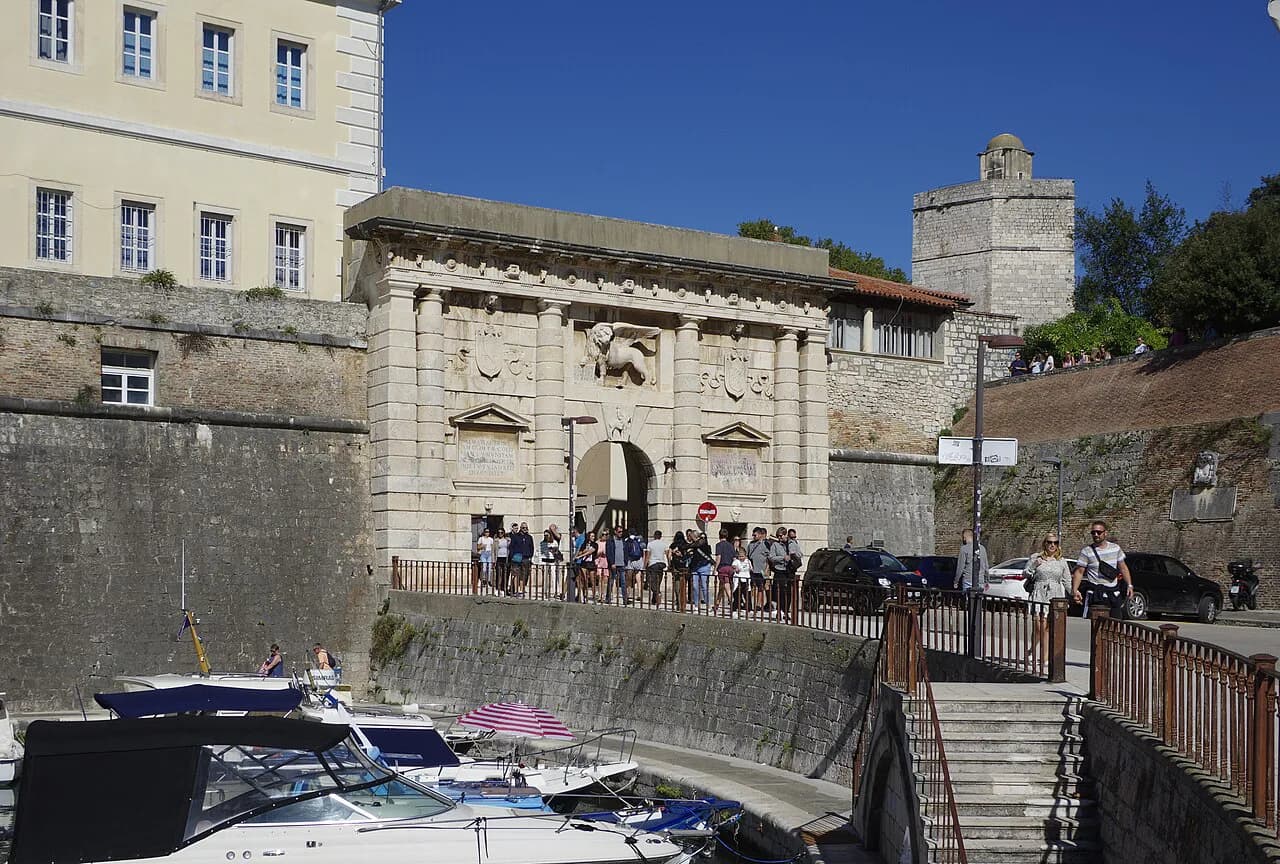
The peninsula has two historic entrances: Bridge Gate, reached by a pedestrian bridge from the newer town, and Land Gate at the eastern end. Knowing which one you arrive at decides the order you walk in, so the route below starts at Bridge Gate and finishes at the Sea Organ on the western Riva.
What Zadar Old Town is
The Old Town sits on a fortified peninsula, largely pedestrianised, with stone-paved lanes that wind between squares rather than forming a grid. Zadar is one of the longest continuously inhabited cities on the Adriatic, and Roman, Byzantine and Venetian fabric sits side by side rather than in separate quarters.
Practically, that means you navigate by landmark rather than by street name: Narodni Trg in the middle, the Forum and cathedral close together near the western side, and the Riva running along the seaward edge. Get those four fixed in your head and the lanes stop being a maze.
The paving is the thing nobody warns you about. Centuries of foot traffic have polished the stone slabs to a shine, and they are genuinely slippery, especially after rain or in smooth-soled shoes. Walk the shaded lanes more slowly than you would at home.
How long you need for the Old Town
Allow a morning for the main sights on foot and a separate evening for the Sea Organ and the Greeting to the Sun. The compact layout means the Forum, St Donatus, the cathedral and Narodni Trg can all be covered in a few hours, leaving the afternoon free or the museums for a wet day.
If you want to add a museum, a climb or an island, give the city a full day or two rather than squeezing it into a half-day stop between Split and further south. A long weekend suits Zadar well, with the Old Town as the base for each day.
The walking route, gate to gate
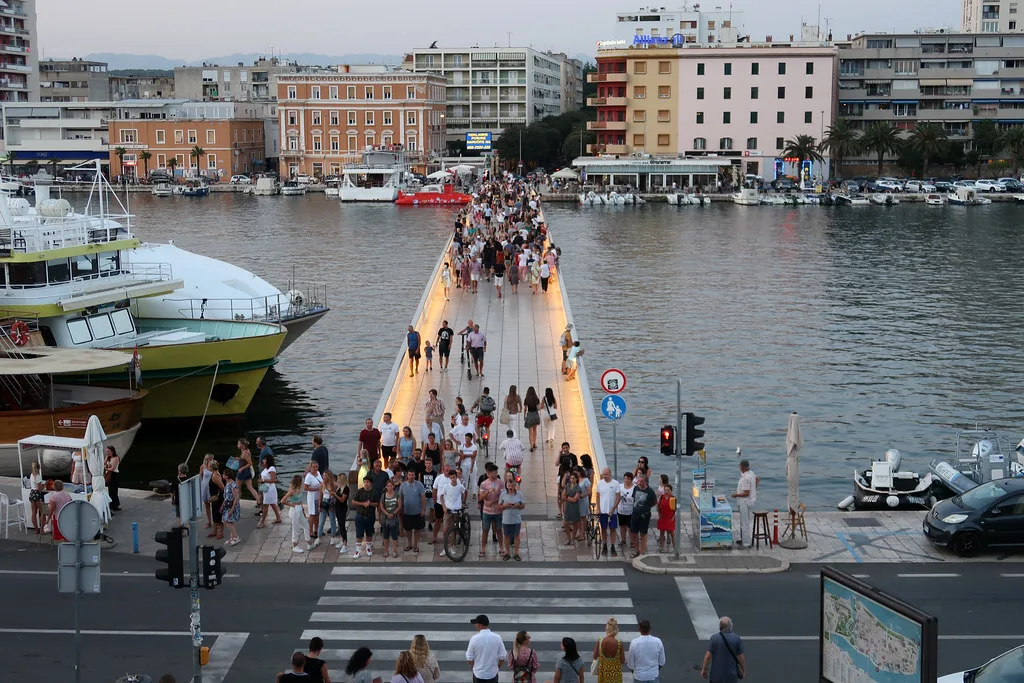
Start at Bridge Gate, the entrance reached by the pedestrian bridge from the new town, and climb the stone steps immediately inside on the left for a short stretch along the surviving old walls. The walk is brief because not all the wall remains, but it gives you the coastline, the rooftops and the newer town across the water before you drop into the lanes. If you would rather follow a set route through the lanes, our Zadar Walking Tour covers the same ground step by step.
From there, head inland to Narodni Trg, then west to the Forum, St Donatus and the cathedral, and finally out to the Riva and the Sea Organ at the northwestern tip. Land Gate, at the eastern end of the peninsula, works as the reverse start if you arrive from that side or park outside the walls.
Narodni Trg: the Town Hall, St Lawrence's and the café tables
Narodni Trg, the People's Square, has been the heart of the city for centuries and is flanked by the Town Hall on one side and the Romanesque church of St Lawrence on the other. It is sunlit for much of the day, which makes it the natural place to sit with a coffee and watch the city go past.
Expect market stalls, outdoor tables and street music rather than a quiet square, and treat it as a pause on the route rather than a sight to tick off. It is also the easiest orientation point if you get turned around in the lanes.
The Roman Forum and the Pillar of Shame
The Forum lies right behind the cathedral and beside the bell tower, and it is the largest forum on the Adriatic, built between the 1st century BC and the 3rd century AD. What survives is fragmentary but open: you walk among the walls and touch stone that has stood here for two millennia, which is the appeal rather than any single monument.
Look for the lone standing column, known as the Pillar of Shame, where wrongdoers were once chained and publicly humiliated, and for carved figures including Jupiter, Ammon and Medusa. The Forum is open to walk through, so it slots into the route without the need to book ahead.
St Donatus' Church: the 9th-century rotunda
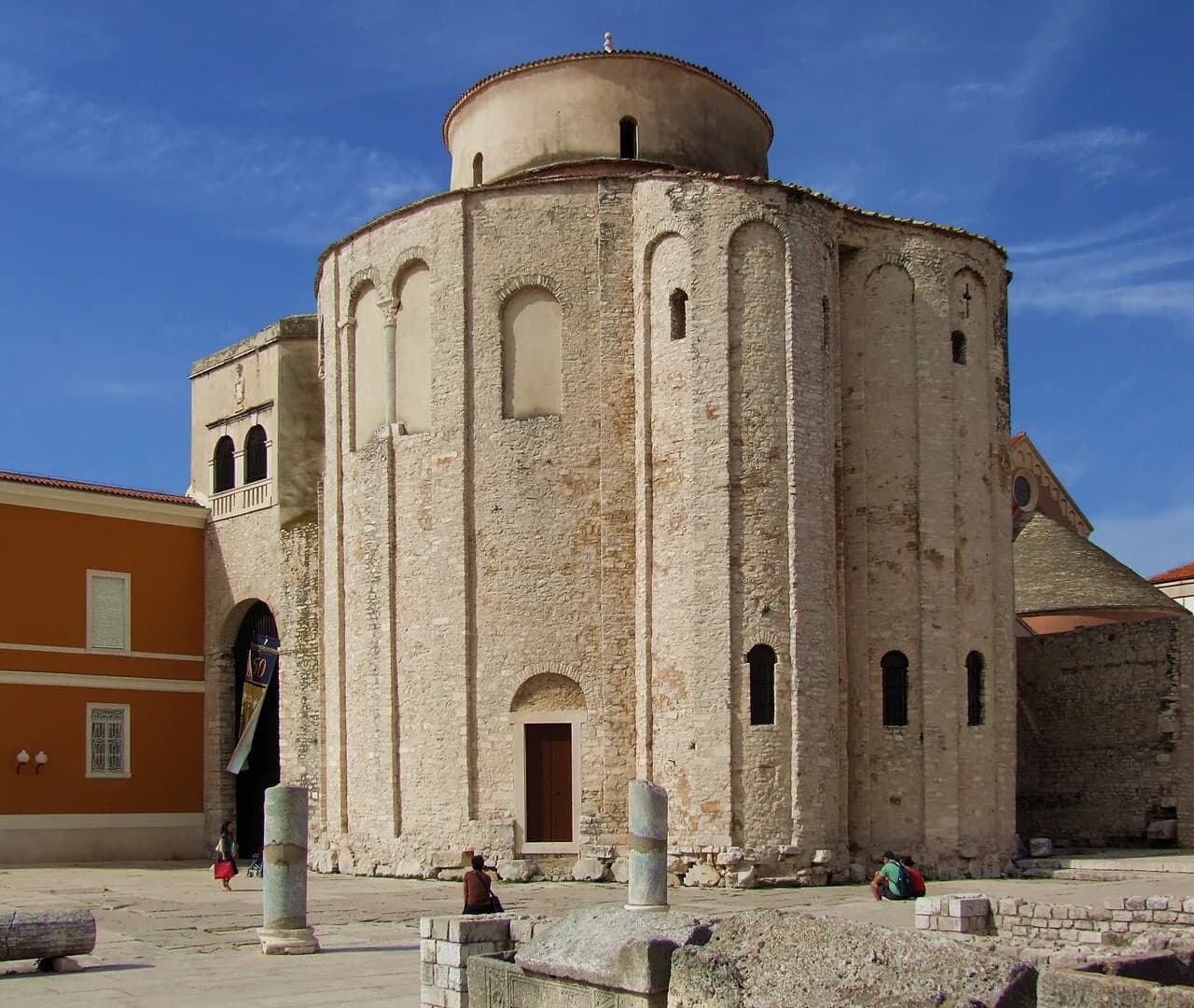
St Donatus is a 9th-century pre-Romanesque rotunda, the largest building of its kind in Croatia and one of the finest examples of Byzantine church architecture in the country. No religious services have been held here for years; its extraordinary acoustics now make it a performance venue, and the interior is deliberately bare.
The interior is unadorned enough that some visitors prefer the exterior, so judge it when you arrive rather than planning around it. There has historically been a modest entrance fee, and the rate changes, so check the price at the door rather than budgeting from an old figure.
The Cathedral of St Anastasia and the bell tower climb
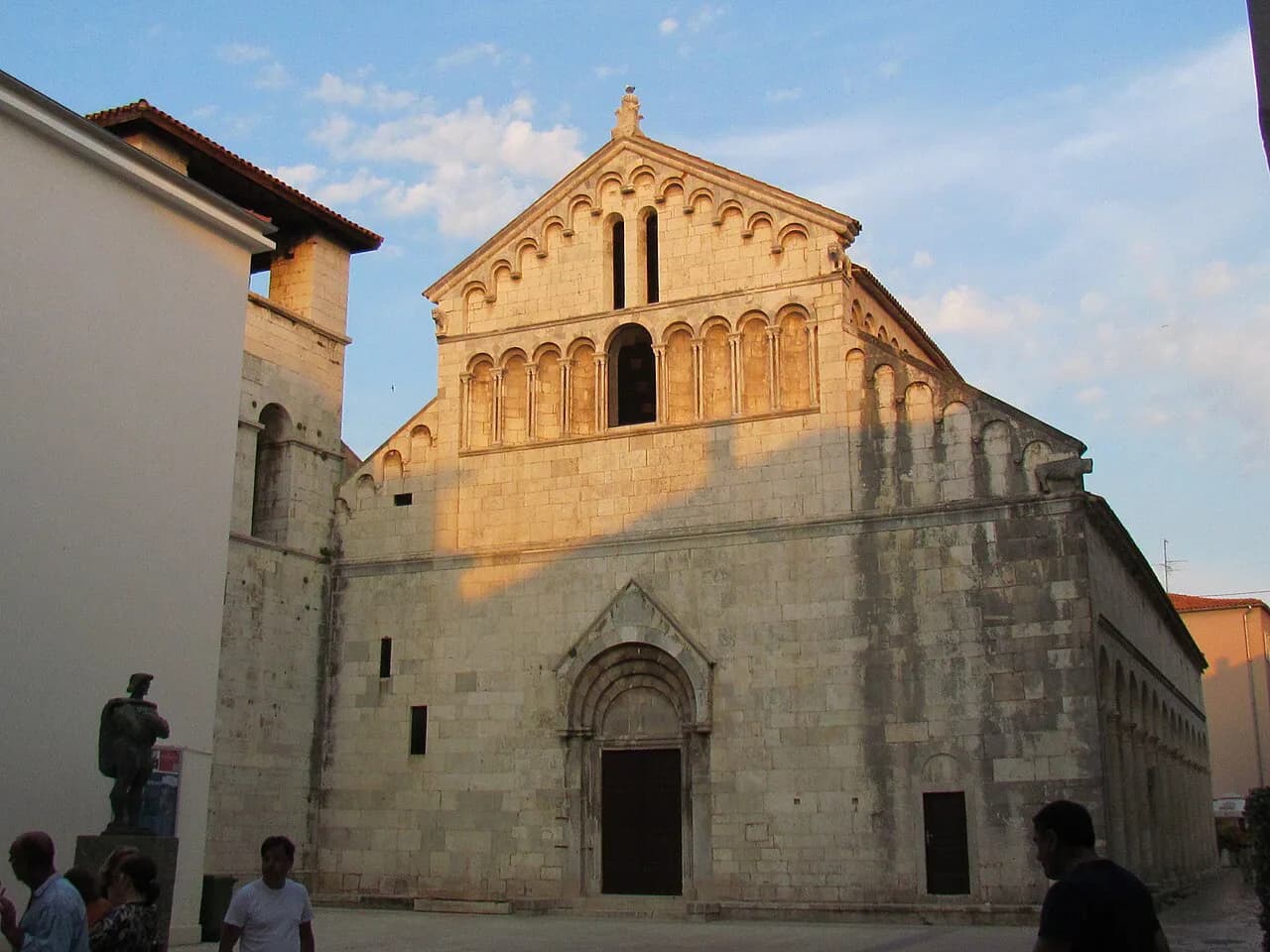
The Cathedral of St Anastasia is the largest church in Dalmatia and the seat of the Archdiocese of Zadar, which was established in the 3rd century. Entry to the cathedral is free, with the usual expectations of respectful dress and quiet inside.
The bell tower has its own independent entrance, so you can climb without entering the cathedral. It took over 400 years to complete and runs to around 200 steps; from the top you get a wide view across the rooftops and the coast.
The catch is the season. The tower does not open year-round, and it has been found closed as late as March, so treat it as a summer-season climb and confirm before you build your morning around it.
St Mary's Church and the Gold and Silver of Zadar
St Mary's Church and its Benedictine nunnery stand opposite St Donatus and the Forum, founded in 1066 by the noblewoman Čika. The nuns care for the treasury next door, known as the Gold and Silver of Zadar, which is the reason to step inside rather than simply admire the facade.
Pair it with the Forum and St Donatus while you are in that corner of the Old Town, since all three sit within a minute or two of each other. It is an indoor stop that works well when the weather turns.
The Riva and the Sea Organ: timing the evening
The Riva runs the length of the western shore, and at the northern tip the Sea Organ (Morske orgulje) turns the waves into sound through pipes set into marble steps. It is a tourist hotspot at sunset, so arrive well before the sun goes down to claim a place on the steps, which can fill an hour ahead of the sun setting.
Next to it, the Greeting to the Sun installation of glass plates stores the day's energy and puts on a shifting light show after dark, powered together with the Sea Organ by wave and solar energy. Both are free outdoor installations, so the only cost is your time and the patience for the crowd.
Five Wells Square, Queen Jelena Madijevka Park and Land Gate
At the eastern end, Five Wells Square and the adjoining Queen Jelena Madijevka Park give you a greener, quieter counterpoint to the stone squares. The park is a good place to sit if the cafés around Narodni Trg are full.
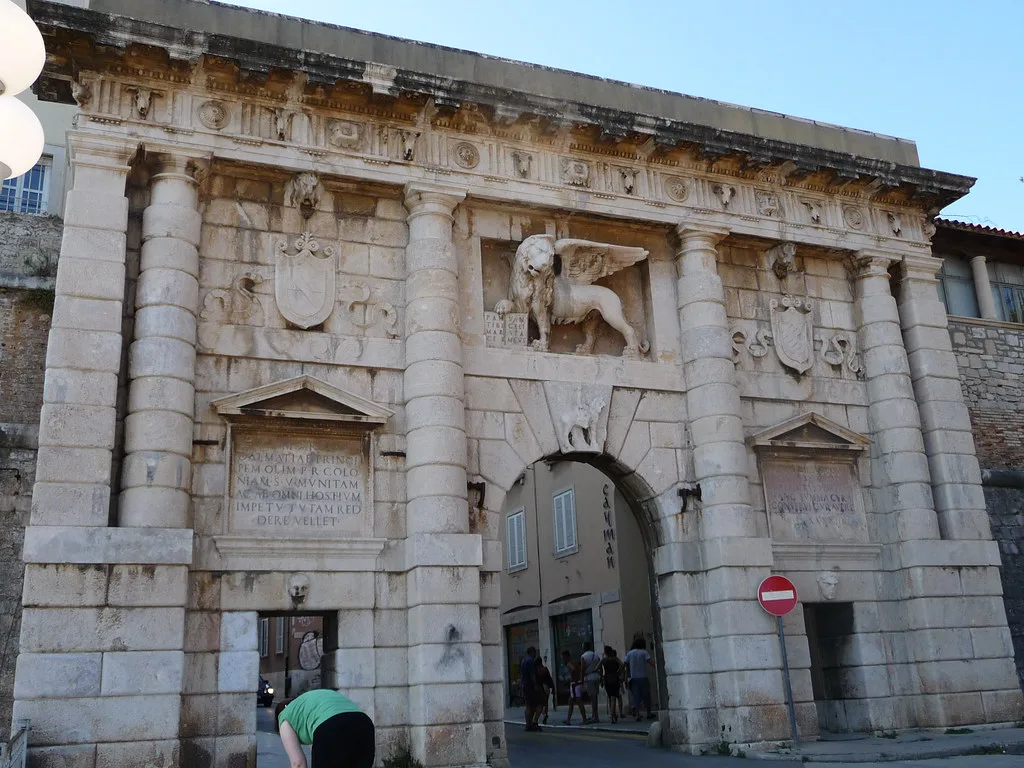
From there, walk down to Land Gate, the second historic entrance to the peninsula and the point where many visitors arriving by car first meet the walls. The harbour wall beyond is a place to stroll, and swimming is possible along this stretch in season.
Museums for a wet day or a deeper look
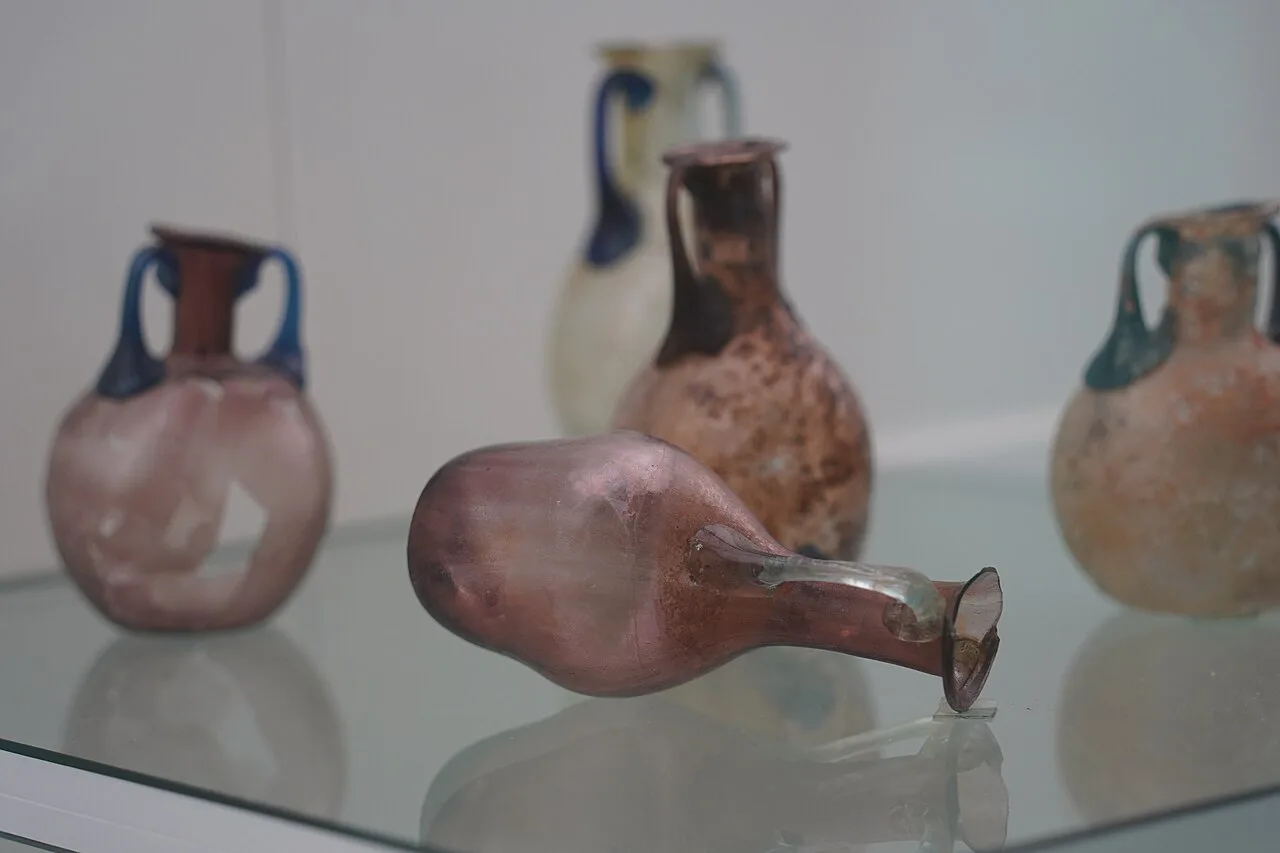
The Archaeological Museum covers the city's long history and is the obvious choice if the Roman remains have left you wanting context. The Museum of Ancient Glass is the more distinctive of the options, and the Museum of Illusions is a lighter, family-friendly stop rather than a serious collection.
Tickets and opening hours shift by season, so check the current listing for whichever museum you choose instead of planning a fixed schedule around it. One indoor museum is usually enough alongside a morning on foot.
Coffee, breakfast and dinner inside the walls
Start the day with coffee and something baked, and settle into a konoba for dinner rather than chasing a restaurant list. Inside the walls you are never far from a table, whether on Narodni Trg or in the lanes behind the Forum.
Summer crowds, cruise days and the bura wind
In high summer the Old Town absorbs a lot of people, and the Sea Organ at sunset is the pinch point: the steps fill early and stay busy. Mornings are calmer for the Forum and the cathedral, and the lanes are quieter once the day-trippers have gone.
The bura, the cold northerly wind that funnels down the coast, makes the exposed Riva uncomfortable even on a bright day, so keep a layer for the waterfront and plan indoor stops accordingly. The polished paving is at its most treacherous in rain, so slow down rather than trying to keep pace.
Should you give Zadar Old Town a morning or a night?
Give it both if you can: a morning for the Forum, St Donatus, the cathedral and Narodni Trg, then a return to the Riva well before sunset for the Sea Organ. The walking itself is free, apart from the modest paid entries to St Donatus and, in season, the bell tower, plus any museum you add, which keeps Zadar easy to do well on a modest budget.
If you only have one slot, choose the evening, since the waterfront installations are what make Zadar different from any other Dalmatian old town. Confirm the bell tower's seasonal opening and any museum hours before you go, and leave the rest to unfold on foot.
Explore more Zadar guides
Sources
Notes from the Croatian coast
Optional updates when our guides change.
You might also like
Continue reading
More guides you'll find useful