Vis Island Guide: Vis Town, Komiža & Blue Cave Ferries
Plan a trip to Vis island: what to see in Vis Town and Komiža, the Blue Cave on Biševo, the military history, ferries from Split and how long to stay.
On this page
Vis island is worth three nights rather than one, and the reason is geography: it is among the furthest inhabited Croatian islands from the mainland, and it spent decades closed as a Yugoslav military base. That isolation kept mass development away, so the island still turns on two towns, a fishing fleet and a limestone ridge rather than a strip of resorts. This guide covers the two arrival gates of Vis Town and Komiža, the boat trip to the Blue Cave on Biševo, the military relics and the walk up Mt Hum, then sets out crossings from Split, how long to stay and when to go.
What Vis island is like today
Vis sits in the middle Adriatic, almost halfway to Italy, and its strategic position made it a military base for most of the twentieth century. Its harbours and beaches only opened to tourists in 1989, and the Yugoslav army left in 1992; those dates explain the low-rise towns and quiet coves that visitors notice straight away. Sail Croatia's Vis guide covers that sequence from the Greek settlement of Issa through Venetian, Austrian, French and British rule.
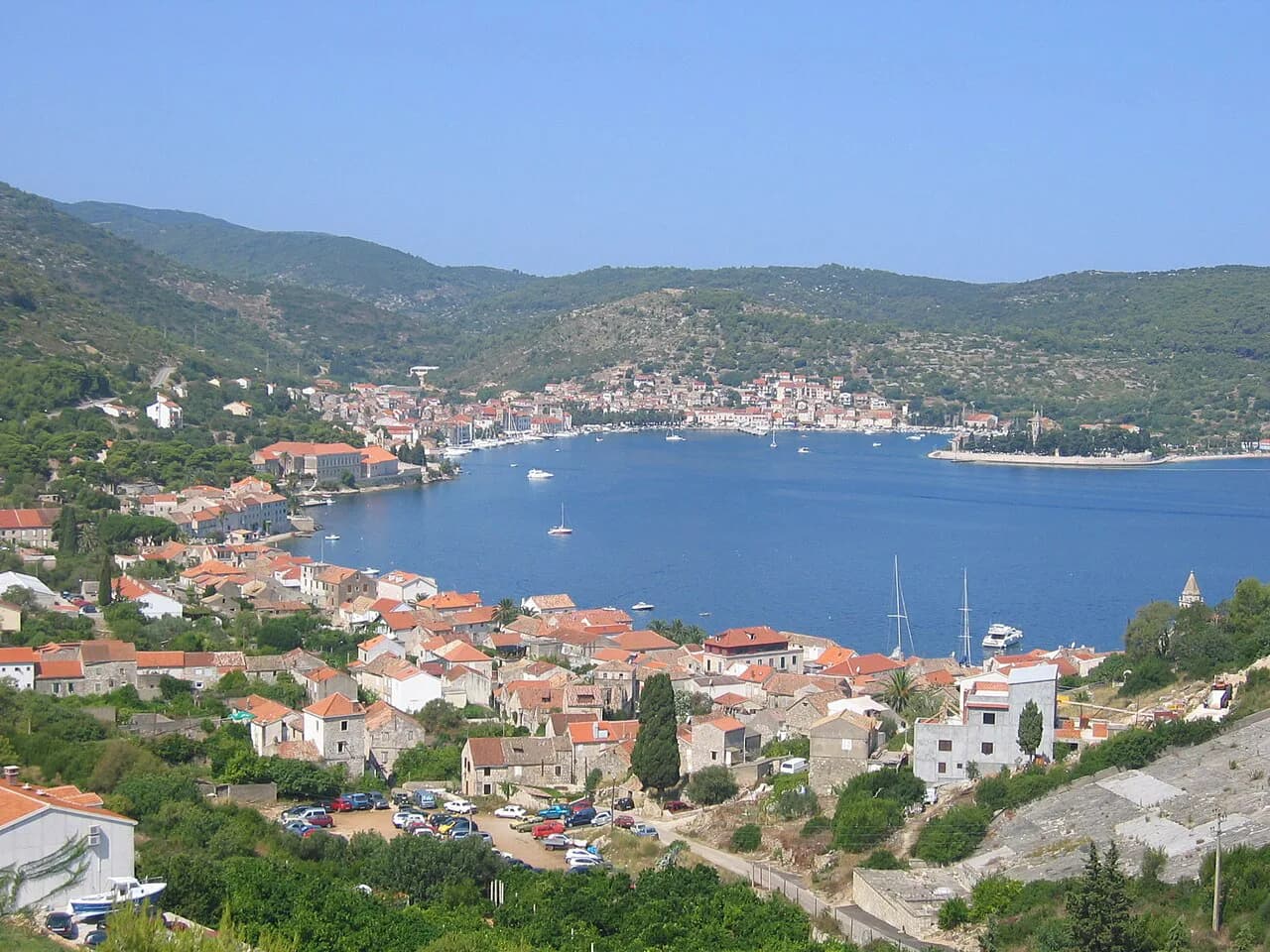
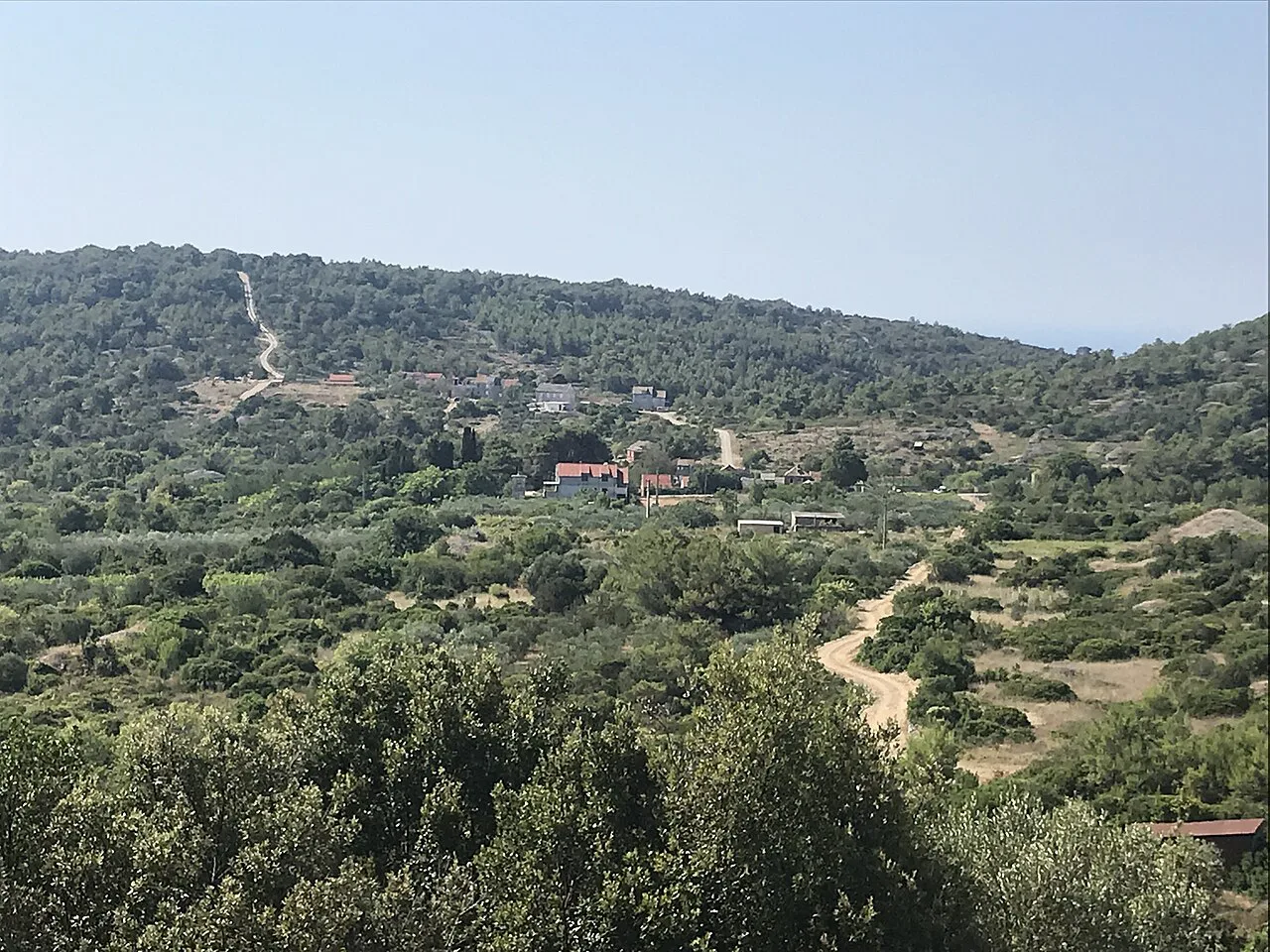
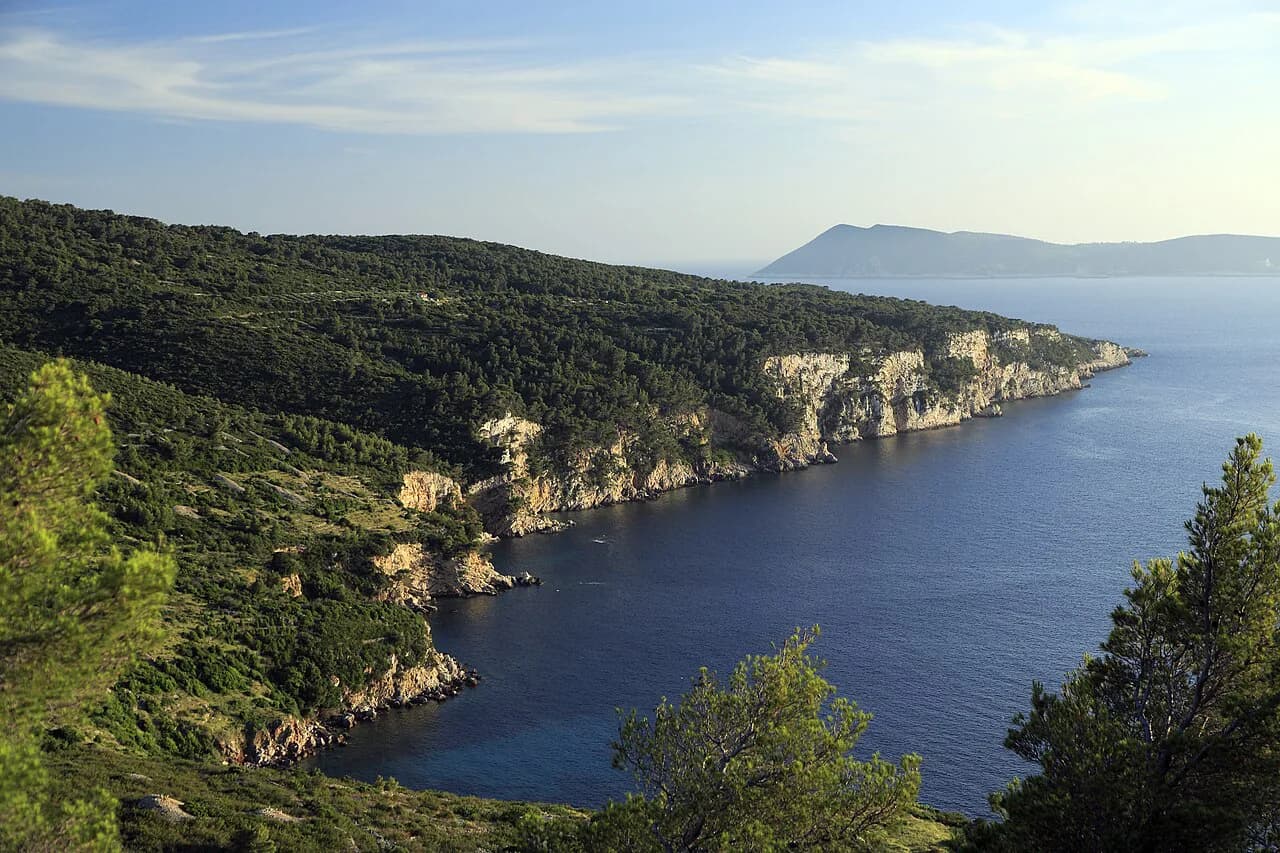
The island is small enough to cross in a single day but varied enough to fill a week. Vis Town on the east coast holds the ferry port, the old harbour and most of the accommodation, while Komiža on the west is a working fishing port beneath Mt Hum. Between them lie vineyards, abandoned barracks, a disused airstrip and a handful of beaches that need a boat, a car or a stiff walk.
Getting to Vis: catamaran or car ferry from Split
Passenger catamarans from Split take about 1.5 hours, and in high season they depart daily; car ferries take roughly 2.5 hours and carry cars and scooters. Sail Croatia sets out those two options and notes there is no direct ferry between Dubrovnik and Vis, so anything from the south means routing through Split or another island first. Use the catamaran for a short without-car visit and the car ferry if you want wheels on the island.
Catamaran frequency and car-ferry departure times shift by season, so a summer plan cannot be carried over to May or October. Check the current timetable before booking. The catamaran lands you at Vis Town, which is where most foot passengers start.
How the island is laid out
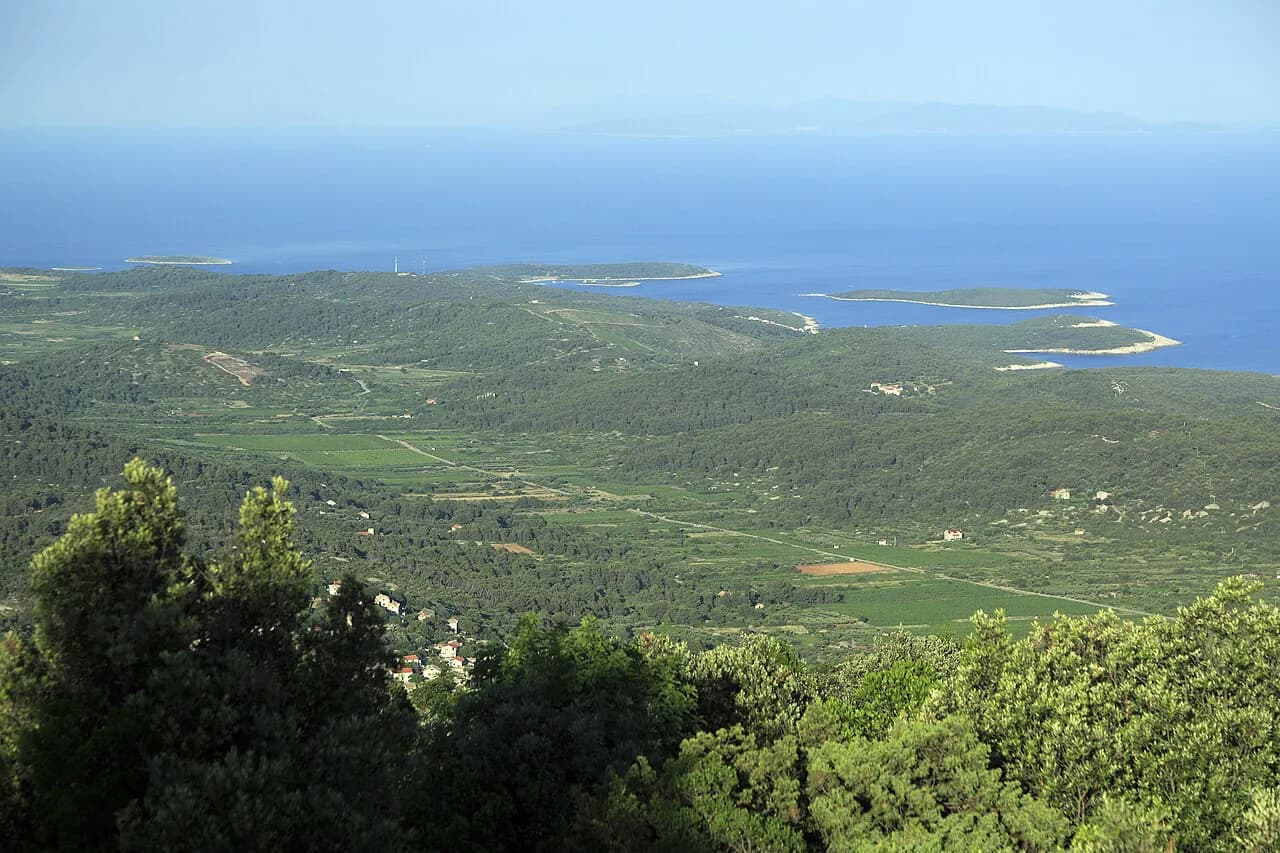
Picture a long limestone island with Vis Town on the north-east and Komiža tucked into a bay at the western end. A single main road links them across the middle, and side roads drop to the coast at Stončica and to the south. The island has one airstrip, which is no longer in use, so everything and everyone arrives by sea.
For a short stay, base in Vis Town: the ferry docks there, the old harbour and Riva are on the doorstep and boat trips leave from the harbour. Komiža suits a slower trip with an evening cinema on the waterfront and easy access to Mt Hum, though you trade the ferry-port convenience for a fishing-town atmosphere. Splitting two nights in each town works if you have a car or are happy with taxis.
Vis town: the old harbour and its layers
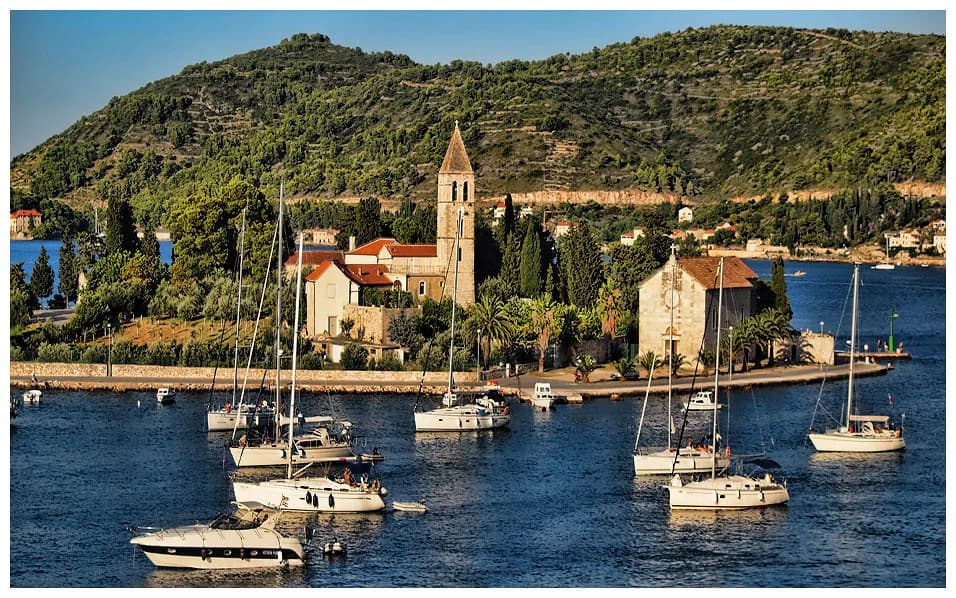
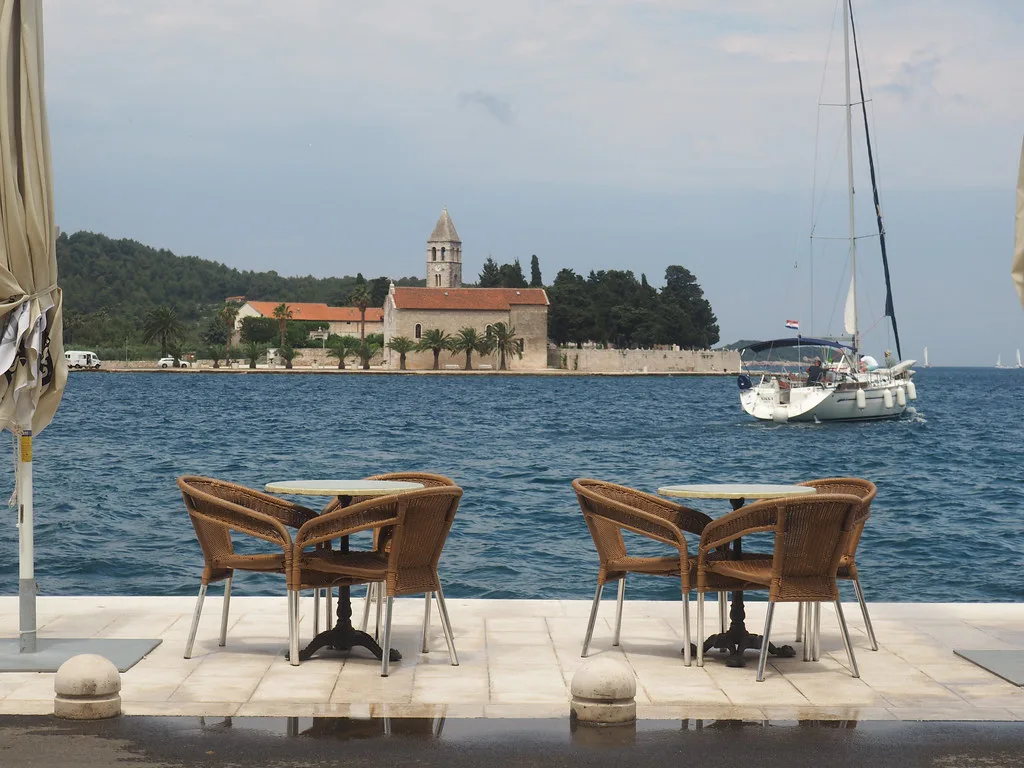
Vis Town grew around a deep horseshoe harbour that fell under a succession of rulers through the island's history. Walk the Riva along the inner harbour, look at the waterfront buildings, and you are reading the island's rulers in stone. The old town spreads uphill behind the port, with alleys that reward a slow hour before the ferries disgorge.
Fort George sits on the hill above town and Sail Croatia names it among the things to do on the island, chiefly as a place to take in the sunset. Sunsets over the harbour are the reason to climb up in the evening.
Komiža: fishing port and falkuša boats
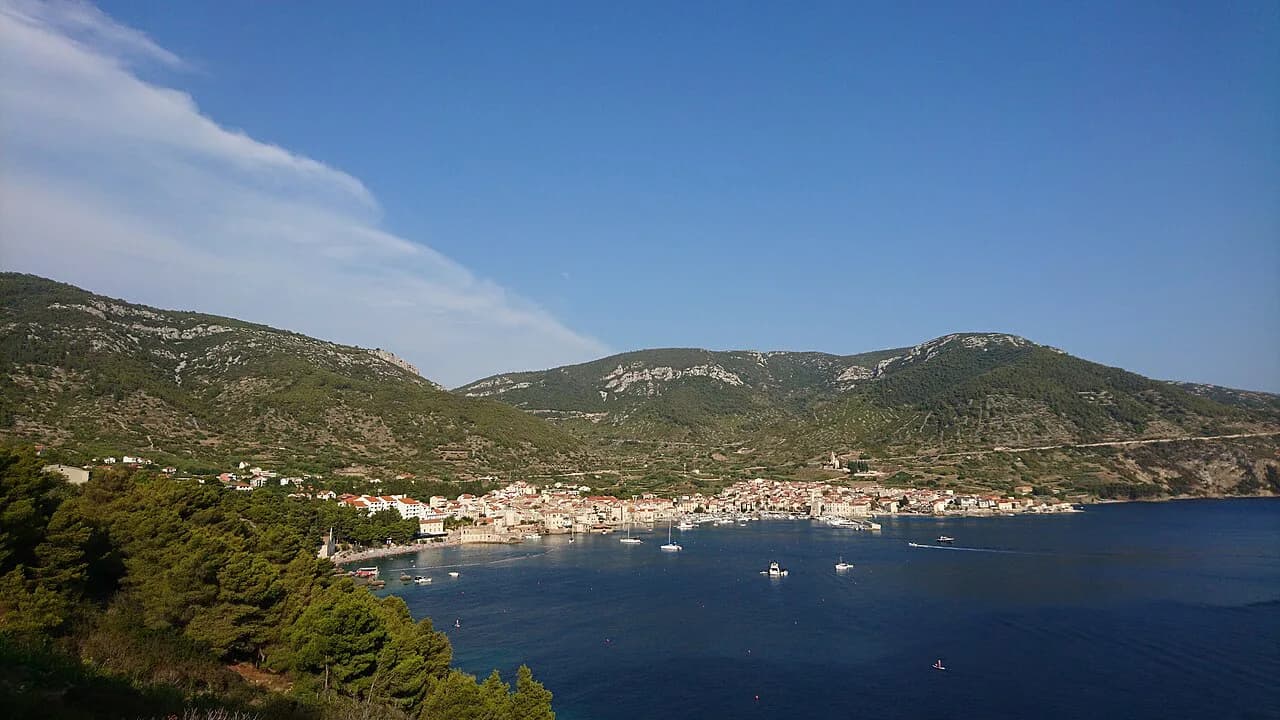
Komiža is the island's second town and its fishing soul: in its heyday it supported seven fish factories despite its size. Narrow stone streets climb away from the harbour, and the waterfront is where the traditional Falkuša boats were developed for long trips out to the fishing grounds. Komiža is the place to slow down, eat late and watch the boats come in rather than chase sights — our Komiža: a guide to Vis's old fishing town takes the port in more detail.
The open-air cinema on the Komiža waterfront has been operating since 1964, showing films in their original language with Croatian subtitles. The setting right at the water's edge is the attraction as much as the programme.
The Blue Cave on Biševo
The Blue Cave, Modra Špilja, is on Biševo, a small island off Vis, not on Vis itself, so treat it as a boat excursion rather than a stroll from town. Sunlight enters through an underwater opening and lights the cave with a blue glow. Boats run from Vis and Komiža in summer, and tour boats also come across from Split and Hvar, which means the cave is busiest in the middle of the day.
Access is by small boat from the landing stage, so you may wait your turn at the cave entrance after the crossing. Book with a boat operator in Vis Town or Komiža, and expect a half-day rather than an hour. Sail Croatia lists the Blue Cave and the Green Cave among the standard boat excursions, with the Green Cave the usual swim stop on the same run.
Cave entry and tour rates change by season and operator, so ask when you book rather than budgeting from last year's figures.
Military relics: tunnels, bunkers and the airstrip
The military past is the sight that sets Vis apart from Hvar or Brač. The Yugoslav army dug tunnels and bunkers across the island, and several of the old sites can now be visited, some on guided tours led by locals who know the layout. Life and Ventures advises against going deep into the tunnels alone, since the network is easy to get lost in.
Tito used Vis as his wartime base, leaving a cave and bunker complex in the hills, and the disused airstrip still sits in the landscape as grass rather than tarmac. The airstrip carries a cricket pitch, a legacy of the British presence, and is no longer in use.
Mt Hum and the view over Komiža
Mt Hum rises 587 m above sea level directly above Komiža, the highest point on the island and the best viewpoint in the Vis group. The trail starts on the western side of the island, and the reward is a view over the town below and across the water to Biševo. Sail Croatia gives the height and the starting side for the walk, which is a half-day outing once you allow for the climb and the descent.
On a short trip the walk competes with a boat day, and the boat usually wins for first-timers. If you have three nights or more, the climb earns its time: start early to avoid the heat of midday, since much of the route is exposed. Bring water and wear shoes with grip, as the limestone gets slippery.
Beaches in brief
Stiniva is the famous one, a pebble cove enclosed by high cliffs, reachable only by boat or by a steep trail down. Stončica and Srebrna are among the island's other named beaches, and each demands its own approach. Life and Ventures stresses the access each one demands.
For a trip without a car, a beach sits close to Vis Town, so a morning swim fits around the ferry. Stiniva needs a boat or a steep trail down and is best folded into a boat tour rather than attempted from town on foot. Leave beach-hopping to the afternoons once the day's sightseeing is done.
How long to stay, and where to base yourself
Two nights is the minimum for a sense of the island: that covers one day for Vis Town and one for a boat trip, with little slack. Three nights lets you add Komiža and Mt Hum, and four or five nights allows the military sites and a lazy beach day without feeling rushed.
Base in Vis Town for a first visit and a short stay, then move to Komiža for a fishing-port evening if you have the time. Both towns have guesthouses and small hotels rather than resorts, and the island's quiet character is its main selling point. Book rooms ahead in July and August, when the harbour fills with yachts and demand is at its peak.
When to go: summer heat and the bura
High season is when the catamaran from Split runs daily and boat trips to the caves operate. July and August bring strong heat and the busiest crossings, so book the catamaran and any cave trip ahead rather than turning up on the day. The shoulder months bring fewer people, though boat schedules thin out.
The bura is the cold, gusty north-easterly wind that can whip the channel and cancel small-boat trips. On a bura day, the caves and the exposed south-coast beaches are off the plan, and the sheltered side of the island is where you want to be. Build a flexible day into the itinerary so a cancelled trip does not derail the visit.
Getting around Vis island without a car
A car or scooter gives you the freedom to reach the beaches and the military sites on your own schedule, and the car ferry from Split carries vehicles. Without one, island transport is thinner outside summer. Taxis and pre-booked tours fill the gaps, and boat trips cover the coast.
Cycling is possible on the quieter lanes but the hills are steep and the heat unforgiving in July and August. For a two-night stay without a car, stick to Vis Town and one boat trip, and leave Komiža and Mt Hum for a longer visit. If your plans stretch to other islands, Brač Island is the easiest onward hop from Split rather than from Vis.
Is Vis worth the crossing?
Yes, if you give it at least two nights and treat the island as a place to slow down rather than tick off. The military history, the two towns and a boat day to Biševo are the core of a first visit, and Mt Hum and the quieter beaches reward a longer stay. It is the furthest crossing in the Dalmatian chain, and that distance is exactly what kept it quieter than its neighbours.
Book the catamaran or car ferry from Split before you travel, pick Vis Town for a short stay and Komiža for a slower one, and keep one day flexible for the bura.
Explore more Vis guides
Frequently Asked Questions
Can you stay on the island of Vis?
Yes. Vis Town and Komiža both have small hotels and guesthouses, and Vis Town is the practical base for a short stay because the ferry and catamaran dock there. Book ahead in July and August, when the harbour and the boat trips are busiest.
Do you need a car on Vis island?
Not for a short visit based in Vis Town, where a boat trip and the old harbour fill two days. A car or scooter makes sense if you want Srebrna, Stončica and the military sites at your own pace, and the car ferry from Split carries vehicles.
Is Vis island expensive?
Vis is a small island with limited accommodation and seasonal demand, so prices for rooms and boat trips rise in July and August. Cave entry and tour rates are set by individual operators, so ask when you book rather than budgeting from last year's figures.
Sources
Notes from the Croatian coast
Optional updates when our guides change.
You might also like
Continue reading
More guides you'll find useful