Best Islands in Croatia: Which Island Suits Your Trip?
The best islands in Croatia, chosen for what each does best: walled towns, national parks, quiet villages and caves, plus how to reach each one.
On this page
The best island in Croatia depends on what you want from the day: Hvar and Korčula suit travellers who want a Venetian square and a walled town within walking distance of the ferry, Mljet and Brač suit anyone who would rather spend the hours outdoors, and Šolta or Lastovo reward those who want quiet over sightseeing. This guide sorts the main islands by what each does well, then covers the crossings that link them, how long each deserves and how the seasons change the experience.
Ferries and catamarans are the practical backbone of any island itinerary: catamarans are faster and carry foot passengers, while car ferries take vehicles and are the only sensible option if you plan to drive between islands. Croatia uses the euro, and the biggest variable in your budget is July and August demand, which lifts accommodation prices and pushes the busiest boats towards full.
Which Croatian island suits your trip: the quick answer
Choose Hvar for a polished old town and the Pakleni islets just offshore, Korčula for a compact walled town you can walk in an afternoon, Brač for Vidova gora and the stone villages, and Vis for the sense of arriving somewhere genuinely far out. Mljet is the pick if a National Park with salt lakes matters more to you than a town, and Šolta is the answer when Split is your base and you want a low-key day out.
These islands come up repeatedly in popular round-ups of Croatian island trips, with Hvar, Korčula, Mljet, Vis, Lastovo and Rab frequently named. Treat that as a starting point rather than a verdict, because an island that suits a two-week slow trip is not automatically the right one for a three-night break from Split, and the fuller picture of coastal stops sits in our guide to the best places to visit in Croatia. If your travels take you further north, our Kvarner Islands Guide: Krk, Cres, Lošinj and Rab Compared covers how Rab measures up against its neighbours.
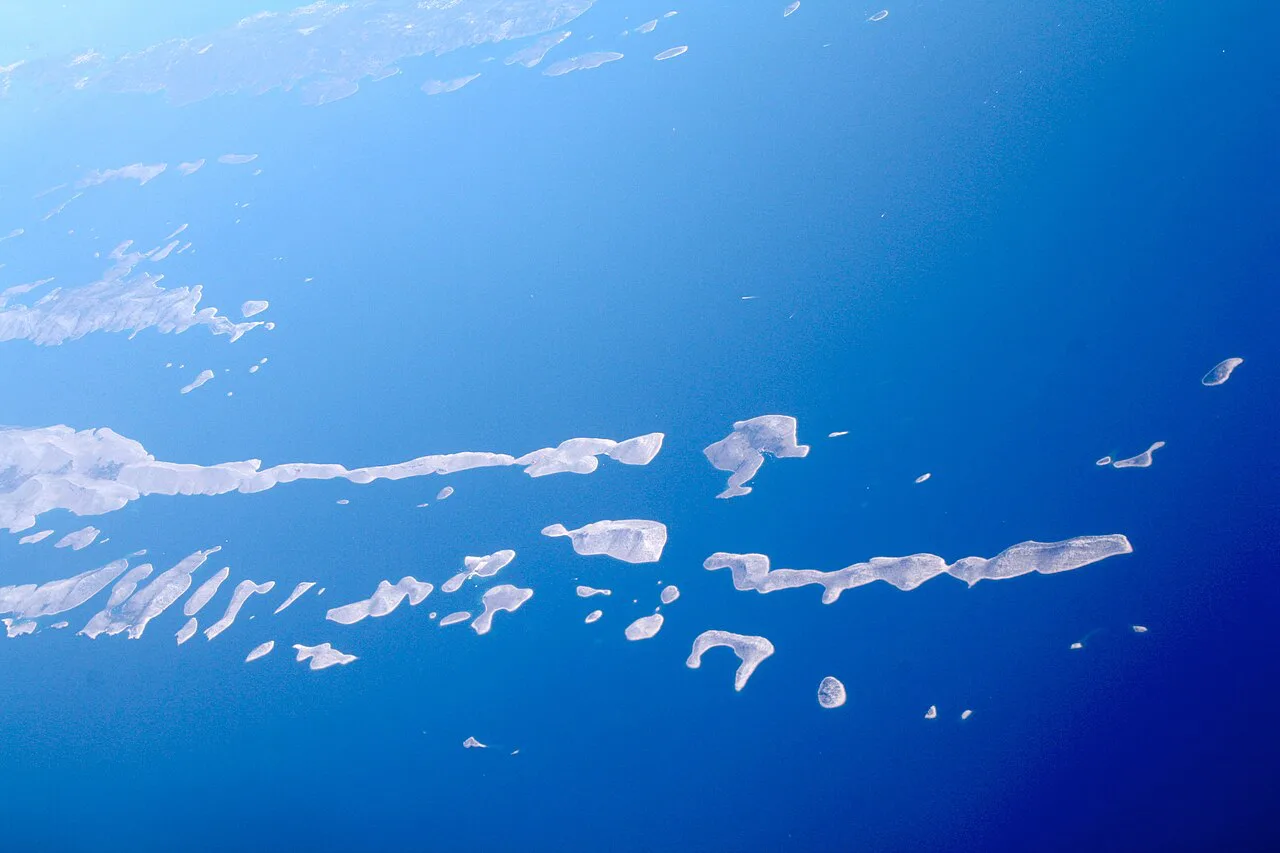
Hvar: Venetian square, hill fortress and the Pakleni islets
Hvar town is the most theatrical arrival on the Dalmatian coast: the waterfront leads straight into St Stephen's Square, a broad paved space lined with Venetian-era buildings, and a path climbs from the town to the fortress above. Give the town half a day on foot, then decide whether you want a boat out to the Pakleni islets or an afternoon in the quieter villages along the island's length.
Hvar suits travellers who like a town with energy and are happy to pay for it in summer, when the harbour fills and prices peak. If you want the fortress and the square without the crush, aim for the shoulder months, when the same streets are walkable and the boats are less crowded.
Korčula: a walled old town and a compact island to walk
Korčula's old town sits on a small fortified peninsula, ringed by walls you can walk and laid out on a grid of narrow lanes that makes it easy to cover in two or three hours without a map. The island around it is compact enough to explore by car or bicycle, with villages, olive groves and quiet coves a short drive from the town gates.
Korčula works well for a two-night stop: long enough for the old town, a swim and a slow lunch, short enough that you do not run out of things to do. It is also one of the easier islands to slot into a southbound route, and it often appears on family shortlists alongside Lokrum, Lopud and Mljet for travellers coming from Dubrovnik.
Brač: the ridge of Vidova gora and the stone villages
Brač is the island for travellers who want landscape rather than a single showpiece town: Vidova gora is the high point of the island, with views across to Hvar on a clear day. Pučišća, on the northern coast, is built around stone and its quarrying tradition, and the village's pale stone buildings are the reason to linger rather than pass through.
The island's size means you need transport to make the most of it, and the car ferry crossing from Split is short enough to make Brač viable as a base rather than a day trip. Allow two nights if you want both the ridge and the villages without rushing.
Vis: the furthest island, with Komiža and the Blue Cave
Vis feels different from the islands closer to Split, partly because it stayed closed to outside visitors for decades and partly because the crossing is long enough to deter casual day-trippers. Komiža, on the western side, is a fishing harbour with a compact waterfront, while the Blue Cave on the nearby islet of Biševo is the island's best-known excursion and depends on sea conditions.
Plan Vis as a minimum of two nights: the boat times and the cave trips eat into a day, and the island's appeal is in slowing down rather than ticking off sights. Local cave-trip boats decide on the morning whether to sail, because swell can cancel trips at short notice.
Šolta: the quiet, low-key island close to Split
Šolta is the antidote to Hvar: no grand square, no fortress queue, just small harbour villages, dry stone walls and a pace that rewards doing very little. It is close enough to Split for a day trip by catamaran, which makes it a sensible choice when you want sea and quiet without committing a night.
Use Šolta as a rest day in the middle of a busier island-hopping route, or as a base if you would rather return to a quiet harbour each evening. It suits couples and slow travellers more than anyone chasing a checklist of sights.
Mljet: a National Park, salt lakes and the wooded interior
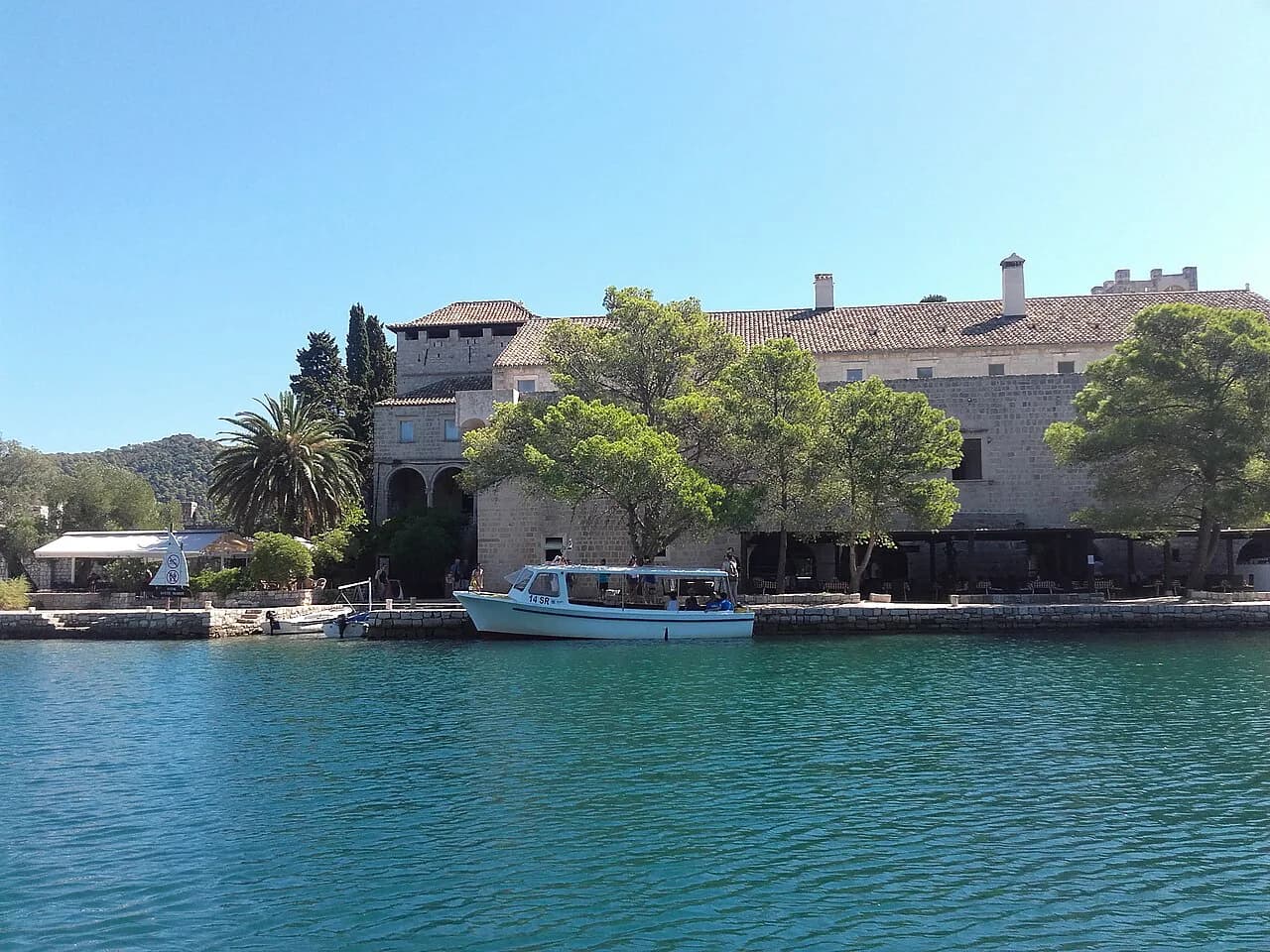
Mljet is the island to choose if a National Park is the point of the trip: the park covers the western end, with two salt lakes joined by a channel, forested paths and the small island of St Mary inside the larger lake. Entry is ticketed by the park authority, so check the current price and opening arrangements before you travel. Our guide to Mljet National Park covers what the ticket includes and how the lakes work on foot.
The island rewards a full day at least, and two if you want to walk the lakes and still see the rest of the coast, including the Benedictine monastery on St Mary island and the Odysseus cave on the southern shore. Mljet is also one of the islands that families based in Dubrovnik consider, sitting alongside Korčula and Lokrum on shortlists built around easy crossings and short distances.
Lastovo: the remote southern island for slow days
Lastovo is the furthest-flung choice here, a small island with a natural harbour at Ubli and a village of stone houses set into a hillside above it. The journey is the filter: because it takes time to reach, the island stays quiet even in high season, which is exactly why people who make the trip tend to stay several nights.
Choose Lastovo if you have a week or more and want one island to anchor the trip, not if you are fitting islands around a fixed flight home. Its remoteness is also its weakness in poor weather, when crossings are the first thing to be disrupted.
Rab: the northern island of bell towers and sandy coves
Rab town has one of the Adriatic's most distinctive skylines, with a row of bell towers along a narrow peninsula, and the island around it mixes sandy coves with wooded slopes. It sits in the northern group, which makes it a natural pairing with Pag and the Kvarner coast rather than with the southern Dalmatian islands.
Rab suits travellers flying into Rijeka or driving down from Istria, and it is one of the northern islands frequently grouped with Hvar, Korčula, Mljet, Vis and Lastovo in round-ups of Croatian island trips. Give it two nights to see the town properly and still have a day on the coast.
Pag and Pašman: the northern group in brief
Pag is the stark one: a bare, wind-scoured island with a long walled town at Pag and a cheese-making tradition, connected to the mainland by bridge so you can drive on without a ferry. Pašman is gentler and greener, sitting just off the coast near Zadar and reached by short ferry crossings, which makes it an easy add-on rather than a destination in its own right.
Both work best as part of a northern itinerary rather than as a standalone island break, and they are the sensible choices when your flight lands at Zadar and you do not want to spend a day travelling south.
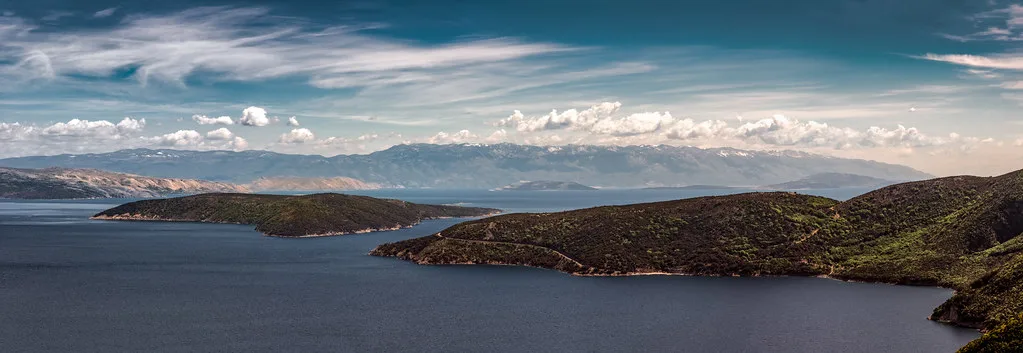
How the ferries and catamarans work between the islands
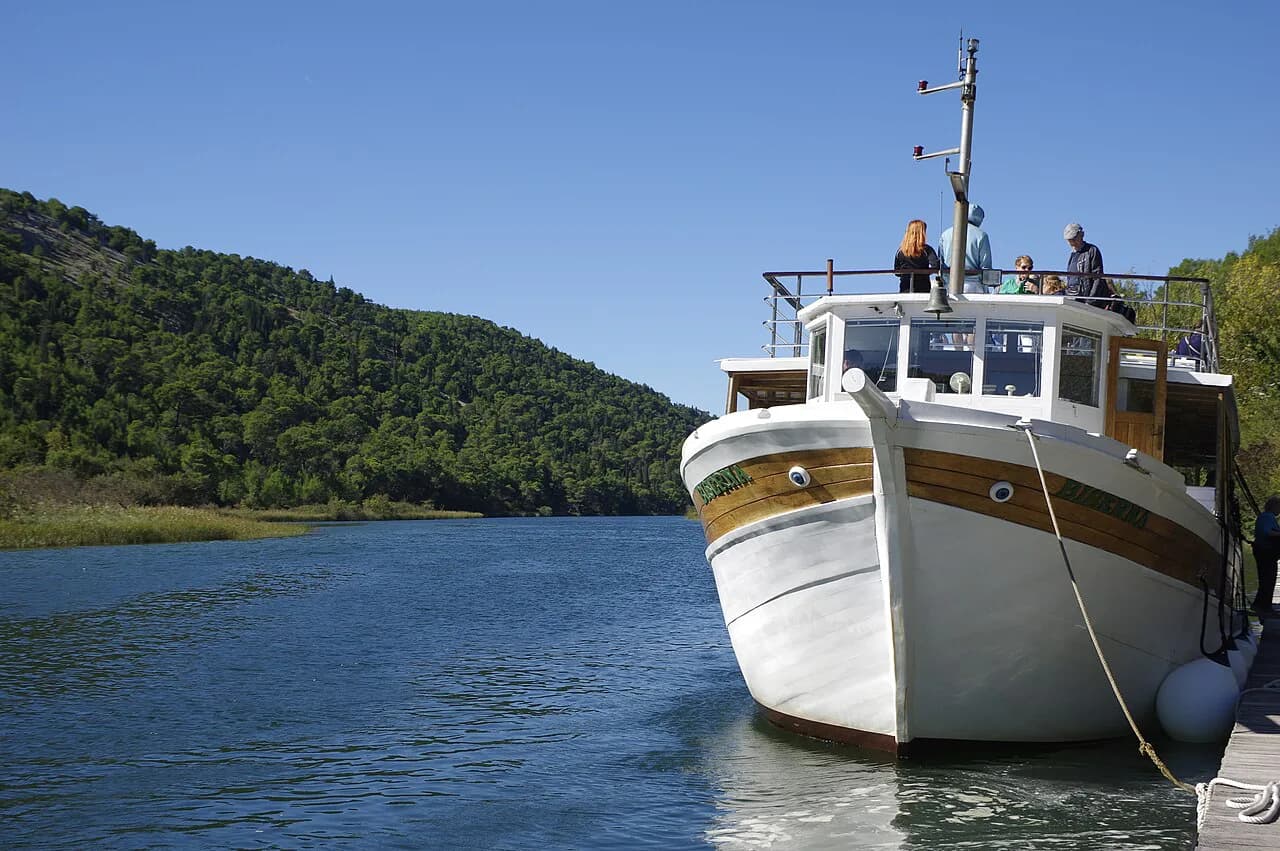
Two kinds of vessel do the work: catamarans, which carry foot passengers and are fast, and car ferries, which take vehicles and are slower but the only way to bring a car. Jadrolinija runs the core network, while Krilo and TP Line operate catamaran services on several routes, so which company you book with matters, and timetables differ between them.
Island-hopping by boat is the standard approach, and the practical rule is to book the long crossings ahead in July and August while leaving short hops flexible. If you are driving, remember that a car ferry ticket covers the vehicle, and on the busiest sailings in peak season it pays to reserve rather than turn up and hope.
The bura, the cold northerly wind, can suspend catamaran services on exposed crossings, so build slack into any tight connection between islands and a flight.
How long each island needs and how many to combine in a week
As a working rule, give Hvar and Korčula two nights each, Brač and Vis two to three, Mljet a full day or two, and Lastovo three or more to justify the journey. A one-week trip is comfortable with three islands in the same area rather than a sprint from the northern group to the southern one.
Group by geography: Hvar, Korčula, Brač, Vis and Šolta sit in the southern Dalmatian group out of Split, while Rab, Pag and Pašman belong to the north around Zadar and Rijeka. Two weeks allows a wider spread, but the crossings, not the distances, are what eat the time. For a broader overview of the mainland and island stops, see our Croatian coast guide.
Shoulder season versus July and August on the islands
July and August bring the warmest sea and the fullest boats, and the busiest towns on Hvar and Korčula can feel overwhelmed when a cruise ship is in. Late spring and early autumn are the better bet for walkers and for anyone who wants the old towns without the queue at the fortress, and our month-by-month guide to the best time to visit Croatia sets out how the seasons differ along the coast.
The trade-off is real: shoulder-season crossings are fewer, and some seasonal boat services and park facilities run on reduced schedules outside the summer. Check the Jadrolinija timetable, or the timetable of whichever company runs your route, for your dates before you commit to a route that depends on a single sailing.
Which island should you book first?
Start with the island that matches your reason for going rather than the one that photographs best: Korčula or Hvar for a town, Mljet for a National Park, Brač for the ridge and stone villages, Vis for distance, Šolta for quiet. Then build the route around the crossings, keeping three islands in one region for a week rather than stretching across the whole coast.
Book the long catamaran or ferry legs before anything else, and leave a spare day at the end of the trip in case the bura cancels a sailing.
Explore more Croatia guides
Sources
Notes from the Croatian coast
Optional updates when our guides change.
You might also like
Continue reading
More guides you'll find useful