Dalmatian Islands: Which Croatia Groups to Visit
The Dalmatian islands split into four groups, each served by a different mainland port. Here is what sets the Zadar, Šibenik, Split and Dubrovnik islands apart.
On this page
The Dalmatian islands fall into four groups, and the mainland port that serves them is the quickest way to make sense of them: Zadar in the north, then Šibenik, Split and Dubrovnik working south. Dalmatia itself runs from Zadar down to Dubrovnik along roughly 400 kilometres of coast.
Planning around ferry ports rather than names on a map produces a route that actually works. This guide sets out what each group offers, how fast catamarans differ from car ferries, how long to allow, and when the bura and peak-season crowding should shape your decisions.
What the Dalmatian islands are and where they lie
Dalmatia is one of Croatia's four historic regions, and it takes in the Adriatic coast from Zadar to Dubrovnik together with the islands offshore, including Hvar, Brač and Korčula. The Adriatic separates the islands from the mainland, and the whole stretch sits inside Croatia, which has used the euro since 2023.
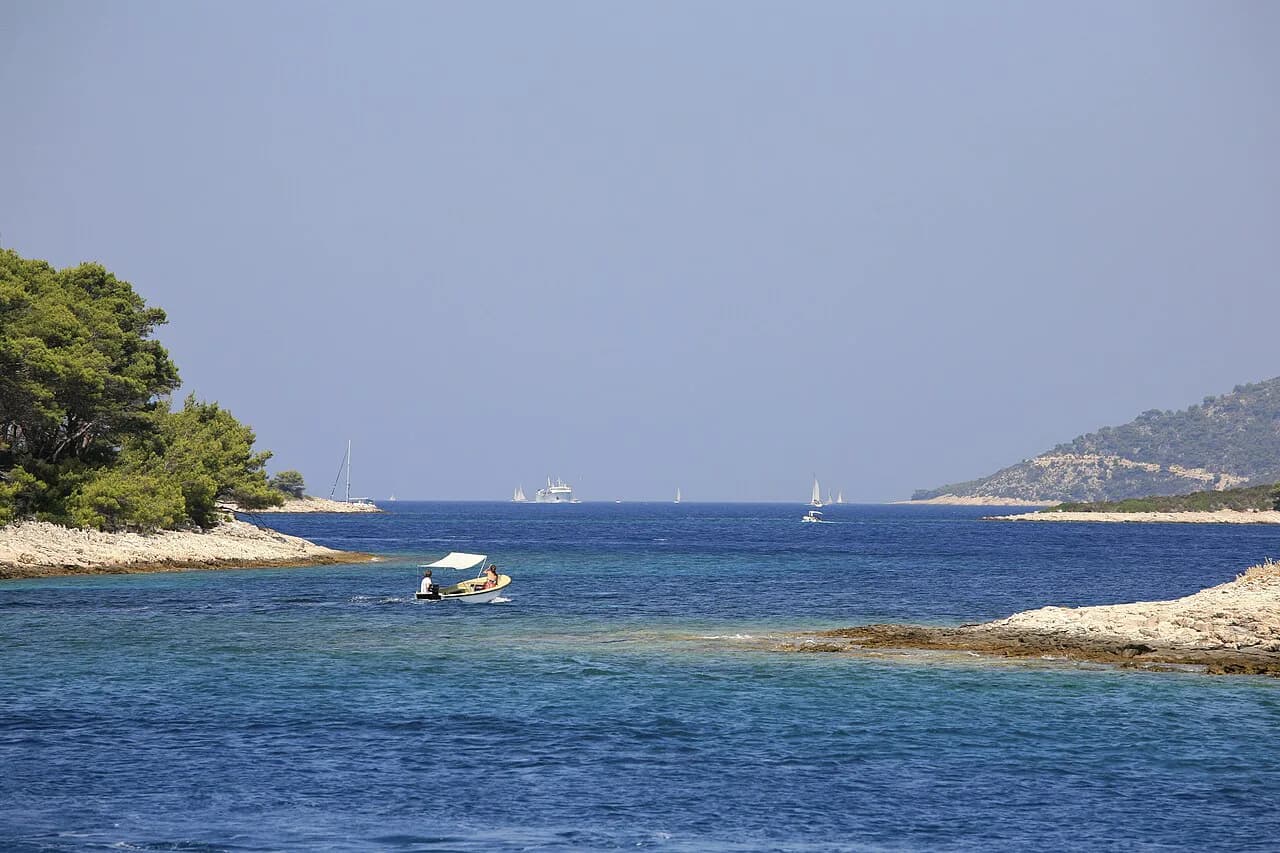
The islands run parallel to the coast, so most crossings are short hops rather than long sea passages. The practical consequence is that islands close to a big port, like Brač and Šolta off Split, fit into a day, while islands further out, such as Vis or Lastovo, reward an overnight stay.
Which island groups exist, from north to south
The practical way to divide the islands is by the mainland port you sail from. Split serves Hvar, Brač, Šolta and Vis and is the busiest hub; Dubrovnik, further south, gives access to Korčula and Mljet. Zadar anchors the northern end of Dalmatia, and Šibenik sits between Zadar and Split.
What part of Croatia is the Dalmatian Coast? Dalmatia is one of Croatia's four historic regions and covers the Adriatic coast from Zadar down to Dubrovnik, plus the offshore islands such as Hvar, Brač and Korčula. It is the southern coastal strip of the country, distinct from Istria in the north-west and the Kvarner Gulf.
Do you need a car to visit the Dalmatian islands? No. Catamarans carry foot passengers, and local buses cover the larger islands.
Is September a good time for the Dalmatian islands? September into early October is one of the best windows: the sea is still warm, the crowds thin out and accommodation prices fall. Some shoreline businesses start winding down late in the month, so favour larger harbour towns and expect a quieter rather than guaranteed-open scene.
Split works as the central base because it has the most island connections and sits under two hours from both Zadar and Dubrovnik, which makes it the natural pivot for a two-group trip.
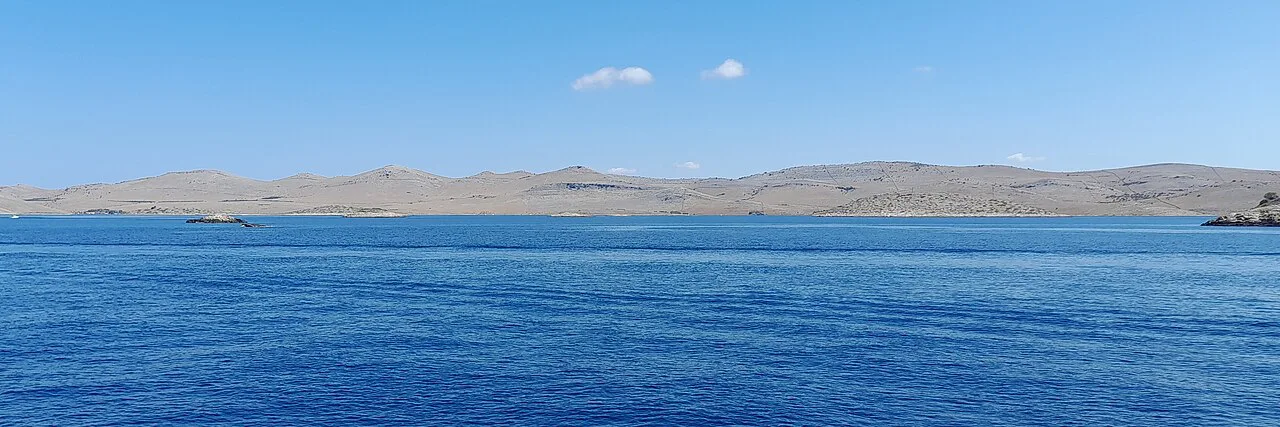
The Zadar group: which mainland port and what you notice first
Zadar anchors the northern end of Dalmatia and is the mainland port for the region's northern island group. From Split it is under two hours up the coast, which makes Zadar a sensible first or last stop on a linear route.
Compared with the busier central and southern stretches, this end of the coast suits a slower pace. Plan around a handful of crossings, carry what you need and confirm seasonal timetables before you commit to a tight connection.
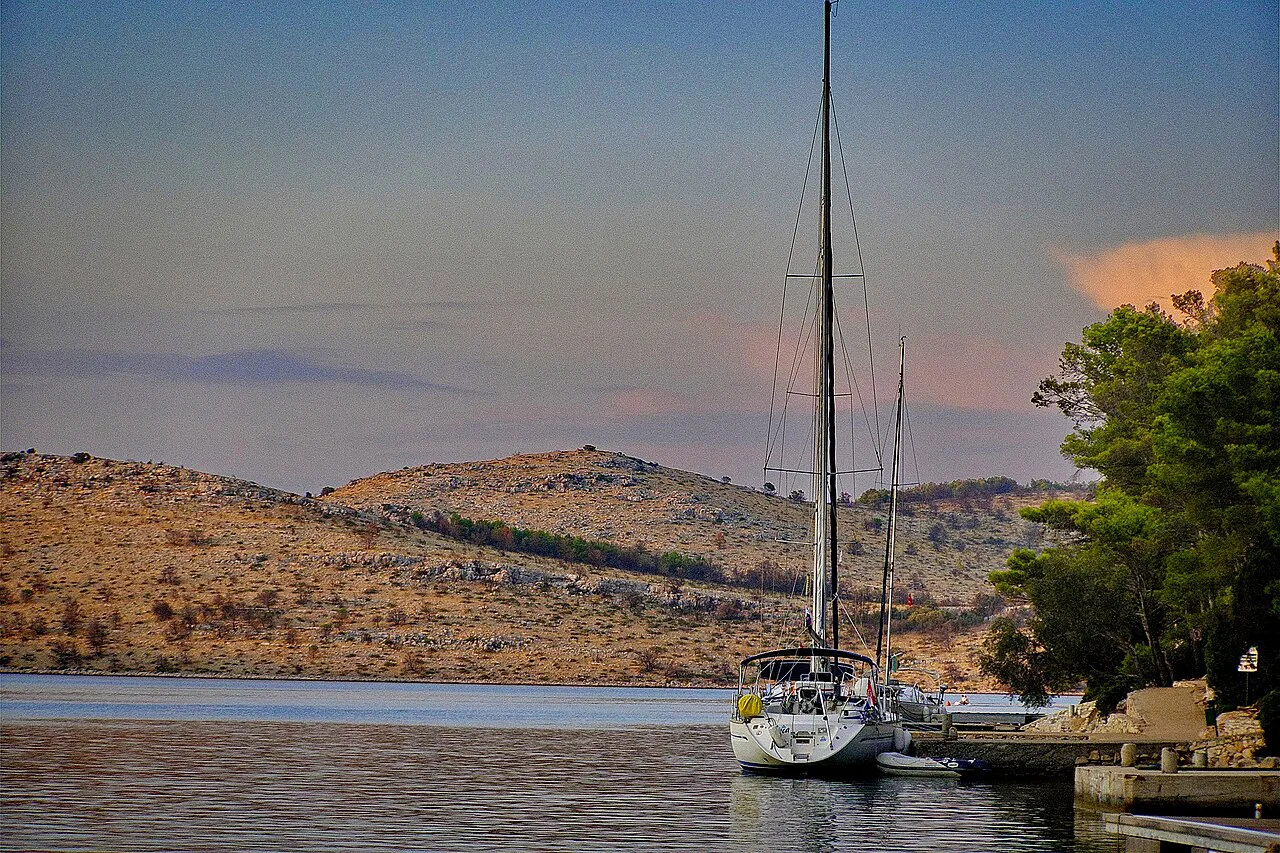
The Šibenik group and Kornati: closer to the mainland, quieter
Šibenik sits between Zadar and Split, and its islands lie close to the mainland, which keeps crossings short. Kornati, the archipelago beyond them, is the group's headline draw and a good reason to base yourself here rather than pushing further south.
This group is the counterweight to the busy Split islands. Fewer crossings mean a quieter trip: you plan around a small number of departures and carry what you need, in exchange for harbours the central islands do not match in high summer.
The Split group: Hvar, Brač, Šolta and Vis
Split is the busiest island hub in Dalmatia, with fast connections to Hvar, Brač, Šolta and Vis. Hvar and Brač draw the biggest crowds; Šolta stays low-key, and Vis, the furthest out, rewards the longer crossing with a slower, more self-contained island.
Vis also holds sea caves and ancient remains that draw day boats from the central islands. For drivers, the split between catamarans and car ferries matters most here: fast catamarans are for foot passengers, while a vehicle needs a car ferry, so check which type serves your chosen crossing.
If you are weighing the Croatian coast more widely, our Croatia travel guide covers the mainland towns and national parks that pair with an island trip.
The Dubrovnik group: Korčula, Mljet, Lastovo and the Pelješac side
South of Split, the Dubrovnik group starts with Korčula, reached by catamaran from the mainland, and continues to Mljet. Korčula's Lumbarda district is known for the grk grape, and the Pelješac peninsula lies across the water to the north.
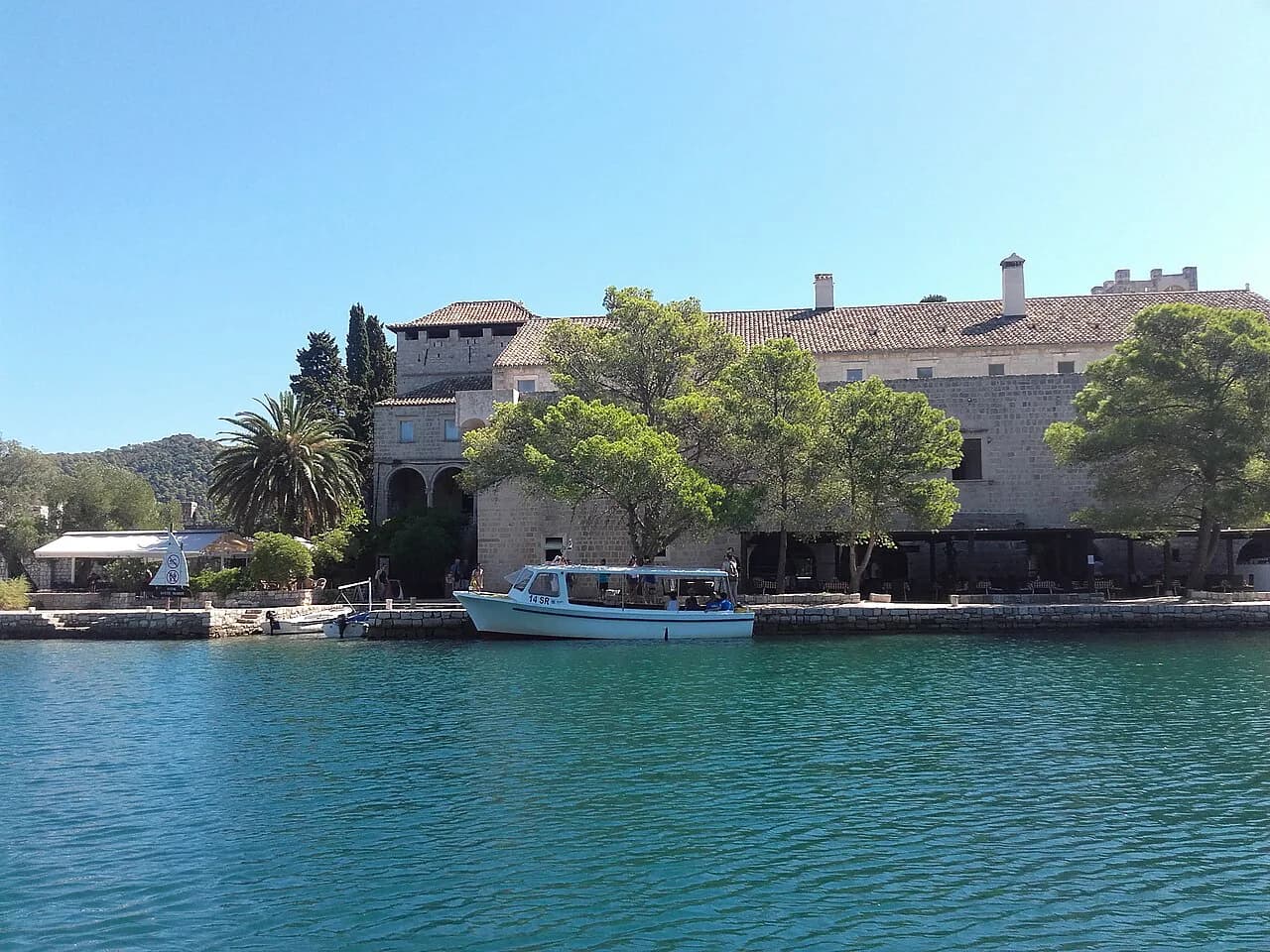
Mljet's National Park, with its saltwater lakes and forest, is the group's headline natural sight and justifies a full day on the island. Dubrovnik itself is the southern anchor: its walled Old Town, the Stradun and the cable car up Mount Srđ make it the obvious place to start or finish a southern route.
The trade-off is distance. This group sits furthest from Split, so hopping between Korčula and Mljet eats time; two islands, not four, is a realistic southern itinerary.
How long you need on the islands
Allow at least five days, and seven to ten if you can, for a Dalmatian island trip. Five to seven days comfortably covers southern Dalmatia; covering both the northern and southern halves calls for ten to fourteen days, because the north-south distance is the real constraint.
A practical shape is three or four nights in the Split group, then two or three in the Dubrovnik group, with Split as the pivot between them. Add the Zadar group only if you have the full fortnight, and count every crossing as half a day lost to packing and port transfers.
Getting there: catamarans and ferries from each port
Catamarans are the fast passenger option and ferries take vehicles, and which one you book decides where you can go. Zadar, Šibenik, Split and Dubrovnik each serve their own group, so stringing groups together usually means returning to a mainland port rather than hopping directly between islands.
Buses and ferries connect the main towns reliably, but timetables are seasonal, so book the crossing before the accommodation on popular routes. Treat a late-afternoon catamaran as your hard deadline rather than your plan for the day.
Getting around once you are on an island
A rental car gives the most flexibility on the mainland, and the same logic applies on the larger islands if you bring one across on a ferry. Without a car you rely on local buses and taxis between harbour and interior, which works best on the larger islands and is more limited on the smaller ones.
Foot passengers have the easier time of it: you walk off at the harbour and a short stay needs little more than legs and a bus. Drivers gain the remote coves but lose time at the ferry ramp in peak season, so decide which you value before booking the crossing type.
When to go: spring, summer, September and the bura
Late May to early June and mid-September to early October give the best balance: the sea is warm enough to swim and the crowds are thinner. Spring suits sightseeing and hiking, while autumn brings the grape harvest and falling accommodation prices.
July and August mean heat, higher prices and heavy crowds in Split and Dubrovnik, so book months ahead if you travel then. The bura, the cold northerly wind, can make even shoulder-season days genuinely cold; it is a typical feature of the climate, not something to plan around day by day.
By late September some seasonal businesses, especially beach bars and restaurants right on the shore, are already winding down. Treat late-season travel as quieter rather than guaranteed open, and favour larger harbour towns over small coastal villages after mid-September.
Cruise-ship days and what they do to the old towns
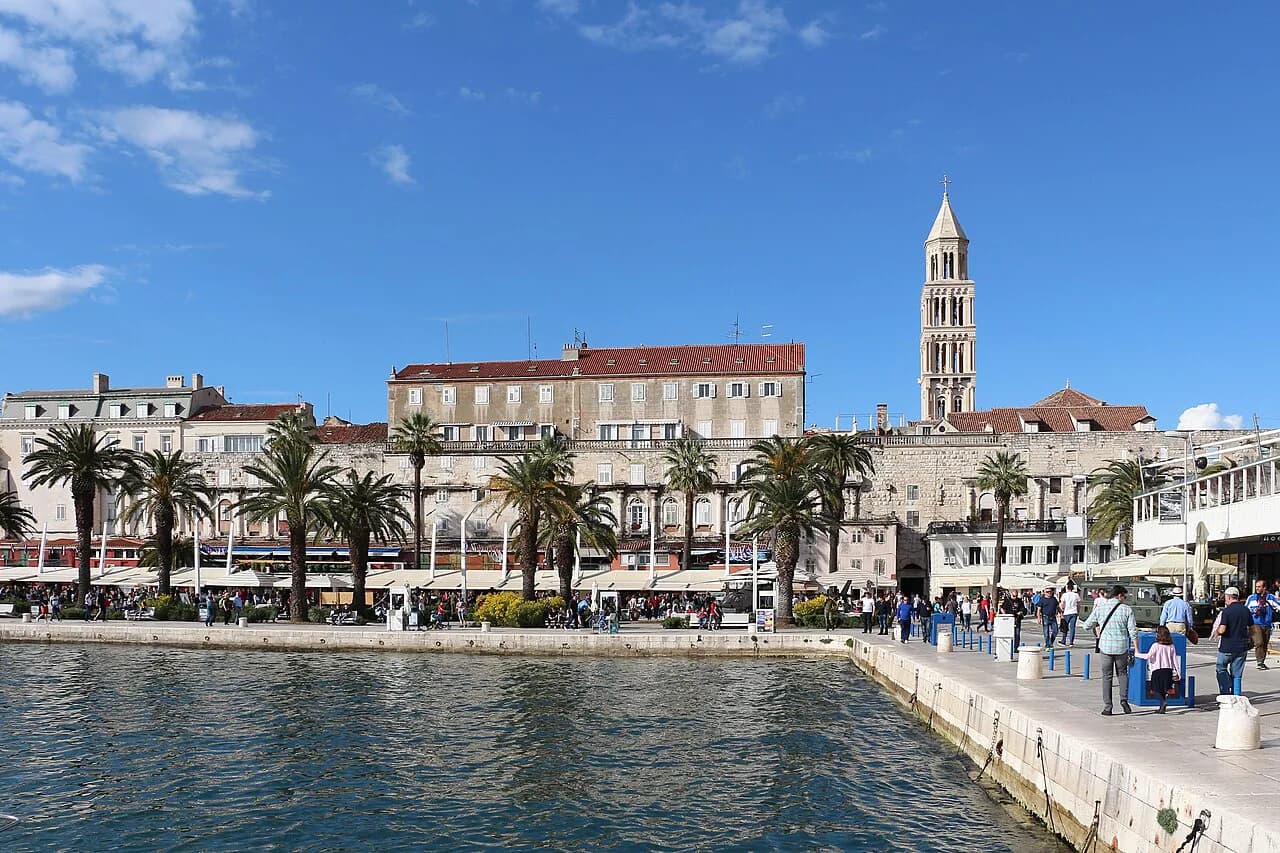
Split and Dubrovnik are the two old towns where a surge of day visitors is most felt, and timing changes the experience. Diocletian's Palace and the Stradun are busiest in the middle of the day and calmer in the early morning or evening, so plan your walking around those windows.
The island towns absorb visitors more gently, because Korčula's old town and Hvar's harbour are smaller. If you want the towns at their best, take the first ferry of the day and do your walking before midday.
What the islands cost in euros
Croatia prices in euros, and the summer months push costs up on the Split and Dubrovnik islands in particular. Autumn sees accommodation prices start to drop, which makes September and early October better value than the peak weeks.
Beyond accommodation, the big variables are crossings, National Park entry and car hire, and ferry companies and park authorities set these by season. Check the current fare and any park ticket when you book rather than budgeting from an old figure.
Mistakes first-timers make with island hopping
The most common error is booking islands by reputation rather than by ferry line, then discovering the two do not connect directly. Plan the route around one mainland port, then add the islands that port actually serves; mixing Zadar and Korčula in a week means long returns through Split.
The second is squeezing in too many stops. Five days covers southern Dalmatia well, while four islands in a week means most of it is spent at ferry ramps — two bases with day trips beats four one-night stays.
The third is overpacking the summer. July and August heat makes midday walking hard, so build in a harbour lunch and shift the sightseeing to morning and evening, the way the laganini pace of Dalmatian life already does. Check seasonal timetables before you commit to a tight connection.
Which island group should you book first?
Start with the Split group, using Split as your base and taking in Brač or Šolta for a short first trip, or Hvar and Vis if you have a week. Add the Dubrovnik group once you can give the trip ten days or more, because the distance south rewards a slower pace rather than a rushed one.
Choose the Zadar or Šibenik groups instead if quiet matters more than choice of crossings, and accept fewer catamarans in exchange for emptier harbours. Whichever you pick, book the crossing type to match your luggage, not just your budget. For the practical details, see the best islands in Croatia.
Explore more Croatia guides
Frequently Asked Questions
What part of Croatia is the Dalmatian Coast?
Dalmatia is one of Croatia's four historic regions and covers the Adriatic coast from Zadar down to Dubrovnik, plus the offshore islands such as Hvar, Brač and Korčula. It is the southern coastal strip of the country, distinct from Istria in the north-west and the Kvarner Gulf.
Do you need a car to visit the Dalmatian islands?
No. Catamarans carry foot passengers, and local buses cover the larger islands. A car helps on the bigger islands and the mainland but commits you to car ferries, which are slower and need booking earlier in summer.
Is September a good time for the Dalmatian islands?
September into early October is one of the best windows: the sea is still warm, the crowds thin out and accommodation prices fall. Some shoreline businesses start winding down late in the month, so favour larger harbour towns and expect a quieter rather than guaranteed-open scene.
Sources
Notes from the Croatian coast
Optional updates when our guides change.
You might also like
Continue reading
More guides you'll find useful