Lastovo: Croatia's Remote Island and How to Get There
Lastovo is a remote Croatian island reached by ferry or catamaran. Discover its villages, Nature Park and how long to allow for the journey.
On this page
Lastovo is worth visiting precisely because it is hard to reach, and most travellers should allow at least three nights so the journey does not swallow the stay. The island sits in southern Dalmatia, in Dubrovnik-Neretva County, and its surrounding archipelago was declared a Nature Park in 2006, which keeps development thin and the pace slow. This guide covers what the island is like, how the ferry and catamaran routes work, where the villages sit and how long to give it.
The remoteness shapes everything. Arrival depends on a limited timetable, so a short break can lose a day at each end, while a longer stay settles into the island's rhythm of small harbours, hill walks and quiet evenings. Plan the trip around the boat times rather than around a checklist of sights.
What Lastovo is and why it feels remote
Lastovo is a small, hilly island with a single main town and a scatter of hamlets, most of them tiny and strung along the coast or tucked into the interior. There is no big resort strip, few day-trippers bother, and those who do come tend to stay.
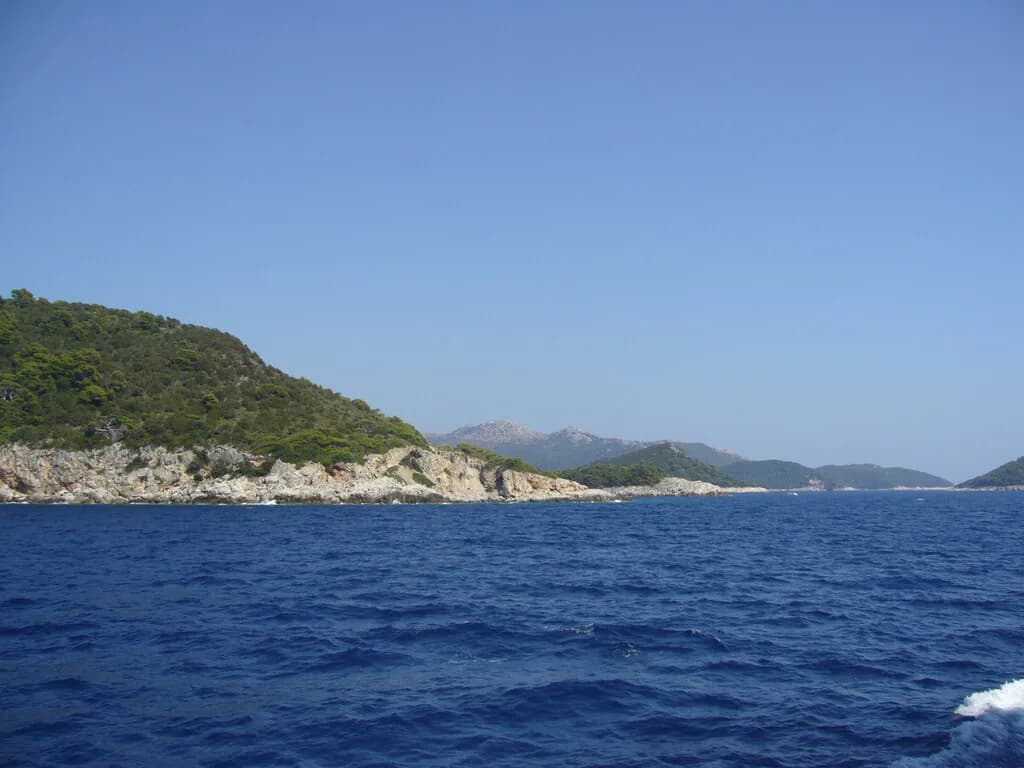
The municipality is unusually scattered, covering dozens of islands and islets rather than one landmass, and the protected archipelago around Lastovo is the reason the coast still looks largely untouched. Expect dry stone walls, scrub, pine and a very small population spread across the settlements.
Practically, this means you should not arrive expecting a menu of attractions. The appeal is the landscape, the architecture of Lastovo town and the sense of having left the crowded coast behind. If you want nightlife, big beaches and hourly boats, another island in the best islands in Croatia will suit you better.
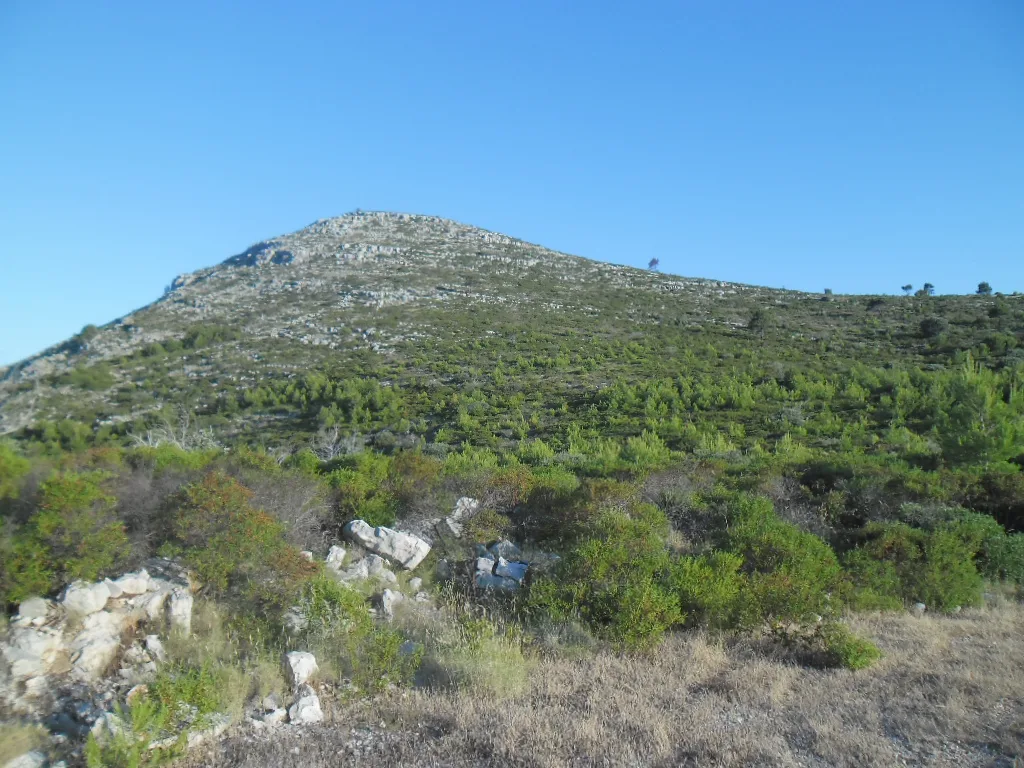
Where Lastovo sits in southern Dalmatia and how the archipelago is protected
Lastovo lies south of the Pelješac peninsula and west of Mljet, far enough offshore that the crossing is a genuine sea passage rather than a quick hop. The nearest mainland points of departure are Split to the north-west and Dubrovnik to the east, which is why the route you choose effectively decides how the trip feels.
Do you need a car on Lastovo? Not strictly, but a car makes the outlying villages much easier to reach, at the cost of paying to bring it on the ferry and driving narrow roads. Without one you rely on limited local transport, taxis arranged ahead and walking, which suits a base near Lastovo town better than a scattered itinerary.
Can you visit Lastovo as a day trip? It is impractical. The crossings take hours in each direction, and the return sailing may not fit a single day, so you would see very little.
What should you bring to Lastovo? Bring cash in euros for small places, your own bike if you plan to cycle, and anything you rely on for a specific diet or medicine, since the island's shops are small. Pack for wind as well as sun, because the bura can change the day quickly.
The Lastovo Archipelago Nature Park protects the sea and islands around Lastovo, which restricts building and fishing and keeps the water clear. In practice you will notice it in the absence of large hotels and in the rules that apply on the water and along the shore. Treat the park as a working protection area rather than a visitor attraction with a gate.
If you are used to Croatia's national parks, the scale here is different: this is a Nature Park covering a whole archipelago, with protection spread across many small islands rather than concentrated in one ticketed site. Like other Croatian protected marine areas, the park's rules are framed around keeping the water and shore intact rather than around a single visitor gate.
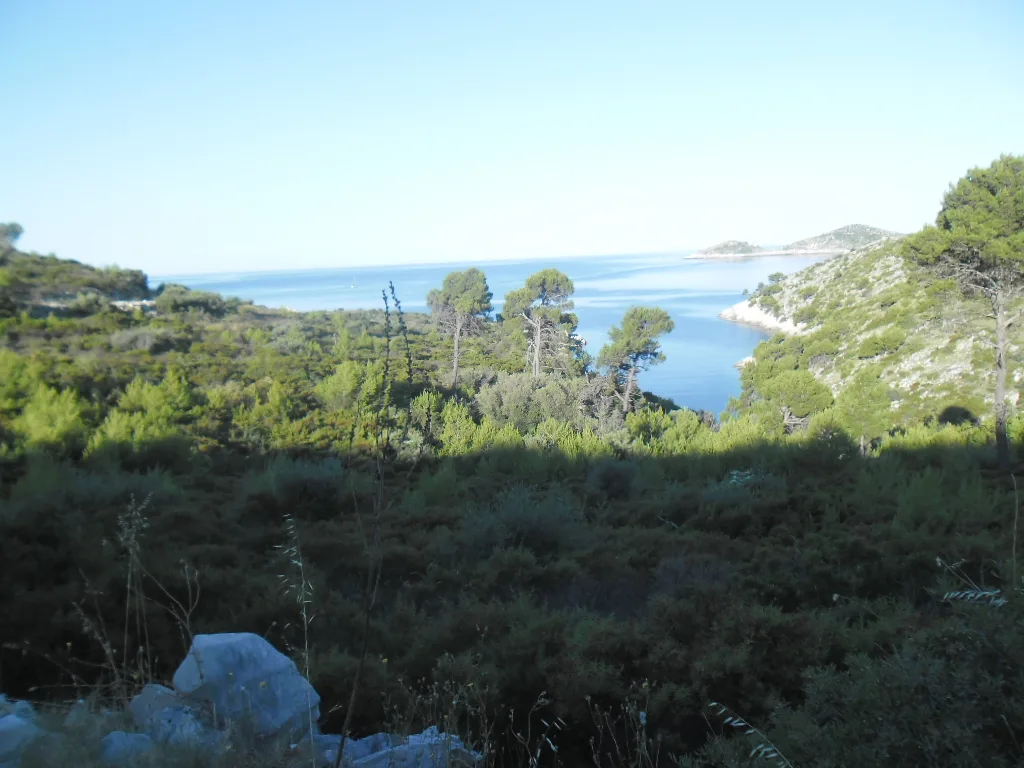
Getting there: ferry and catamaran routes from Split and Dubrovnik
The journey is long whichever way you go. In 2025 the route from Split involves two ferries and took about five hours, while a catamaran from Dubrovnik takes about three hours but runs to a limited timetable, so a missed boat can cost a whole day.
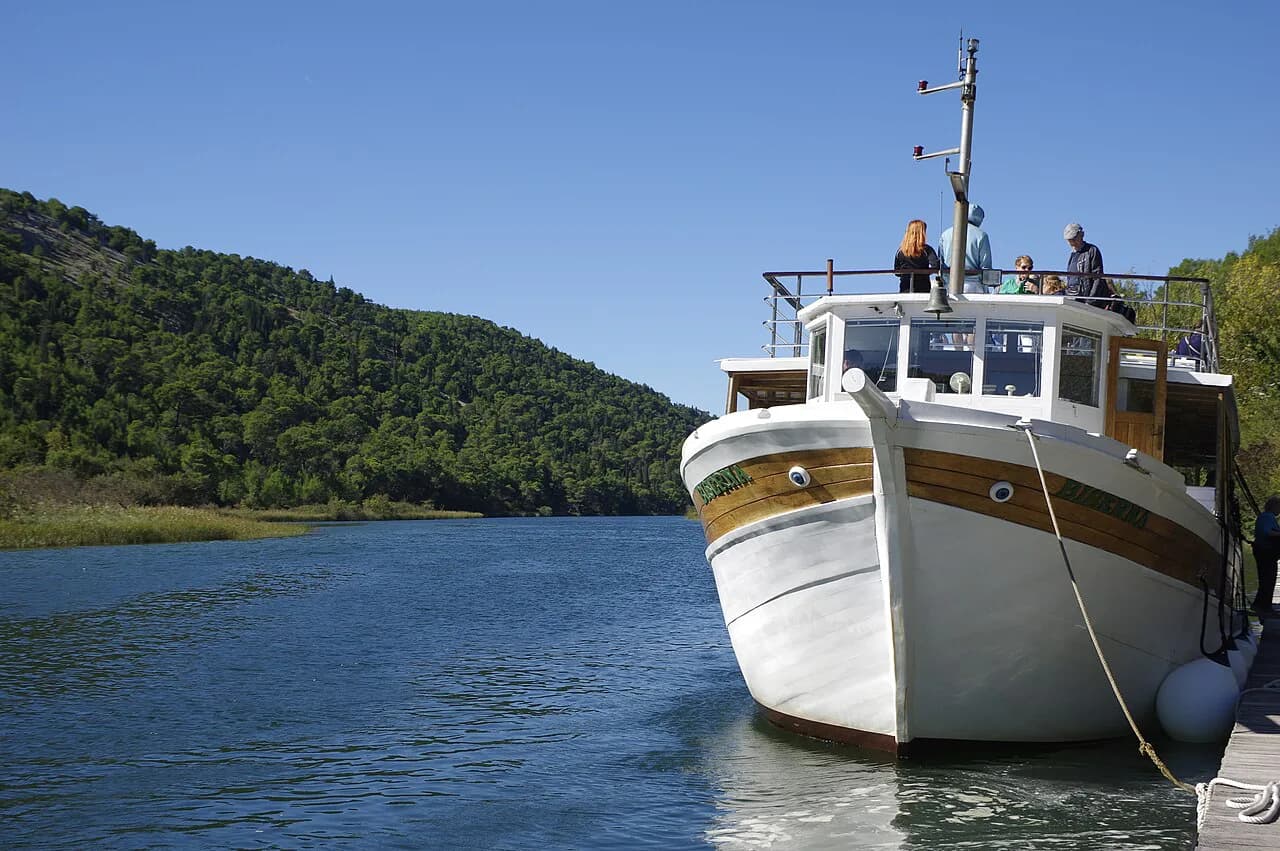
Ferries and catamarans are different services, and the car ferry and the fast passenger catamaran are not interchangeable: the car ferry is the one that matters if you want to bring a vehicle. Confirm which operator runs your sailing before you build a plan around it.
Do not assume a daily year-round service. Sailing frequency tightens outside the summer months, and the fast catamaran is the more seasonal of the two. The reliable approach is to check the Jadrolinija timetable for your dates before booking anything else, since accommodation and connections hinge on the boat.
Allow for the transfer at the island end as well. Boats do not all arrive at the same place, and the harbour where you land may not be the village where you are staying, so plan the last leg before you travel rather than on arrival.
Lastovo town: the chimneys, the streets and the walk up to Glavica
Lastovo town is the island's centre and its most distinctive sight. The old houses are packed tightly on a hillside and topped with unusual chimney stacks, a local architectural signature you will not see replicated across Dalmatia. Wander the lanes slowly; the pleasure is in the details of the stonework and the roofscape rather than in any single monument.
Above the town, the walk up to Glavica gives the wide view over the roofs and out to sea that makes sense of the island's layout. It is a short climb rather than a hike, and it is best done early or late in the day when the light is softer and the heat less punishing.
There is no need to schedule the town as a half-day block. It works best as a place you pass through repeatedly, for coffee in the morning and a slow circuit in the evening, with the Glavica climb fitted in whenever the mood and the weather suit.
The villages: Lučica, Skrivena Luka, Zaklopatica, Hum and Passador
Each of the island's small settlements has a different job, and knowing which is which saves a lot of aimless driving. Lučica is the little harbour close to Lastovo town, a cluster of stone houses around the water that fills up when the boats come in. Skrivena Luka is the sheltered bay on the southern side, the island's calm anchorage and a place to sit out a windy day.
Zaklopatica sits on the north coast and works as a small harbour base with a view across to the open sea. Hum, in the interior, is the island's highest settlement, a handful of houses in a landscape of fields and dry stone walls. Passador, on the eastern side, is the quietest of the group, reached by a narrow road and largely left to its own devices.
The practical upshot is that you should choose a base according to how you want to spend the evenings. A stay near Lastovo town gives you the most choice for eating and walking, while the outlying hamlets trade convenience for silence. Beaches are small, rocky or pebbly and best treated as somewhere to swim for an hour rather than a destination in themselves.
The Lastovo Archipelago Nature Park: what it covers and how to respect it
The Nature Park takes in the sea and the surrounding islands, not just the land you walk on, so its protections follow you onto the water. If you arrive by your own boat, treat the park as a working protection area and keep your speed low in sheltered coves and your impact on the seabed minimal.
On land, the simple principle is to stay on marked paths and leave the vegetation and wildlife alone. The archipelago's value lies in its relative emptiness, and the small scale of the place means small impacts add up quickly. Carry out everything you bring in.
If you want context on how Croatia's protected areas are run and what a park ticket typically covers, the national parks elsewhere set the pattern. Mljet, the nearest National Park to the east, publishes its ticket arrangements in detail, including what a single entry includes and how island and boat visits are priced separately.
Getting around the island without a car
A car makes the villages far easier to reach, but it also means paying to bring it on the ferry and living with narrow roads. Without one, the distances are modest, though the hills make walking between settlements slower than the map suggests.
Cycling is a reasonable compromise for confident riders, since the roads are quiet and the gradients, while real, are short. Bring your own bike if you can, as rental options on an island this small are not something to count on. For longer stays, mixing walking with an arranged lift for the furthest villages covers most of what you will want to see.
Whatever your mode, plan around the ferry rather than around the island. The day you arrive and the day you leave will be shaped by the boat timetable, so keep those days light and put the Glavica climb and the village circuit in the middle of the stay.
How long to stay and how the journey time shapes a visit
Three to four nights is the sensible minimum. Two nights gives you barely one full day once the crossings are counted, and on a route that takes about five hours from Split, that is a poor return. A longer stay of a week suits travellers who want to swim, walk and do very little else.
The trade-off is obvious: Lastovo's quiet is bought with time and with rigidity about dates. If you only have a few days in Dalmatia, choose an island that is quicker to reach and save Lastovo for a trip where the journey is part of the plan. If you have a week, the remoteness pays you back.
When to go: crowds, the bura wind and seasonal ferries
Summer brings the warmest sea along with the island's busiest weeks. Late spring and early autumn are the sweet spot for walking, with comfortable temperatures and far fewer people, but the boat timetable narrows at the edges of the season. Winter crossings are sparse, and many places close.
The bura, the cold north-easterly wind, can blow hard in Dalmatia and is worth taking seriously on an island this exposed. It can make the sea rough and interrupt catamaran sailings, particularly in the cooler months. Build a spare day into your plans at the end of the trip if a fixed flight home follows the crossing.
Because the boat is the constraint, check the current Jadrolinija timetable for the exact weeks you plan to travel before committing to flights or accommodation. Sailing days, not just times, vary through the year. When you have your dates, the best islands in Croatia will help you weigh Lastovo against quicker options.
Is Lastovo worth the crossing?
Yes, if you can give it three nights or more and you want somewhere that feels genuinely cut off. The chimneys of Lastovo town, the climb to Glavica and the small harbours at Lučica and Skrivena Luka are the reasons to go, and they reward unhurried time rather than a rushed itinerary.
No, if your trip is short or your dates are fixed around a flight. In that case the ferry timetable will dictate your holiday and the two crossings will eat the best part of two days. Choose a closer island, and keep Lastovo for the trip where the journey itself is the point.
Explore more Croatia guides
Frequently Asked Questions
Do you need a car on Lastovo?
Not strictly, but a car makes the outlying villages much easier to reach, at the cost of paying to bring it on the ferry and driving narrow roads. Without one you rely on limited local transport, taxis arranged ahead and walking, which suits a base near Lastovo town better than a scattered itinerary.
Can you visit Lastovo as a day trip?
It is impractical. The crossings take hours in each direction, and the return sailing may not fit a single day, so you would see very little. Treat Lastovo as a place to stay for several nights rather than a stop to tick off.
What should you bring to Lastovo?
Bring cash in euros for small places, your own bike if you plan to cycle, and anything you rely on for a specific diet or medicine, since the island's shops are small. Pack for wind as well as sun, because the bura can change the day quickly.
Sources
Notes from the Croatian coast
Optional updates when our guides change.
You might also like
Continue reading
More guides you'll find useful