10 Days in Croatia: A Day-by-Day Itinerary with Islands
A practical 10-day Croatia plan linking Dubrovnik, Korčula, Hvar, Split and Plitvice Lakes, with ferry crossings and a Dubrovnik-to-Zagreb open-jaw route.
On this page
Ten days gives you a realistic southern-to-northern run across ten nights: two in Dubrovnik, two on Korčula, one on Hvar, two in Split, one beside the Plitvice Lakes and two in Zagreb before the flight home. The key decision is the flight: book into Dubrovnik and out of Zagreb, or the reverse, so no day is spent retracing the coast. This plan sets out where the nights fall, which crossings you need and what to cut if you would rather add Istria or Krka.
The shape of the trip follows the country's geography rather than a wish list. Dalmatia is a chain of coastal towns and islands joined by catamarans and ferries, while the lakes sit inland on the road to Zagreb, so the itinerary works best as a single line rather than a loop. If your dates are tighter, a shorter version of the same line is covered in the 7 days in Croatia plan.
The shape of the trip: open-jaw flights and where the nights fall
Split the ten nights as two in Dubrovnik, two on Korčula, one on Hvar, two in Split, one near the Plitvice Lakes and two in Zagreb before the flight home. That gives every island stop a full day without unpacking twice, and it keeps the long inland drive to a single leg. Flying into one city and out of the other is the single choice that makes the plan work.
The open-jaw approach is a common thread in published Croatia routes that begin in one city and end in another, which avoids spending a day doubling back along the coast. The trade-off is that open-jaw fares sometimes cost more than a return to the same airport, so compare both before booking and treat the difference as the price of an extra day. Croatia's 2023 switch to the euro means all of these costs are quoted in euros.
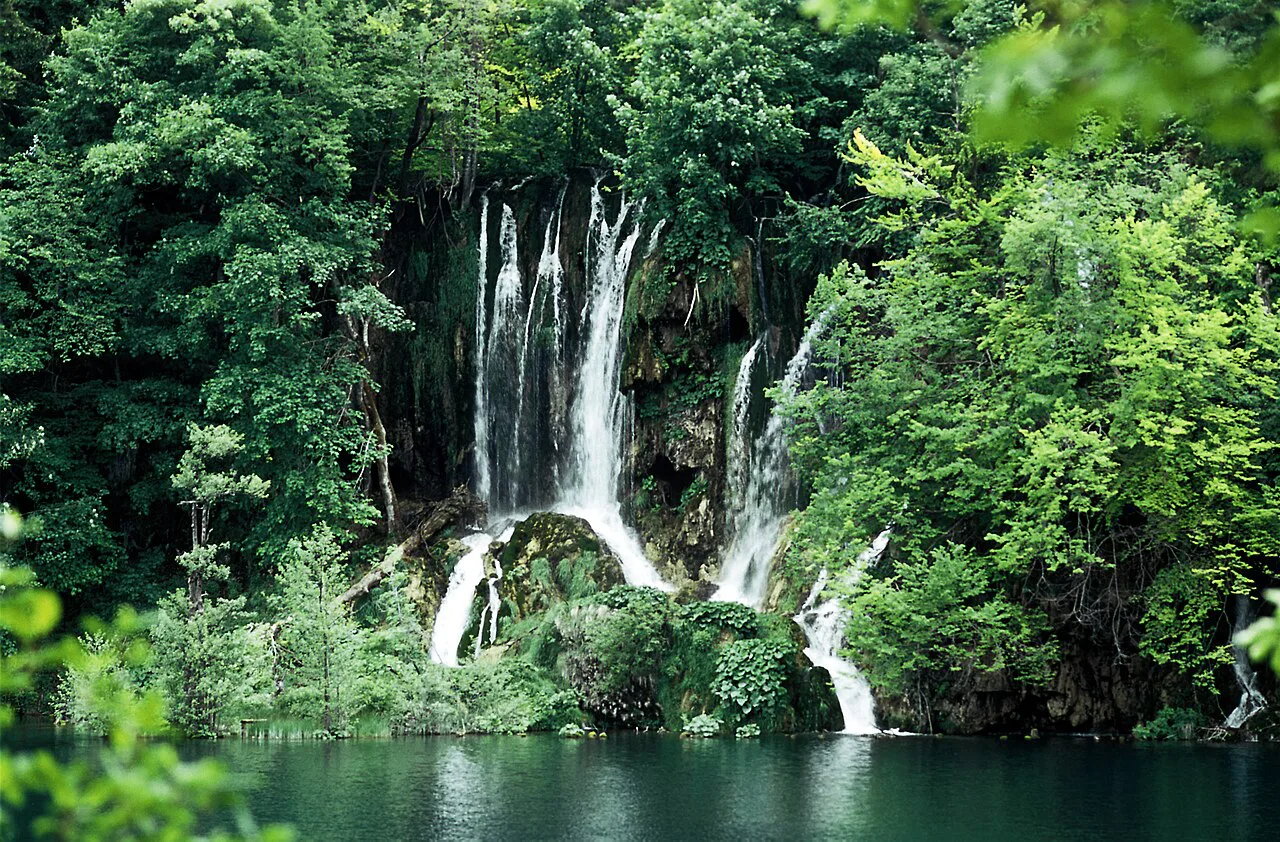
Days 1–2: Dubrovnik old town, the walls and Lokrum
Give Dubrovnik a full day inside the walls and a second day for a boat out to Lokrum, the wooded island a short hop from the old harbour. Walk the city walls early, before the day's heat and the tour groups build, then use the afternoon for the straits and back lanes. The Stradun and the harbour front are compact enough to cover on foot without a plan.
Is ten days enough for Croatia? Yes, for a first trip covering Dubrovnik, Korčula, Hvar, Split and the Plitvice Lakes. Ten days gives each stop a full day without constant repacking.
Do I need a car for a ten-day Croatia itinerary? Not for the coastal and island sections, where buses and catamarans work well. A car helps most for the Plitvice leg and for Pelješac, but it adds ferry charges and parking costs in Dubrovnik and Split.
Should I fly into Dubrovnik or Zagreb? Fly into Dubrovnik and home from Zagreb if you follow the southern-to-northern line, or the reverse. This open-jaw pattern avoids a wasted day backtracking along the coast; compare fares, as open-jaw tickets sometimes cost more than a return to one airport.
Cruise ships change the character of the old town, and it pays to treat their arrival as a scheduling problem rather than a reason to skip the city. Published advice suggests planning old-town activities early or late, and notes that ship passengers typically head back around 4pm, which leaves the evening noticeably calmer. Check the port's ship schedule for your dates and put the walls and Stradun on the quieter side of it.
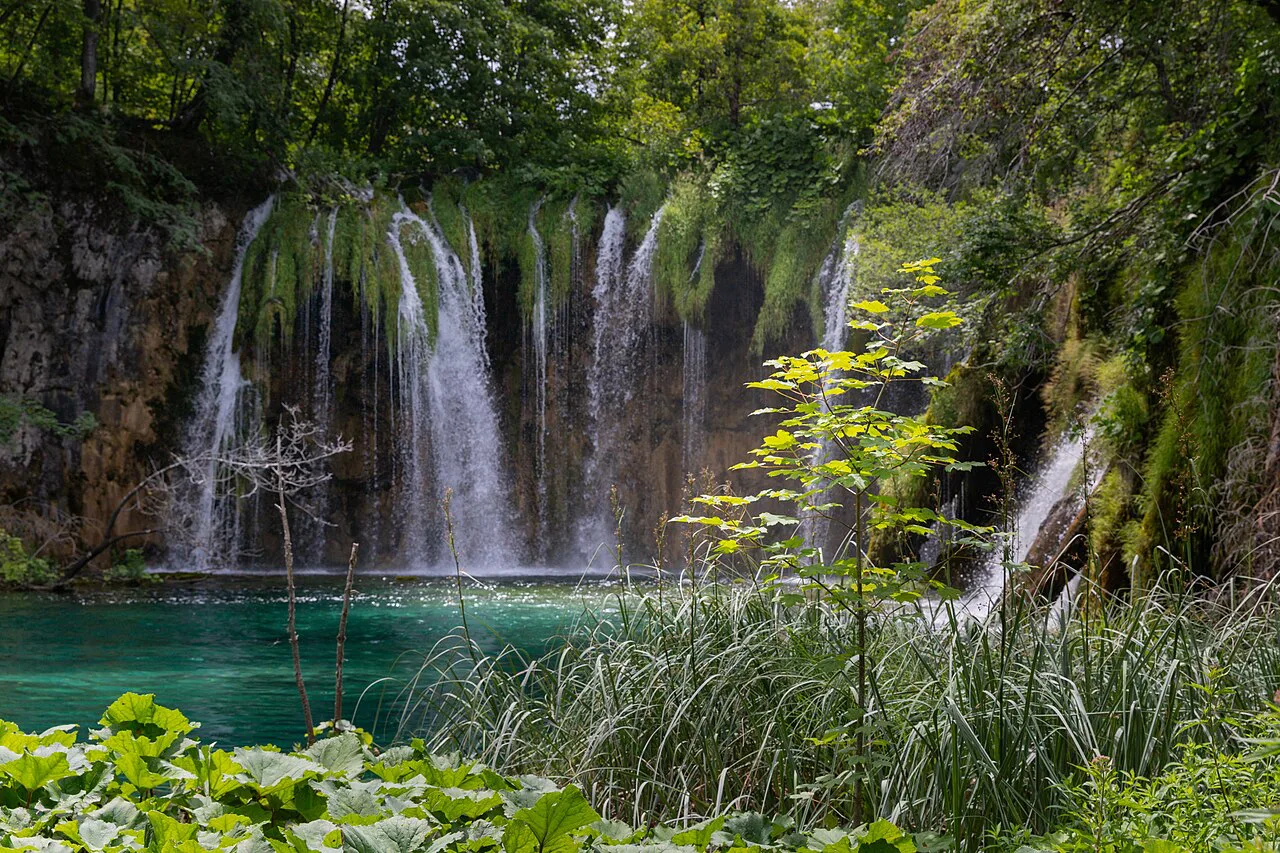
Day 3: Pelješac, Lokrum or a slower day out of Dubrovnik
Day three is the flexibility valve. You can take the road onto the Pelješac peninsula, spend the day on Lokrum, or keep Dubrovnik as a two-day city stop and leave earlier for Korčula. Pelješac adds a long drive in each direction, so it costs you a relaxed evening rather than a sight, and it makes most sense if you have a car.
If you want to see the coast by road rather than by catamaran, a Croatia road trip makes the Pelješac detour worthwhile, but only if you are comfortable with the extra hours at the wheel. Anyone travelling with their own vehicle should read the campervan notes on parking and ferry tickets before committing, because island crossings charge by vehicle length.
Days 4–5: ferry to Korčula and a second day on the island
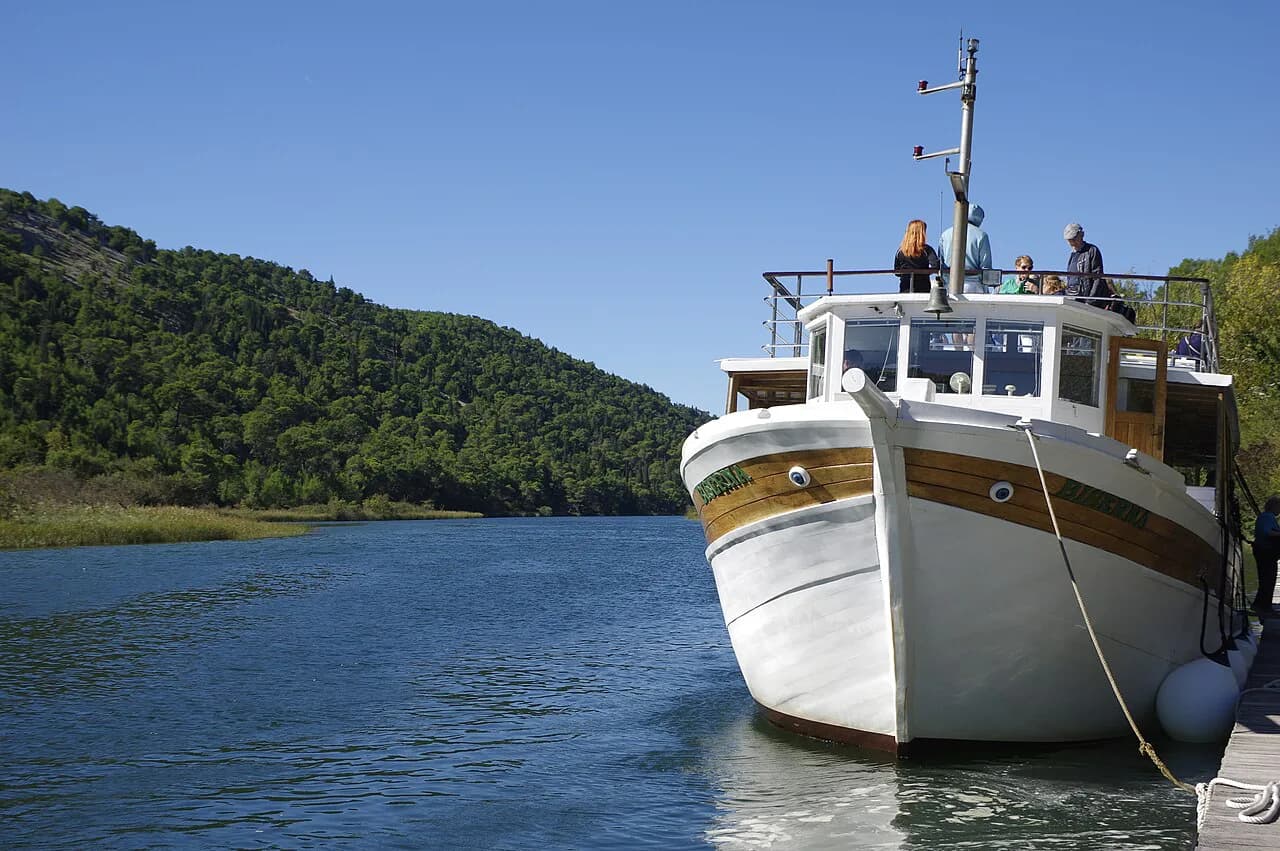
Take the catamaran or ferry from Dubrovnik to Korčula and give the island two nights. Korčula town is a small, walled peninsula of stone lanes and is easily covered in an afternoon, which frees the second day for the rest of the island. That second day is what separates a stop from a visit.
Korčula is known for the Lumbarda area and its white wines, so a morning looping through the villages by bike or car makes a good counterweight to the town. Ferries also link Korčula with Mljet, most of which is National Park, if you would rather trade a beach day for woodland and lakes. Keep the ferry times loose in your plan; Jadrolinija and the catamaran companies publish seasonal schedules, and crossing times vary through the year.
Day 6: catamaran to Hvar and an afternoon in Hvar Town
The crossing from Korčula to Hvar gives you one night and roughly one afternoon in Hvar Town. That is enough for the harbour, the stepped lanes below the fortress and a swim, but not for the island's far end or the beach at Zlatni Rat near Bol on Brač. Treat Hvar as a taste and decide whether it deserves more on a return trip.
Catamarans are the fast option between the islands, while car ferries take longer and land at different ports, so the choice affects where you sleep as much as how long you sit. That is where the second day on Korčula pays off: it absorbs a crossing that lands mid-afternoon. A fuller island sequence is set out in the wider Croatia itinerary.
Days 7–8: ferry to Split, Diocletian's Palace and the Riva
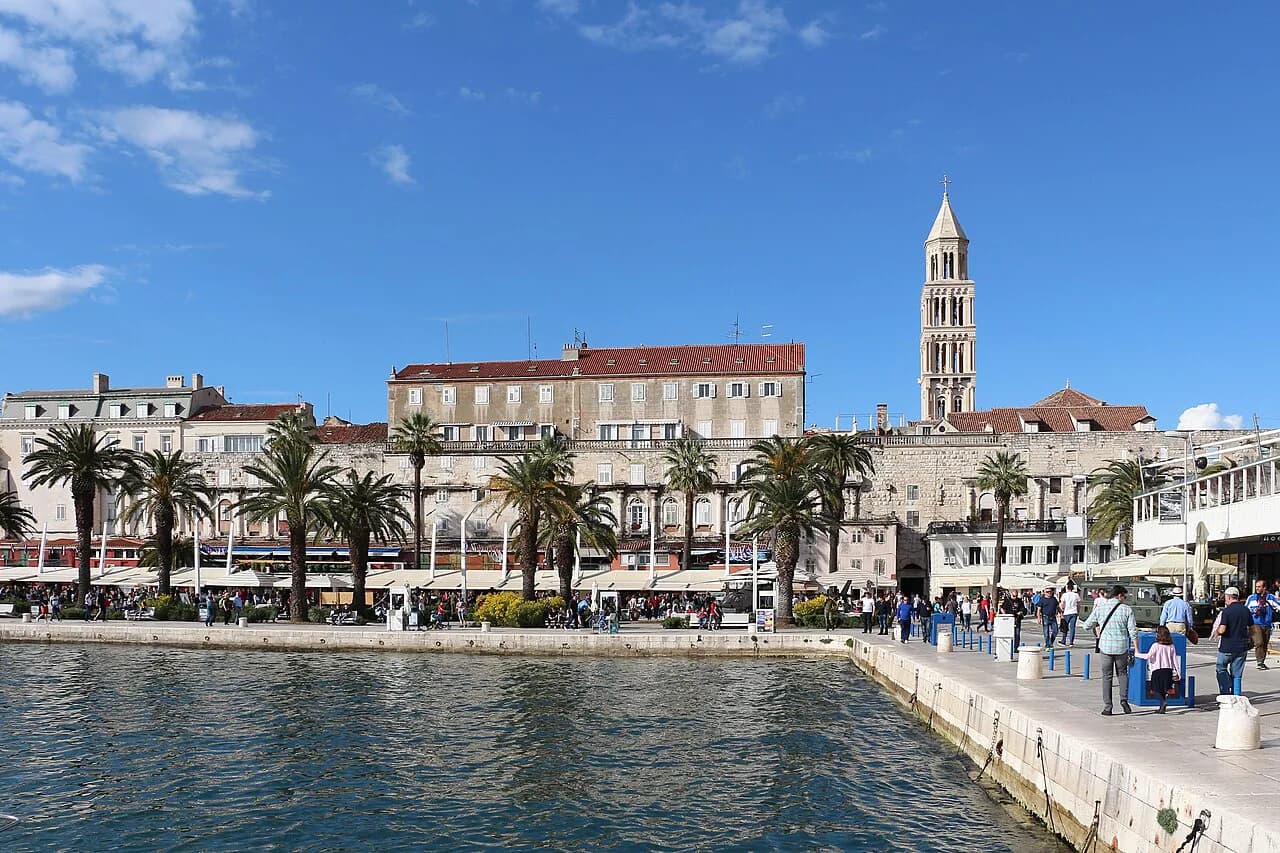
Sail from Hvar to Split and spend two nights, which is the right amount for the old town rather than a rushed afternoon. Diocletian's Palace is not a museum behind a ticket desk but a living quarter of lanes, cellars and squares, so the best approach is to wander it twice: once in the morning and once after dark. The Riva, Split's waterfront promenade, fills the rest of the day.
If the palace and the waterfront leave you wanting more of the city, the longer itinerary in the 2 weeks in Croatia guide shows how to add a second full day without disturbing the rest of the line. Otherwise, keep Split to two nights and save the daylight for the inland run that follows.
Day 9: the drive inland to Plitvice Lakes
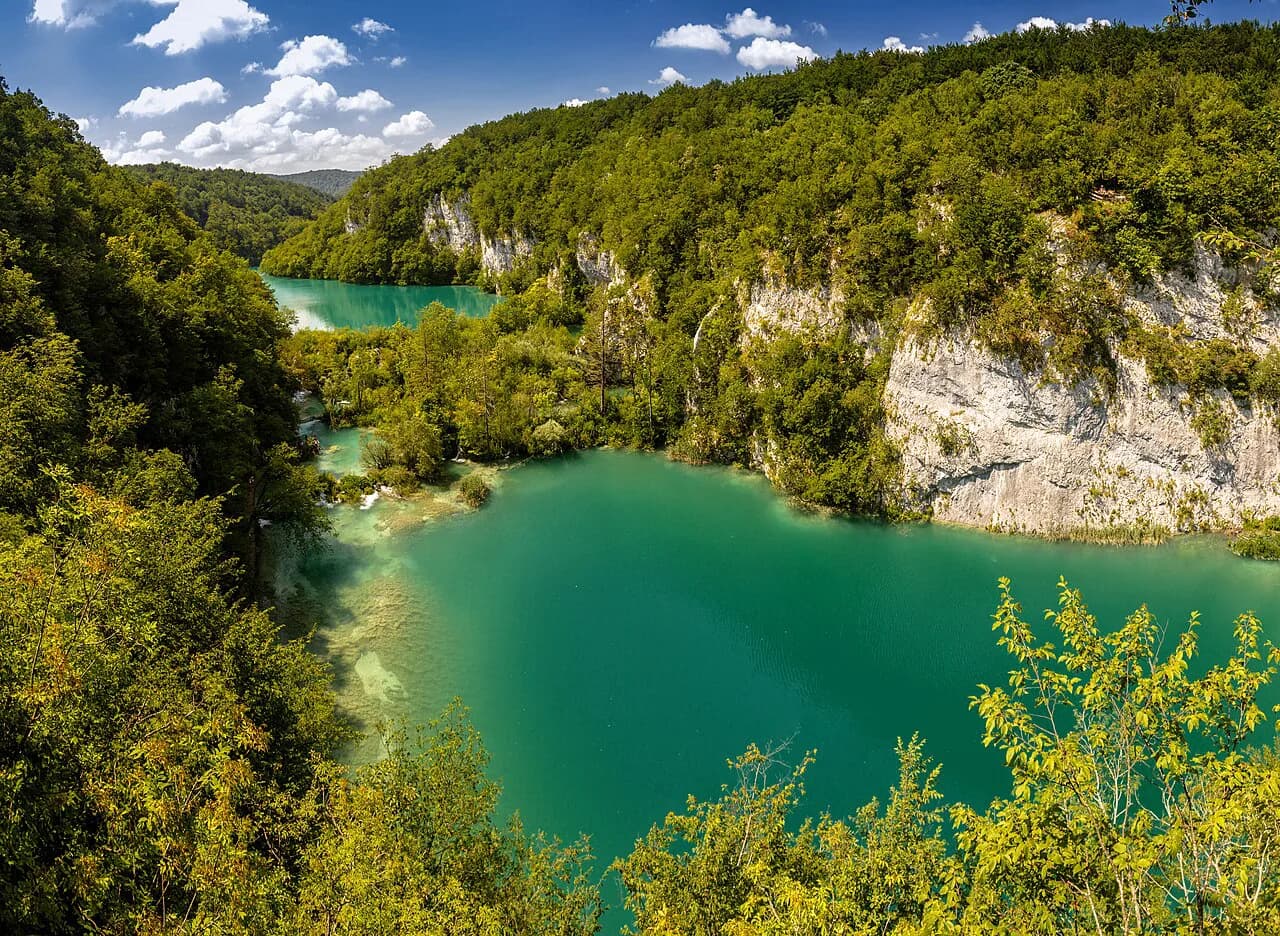
Drive or take the bus from Split to the Plitvice Lakes area and sleep nearby so you are at the park early the next morning. The transfer eats most of a day, and the park itself rewards an early start, so basing yourself close by is worth more than squeezing in one more coastal stop. A half-day in the park covers the Lower Lakes and the boardwalks; a full day adds the Upper Lakes.
Ticket categories and seasonal opening hours are set by the park authority, so treat the park's own booking page as the place to confirm the times and ticket type for your visit; peak-season dates can sell out, so book early where the park advises it. Plans for the park fit into the wider Croatia Itinerary alongside the coast.
Day 10: the onward run to Zagreb for the flight home
The final leg is the drive or bus from the lakes to Zagreb, which takes a morning and leaves an afternoon in the capital before an evening flight. If your flight leaves early, move to Zagreb the night before and skip the second park morning. Either way, ending in Zagreb rather than returning to Dubrovnik is what keeps the ten days from turning into a there-and-back.
Zagreb is a city of coffee culture and museums rather than a beach stop, so plan it as a soft landing: the centre is walkable and you can leave the car at the accommodation. If you are weighing a shorter version of this line, the 7 Days in Croatia guide shows what a week can and cannot hold.
Adding Istria or Krka — and what to drop
Istria sits in the north-west, close to Zagreb's airport side, and adding it to a ten-day line means dropping either Hvar or the Plitvice leg. Krka National Park is easier: it fits as a half-day from Split or Šibenik and costs you one of the Split nights. Be honest about which you would rather have — a third island or a second National Park.
The published one-week Croatia routes that include Istria generally cut the islands altogether, which tells you how much space the north-west takes up once you commit to it. If you go that way, treat it as a separate trip rather than a bolt-on. Otherwise keep the southern line intact and leave Istria for a second visit.
Getting between the stops: buses, cars and island ferries
Long-distance buses serve Zagreb, Split and Dubrovnik and are one of the cheaper ways to make the inland run if you are travelling without a car. A hire car gives you the lakes and Pelješac on your own timing but adds parking and ferry charges, and it is a liability in Dubrovnik's old town, where you cannot drive inside the walls.
Island crossings are run by Jadrolinija, the state ferry company, alongside fast catamaran operators such as Krilo and TP Line. Car ferries and passenger catamarans can leave from different terminals, so check the port and Jadrolinija's or Krilo's and TP Line's own timetables rather than just the company name. Booking ahead matters most in July and August, when afternoon sailings fill.
When to go: crowds, cruise ships and the bura
June and September give you warm sea and shorter queues than July and August, and the shoulder months also make the Plitvice boardwalks calmer. Dubrovnik's cruise-ship days are the main crowd variable, and the port schedule lets you plan around them rather than guess. The bura, the cold north wind, can disrupt ferry sailings, so build slack into any island crossing.
If your dates are fixed to peak summer, put the islands mid-week and the cities at weekends, when domestic visitors head home. The open-jaw flight pattern also means you are never racing a same-day return. That flexibility is worth more than any single sight.
What ten days costs in euros
The big-ticket items are the flights, the Plitvice entry, the car hire and the ferry or catamaran tickets, with accommodation the single largest line. Croatia has used the euro since 2023, so you can budget in euros without converting from kuna. Prices for park entry and ferry tickets are published by the park authority and the ferry companies, so check those before you commit.
On the ground, Dubrovnik and Hvar Town charge the most for food, drink and parking, while inland stops such as the lakes and Zagreb are noticeably cheaper. A ten-day trip with two people sharing a car usually beats two people on separate ferry and bus tickets, once the ferry charges for the vehicle are counted. Keep a small cash reserve for markets and rural konobas.
If you only have a week, or want Montenegro and Bosnia too
A week is enough for Dubrovnik, Korčula, Hvar and Split if you cut the Plitvice leg and fly out of Split. Adding Montenegro or Bosnia to a ten-day frame means dropping an island, because the border crossings eat a full day each and the coast deserves more than a drive-past. A 10-day road-trip report that includes Montenegro, Bosnia and Slovenia shows how much of the time goes to the borders.
A week-long Croatia itinerary that runs from Zagreb to Dubrovnik by bus and ferry shows how much of the country a tight frame can hold, but it also shows how little time remains for the islands. If you want both countries, build a separate trip rather than squeezing them into ten days.
How many days Croatia actually needs
Ten days is the sweet spot for a first visit that combines Dalmatia with the Plitvice Lakes. Nine days works if you skip one island, and a fortnight lets you add Istria or a second National Park without cutting anything. Anything less than a week turns the trip into a series of transfers.
Croatia is long and thin, so distance is measured in ferry hours as much as kilometres. A ten-day plan with two islands and one National Park is ambitious but doable; add a third island and you spend your holiday in transit. The open-jaw flight is the single biggest time-saver in the whole plan.
Which version of the ten days suits you?
If this is your first visit, book the Dubrovnik-to-Zagreb line and keep it: two nights in Dubrovnik, two on Korčula, one on Hvar, two in Split, one at the lakes and two in Zagreb. If you want Istria, drop Hvar and the lakes rather than trying to have both. The deciding factor is not fitness but how much you value slow mornings over a longer list of places.
Frequently Asked Questions
Is ten days enough for Croatia?
Yes, for a first trip covering Dubrovnik, Korčula, Hvar, Split and the Plitvice Lakes. Ten days gives each stop a full day without constant repacking. A fortnight is needed if you also want Istria or Krka, or a second National Park.
Do I need a car for a ten-day Croatia itinerary?
Not for the coastal and island sections, where buses and catamarans work well. A car helps most for the Plitvice leg and for Pelješac, but it adds ferry charges and parking costs in Dubrovnik and Split.
Should I fly into Dubrovnik or Zagreb?
Fly into Dubrovnik and home from Zagreb if you follow the southern-to-northern line, or the reverse. This open-jaw pattern avoids a wasted day backtracking along the coast; compare fares, as open-jaw tickets sometimes cost more than a return to one airport.
What language do they speak in Croatia?
Croatian is the official language. English is widely spoken in hotels, ferry terminals and restaurants along the coast, and in Zagreb, so a phrasebook is a courtesy rather than a necessity.
Sources
Notes from the Croatian coast
Optional updates when our guides change.
You might also like
Continue reading
More guides you'll find useful