Vransko Lake, Croatia: Plan Your Visit and Boat Trips
Plan a visit to Vransko Lake Nature Park: the Crkvine, Kamenjak and Prosika entrances, the ornithological reserve, boat trips and how long to allow.
On this page
Vransko Lake is Croatia's largest lake, a designated Nature Park and protected reserve lying just inland from the Dalmatian coast between Zadar and Šibenik. Allow half a day for one entrance, or a full day if you want to combine the Crkvine reserve with the Kamenjak climb. This guide separates the three entrances, explains the birding, cycling and boat options and sets out how to reach the park by car.
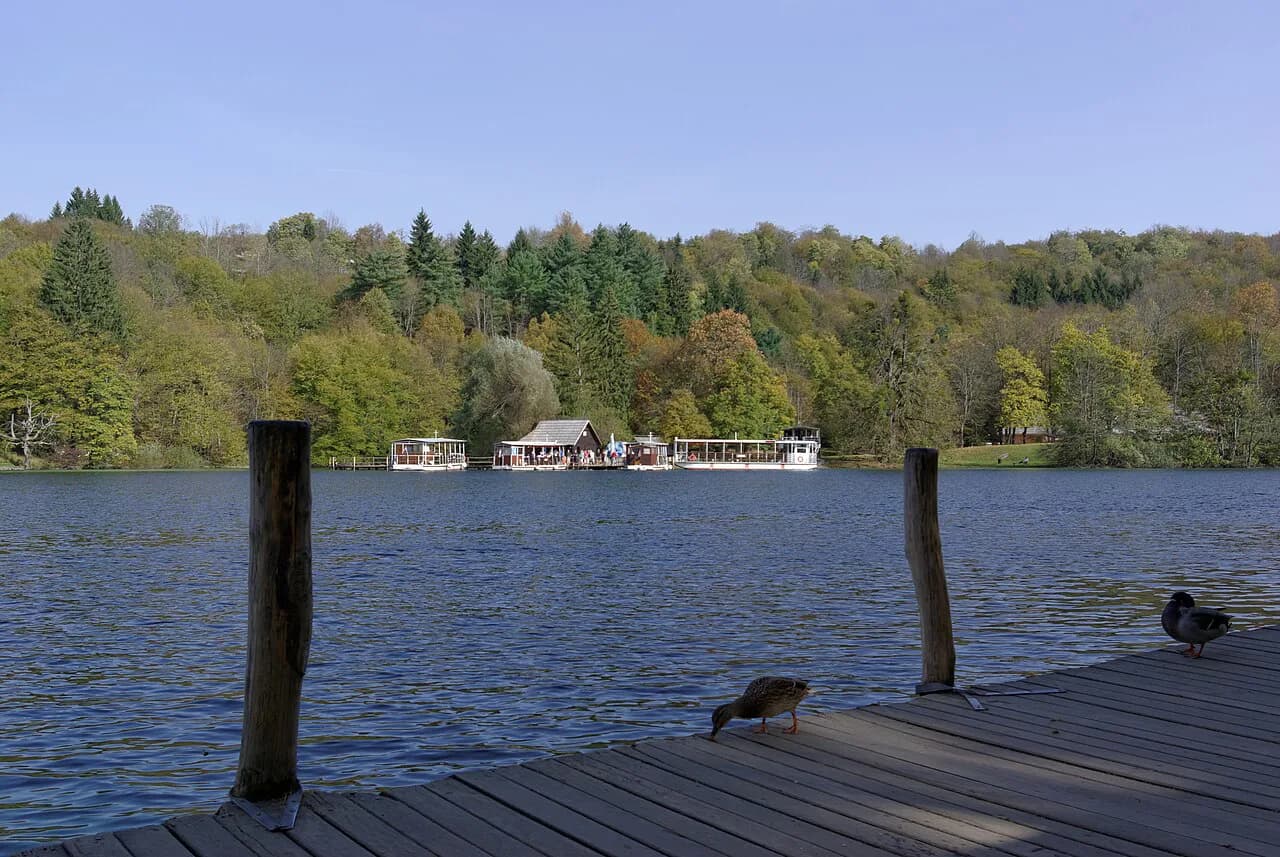
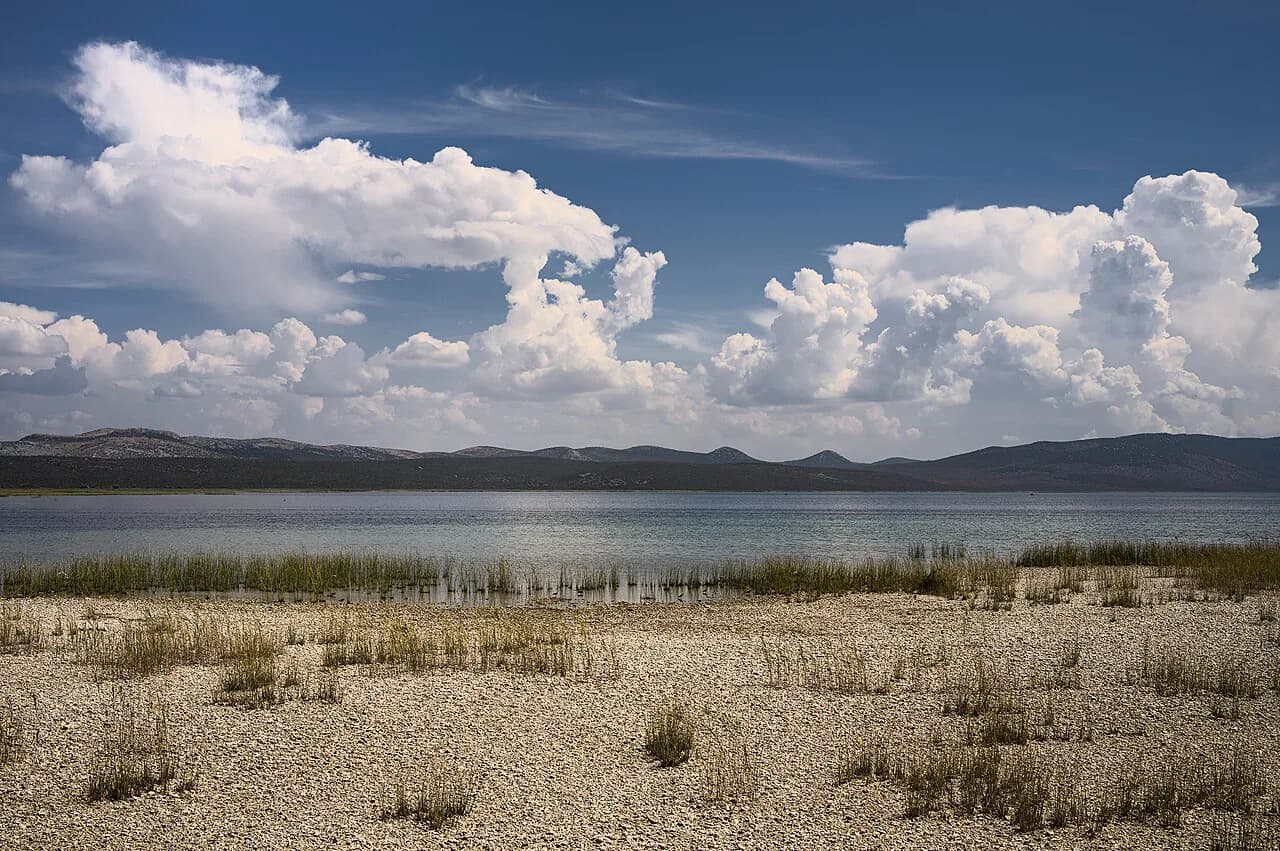
The park is shallow, fed partly by inflowing sea water and ringed by reeds, farmland and low limestone ridges. It is a place to walk, cycle, watch birds and drift on an electric boat rather than a swimming stop, and its water level shifts through the year, which affects what runs. The park authority, the public institution based in Biograd na Moru, manages the entrances, trails and tickets.
Where Vransko Lake sits between Zadar and Šibenik
The lake stretches over roughly 57 square kilometres, close to the coast and a short drive from the resort village of Pakoštane. The nearest practical base is Biograd na Moru, which also holds the park's headquarters and its multimedia centre. The park fits naturally into a drive along this stretch of the Dalmatian coast; for the wider picture of Croatia's protected areas, see our guide to Croatia's National Parks and, further south, Kornati National Park.
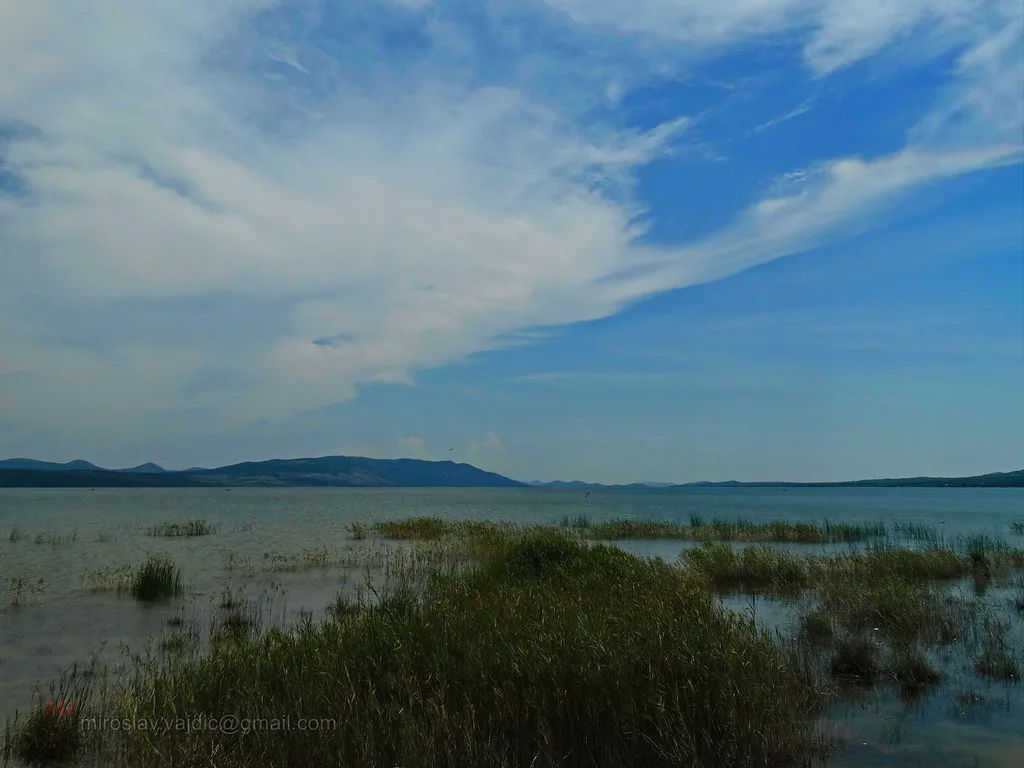
The park is not a single gated site but a spread of land around a long body of water, entered at Crkvine in the north-west, Kamenjak on the ridge above the eastern shore and Prosika in the far south. Choosing the wrong entrance can mean a long drive around the lake, so decide what you want to do first and pick the gate that matches.
The three entrances and which one suits your visit
Crkvine sits in the north-western part of the park, at the edge of the ornithological reserve, and suits birdwatchers and families who want flat ground and the campground close by. Kamenjak is the ridge entrance near the park's highest point, Štandarac at 303 metres, and rewards the climb with the park's most attractive viewpoint. Prosika, in the southernmost part of the park, has a harbour and a visitor information centre, making it the natural choice if you are approaching from that end or arriving by boat.
If you only have time for one stop and no strong preference, Kamenjak gives the clearest sense of the lake's scale, while Crkvine gives the closest look at the birds. Budget a couple of hours for either, plus travel between them.
Crkvine: the ornithological reserve and the north-western gateway
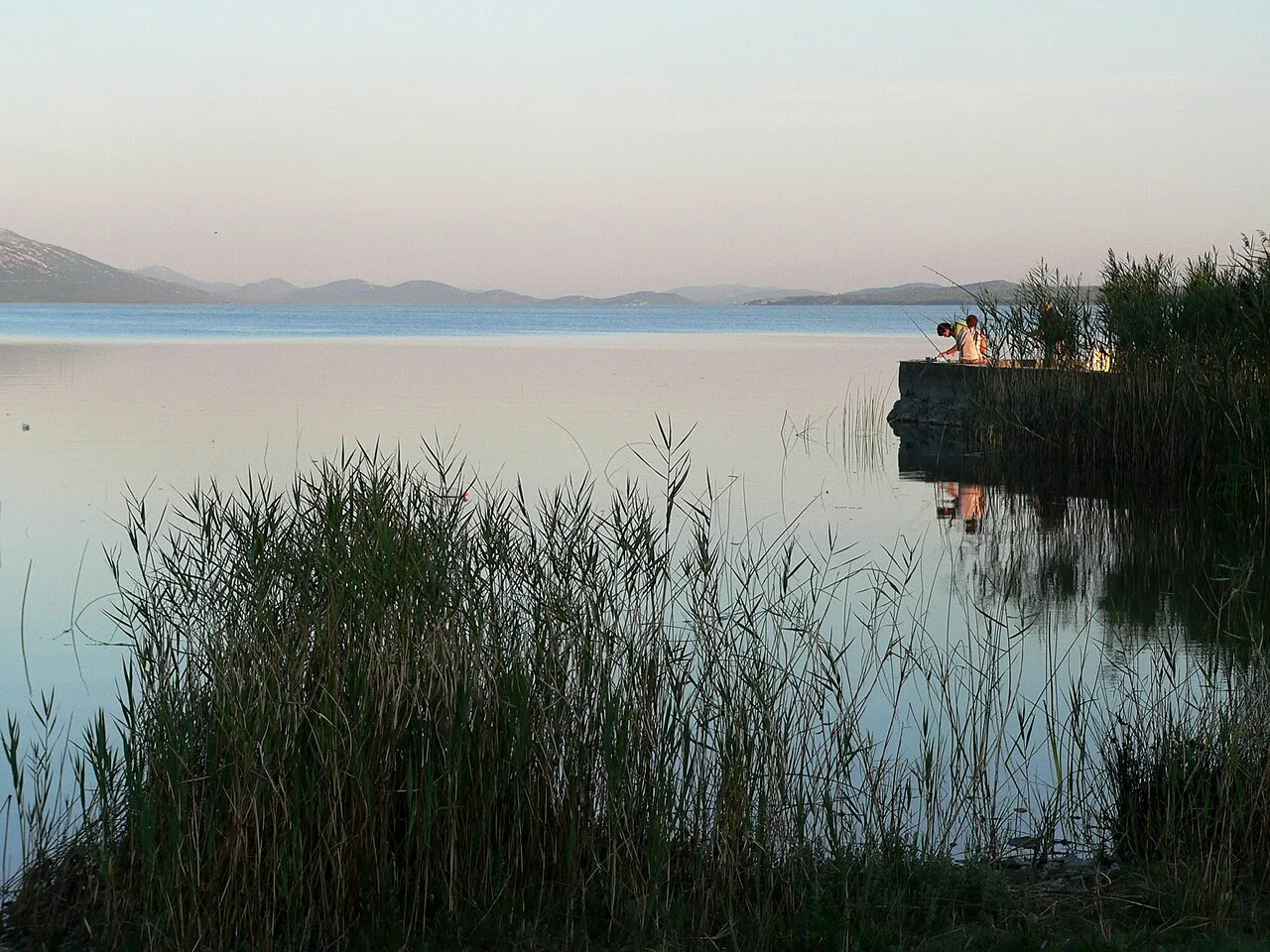
Crkvine's information centre opens the door to the ornithological reserve, the protected northern section where reedbeds and shallow water concentrate the birdlife. This is the quiet, low-lying side of the park, good for an unhurried walk with binoculars rather than a workout. Camping Crkvine places you within walking distance of the reserve edge.
Keep to marked paths and keep noise down here: the reserve exists for breeding and resting birds, and disturbance is the main risk visitors bring. The park publishes a code of conduct on its site, and it is worth reading before you set out rather than at the gate.
Kamenjak: the viewpoint below Štandarac and the climb to it
Kamenjak's information centre sits near Štandarac, the park's high point at 303 metres, and the short climb to the top gives the best overview of the lake, the reedbeds and the sea beyond. Bring grippy shoes: the ridge is limestone and can be slippery after rain.
Allow an hour or so for the viewpoint and the paths near the centre, more if you plan to walk down towards the shore. Sunset is a rewarding time to be up here, so carry a torch and be ready for the drive back on rural roads after dark.
Prosika: the southern harbour entrance and its information centre
Prosika, in the southernmost part of the park, has a visitor information centre and a small harbour. This is the entrance that makes most sense if you are coming from the south.
Facilities at the three centres are modest and seasonal, so treat them as sources of maps, advice and tickets rather than places to spend a wet afternoon. For that, head to Biograd na Moru and the BioSfera centre.
Birdwatching: why the lake is a stop on migratory routes
Vransko Lake lies on one of the eastern Adriatic's migratory corridors, and its shallow, fish-rich water and reed margins make it a refuelling stop for birds moving between northern Europe and Africa. The park runs a bird-ringing camp and keeps a published list of recorded species. Spring and autumn passage are the classic times to bring binoculars, with early morning the most productive hour.
Even without specialist knowledge, the reserve at Crkvine is rewarding: herons, grebes, cormorants and raptors are the everyday sightings, and the reeds hide more than you will spot. A basic pair of binoculars and a field guide will do.
Getting out on the water: the electric boat and kayaking
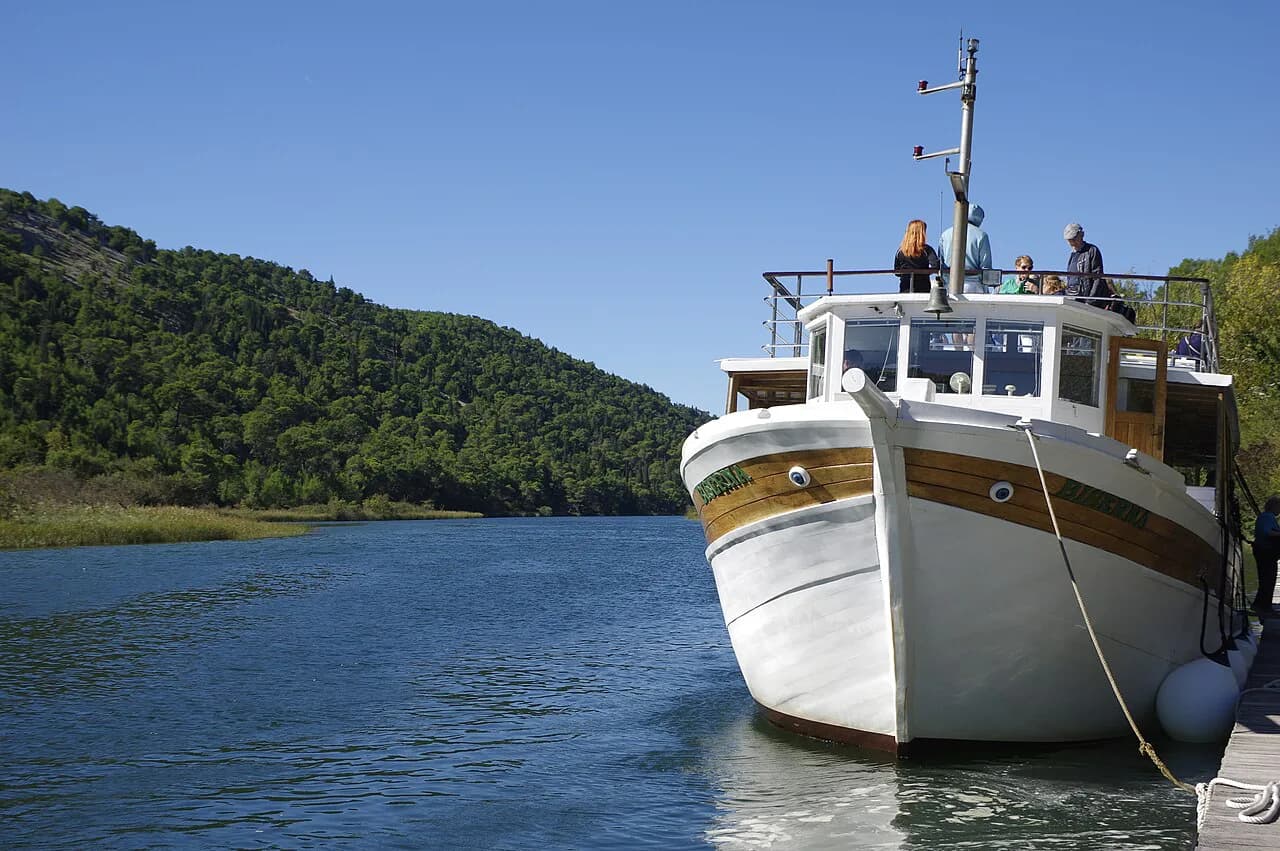
The park runs an electric boat, Danguba, on the lake, and kayaking is one of its listed activities. Both depend on water level: the park ended the Danguba season early in July because the lake fell too low, so treat any boat trip as conditional rather than guaranteed. Check what is running on the day you plan to visit.
Kayaking puts you at eye level with the reeds and gives access the paths cannot, but the lake is shallow and can be weedy in high summer. Ask at the information centre about launch points and any restrictions before hiring or bringing your own.
Cycling and walking the educational trails
The park lays out educational trails for walking and cycling, and cycling is the efficient way to cover distance between the entrances on gravel and minor roads. Note that maintenance happens: the park has announced works beginning on the gravel path on the north side of the lake, so a route can be partly affected. Educational trails for walking and kayaking are also offered.
A half-day on the bike covers the northern loop comfortably; a full day lets you link Crkvine with the ridge paths. Carry water, as shade is patchy and the limestone holds heat.
The multimedia centre BioSfera in Biograd na Moru
BioSfera is the park's multimedia visitor centre for sustainable active tourism in Biograd na Moru, spread over three floors. It is the sensible choice on a wet or windy day, or if you want context on the lake's ecology before heading out. Biograd na Moru is a working harbour on this stretch of the Adriatic, and its waterfront makes an easy add-on.
Pair BioSfera with a walk around Biograd's old peninsula, and save the lake itself for a clear day when the viewpoint is worth the climb. Check the centre's current opening arrangements at the park office before making the trip; the park's working hours are listed on its site.
How to get there and whether you need a car
The park's own guidance is to come by car or arrange transport or a tour: the entrances are on rural roads with no useful public transport link, and distances between them are too long to walk. Zadar and Šibenik are the practical arrival points, and Biograd na Moru is the closest town to the middle of the lake.
Parking arrangements at the information centres are not set out in the park's published notices, so ask when you arrive and expect summer weekends to be busiest. Arriving before mid-morning makes the whole day easier, especially at Kamenjak.
Tickets, opening months and who runs the park
The park is managed by a public institution with offices in Biograd na Moru, and it publishes a price list and working hours for the park and its centres. Entry and boat charges are not quoted here because they change by season and activity: check the price list before you travel, and pay in euros, Croatia's currency since 2023.
The centres and the boat do not run at full service all year; the park has, for example, ended its boat season early over low water. Check the opening months rather than assuming a summer timetable.
When to go: birds, water levels and summer crowds
Spring and autumn are the best birding windows, and they also bring cooler walking weather on the exposed Kamenjak ridge. Midsummer gives the most reliable boat and centre services but the strongest sun and the biggest crowds around Pakoštane and Biograd. Water level matters: a dry summer lowers the lake and can curtail boat trips, as the early end to the Danguba season in July showed.
The park publishes visitor notices for road reconstruction and path works, which can affect access. Read those before committing to a particular entrance, and have a backup of BioSfera if the lake is closed off.
Which entrance should you choose?
Pick Crkvine for birds, Kamenjak for the view and Prosika if you are arriving from the south or by boat. If you are unsure, base yourself in Biograd na Moru, visit BioSfera for context and then drive to whichever gate matches the weather.
Explore more Croatia guides
Frequently Asked Questions
Can you swim in Vransko Lake?
The park promotes walking, cycling, kayaking, fishing and boat trips; swimming is not among its listed activities, and the lake is a protected reserve, so treat it as a birding and cycling destination rather than a swimming spot.
Is Vransko Lake worth visiting?
Yes, if you want birdlife, an easy cycle on the educational trails and a high viewpoint, and you are already driving between Zadar and Šibenik. It is less compelling as a standalone day out from further away.
How much does it cost to enter Vransko Lake Nature Park?
The park publishes a price list on its official site, and charges vary by entrance and activity, so check that list before travelling and pay in euros.
Where do you park at Vransko Lake?
The park's published notices do not set out parking arrangements. Plan to ask at the entrance you choose, and expect summer weekends to be busiest.
Sources
Notes from the Croatian coast
Optional updates when our guides change.
You might also like
Continue reading
More guides you'll find useful