Telašćica Nature Park: How to Visit, Tickets and Boat Access
Plan a visit to Telašćica Nature Park on Dugi Otok: arriving by boat from Sali or Zadar, the Dolac car entrance, park rules, the salt lake and the cliffs.
On this page
Telašćica Nature Park is a protected inlet on the south-east end of Dugi Otok, near Zadar, and the practical answer for most visitors is that you reach it by water. The park authority states that 64% of the park is sea, which makes the transport decision a boat decision rather than a car one. This guide covers the bay layout, the two overland approaches, entrance points, the salt lake and cliffs, and the rules that shape a day there.
There is a second reason to plan the boat leg first: the park is a cluster of sheltered coves with speed limits on the water, not a single gate you drive up to. Sailors and day-trippers meet the same rules once inside, and the approach from Sali differs sharply from the approach by road to Dolac.
What Telašćica Nature Park is
Telašćica is a Nature Park, a category below National Park in Croatia's system, run by the Public Institution Park prirode Telašćica based in Sali. Its defining feature is a deep, branching bay on the eastern side of Dugi Otok, with the open Adriatic close by on the outer coast. The park authority's own description is blunt about the balance: most of the protected area is water.
That matters for how you read any map of the area. The land portion is a strip of karst, scrub and low ridge around the inlet, while the sea portion takes in the bay, its coves and the outer shoreline. Telašćica is a Nature Park rather than a National Park, and Croatia’s National Parks are a different category with different tickets and rules, so keep the two kinds of designation separate when you plan.
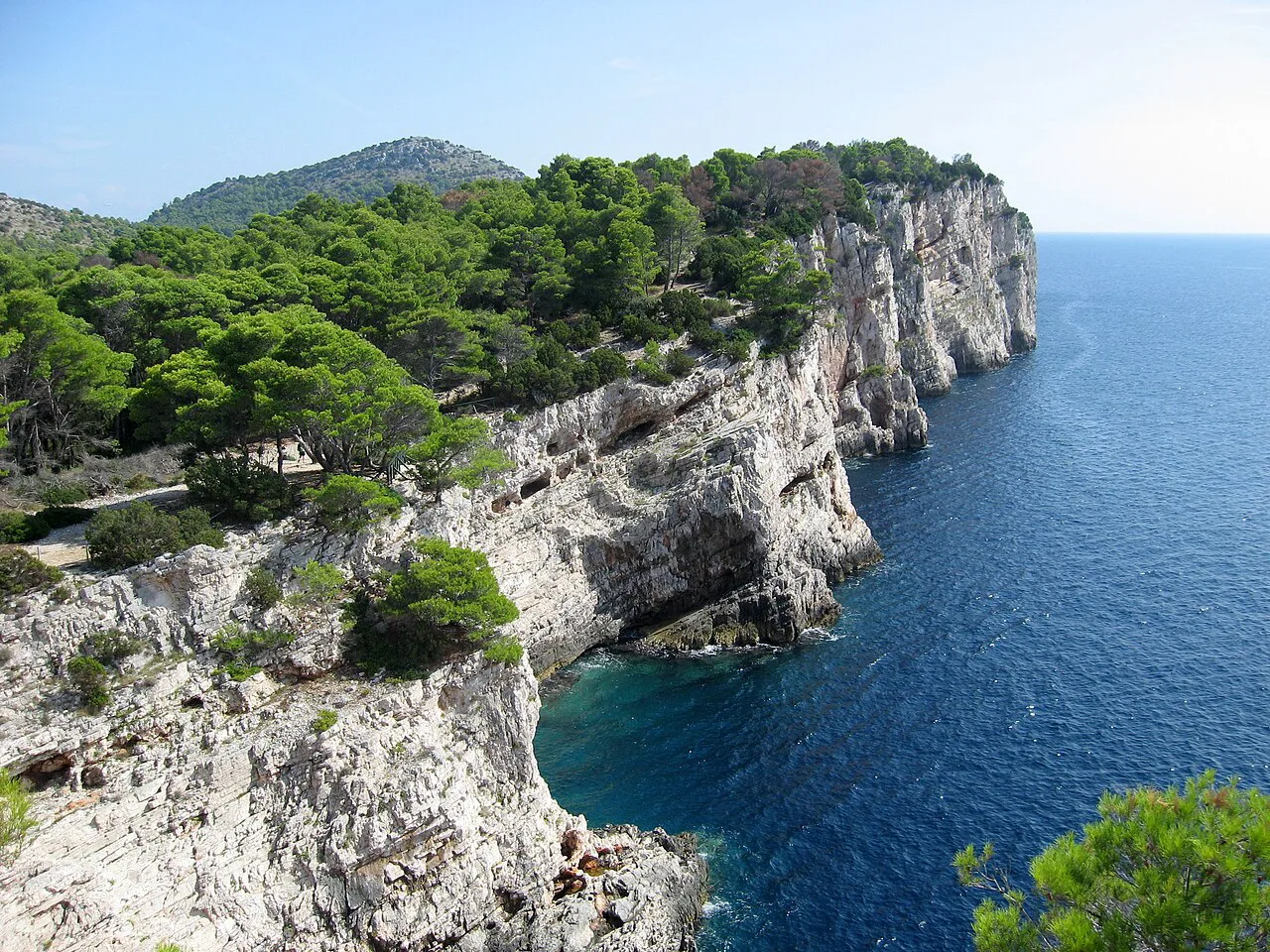
Where the park sits on Dugi Otok and how the bay is laid out
Dugi Otok runs parallel to the mainland coast north-west of Zadar, and Telašćica bites into its south-east end. The inlet opens to the sea and then splits into a series of arms and coves, which is why the park lists named coves rather than one anchorage. Sali is the closest village to the park and the natural base on land.
The park's rulebook names the coves where vessels tend to gather: Mir, Tripuljak, Kruševica, Kučimul, Magrovica, Pod Dugo polje, Pasjak and Jaz. If you are sailing or arriving by your own boat, knowing these names in advance helps you picture where you will be asked to slow down.
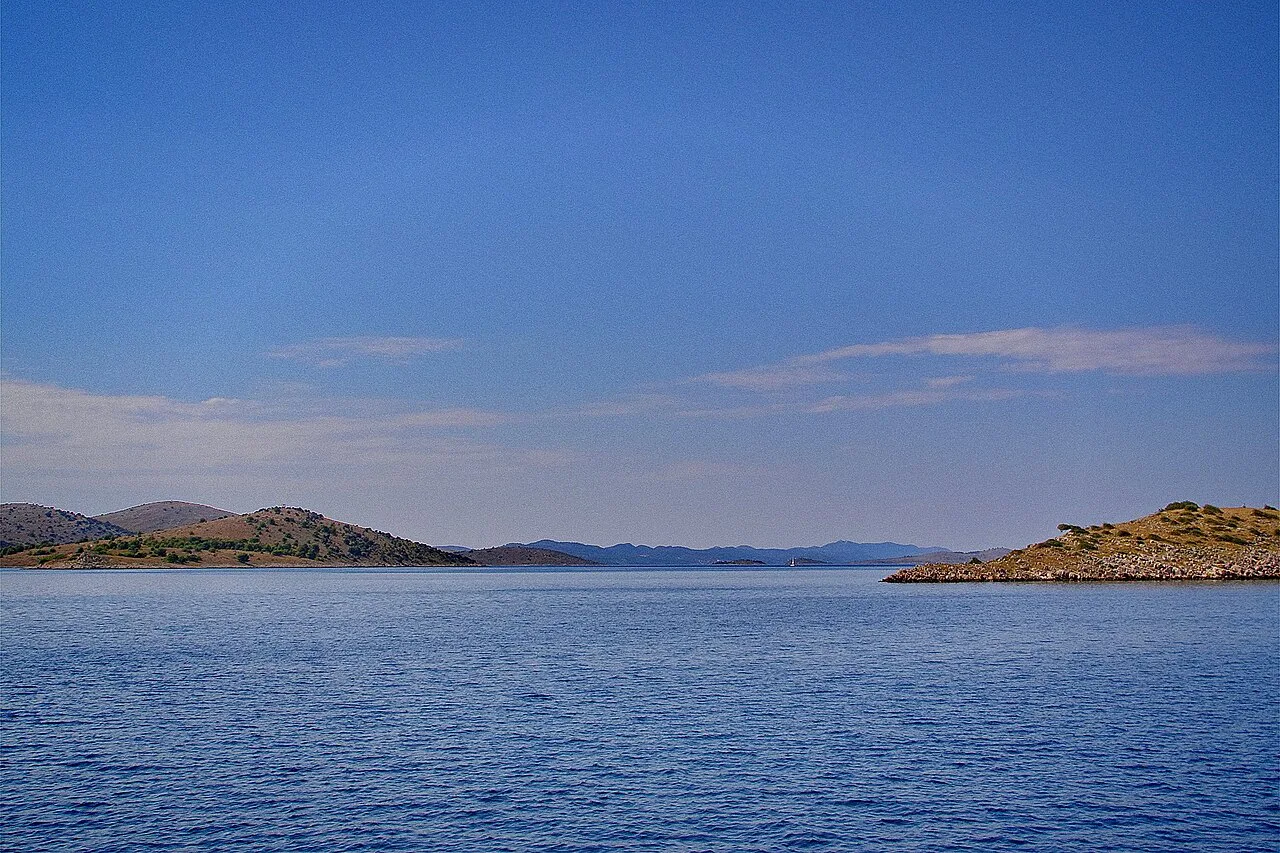
Getting there by boat
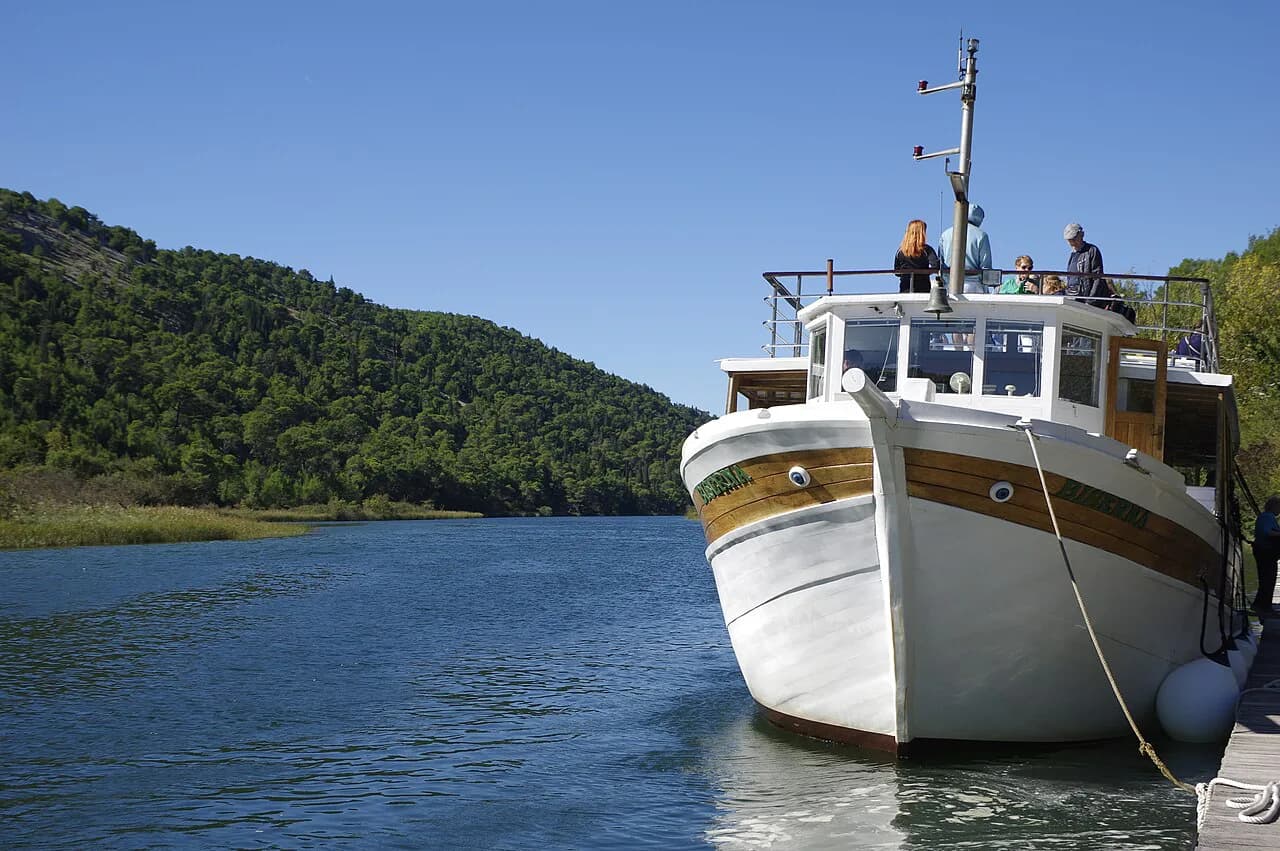
Because most of the park is sea, the simplest route in is on the water, whether in your own or a rented vessel or with one of the many boat operators and agencies running trips into the park area. The park authority keeps information on operators holding permission to work inside Telašćica at its Sali office.
For travellers without a boat, the park names direct shipping lines from Zadar to Sali, and Jadrolinija is the operator to look up for that connection. The park also points to the Jadrolinija line to Brbinj at the northern end of Dugi Otok as an alternative way onto the island. Jadrolinija publishes its own sailing schedules and fares, and those change by season, so confirm your crossing on its site before booking onward transport.
Organised boat trips are the third option and the one that removes the logistics question entirely, since the operator handles the crossing and the time ashore. Telašćica trips are sold through international booking platforms as well as locally, so compare what a trip actually includes before you pay.
Getting there overland: Sali, Dolac and the Brbinj route
Coming from the mainland, the park authority advises arriving via Sali, the nearest settlement, reached by the Zadar boat line or by road on Dugi Otok. The second option is the Jadrolinija crossing to Brbinj at the island's northern end, followed by a drive south to Telašćica, so the drive is a real part of the day rather than a short hop.
Drivers can enter the park by car at the Dolac entrance point, where visitors buy tickets and must keep them for the duration of the visit. Dolac is the named land entrance in the park's rules, so treat it as your target if you are arriving with a vehicle rather than assuming any track into the inlet will do.
Tickets and entrance points
Entry is through the points the park designates as entrances, and that is where tickets are sold; visitors are required to keep their ticket while moving around and sightseeing inside. The park publishes a separate price list for its services, and ticket information is handled through its tickets email address, so check the current figure there rather than relying on secondhand numbers.
If you arrive on an organised trip, the operator normally deals with park entry as part of the excursion, so ask directly what is included before you book. Independent travellers arriving by car should expect to pay at Dolac on arrival. Either way, keeping the ticket matters, because the park's supervisory service enforces the rules and can fine people on the spot.
The bay and its sheltered anchorages
The bay is the reason sailors like this stretch of coast: it offers a set of named coves where boats congregate, sheltered from the open sea. The trade-off is that popularity brings traffic, and the park limits how fast you may move through those coves. If you are weighing up quiet anchorages against busy ones across this part of the Adriatic, Kornati National Park to the south-east is the other major island group to compare.
The park's boundaries include a line drawn between the capes rt Pod Poljica and rt Gubac, with the inner bay beyond it. Knowing that line matters more than it sounds: the speed restriction starts at the boundary, not somewhere deeper in.
Mir salt lake and what to expect
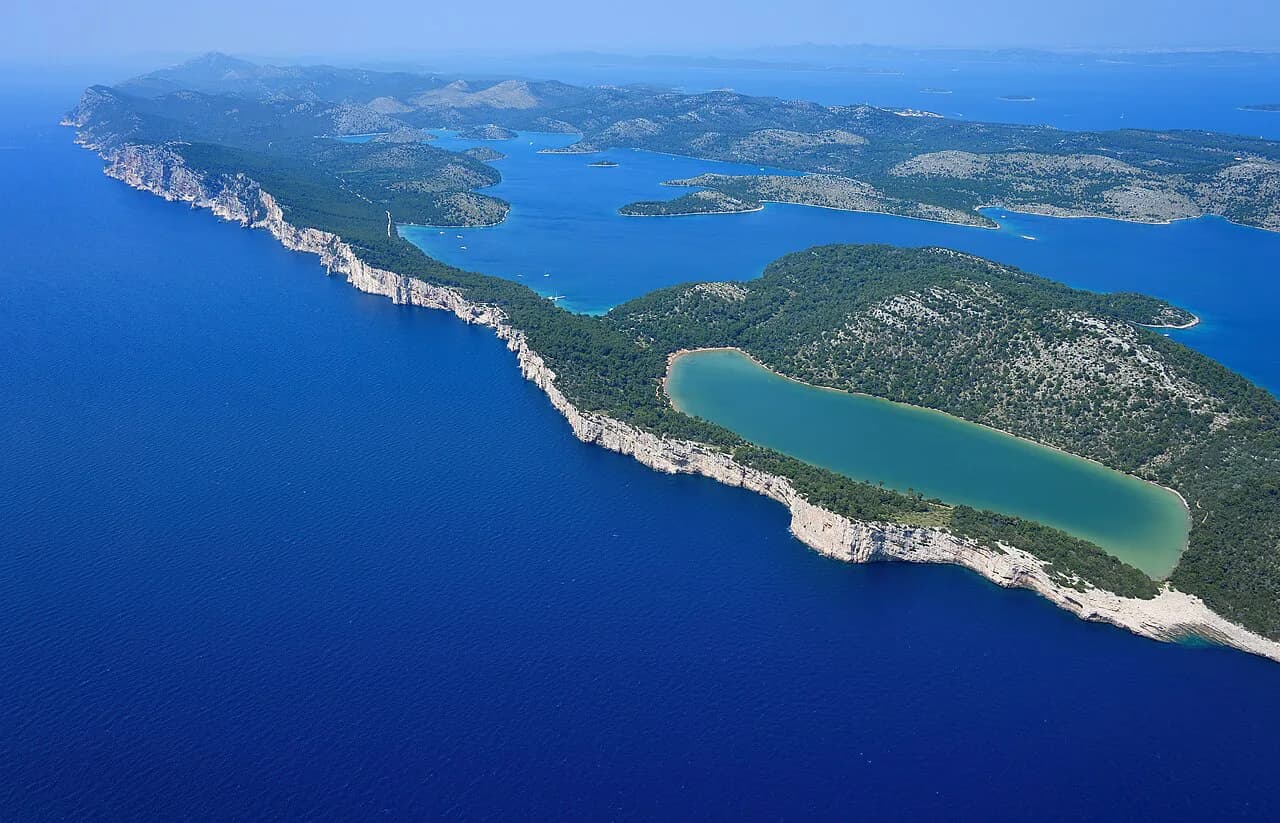
Mir is the small salt lake inside the park and one of its best-known features. The name also appears in the park's rulebook as one of the named coves where larger numbers of boats stay and where vessel speed is capped at 5 knots. The lake is a land-and-water stop, so plan it as a pause in the day rather than a separate excursion, and follow the marked paths and signs around the rim rather than striking out across the karst.
The cliffs above the bay and the no-climbing rule
The strmci, the cliffs on the outer side above the bay, are the park's other headline sight and the reason many day boats make the run. They are viewed from the rim, and the park is categorical that climbing on the strmci in any form is forbidden. Treat this as a planning fact: your visit is a viewpoint visit, not a scramble.
Because the cliffs sit outside the sheltered inlet, wind and swell on the outer coast affect how comfortable the viewing stop is, so keep your itinerary flexible and take the skipper's or the ranger's judgement seriously on the day.
Grpašćak visitor centre and the views from the rim
Grpašćak is the park's visitor centre, listed among the facilities on the official site alongside a live camera and a virtual walk. Checking those before you travel gives you a realistic sense of what the rim viewpoint looks like and whether the day is clear enough to justify the trip.
The centre is the natural anchor for the land side of a visit rather than one of the coves below. If you come by car to Dolac and want one fixed target on foot, make it this one, and check the official park site for visitor centre opening times before you go.
Rules that affect a day visit
The park's visitor rules are specific enough to shape your plans. Visitors may only move within marked areas and paths intended for sightseeing, so wandering off the trail is a rule breach rather than a shortcut. Dogs must be kept tied and on a lead, and picking, collecting or removing native plants and fungi is prohibited.
Camping is allowed only at sites laid out and clearly marked for it, and lighting fires is banned. Fishing, collecting shellfish and spearfishing are prohibited inside the park, and scuba diving requires a permit obtained in advance and is limited to specified locations including Garmenjak Veliki and Mali, Korotan and Podusobine.
Commercial photography and filming need the institution's approval, and littering or any other pollution of air, soil and water is forbidden. None of this is unusual for a Croatian protected area, but the combination is stricter than a typical coastal inlet, and the on-site inspectors can fine breaches.
Boat speed limits inside the park
Vessels must adapt their speed to the park's limits. From the line joining rt Pod Poljica and rt Gubac towards the bottom of Telašćica bay, speed must not exceed 10 knots. In the coves where larger numbers of boats stay — Mir, Tripuljak, Kruševica, Kučimul, Magrovica, Pod Dugo polje, Pasjak and Jaz — the cap is 5 knots.
For sailors, that turns the inner bay into a slow-running zone and the named coves into near-idle approaches, which affects how you time a passage or a lunch stop. Build the slower speeds into your plan rather than assuming you can cross the bay at cruising pace.
When to go and how long a visit needs
Summer brings the most boat traffic and the fullest coves, while the shoulder months either side are quieter on the water and easier for anchoring. The park's rules stay the same regardless of season, so the trade-off is largely about crowds and conditions. If you are comparing protected areas along the Dalmatian coast for a summer itinerary, Croatia’s National Parks helps you slot Telašćica alongside the bigger names.
Allow a half-day if you arrive on an organised boat trip, since the operator sets the time ashore and you will see the bay, Mir and the cliff rim in one sweep. Arriving independently from Sali or by car at Dolac stretches that to most of a day, because the transfer takes a real slice of it.
Should you book a boat trip or drive to Dolac?
Take the boat if you have no car on Dugi Otok: it matches how the park is laid out, and the Zadar–Sali line or an organised trip removes the driving. Drive to Dolac only if you already have a vehicle on the island and are combining the park with the rest of Dugi Otok.
Either way, plan around the rules rather than discovering them at the gate: marked paths only, no climbing on the strmci, dogs on leads and the 5-knot cap in the named coves. Confirm the current ticket price and your crossing times with the park and Jadrolinija before you set out.
Explore more Croatia guides
Sources
Notes from the Croatian coast
Optional updates when our guides change.
You might also like
Continue reading
More guides you'll find useful