Croatia Boat Tours: How to Choose the Right Trip and Region
Croatia boat tours range from single-day excursions to small-ship cruises along the Dalmatian coast. Compare trip types, regions and booking routes first.
On this page
Choose the trip shape before the tour name: a day excursion leaves and returns to one harbour, a small-ship cruise moves you between ports over several nights, and a bike-and-boat trip adds guided cycling ashore. Croatia's coast is long enough that the region you pick matters more than the vessel, since Dalmatia, Kvarner Bay and Istria each offer different crossings and different amounts of time under way. This guide compares the three shapes, maps them onto the coast, and covers how booking routes, per-day pricing and weather affect what you actually get.
What a Croatia boat tour actually is
Three products sit under the same search phrase, and confusing them is the main reason travellers end up disappointed. A day excursion is a morning or afternoon on the water with a swimming stop and a return to the same quay. An island-hopping cruise is a small ship that carries you between ports for several nights, with cabins, meals and guided walks ashore. A bike-and-boat cruise adds daily cycling stages, so the boat is your hotel and your transport between rides.
The distinction changes how much coast you see and how much you unpack. Day trips reach one stretch of water; a week-long cruise can take in several historic towns and islands without a single ferry connection to organise yourself. Bike-and-boat trips suit travellers who want active days but not the logistics of moving luggage between islands.
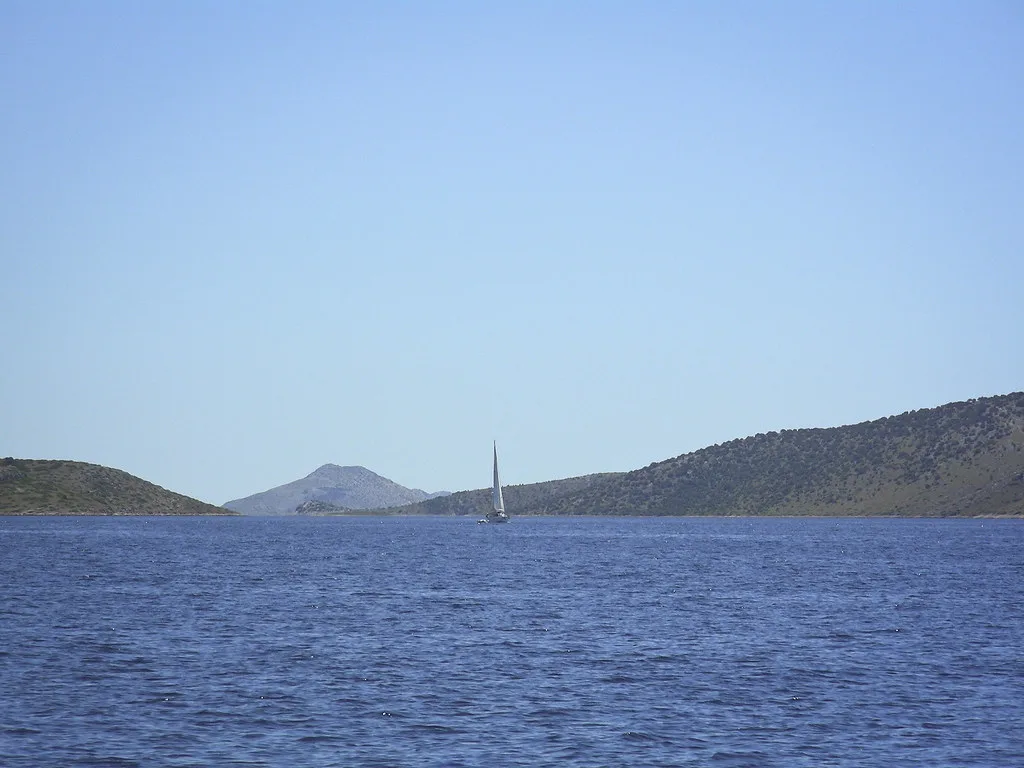
Day trips versus multi-day small-ship cruises
A day trip costs one ticket and commits you to a few hours; a multi-day cruise costs a per-person nightly rate and commits you to a fixed itinerary. On Boat Bike Tours' Croatian programme, for example, an eight-day guided Dalmatia trip with electric bikes runs on a motor yacht carrying up to 34 passengers — compare such a trip against the cabin, meals and guiding it includes rather than against a day-ticket price.
What is Sail Croatia? Small-ship cruises between Dalmatian ports generally include cabins, meals and guided town walks. They are a style of trip rather than a single product, so compare the individual ship, its class and its inclusions before booking, and check whether your itinerary is a one-way route or a round trip.
What is the best way to island hop in Croatia? For flexibility, use the scheduled ferry and catamaran lines between Split and the islands and book accommodation separately. For a fixed week with no logistics, a small-ship cruise does the hopping for you and usually reaches islands that are awkward to combine by ferry.
How can I rent a boat in Croatia? Bareboat and skippered charter is a separate market from the tours covered here, and it brings licensing, deposit and qualification requirements that vary by operator. Ask the charter company directly about the licence needed for the size of boat you want, and confirm what documentation you must bring.
Small-ship cruising in Croatia is typically sold per day per person, with vessels listed by name. LiveAboard.com lists ships such as Prestige, Mama Marija II and Antaris with indicative per-day rates, so you can see the spread between a basic and a deluxe boat before you enquire. Treat those figures as that operator's starting rates for the season, not as a market average.
The honest trade-off is control. Day excursions let you keep evenings in one town and abandon a trip if the weather turns, while multi-day cruises give you more coastline for the money per day but lock in the schedule. If you have three nights or fewer, stay with day trips; a week or more justifies unpacking once.
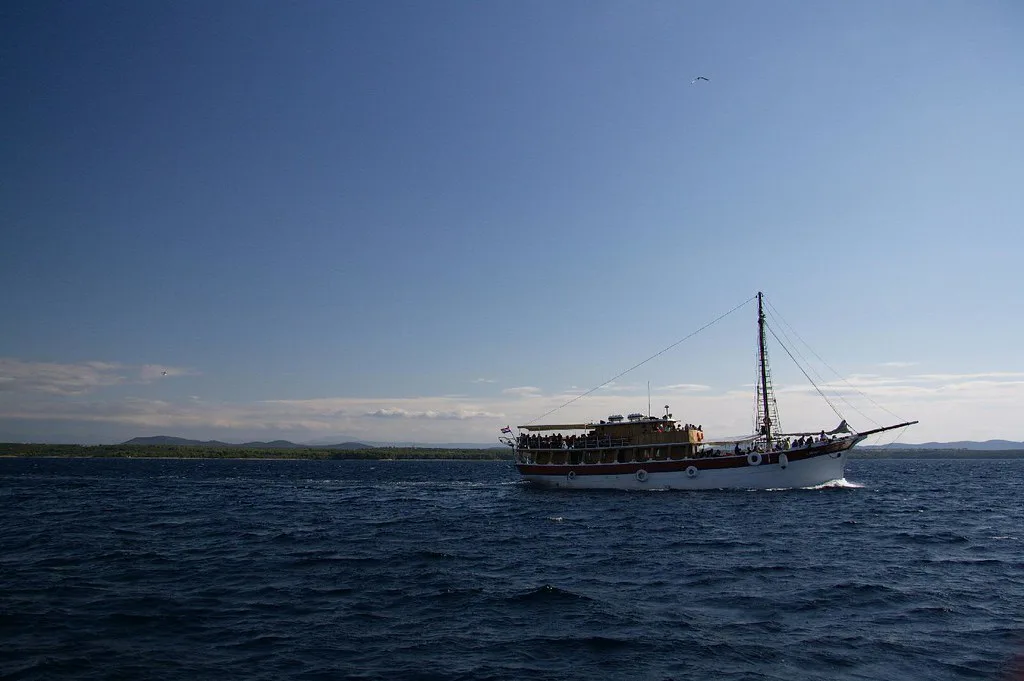
The main regions and where the boats leave from
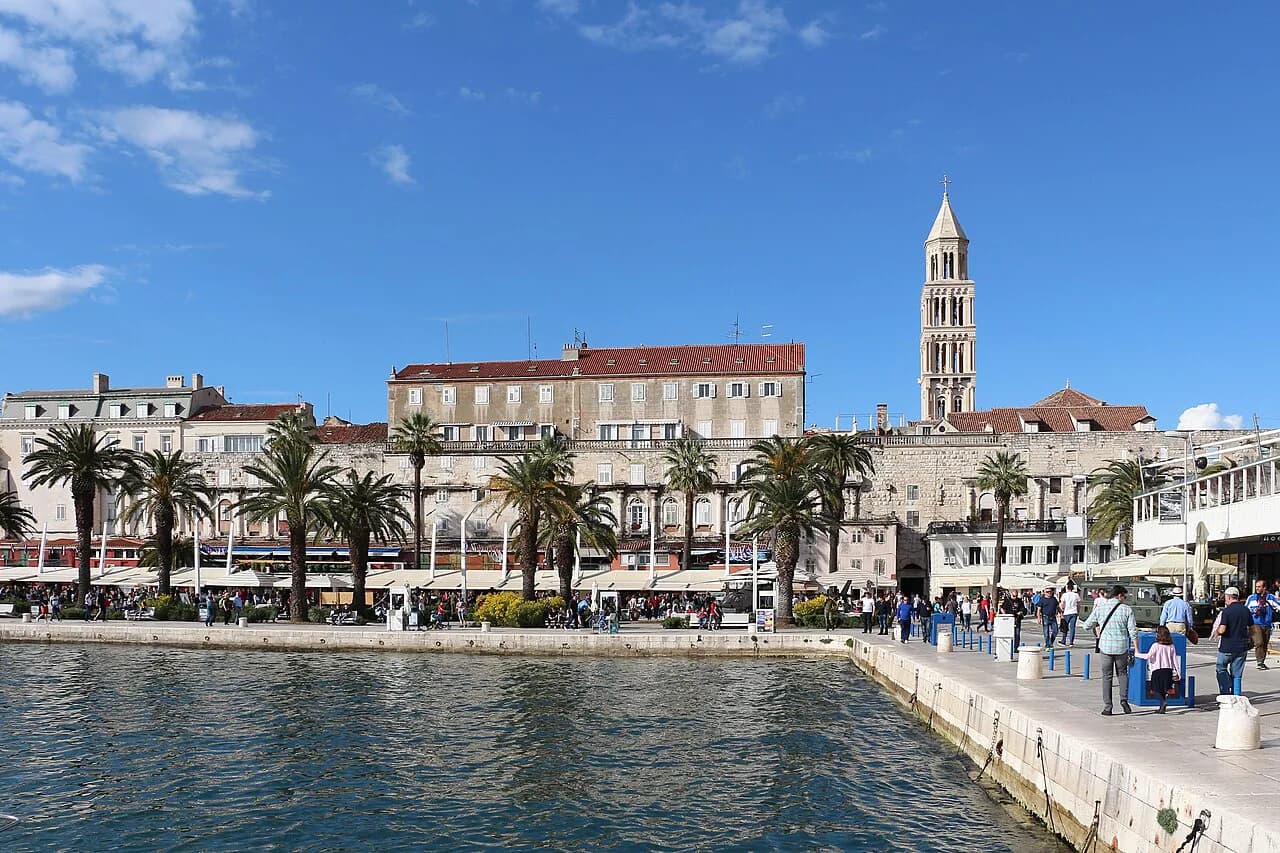
Split is the biggest departure hub for island-hopping cruises on the Dalmatian coast, and it doubles as a city worth a day of its own. The old town has grown up inside Diocletian's Palace, a Roman complex that is still lived in rather than fenced off, so a pre-cruise night in Split is time well spent.
Trogir and Dubrovnik anchor the other end of the Dalmatian cruise routes, and both appear as turnaround ports on multi-day itineraries. Trogir's UNESCO-listed centre and Dubrovnik's walls are the two historic set pieces most cruises build around, with islands such as Brač, Hvar, Korčula, Mljet and Šipan filling the days between.
Further north, Kvarner Bay and Istria take a different character: greener hills, shorter hops and a mix of mainland and island stops rather than long open-water crossings. Northern itineraries also give you a natural pairing with the country's inland sights if you want to split a trip between coast and interior, which is why the best places to visit in Croatia work best planned together with a coastal base.
The Makarska Riviera sits between Split and Dubrovnik and functions as a mainland base for boat trips along that stretch, with the Biokovo massif behind the town giving the coast its backdrop. Towns along this strip are compact enough that a boat departure rarely needs a long transfer from your accommodation.
Dalmatian coast highlights a boat trip can reach
Hvar Town and the Pakleni Islands are the classic short-hop combination: Venetian architecture and the hilltop Fortica above the town, then a scatter of small islands offshore for swimming. Stari Grad, at the head of a long bay on the same island, offers a quieter, older alternative with Greek-founded origins.
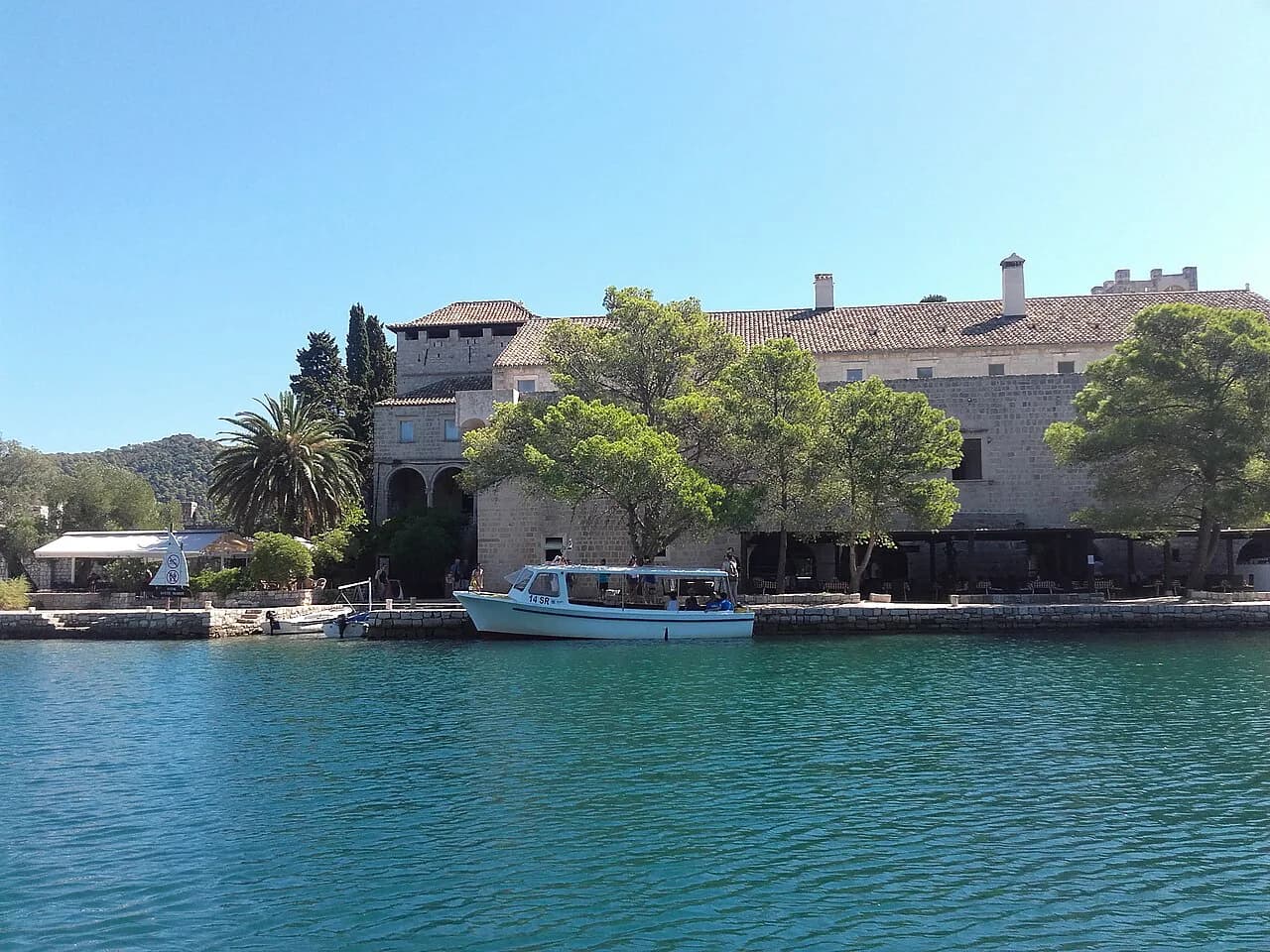
Korčula rewards a walking stop rather than a swim stop, with a walled town of terracotta roofs and a claim on Marco Polo that gives its lanes a story to follow. Mljet is the wilder counterweight: a large share of the island is National Park, with two saltwater lakes and wooded trails, so a bicycle or a boat ride across the lakes uses the stop better than sitting on deck.
Vis and Biševo sit further out and are the most weather-exposed of the well-known stops. Vis was off-limits to tourism until 1989 as a military site, and still feels less built up than Hvar. Open-water crossings to islands like these depend on sea conditions, so a flexible operator and a spare day in your plan are worth more than a fixed promise.
Brač brings the Zlatni Rat spit near Bol, a pebble promontory whose shape shifts with the current, and Bol itself works as a small, walkable port stop. If you'd rather see the coast under your own power between boat legs, Croatia kayaking around these islands covers the same water at a slower pace.
Kvarner Bay and Istria by boat
Northern itineraries trade the Dalmatian showpieces for a calmer mix: island hops across Kvarner Bay, mainland towns, and Istrian ports with Venetian and Habsburg layers. The sea here is shallower and the crossings shorter, which suits nervous sailors and families more than an open-sea itinerary does.
Istria's coast adds Roman remains within easy reach of the water, including Pula's amphitheatre, a surviving Roman Arena that still dominates the town. Boat Bike Tours lists both a Kvarner Bay and an Istria programme among its Croatian itineraries, with some departures offering a mountain-bike variant for riders who want rougher terrain.
What a small-ship cruise day looks like
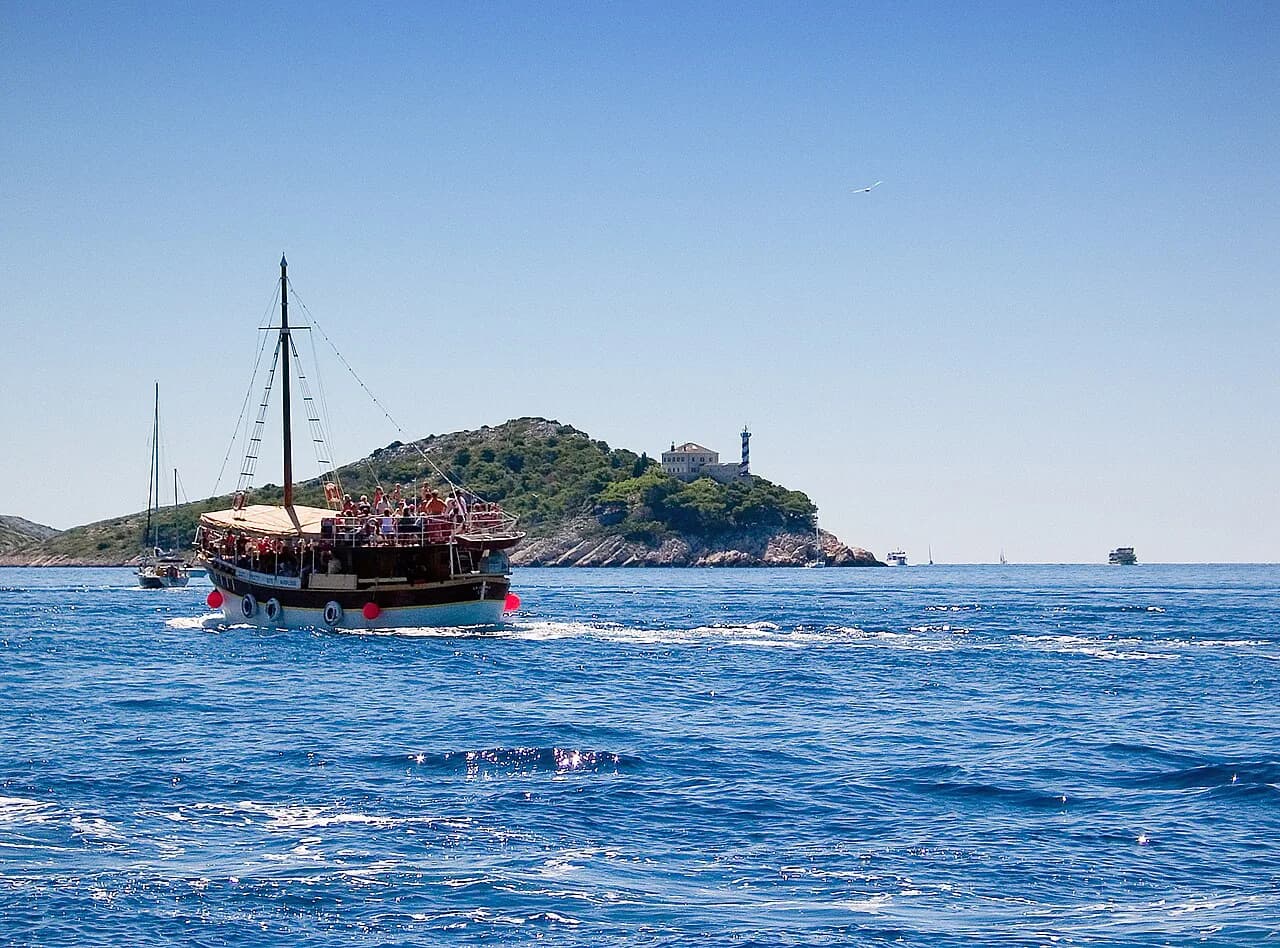
A typical cruise day runs on a rhythm: sail in the morning or overnight, dock or anchor around midday, then a guided walk through the old town before free time. Ships often moor close to the historic core, so you step off into the streets rather than onto a shuttle bus. Evenings are usually free, which is when a port like Hvar or Korčula is at its best after the day visitors leave.
Swimming stops happen from the boat rather than at a named beach, often in a cove between ports. That means your day mixes culture and water without you planning either, but it also means the exact swim spot is decided on the day, so don't book a cruise expecting a specific cove to appear on the schedule.
Bike-and-boat cruises: who they suit
On a bike-and-boat trip, the vessel moves between overnight ports while you cycle the day's stage, meeting the boat again in the evening. Boat Bike Tours grades its Croatian routes by terrain, with the Highlights of Dalmatia: Trogir – Dubrovnik or Dubrovnik – Trogir | Plus trip rated level 4 for experienced cyclists on hilly ground with climbs, covering roughly 185 km over eight days. That grading is the honest filter: if you ride occasionally at home, pick a gentler programme rather than the flagship route.
These trips suit riders who want structure and a fixed base each night, and they remove the luggage problem entirely. They suit less well anyone who wants unstructured days or a slower pace on the water, because the cycling sets the shape of the day. Some departures add a mountain-bike option for riders after something more technical.
How to book: operator, comparison site or package
Booking direct with the cruise or excursion operator gives you the clearest picture of what's included and who to speak to if a sailing is affected by weather, but you compare less easily. A liveaboard comparison site lets you line up several ships, read past passengers' reviews and see per-day rates side by side, in exchange for a layer between you and the boat.
Package operators bundle the boat with bikes, guiding and sometimes transfers, which is convenient but makes it harder to see the price of each element. Day excursions are usually bought locally or through an agent a day or two ahead. Travellers reviewing Croatian boat excursions flag Hvar, Zlatni Rat, the Blue Lagoon and Vis as popular targets, with Vis noted as weather-dependent and needing a larger vessel.
Whichever route you take, ask the boat company which harbour it leaves from before booking accommodation, because a port on the edge of town changes your morning. Croatia has used the euro since 2023 and sits inside the Schengen area, so there are no currency or border surprises for travellers arriving from other member states.
Cost and what drives the price
For multi-day cruises, the per-person per-day rate is the useful comparator, and it varies widely by ship class: LiveAboard.com lists vessels with indicative rates running from the lower to the upper hundreds of euros per day. Within that rate, check whether cabins are en suite, how many meals are included, and whether guided city walks and park entries are part of the package.
Day excursions are priced per ticket and typically rise with boat size, distance and whether entry fees are bundled. Bike-and-boat prices bundle the bike, guiding and cabin, so a higher headline figure can work out cheaper than a cruise plus bike hire. Compare the inclusions line by line rather than the total, and ask the tour company which National Park or museum entries are separate.
When to go and how weather shapes sailings
Croatian boat trips run in the warmer months, and small-ship cruises are commonly sold in fixed lengths of five to fifteen days rather than as single nights. Summer gives the warmest sea and the longest days, but also the busiest harbours and the highest rates. Shoulder months trade a little warmth for quieter ports and more room on deck.
Wind matters more than temperature for small boats. The bura can blow hard and suddenly off the mainland and close exposed crossings, while southern winds build chop on open water. Keep one flexible day in a multi-day plan and expect day-trip operators to change a route rather than cancel it when conditions shift.
Travel insurance that covers trip interruption is worth the modest extra when you're committing to a week on the water, particularly for itineraries reaching exposed islands such as Vis. For the wider planning picture around the coast, a Croatia travel guide covering ferries and regional differences helps you build a realistic itinerary.
Harbour practicalities in Split, Dubrovnik and Hvar
Split spreads its traffic across a working port and a waterfront Riva, and cruise departures generally use the main harbour area rather than the promenade itself. Arrive with time to find the right quay, since the ferry and catamaran traffic and your tour boat may leave from different parts of the port.
Dubrovnik's old town is car-free inside the walls, so any boat departure involves a walk or a shuttle from the gate. Hvar Town is easier, with the harbour immediately in front of the Riva and the Fortica walk starting from the lanes just behind it. Orientate yourself on a Croatia map before booking, so you know whether your port sits north or south of the town centre.
Which boat trip should you book?
If you have three nights or fewer, book a day excursion from the town you're already staying in and keep the rest of the trip on land. With five nights or more, a small-ship cruise gives you more coast per euro and removes the ferry logistics; choose the region first, then the ship class and inclusions.
Cyclists who want structure should look at a graded bike-and-boat programme and pick a route that matches their honest fitness rather than the flagship itinerary. Everyone else should check the departure harbour, the inclusions and the cancellation terms with the company before paying a deposit.
Explore more Croatia guides
Frequently Asked Questions
What is Sail Croatia?
Small-ship cruises between Dalmatian ports generally include cabins, meals and guided town walks. They are a style of trip rather than a single product, so compare the individual ship, its class and its inclusions before booking, and check whether your itinerary is a one-way route or a round trip.
What is the best way to island hop in Croatia?
For flexibility, use the scheduled ferry and catamaran lines between Split and the islands and book accommodation separately. For a fixed week with no logistics, a small-ship cruise does the hopping for you and usually reaches islands that are awkward to combine by ferry. Day excursions suit a single island or a swimming stop rather than a full hop.
How can I rent a boat in Croatia?
Bareboat and skippered charter is a separate market from the tours covered here, and it brings licensing, deposit and qualification requirements that vary by operator. Ask the charter company directly about the licence needed for the size of boat you want, and confirm what documentation you must bring. Day-to-day boat hire is usually arranged locally at the harbour.
Sources
Notes from the Croatian coast
Optional updates when our guides change.
You might also like
Continue reading
More guides you'll find useful