The Croatian Coast: A Region-by-Region Guide
Plan the Croatian coast region by region, from Istria and the Kvarner Gulf to Dalmatia, with the towns, islands and Roman sights that shape each stretch.
On this page
Treat the Croatian coast as four distinct stretches, not one destination: Istria in the north-west, the Kvarner Gulf around Rijeka and Opatija, the three bands of Dalmatia, and the far south around Dubrovnik and the Pelješac peninsula. Each has its own character, its own ferry links and its own crowd rhythms, so picking regions before towns makes a coastal trip far easier to plan.
The Dalmatian section alone, the crescent from Dubrovnik to Split, is a coastal region some 370 kilometres long, and it already holds Roman ruins, walled medieval towns and over a thousand islands. Add Istria and Kvarner above it and you have a coastline that rewards a region-by-region approach rather than a single rushed drive.
What the Croatian coast covers
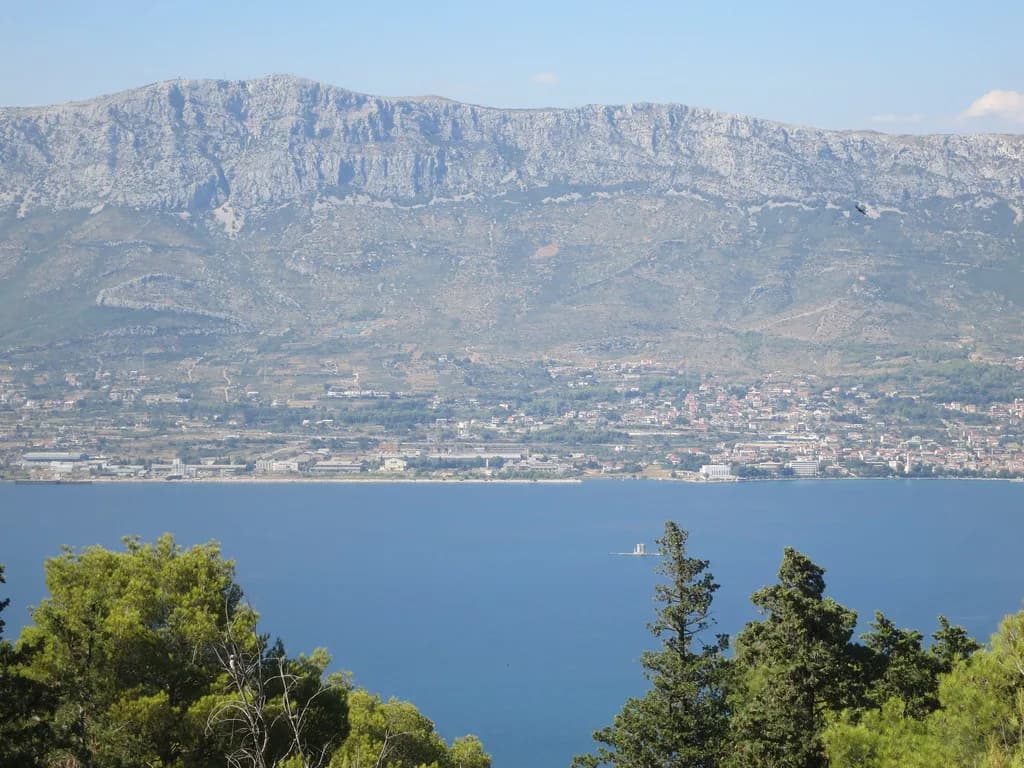
The coast bends from the Premantura peninsula in Istria, near Pula, round the Kvarner Gulf and down through Dalmatia to the slender Pelješac peninsula in the south. The guides split the eastern Adriatic shore into Istria, Kvarner and the Dalmatian bands, but for planning purposes what matters is how far apart the anchor towns sit and how the islands sit offshore.
Opatija and Rovinj in the north are separated from Split and Dubrovnik by long driving days, and the ferry network clusters around the central and southern Dalmatian ports rather than the whole shore. Sketching the coast on a Croatia map before booking anything shows how much distance each jump covers and which islands actually sit on your line of travel.
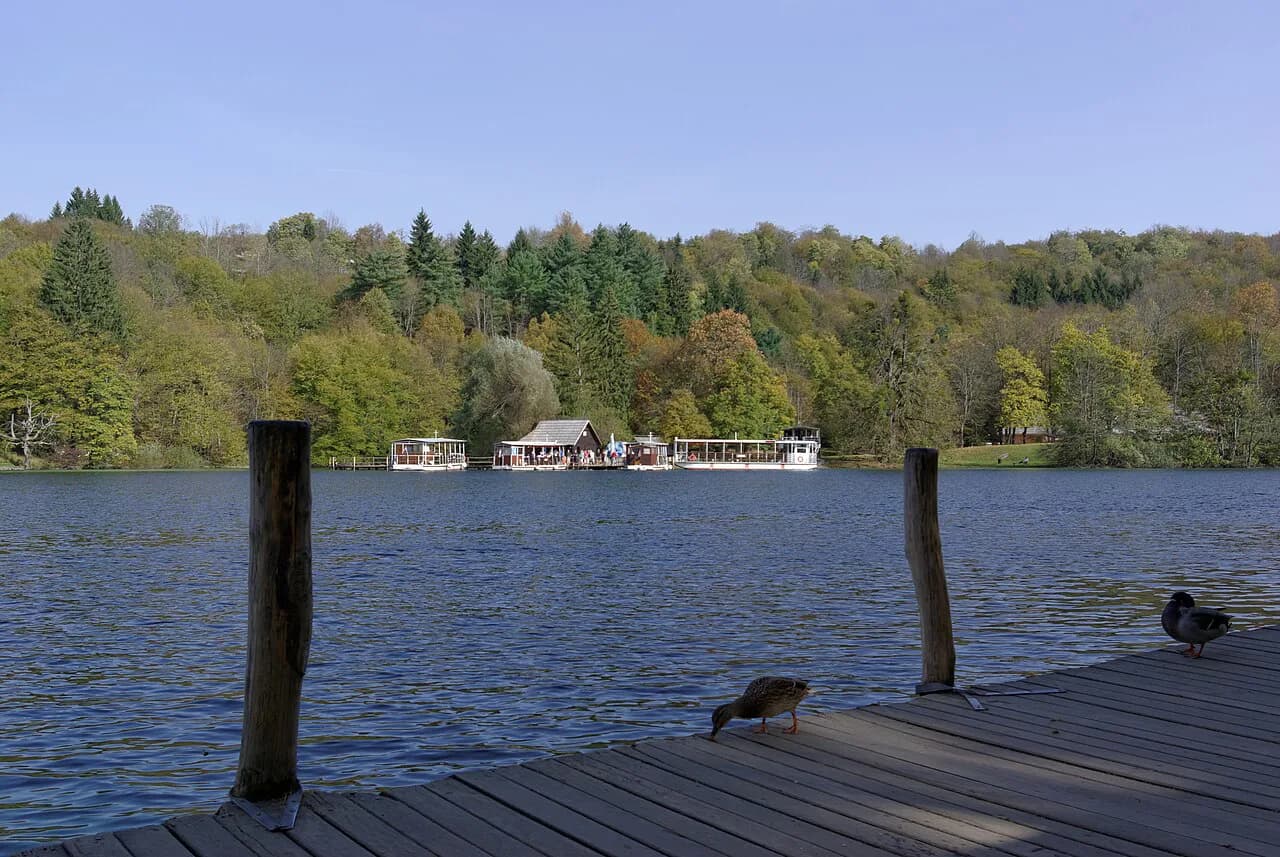
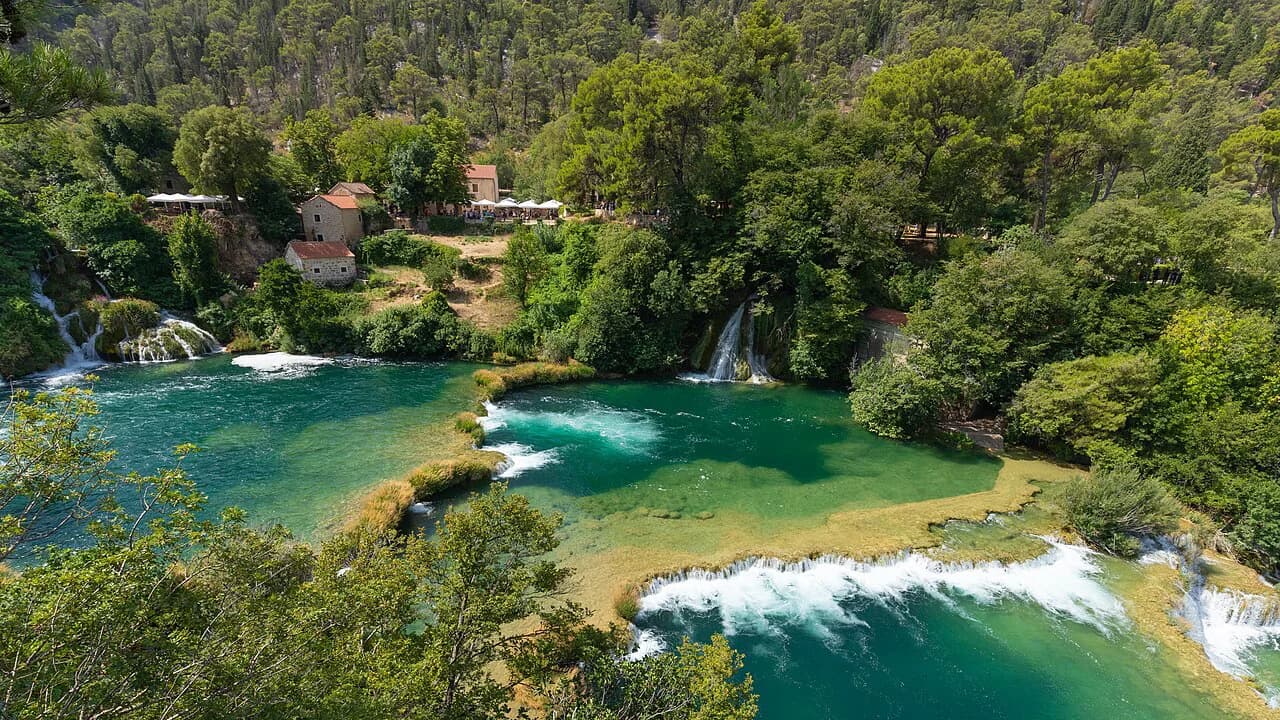
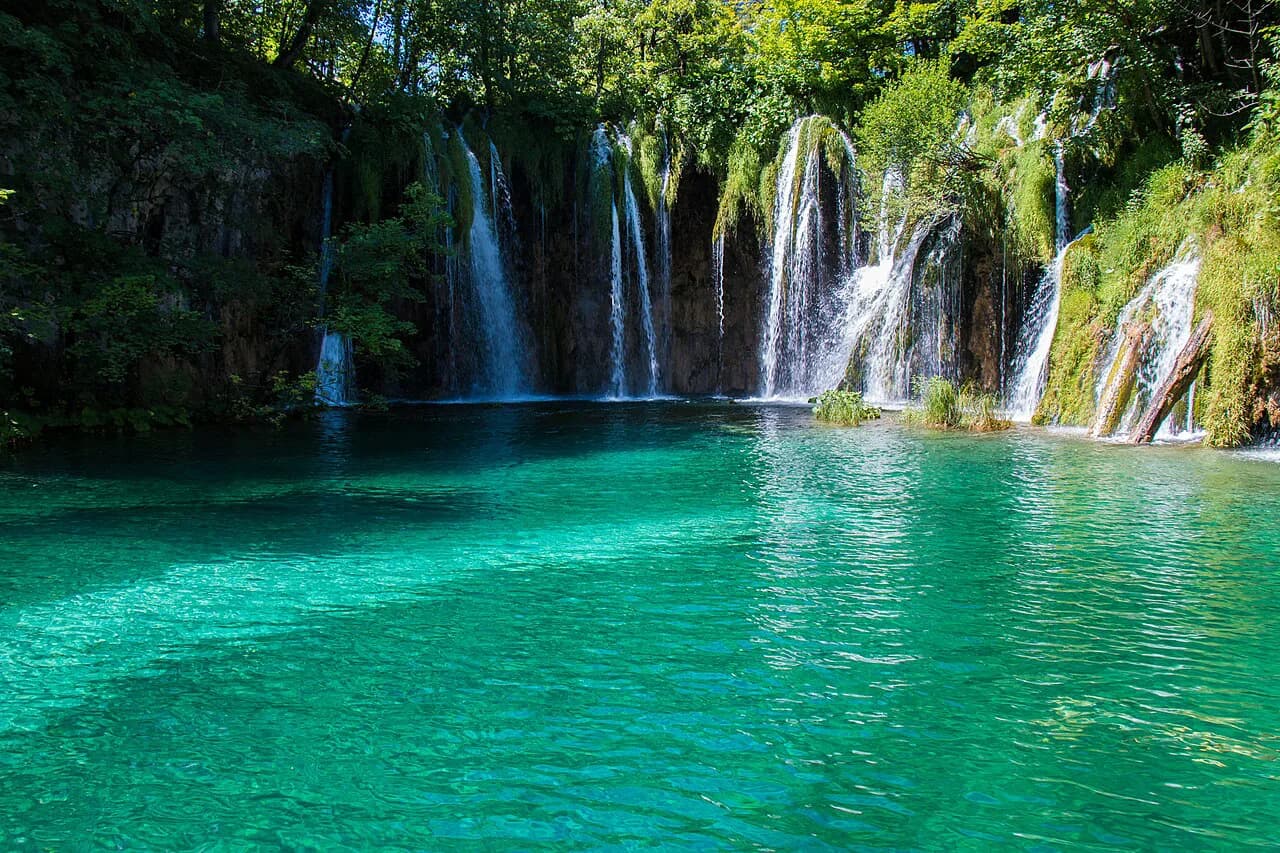
Croatia's wider draw includes inland sights such as Plitvice Lakes National Park, but the coast rewards time on its own terms. The towns here are built on Venetian, Roman and Habsburg layers, and the differences between one stretch and the next are part of why a coastal route reads differently from a city break.
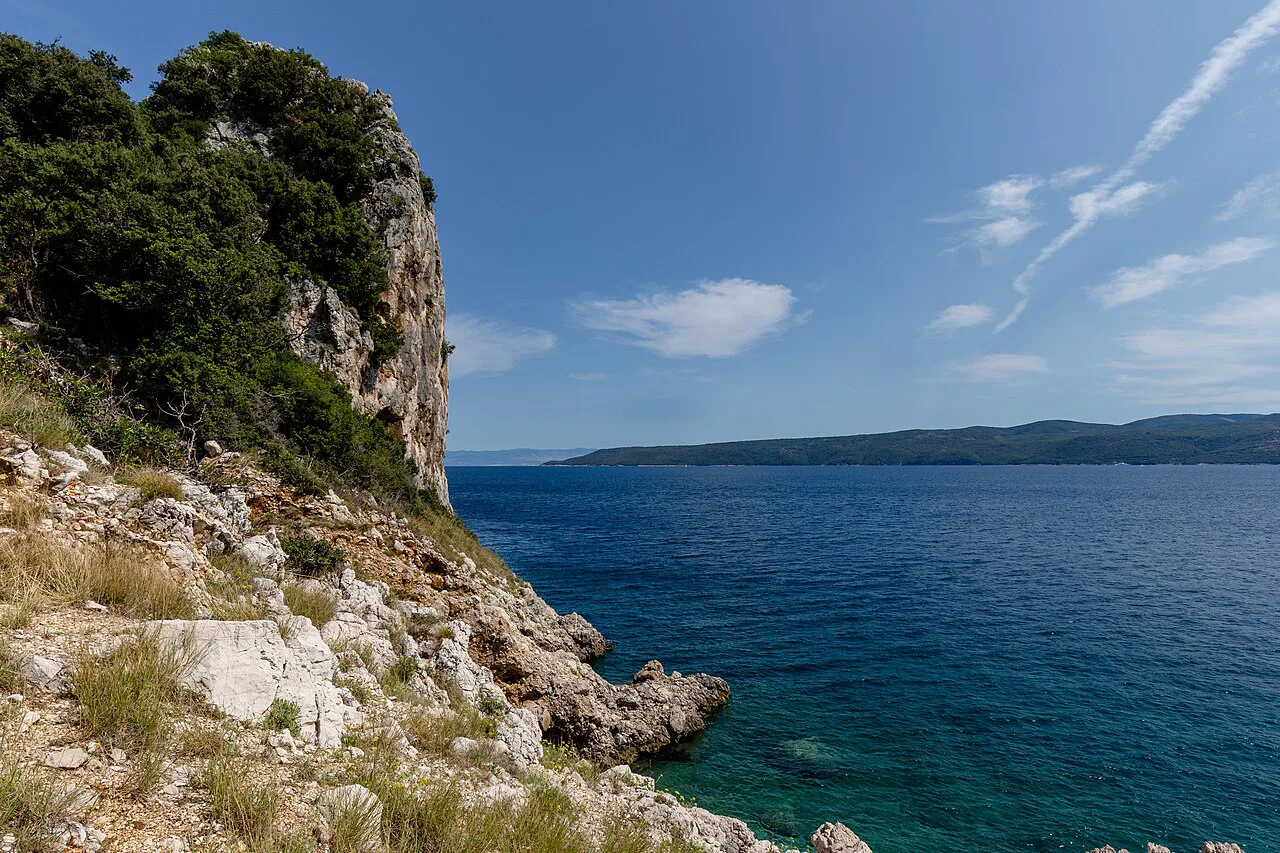
Istria: Rovinj, Pula and the Cape of Kamenjak
Rovinj's old town sits on an elliptical peninsula, crowned by the Venetian bell tower of Crkva Sv Eufemije, and its terracotta-tiled houses, cobbled streets and wide harbour make it the most photographed town in Istria. The harbour still functions as a working port, with fishermen bringing in the morning catch before the waterfront fills later in the day.
What are the five regions of Croatia? Croatia is usually divided into five broad regions: Istria in the north-west, the Kvarner Gulf around Rijeka, Dalmatia along the coast, the mountainous interior of Lika and Gorski Kotar, and the inland north-east around Zagreb and Slavonia. For a coastal trip, the first three matter most, with Dalmatia further split into northern, central and southern bands.
What part of Croatia is the Dalmatian Coast? The Dalmatian Coast is the southern stretch of Croatia's Adriatic shore, running from around Zadar and Šibenik down through Split and Dubrovnik to the Pelješac peninsula. It is the part of the coast with the most islands, the biggest concentration of walled medieval towns and the busiest summer crowds.
What parts of Croatia should a first trip cover? A first coastal trip usually covers Split and Diocletian's Palace, Trogir, one central island such as Hvar or Šolta, and Dubrovnik, with Ston and the Pelješac peninsula on the drive between. Istria and Kvarner work better as a second trip or an extension, since reaching them adds significant driving.
Twenty-odd miles south of Rovinj, Pula is the Roman stop of the northern coast, and it also anchors the Premantura peninsula and the Cape of Kamenjak to its south. Its amphitheatre is described as the only one in the world to have four side towers and all three architectural orders preserved intact, which makes it the single most distinctive Roman sight on this stretch and worth an unhurried visit.
South of Pula, the Premantura peninsula holds the protected landscape of the Cape of Kamenjak, the wildest coastal corner of Istria. A car makes this coastline far easier, but the reward is a stretch that remains noticeably quieter than the town waterfronts.
The Kvarner Gulf: Opatija and Volosko
Opatija, south-west of Rijeka, was a Habsburg-era resort whose trees, mansions and streets are described as strongly reminiscent of Lake Como, Lake Garda or Lucerne, giving it a Central European feel rather than a Dalmatian one. It was renowned as the playground of minor royals and health-resort enthusiasts drawn by long sunshine hours and high-mineral seawater.
Next door, the village of Volosko has a compact waterfront and a quieter, more casual tone than Opatija's grand streets. Pair the two as a half-day of strolling: Opatija for the architecture and the promenade, Volosko for a slower look at the water.
Kvarner works best as a first or last stop on a coastal route rather than a destination in itself, since the bigger concentration of islands and walled towns sits further south. Treat it as a place to acclimatise to the Adriatic before the crowds of July and August build in Dalmatia.
Northern Dalmatia: Zadar and Šibenik
Zadar and Šibenik mark the transition from Kvarner into Dalmatia proper, and they work well as a pair on the drive south. Both are mainland towns with old cores, which means you can stop for a few hours without committing to a ferry crossing or an overnight.
Plan each as a focused stop rather than an overnight if you are moving down the coast quickly: one morning in each keeps the driving days manageable. If you are splitting the trip into two bases, as many travellers do, the northern half pairs naturally with Split, which sits within reach of the northern islands.
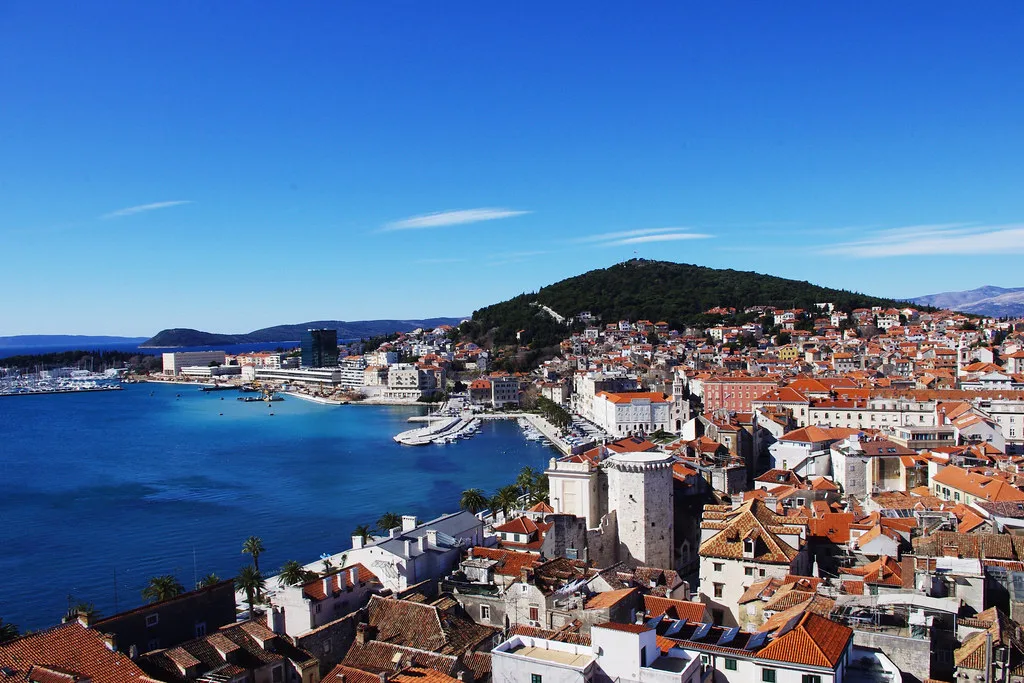
Central Dalmatia: Split and Diocletian's Palace
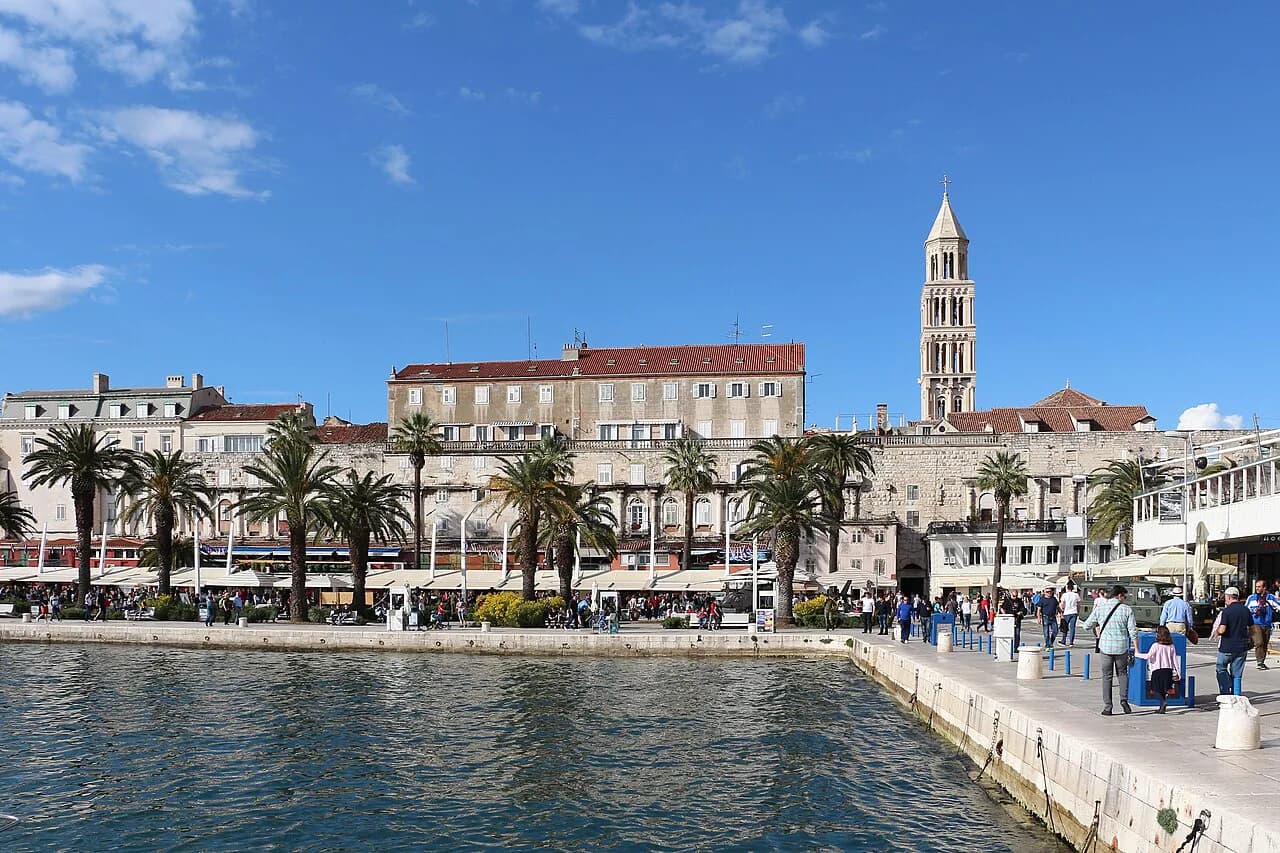
Split is built around Diocletian's Palace, a fourth-century Roman complex that now functions as a living part of the city rather than a fenced museum. Walking through the Peristyle, the palace's central colonnaded court, and looking into the Vestibule gives the most immediate sense of how Roman architecture and modern life sit on top of each other here.
Above the old town, Marjan Hill offers a wooded escape with paths down to the coast, including a seaside path that loops around the hill. Treat it as a short half-day pause from the palace crowds, particularly in July and August when the limestone streets hold the heat.
Split also works as a base for the central islands, since the ferries and catamarans to Brač, Hvar and Šolta leave from its port. The trade-off is that the city is busy almost year-round, so early mornings are the best window for the palace courtyards and the surrounding streets.
Trogir: a compact island old town
Trogir is technically an island, connected to the mainland by a bridge, and its old core is often described as one of the best-preserved circuits of Gothic-Romanesque architecture anywhere. The two essentials sit around Narodni Trg, the People's Square: the Venetian Čipiko Palace and the fourteenth-century Romanesque cathedral, which passed through several architects' hands before completion.
Because the old town is so compact, Trogir works well as a stop between Split and Šibenik rather than a base of its own. Come in the early evening, when the stone catches the light, and the town reads very differently from the midday tour-group hours.
The islands offshore: Brač, Hvar, Vis and Šolta
Brač, Hvar, Vis and Šolta each offer a different flavour of island stop. Hvar is the most bustling and best known; Vis, long closed to outside visitors for military reasons, is the most untouched; Šolta is the quietest, with walking paths along the sea and few tourists following them.
The choice between them comes down to pace rather than scenery. If you want bustle and ferry frequency, Hvar is the obvious pick; if you want a slower island with more locals than visitors, Šolta rewards the extra effort.
Island logistics matter more than the map suggests: the ferry and catamaran network changes with the season, and some crossings shrink in the shoulder months. Plan around current schedules before building an itinerary around a specific island, and treat the mainland ports at Split and Dubrovnik as your connection points.
Southern Dalmatia: Dubrovnik's walls, Stradun and Rector's Palace
Dubrovnik's medieval walls stretch nearly two kilometres around the old town and take about two hours to walk in full, pausing at viewpoints along the way. Early morning or late afternoon is the sensible window: the limestone walkways bake at midday in high summer, and the crowds on the wall thin considerably outside those hours.
Inside the walls, the marble-paved Stradun runs about 300 metres from the Pile Gate to the Old Port, lined with baroque churches, Renaissance palaces and Gothic facades. Just off it, Onofrio's Fountain sends water through sixteen ornamental masks from a well some miles away, and the Rector's Palace, now the Cultural History Museum, retains its fifteenth-century plan beneath later layers.
Just offshore, Lokrum sits around 600 metres from the city, reached by a short boat service from the Old Port; a return crossing is roughly €25 for the ten-minute journey. The island itself holds botanical gardens, roaming peacocks and the ruins of a Benedictine monastery, which makes it a half-day rather than a full excursion.
A boat trip from the Old Port is a straightforward way to see the city from the water, with the walls and fortifications reading very differently from offshore. It is worth setting aside a couple of hours for this rather than squeezing it into the same day as the wall walk.
Ston and the Pelješac peninsula
North of Dubrovnik, the run along the Pelješac peninsula passes through Ston, a small walled town that once guarded the narrow neck of land joining the peninsula to the mainland. The peninsula itself is long and slender, with a quieter, more rural character and inland vineyards rather than a resort shoreline.
Pelješac is best treated as a transit-and-pause stretch rather than a destination in its own right, unless you have time to explore it properly. On a one-way drive from Dubrovnik towards Split, Ston makes a natural lunch stop and a chance to see a different facet of the southern coast before the longer driving day towards central Dalmatia.
How long a Dubrovnik to Split trip needs
The Dubrovnik to Split coastal run covers roughly 370 kilometres, and doing it justice on the ground takes several days rather than a single drive. With a car, three to four days allows for Trogir, one island and an unhurried stop at Ston; a week gives you room for a second island and time in Split's old town beyond the palace.
Travellers without a car have a different calculus, since buses link the main towns but the islands need ferries. Splitting the trip between Split in the north and Dubrovnik or Cavtat in the south keeps the travel days shorter, with Cavtat offering a quieter base close to Dubrovnik.
When to go: shoulder months versus high summer
September and October are the strongest months for most of the coast: the sea often stays warm enough for swimming, everything remains open, and the crowds thin as prices drop. May and June are the other shoulder window, with cooler water but far fewer people on the walls and in the palace courtyards.
July and August bring high temperatures and heavy crowds, particularly in Dubrovnik and Split, where cruise traffic and tour groups concentrate in the old towns. If you travel then, use the early morning and late afternoon for the exposed sights and save the shaded streets and indoor stops for the middle of the day.
How ferries and catamarans link the coast
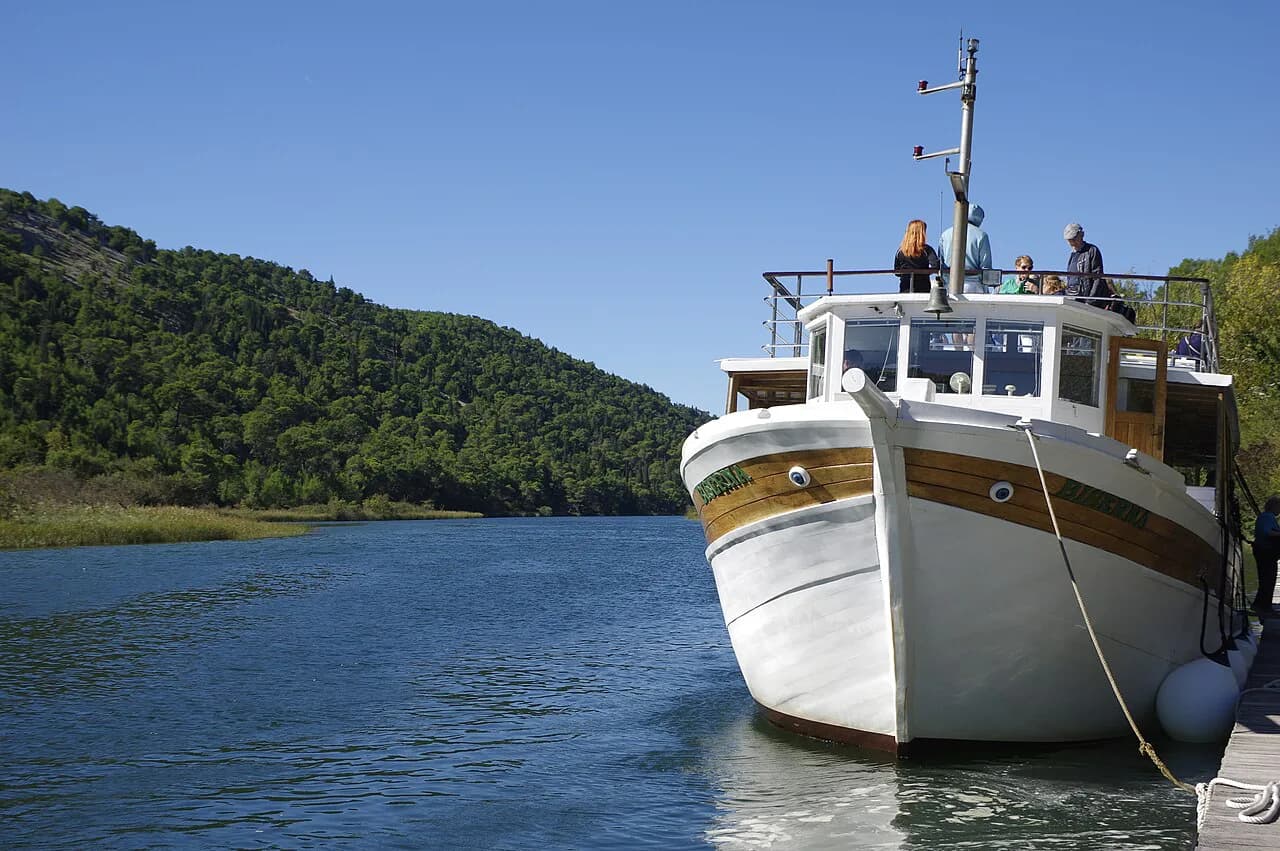
Ferries and catamarans connect the mainland ports to the islands, with Split and Dubrovnik acting as the main hubs for the Dalmatian stretches. Catamarans are generally faster for passengers, while ferries take vehicles, which matters if you are driving and want to bring the car across.
Schedules shift with the season, so build the itinerary around what a current timetable shows rather than assumptions from past years. Different operators run different lines, and route frequencies change between summer and the shoulder months, which can sink a tightly planned island hop.
Getting around: car, bus or boat
A rented car gives the most freedom on the mainland stretches, and Split makes a practical base for seeing the coastline and the wider region, including inland excursions. The trade-off is parking in the walled towns, which is scarce and often outside the old cores.
Buses link the main towns efficiently, and splitting the trip between Split in the north and Dubrovnik or Cavtat in the south removes the need for a car entirely. Boats then handle the islands, with the ferry port at each town acting as the natural junction point for the rest of the trip.
What things cost, in euros
Croatia uses the euro, so coastal prices are quoted directly without conversion, which makes comparing the coast with the western Mediterranean straightforward. The evidence for a Lokrum return crossing puts it at roughly €25 from Dubrovnik's Old Port, a useful benchmark for short island hops rather than a general rule for Croatian ferries.
For ferry and catamaran tickets, check the operator's own site for the specific line and date, since prices vary by route and season. The bigger cost variable on this coast is accommodation and eating out in July and August, when demand peaks, rather than the crossings themselves.
Which stretch of the Croatian coast should you book first?
Start with central Dalmatia: Split, Diocletian's Palace and Trogir, then one island such as Hvar or Šolta, and finish with Dubrovnik if the trip can stretch that far. That order gives you the widest range of the coast's character without committing to long drives on the first day.
If your time is tight, pick either the northern half (Istria and Kvarner) or the southern stretch (Split to Dubrovnik) and cover it properly. The Best Places to Visit in Croatia cluster around these two halves, and a focused trip reads better than a checklist.
Explore more Croatia guides
Frequently Asked Questions
What are the five regions of Croatia?
Croatia is usually divided into five broad regions: Istria in the north-west, the Kvarner Gulf around Rijeka, Dalmatia along the coast, the mountainous interior of Lika and Gorski Kotar, and the inland north-east around Zagreb and Slavonia. For a coastal trip, the first three matter most, with Dalmatia further split into northern, central and southern bands.
What part of Croatia is the Dalmatian Coast?
The Dalmatian Coast is the southern stretch of Croatia's Adriatic shore, running from around Zadar and Šibenik down through Split and Dubrovnik to the Pelješac peninsula. It is the part of the coast with the most islands, the biggest concentration of walled medieval towns and the busiest summer crowds.
What parts of Croatia should a first trip cover?
A first coastal trip usually covers Split and Diocletian's Palace, Trogir, one central island such as Hvar or Šolta, and Dubrovnik, with Ston and the Pelješac peninsula on the drive between. Istria and Kvarner work better as a second trip or an extension, since reaching them adds significant driving.
Sources
Notes from the Croatian coast
Optional updates when our guides change.
You might also like
Continue reading
More guides you'll find useful