Best Towns in Croatia: Which Historic Town to Visit
The best towns in Croatia, from Dubrovnik's walls and Split's Roman palace to Rovinj's bell tower, with how each one fits a route along the coast.
On this page
Plan around six towns if you have a fortnight: Dubrovnik, Split, Rovinj, Poreč, Zadar and Trogir cover the four shapes of Croatian town — walled city, Roman city, Venetian harbour and small island old town. Everything else here is a worthwhile addition rather than a substitute. What follows sorts the towns by what they actually are, gives each a realistic visiting time, and shows how they link into one route.
Croatia's historic centres are dense, walkable and largely car-free, so most work as a half-day on foot rather than a driving tour. This guide names the streets, squares, churches and fortresses that define each town so you can judge the shape of the visit before you commit a night to it. For the wider picture beyond towns, our pick of the best places to visit in Croatia covers the national parks and inland sights that a town-only itinerary leaves out.
Which Croatian towns are worth planning a trip around
Croatia's towns fall into four useful types, and each is a short walk across. The walled cities — Dubrovnik and Korčula — are the ones you circle rather than cross, with ramparts, gates and tightly packed stone lanes. Split and Pula are built into and around Roman structures that still set the street plan, while Rovinj, Poreč, Trogir, Zadar and Šibenik reward a slow circuit of the waterfront and the lanes behind it.
Dubrovnik: medieval walls and a UNESCO-listed old town
Dubrovnik is Croatia's most famous town, nicknamed the 'Pearl of the Adriatic': medieval city walls wrapping marble-paved streets and terracotta roofs, with the Old Town listed as a UNESCO World Heritage Site. Walk the walls for the view back over the rooftops and out to sea, then drop into the lanes behind the Stradun, the main promenade, where the crowds thin within a street or two. The compactness is the appeal and the problem: the whole Old Town is a short walk across, so the visit is about timing rather than distance.
How many days do you need to see the best towns in Croatia? Two weeks gives a comfortable split between Istria by road and the Dalmatian coast with a couple of island stops. A week forces a choice: either Istria or the coast south of Split, not both.
Do you need a car to visit Croatian towns? Istria and the inland hill towns are much easier with a car, since the drives between Pula, Rovinj, Poreč and Motovun are short. The Dalmatian coast works by bus, with Split as the ferry hub for the islands.
When should you visit Dubrovnik to avoid crowds? Early morning and late afternoon are calmer than the middle of the day, and cruise-ship arrivals shape the busiest hours. Check the port's published arrivals for your date and plan the wall walk around them.
Give Dubrovnik a full day, ideally with a night, because the wall circuit deserves unhurried time and the day-tripper surge is worst in the middle of the day. This is Croatia's most heavily visited town, and the streets feel very different at opening time than at noon. Check the port's published cruise schedule for your date and plan the walls for either end of the day.
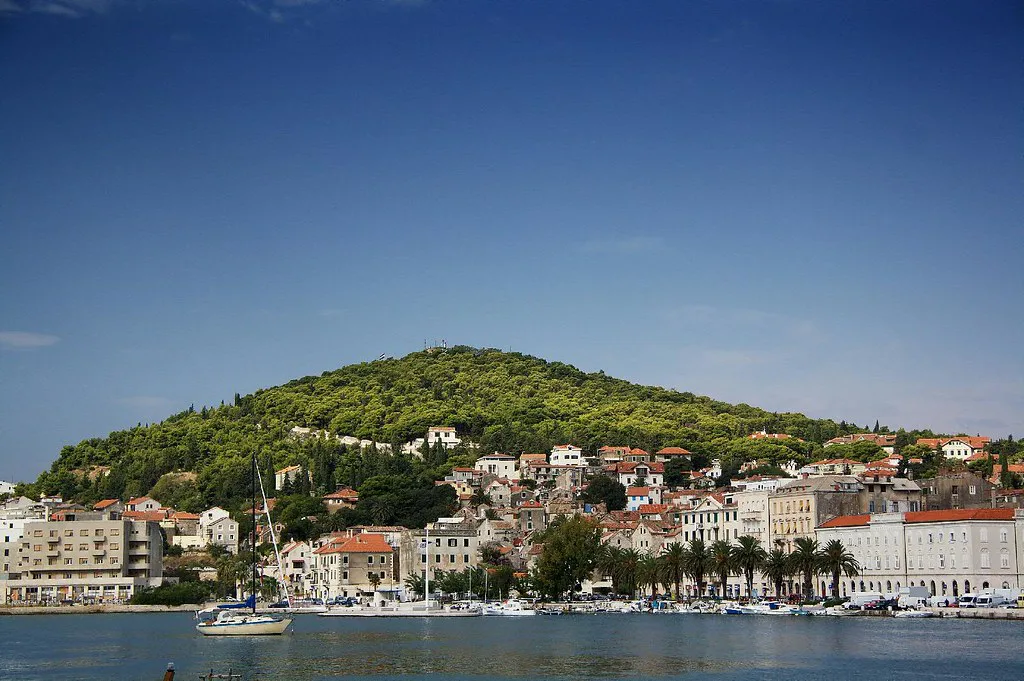
Split: Diocletian's Palace, the Riva and Marjan Hill
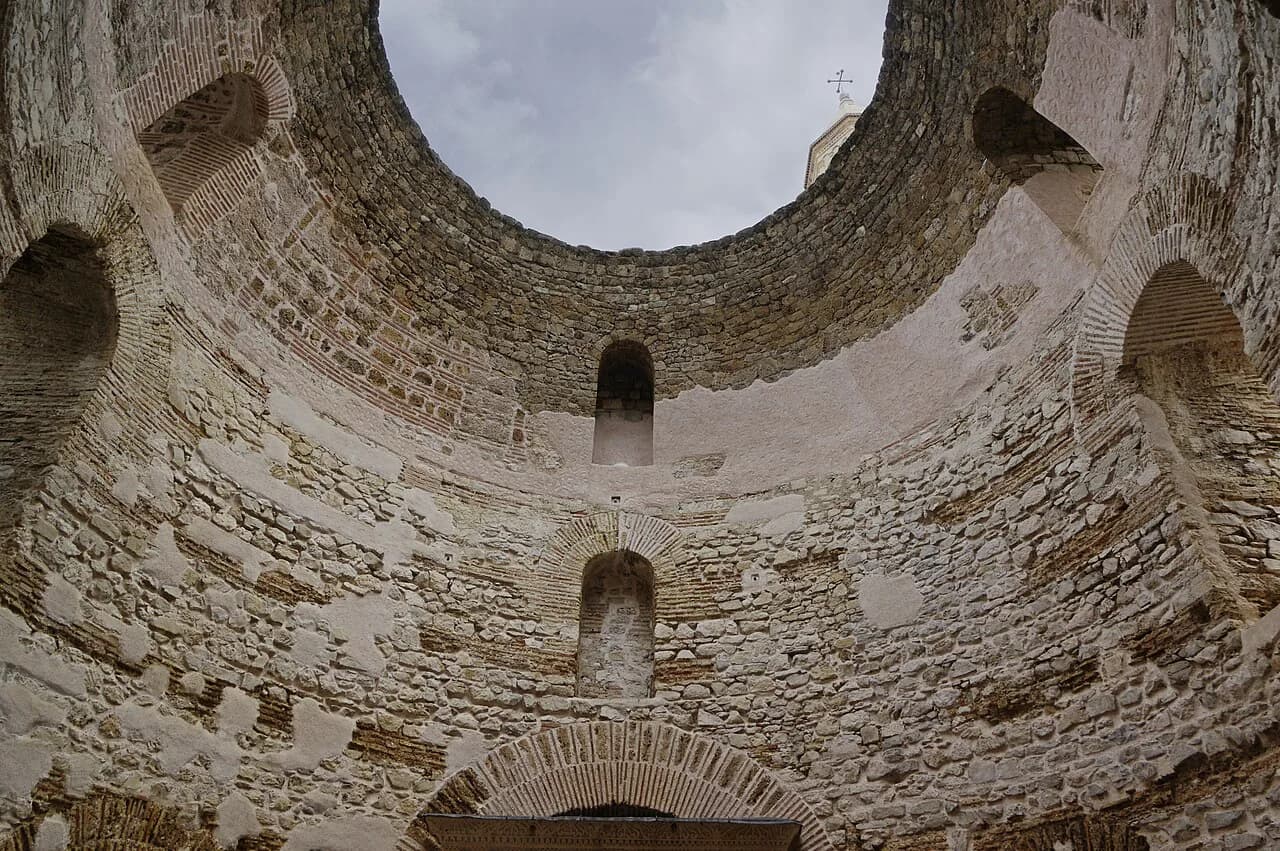
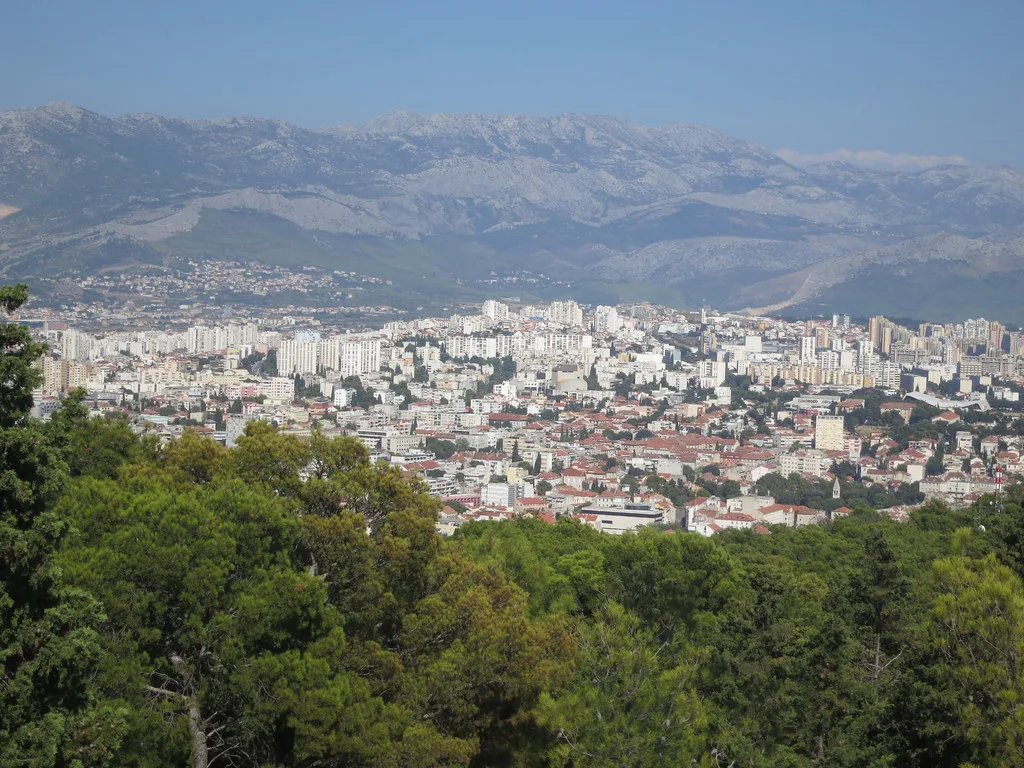
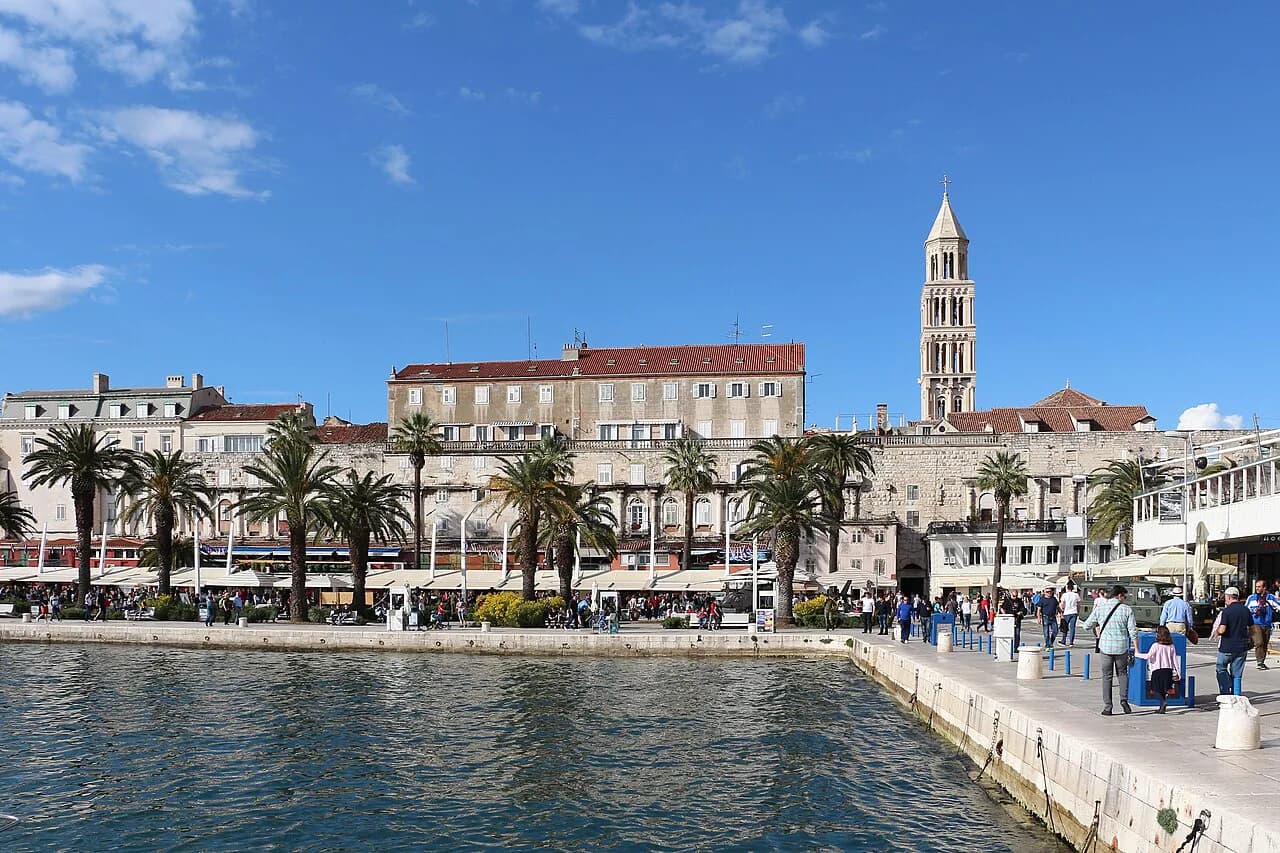
Split is the second-largest city in Croatia and its old centre is built inside and around Diocletian's Palace, an impressive Roman structure that has stood here for nearly two thousand years. The Riva promenade is the city's living room, and Marjan Hill, the wooded ridge above town, gives panoramic views back over the harbour and the islands. The result is a working city with antiquities in it rather than a museum piece, which is why it earns a place among the Things to Do in Croatia rather than a single ticketed sight.
Split justifies two nights because it doubles as the main ferry port for the islands. That makes it the natural place to break the coastal run: see the palace and the Riva on foot one day, then take a catamaran out to Brač, Hvar or Korčula the next. The harbourfront and palace lanes are busy whenever ferries are moving, so mornings are calmer than evenings in high season.
Rovinj: St Euphemia's bell tower and a Venetian harbour
Rovinj is Istria's showpiece, a town of narrow cobblestone streets, pastel houses and a romantic harbour, with St Euphemia's Church and its striking bell tower dominating the skyline. Climb the tower for the view over the town and the sea, then walk the lanes without a plan — the pleasure here is the texture of the place. The old town sits on a headland, so you circle it rather than cross it.
Rovinj is small, so half a day covers the church, the harbour and the lanes, but it rewards a night because the evening empties out the day visitors. In summer the compact centre can feel crowded for its size, which is the price of being the most photographed town in Istria. Pair it with Poreč and Pula by road; all three sit within easy driving distance on the peninsula.
Poreč: the Euphrasius Basilica and an Istrian old town
Poreč's draw is the Euphrasius Basilica, a UNESCO World Heritage Site and a masterpiece of Byzantine art and architecture, with mosaic work that shines as the reason to come. The old town around it is a pleasant grid of narrow streets and squares, and the waterfront makes a natural place to start or finish a circuit. It is smaller and quieter than Rovinj, which makes it the easier Istrian town to see in a few hours.
Half a day is enough for the basilica and the old town, and Poreč works well as a morning stop when you are driving between Rovinj and Pula. The basilica is the one sight here that rewards reading up beforehand, because the mosaics carry most of the story. Check the basilica's own published visiting hours for your date before you build the day around it.
Pula: the Roman amphitheatre and the city around it
Pula, at the southern tip of Istria, is dominated by its Roman amphitheatre, one of the best preserved in the world, which still hosts events and concerts. Around it the city layers Roman ruins, medieval buildings and ordinary squares, and it feels more urban than the other Istrian towns. Come for the Arena, stay for the sense of a city that lives around its antiquities rather than behind glass.
Pula is as urban as Istria gets: it is the region's commercial centre and home to almost half its population, which is why it trades prettiness for substance. Budget a half-day to a full day on foot, with the amphitheatre as the priority, and check the Arena's official programme if you want to see it outside event days, since concerts change what is accessible.
Zadar: a northern Dalmatian base with the Sea Organ
Zadar is the main city of northern Dalmatia and one of the coast's most popular stops, with a compact old town on a peninsula and the Sea Organ (Morske orgulje) at the waterfront as its signature. The organ's pipes turn the wash of the Adriatic into sound, and the paved steps beside it are where everyone gathers at sunset. The old town itself is a tight knot of Roman, Venetian and later layers that takes an easy half-day to walk.
Zadar works better as a base than as a stop: it is a city with buses, ferries and an airport, and it opens up the northern Dalmatian coast and islands. Give it a night, see the old town and the Sea Organ in the evening, then move south towards Šibenik or out to the islands. The trade-off is that the headline sight is small, so Zadar is thinner as a destination than Split or Dubrovnik and stronger as a hinge in a route.
Šibenik: a quieter Dalmatian town near Krka
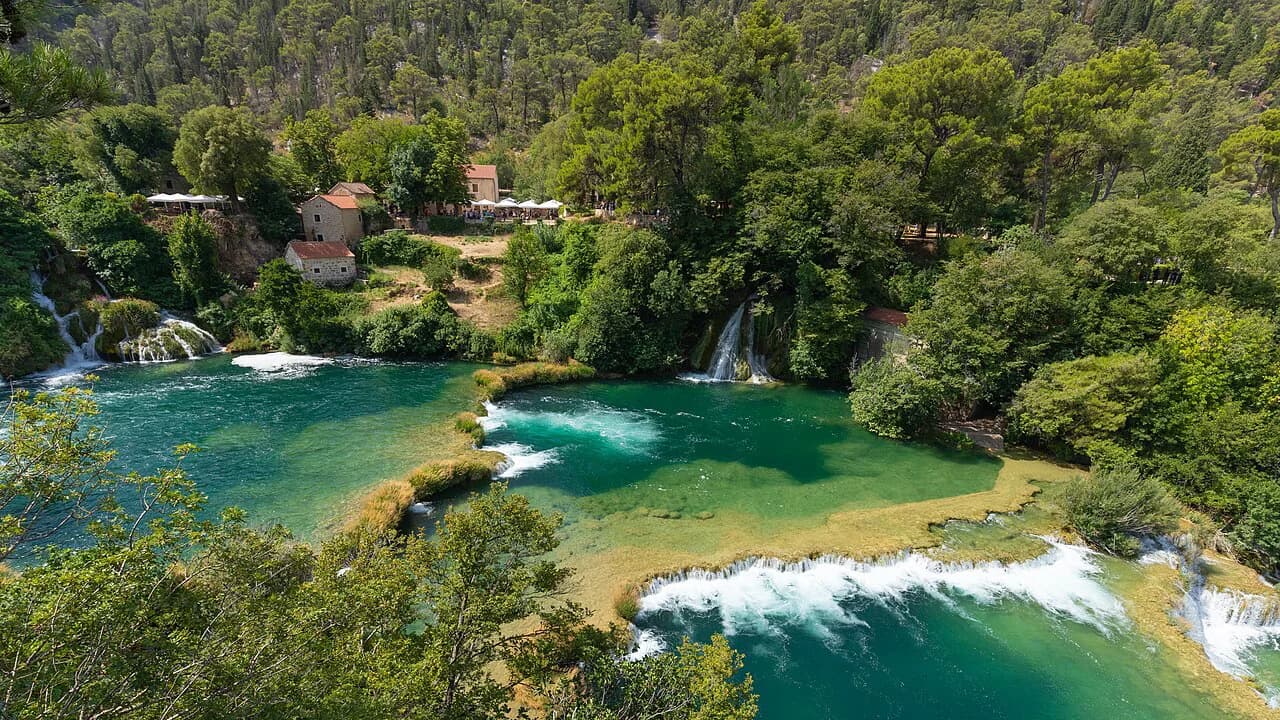
Šibenik has long played second fiddle to Split and Zadar and is now turning into Dalmatia's surprise package, with a dense stone old town rising up a hillside above the water. Its position makes it the natural base for Krka National Park and the Skradinski buk waterfall, the park's picture-postcard centrepiece. The town itself is a half-day on foot, best done slowly through the stepped lanes and squares.
The reason to choose Šibenik over its bigger neighbours is the pairing: a quieter town plus one of Croatia's great natural sights within reach. The National Park authority publishes its own ticket prices and opening arrangements, and they change by season, so take those from the park rather than from the town. Two nights here gives you the town and a full day at the falls without rushing either.
Trogir: a small UNESCO-listed island old town
Trogir's old town sits on a small island between the mainland and the island of Čiovo, and it is listed as a UNESCO World Heritage Site, with layers from Greek settlement onwards still readable in its streets. It is the smallest of the Dalmatian towns here and the quickest to see: an hour or two covers the lanes, the squares and the waterfront. That compactness is the point — it is a place to wander rather than to work through.
Trogir works as a short stop between Split and Šibenik, or as a quieter alternative base if you want Split's airport and ferries without Split's bustle. Buses along the coast make the hop easy, so it fits neatly into a day of moving rather than a dedicated layover. The trade-off is that it is small enough that a night may feel like too much unless you want the evening calm after the day visitors leave.
Korčula: walled streets and St Mark's Cathedral
Korčula town is a small, walled place on the island of the same name, with towers, gates and St Mark's Cathedral at its heart. The streets are laid out in a herringbone pattern that channels the breeze, which makes walking the town a pleasure even in the heat of the day. It is the most satisfying walled town on the islands and the obvious counterpart to Dubrovnik on a coastal route.
Give Korčula a night rather than a day trip: it is a ferry ride from Split, and the town is at its best in the evening once the boats have gone. Ferries and catamarans from Split serve the island, but operators run seasonal timetables, so confirm the sailing with Jadrolinija or Krilo for your dates before you plan the crossing.
Hvar and Brač: two islands that work as town stops
Hvar town is the epicentre of the Dalmatian island trade, with yachts lining the harbour and a busy waterfront. Brač is the easier, closer island — less than an hour by ferry and a prime candidate for a day out — with Bol and Pučišća as its best-known settlements. Both work as town stops within an island itinerary rather than as standalone destinations.
Choose Hvar for atmosphere and Brač for convenience: one is lively and polished, the other is close enough to Split for a short crossing. Either way, book the catamaran and ferry crossings through Jadrolinija, Krilo or TP Line for the dates you actually travel, rather than relying on a schedule you found elsewhere. A single night on either island changes the trip more than adding another mainland town.
Motovun and the Istrian hill towns
Motovun is probably the most iconic of Istria's hill towns, perched above the Mirna valley with a compact walled core. The appeal is the setting as much as the buildings: you climb to it, look out, and the landscape does the rest. It is a different kind of visit from the coastal towns — no harbour, no ferry, just a hilltop and a view.
Hill towns are best treated as a half-day loop by car from a base in Istria rather than as overnight stops. Motovun is small, so the trade-off is that the visit is short and the drive is what takes the time; combine it with other inland stops on the same day. The towns themselves need no more than a stroll and a viewpoint.
How to link the towns: coast, islands and ferry hops
The practical route splits into two halves. Istria — Pula, Rovinj, Poreč and the hill towns — is a road trip from one base, with short drives between towns. Dalmatia is a linear run south from Zadar through Šibenik, Trogir and Split to Dubrovnik, with buses doing the coastal legs and Split acting as the ferry hub for Korčula, Hvar and Brač. Trying to combine both halves in a week is the most common planning mistake.
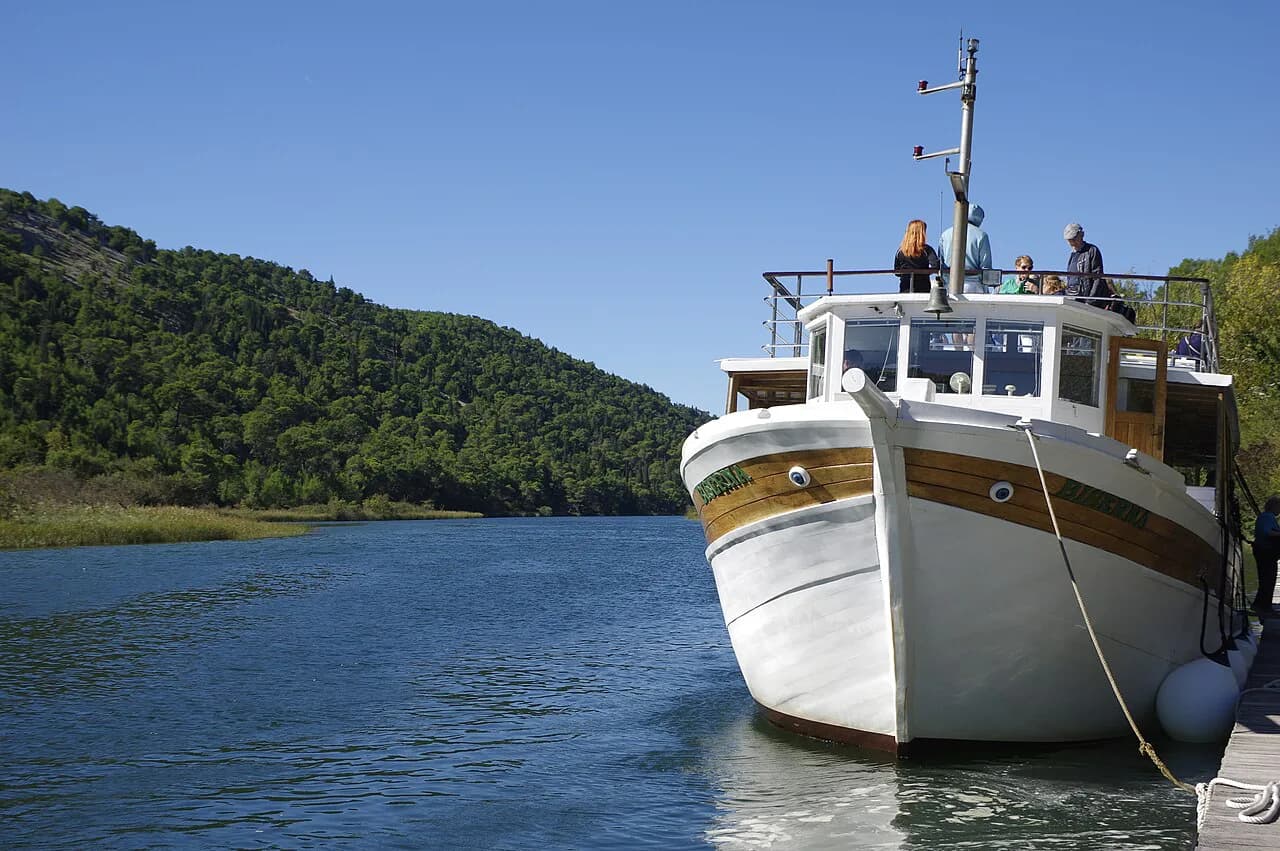
Ferries and catamarans are run by Jadrolinija, Krilo and TP Line, and their timetables change by season, so book against Jadrolinija's current schedule rather than a printed guide. Boats are the one part of a Croatian trip where a missed connection costs a whole day, so keep ferry days light. Sailing between the islands is a separate pleasure from town-hopping, and a boat tour from the right port can replace a mainland hop entirely.
Dubrovnik in summer: crowds, cruise days and timing
Dubrovnik's old town is small and its wall circuit is narrow, so summer volumes bite harder here than anywhere else on the coast. The wall walk and the Stradun are at their most uncomfortable in the middle of the day, and the town is at its best early or late. Plan the walls for the first hour of the day, then use the afternoon for churches and lanes where the crowd thins out.
Cruise-ship arrivals are the single biggest variable in how Dubrovnik feels on a given day, and the port publishes its schedule, so check the arrivals for your date before you commit to a wall walk. The same logic applies gently down the coast: Split is busy when ferries move, and smaller towns like Trogir empty out as day visitors leave. If you want the walled towns without the crush, go for the ends of the day.
Which towns to pick for your route
Pick by shape of visit, not by a beauty ranking. For walls and views, Dubrovnik and Korčula are the pair; for Roman bones in a working city, Split and Pula; for Venetian harbours and an easy pace, Rovinj, Poreč and Trogir; and for a base with ferries, buses and a waterfront, Zadar or Šibenik. Two bases per week is a sensible rhythm.
Build the route around ferry days rather than packing towns into every afternoon. Confirm the current operator schedules and any park ticket arrangements for your dates, then leave the rest of the plan loose. The towns reward time, not coverage.
Explore more Croatia guides
Frequently Asked Questions
How many days do you need to see the best towns in Croatia?
Two weeks gives a comfortable split between Istria by road and the Dalmatian coast with a couple of island stops. A week forces a choice: either Istria or the coast south of Split, not both.
Do you need a car to visit Croatian towns?
Istria and the inland hill towns are much easier with a car, since the drives between Pula, Rovinj, Poreč and Motovun are short. The Dalmatian coast works by bus, with Split as the ferry hub for the islands.
When should you visit Dubrovnik to avoid crowds?
Early morning and late afternoon are calmer than the middle of the day, and cruise-ship arrivals shape the busiest hours. Check the port's published arrivals for your date and plan the wall walk around them.
Sources
Notes from the Croatian coast
Optional updates when our guides change.
You might also like
Continue reading
More guides you'll find useful