Roman Ruins in Croatia: Pula, Split, Zadar and Salona
Roman ruins in Croatia run from Pula's amphitheatre to Diocletian's Palace in Split, Zadar's forum and Salona. See what each site is and how to visit it.
On this page
The Roman ruins in Croatia worth planning a trip around are Pula's amphitheatre and Temple of Augustus, Diocletian's Palace in Split with its Peristyle, the forum at Zadar, and Salona at Solin just outside Split. Two of these are fenced monuments with tickets and set routes, while the palace and the forum are living parts of their towns that you enter without a barrier. This guide explains what actually survives at each, how long to allow, and how to string them together by road or ferry.
The distinction matters when you plan a day. At Pula you queue, pay and walk a circuit inside an Arena; in Split you step off the Riva straight through a palace gate into lanes where people live and work, so the experience is a walk through a neighbourhood rather than a museum. Knowing which is which stops you turning up at the wrong place expecting the other.
What survives of Roman Croatia: an answer in brief
Croatia's coast was part of the Roman world for centuries, and the surviving fabric is unusually varied: a first-century amphitheatre at Pula that ranks among the best preserved anywhere, an imperial retirement palace at Split built into the modern city, a forum at Zadar still used as a public square, and the buried capital at Salona. The bigger sites sit on the coast, which makes them practical to combine with the best places to visit in Croatia rather than treating them as a separate trip.
Treat the Roman remains as three anchor stops: Pula in Istria, Split with Salona next door, and Zadar further down the Dalmatian coast. Each has enough to fill half a day and each sits on a ferry or road corridor, so you can build a linear route instead of zig-zagging. The smaller sites slot in along the way.
Pula's amphitheatre: the Pula Arena and how a visit works
The Pula Arena is the city's defining monument and one of the largest surviving Roman amphitheatres, its outer wall rising several storeys above the surrounding streets. You visit the interior and the tiered seating rather than simply viewing it from outside, so budget a proper stop rather than a photo. It is the Roman site most visitors picture when they ask which Croatian city has a Roman amphitheatre, and Pula answers that squarely.
Was Croatia ever part of the Roman Empire? Yes. The Dalmatian coast was absorbed into the Roman state over the centuries before and around the birth of Christ, which is why Pula, Split, Zadar and Salona carry Roman monuments.
Which Croatian city has a Roman amphitheatre? Pula, in Istria, has the Pula Arena, one of the largest surviving Roman amphitheatres. You visit it as a ticketed monument, unlike the free public squares such as Zadar's forum.
Which Roman emperor was from Croatia? Diocletian is the emperor most closely tied to Croatia: he built his palace at Split and retired there. His palace is now the living core of the city rather than a ruin, and you can walk its streets without a ticket.
Because the Arena is a ticketed monument operated as a visitor attraction, check the ticket desk at the site or the city tourist board for current opening hours and entry prices, which vary by season. Allow around an hour for the circuit and the underground chambers, and longer if there is an exhibition in the Arena. This is the place to build in time, not to rush.
Pula's Temple of Augustus and the forum
The Temple of Augustus stands at the edge of Pula's forum, its colonnaded front largely intact and built into the later Town Hall that was grafted onto it. The exterior is visible from the square, which makes it an easy add-on to an Arena visit on the same afternoon. The forum around it remains the city's main square, lined with cafés and public buildings.
Pair the Arena and the forum on foot, since both sit within the compact centre and Pula rewards walking rather than driving between stops. If your wider trip runs up the coast, this is a natural starting point before continuing south, and the broader guide to the best places to visit will tell you what else in Istria earns a stop.
Diocletian's Palace in Split: a Roman palace you walk through
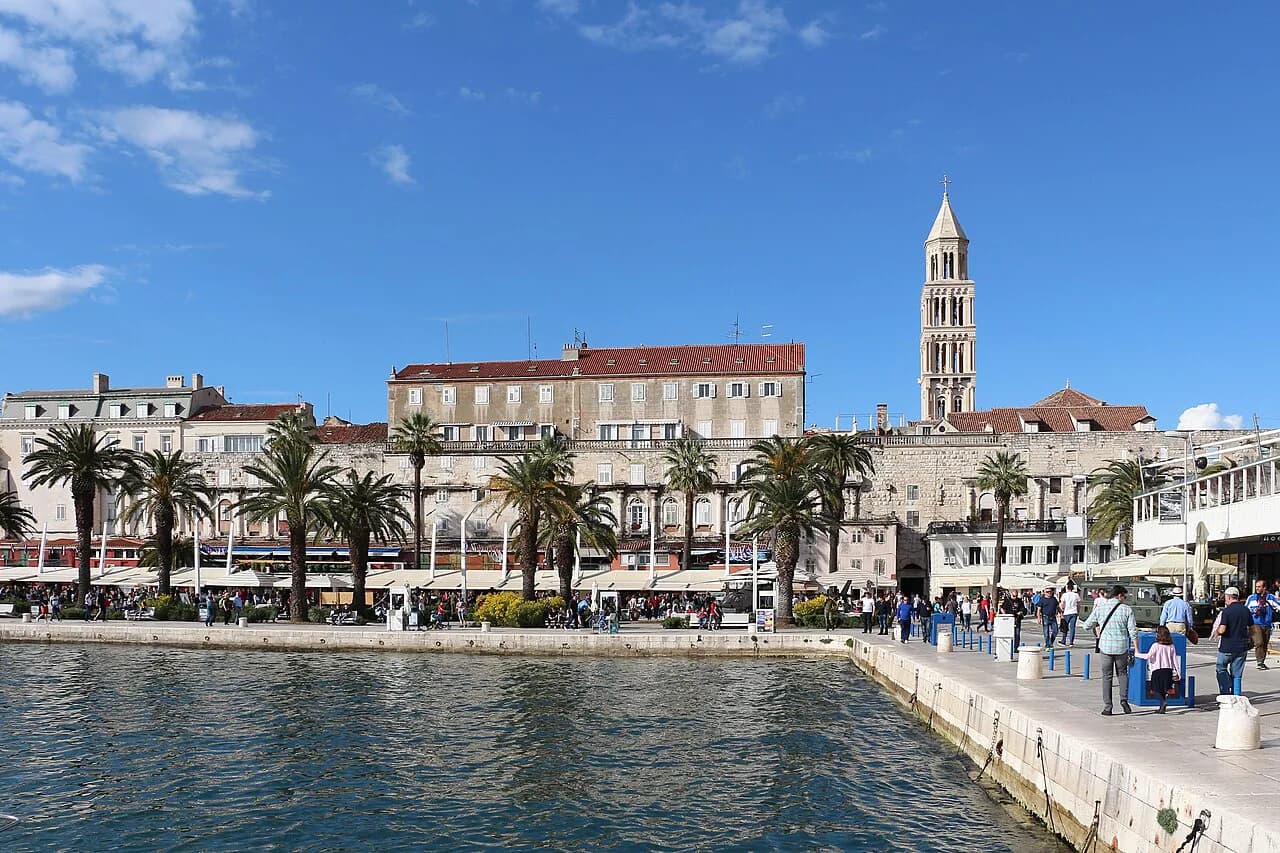
Diocletian's Palace is the centrepiece of Roman Croatia and the most unusual of these sites, because it is not a ruin behind a rope but the living core of Split. The emperor's retirement complex now contains shops, flats, churches and restaurants inside its walls. You enter from the waterfront Riva through the Bronze Gate or from the landward side, and the palace streets are open to walk without a barrier.
Its Roman identity earned it a place on the UNESCO World Heritage List, and it is the reason Split feels unlike any other Dalmatian town. Approach it as one of the central things to do in Croatia rather than a single museum stop, since the lanes, cellars and squares are open to anyone. The palace is also why Split works as a base for Salona and the islands.
The Peristyle and the cellars of Diocletian's Palace
The Peristyle is the palace's ceremonial courtyard, framed by columns and the former emperor's mausoleum, which became the cathedral, and it is the single most recognisable square in Split. It is open to walk through, though individual monuments around it, such as the cathedral and baptistery, have their own ticket arrangements. The cellars beneath the palace, reached from near the Riva, are the best-preserved Roman interiors and are usually visited on a paid ticket.
Visit the Peristyle early or late if you want photographs without crowds, since it is on every walking route and fills up through the day. The cellars are a good midday stop when the open stone is hot. For anyone assembling a wider Dalmatian itinerary, Diocletian's Palace anchors Split in the same way the Arena anchors Pula.
Salona: the Roman capital near Split
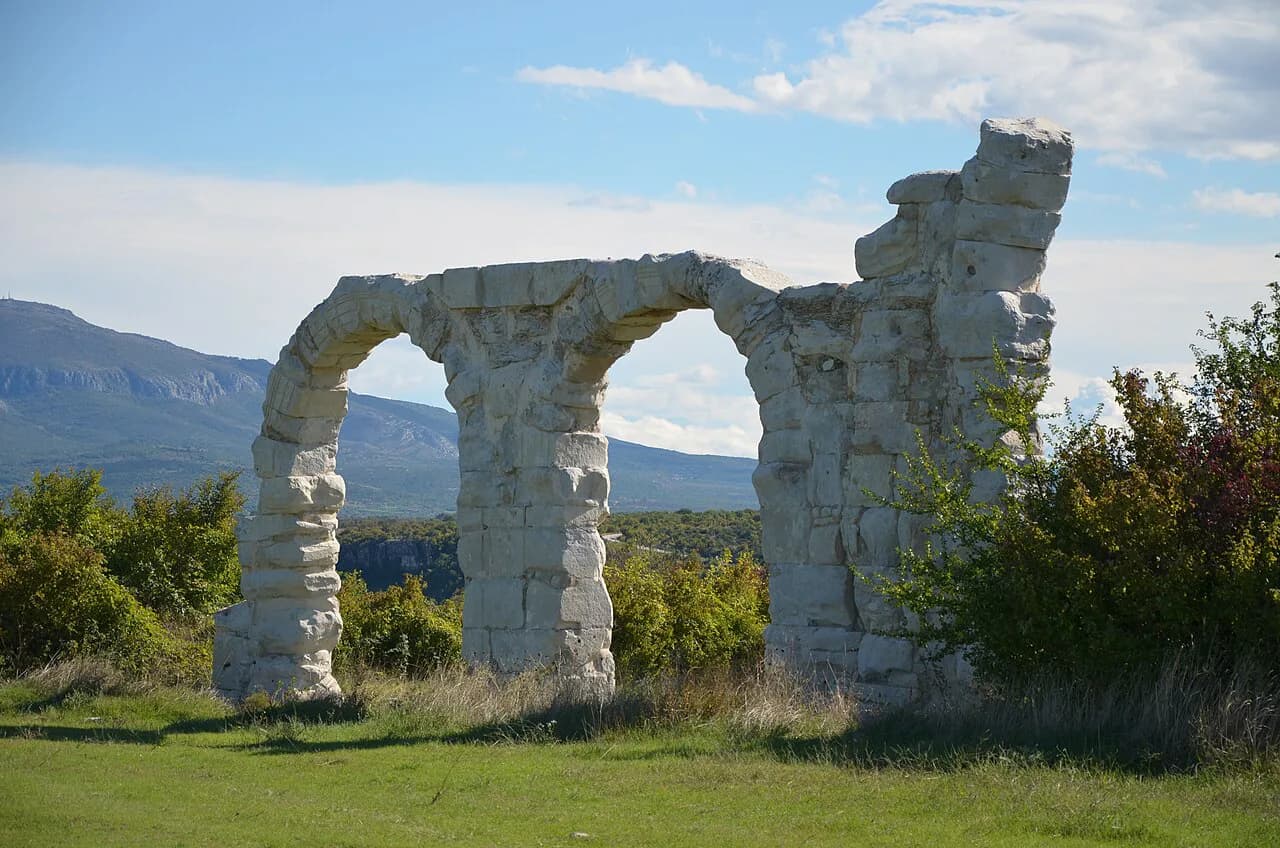
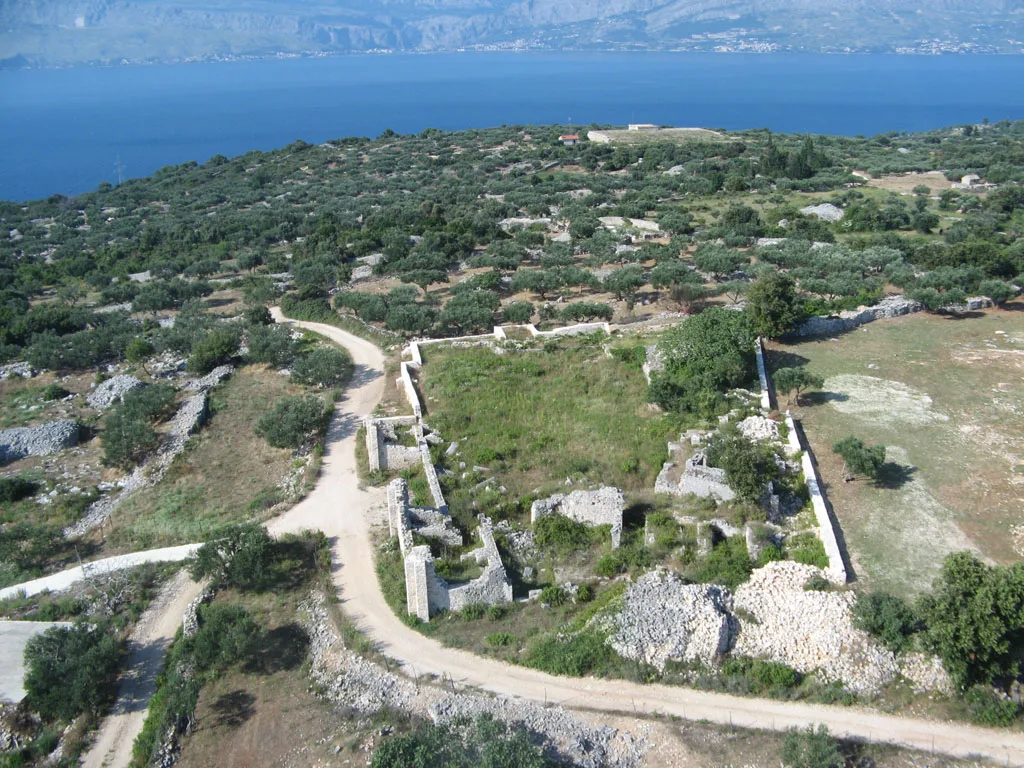
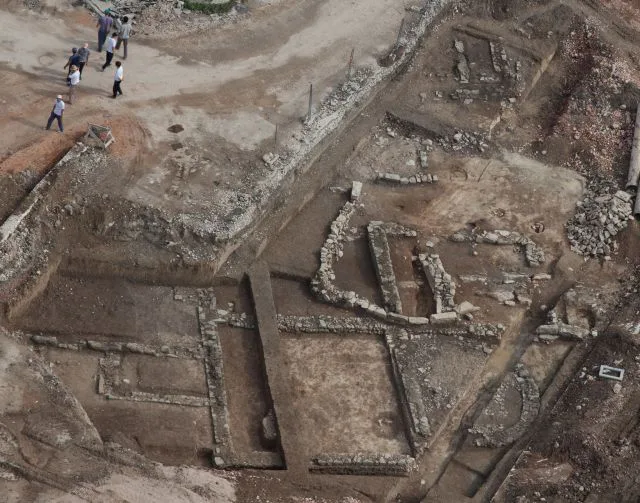
Salona, at Solin a short way north-east of Split, was the Roman capital of the province of Dalmatia and is now an open archaeological park with streets, a basilica, an amphitheatre and early Christian remains spread across fields. It is the opposite experience to Pula's Arena: a sprawling, quiet site you wander rather than a single monument you enter. Allow a couple of hours if you want to see the whole circuit.
Salona is easily combined with Split as a half-day add-on, and its Roman and early Christian layers make it a good complement to the palace in the city. Check the on-site ticket office for current entry prices and opening times, which change with the season. Buses and taxis from Split make the journey practical without a car.
Zadar's Roman forum and the Roman street grid
Zadar's forum sits at the heart of the old town on the site of the Roman forum, with paving and fragments built into the public square and the church of St Donatus beside it. You simply walk across it as a public square, which makes it one of the most accessible of the major Roman sites on this list. The old town's grid preserves the Roman street plan, so wandering the lanes is itself a form of looking at the Roman city.
Zadar fits naturally into a coastal route from Pula via ferry or road, and it gives you a Roman forum to walk through between the ticketed monuments at Pula and the enclosed Salona. Because the forum is a public square, plan it as a stop of twenty minutes or so rather than a half-day. It is at its best in the early evening, when the square is in use but not packed.
Smaller Roman remains elsewhere on the coast
Beyond the headline sites, Roman and late-Roman remains turn up in odd corners of the coast: fragments of walls and mosaics in the older towns, and early Christian churches that reuse Roman stone. These are rarely the reason for a trip, but they reward the traveller who is already walking the old centres. Treat them as bonuses rather than destinations.
If you are plotting a coast-wide route, use a Croatia map to see how the Roman stops line up with the Adriatic Sea ferry corridors and the larger towns. The Croatian coast concentrates the Roman sites in a handful of cities, which makes an itinerary straightforward. For the towns themselves, the guide to the best towns in Croatia explains where the historic centres sit.
Narona Archaeological Museum in the Neretva Delta
The Narona Archaeological Museum in the Neretva Delta houses the remains of a Roman site presented where it was found, and gives a southern counterweight to the Istrian and Dalmatian stops. It suits travellers already heading south towards Dubrovnik or the Pelješac peninsula. If your route does not reach this far south, the coast's main Roman sites at Pula, Split and Zadar cover the classics without it.
Museums of this kind tend to keep their own seasonal hours, so confirm the current opening times and ticket information with the museum or the local tourist board before making it the sole reason for a detour. Read it as a complement to the open-air sites, not a substitute. It is the stop for travellers who want the story of a Roman colony rather than a single monument.
How long each site needs and how to link them by road or ferry
As a rough plan, give Pula's Arena and forum a combined half-day, Diocletian's Palace a half-day at least, Salona a couple of hours, and Zadar's forum under an hour; the Narona museum suits a short stop. Pula, Split and Zadar sit on ferry and catamaran corridors as well as the coastal road, so a linear route by ferry or bus is realistic. Croatia's boat tours and scheduled ferries both connect these ports, depending on the season.
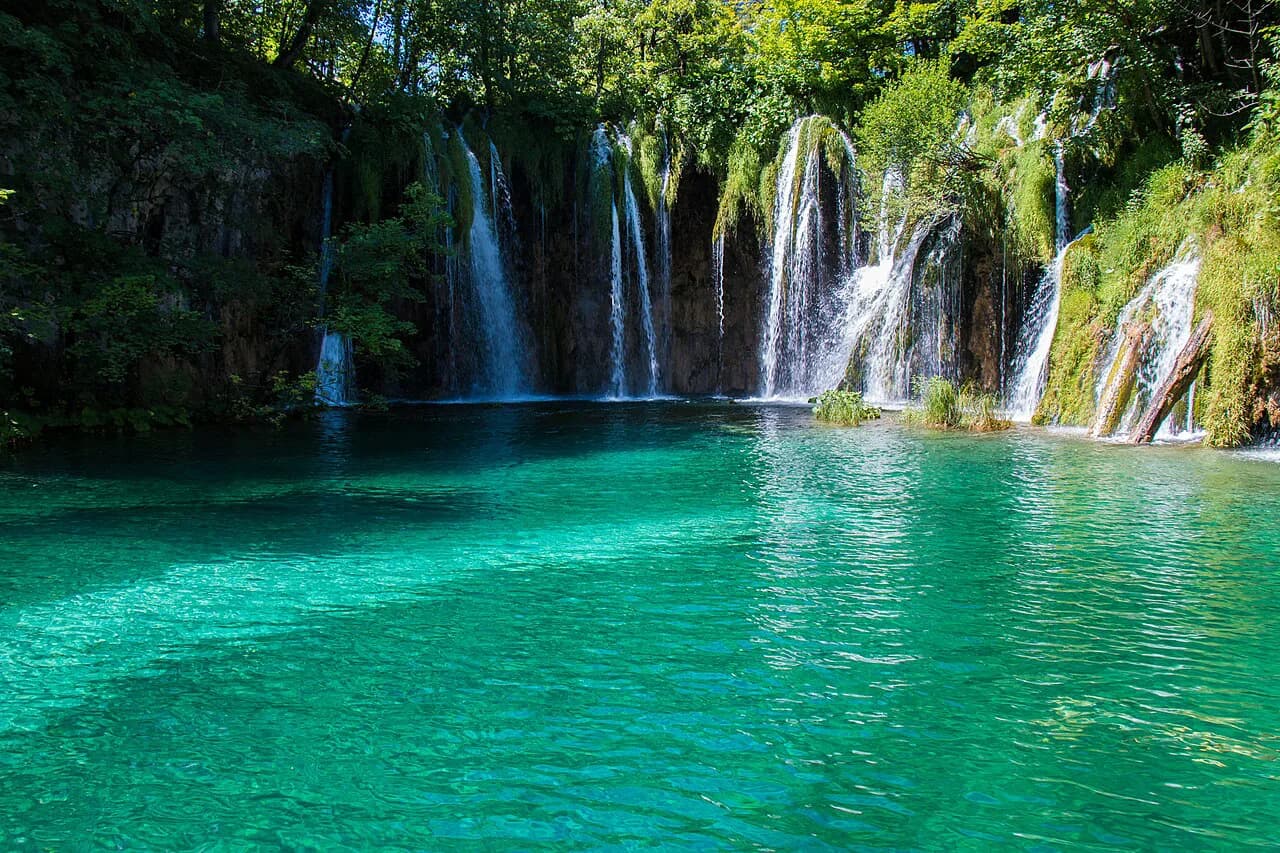
If you are travelling between Split and the islands, the Croatia travel guide and the broader things to do in Croatia will help you fit the Roman stops around the coast. For anyone pairing the Roman sites with the interior, Plitvice Lakes National Park is the classic inland add-on and works as a break between the coastal cities. Book ferry crossings for the summer well ahead, when the coastal boats fill.
When to go: crowds, cruise-ship days and the bura wind
Summer is the wrong time for open stone monuments at midday, when the heat on the paving at Pula and Salona is unforgiving; go early or late. Diocletian's Palace and Zadar's old town are busiest when a cruise ship is in port, because both are standard port calls. Checking cruise schedules for Split and Zadar lets you time the palace and forum for quieter hours.
The bura, the cold north-easterly wind, can blow through the coastal cities outside high summer and makes exposed sites unpleasant, so keep a flexible day for indoor stops when it is forecast. Spring and autumn give the best balance of open sites, fewer crowds and working ferries. The climate is not something to plan to the day; check a forecast before committing to a long outdoor stop.
Costs and tickets: what to budget in euros
Croatia uses the euro, and prices for Roman sites are published by the site or the city rather than set nationally, so there is no single figure to quote. The large ticketed monuments, Pula's Arena and the cellars and cathedral at Split, publish current prices at the ticket office; free squares like Zadar's forum and the palace streets cost nothing to walk. Check the official site or tourist board for the season's prices before you budget.
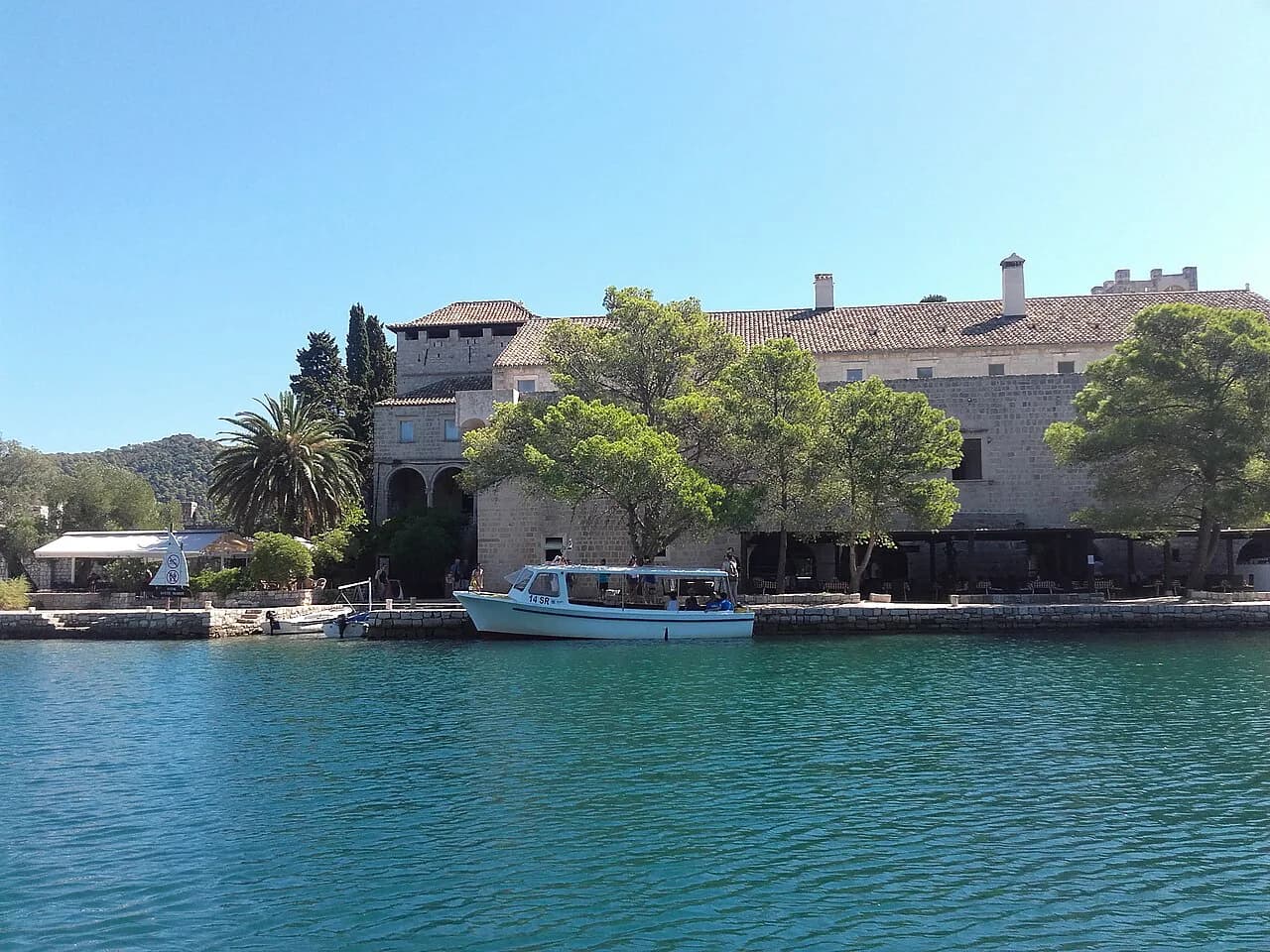
If you are combining Roman stops with the national parks, note that park tickets are set by the park authority and include services; Mljet's ticket, for example, covers a boat crossing to Sveta Marija and the lakeside paths, with a published price list for the season. For inland parks, the Plitvice Lakes National Park price list and working hours are published on the park's official site. Taxis or buses between Split and Salona are an added cost worth checking locally.
Which Roman ruins to build your route around
Start with Diocletian's Palace in Split if you want the most absorbing single site, because you walk through a Roman palace that is still a working neighbourhood. Add Pula's Arena for the monumental, ticketed experience and Zadar's forum for the free, walk-through one, then slot in Salona between Split and the road north. That sequence gives you the three Roman experiences of Croatia without retracing your steps.
Allow at least two full days for the coastal Roman circuit, with a third for Salona and the transfer between cities. If you are building the trip around ferry timetables, the boat tour and ferry pages will help you fit the sites to the season. Check current ticket prices at the official source on the day you book, since seasonal rates change.
Explore more Croatia guides
Frequently Asked Questions
Was Croatia ever part of the Roman Empire?
Yes. The Dalmatian coast was absorbed into the Roman state over the centuries before and around the birth of Christ, which is why Pula, Split, Zadar and Salona carry Roman monuments. Diocletian's Palace at Split, built for the emperor's retirement around the turn of the fourth century, is the clearest surviving expression of that status.
Which Croatian city has a Roman amphitheatre?
Pula, in Istria, has the Pula Arena, one of the largest surviving Roman amphitheatres. You visit it as a ticketed monument, unlike the free public squares such as Zadar's forum. Check the Arena's own ticket office for current opening hours and prices.
Which Roman emperor was from Croatia?
Diocletian is the emperor most closely tied to Croatia: he built his palace at Split and retired there. His palace is now the living core of the city rather than a ruin, and you can walk its streets without a ticket. The imperial mausoleum and the cathedral around it are among the monuments on the site.
Can you walk through the Roman sites for free?
Some of them, yes. Zadar's forum is a public square, and you enter Diocletian's Palace in Split through its gates without paying. Pula's Arena, the palace cellars and Salona are enclosed sites with their own ticket arrangements.
Sources
Notes from the Croatian coast
Optional updates when our guides change.
You might also like
Continue reading
More guides you'll find useful