Croatia Travel Guide: Coast, Islands, Ferries and Costs
A practical Croatia travel guide for the Adriatic coast: which towns and islands to pick, how ferries work, when to go and what things cost in euros.
On this page
For most first trips, Croatia means the Dalmatian coast: Roman Split, walled Dubrovnik, Venetian Šibenik and Zadar, plus a handful of islands and Plitvice Lakes or Krka inland. The country uses the euro and you can reach the coast from the UK and Ireland by direct summer flights to Split and Dubrovnik. This guide covers how the pieces connect and what each choice costs you in time and money, and you can start with our list of the best places to visit in Croatia before booking anything.
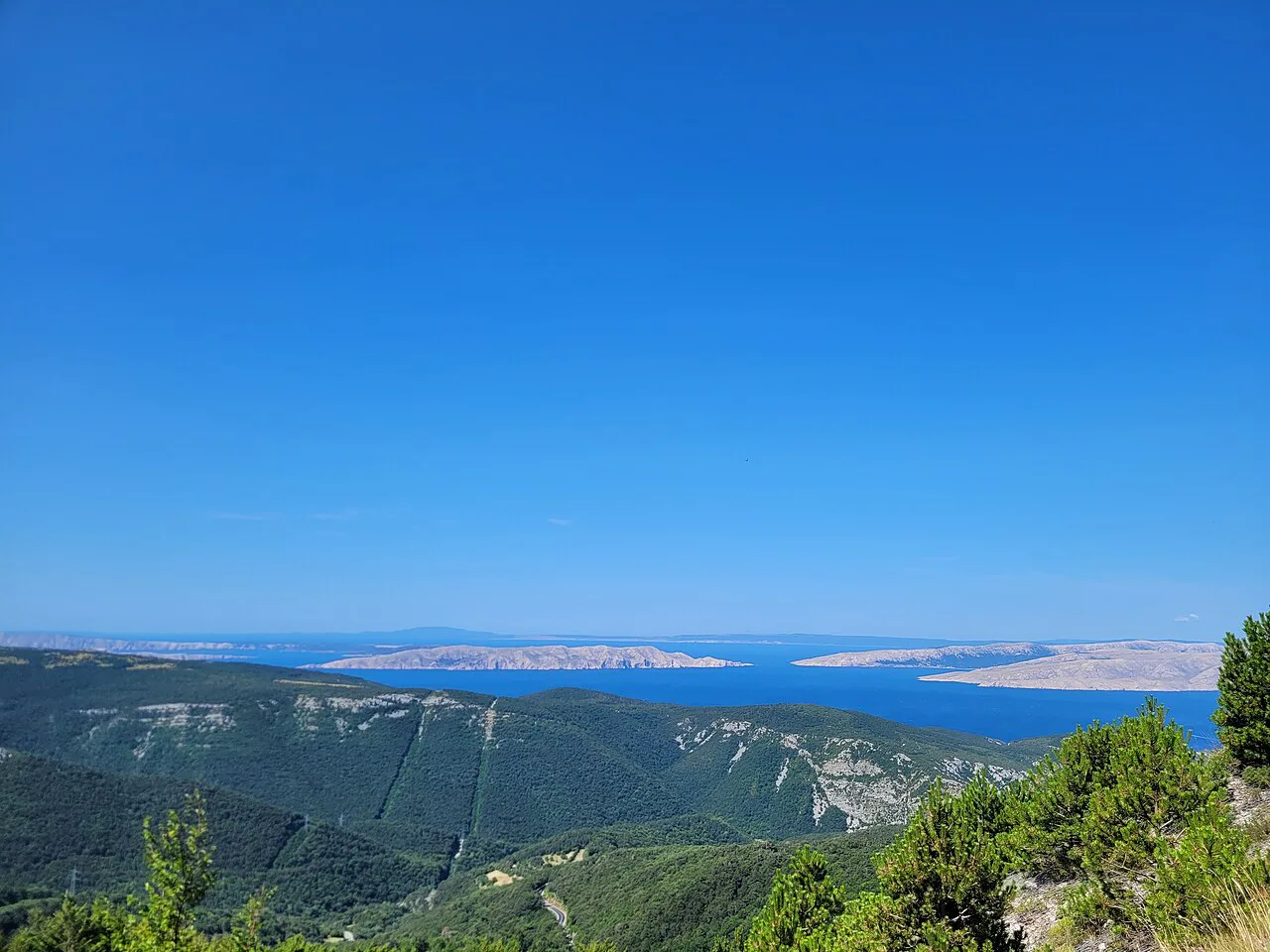
Think of the coast as a spine rather than a set of separate stops: Zadar and Šibenik sit north of Split, Dubrovnik sits far south, and the main islands (Brač, Hvar, Korčula) string along between. Catamarans cut across the water in a couple of hours, whereas a bus or car follows the coastal road inland. That difference shapes a whole itinerary, so decide early whether you want easy day hops or a slower road trip.
How a Croatian coastal trip fits together
The classic corridor runs from Zadar and Šibenik down through Split and on to Dubrovnik, with island detours stitched in by ferry. Split works as the hinge, because the central islands and both Krka and the Split airport sit within striking distance of Diocletian's Palace. Places do not need to be visited in a fixed order, but the direction of travel matters, since ferries and buses are easier to find along the main line than across it.
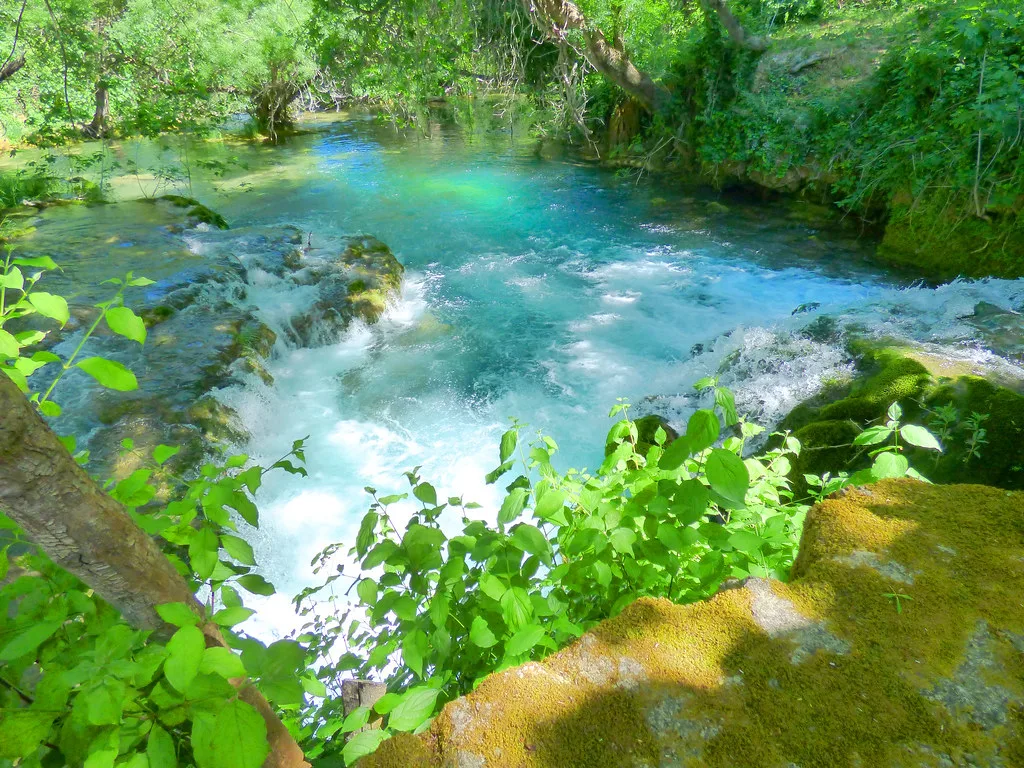
Plitvice Lakes National Park sits inland between Zagreb and the coast, so it works best as a transfer stop on the way to or from the north, not a day trip from Split. Krka National Park is closer to Šibenik and fits more naturally into a coastal week. If you want to settle the list of marquee sites first, our guide to things to do in Croatia sets out the highlights, and the UNESCO sites in Croatia rewards a day of planning around its walled towns and cathedrals.
Choosing your bases: Split, Dubrovnik, Šibenik and Zadar
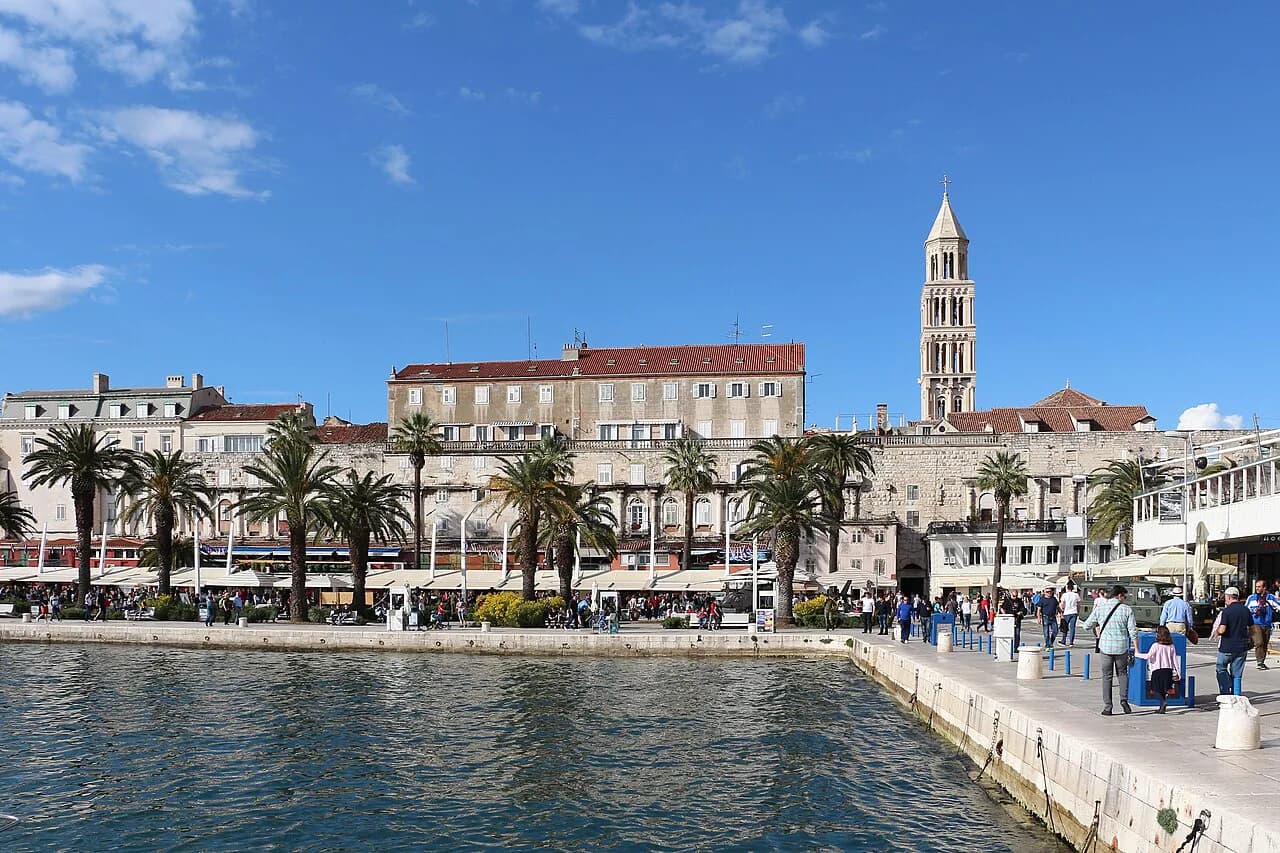
Split is the most practical single base: it has the busiest ferry port in Dalmatia, an airport on the doorstep and a walkable old town that does not need a car. Its trade-off is summer noise; from June to August the Riva and Kalelarga fill to the point that an early start and a late afternoon beat midday. Staying here also makes island days easy without moving your luggage.
Is Croatia expensive for British travellers? It is mid-range rather than cheap. Croatia uses the euro, and Split or Dubrovnik in July and August are noticeably pricier than in June or September.
Do I need a car to see the Croatian coast? No, if you stick to old towns and islands linked by bus and catamaran. A car helps for Pelješac, Plitvice Lakes and Istria's smaller towns, but it brings car-ferry fares, summer traffic and parking limits in old towns.
What should I know before going to Croatia? The euro replaced the kuna in 2023, so expect euro prices. Seasonal closures matter on the islands, the bura wind can disrupt ferries and swimming, and summer crowds peak in Dubrovnik and Split.
Dubrovnik is the biggest spectacle and the most crowd-exposed: the whole walled Old Town is a UNESCO World Heritage Site, and shoulder-to-shoulder narrow streets are the norm when several ships are in port. Šibenik and Zadar offer a calmer version of the same Venetian and medieval architecture, with Zadar's Sea Organ (Morske orgulje) and Šibenik's St James's Cathedral as the anchors for a two-night stop. Base in one of them if you want culture without the cruise-ship crush.
Island bases change the rhythm completely. Hvar, Brač and Lošinj reward a slower pace, while Korčula rewards a longer stay. Poreč and Rovinj in Istria lean more Venetian Italian, with the Euphrasian Basilica in Poreč as the standout interior and Crkva Sv Eufemije in Rovinj anchoring the waterfront. Our round-up of the best towns in Croatia shows how the character differs from town to town.
A sensible choice for most first-time travellers is two bases, not five: Split for the central coast and Dubrovnik or Šibenik for a second arc. This gives you day-trip range without constant transfers, and it makes ferry days realistic because you can walk on rather than drive on. Move only when you are shifting coastlines, not for every museum.
How long you need: short breaks versus ten days
A short break covers one town properly and one island or park day. A week works for Split with Krka, Hvar and a couple of half-day walks; ten days allows you to add Korčula or Dubrovnik without turning every transfer into a sprint. Two full days is the minimum that feels unhurried in Split, and three days does Dubrovnik justice if you want the walls, the old streets and a boat hour without rushing.
The temptation is to treat the Adriatic as a checklist, but the ferry timetable makes small stops expensive in travel time compared with big ones. Plan no more than three bases across ten days, and book any forward ferry hop for the morning, when there are more crossings and weather usually holds. The extra day you gain is better spent on a quiet island than on another town's car park.
Getting there from the UK and Ireland
Split and Dubrovnik are the most natural air gateways for a coastal trip from Britain and Ireland, with Zadar and Pula useful for northern itineraries. Lonely Planet's Croatia hub gives a broad overview of the country's regions, when to go and how to move around. For UK travellers, flying into one airport and out of another usually saves backtracking, and open-jaw tickets are worth comparing before fixing your route.
If you are combining Croatia with Italy or Slovenia, ferries and buses across the Istrian and northern border are useful, but they eat time. For a first coastal trip, direct flights to Split or Dubrovnik plus local buses and catamarans will beat a car hire and ferry negotiation in July. Think about where you land rather than which city is most famous.
Ferries and catamarans: building a sailing day
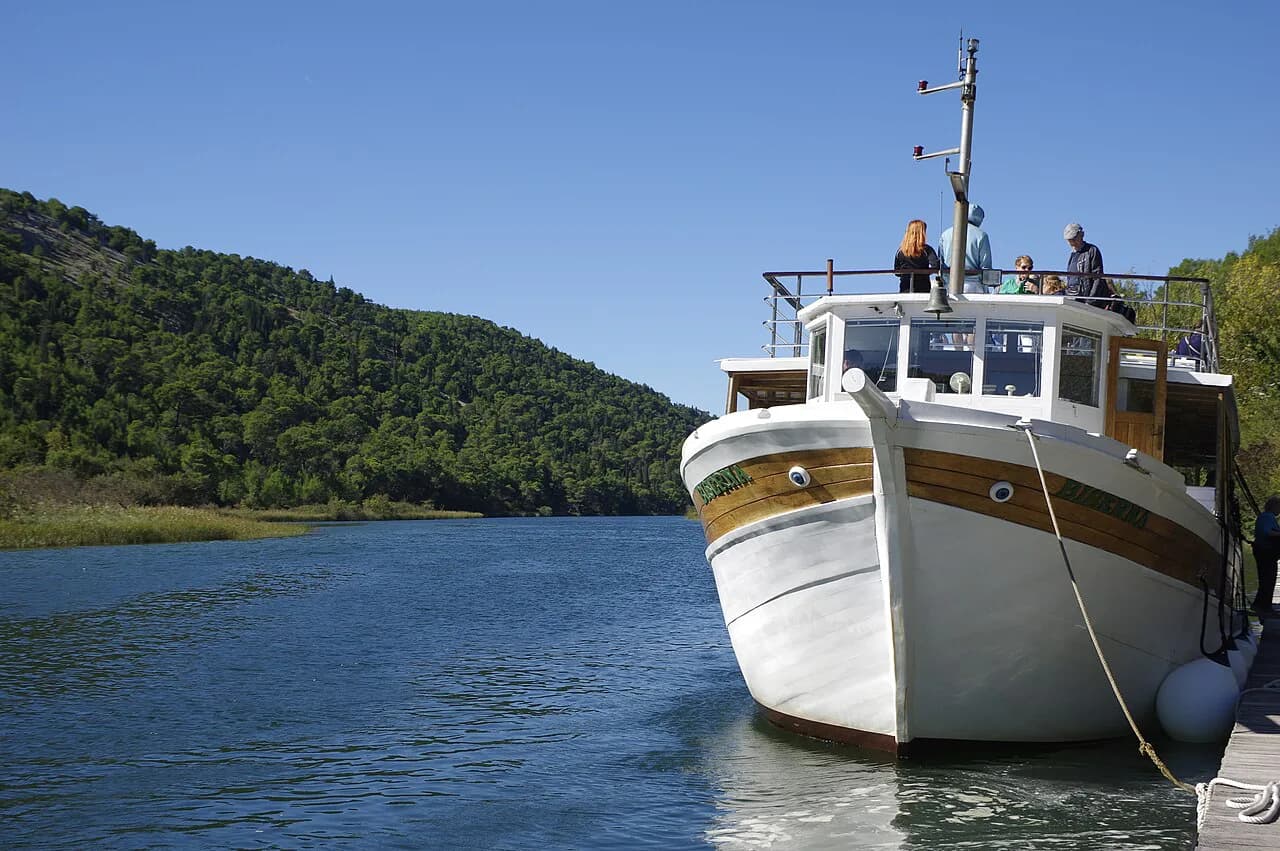
Jadrolinija is the long-established national ferry company, while Krilo and TP Line run fast catamarans on the main island and coastal routes. Catamarans are faster and often foot-passenger only, whereas car ferries take vehicles and put you further from town centres when you dock. The company matters more than the destination because timetables and ticket rules sit with each company, so check Jadrolinija, Krilo or TP Line directly for the season you are travelling.
An island day works best when you take an early catamaran out and a late one back, leaving six to eight hours ashore; book the return in advance in July and August. If a boat is cancelled for wind or sea state, the next sailing can be full, so a night on the island is a safer plan than a tight same-day return. Do not assume a boat tour and a scheduled ferry are interchangeable: a boat tour is a fixed itinerary, whereas the ferry is transport with a timetable.
If you would rather paddle than queue for a ticket, a Croatia kayaking session around the old towns gives a different angle on the same harbours. Compare that with a Croatia boat tour to the islands if you want to see the Kornati archipelago or a distant cove without navigating the ferry timetable yourself. Both depend on the weather, so keep a plan B for a windy day.
Driving versus public transport
A car opens up Pelješac, the quieter interior and stops between towns, but it costs you car-ferry fares, summer parking and slow coastal traffic. In July and August, the main road south of Split can crawl, and old-town parking is restrictive in Dubrovnik, Zadar and Split. If your trip is mainly old towns and islands, buses and catamarans are simpler and often quicker door to door.
Driving becomes clearly worthwhile for three things: reaching Plitvice Lakes early, exploring Istria's hill towns and combining Korčula with Pelješac. It buys flexibility when a ferry is cancelled or the bura blows in from the mountains, because you can reroute overland. Hire only what you need, pick up and drop off at the same airport where possible, and check the ferry companies' vehicle booking rules for the season.
When to go: May, June, September and October
June and September are the sweet spot: warm enough for swimming, quieter than July and August, and usually easier for ferries and car parks. May and October are cooler and more unpredictable for swimming, but they suit walking and town days with far fewer people, and some island restaurants and boats reduce their schedules. Peak July and August bring the heat, the crowds and the highest prices, with bookings needed well ahead for catamarans and Plitvice.
Seasonality on the islands is sharper than on the mainland: a place that is lively in August can be half-shut in October, especially on the smaller islands. Use the shoulder months as a trade-off between reliable weather and things being open, and treat July as a month when you need to reserve rather than improvise.
Crowds and cruise-ship days
Dubrovnik's Old Town is a UNESCO World Heritage Site and absorbs enormous numbers of visitors when cruise ships dock, which changes its character between one morning and the next. Split's palace streets and the Riva feel the same pressure, though less intensely, and Zadar and Šibenik stay comparatively calm. If you want quiet photographs, plan an early start and keep the middle of the day for a museum, a swim or the shade.
A practical way to manage the crowds is to book your town days around the ships: use mornings for the walls and streets and afternoons for the water. That trade-off costs you a siesta but buys back the old town you came to see. Consider going in June or September, when the cruise calendar is lighter, rather than fighting August.
The bura wind and your itinerary
The bura is a cold, strong wind that pours down from the mountains and hits the Dalmatian coast and islands, most often in the cooler months. It can shut in swimming, flatten boat schedules and make an otherwise easy catamaran crossing uncomfortable. Build a spare half-day into any island hop and do not book the same day you fly home; the wind does not follow a ferry timetable.
Summer bura days are rarer and shorter but still possible, and the sea in the shelter of an island can be fine while the channel outside is rough. Watch the local forecast and the Jadrolinija or Krilo notices, and treat swimming from exposed rocks with more caution than calm conditions suggest.
Money in euros: costs, cards and the tourist tax
Croatia adopted the euro in 2023, so prices are quoted in euros and kuna is no longer current. Cards are accepted widely in towns and hotels, but small islands, markets, cafés and some boat operators still prefer cash, so carry a little as backup. Lonely Planet's Croatia guide has a money and costs section worth reading before you budget, and Rick Steves' Croatia pages offer a second, similarly cautious overview of practicalities.
Daily costs depend on how you travel: apartments and ferries are cheaper than hotels and boat tours, and shoulder-season rates are lower than July. A tourist tax is normally charged per person per night and is usually collected by your accommodation, though the rate varies by town. Rather than fix a daily budget, price your specific ferry, park and museum tickets for the season you are going and add a cash margin.
The biggest avoidable cost on a coastal trip is backtracking: an extra ferry crossing or a return bus fare usually costs more than a well-chosen night on an island. Book long catamaran legs once the route is fixed, and keep short local tickets flexible. The choice between a hotel with breakfast and an apartment with a kitchen is worth weighing, because eating out adds up over ten days.
Opening months and seasonal closures
Mainland cities run year-round, but island facilities thin out sharply after September and many coastal hotels, boat services and small museums close or reduce hours from October to April. The Croatian coast is not uniformly a year-round destination, so check opening months before you commit to an island base in the shoulder season. A ferry that runs in July may not run daily in November.
This is the single biggest reason to travel in June or September rather than May or October: you get better availability without peak crowds. If you must travel in the shoulder, pick larger towns like Split, Zadar or Dubrovnik that keep their museums, restaurants and transport running longer.
Roman and Venetian sights worth a day
Split's Diocletian's Palace is a Roman retirement complex built into a living city, and it repays a slow morning rather than a walk-through. Add St James's Cathedral in Šibenik for its Venetian-era stonework and the Euphrasian Basilica in Poreč for early Christian mosaics, and you have three contrasting stops. For a wider look at the coastline, browse our Croatian coast guide.
In a similar vein, Trogir's small old town is close enough to Split for a half-day and is a UNESCO World Heritage Site in its own right. Korčula's walled town and Zadar's Roman forum layer another chapter onto the same story. If you want to understand the wine-dark histories of the Venetian and Roman Adriatic, these four stops cover the essentials without turning your holiday into a lecture.
National parks: Plitvice, Krka and Kornati
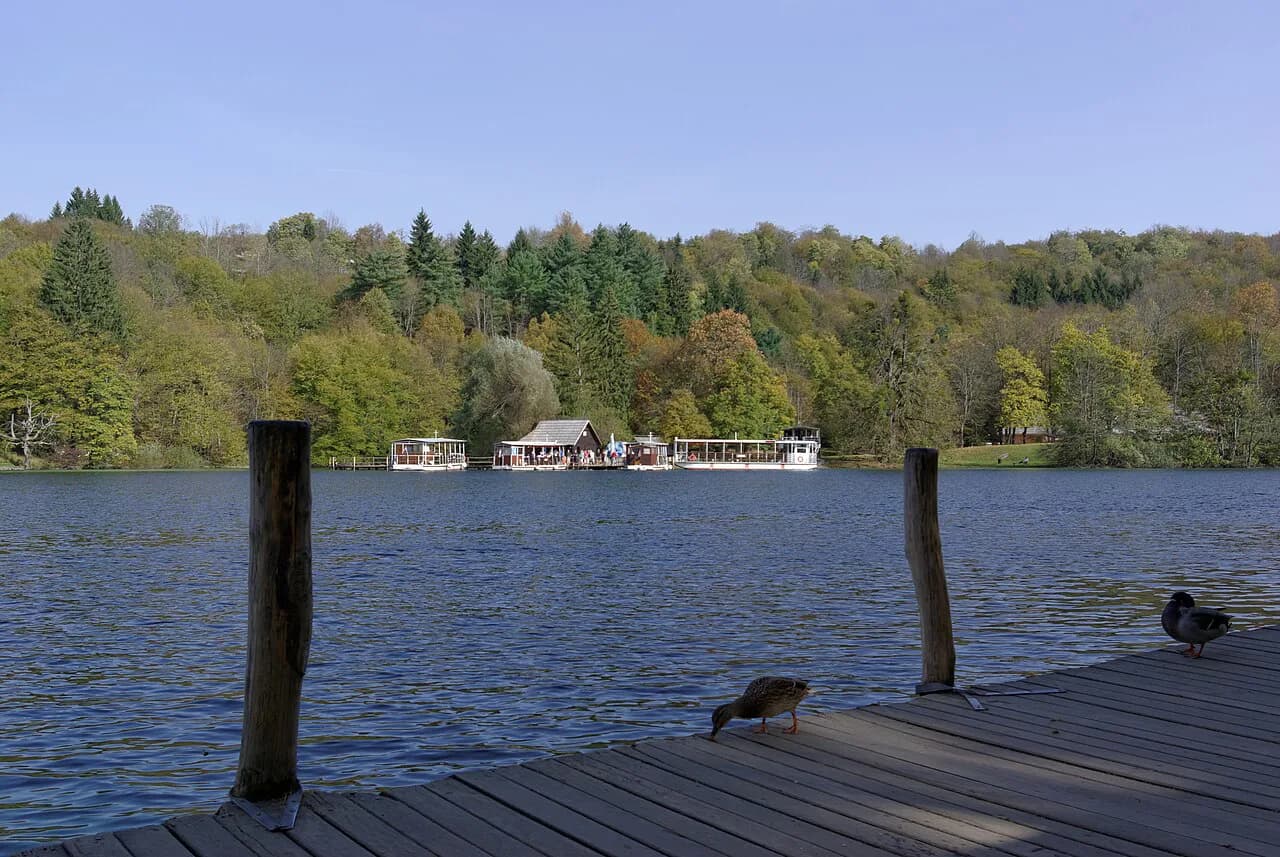
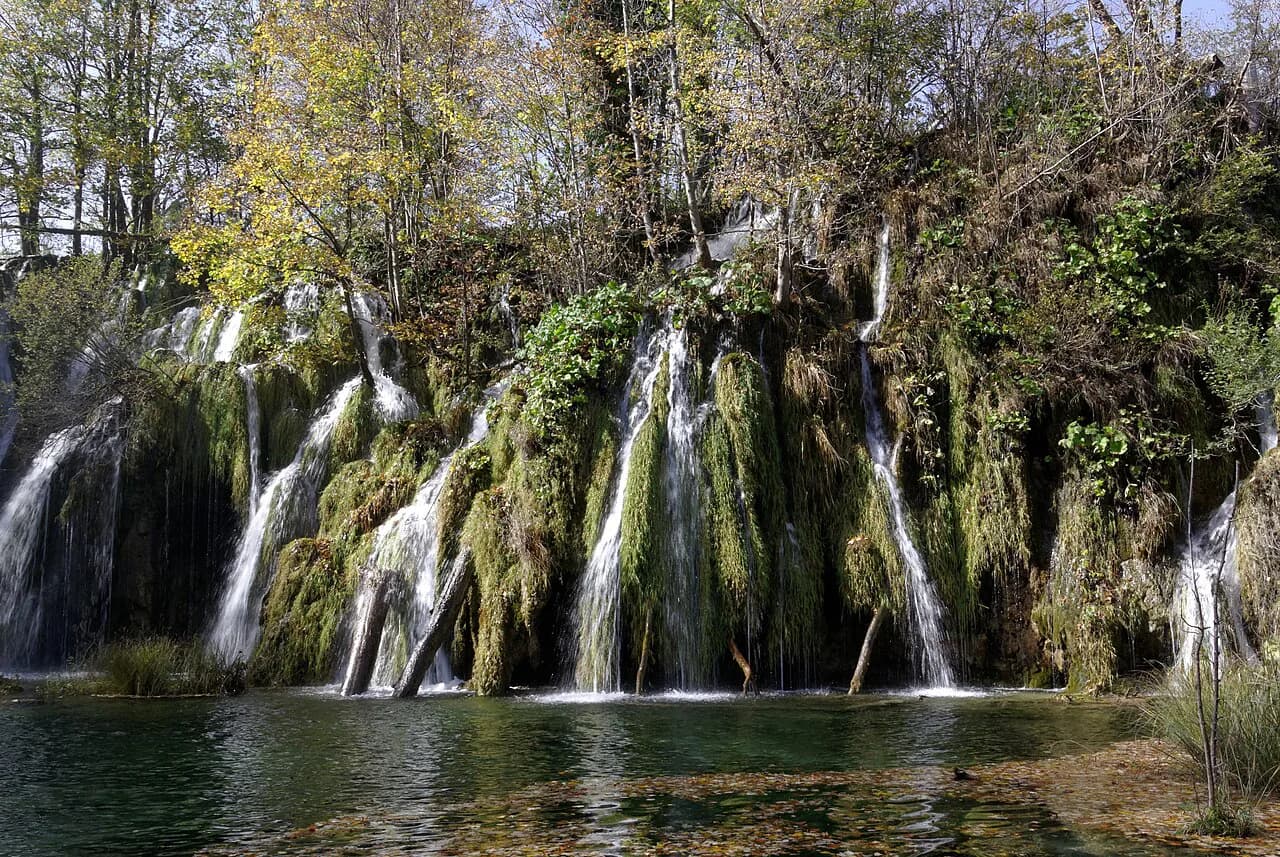
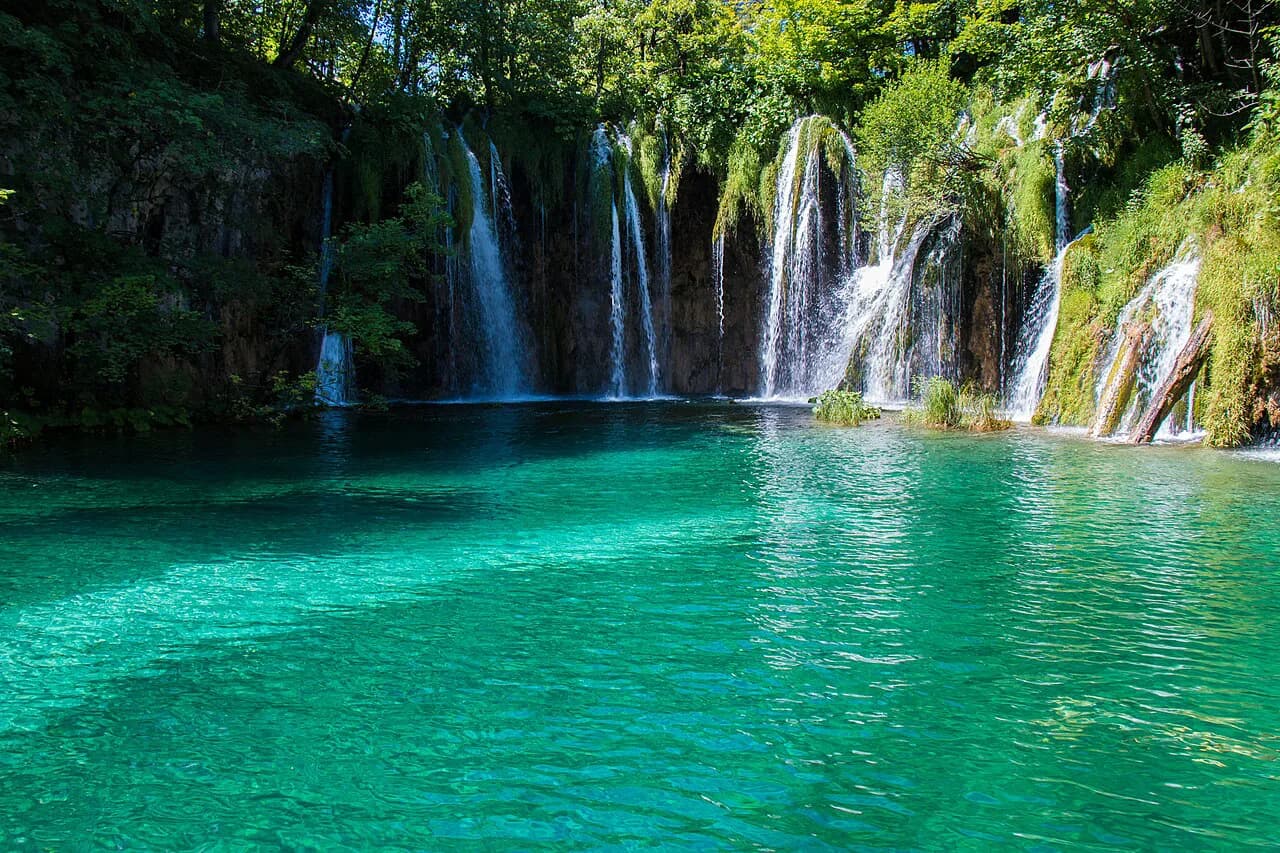
Plitvice Lakes National Park is the major inland site, with a boardwalk circuit past lakes and waterfalls, and it is usually visited on a day trip or a transfer to Zagreb. It is not close to the islands, so build it into a Zagreb-to-coast journey rather than a Split day trip. Ticket prices and opening hours change by season, so check the Plitvice park authority's own website before booking and buy a timed entry in peak months.
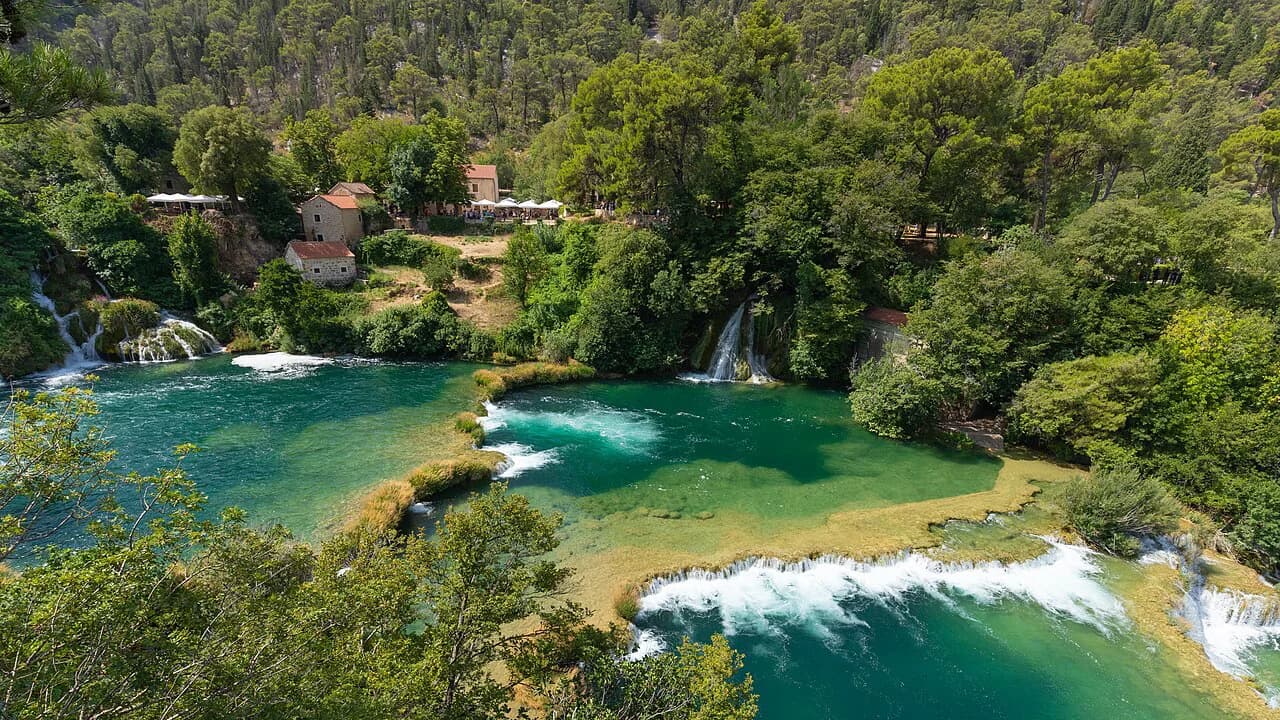
Krka National Park, near Šibenik, is the easier park to add to a coastal week, with the Skradinski buk falls and Roški slap reachable on a half-day visit. Kornati National Park is the archipelago anchor, best seen by boat tour, and its island shores suit a swim rather than a hike. All three parks charge by season, so confirm the price and opening month with the park authority before you travel.
The parks are not interchangeable: Plitvice rewards a full day, Krka fits a half-day, and Kornati is a boat trip rather than a walk. This difference shapes where you base, since Krka pairs naturally with Šibenik and Kornati with Zadar or Split. Prioritise one major park per trip and leave the rest to another visit.
Practical habits in towns and on ferries
Opening hours follow a Mediterranean rhythm: many shops close in the middle of the day and reopen for the evening, while museums usually run longer in summer and shorten in winter. Tipping is not obligatory, but rounding up or leaving about ten per cent for good table service is common, and cash helps in small places. Book the key museum, park and ferry tickets for the season in advance so you do not queue at a kiosk.
Harbours are for arrivals and departures, not for lingering at car drop-off; meet your driver or drop your car away from the quay and walk the last few minutes. Keep at least half a day between your last catamaran and your airport departure, and carry a refillable bottle because fountains in the old towns are usually drinkable. Smart-casual is fine everywhere on the coast.
Which base is right for your first Croatia trip?
If you want one base that handles flights, ferries, Krka and island days, choose Split; if you want the most dramatic walls and can tolerate people, choose Dubrovnik; if you want culture with breathing room, choose Zadar or Šibenik. Add one island for two nights and one National Park, no more, on a first trip.
Once the base is fixed, work backwards from the ferry timetable and check the season for openings, park tickets and catamaran prices on the Jadrolinija, Krilo and TP Line websites. That planning is what turns a list of sights into a doable coastal week.
Explore more Croatia guides
Frequently Asked Questions
Is Croatia expensive for British travellers?
It is mid-range rather than cheap. Croatia uses the euro, and Split or Dubrovnik in July and August are noticeably pricier than in June or September. The big variable costs are ferry tickets, park entry and accommodation; price them for your dates rather than relying on a general daily budget.
Do I need a car to see the Croatian coast?
No, if you stick to old towns and islands linked by bus and catamaran. A car helps for Pelješac, Plitvice Lakes and Istria's smaller towns, but it brings car-ferry fares, summer traffic and parking limits in old towns. For a first coastal week, public transport is simpler and often quicker.
What should I know before going to Croatia?
The euro replaced the kuna in 2023, so expect euro prices. Seasonal closures matter on the islands, the bura wind can disrupt ferries and swimming, and summer crowds peak in Dubrovnik and Split. Book ferry and park tickets for the season once your route is settled.
Sources
Notes from the Croatian coast
Optional updates when our guides change.
You might also like
Continue reading
More guides you'll find useful