Croatia Kayaking: Choosing a Trip, Route and Season
Sea kayaking in Croatia: how to weigh guided trips, self-guided paddling and camping departures against your experience, days and budget.
On this page
Croatia kayaking almost always means sea kayaking on the Adriatic rather than river paddling, and the first decision is the shape of the trip: a short guided coastal paddle, a self-guided rental, or a multi-day island expedition. Compare those three before you compare destinations, because the shape decides group size, distances, gear and how much local contact you get. This guide covers each type, where the trips go, how many days to give it and why quotes vary.
What Croatia kayaking usually means
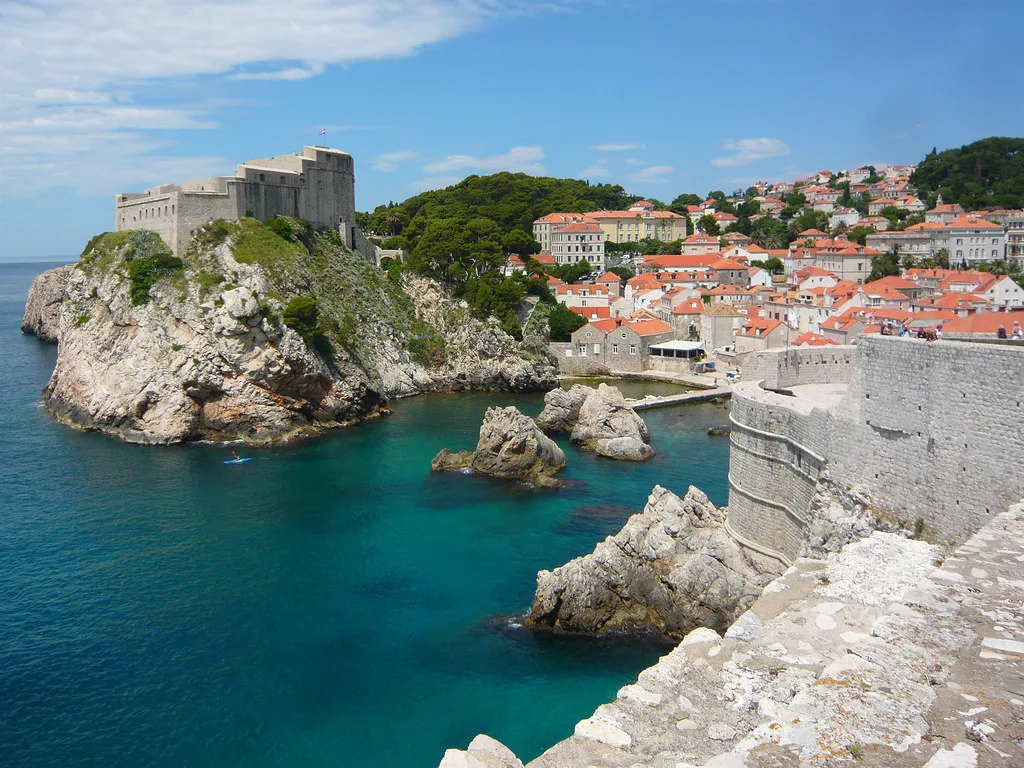
The paddling is overwhelmingly on the Adriatic, along island chains, around old coastal towns and across short channels between them. Sea state, wind and exposure to open water shape each day, so an itinerary that reads as a gentle island hop can demand real boat-handling when conditions turn. For the wider context of where these coastal bases sit, see our pick of the best places to visit in Croatia.
A kayak puts you at sea level, which is a different view of towns you may already know from land. Paddling is one part of a longer trip and sits naturally alongside the broader things to do in Croatia rather than replacing them.
Guided trip, self-guided rental or kayak camping
Croatian operator Malik Adventures sets out three broad shapes: accommodation-based trips where you sleep and eat with local families, camping-based trips, and expedition-style departures. The distinction governs how much kit you carry, how much of the day goes on logistics and how deeply you engage with a place. Read the trip type before the route, because a route you love in the wrong format will still feel wrong.
That operator deliberately avoids busy locations, favouring small island life, villages without tourism offices and hard-to-reach spots. It is a useful filter: if you picture paddling past a famous walled city at golden hour, an off-the-beaten-path expedition is not aimed at you; if you picture empty coves and a village with one konoba, it probably is.
Matching the trip to your paddling experience
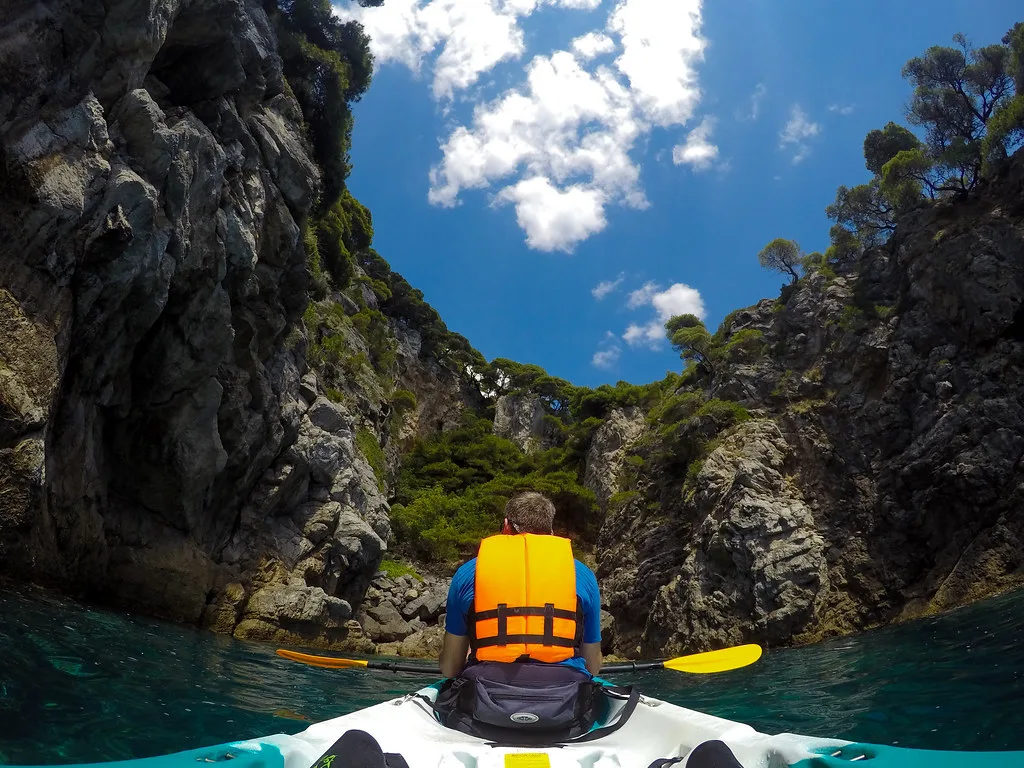
Distance and conditions matter more than any other variable. Malik Adventures treats the question of how far a group paddles and in what sea state as the central planning decision, because it shapes itinerary design and group composition. A paddler with hundreds of kilometres behind them can handle a self-guided trip, reading weather, choosing routes and coping with rough water or an incident; a beginner is better served by a guided group where those judgements are made for them.
Be honest about the second half of that sentence — conditions, not just distance. The Adriatic can shift from glassy to choppy, and the bura wind changes what is sensible on exposed crossings. If you have never paddled in wind or handled a capsize in open water, book guided and say so at the enquiry stage rather than at the put-in.
Camping and logistics: accommodation versus tents
Malik Adventures is blunt that kayak camping can overwhelm a novice paddler with little camping experience to the point where you stop seeing the landscape, and suggests an accommodation-based trip instead. The reverse holds too: if you dislike campsite logistics and want a shower and a bed, a camping departure is a poor use of your holiday. Decide which camp you are in before you read routes.
Accommodation-based trips also buy more local immersion: staying and eating with local families, spending several nights in the same village and having a guide explain what you are looking at gives a deeper read of a place than a self-guided route where you handle everything. That is worth paying for if the culture is the point rather than the paddling alone.
Where these trips go: islands, tunnels and wrecks
Malik Adventures builds itineraries around small islands and villages — the Zadar archipelago and the island of Molat among them — plus submarine tunnels and military caves from the Cold War period, shipwrecks and century-old settlements. That is a specific kind of sea kayaking: history you can paddle up to, rather than a sequence of postcard beaches. Seek out operators who build routes around those sites rather than treating them as an add-on.
The practical consequence is that the best paddling is often away from the marquee stops. The Croatian coast is dense enough with islands that you rarely need long crossings to find empty water, so fix your land bases first with a Croatia travel guide and pick your water days around them.
What a guided itinerary includes day to day
On a guided trip the guide carries the route decisions: which channel to cross, when to wait out wind and where to land for lunch. Malik Adventures says its itineraries are drafted and then adjusted from first proposal through to on-the-water route choice as it learns more about the group. In practice, the more detail you give about your experience and what you want from the days, the more the itinerary shifts.
Expect local commentary to be part of the product, and on an accommodation-based trip that means context on the villages you stay in, not just safety cover on the water. If you want to paddle independently with logistics handled but no guiding, say so, because that is a different booking.
Dubrovnik sea kayaking: short coastal tours
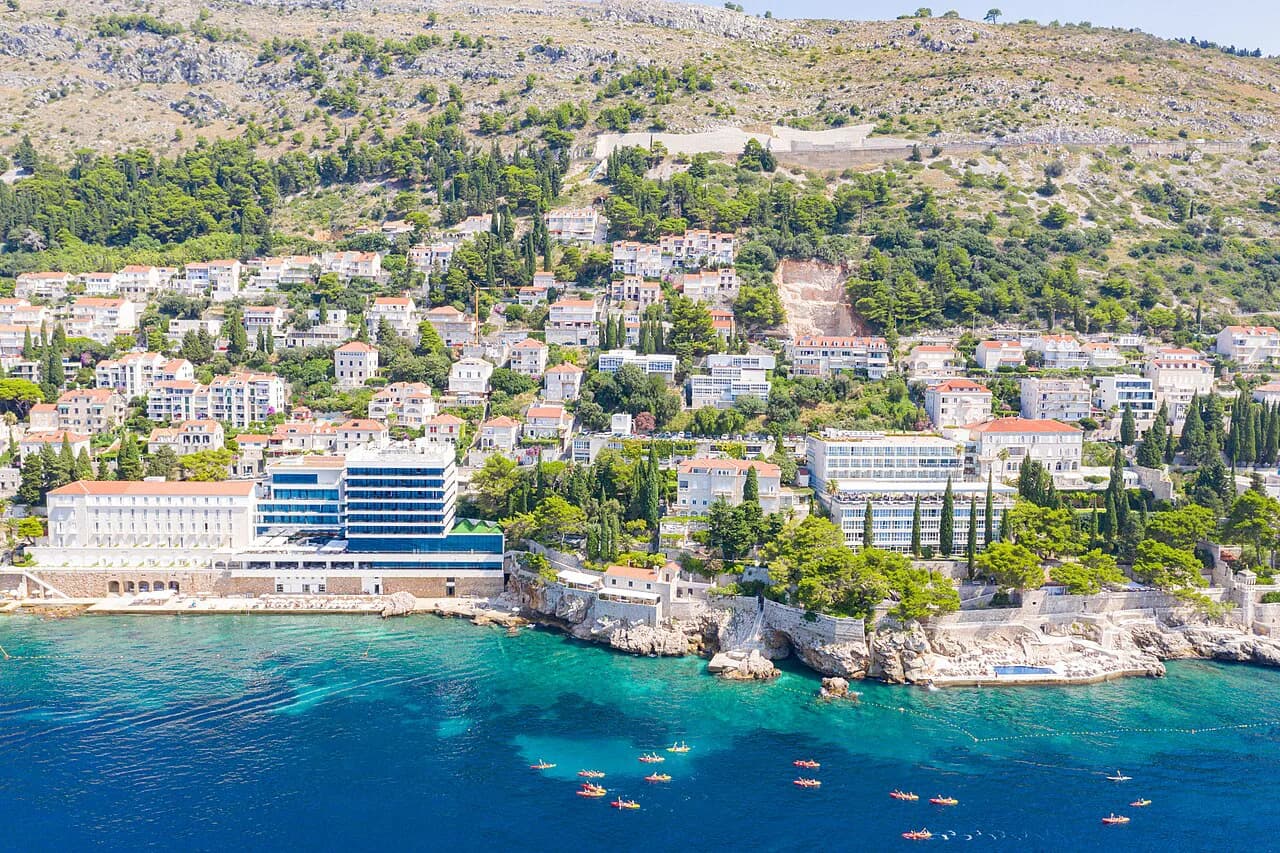
Dubrovnik has its own market of short coastal kayak tours, including sea kayaking with snorkelling and a route around Lokrum island. These are coastal paddles aimed at travellers who want a different angle on the old town rather than a multi-day expedition, and they suit anyone comfortable in a boat for a few hours.
The trade-off is time on the water versus time in the city. A short tour buys you the walled town from the sea and a swim stop but will not reach the empty islands a multi-day itinerary covers. If your Croatia trip is city-based, take the short tour; if kayaking is the reason for the trip, use Dubrovnik as a start or end point and head for the islands.
How many days to give it
The range runs from a few hours to six days. Guided kayaking departures sold internationally include a six-day North Adriatic itinerary, the multi-day shape with several paddling days, island stops and accommodation or camping built in. That length suits a dedicated paddling holiday rather than an add-on to a general sightseeing tour.
For a first taste, a single guided paddle of half a day to a day is the low-risk option: it tells you whether you enjoy sitting in a sea kayak for hours before you commit a week to it. If you already paddle at home, three to five days on the water is a sensible middle ground, leaving time to explore Croatia's towns on foot.
When to go and how weather shapes routes
Sea state, not air temperature, is the deciding factor. Wind and chop can turn an exposed crossing into a poor idea, which is why guides keep route flexibility in reserve and why experienced paddlers are expected to read conditions themselves on self-guided trips. Build a spare day into any multi-day plan so a windy day costs you an afternoon rather than the whole itinerary.
Rather than chase a fixed month, ask Malik Adventures what conditions their departures typically meet and how they adapt when the sea is up. Operators who describe their fallback routes and decision points honestly tell you more about a trip than any seasonal promise.
What to budget in euros, and why quotes vary
One international booking platform lists guided Croatia kayaking departures from $1,378 for six days, shown in US dollars rather than euros. Treat that as an indicative starting figure for a multi-day guided trip, not a price for your dates: flights, season and single supplements sit outside it, and short local tours cost far less. Croatia uses the euro, and any operator quoting kuna is out of date.
Quotes vary because the ingredients vary: accommodation versus camping, the number of paddling days, group size, guide ratio and what gear is included. Ask for a written list of inclusions — boat, paddle, spraydeck, dry bags, meals, transfers — before comparing two prices, because an apparently cheaper trip often leaves you renting kit on arrival.
Booking decisions that actually matter
Four things decide whether a booking goes well: group size, guide ratio, gear included and cancellation terms. Ask how many paddlers share a guide, whether the boats are singles or doubles, and what happens if the sea keeps you ashore — a refund, a land day or a rebooking — and get the cancellation policy in writing before you pay a deposit.
Match the booking to your real experience rather than your ambition. Malik Adventures sets out the safety case for choosing the trip type to fit the paddler, so a beginner on a self-guided rental in a windy channel is the scenario to avoid; a strong paddler stuck in a slow beginner group is merely bored. If you are unsure which side you fall on, book a guided trip first.
Which kind of kayaking trip should you book?
If kayaking is the main event, book a multi-day guided or expedition departure, and choose accommodation-based if camping logistics would distract you from the coast. If it is one part of a sightseeing trip, take a short half-day paddle — Dubrovnik's coastal tours are the obvious entry point — and spend the rest of your time on land; see our Best Places to Visit in Croatia and Things to Do in Croatia for the land side. Confirm current prices, departure dates and what is included with the tour company directly before you commit.
Explore more Croatia guides
Sources
Notes from the Croatian coast
Optional updates when our guides change.
You might also like
Continue reading
More guides you'll find useful